

When searching for the perfect educational gaming platform, parents often prioritize two main criteria: is it genuinely educational, and is it a safe space for young learners? The PBS KIDS Games app stands out as a strong educational gaming platform for children, offering a large collection of free interactive experiences. This PBS KIDS Games review looks at why many families value the platform, focusing on its curriculum-based content, user-friendly interface, and lack of aggressive monetization.
The app is aimed at children aged 2 to 8 and offers a variety of games that encourage critical thinking, problem-solving, and literacy. By featuring favorite PBS Kids characters like Daniel Tiger and the Wild Kratts, the mobile app creates an inviting environment for children to play and explore without the distraction of in-app purchases or inappropriate content. Whether you are looking for a way to practice math skills or for a safer educational digital space, this platform can be a useful option for families.
PBS Kids Games Overview App and Website
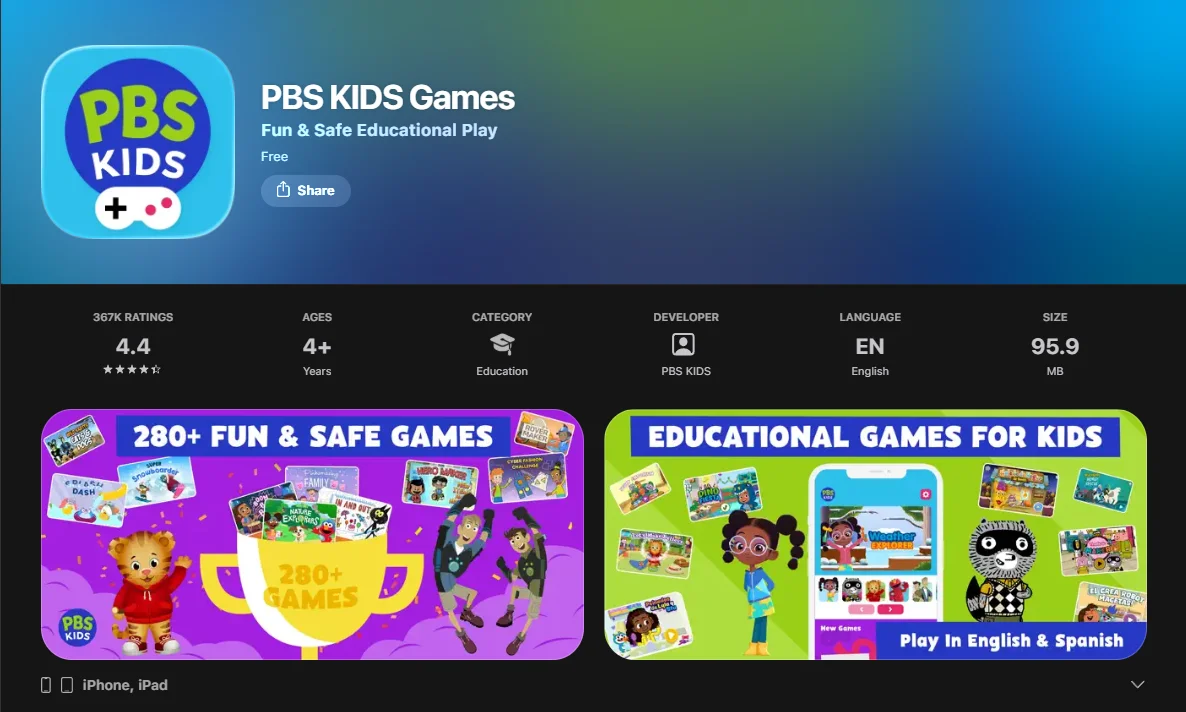
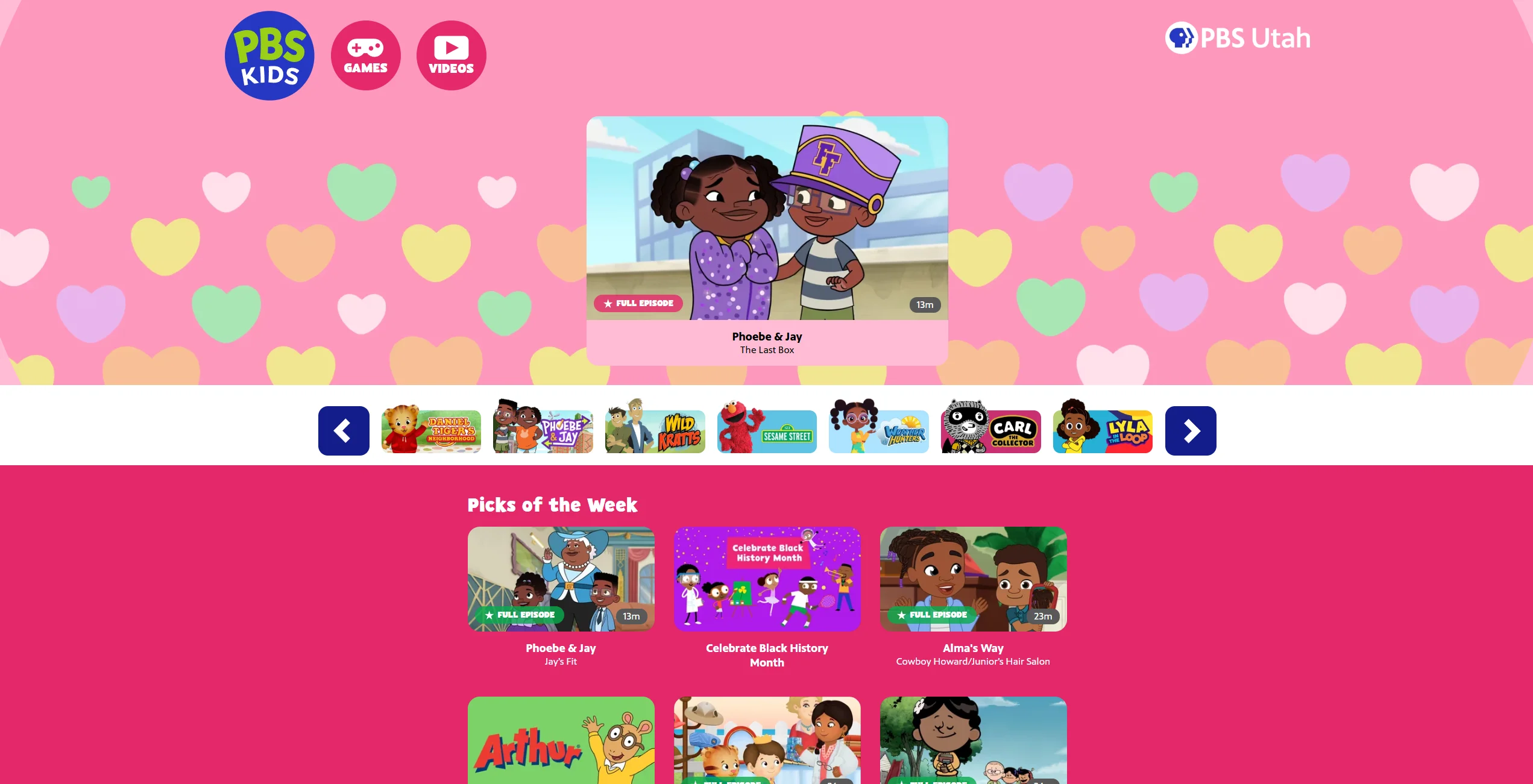
The PBS Kids Games app and its companion website offer a large collection of educational games from PBS KIDS, a well-known children’s educational media brand in the United States. Unlike many other products in the App Store or Google Play, PBS KIDS is built around a nonprofit mission: using media to help children learn and grow.
The platform functions as a central hub where children can use interactive tools to engage with the themes of their favorite PBS Kids shows. It is important to note that this is a dedicated educational tool, not just a general entertainment app. Whether accessed via a tablet or a desktop browser, the experience is streamlined to ensure that the focus remains on educational opportunities and meaningful gameplay.
What PBS Kids Games Includes
Inside the mobile app, you will find more than 280 games covering a wide range of subjects. The content includes:
- STEM challenges involving science and engineering.
- Math puzzles focusing on numbers, counting, and shapes.
- Reading and literacy activities to build vocabulary and phonics.
- Creativity tools like digital painting, music-making, and storytelling.
- Social-emotional activities that teach kindness, sharing, and routines.
How App and Website Work Together
The PBS Kids Games app and website are designed to be a cohesive ecosystem. While the mobile app works well for on-the-go play-and-learn sessions, the website may be better for games that are easier to use with a mouse. For parents, this means a broadly similar PBS KIDS experience across mobile devices and the web, although official sources do not clearly confirm seamless progress syncing between the app and the website. This setup allows children to access PBS KIDS games both on mobile devices and through the web, depending on where they are playing.
Who PBS Kids Games Is Made For
The app is marketed for children ages 2 to 8, although the App Store age rating is 4+. This range covers preschool, kindergarten, and early elementary students. The accessibility features and simple navigation help even very young children use the app more independently. The games available are categorized by age and subject, making it easy for parents to find content that matches their child’s current developmental stage. Age-appropriate digital content may support school readiness when used in moderation.
Why Familiar PBS Characters Matter
Familiarity is a powerful motivator in early childhood education. When a child sees familiar characters from Daniel Tiger’s Neighborhood or The Cat in the Hat, it can build immediate trust and interest. These PBS characters can act as familiar guides, helping the child through problem-solving tasks. Using favorite PBS Kids characters reduces the “barrier to entry” for learning, making the educational process feel like a fun interaction with a friend rather than a chore. This emotional connection is one reason children may engage more readily with the platform.
Is PBS Kids Games Safe for Children?
When it comes to online safety, the PBS KIDS Games app is stronger than many ad-supported children’s apps. Parents are often rightly concerned about inappropriate content and data privacy, and PBS KIDS presents the app as a safer space with child-focused privacy standards. The platform is designed to be safe for kids by eliminating the typical pitfalls found in the broader mobile market.
| Safety Feature | PBS Kids Games Standard | Why It Matters |
| Advertisements | 100% Ad-Free | Prevents distractions and accidental clicks to external sites. |
| In-App Purchases | Zero / None | This reduces the risk of unauthorized spending and avoids pay-to-win mechanics. |
| Data Privacy | PBS KIDS provides a dedicated children’s privacy policy and states that children’s information is not used for behavioral advertising or marketing | PBS KIDS states that children’s information is protected under its privacy policy and is not used for marketing or behavioral advertising. |
| External Links | Parent-Gated | Keeps children within the secure app environment. |
Ad-Free Experience for Kids
One of the most important things for parents to know is that the app offers an ad-free experience. There are no banners, pop-ups, or “rewarded videos” that interrupt the gameplay. This is crucial because it prevents accidental clicks that might lead a child to an external site and ensures a calm digital experience where the child can focus entirely on the learning goals. In many other free apps, advertising is common and can expose children to age-inappropriate marketing.
Kid-Friendly Design and Content
PBS KIDS Games features a design language that is clearly aimed at children. Icons are large, instructions are voiced aloud (perfect for non-readers), and the color palette is bright without being overstimulating. This kid-friendly design helps create an environment that feels welcoming and intuitive for children. By focusing on a child-first design, the developers have created a space where children can explore with less need for constant adult intervention.
Why Safe Content Matters for Parents
For a parent, “safe” means more than just the absence of strangers. It means knowing that the specific games your child is playing are age-appropriate and free from “dark patterns” designed to hook them into addictive loops. Trust in the PBS KIDS brand may give parents more confidence that the content has been curated with children in mind. This trust is built on decades of public broadcasting excellence and a commitment to public service.
Safe Use at Home and On the Go
The app supports offline play, which is a significant benefit for families. The app supports offline play, making it useful for travel or places with limited internet access. This makes it a reliable tool for helping children stay engaged in a safe and educational way, no matter where you are. The ability to play offline also minimizes data usage and potential exposure to unmonitored web content.
Is PBS Kids Games Good for Kids?
The short answer is yes—the PBS Kids Games app is an excellent tool for development. Its value lies in its curriculum-based approach, with games designed around specific learning goals.
Learning Through Play
The philosophy of play-based learning is at the heart of the app. Instead of rote memorization, children learn through interactive learning experiences. For example, a child might learn about physics by building a bridge for a character or practice literacy by helping a character write a letter. This makes skill practice feel more natural and fun. Active, hands-on play is often considered more engaging than passive consumption.
Math, Reading, Science, and Art Skills
The variety of games ensures that no area of development is left behind. The app covers a broad range of early-learning subjects:
- Mathematics: Focusing on counting, sorting, operations, and basic geometry.
- Literacy: Building phonemic awareness, letter recognition, and early reading fluency.
- Science: Encouraging the scientific method through observation and hypothesis testing.
- Creative Arts: Providing mini-games for digital expression, coloring, and musical composition.
Games for Preschool, Kindergarten, and Early Elementary
The app scales with the child. Games aimed at 2-year-olds focus on simple cause-and-effect and motor skills, while those for 7- or 8-year-olds involve complex problem-solving and critical thinking. This gives PBS KIDS Games more longevity, making it a tool that can remain useful as your child grows. By offering varying levels of difficulty, the app provides a scaffolded learning experience that can help keep activities challenging without becoming too frustrating.
Why Repetition Helps Children Learn
You might notice your child returning to the same mini-games over and over. In child-development terms, this kind of repetition is often linked to mastery motivation. PBS KIDS Games appears to support this through positive feedback and repeatable activities. Repetition can help reinforce new skills and make lessons easier to remember. This iterative process allows children to build a “mental model” of the world, testing their understanding in a safe, virtual environment.
Honest PBS Kids Games Review for Kids Development
A truly honest PBS Kids Games review must look at the holistic development of the child. While many apps focus strictly on academics, PBS KIDS also includes social and emotional learning, which many educators consider important for long-term development.
Early Cognitive Skills
Many of the PBS games app offerings focus on executive function. This includes tasks that require children to use working memory, cognitive flexibility, and inhibitory control. For instance, investigative tasks in Odd Squad often require the player to remember multiple steps to solve a mystery, directly boosting critical thinking. These kinds of cognitive activities may help prepare children for the more structured environment of a classroom.
Language and Reading Readiness
The app is a powerful tool for helping children develop a rich vocabulary. By interacting with the PBS characters, children are exposed to complex sentence structures and new words in context. This kind of repeated exposure can support language development before formal schooling begins. Many activities also focus on “print awareness,” helping children understand that symbols on a screen correspond to sounds and meanings in real life.
Creativity and Imagination
Beyond the structured learning games, there are numerous “open-ended” activities. These allow children to design their own worlds, dress up characters, or compose digital stories. This focus on creativity means the app is not just about finding the ‘right’ answer, but also about exploring possibilities. Imagination can support later problem-solving skills, and PBS KIDS provides a strong sandbox for that kind of development.
Social and Emotional Learning (SEL)
Perhaps the most unique feature is the focus on kindness, mindfulness, emotions, and everyday routines. Content from Daniel Tiger’s Neighborhood helps children navigate complex social situations, such as taking turns or managing “big feelings.” This educational focus is one reason PBS KIDS Games is often viewed positively in discussions of child development. SEL is often associated with better academic performance and improved social interactions at school.
Is PBS Kids Games Kid Friendly?
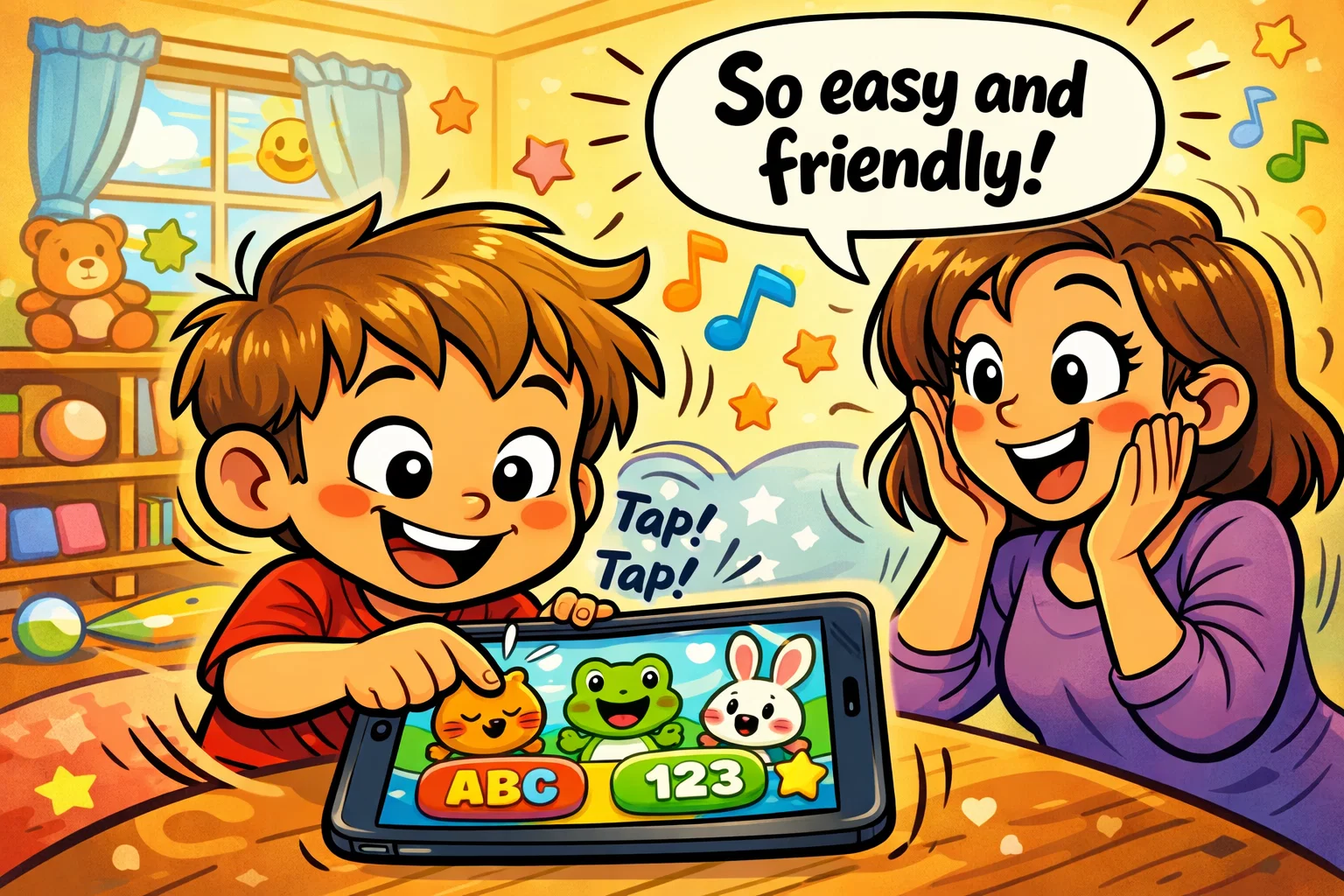
“Kid-friendly” refers to the usability and emotional tone of the software. The PBS Kids Games app is designed to empower the child, giving them a sense of agency in their learning adventure.
Simple Navigation for Young Children
The app offers a visual menu where children can simply click on the face of their favorite PBS Kids character to see all the specific games based on that show. This autonomy is important for building confidence in a digital-first world. Because the interface relies more on icons and voice-over than text, even toddlers can navigate the selection with minimal frustration.
Friendly Visual Style
The aesthetic of the app mirrors the high-quality animation of the popular PBS television shows. It is polished and avoids some of the more chaotic visual effects often seen in lower-quality games on the market. This helps create a calmer digital experience that may reduce the kind of overstimulation some parents worry about. The visual consistency across the brand helps children feel at home within the app.
Familiar Characters Build Trust
The presence of trusted characters can create a sense of familiarity that supports learning. When a child sees a familiar face, they are more willing to try a difficult math problem or a complex puzzle. These characters act as a bridge between the child’s entertainment world and their educational journey, making the transition to “learning time” much smoother for parents.
Calm Digital Experience for Daily Play
Unlike many modern apps that use high-stress timers or competitive rankings, PBS Kids focuses on a relaxed pace. This makes it a strong option for a daily digital routine. The absence of high-pressure mechanics allows children to explore at their own speed, which is “often beneficial” for deep concentration and sustained interest.
Does PBS Kids Games Have Parental Controls?
While the mobile app is inherently safe for children, parents often wonder how they can monitor their child’s activity. The parental controls in PBS Kids Games are less about “restricting” and more about “informing” and providing a curated experience.
Built for Kids First
Because the app is designed specifically for children, it does not require the same level of parental filtering as a general-purpose platform like YouTube. However, there is a dedicated ‘Grown-Ups’ area with parent resources, including information about shows, intended ages, and learning goals:
- Information on the learning goals of each activity.
- Advice on how to use the app to support schoolwork.
- Quick links to the PBS Kids for Parents website for deeper resources.
Role of Parents During App Use
Joint media engagement—when parents and children play and learn together—is often seen as a helpful way to deepen educational value. While the app is safe for kids to use alone, your involvement can help bridge the gap between the screen and real life. Asking questions like “Why did the character do that?” or “How did you solve that puzzle?” can turn a solo activity into a shared developmental milestone.
Healthy Screen Habits Around Educational Apps
Even with a high-quality educational media brand, balance is key. Screen time is generally best used intentionally and as part of a balanced routine that also includes physical play, social interaction, and rest. Using the app as a “reward” or a specific “skill-building session” helps children understand the purpose of digital tools.
What Parents Can Check Before Download
Before introducing any new digital tool, parents should consider a few factors:
- Age Suitability: Does the content match the child’s current development?
- Interests: Does the app feature favorite PBS Kids characters the child already loves?
- Device Storage: The app includes many mini-games, so ensure you have enough space for the content.
- Language: Does the family benefit from the app’s English and Spanish support?
Should Kids Download PBS Kids Games?
If you are looking for an option that combines fun and education at no cost, the answer is generally yes. The PBS KIDS Games feature set is unusually strong for a free educational app.
Best Fit for Ages 2 to 8
The app may be a very good fit for the developmental stage of early childhood. For the youngest users, it provides sensory stimulation and basic logic. For older children, it offers a variety of games that challenge their literacy and numeracy in more complex ways.
Great Choice for Families Who Want Educational Games
This is a highly trusted educational media brand for many families. It offers a “safe harbor” in a digital world that is often overwhelming. Families who value quality storytelling and curriculum-aligned content may find this app especially useful.
Good Option for Bilingual Play
A major differentiator is the English and Spanish support. This can be particularly useful for bilingual families or for those who want to introduce a second language early. Many of the PBS kids shows represented in the app are also available in both languages, reinforcing the connection between media and language acquisition.
Why Kids Keep Coming Back to App
The developers frequently add new games based on current show seasons, ensuring the content stays fresh. This variety, combined with the appeal of familiar characters, helps PBS KIDS Games keep even older children engaged as they move through different stages of early learning.
What Parents Say in PBS Kids Games Review
Many parent comments about PBS highlight the brand’s reliability. In an era of educational apps that can vary widely in quality, many families describe PBS KIDS Games in very positive terms. Parents may appreciate the platform’s straightforward, low-friction safety profile.
What Parents Usually Appreciate Most
The primary feedback from the parenting community centers on:
- Peace of Mind: Knowing there are no in-app purchases.
- Quality Content: Noticing their children repeating phrases or facts learned in the app.
- Ease of Use: Children being able to play without asking “What do I do next?” every two minutes.
Why Educational Value Matters in Reviews
For many parents, a good review is tied to tangible results. When a child begins to recognize letters or starts talking about “gravity” because of a game, the educational value becomes clear. This reinforces the trust in the educational media brand for children.
Why Trust in PBS Brand Helps
The PBS logo is often seen as a marker of trusted educational content. It represents a commitment to the “whole child,” focusing not just on what they know, but who they are. This long-standing reputation helps explain why the brand is trusted by many households.
How Parents Can Keep Learning Safe
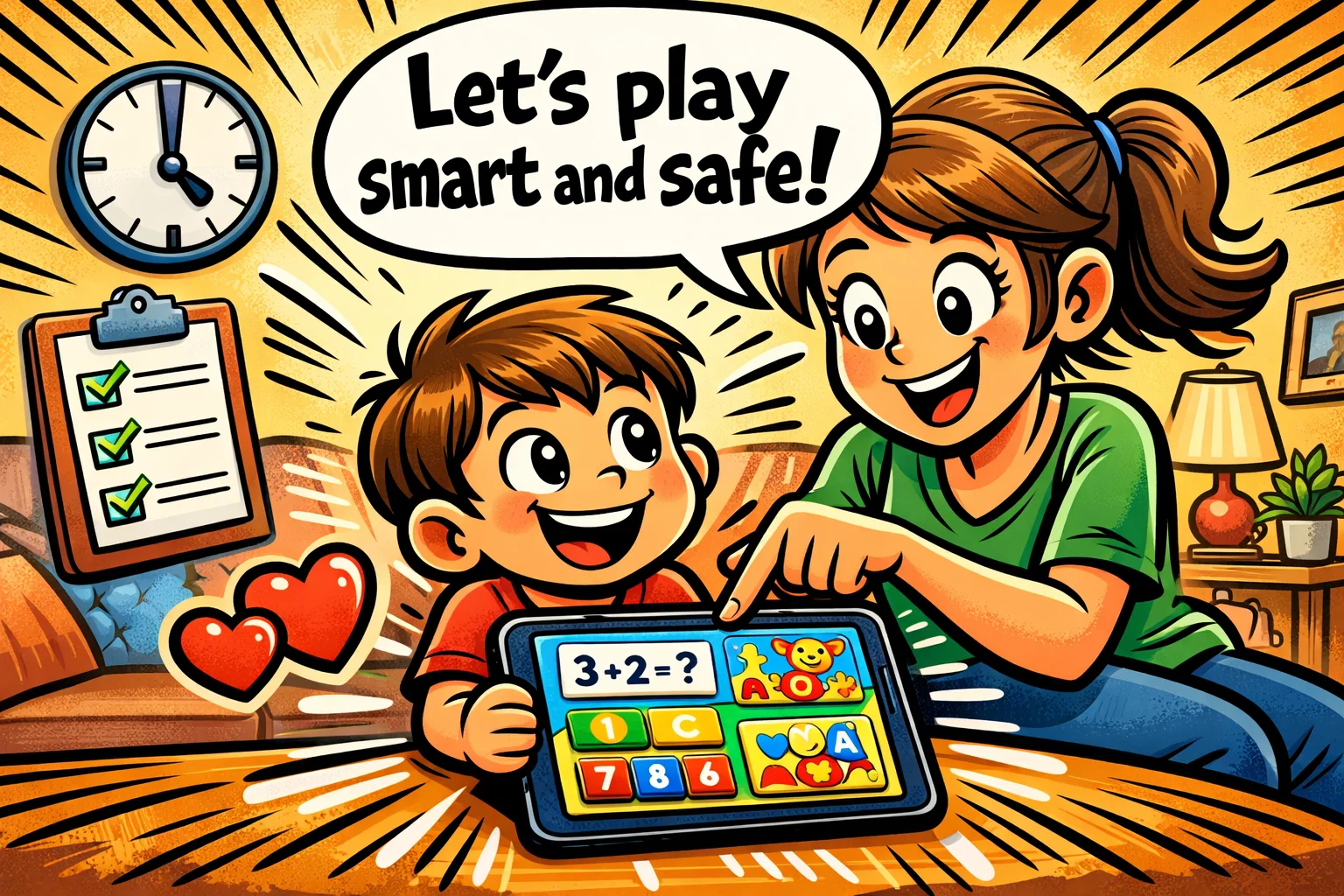
To make the PBS Kids Games even more effective, consider these practical tips for managing digital habits:
Set Clear Play Time Routine
Using the app at a consistent time each day—perhaps after school or while dinner is being prepared—helps children understand that screen time has a beginning and an end. This predictability can reduce friction when it is time to put the device away.
Choose Games That Match Child Age
Take a moment to explore the app together. If your child is struggling with a specific concept in school, you can often find learning games within the app that address that exact topic in a low-pressure environment.
Play Together Sometimes
“Co-playing” allows you to witness your child’s problem-solving process in real-time. It provides opportunities for “teachable moments” where you can expand on the concepts presented in the mini-games.
Connect App Play With Real Life Learning
This is often where the biggest educational gains happen. If a game features Daniel Tiger learning about “trying new foods,” try a new vegetable at dinner that night. Connecting the digital experience to physical reality solidifies the lessons that last a lifetime.