Best Cartoons for Kids: Ultimate Parents Guide

 Discover a Free Education Video App for Kids
Pastory uses AI to personalize educational video content based on your child’s interests and personality. Safe, engaging, and built for curious young minds. Sign up now to stay updated and enjoy early access with a free trial
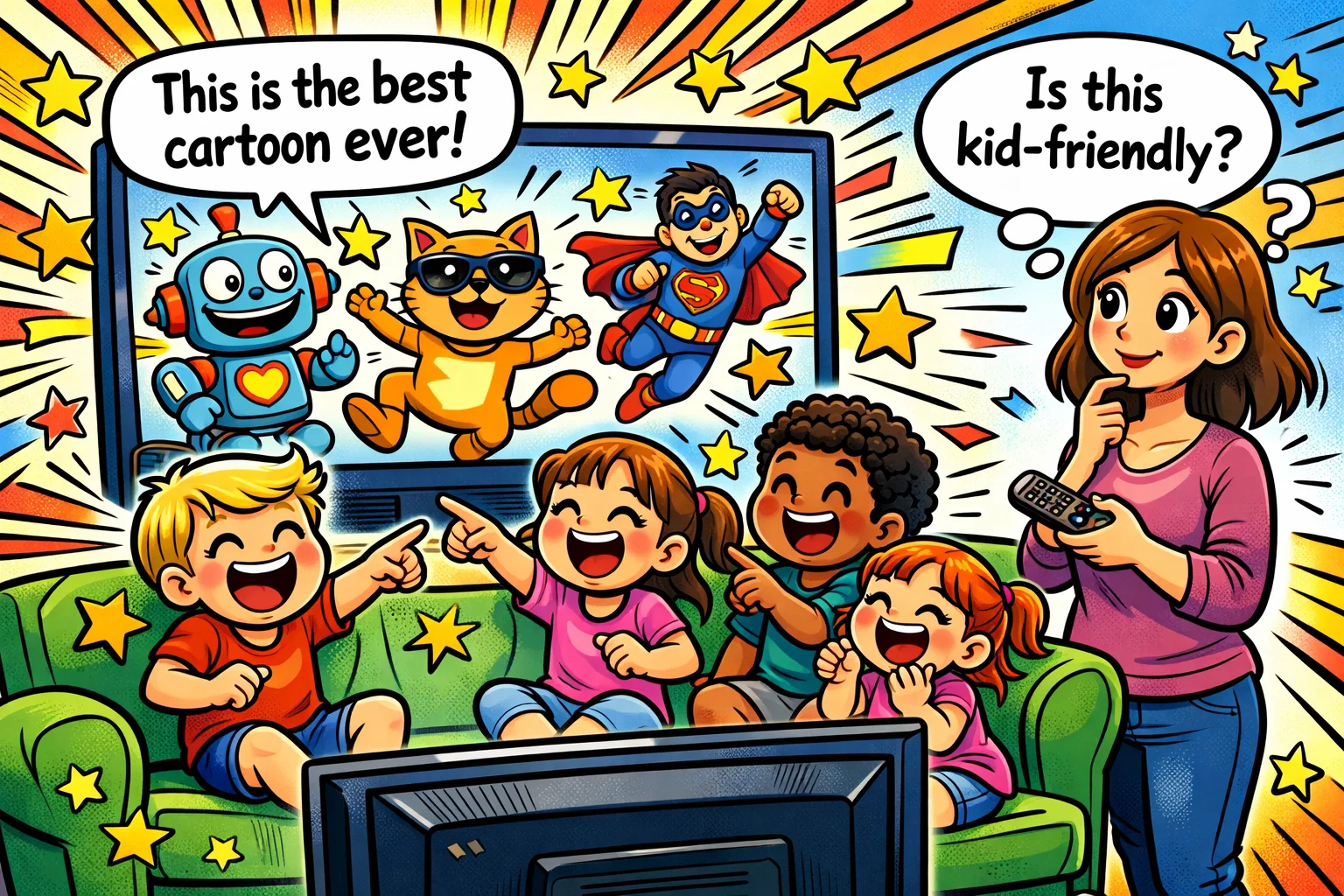
Finding the right cartoons for kids doesn’t have to be overwhelming. This guide covers 15 of the best animated shows — from curriculum-backed educational series to timeless classics parents love to share — along with practical advice on screen time, age ratings, and balancing fun with real learning value.
Best Kids Cartoons: How We Selected This List
Every show on this list was evaluated against four criteria used by child development researchers and Common Sense Media editors:
- Age-appropriate content: Language and themes match the child’s developmental stage.
- Entertainment value: The show holds attention through humor, adventure, or compelling characters.
- Positive messages: Episodes model kindness, curiosity, and emotional regulation.
- Educational merit: Each cartoon builds a measurable skill — literacy, math, social skills, or science.
The 15 Best Educational Cartoons for Kids
1. Sesame Street
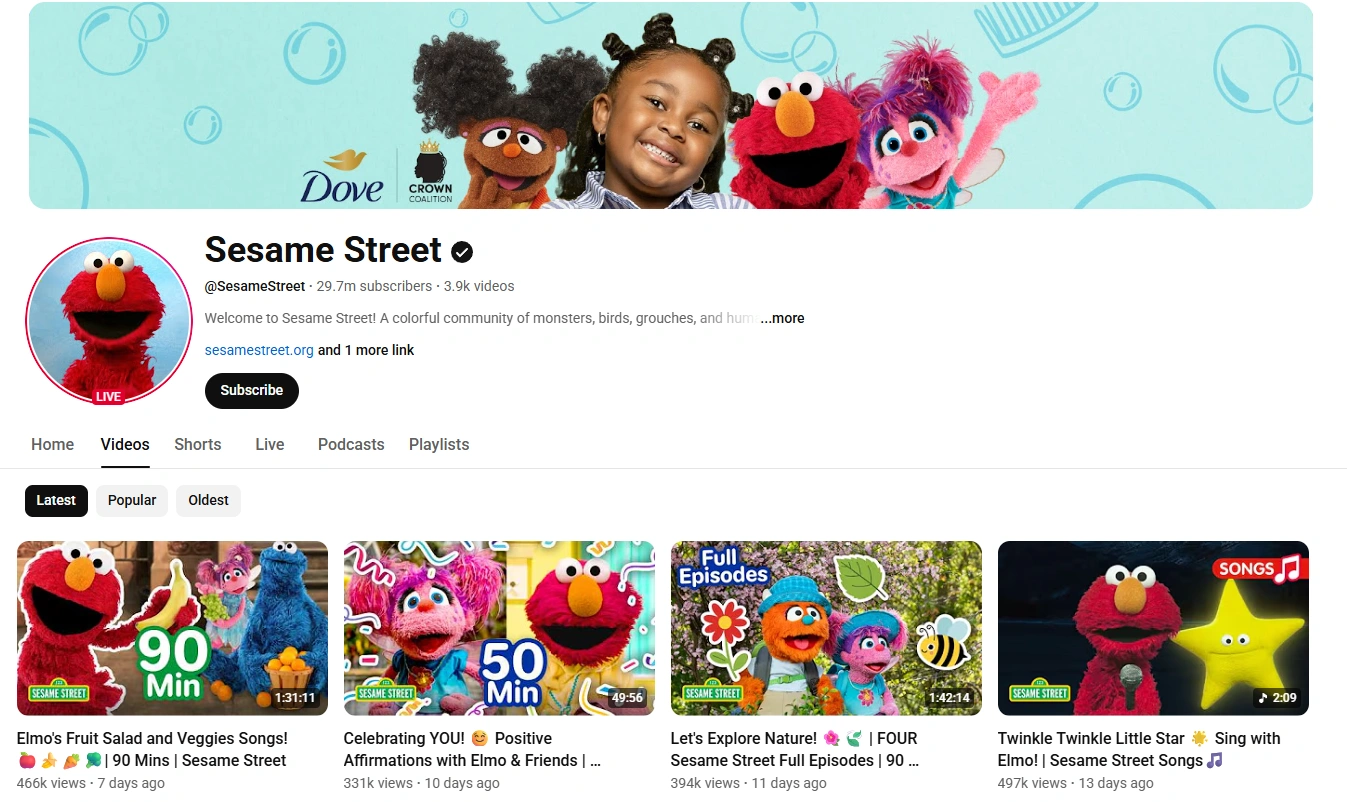
Learning Focus: Literacy, numeracy, emotional intelligence | Age Group: 2–6
Sesame Street has been teaching foundational skills since 1969. The American Academy of Pediatrics cites it as one of the most research-validated educational programs in children’s television. Each episode targets a specific curriculum goal — letters, numbers, diversity, or self-esteem — making it one of the most reliable best educational cartoons for kids across any platform.
2. The Magic School Bus
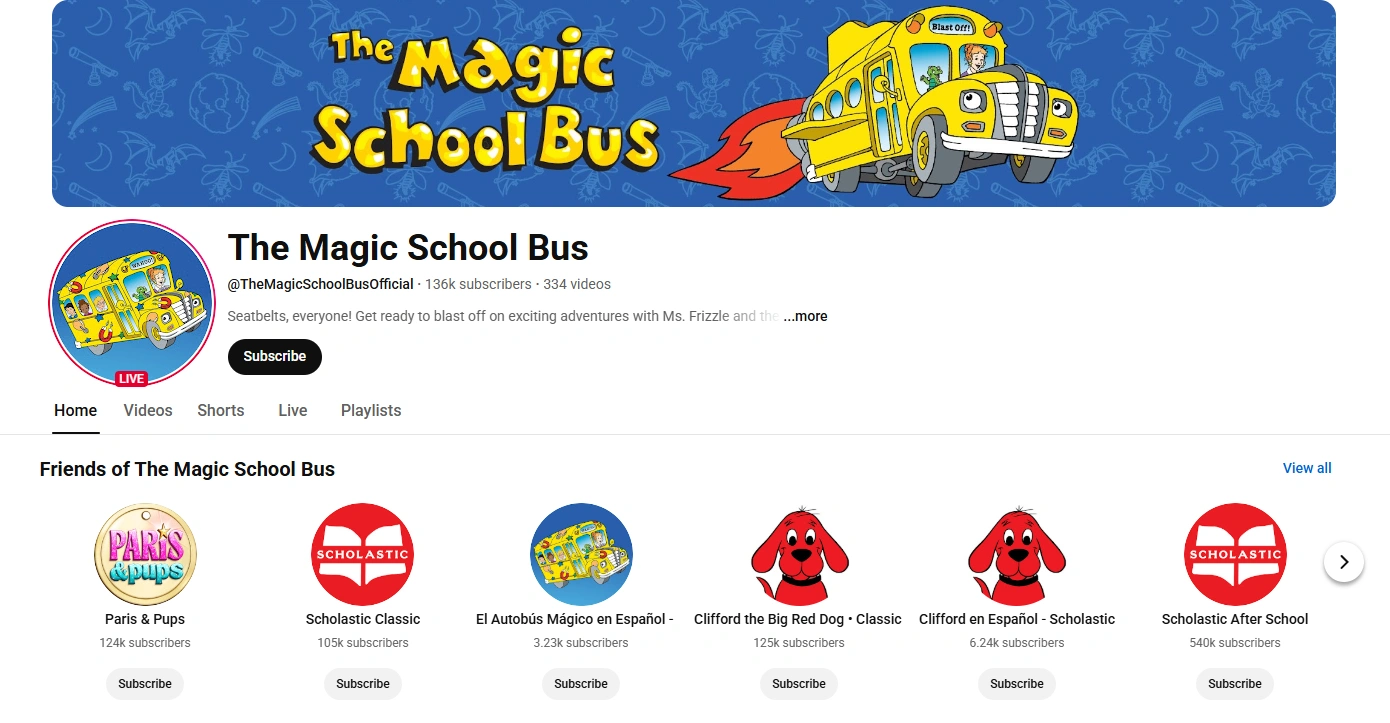
Learning Focus: Science and inquiry | Age Group: 5–10
Ms. Frizzle takes her class on impossible field trips — inside the human body, into space, under the sea — to explore STEM concepts through adventure. A 2016 reboot updated the animation while preserving the show’s inquiry-based approach. Child psychologists recommend it for school-age viewers building early scientific thinking.
3. Bluey
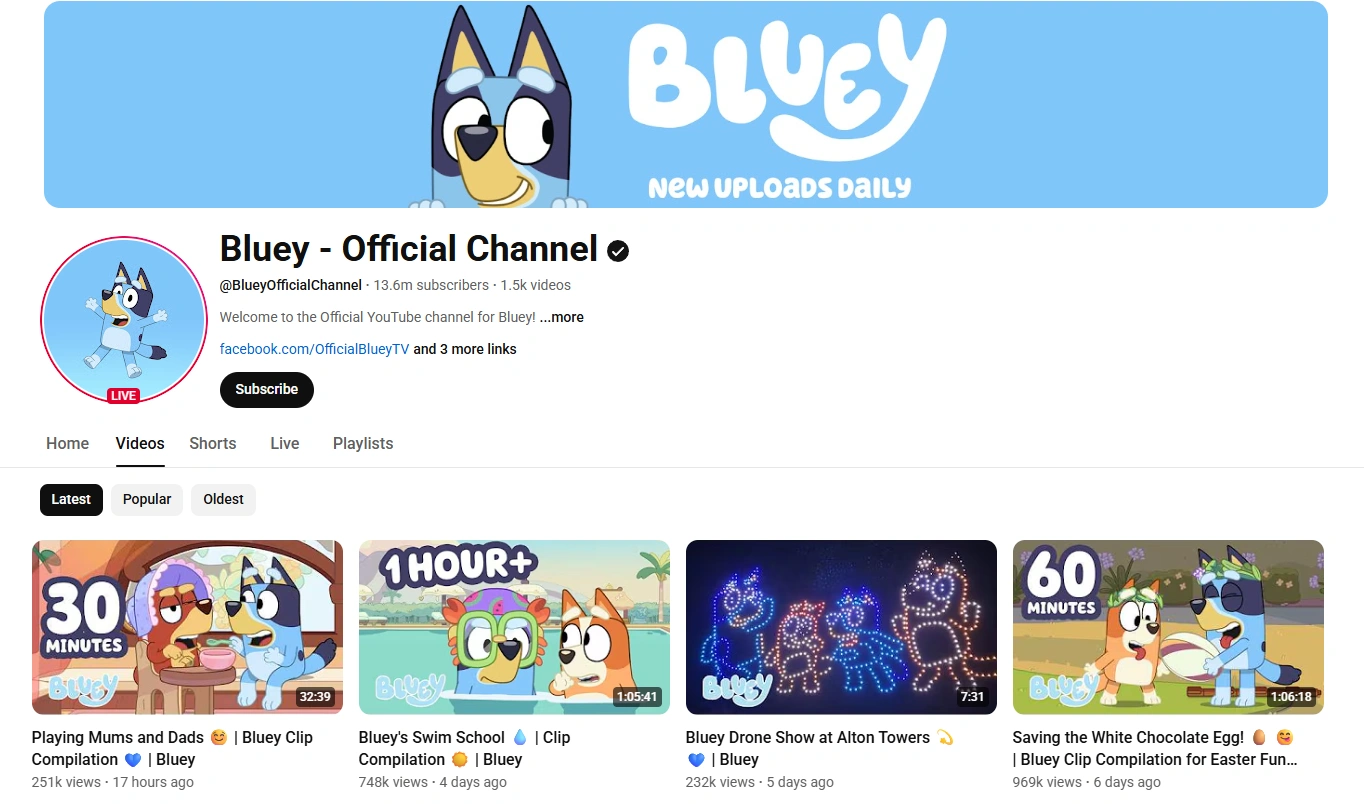
Learning Focus: Imaginative play, family relationships, emotional literacy | Age Group: 2–7
Bluey follows an Australian Blue Heeler pup navigating everyday life through elaborate pretend games. The American Academy of Pediatrics highlighted Bluey in 2023 as a strong model for social-emotional development. Episodes run about seven minutes — ideal for preschool attention spans — and consistently rank among the best cartoons parents love to share with their children.
4. Wild Kratts
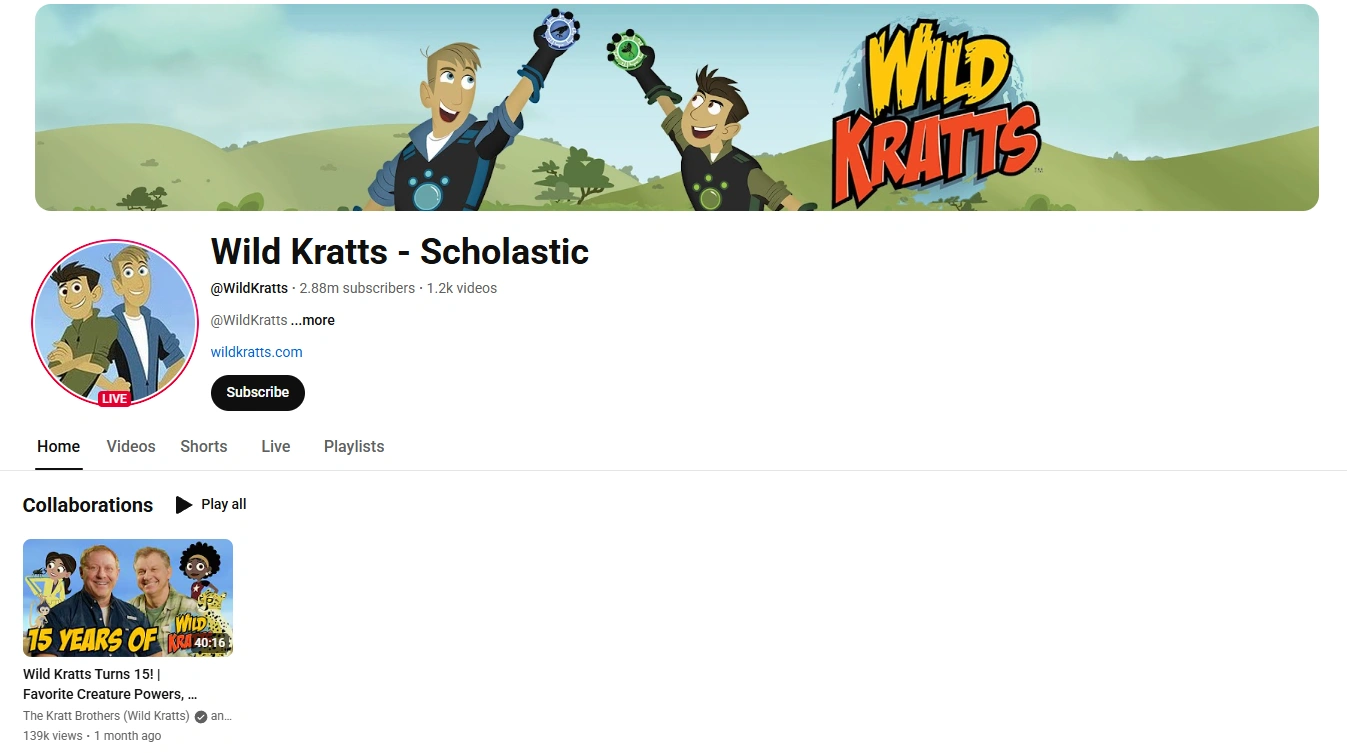
Learning Focus: Zoology and ecology | Age Group: 5–10
The Kratt brothers use animated “Creature Power” suits to explore real animal species — covering behavior, adaptation, and ecosystem roles. Common Sense Media rates Wild Kratts as appropriate from age 5, with strong marks for educational value in natural science. The show builds biodiversity awareness and frames conservation as a personal responsibility for young viewers.
5. Numberblocks
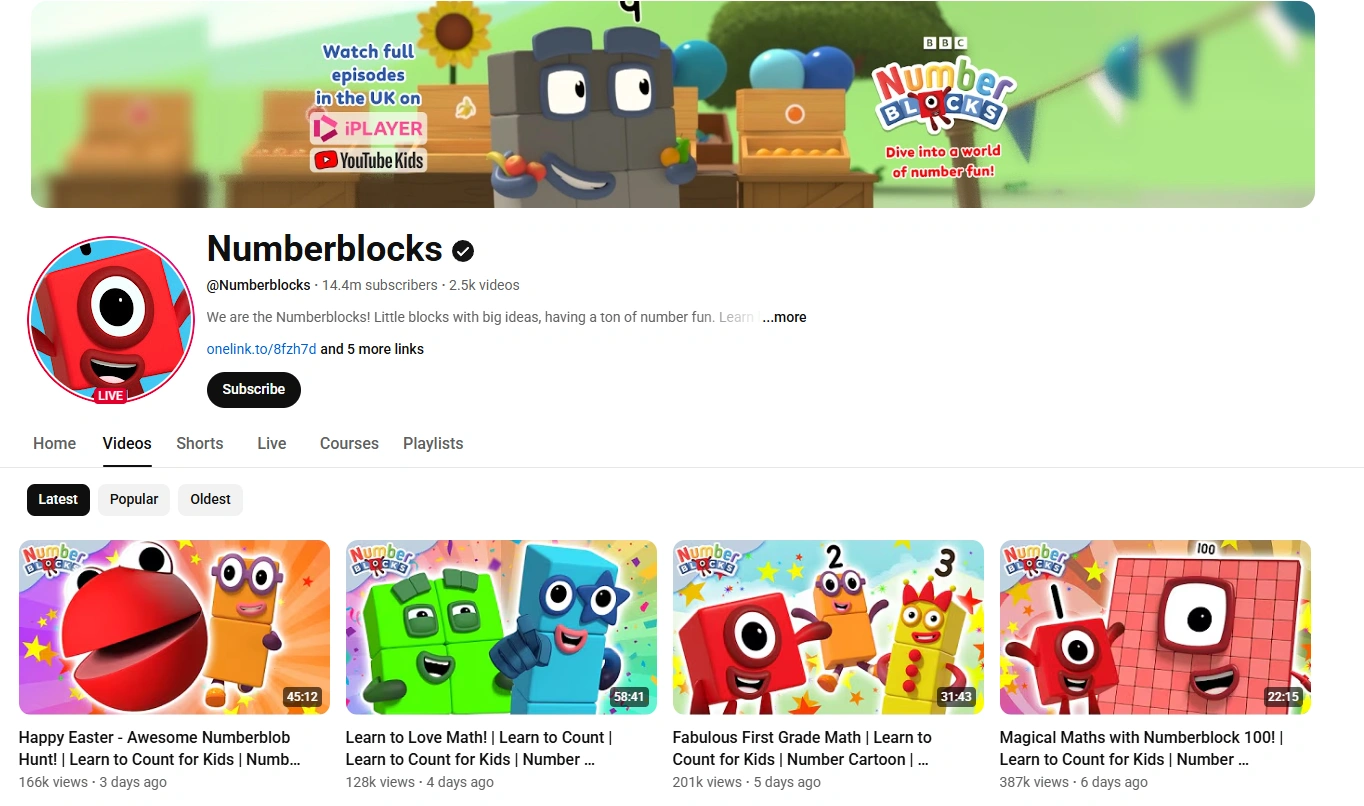
Learning Focus: Early math and arithmetic | Age Group: 2–6
Numberblocks uses characters made of colored blocks that combine and split apart to demonstrate counting, addition, and subtraction. A 2020 study in Early Childhood Education Journal found that visually-grounded number sense instruction supports stronger math outcomes in kindergarten. Early childhood educators widely recommend Numberblocks as one of the best educational kids cartoons in the math category.
6. Octonauts
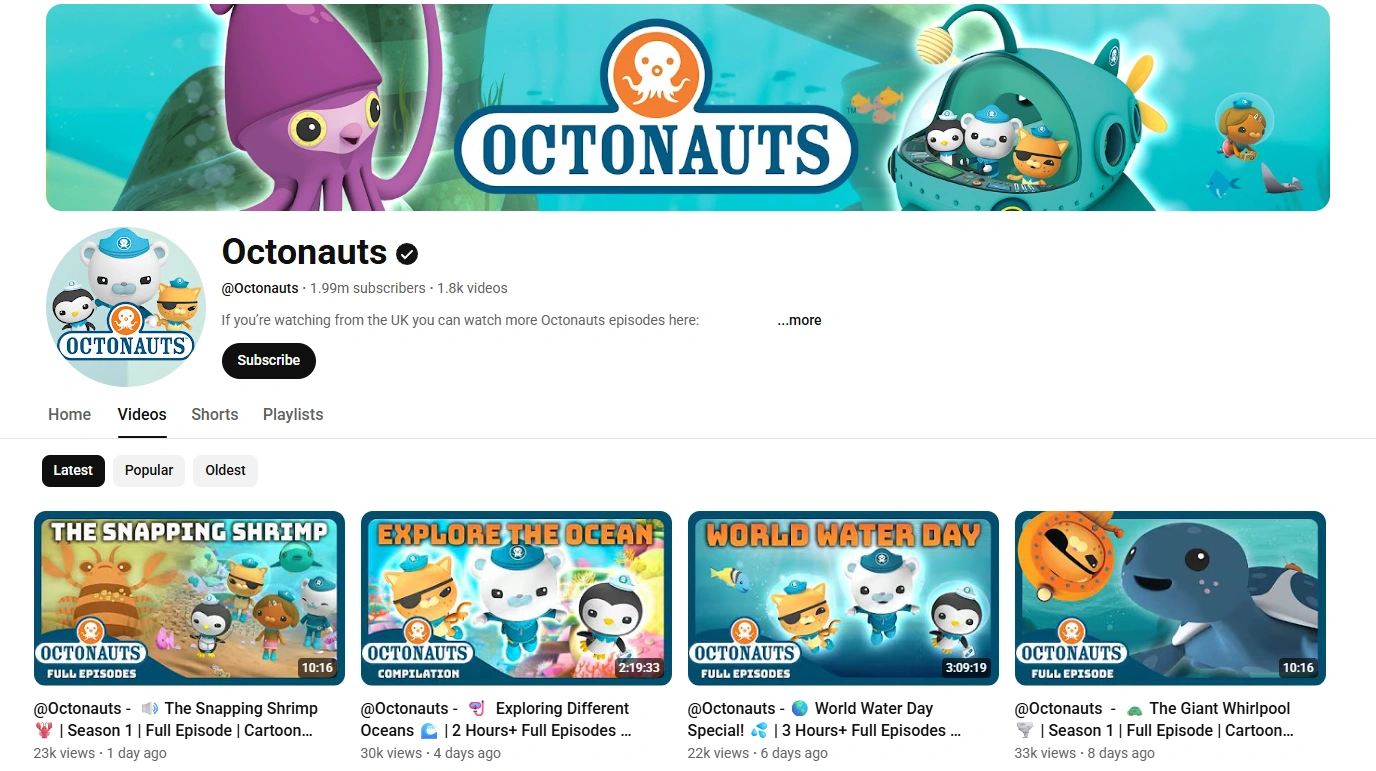
Learning Focus: Marine biology and ocean ecosystems | Age Group: 3–8
Octonauts sends a team of underwater explorers on missions to “explore, rescue, and protect” marine creatures. Each episode introduces a real aquatic species with accurate biological detail embedded in a rescue adventure. Marine education organizations have praised the series for making oceanography and biodiversity genuinely exciting for little ones.
7. Ask the StoryBots
Learning Focus: STEM and general curiosity | Age Group: 4–8
StoryBots live inside computer screens and answer big questions kids actually ask — “Why is the sky blue?” or “How does skin work?” Each episode combines catchy music, varied animation styles, and real-world footage to explore a single topic in depth. Common Sense Media editors help identify it as one of the most engaging STEM series for early elementary viewers.
8. Daniel Tiger’s Neighborhood
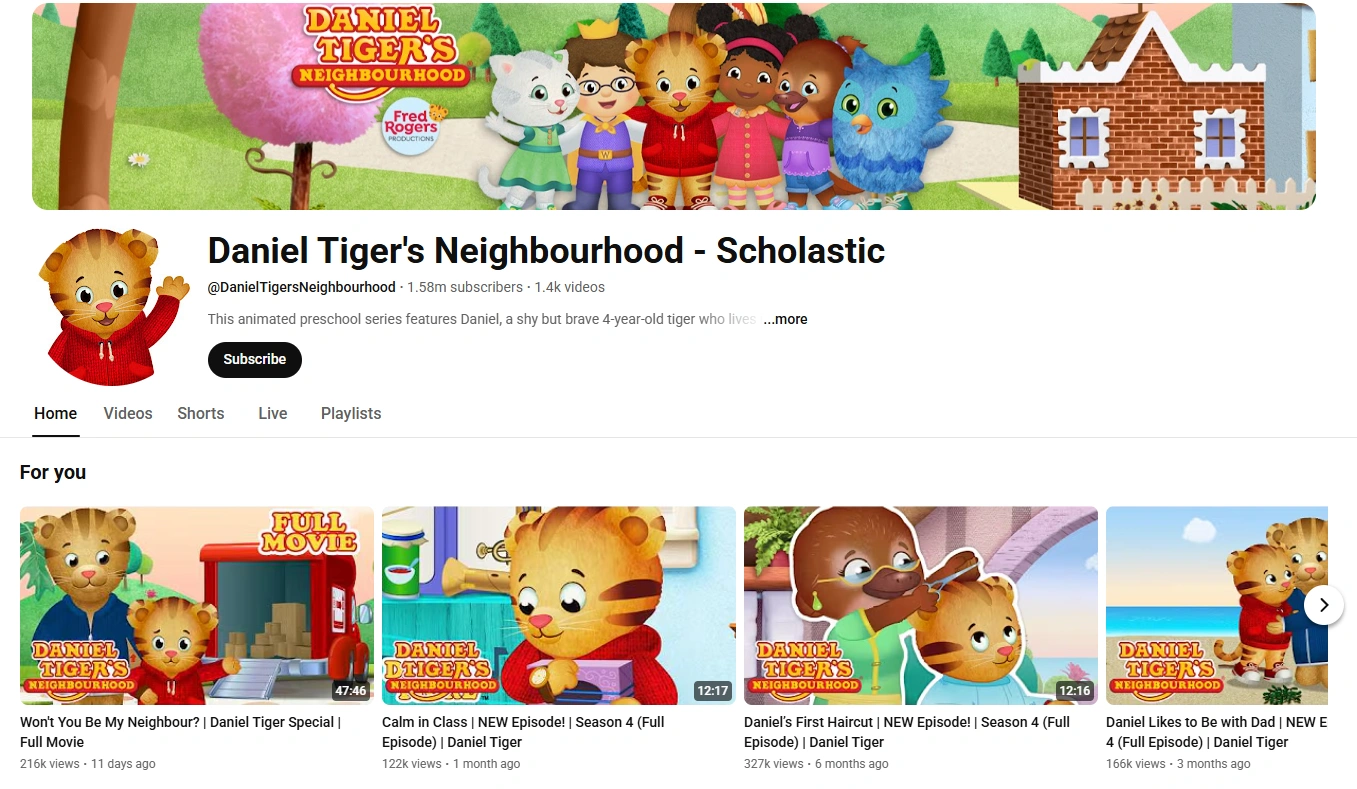
Learning Focus: Social-emotional skills and self-regulation | Age Group: 2–5
Developed with guidance from child development specialists at the Fred Rogers Center, Daniel Tiger teaches emotional regulation through short “strategy songs.” A 2015 study in JAMA Pediatrics found children who watched the show scored higher on empathy and confidence measures. Pediatric psychologists consistently recommend it as one of the best cartoons for preschoolers managing big feelings.
9. Super Why!
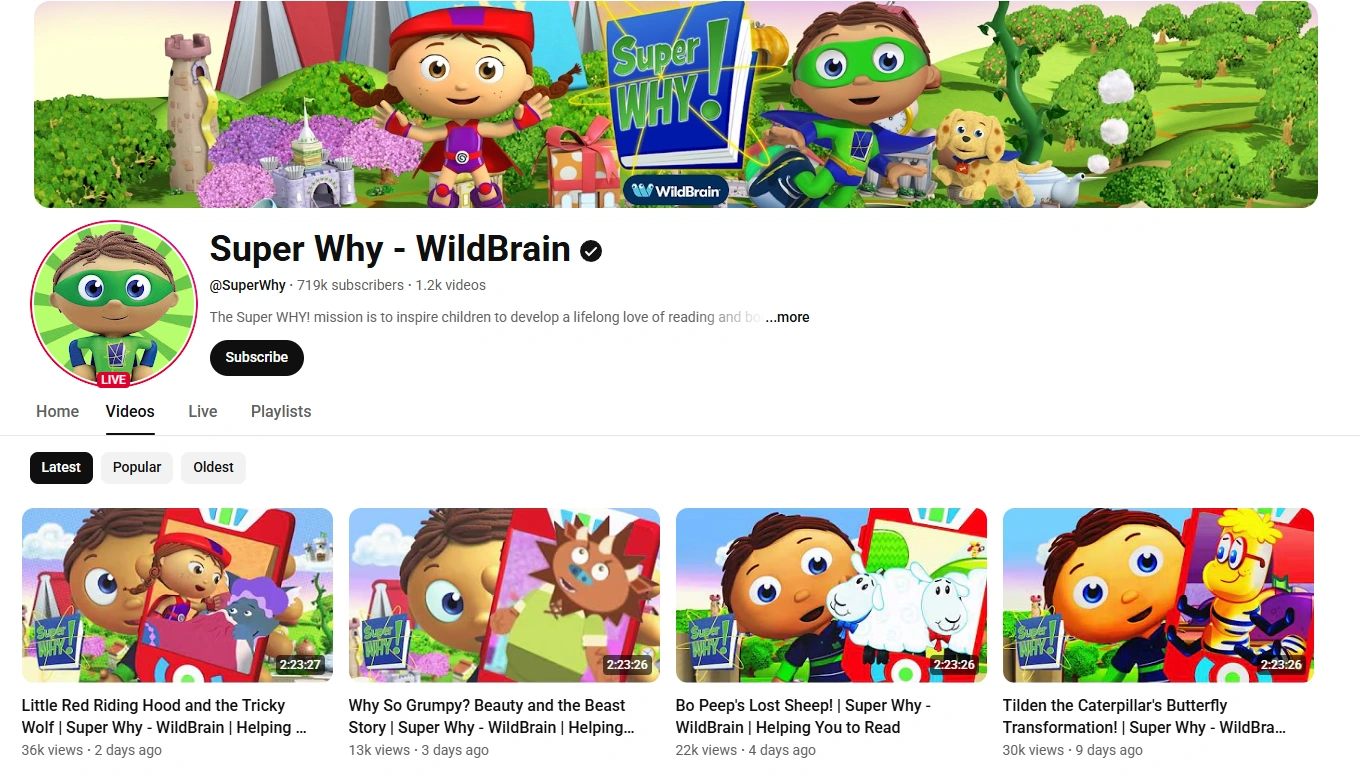
Learning Focus: Phonics and reading comprehension | Age Group: 3–6
The “Super Readers” jump into fairy tales to solve word puzzles and change story outcomes, targeting a specific literacy skill in each episode. PBS Kids developed the series in partnership with literacy researchers, aligning it with the National Reading Panel’s foundational literacy recommendations. The format suits children who are beginning to decode letters and build early reading comprehension.
10. Cyberchase
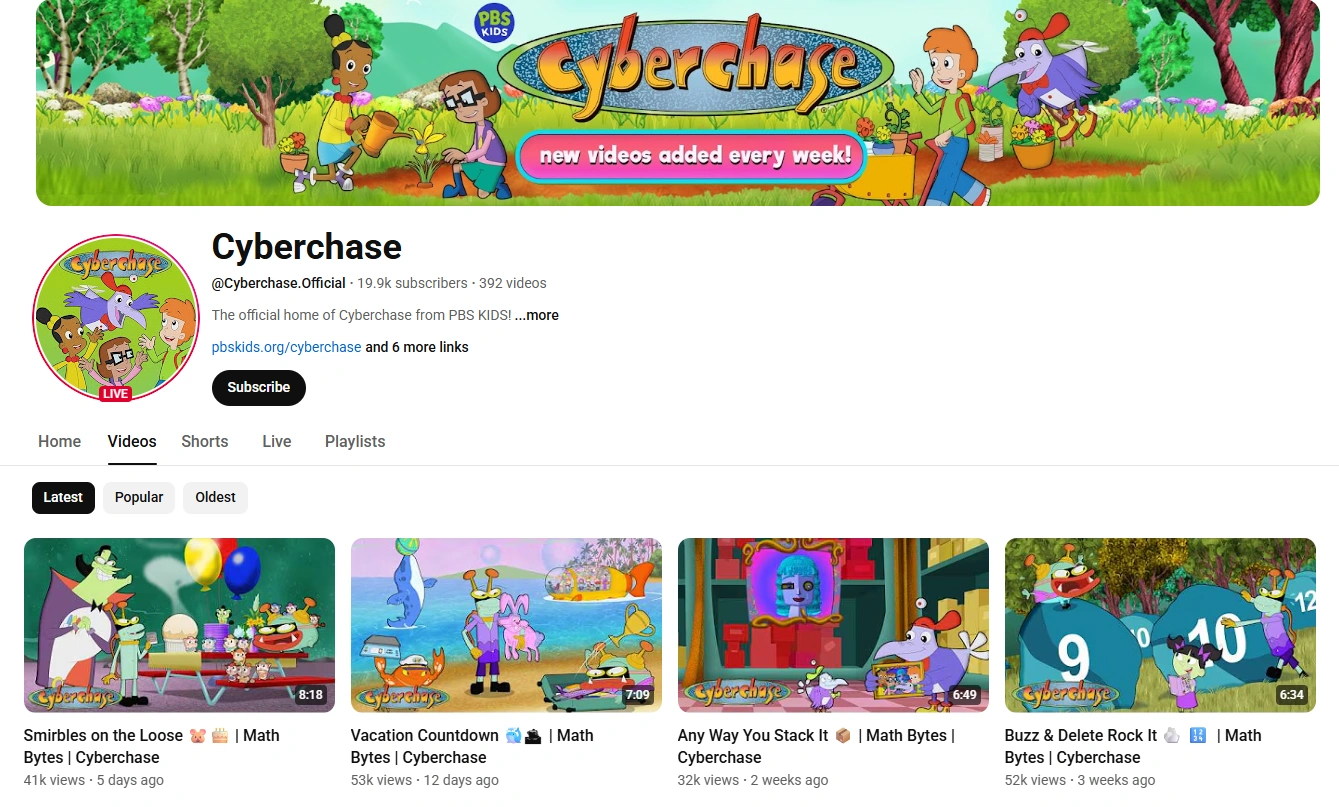
Learning Focus: Math, logic, and problem-solving | Age Group: 7–12
Three kids travel into a digital universe to outsmart a villain using mathematical reasoning — covering geometry, fractions, and data analysis within episodic adventures. The Corporation for Public Broadcasting has cited Cyberchase as an effective model for reducing math anxiety in children ages 8–12. It remains one of the few children’s shows to tackle abstract math concepts in a genuinely entertaining format.
11. Sid the Science Kid
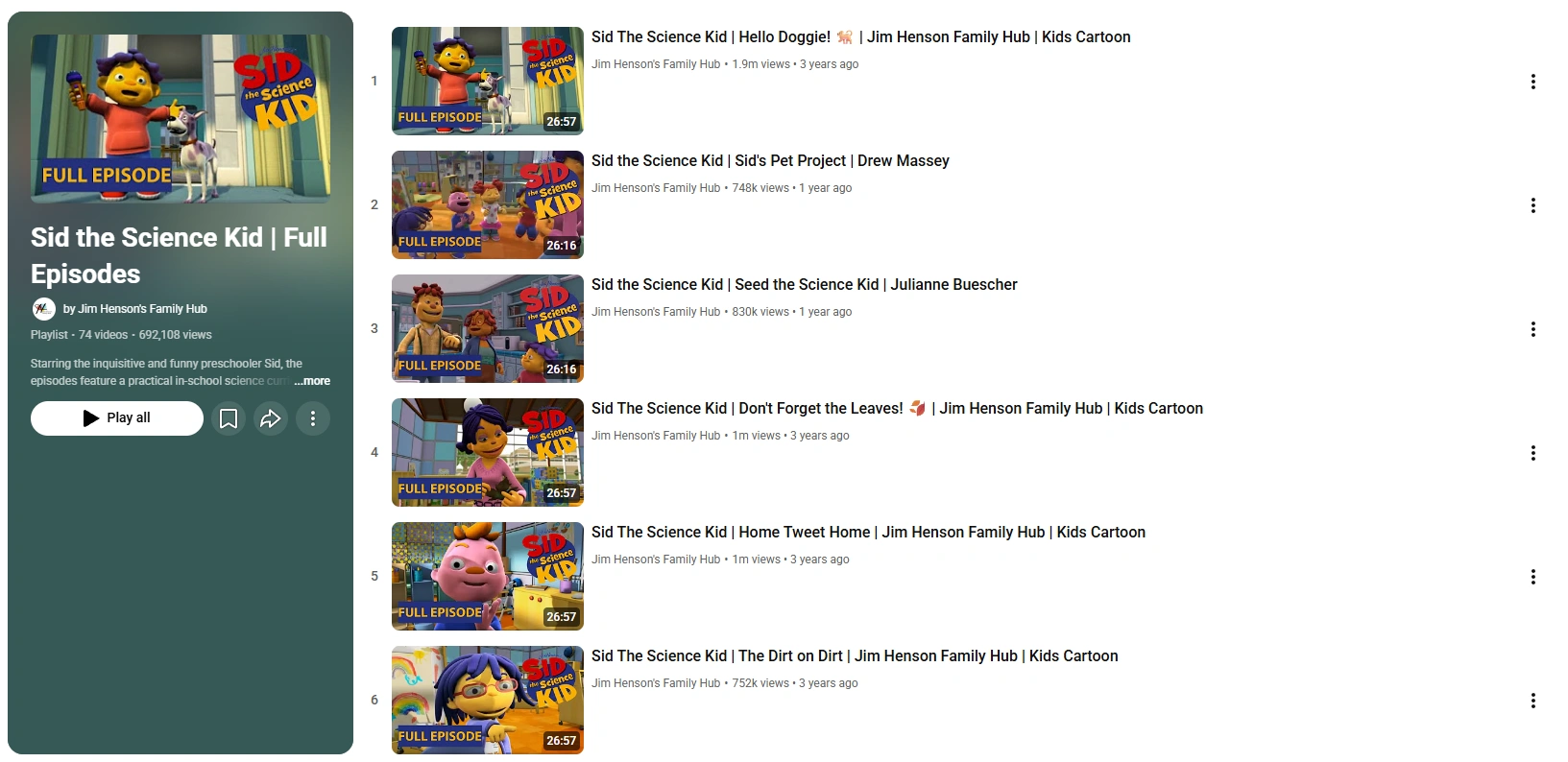
Learning Focus: Scientific method and observation | Age Group: 3–6
Sid poses a question, makes an observation, forms a hypothesis, and tests it — modeling the scientific method as a natural part of everyday life. Produced by The Jim Henson Company, the series aligns with Next Generation Science Standards for early childhood. It builds a growth mindset around science before formal schooling begins.
12. Blue’s Clues & You!
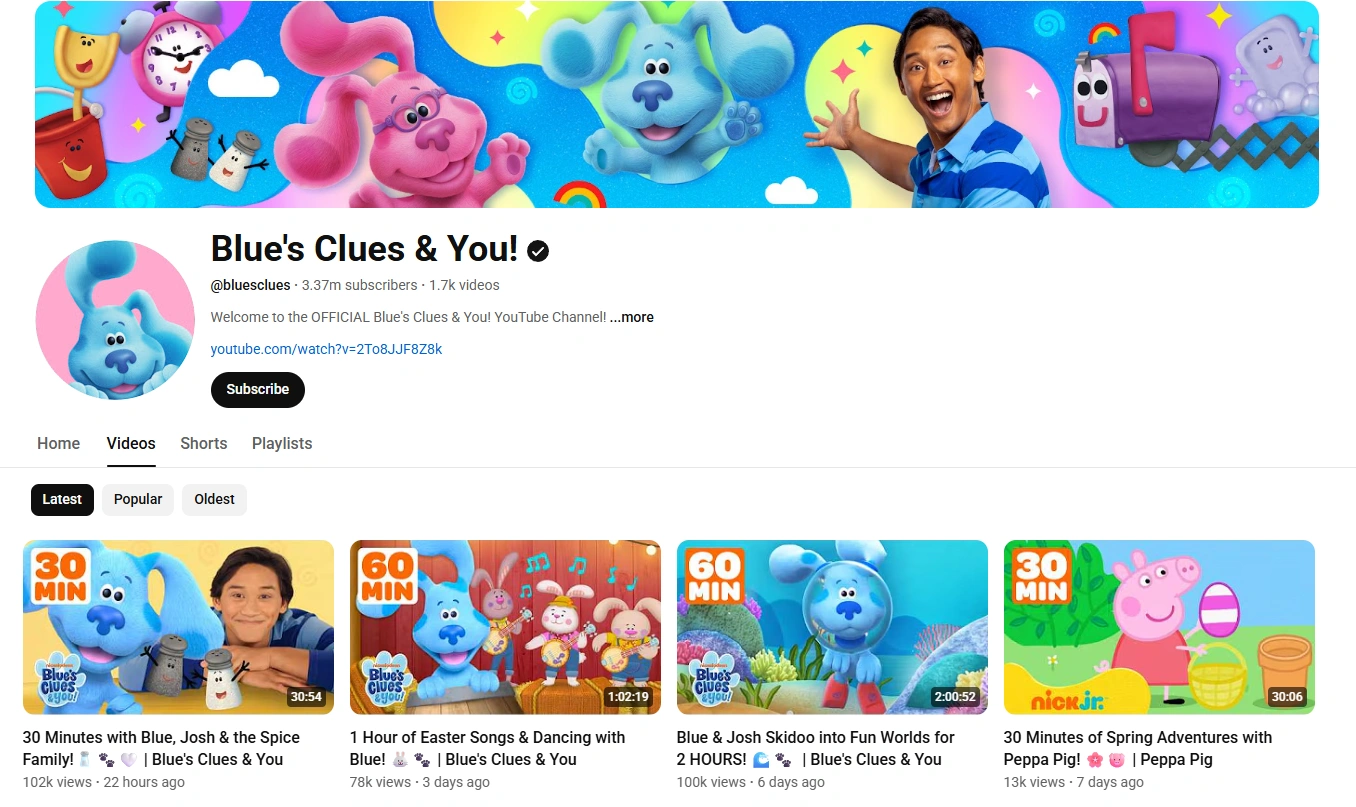
Learning Focus: Critical thinking and logic | Age Group: 2–5
Host Josh and his puppy Blue leave three paw-print clues for viewers to find, pausing for children to answer before the episode continues. Research published in Developmental Psychology found children who watched the original Blue’s Clues over five days showed significantly improved flexible thinking. The interactive format remains one of the most effective in children’s television for building active reasoning skills.
13. Little Einsteins
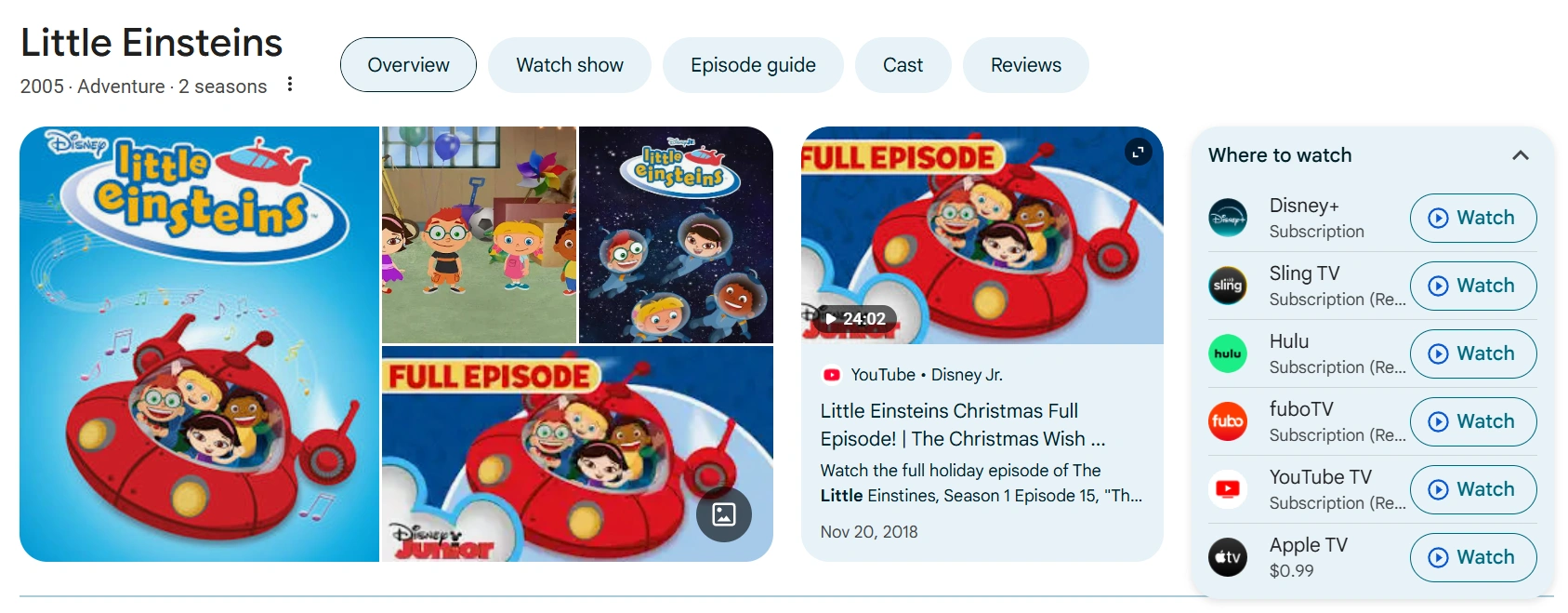
Learning Focus: Art history, classical music, and world culture | Age Group: 3–6
Four children and their rocket ship go on missions that weave real works of art and classical music into the storyline. Produced by Disney, the show introduces cultural literacy at an age when children are highly receptive to musical pattern recognition. Pediatric music therapists have noted the series’ effectiveness at building early familiarity with orchestral instruments.
14. WordWorld
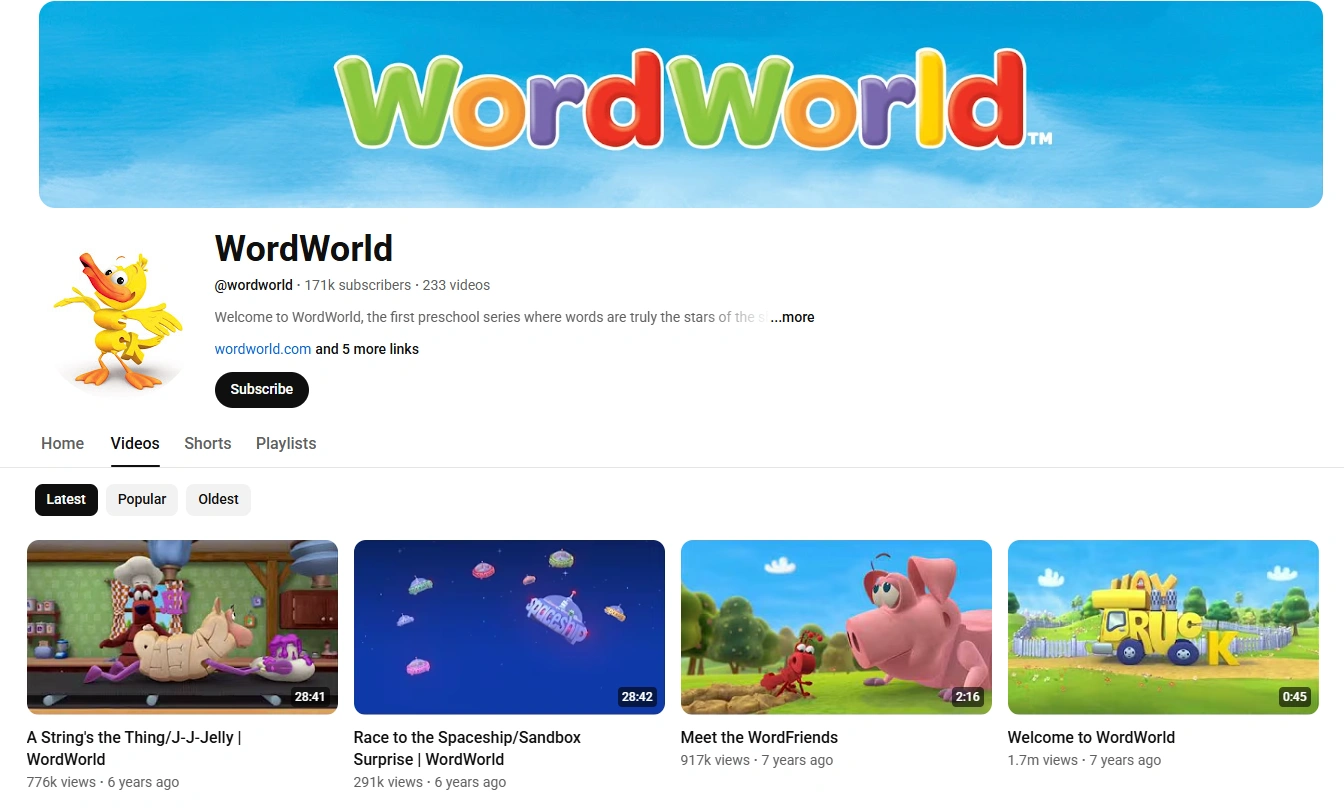
Learning Focus: Letter recognition and spelling | Age Group: 3–6
In WordWorld, every character and object is built from the letters that spell its name — a dog is shaped like the word “DOG.” This visual approach reinforces the alphabetic principle through constant, playful repetition. The series received a Television Critics Association Award for Outstanding Achievement in Children’s Programming, and literacy specialists recommend it for children beginning to connect written letters with spoken sounds.
15. Peg + Cat
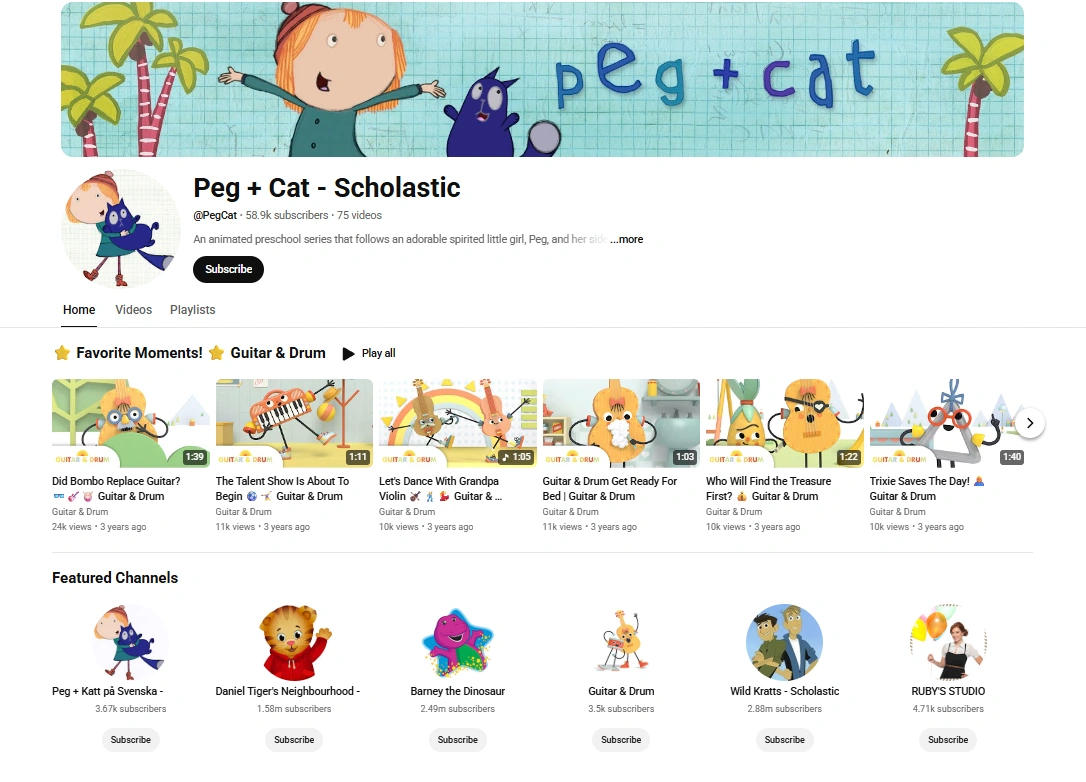
Learning Focus: Foundational math and problem-solving | Age Group: 3–6
Peg and her cat use grouping, sorting, shapes, and measurement to solve “really big problems” across historical and fictional settings. Produced by The Fred Rogers Company, the series aligns with Common Core State Standards for pre-K through kindergarten math. Notably, Peg models healthy responses to frustration — combining emotional regulation with math skill-building in every episode.
How to Choose the Right Cartoons for Kids
Match content to developmental stage. A show marketed as “family-friendly” may target ages 8–12, with pacing and themes that confuse or frighten a three-year-old. Always check the Common Sense Media age rating before introducing a new show to younger children.
Look for active engagement. The best kids cartoons invite children to participate — answering questions, predicting outcomes, or imitating problem-solving steps. Shows that demand cognitive involvement deliver more developmental benefit than purely passive viewing.
Watch together when you can. Co-viewing lets parents extend the lesson into conversation. Asking “why do you think Peg was frustrated?” or “what animal did Wild Kratts explore today?” transforms screen time into an interactive learning experience.
Screen Time and Content Balance
The American Academy of Pediatrics recommends no more than one hour of high-quality screen time per day for children ages 2–5, and consistent limits for children 6 and older — ensuring screens don’t replace sleep, physical activity, or reading. Quality matters more than strict minute-counting: one focused episode of a well-chosen educational cartoon, followed by related play or conversation, delivers more value than extended passive viewing.
Educational Value vs. Entertainment
The most effective best educational cartoons for kids embed learning so naturally into narrative and humor that children engage without experiencing it as instruction. Research from Stanford’s Center for Education Policy Analysis suggests children retain information more effectively through emotionally engaging storytelling than through direct instruction. Classic cartoons parents love — such as Looney Tunes or early Tom and Jerry — contribute humor and visual creativity to a child’s viewing diet. The goal is balance: a foundation of educational content alongside entertainment-focused shows chosen with awareness of the messages they carry.
FAQs
What are the best cartoons for kids right now?
Currently, Bluey, Wild Kratts, Ask the StoryBots, Octonauts, and Daniel Tiger’s Neighborhood are among the most popular cartoons for kids on major streaming platforms. Each scores highly on Common Sense Media for learning value and positive messaging, and all are available on services families already subscribe to.
What are the best educational cartoons for kids?
Sesame Street, Numberblocks, Cyberchase, Wild Kratts, and Super Why! are consistently ranked among the best educational cartoons for kids. Each is curriculum-backed and developed with child development expertise, covering skills from early literacy and phonics to advanced math and scientific inquiry.
How do I choose cartoons for kids by age?
For toddlers ages 2–3, look for slow pacing, simple vocabulary, and repetitive structure — Numberblocks and Bluey work well. Preschoolers ages 3–5 benefit from interactive formats and social-emotional themes, making Daniel Tiger and Blue’s Clues & You! strong picks. School-age children ages 6–10 can engage with more complex problem-solving narratives like Cyberchase and The Magic School Bus.
Are cartoons good for kids' learning?
Yes — when chosen carefully. Research from the Fred Rogers Center confirms that high-quality educational animated series supports language development, emotional regulation, and early math and science skills. Co-viewing with a parent amplifies these benefits by extending vocabulary and helping children process what they watch.
How much screen time should kids have watching cartoons?
The American Academy of Pediatrics advises avoiding screen media for children under 18 months, limiting viewing to one hour per day for ages 2–5, and setting consistent limits for older children. Screen time should not replace sleep, outdoor play, reading, or face-to-face social interaction — cartoons work best as one part of a varied daily routine.

Take a short quiz to find out what your everyday choices say about your parenting style
When your child is curious about something new, what’s your instinct?
Take a short quiz to find out what your everyday choices say about your parenting style
“Can I download this app?” What happens next?
Take a short quiz to find out what your everyday choices say about your parenting style
When it comes to rules at home, which sounds most like you?
Take a short quiz to find out what your everyday choices say about your parenting style
If you could give your child one life skill today, what would you pick?
Take a short quiz to find out what your everyday choices say about your parenting style
Your child gets to choose what to watch. What would your ideal setup look like?
Take a short quiz to find out what your everyday choices say about your parenting style
Pick your parenting superpower ✨