Best Extracurricular Activities for Kids: Complete Guide for Parents

 Discover a Free Education Video App for Kids
Pastory uses AI to personalize educational video content based on your child’s interests and personality. Safe, engaging, and built for curious young minds. Sign up now to stay updated and enjoy early access with a free trial
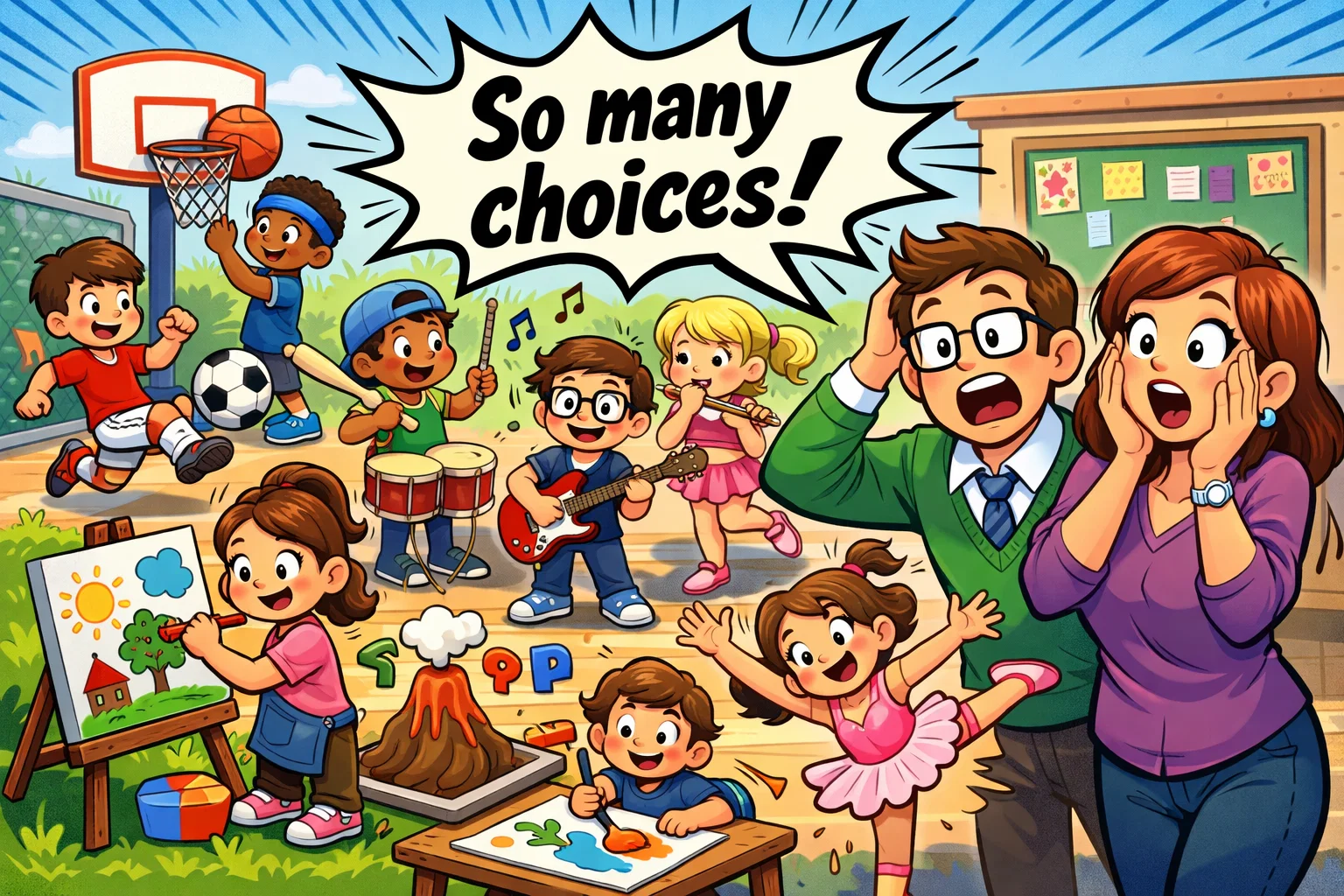
Choosing the right extracurricular activities for kids is one of the most impactful decisions a parent can make during the school years. Beyond academics, after-school activities give your child the space to discover new interests, build social skills, and develop a sense of identity.
This guide covers the best extracurricular activities by category, practical tips for choosing the right fit, and how to support your kid every step of the way — all while keeping things realistic.
What Extracurricular Activities for Kids Include
Extracurricular activities are structured programs that take place outside of the standard school curriculum. These can happen after school, on weekends, or during school holidays, and they span a wide range of areas — from sports and music to coding, chess, and community service. Unlike academic classes, extracurriculars are chosen based on a child’s interests, not assigned by the school.
Research from the American Academy of Pediatrics (AAP) suggests that participation in organized activities supports holistic development by strengthening cognitive, social, and emotional skills simultaneously. Extracurriculars help kids develop problem-solving skills, build self-esteem, and learn teamwork in ways that classroom instruction alone often cannot.
Examples from Daily Life
Most parents are already familiar with the most common types: a child joining a soccer team after school, attending weekly violin lessons, or signing up for a robotics club at a local community center. Other everyday examples include:
- Ballet classes on Saturday mornings
- School debate or chess clubs
- Lego engineering programs at a child care center
- Volunteering at a neighborhood food bank
- Art workshops at a local recreation center
They might seem ordinary, but they represent meaningful opportunities for kids to develop new skills, try new things, and build confidence outside of the classroom.
Age-Based Differences in Activities
Extracurriculars look quite different depending on a kid’s developmental stage:
- Preschool (ages 3–5): Play-based and low-pressure options work best — creative movement, simple art classes, or informal music and rhythm sessions. The goal at this stage is exposure and enjoyment, not performance.
- Elementary school (ages 6–10): Children are ready for more structured programs like team sports, music lessons, or academic clubs where they can develop consistent skills over time.
- Older kids and teens (ages 11+): Can handle longer commitments, higher skill expectations, and activities that align with emerging passions or future goals, such as debate, robotics, or competitive gymnastics.
List of Extracurricular Activities for Kids by Category
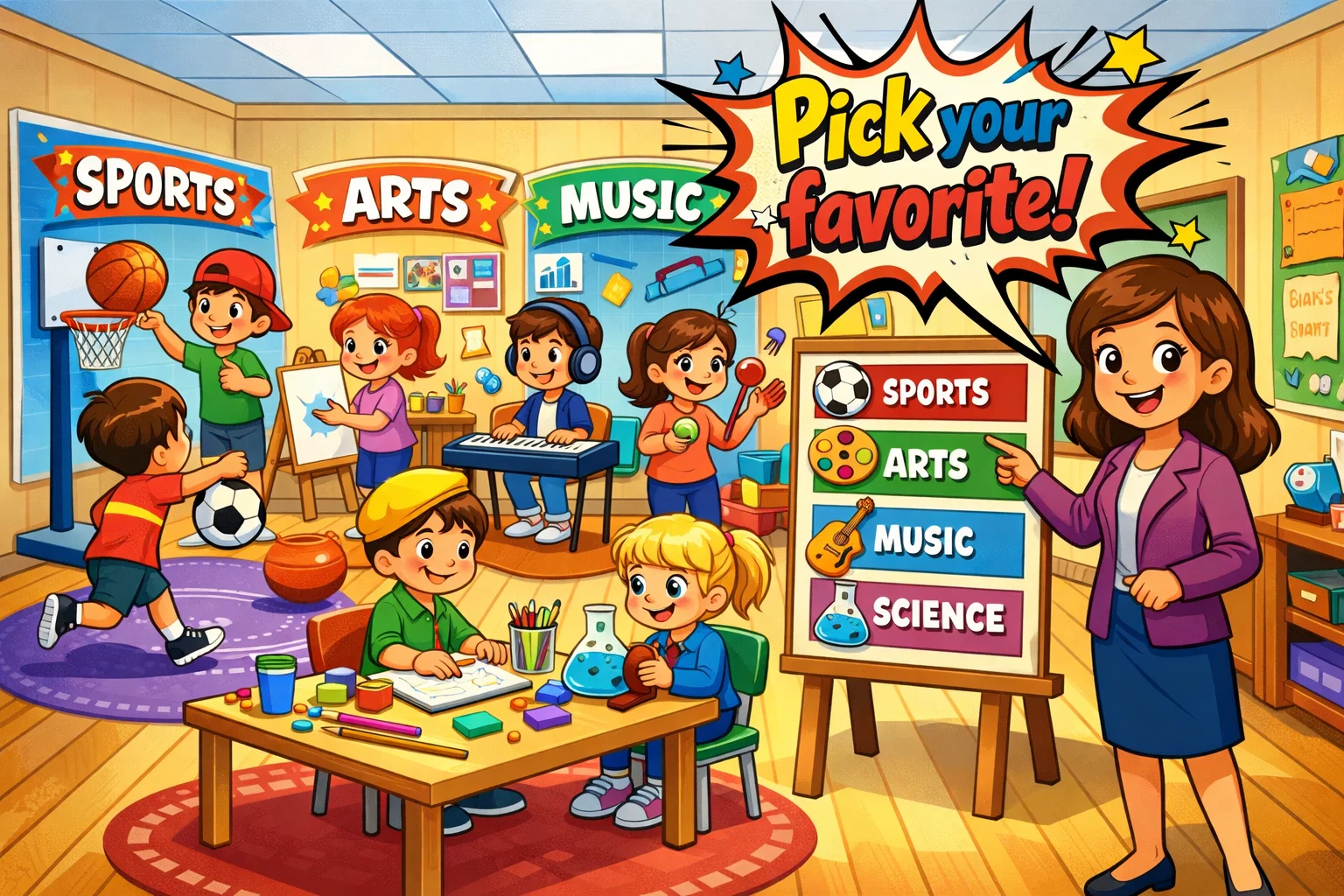
Extracurricular activities for children span a wide variety of areas. Here’s a broad overview organized by category to help parents identify options that match their child’s strengths and interests.
Academic Activities
Academic extracurriculars strengthen school skills in an engaging format. Options include debate clubs, math leagues, science clubs, spelling bees, language learning programs, and creative writing workshops. They can help kids boost performance in core subjects while developing communication and analytical thinking in a low-stakes environment.
Sports Activities
Physical activity through team and individual sports is one of the most well-researched forms of extracurricular engagement. Team sports such as soccer, basketball, and hockey build teamwork and sportsmanship. Individual sports like swimming, gymnastics, martial arts, and tennis develop personal discipline, physical fitness, and spatial awareness.
Arts and Creative Activities
Visual arts programs — including drawing, painting, photography, crafts, and design — nurture creativity and fine motor skills. Research published in the journal Arts Education Policy Review found that participation in visual arts is associated with improved academic motivation and attention span in elementary-aged children.
Music and Performing Arts
Music lessons (piano, violin, voice lessons, guitar) and performing arts programs (theater, dance, acting, choir) offer a wide range of developmental benefits. Learning an instrument has been linked to improvements in memory, focus, and mathematical reasoning. Performing arts activities also help children develop confidence and ease with public expression.
Technology and STEM
Coding classes, robotics programs, game design workshops, and engineering clubs are among the fastest-growing extracurricular categories for kids. Early exposure to STEM-based activities builds problem-solving skills and prepares kids for an increasingly technology-driven world. Many local community centers, libraries, and after-school programs now offer budget-friendly STEM options.
Intellectual and Strategy Activities
Chess clubs, puzzle competitions, logic games, and strategy-based activities develop focused thinking, patience, and analytical reasoning. A 2019 meta-analysis found measurable improvements in mathematics and reading scores among children who participated in chess programs during the school years.
Cultural and Language Activities
Language learning programs, cultural clubs, and international exchange programs broaden a kid’s worldview and strengthen cognitive flexibility. Children who learn a second language before age 10 typically demonstrate stronger executive function skills compared to monolingual peers, according to research from York University.
Community Service and Volunteering
Volunteering through environmental projects, charity work, or local community initiatives helps kids develop empathy, responsibility, and civic awareness. Many recreation departments and child care centers partner with local organizations to create age-appropriate volunteer opportunities.
Religious and Spiritual Activities
Youth groups, faith-based programs, and community gatherings provide a sense of belonging and shared values. For many families, these activities are a meaningful complement to other extracurriculars, offering moral guidance alongside social connection.
Top Extracurricular Activities to Try in 2026
Sports and Physical Activities
Youth sports participation continues to be one of the most widely recommended after-school activities for children. Beyond fitness, team sports like soccer and basketball teach sportsmanship and cooperation, while individual disciplines such as swimming and gymnastics build self-discipline and personal confidence.
Music and Performance Activities
Modern music learning platforms now make it easier than ever to begin voice lessons or instrument instruction, even on a tight schedule. Many children benefit from starting with group music classes before transitioning to private lessons as their interest deepens.
Coding and Robotics Programs
Coding and robotics are among the most in-demand extracurricular activities for children in 2026. Programs designed for the young ones often use visual tools like block coding and Lego robotics kits to make concepts hands-on and accessible. These programs nurture logical thinking and creativity simultaneously.
Debate and Public Speaking Clubs
Debate clubs help kids develop the ability to construct arguments, listen critically, and communicate clearly under pressure. Studies suggest that participation in debate programs can meaningfully improve academic writing skills and self-esteem in children as young as 9 or 10.
Creative Writing and Storytelling
Creative writing workshops and storytelling clubs give children the freedom to explore their imagination while strengthening literacy skills. These programs are especially valuable for kids who enjoy reading but haven’t yet found an outlet for their own ideas.
Science and Nature Exploration
Outdoor learning programs, science clubs, and nature-based explorations connect children with the physical world in a meaningful way. These hands-on experiences build curiosity and teach observation, hypothesis testing, and patience — all foundational to scientific thinking.
Cooking and Life Skills Activities
Cooking classes and life skills programs offer practical knowledge alongside developmental benefits. Children who participate in cooking activities develop fine motor skills, healthy eating habits, and a growing sense of independence and personal responsibility.
How to Choose the Right Extracurricular Activities for Kids
Finding the right fit takes some trial and error, but a clear process makes it easier. Work through these steps before committing to any program:
- Observe your child’s natural interests — note what they gravitate toward during free time, whether that’s building, performing, drawing, or competing.
- Identify strengths and growth areas — decide whether you want to reinforce existing skills or gently expand your kid’s capabilities into new territory.
- Set a realistic weekly schedule — the AAP recommends preserving adequate unstructured time for rest and play; one to two activities per week is a sensible starting point for most elementary-aged children.
- Research local options — check recreation departments, child care centers, libraries, and school programs for budget-friendly options before committing to premium providers.
- Try a trial class or short program — look for introductory sessions before enrolling for a full semester, so both you and your kid can assess fit without a large commitment.
- Involve your child in the final decision — give them a shortlist of two or three options and let them choose; this builds ownership and increases long-term engagement.
- Reassess every few months — interests change, especially in younger children, so check in regularly and be willing to adjust.
Balance Fun and Skill Development
An activity that feels like a chore rarely holds a child’s attention for long. The best extracurriculars strike a balance — they challenge kids to develop new skills while remaining genuinely enjoyable. When children find an activity fun, they’re more likely to practice consistently and experience real growth.
Stay Supportive and Involved
Parental involvement — without hovering — significantly influences a child’s experience. Attending performances, asking genuine questions about what was learned, and showing interest in your kid’s progress all reinforce motivation and a sense of value.
How Parents Can Support Kids in Extracurricular Activities
Encourage Without Pressure
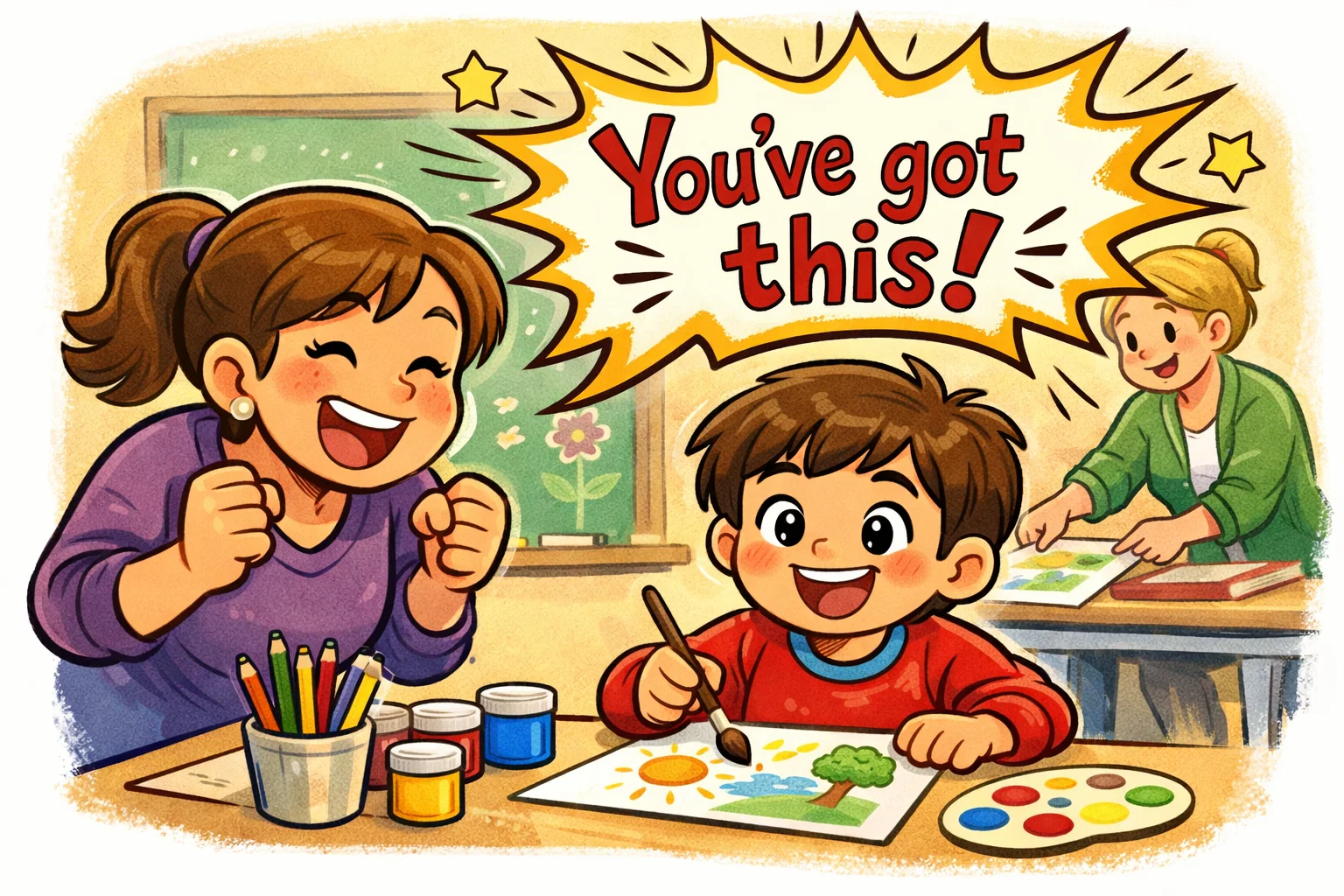
Encouragement and pressure are not the same thing. Children are most likely to persist in extracurriculars when they feel supported rather than obligated. Express genuine enthusiasm for their efforts, and avoid tying praise too tightly to outcomes or performance.
Track Progress and Celebrate Achievements
Recognizing milestones — big and small — reinforces confidence. Whether a child learns a new chess move, completes their first swim race, or finishes a short story, acknowledging progress builds self-esteem and motivation to continue.
Maintain a Healthy Balance with School
Extracurricular activities should complement academic performance, not compete with it. If school performance begins to decline, it may be a sign that the activity schedule needs adjusting. Open conversation with your child about how they’re managing their time is more effective than imposing strict rules.
Communicate with Coaches and Mentors
A good teacher or coach is a valuable partner in your child’s development. Regular, brief check-ins with instructors can provide insight into your kid’s progress, areas of challenge, and social dynamics within the group — all useful for making informed decisions about continued participation.
Common Mistakes to Avoid When Choosing Activities
Even well-intentioned parents fall into predictable traps when selecting extracurriculars. Here are the four most common mistakes — and what to do instead.
Overscheduling Children
Enrolling a child in too many activities at once is among the most common mistakes parents make. Children need unstructured time to rest, process experiences, and simply play. Chronic overscheduling has been associated with elevated stress and reduced enjoyment of activities that would otherwise be genuinely fulfilling.
Choosing Based on Trends Only
Just because coding or a particular sport is trending doesn’t mean it’s the right fit for every child. Popularity is not a reliable measure of suitability. Activities chosen primarily based on perceived status or peer influence — rather than a kid’s genuine interest — tend to produce low engagement and early dropout.
Ignoring Child’s Feedback
Kids often communicate their feelings about activities clearly, though not always in words. Persistent reluctance to attend, emotional distress before sessions, or repeated requests to stop are meaningful signals. Dismissing this feedback in favor of long-term commitment can erode a child’s trust and enthusiasm for trying new activities in the future.
Focusing Only on Results
A results-only mindset — fixating on competition rankings, skill milestones, or performance outcomes — can undermine the intrinsic value of participation. Children who are encouraged to enjoy the process of learning tend to develop stronger resilience and a more sustainable passion for their chosen activities over time.
Building Strong Future with Extracurricular Activities
Extracurricular activities for kids represent far more than a way to fill after-school hours. When chosen thoughtfully, they become spaces where children discover their strengths, nurture new interests, and grow into more confident, well-rounded individuals.
The best approach is to start with your child’s genuine interests, keep the schedule manageable, and stay involved without applying pressure. Whether your kid gravitates toward team sports, music lessons, coding, or community service, what matters most is that they feel supported, engaged, and free to explore. Take it one activity at a time — and let your child’s curiosity lead the way.
Frequently Asked Questions
Do extracurricular activities help kids succeed?
Yes — research consistently supports the connection between extracurricular participation and positive outcomes. Children who participate in structured after-school activities demonstrate higher academic achievement, better social skills, and stronger self-esteem compared to non-participants. The benefits are most pronounced when the activity aligns with the child’s interests and is practiced consistently over time.
How many activities should kids have?
Most child development experts recommend one to two activities per week for children in the elementary years. For older kids with more capacity, two to three well-chosen activities may be manageable. The right number depends on the kid’s age, temperament, academic demands, and how much unstructured downtime they need to recharge.
What age to start extracurricular activities?
Children can begin informal, play-based activities as early as preschool age (3–4 years). Structured programs with clear goals and regular attendance are generally more appropriate from age 5 or 6 onward. Starting early with low-pressure options builds a positive association with organized learning and helps children discover what they enjoy.
Which activities are best for shy children?
Shy children often thrive in small-group or one-on-one settings where social demands are lower. Good options include:
- Individual music lessons (piano, violin, guitar)
- Art or creative writing classes
- Martial arts programs with a supportive instructor
- Cooking or life skills workshops
As comfort grows, shy children may gradually feel ready to participate in team-based or performance-oriented activities.
Are extracurricular activities necessary?
Extracurricular activities are not strictly necessary, but they offer meaningful developmental advantages that are difficult to replicate elsewhere. They provide children with structured opportunities to explore passions, develop social skills, and build resilience. That said, quality matters more than quantity — one genuinely engaging activity pursued with consistency will benefit a child far more than several activities completed reluctantly.

Take a short quiz to find out what your everyday choices say about your parenting style
When your child is curious about something new, what’s your instinct?
Take a short quiz to find out what your everyday choices say about your parenting style
“Can I download this app?” What happens next?
Take a short quiz to find out what your everyday choices say about your parenting style
When it comes to rules at home, which sounds most like you?
Take a short quiz to find out what your everyday choices say about your parenting style
If you could give your child one life skill today, what would you pick?
Take a short quiz to find out what your everyday choices say about your parenting style
Your child gets to choose what to watch. What would your ideal setup look like?
Take a short quiz to find out what your everyday choices say about your parenting style
Pick your parenting superpower ✨