Apps Similar to HelloTalk: Comparison for Kids and Teens Best Language Exchange Apps

 Discover a Free Education Video App for Kids
Pastory uses AI to personalize educational video content based on your child’s interests and personality. Safe, engaging, and built for curious young minds. Sign up now to stay updated and enjoy early access with a free trial
If you’ve searched for “similar apps like HelloTalk,” you’re likely weighing options for yourself or a child who wants to learn a new language through real conversation. HelloTalk is one of the most well-known language exchange apps, connecting language learners with native speakers around the world through text, voice messages, and video chat — but it isn’t the only option, and it may not be the right fit for every learner or every family.
This article provides a neutral, side-by-side look at the best HelloTalk alternatives, evaluated through the lens of child and teen suitability, safety tools, moderation quality, and overall learning effectiveness. Whether you’re a parent researching options for a 12-year-old or a teenager looking for more structured language practice beyond casual chat, this guide explains what each platform actually offers.
Why Consider Alternatives to HelloTalk
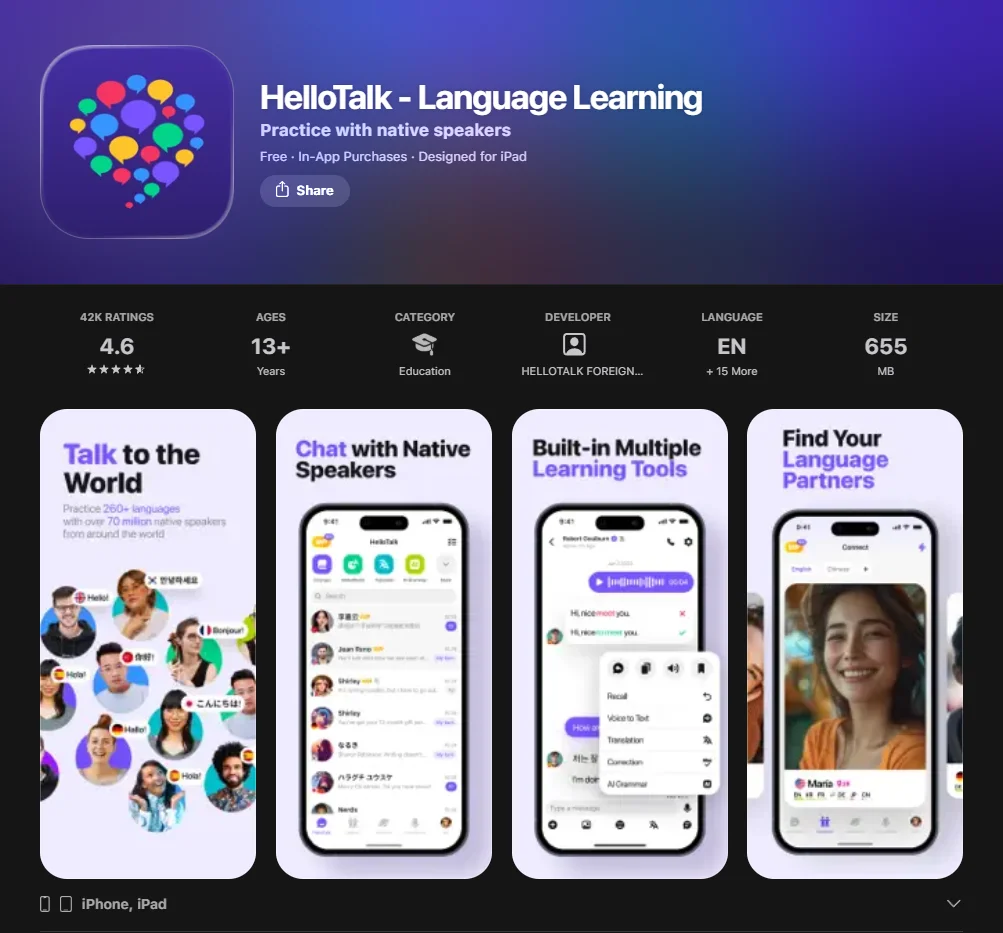
HelloTalk operates as a peer-to-peer language exchange app that connects users with native speakers of their target language. That model works well for motivated adult learners, but it also raises questions that push many families toward alternatives.
Some of the most common reasons people look for apps like HelloTalk include:
- Safety concerns about open messaging with strangers, especially for minors
- A preference for structured lessons over free-flowing conversation
- Interest in AI-powered practice that reduces reliance on unknown language partners
- Differences in pricing models or feature availability
- Specific needs around parental controls and content moderation
This article doesn’t argue that HelloTalk is good or bad — it simply acknowledges that different learners have different needs, and comparing platforms fairly requires looking at the full picture.
Safety Concerns for Children and Teens
Open language exchange platforms connect users with strangers by design. For adults, that’s the point. For children and younger teens, the same feature creates real risks. Many language exchange apps set a minimum age of 13 in order to comply with COPPA regulations in the United States, but age verification on many platforms is limited to a self-reported birthdate at registration.
The risks aren’t unique to HelloTalk — they’re structural to the peer exchange model. Users can send text and voice messages, initiate video calls, and share personal information. Without active moderation and parental oversight, younger users may be exposed to inappropriate conversations or unwanted contact. This is why parents increasingly evaluate alternatives before choosing a language learning app for their child.
Structured Learning vs Open Communication
There’s a meaningful difference between a language app designed to connect learners with native speakers through casual chat and one built around guided lessons with defined progression. Apps like Duolingo or Babbel do not offer direct interaction with other users — instead, they use pre-built content and algorithm-driven exercises to teach grammar, vocabulary, and pronunciation. For younger learners or those building foundational skills, this structured model often produces more consistent results.
That said, direct interaction with native speakers develops conversational fluency and listening comprehension in ways that AI-driven apps haven’t fully replicated. The best approach often depends on the learner’s age, goals, and comfort level.
AI-Powered Practice Growth
Over the past two years, AI-based language apps have grown significantly as a category. Tools like Talkpal AI and even general-purpose platforms like ChatGPT now allow learners to simulate real conversations in their target language without the safety concerns associated with stranger interaction. This shift has made AI tools a viable alternative for learners who want conversational practice without interacting with other users. However, AI tools lack the cultural nuance and spontaneous context that a real native speaker provides — something worth weighing when choosing a platform.
How Language Exchange Apps Work
Most platforms that appear in searches for HelloTalk alternatives use one of three core models, and many combine elements of all three.
Peer-to-Peer Language Practice
This is HelloTalk’s primary model. Users are matched with a native speaker of their target language who is in turn learning the user’s native language — a mutually beneficial exchange. Communication typically happens through text, voice messages, or live video call. The benefits include authentic conversation, real-time cultural exchange, and free access. The risks for minors involve exposure to unsolicited contact and limited moderation on many platforms.
AI-Based Language Support
Many apps now embed AI tools directly into the learning experience. Grammar correction, pronunciation feedback, and simulated conversations with AI language partners reduce the need for live interaction with strangers. This model is generally safer for younger learners and offers more consistent availability — your AI language partner is always there, unlike a real person in a different time zone.
Tutor-Led Language Platforms
Platforms like italki connect learners with professional or community tutors for paid one-on-one sessions. These are scheduled in advance, structured around defined goals, and offer far more oversight than open exchange apps. For families with younger learners, the tutor-led model provides accountability and safety that peer exchange can’t match.
Community Moderation and Reporting Tools
The quality of a platform’s moderation system significantly affects its suitability for younger users. Effective moderation typically includes user blocking and reporting, automated content filtering, and age-based access controls. Apps vary widely in how seriously they implement these features — some offer robust systems, while others rely almost entirely on users to self-police. When evaluating apps similar to HelloTalk, moderation depth is one of the most important factors to assess.
Top Similar Apps Like HelloTalk for Language Learners
Here’s a neutral look at the most commonly searched HelloTalk alternatives, with particular attention to features relevant to families and younger learners.
Speaky App Review
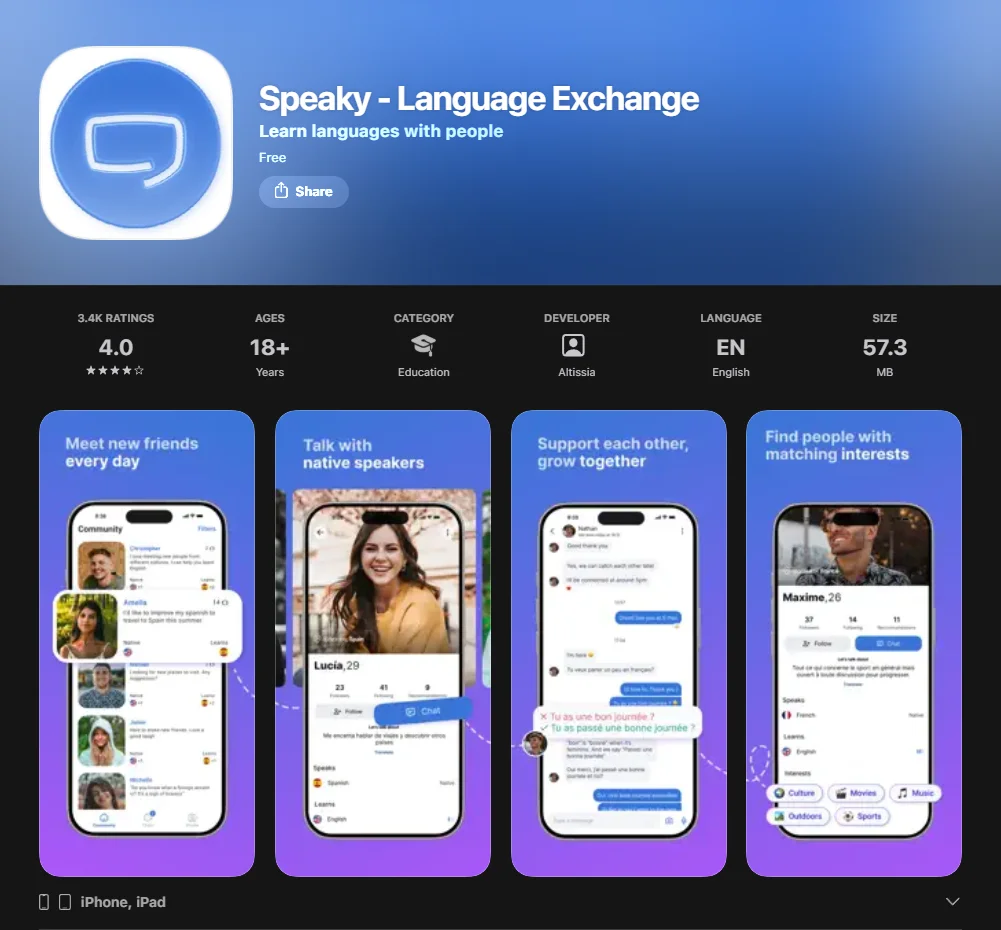
Speaky operates as a free language exchange app with a simple registration process and an open chat environment. Users can connect with native speakers of their target language and practice via text conversation. Speaky’s minimum age is 13, but its verification system is limited. The platform is relatively straightforward and lacks some of the structured learning features found in more developed apps. Parents considering Speaky for teens should review its privacy settings carefully.
Lingbe App Review
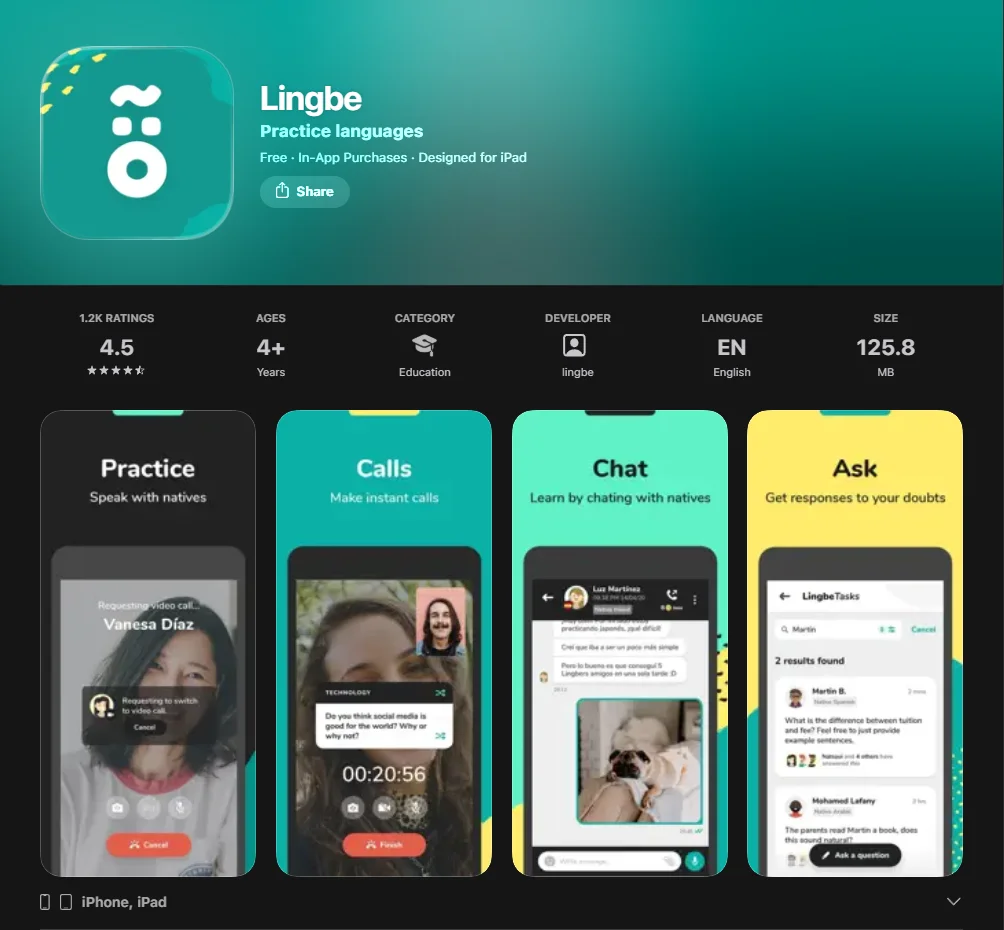
Lingbe offers a unique model in the language exchange space: users are randomly connected with native speakers of their target language for short voice calls rather than asynchronous chat. This real-time, spontaneous format can be excellent for pronunciation and conversational fluency, but the random matching system raises supervision considerations for younger users. Lingbe is aimed at adult learners, and the random matching format may make it less predictable for teens without parental oversight.
italki Platform Review
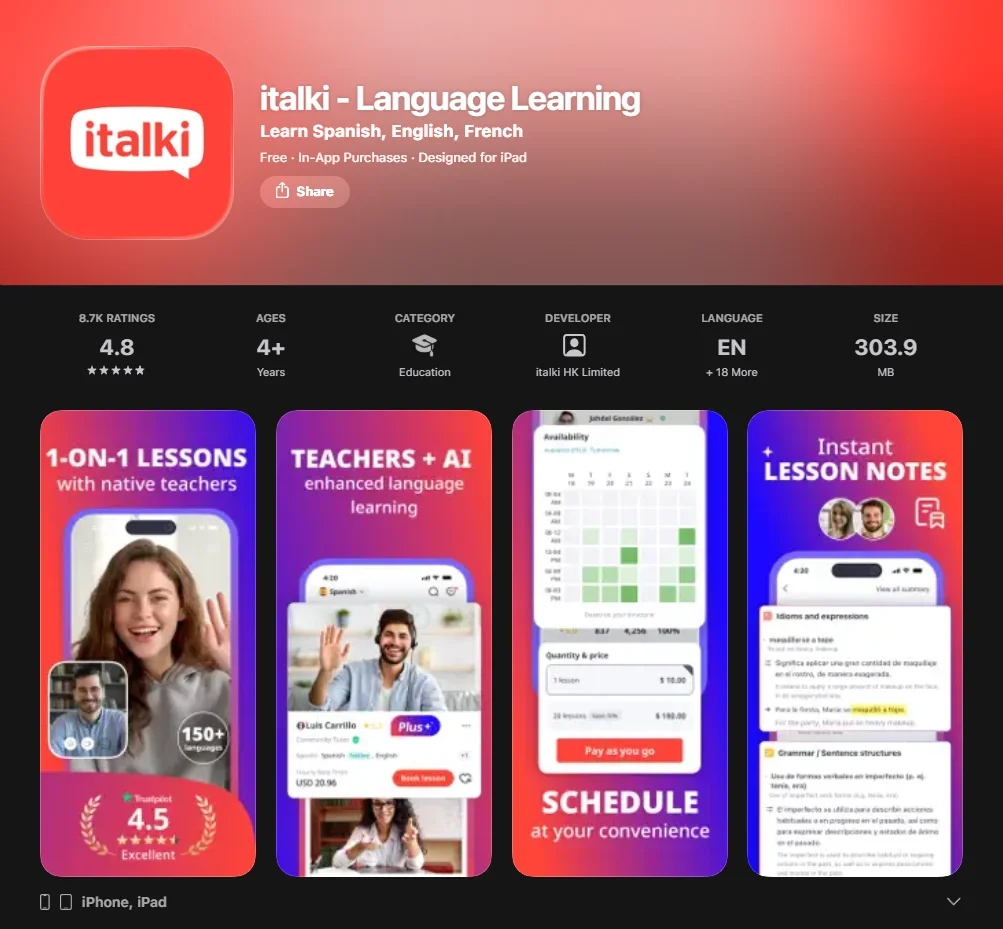
italki is a tutor marketplace that connects learners with both professional teachers and community tutors for one-on-one video sessions. Unlike peer exchange apps, italki sessions are structured, scheduled, and conducted with a verified tutor. The platform is not specifically designed for children, but the supervised lesson format makes it one of the more appropriate options for younger teens when parents are involved in booking and monitoring sessions. Pricing varies by tutor, with community tutors typically offering lower rates than professional language teachers.
Busuu App Review
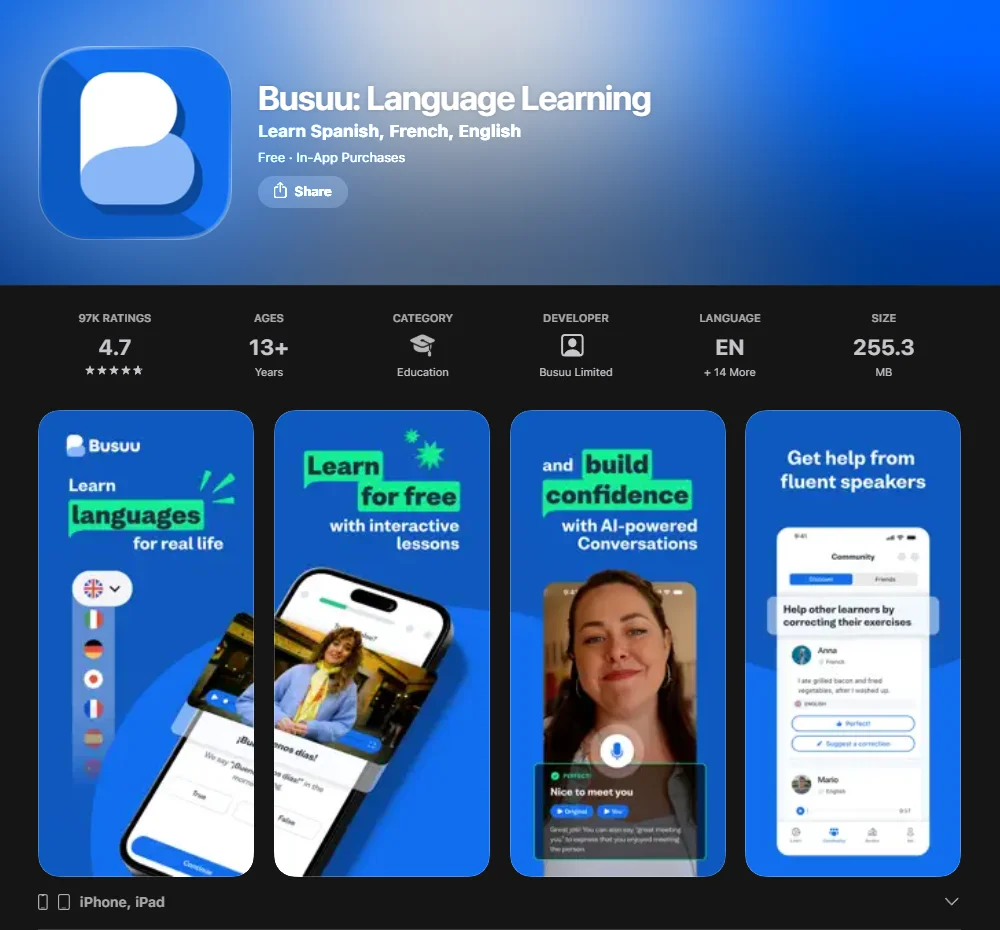
Busuu combines a structured course-based learning system with a community feedback feature where native speakers can correct your written exercises. This hybrid model means you get guided lessons alongside some limited interaction with real speakers — but without open real-time chat. Busuu’s minimum age is 13, and the nature of the community interaction is relatively contained. For learners who want to learn a language with some native speaker feedback but without the risks of live chat, Busuu represents a reasonable middle ground.
HiNative Platform Review
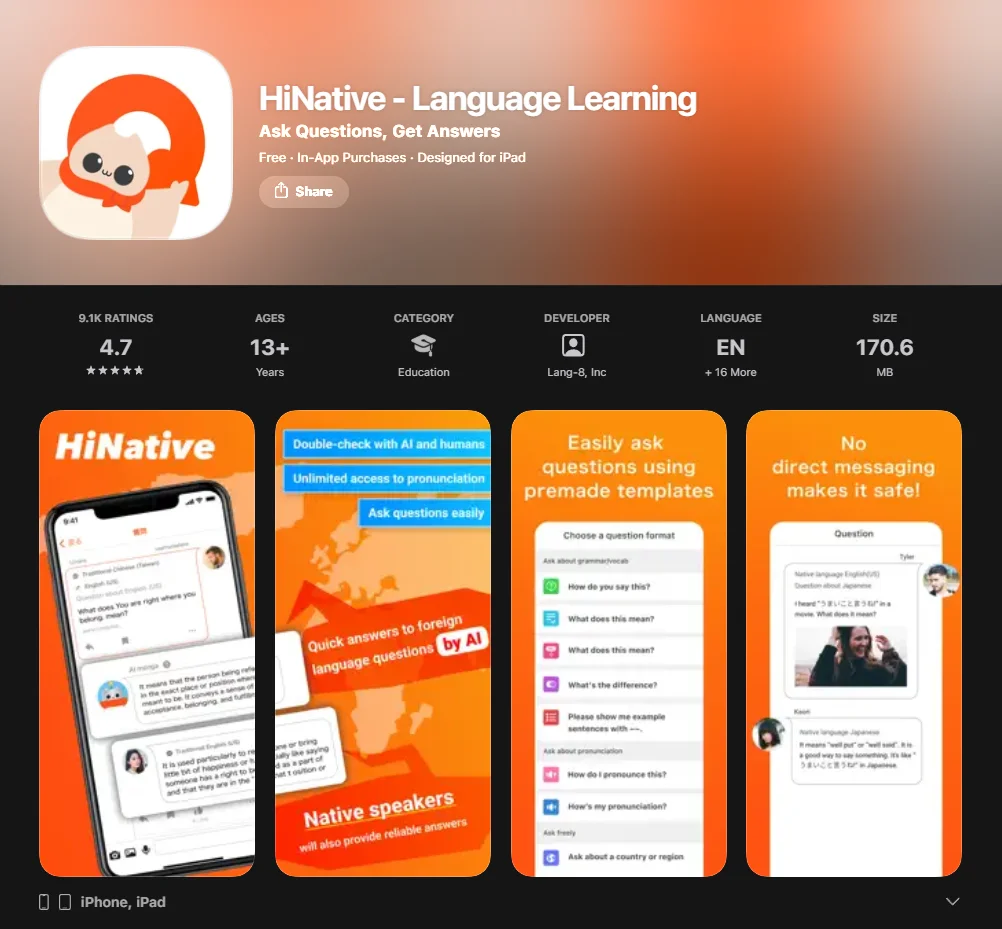
HiNative takes a notably different approach from most HelloTalk alternatives. Instead of direct real-time chat, it operates as a Q&A platform where learners post language questions and native speakers answer them. This format has a meaningful safety advantage for younger users — there’s no direct messaging between individuals by default, reducing exposure risk. HiNative is useful for specific grammar questions, pronunciation checks, and cultural clarifications, though it’s less suited to developing conversational fluency through extended dialogue.
Discord Language Servers
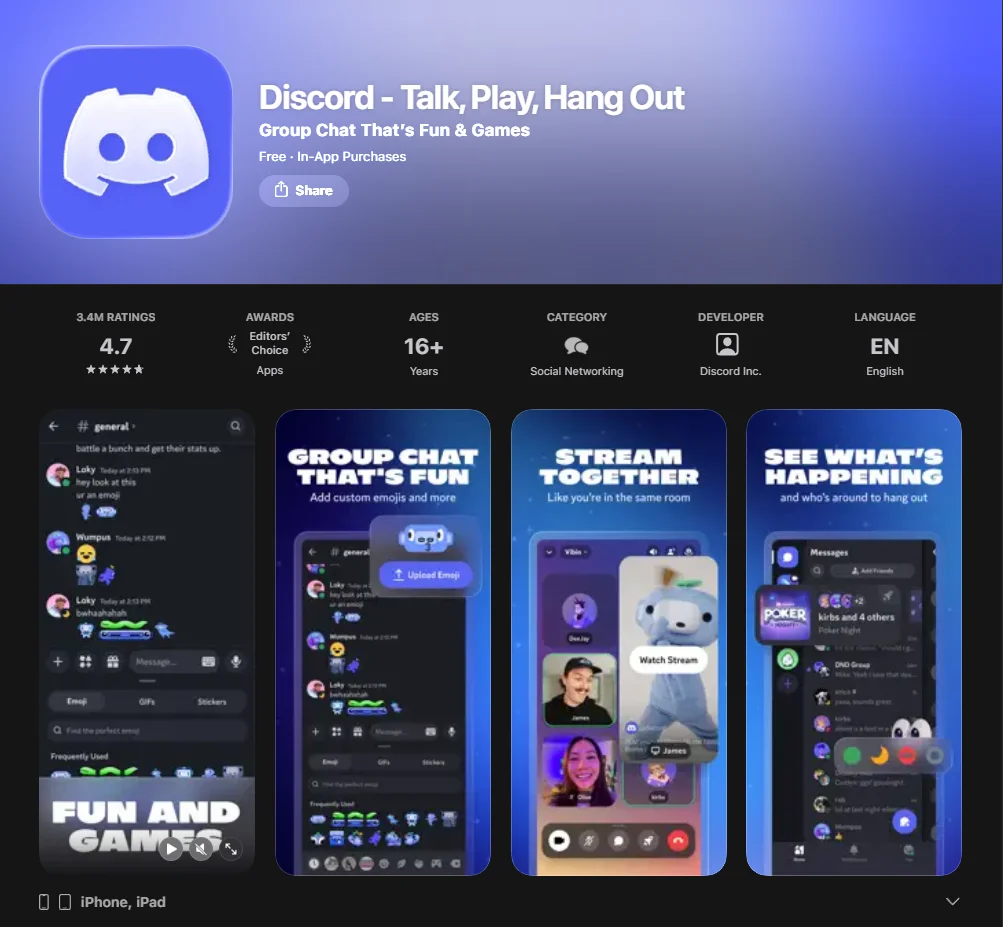
Discord hosts a large number of language learning communities organized as servers. These communities are peer-moderated and vary significantly in quality and safety. Some are well-organized with active moderators and clear community rules; others are effectively unmoderated. Discord’s minimum age is 13, but it is a general communication platform, not a dedicated language learning tool. For motivated older teens who join curated, well-moderated language servers, Discord can provide genuine language practice. For younger teens, the variability in moderation can make the experience less consistent and harder to supervise.
Reddit Language Communities
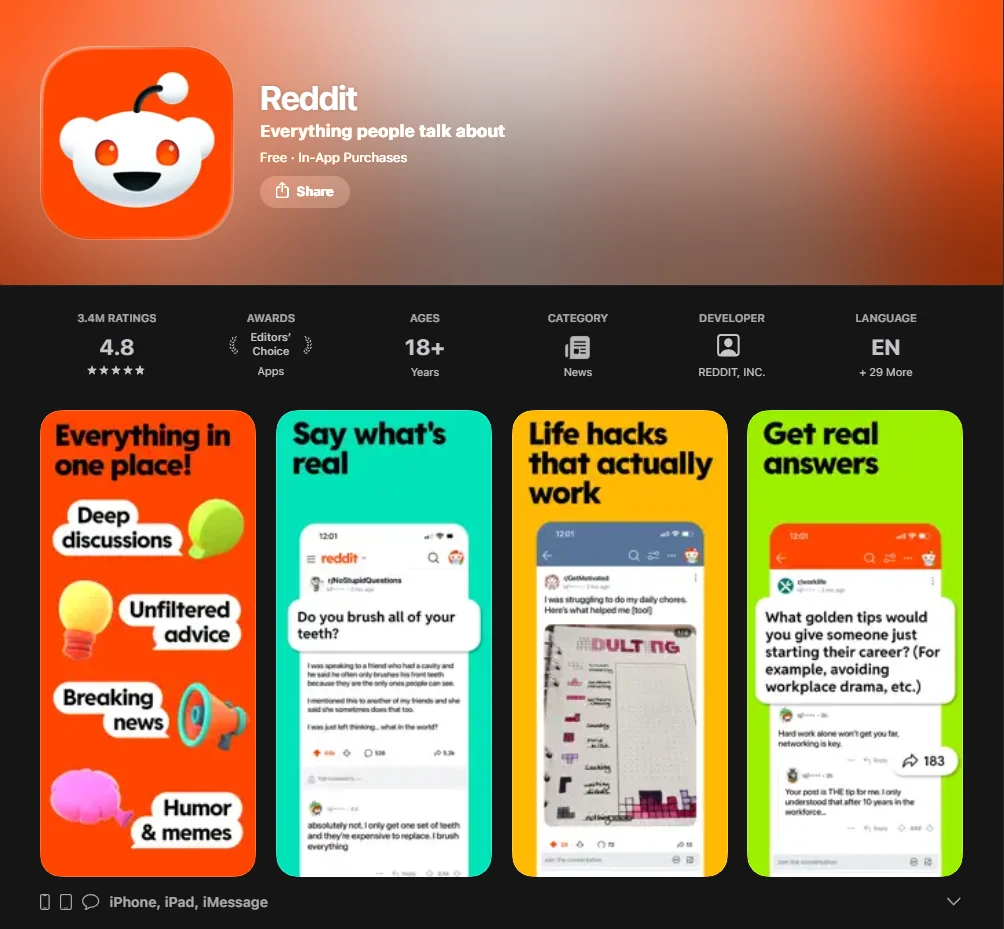
Reddit hosts active language learning communities like r/languagelearning and numerous target-language-specific subreddits. These are primarily text-based forums for discussion, resource sharing, and occasional language exchange posts. The anonymity of Reddit and the adult orientation of most communities makes it more appropriate for older teens and adults. The platform is not designed for direct one-on-one exchange but can be a useful supplementary resource.
Meetup Language Groups
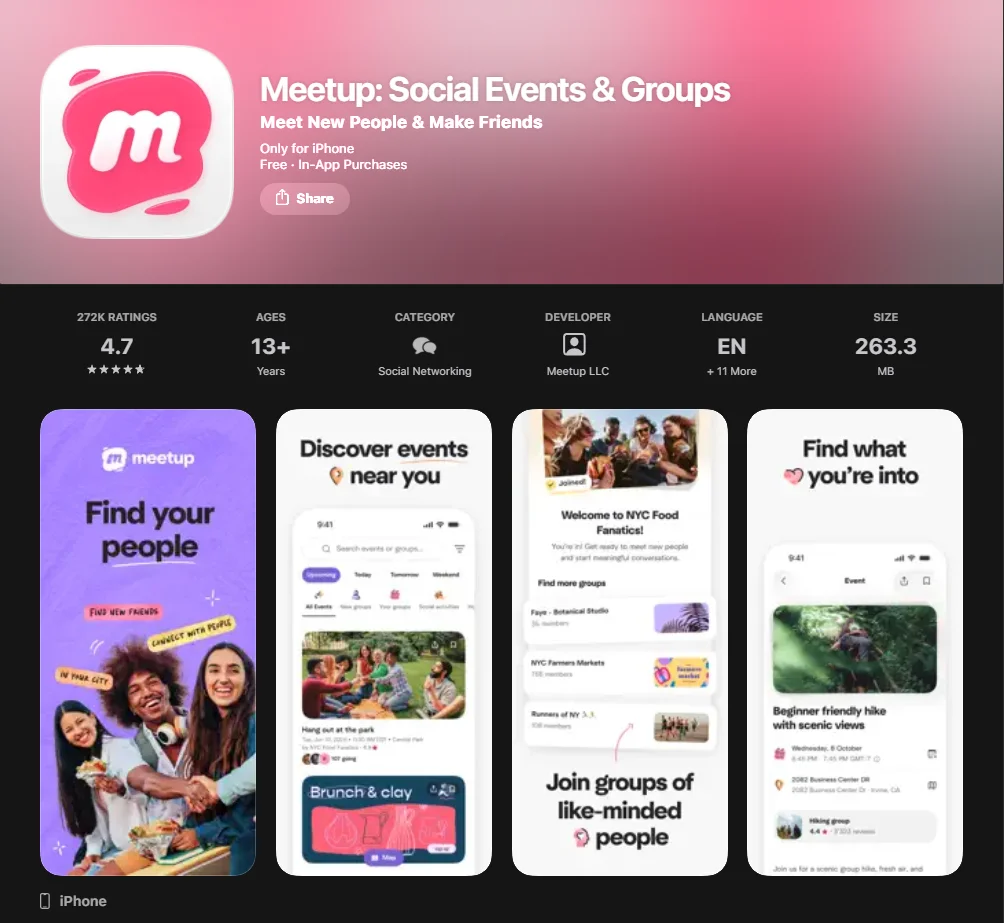
Meetup hosts both online and in-person language practice events organized around specific languages or learning goals. In-person meetings obviously require parental involvement for minors, but the structured group format can provide valuable real-world language practice in a supervised setting. For families in urban areas, local Meetup language groups can be an effective offline complement to app-based learning.
AI Language Apps as Alternative to HelloTalk
For learners who want conversation practice without direct interaction with strangers, AI-based tools have become a credible category.
ChatGPT for Language Practice
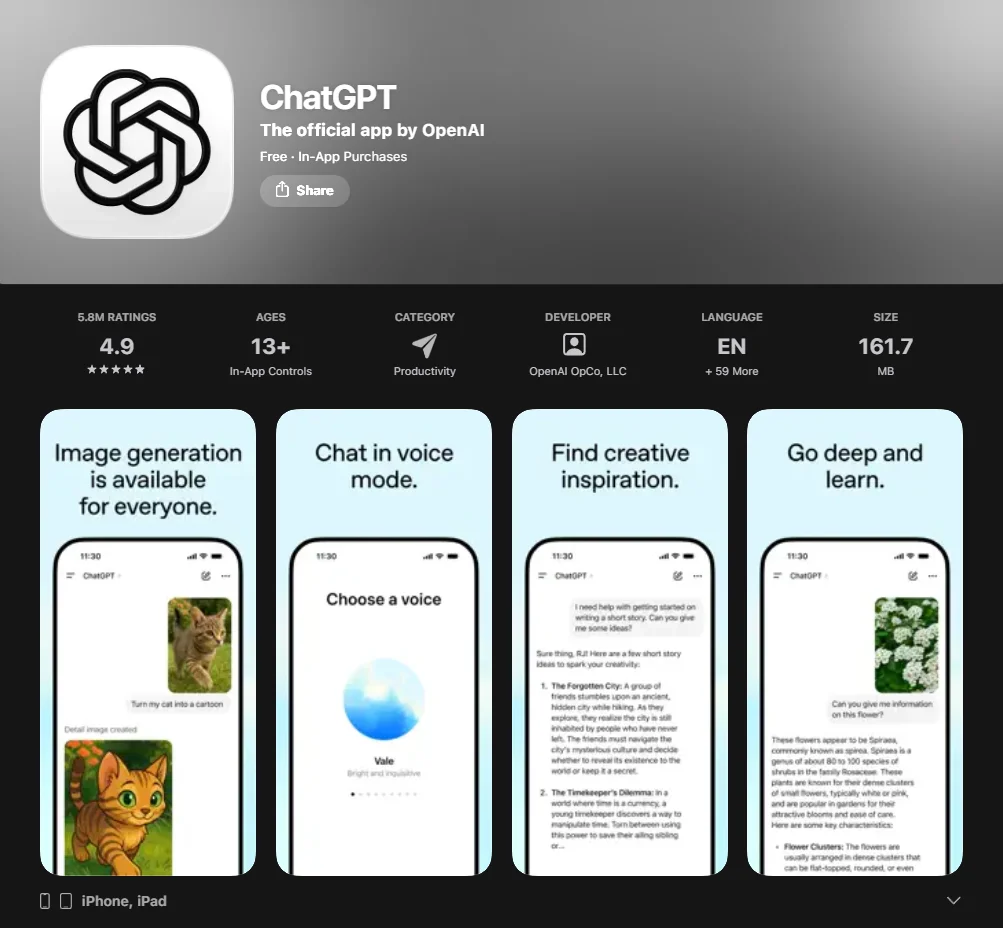
ChatGPT can simulate extended conversations in virtually any language, correct grammar in real time, explain nuances, and adjust difficulty to suit the learner. It doesn’t replace the spontaneity of speaking with a real native speaker, but it offers consistent, judgment-free practice with no exposure risk. Many language learners use it specifically for writing correction and vocabulary building in their target language. For families looking for a low-risk way to supplement formal instruction, ChatGPT is worth considering.
Talkpal AI
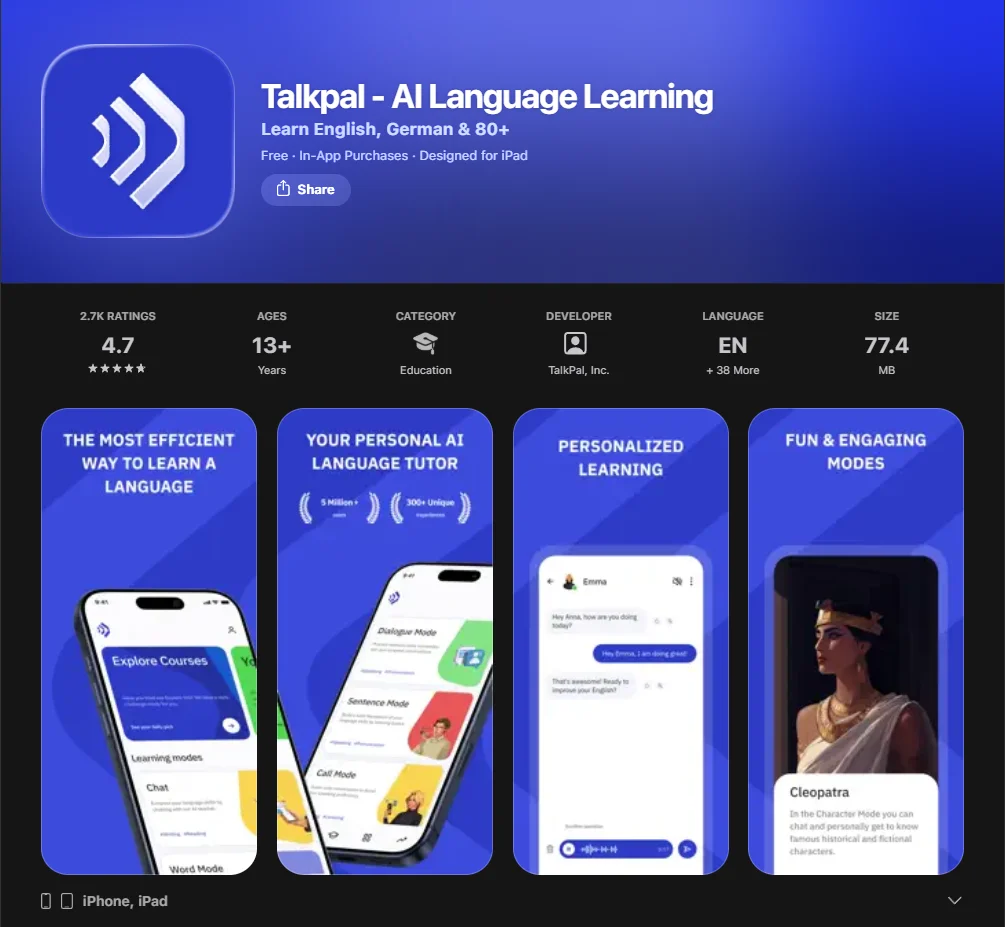
Talkpal is an AI language learning app designed specifically around conversation practice. It offers structured dialogue scenarios, pronunciation feedback, and exercises tailored to the learner’s level. Because interaction is with an AI rather than an unknown human partner, the safety profile is fundamentally different from peer exchange apps. Talkpal positions itself explicitly as a language learning tool, which also means the content is consistently relevant to language goals.
LingQ Platform
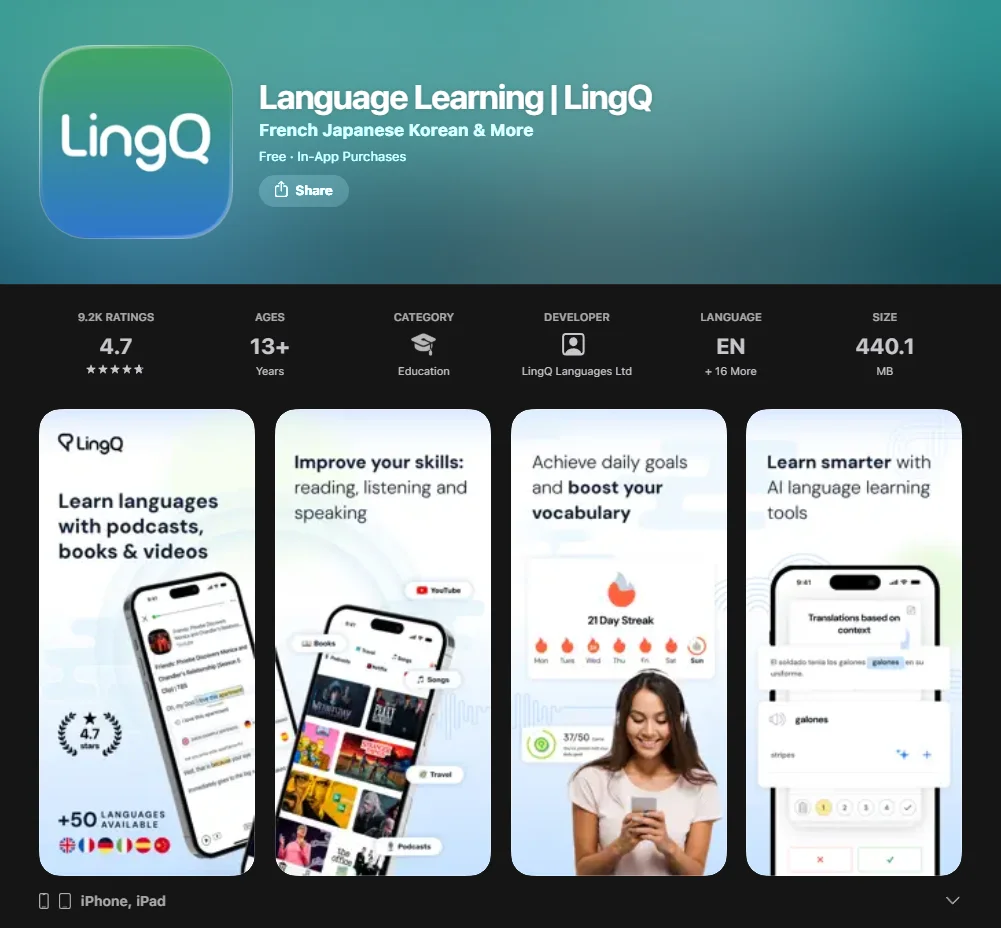
LingQ focuses on reading and listening comprehension rather than live conversation. Learners import content in their target language and work through it with vocabulary and grammar tools. Social interaction is minimal compared to exchange apps. LingQ is particularly well-suited to learners who prefer a self-paced, content-driven approach to building language skills — it’s less about practicing your speaking fluency and more about developing strong comprehension foundations.
Language Learning Apps with Structured Programs
For learners who don’t need live interaction at all, structured learning apps provide the most controlled and consistent language learning environment.
Duolingo App Review
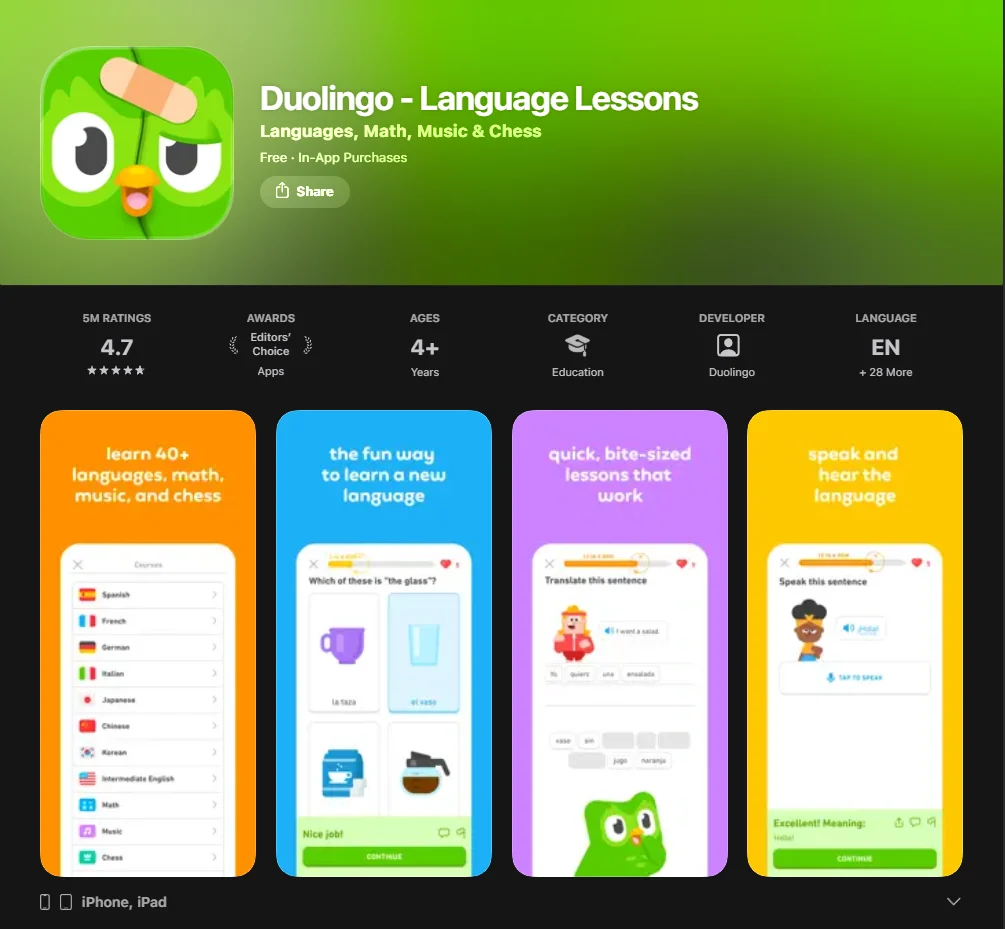
Duolingo is the most widely used gamified language learning app in the world, with hundreds of millions of registered users worldwide. Its interface is child-friendly, its lessons are short and engaging, and it offers a dedicated school version with teacher-controlled accounts. Duolingo doesn’t include public chat features, which makes it one of the more controlled language learning environments for children under 13. It covers a wide range of languages and provides a genuinely effective foundation for early-stage learners. That said, Duolingo alone is generally not sufficient for developing conversational fluency — it works best as one component of a broader language learning strategy.
Babbel Platform Overview
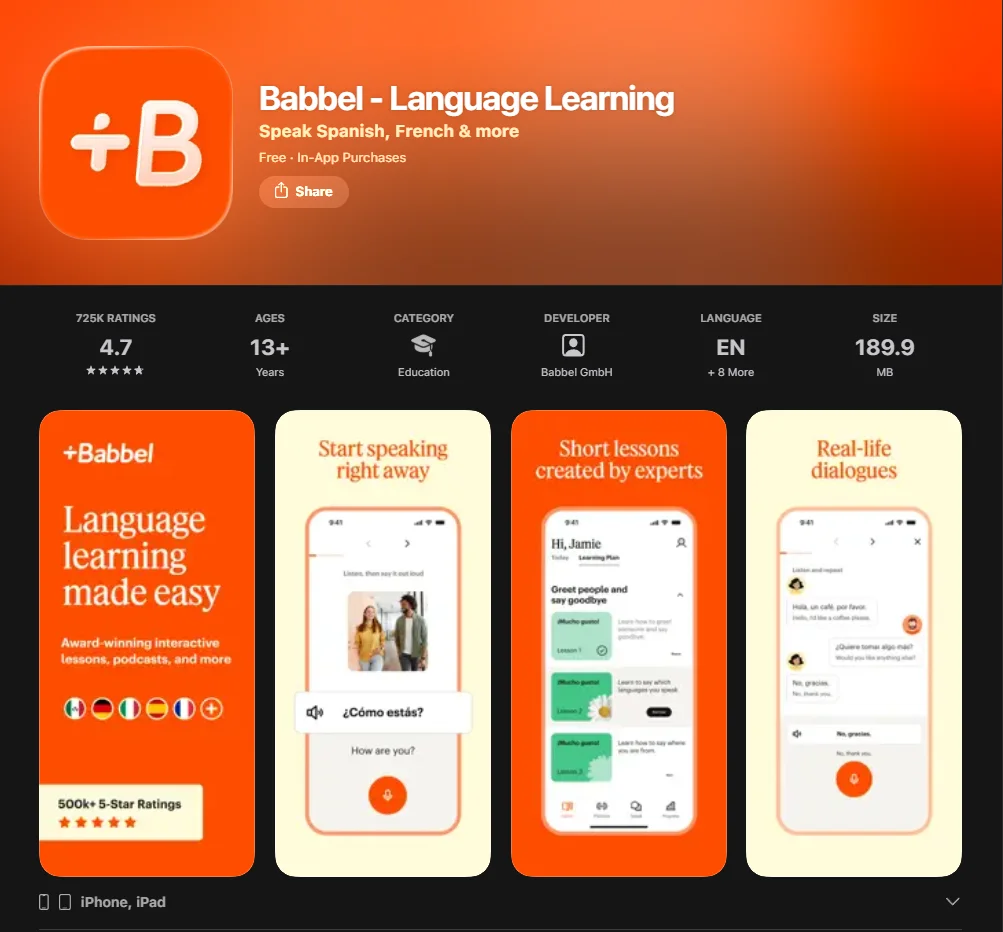
Babbel is a subscription-based app offering structured courses built around practical conversation scenarios. It’s designed for adult learners but is suitable for motivated older teens. There is no public chat or community feature, keeping the learning experience entirely within the app’s curated content. Babbel’s approach is more grammar-conscious and lesson-structured than Duolingo, which may suit learners who prefer clear progression over gamified repetition.
Social and Communication Apps Sometimes Used for Language Practice
Some apps are used by language learners informally but are not dedicated learning platforms. These are worth addressing directly because they appear in searches for language exchange tools.
Telegram Messenger
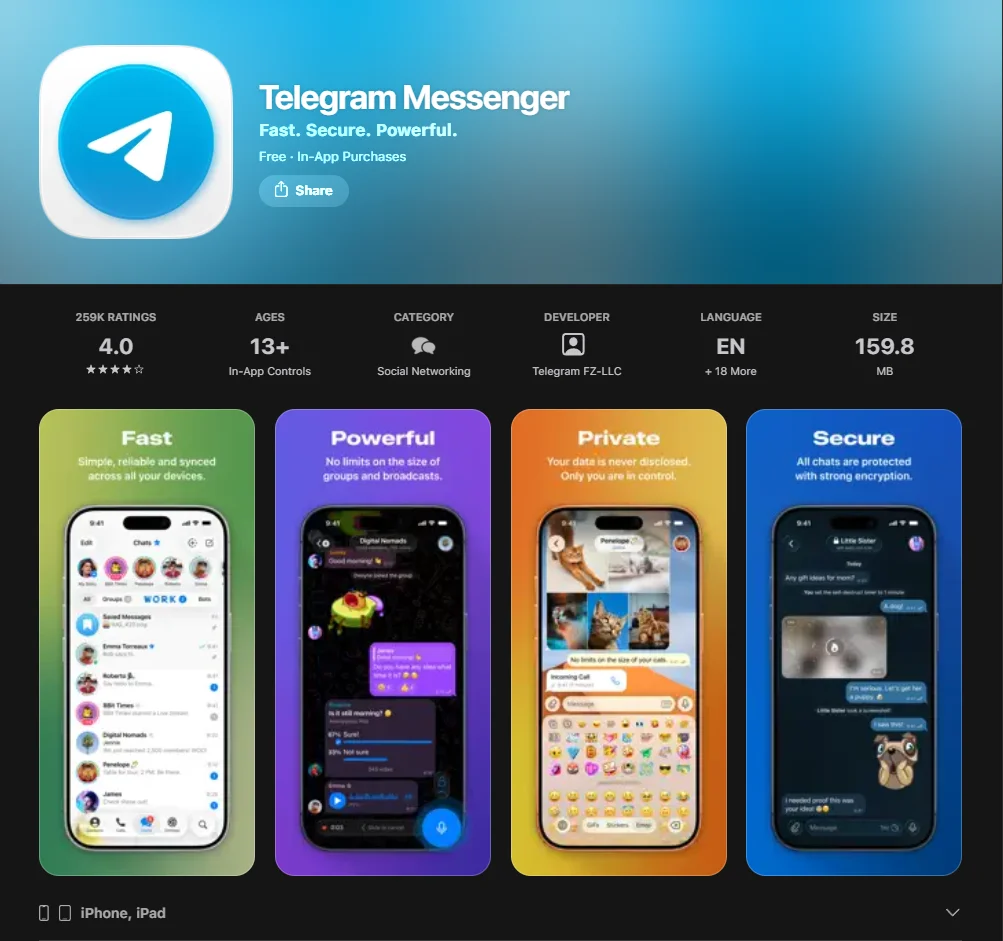
Telegram hosts public language learning groups and channels, but it is a general messaging app with significant variation in moderation quality. Public groups can expose users to inappropriate content, and the platform is not designed with language learners in mind. It can be useful as a supplement for older learners who join well-run language communities, but it carries the same exposure risks as any unmoderated public group platform.
LINE App
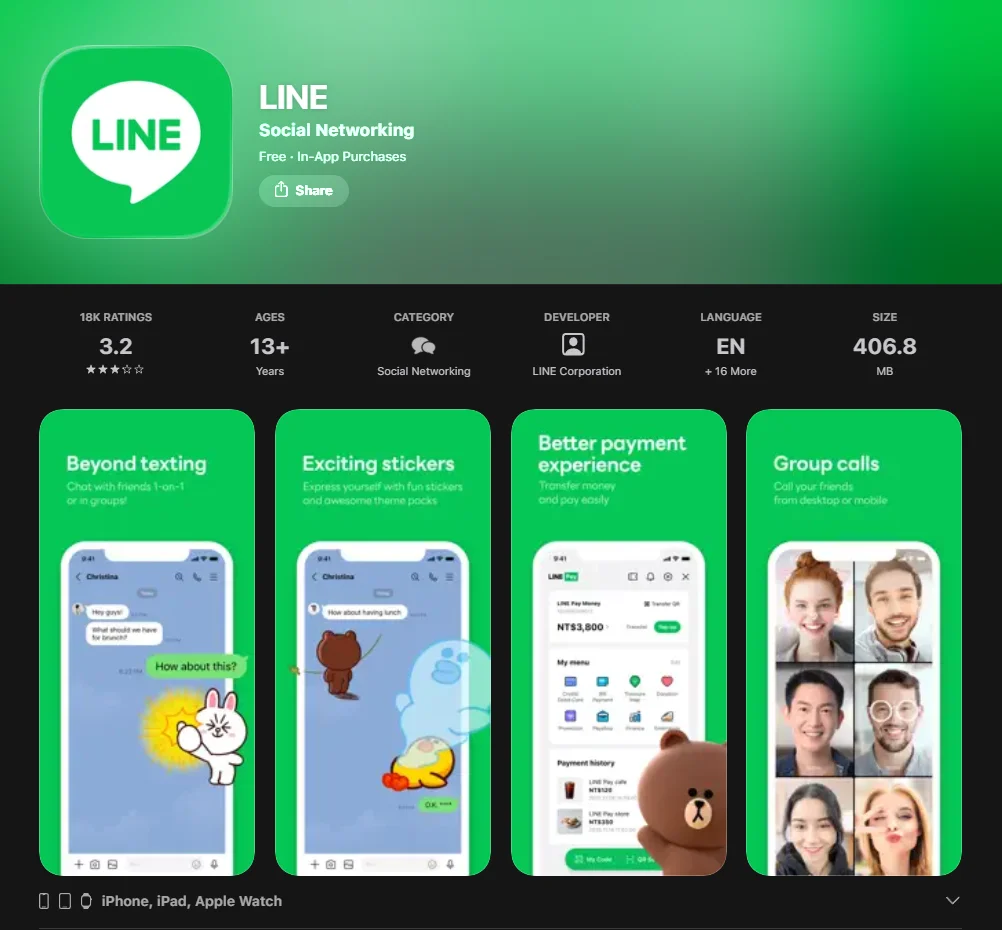
LINE is a messaging platform popular in East Asia that includes public group chats. Some language learners use it to connect with speakers of Japanese, Korean, or Thai, but it is not a language learning app and lacks learning-specific features. For minors, open group exposure is a consideration.
WeChat Platform
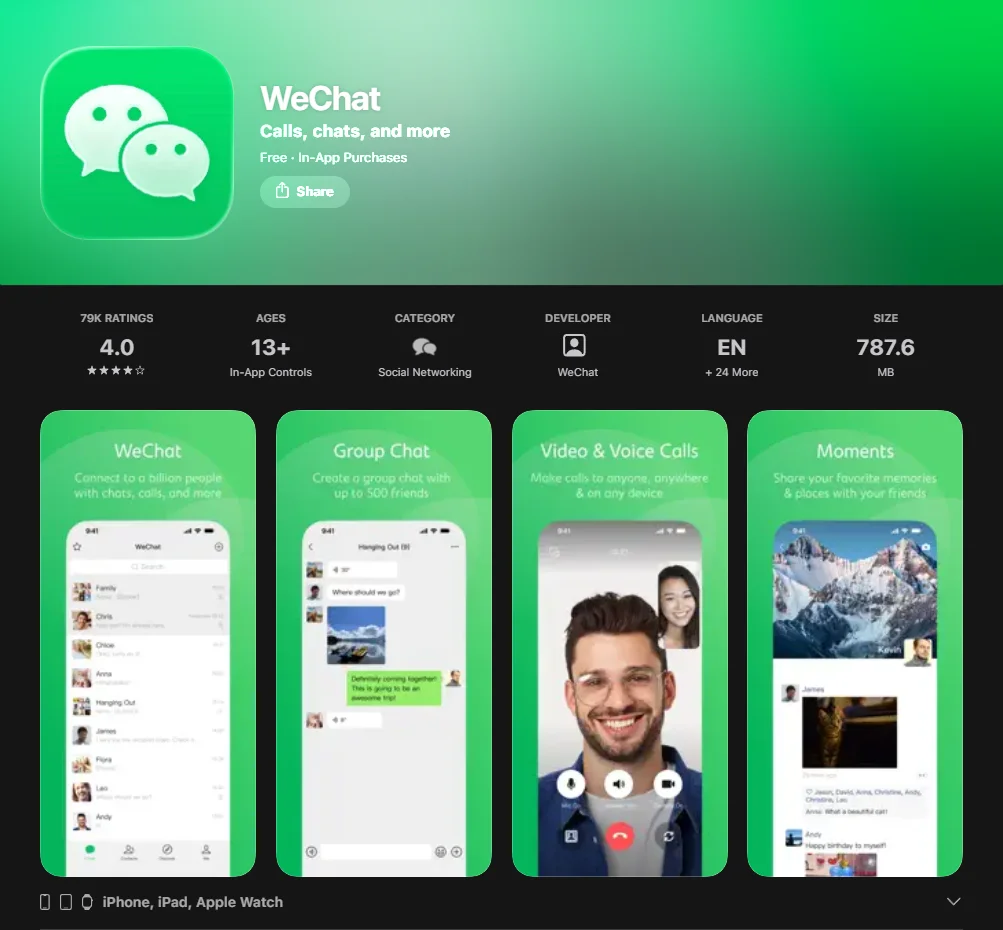
WeChat is a multipurpose communication platform widely used in China. It is sometimes used by learners studying Mandarin to connect with native speakers, but it functions primarily as a social and commerce ecosystem. Its terms of service require users to be 13 or older, and parental oversight is important for younger learners using any open messaging platform.
OmeTV and Random Video Chat Apps
OmeTV and similar random video chat platforms match users with strangers via live video. While some learners use them for spontaneous language practice, the random matching format carries significant exposure risks. These platforms are primarily designed for general social interaction and may not be suitable for minors or structured language learning.
Comparison of Apps by Age Suitability
The table below summarizes the general age compatibility of the platforms covered in this article. Note that age suitability reflects the general design and interaction model of the platform, not only its stated minimum age requirement.
| Platform | Minimum Age | General Suitability |
| Duolingo | 13 (under-13 with school account) | Children and teens ✅ |
| Busuu | 13 | Teens with parental awareness ✅ |
| italki | 13 (parental involvement recommended) | Teens with supervision ✅ |
| HiNative | 13 | Teens (limited exposure) ✅ |
| HelloTalk | 13 | Teens with caution ⚠️ |
| Speaky | 13 | Teens with caution ⚠️ |
| Lingbe | 18 | Adults only ❌ for minors |
| Discord Language Servers | 13 | Older teens (varies by server) ⚠️ |
| Reddit Communities | 13 | Older teens and adults ⚠️ |
| OmeTV / Random Video | 18 | Not recommended for minors ❌ |
Apps More Suitable for Children Under 13
For children under 13, the safest language learning options are structured course apps with no open social features. Duolingo (via its school account system), supervised italki sessions booked by parents, and AI tools like ChatGPT used with parental guidance represent the most appropriate options. These platforms keep language learning within a controlled environment and don’t expose children to unsolicited contact from strangers.
Apps Potentially Suitable for Teens 13–17
Teens in this age range have more options, but parental awareness remains important. Busuu, HiNative, and supervised italki sessions offer meaningful language practice with limited stranger exposure. Tandem and HelloTalk are technically available to users over 13 in some regions, but their peer exchange models warrant parental review. AI-based tools including Talkpal AI are increasingly viable for this age group.
Apps Primarily for Adults 18+
Open peer exchange platforms like Tandem and Lingbe, general community platforms like Reddit and Discord, and any social app with random matching are best suited to adult learners who can independently manage their own safety and choose their language partners thoughtfully.
Key Differences in Safety Features
The main safety differentiators across platforms come down to four factors: whether the app uses AI or human interaction, how identity is verified at registration, what content moderation tools exist, and whether parental oversight features are built in. No peer exchange app currently offers the same safety infrastructure as a supervised tutoring platform or a closed AI learning tool.
How to Choose the Best HelloTalk Alternative
Choosing the right platform depends on being honest about what the learner actually needs.
Define Learning Goals
Are you looking for casual conversation practice to supplement a formal class, or are you working toward measurable fluency in your target language? Casual exchange apps suit the former; structured courses and tutor-led sessions suit the latter. Someone who wants to learn Spanish well enough to use it professionally has different needs than someone who wants to text with a pen pal in another country.
Evaluate Safety and Privacy Policies
Before registering a minor on any platform, read the privacy policy and terms of service. Look specifically for age verification methods, data collection practices, parental control options, and how the platform handles inappropriate content reports. A platform that takes one paragraph to address child safety in its policy is worth approaching with more skepticism than one with detailed parental guidance documentation.
Consider Communication Format
Text, voice messages, live video, AI simulation, and tutor-led video sessions each offer a different kind of language learning experience. Text-based practice is lower risk but may not develop spoken fluency. Video sessions with tutors are higher quality but require scheduling and payment. AI tools offer flexibility but lack cultural spontaneity. Match the format to both the learning goal and the learner’s age and comfort level.
Check Pricing Model
Free exchange apps like HelloTalk and Speaky rely on ad revenue or premium feature upgrades. Subscription apps like Babbel and Busuu charge monthly fees. Tutor platforms like italki involve variable per-session costs. There’s no universally “best” model — but moderation resources may vary between free and paid platforms, and users should review each app’s policies individually.
FAQ
Are apps similar to HelloTalk suitable for children under 13?
Most language exchange apps that connect learners with native speakers require users to be at least 13 years old, and their peer exchange model is generally not appropriate for younger children. For children under 13, structured course apps like Duolingo (especially via its school account system) or supervised one-on-one tutoring through a platform like italki — with a parent booking and present for sessions — are safer and more educationally appropriate alternatives. AI-based tools used under parental guidance can also provide meaningful language practice without any stranger interaction.
Which language exchange apps work best for teenagers?
For teens between 13 and 17, Busuu’s hybrid model of structured courses combined with limited native speaker feedback offers a relatively safe introduction to community-based language learning. italki is worth considering for teens whose parents are willing to be involved in selecting tutors and monitoring progress, as the tutor-led format provides supervision that peer exchange platforms lack. HelloTalk and Tandem are more open communication environments, and while some older teens use them effectively, they require more independent judgment about managing interactions with strangers. In general, platforms with less open real-time chat tend to be more appropriate for this age group.
Are AI language apps safer than social language exchange apps?
In terms of exposure to unknown individuals, yes — AI language apps eliminate direct interaction with other users, which removes risks associated with stranger communication. A learner practicing with an AI partner isn’t at risk of receiving unsolicited contact, inappropriate messages, or exposure to adult content from other users. However, supervision still matters even with AI tools, particularly for younger children. The quality of AI-based language practice has improved substantially, but it doesn’t fully replicate the cultural depth and spontaneity of conversation with a real native speaker.
Do language exchange apps verify user age?
Verification methods vary significantly across platforms. Most apps use a self-reported birthdate at registration, which provides minimal actual verification. Some platforms, particularly those with premium or professional tiers, may require additional identity verification for tutors or content creators, but this rarely extends to general users. Parents should not assume that an app’s stated minimum age policy translates into meaningful enforcement. Supervision and awareness of the platforms a child is using remains the most reliable safeguard.
Which apps are most neutral and balanced for language practice?
The most neutral evaluation framework considers three dimensions: structured learning apps like Duolingo and Babbel provide consistency and safety but limited real-world interaction; exchange apps like HelloTalk, Tandem, and Speaky provide authentic conversation but require more independent judgment and carry higher exposure risk; and tutor-led platforms like italki offer the best quality-to-safety ratio for learners who can access them. The most suitable platform depends on the learner’s age, goals, and the level of oversight available. No single app is universally superior — each involves tradeoffs that are worth understanding before committing.

Take a short quiz to find out what your everyday choices say about your parenting style
When your child is curious about something new, what’s your instinct?
Take a short quiz to find out what your everyday choices say about your parenting style
“Can I download this app?” What happens next?
Take a short quiz to find out what your everyday choices say about your parenting style
When it comes to rules at home, which sounds most like you?
Take a short quiz to find out what your everyday choices say about your parenting style
If you could give your child one life skill today, what would you pick?
Take a short quiz to find out what your everyday choices say about your parenting style
Your child gets to choose what to watch. What would your ideal setup look like?
Take a short quiz to find out what your everyday choices say about your parenting style
Pick your parenting superpower ✨