Preschool (3–5 Years)
Epic vs ReadingIQ App: A Comprehensive Comparison for Kids’ Reading Apps
Choosing the right reading app for your child is a big decision — and it truly is. With so many digital libraries competing for attention, two names consistently stand out: Epic and ReadingIQ. Both are apps designed to help kids fall in love with reading, but they take noticeably different approaches to get there.
18.03.2026
Reading Eggs vs Hooked on Phonics: A Comprehensive Comparison
Choosing the best reading program for a young learner is a decision that can shape their entire academic future. In an era where digital tools are everywhere, parents must distinguish between simple entertainment and a high-quality learning program that builds foundational literacy. Two of the most respected names in this field—Reading Eggs and...
12.03.2026
ABCmouse vs Reading Eggs: Which Reading App Is Better for Kids?
Choosing the right reading app for your child can feel like navigating a maze of digital options. With so many learning platforms available, parents often find themselves weighing the pros and cons of two industry giants: Reading Eggs and ABC Mouse. Both claim to revolutionize how children learn to read, but they approach early childhood education...
12.03.2026
Reading Eggs vs Reading.com: Detailed Comparison of Two Top Learning Apps
Choosing the right reading program to help your child learn to read can feel overwhelming, especially with so many apps promising quick results and dramatic progress in just a few weeks. Two names that come up consistently in parent forums, educator communities, and homeschool circles are Reading Eggs and Reading.com. Both are grounded in phonics...
12.03.2026
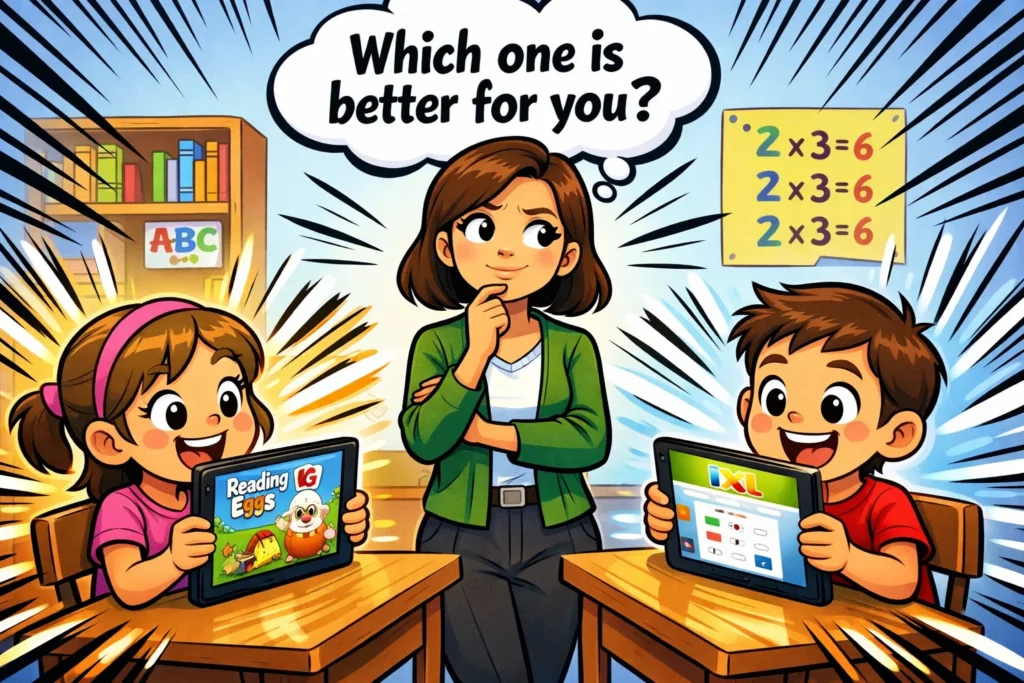
Reading Eggs vs IXL: Which Is Best for Your Child
Navigating the world of online education can often feel like a full-time job for many parents. With so many platforms promising to help children master early literacy or conquer complex math equations, it is often difficult to determine which tool actually delivers on its promises. Choosing the best learning journey for your child involves...
12.03.2026
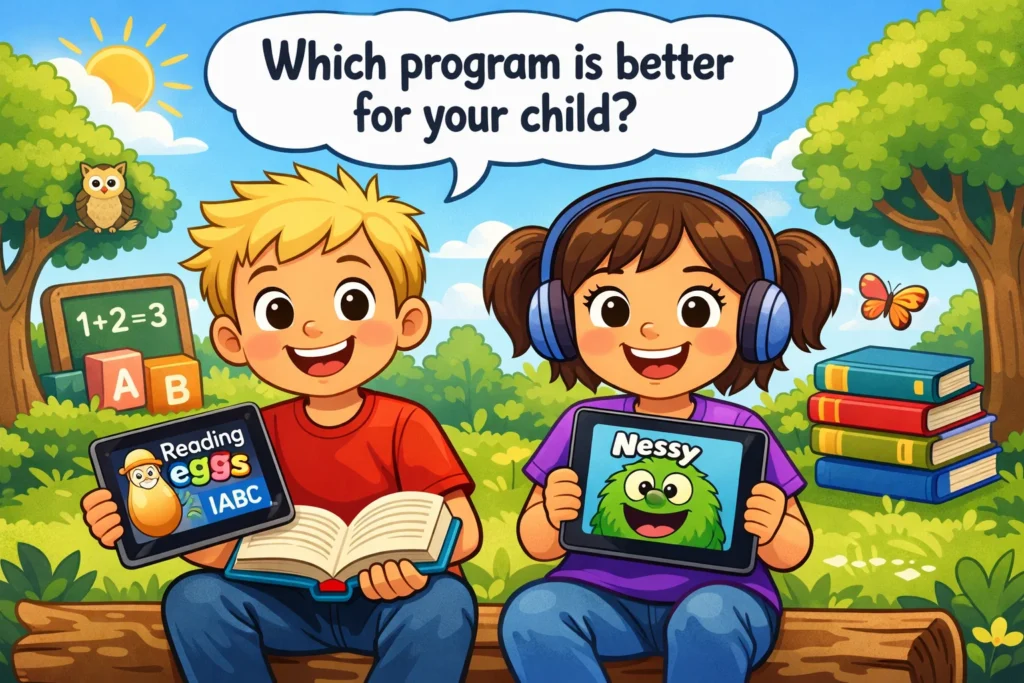
Comparing Reading Eggs and Nessy: Which is Better for Your Child’s Literacy Journey
Choosing the right digital educator is one of the most significant decisions you’ll make in your little one's early education. With the rise of digital tools, two names consistently top the charts: Reading Eggs and Nessy. While both platforms aim to help children master letters and sounds, they cater to different educational needs. One is a broad,...
12.03.2026