

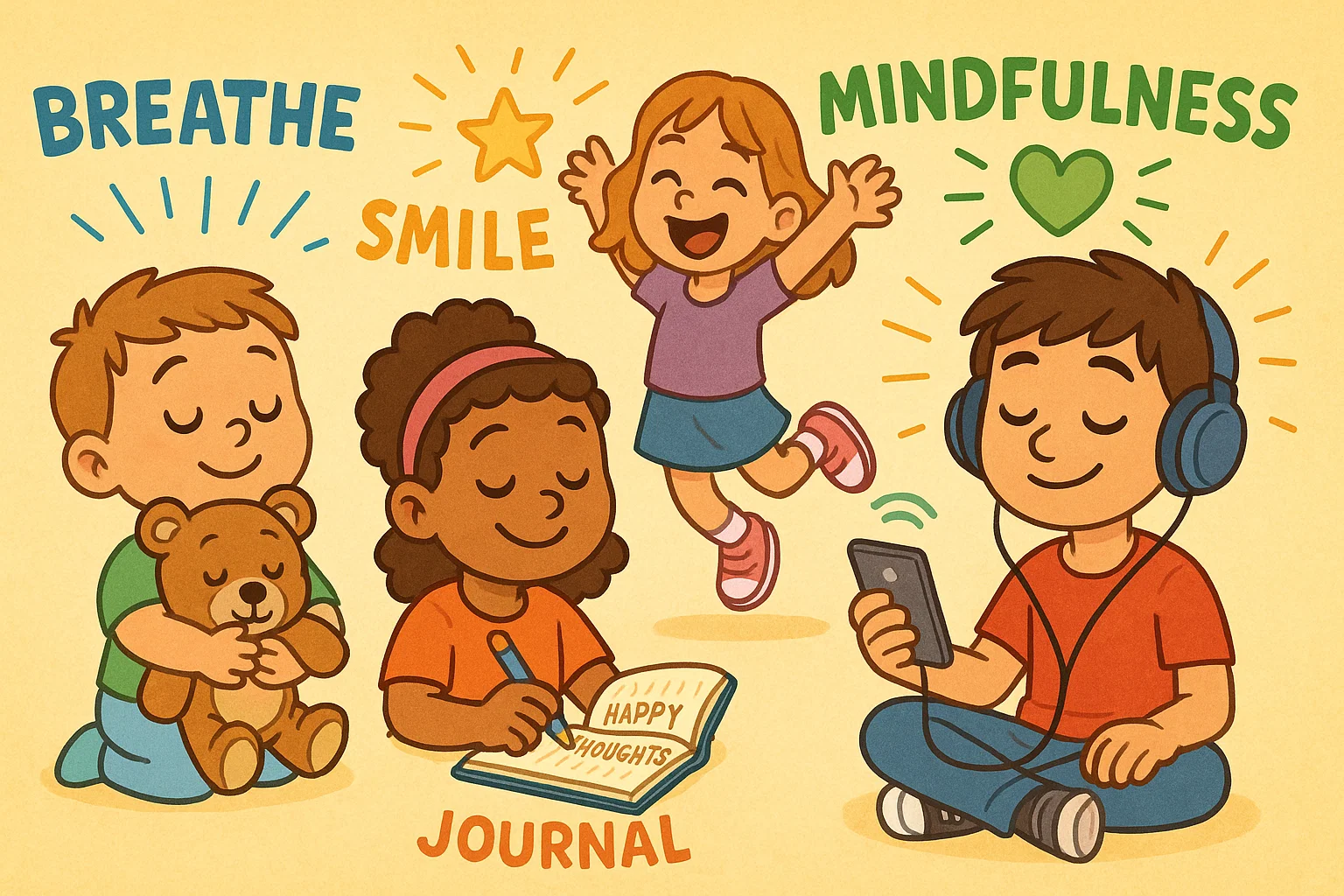
Every child, from the energetic toddler to the contemplative young person, needs a robust inner toolkit to navigate the complexities of growing up. Wellbeing is more than just feeling happy; it’s an encompassing state of emotional, mental, physical, and social health. When we actively support children’s wellbeing, we are equipping them with essential life skills – resilience, empathy, and self-awareness – that will serve them long into adulthood.
The great news is that supporting your child’s overall development doesn’t require complex training or expensive gadgets. It is built through small, consistent, and fun wellbeing activities integrated into daily life. These simple activities help children process their thoughts and feelings and develop strong self-esteem, forming the cornerstone of good mental health. The following guide offers structured, practical, and engaging wellbeing activities for children and young people, providing ideas and inspiration for parents and caregivers, as well as practical resources for teachers.
Ways to Boost Child Wellbeing at Home
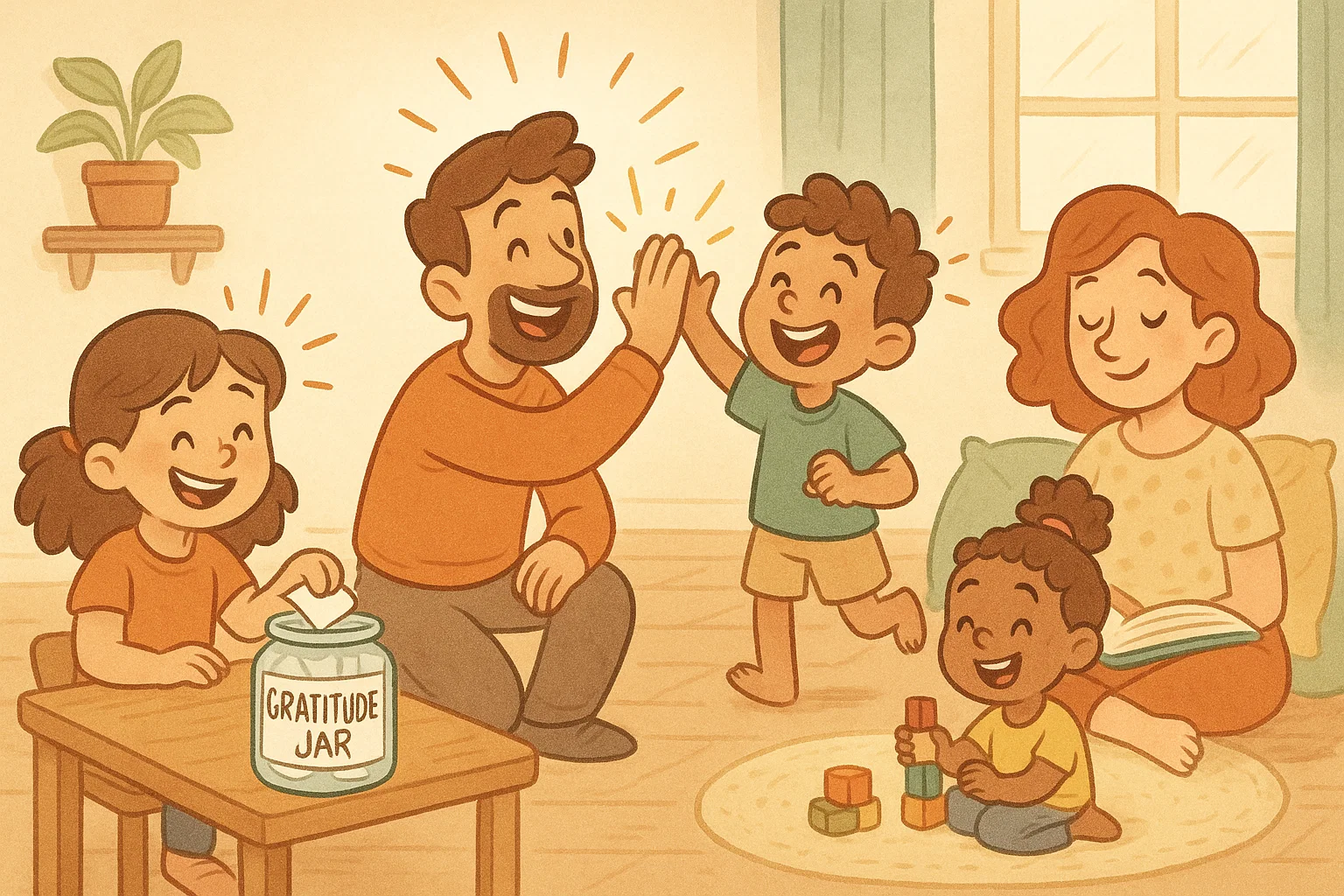
Parents and caregivers are a child’s first and most important role models. By integrating simple, intentional wellbeing activities into your family rhythm, you can actively nurture your child’s emotional balance and resilience. These routines act as anchors, helping children and young people feel safe and understood.
Daily Moments that Strengthen Emotional Balance
Small, consistent habits create profound change. A quick, focused check-in can make a significant difference in a child’s day.
- Gratitude Rituals: Encourage children to share something they’re grateful for at dinner or bedtime. This can be as simple as a warm bath or a good book. This practice helps shift their focus toward positive experiences.
- The “High/Low”: Ask your child to share their ‘high’ (best part) and ‘low’ (most challenging part) of the day. This simple question, often framed as “Tell me one positive thing and one tricky thing about your day,” invites open communication about their emotional wellbeing.
- Affirmation Practice: Help your child choose a simple, uplifting affirmation to repeat daily, such as “I am kind” or “I am strong.” This is a foundational practice in positive self-talk and helps to build confidence.
Creative Play for Self-Expression
Play is a child’s language. Creative activities offer a safe outlet for processing complex emotions without the pressure of having to articulate them verbally.
- Emotion Art Project: Give your child paper and crayons and ask them to draw what their feelings look like. Does anger look like a spiky red monster, or does calm appear as a blue river? This is a wonderful way to visualize and name thoughts and feelings.
- Role-Play and Storytelling: Encourage children to act out a challenging scenario, like being nervous about a test or missing a friend. Using dolls or puppets can help older children and young people explore ways to cope with real-life situations.
Routine-Based Stability for Calmer Days
Predictability creates a sense of safety, which is crucial for emotional wellbeing.
| Wellbeing Element | Activity/Tool | Purpose |
| Stability | Predictable Schedules | Helps children and young people know what to expect, reducing anxiety. |
| Transition Support | Visual Planners (e.g., illustrated checklists) | Help toddlers and young children manage transitions between activities (e.g., play to clean-up). |
| Control | “Choice Time” | Allowing the child to choose the order of two routine items (e.g., socks or shirt first) gives them a sense of control. |
Mindfulness and Relaxation Practices for Kids
Mindfulness is the practice of paying attention to the present moment without judgment. For kids, this is best introduced through playful, sensory engagement. These mindfulness practices can help children manage overwhelming feelings.
Breathing Games for Calm Focus
Teaching conscious breathing gives children an immediate, portable tool to feel calm and refocus.
- Belly Breathing: Lay down and place a small, soft toy (like a teddy bear) on their stomach. Ask them to watch the toy rise and fall like a boat on the ocean. This is often called “Teddy Bear Breathing” and is highly effective for younger children and young people.
- Bubble Breathing: Pretend to blow giant bubbles, taking a big, slow breath in and a long, gentle breath out. This encourages deep, controlled exhalations, a key part of effective breathing techniques.
Sensory Activities That Reduce Stress
Sensory tools are powerful for self-regulation.
- Glitter Jars: Fill a clear jar with water, glue, and glitter. When a child feels overwhelmed, they can shake the jar and focus on the glitter settling. It’s a visual metaphor for their own feelings settling down.
- Calming Corners: Designate a comfortable space with pillows, soft lighting, and sensory items (stress balls, texture squares, a favorite book) where children can go when they need to refocus or feel calm.
Mindfulness isn’t about clearing the mind; it’s about paying attention to what’s already there with a friendly curiosity. Introducing mindfulness to children through games makes this essential life skill accessible.
Activities for Kids Feeling Worried or Anxious
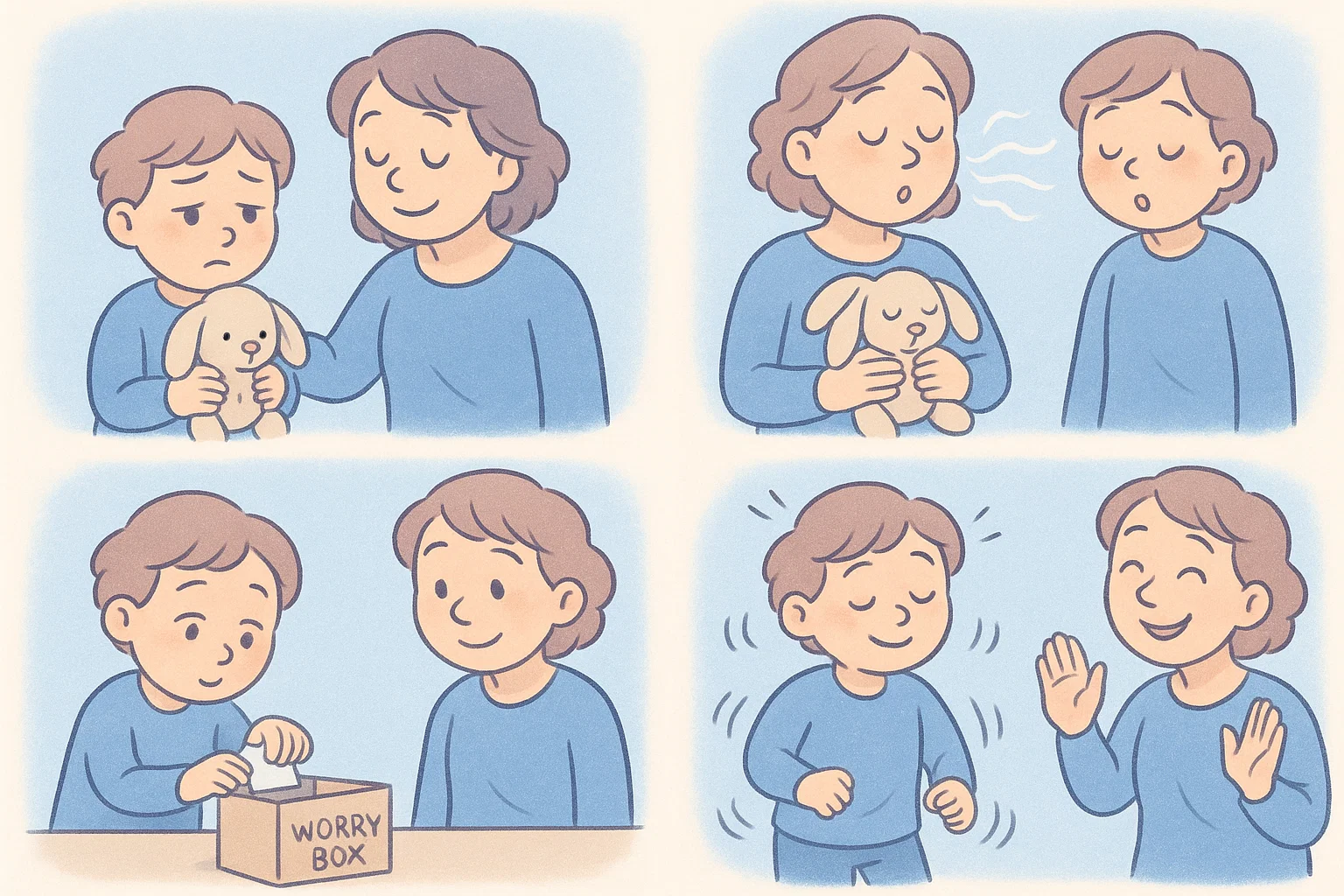
Worry is a normal part of life, but when it becomes overwhelming, structured activities to support the child can help them regain a sense of control and ways to cope.
Tools for Releasing Tension Through Movement
Anxiety often manifests as physical tension. Moving the body is an excellent way to discharge that stored energy.
- “Wiggle the Worries Out”: Ask your child to stand up and shake their body vigorously, imagining the worried energy leaving their fingers and toes. Follow this with slow, deep breathing exercises to transition back to calm.
- Go for a Walk: Suggesting to go for a walk—even a short one around the block—uses physical movement to interrupt the cycle of anxious thoughts.
Simple Cognitive Techniques for Reframing Worries
Teaching children to challenge their thoughts is a cornerstone of building resilience.
- The Worry Tree Activity: Have the child make a list of their worries and write each one on a leaf they draw. Sort the leaves into two categories: worries we can control and worries we cannot control. This helps children focus their energy on what they can influence, rather than on things outside their control.
- Turning “Big” Thoughts into “Small” Ones: When a child has a catastrophic thought (“I’ll fail the test and ruin everything!”), help them rephrase it into a smaller, more realistic statement (“The test is challenging, but I can study for it”).
Positive Thinking and Emotional Growth Activities
Wellbeing activities centered on positivity help encourage children to develop a strong sense of self-esteem and optimism. These activities boost their internal sense of capability.
Positive Affirmations for Kids
Daily repetition of uplifting statements can rewire self-perception.
- Mirror Talk: Have the child look in the mirror each morning and choose one affirmation from a pre-made list (e.g., “I am a good friend,” “I am learning every day”) to say out loud.
Games That Build Awareness of Feelings
Emotional literacy is the ability to understand and express emotions clearly.
- Emotion Cards: Use simple cards with faces illustrating different feelings (happy, sad, angry, surprised, calm) and have the child match them to a story, a memory, or a color. Ask your child which feeling they’ve felt today.
Encouraging Kids to Celebrate Small Wins
Acknowledging effort, not just outcome, builds grit and a sense of accomplishment.
- “I Did It!” Jar: Decorate a jar, and each day, have the child write a letter or draw a picture of a positive thing they accomplished (e.g., helped their sibling, finished homework, learned a new word). Reading the slips later provides a powerful boost to their mood.
Physical Wellbeing Activities for Kids
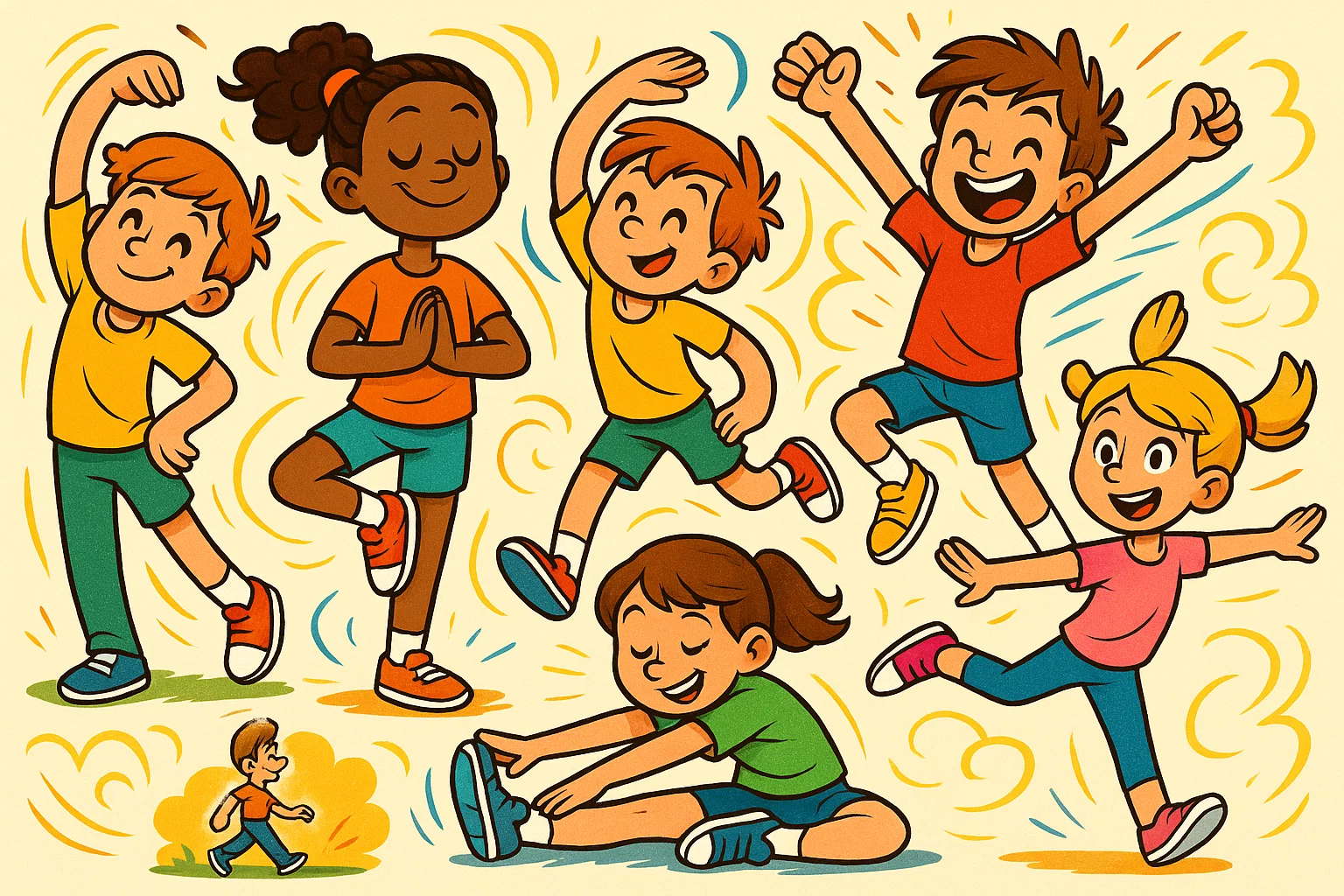
Physical activity is intrinsically linked to mental health and wellbeing. Movement releases endorphins and reduces cortisol, making it a critical part of self-care.
Simple Indoor Movement Ideas
When weather or time limits outdoor play, these activities work well indoors.
- Dance Party: Put on your child’s favorite music and have an impromptu dance party. This is one of the easiest activities to boost mood and release stored energy.
- Yoga Poses: Use child-friendly names for poses, such as “Downward-Doggy” or “Tree Pose.” This helps children’s mindfulness by requiring focus and body awareness.
Outdoor Adventures That Boost Mood
Spending time in nature is profoundly calming and restorative.
- Nature Scavenger Hunts: Go for a walk and enjoy nature by creating a list of items to find (a smooth stone, a curly leaf, a feather).
- Finding a Gratitude Rock: While on a walk, have the child choose a stone. They hold it later and use it to remember something they’re grateful for.
Family Activities to Support Wellbeing
These bonding experiences are the bedrock of security, helping your child feel loved and connected.
Conversation Starters for Deeper Communication
Instead of “How was your day?” try more engaging prompts.
- If you could choose one superpower today, what would it be and why?
- If you had to teach me one thing you learned today, what would it be?
- When did you feel most proud of yourself today?
Family Rituals for Comfort and Joy
- Family Spa Day: Simple self-care can be a beautiful ritual. Try an at-home spa day with face masks, warm washcloths, and gentle stretching.
- Game Night: Play a game together—board games, card games, or even charades. Shared laughter and low-pressure fun strengthen family bonds.
Wellbeing Activities for Friends
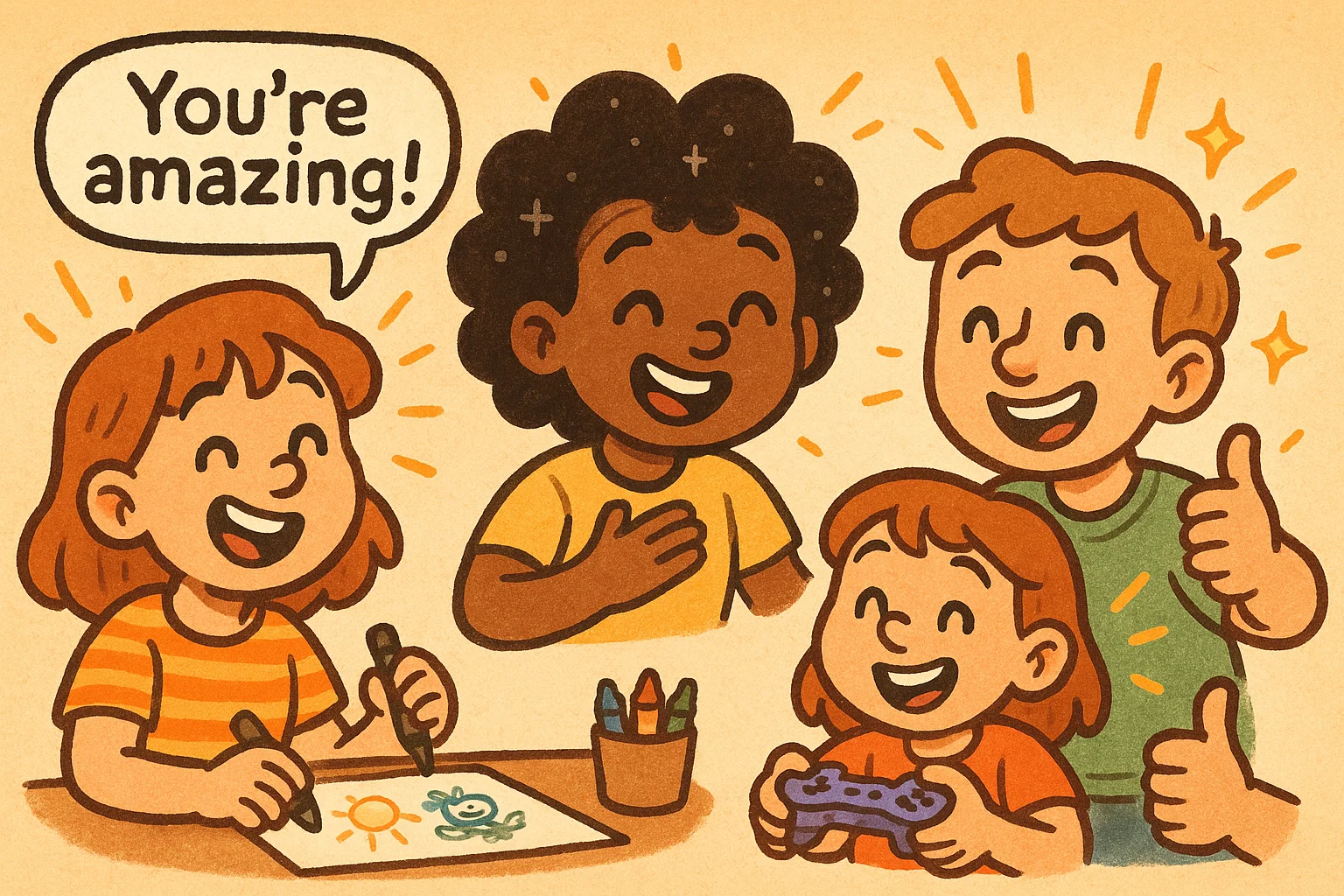
Social wellbeing activities teach crucial skills like cooperation, conflict resolution, and the ability to develop empathy.
Games That Build Empathy and Cooperation
- Role-Switching Games: Ask friends to temporarily switch roles in a game or pretend scenario. This encourages them to view a situation from another person’s perspective.
- Supportive Partner Tasks: Give a team a challenge (e.g., building a tower) that requires them to use encouraging language and assign different roles.
Friendship-Strengthening Activities
- Kindness Missions: Challenge friends to complete a shared kind action or act of kindness for someone else, like giving a compliment to three other students or helping a teacher.
Wellbeing Activities with Teachers
Resources for teachers are vital, as the classroom is a primary setting for building social and emotional life skills.
Classroom Calm-Down Strategies
- Breathing Breaks: Incorporate a 30-second breathing exercises break before starting a difficult subject or after a busy transition.
- Mindfulness Colouring: Keep a supply of mindfulness colouring sheets—detailed patterns or mandalas—for students who need a quiet, focused activity to refocus.
Group Activities That Foster Belonging
- Appreciation Circles: During circle time, have students write or say one positive quality about the person sitting next to them. These activities support positive peer relationships.
Community and Kindness Activities
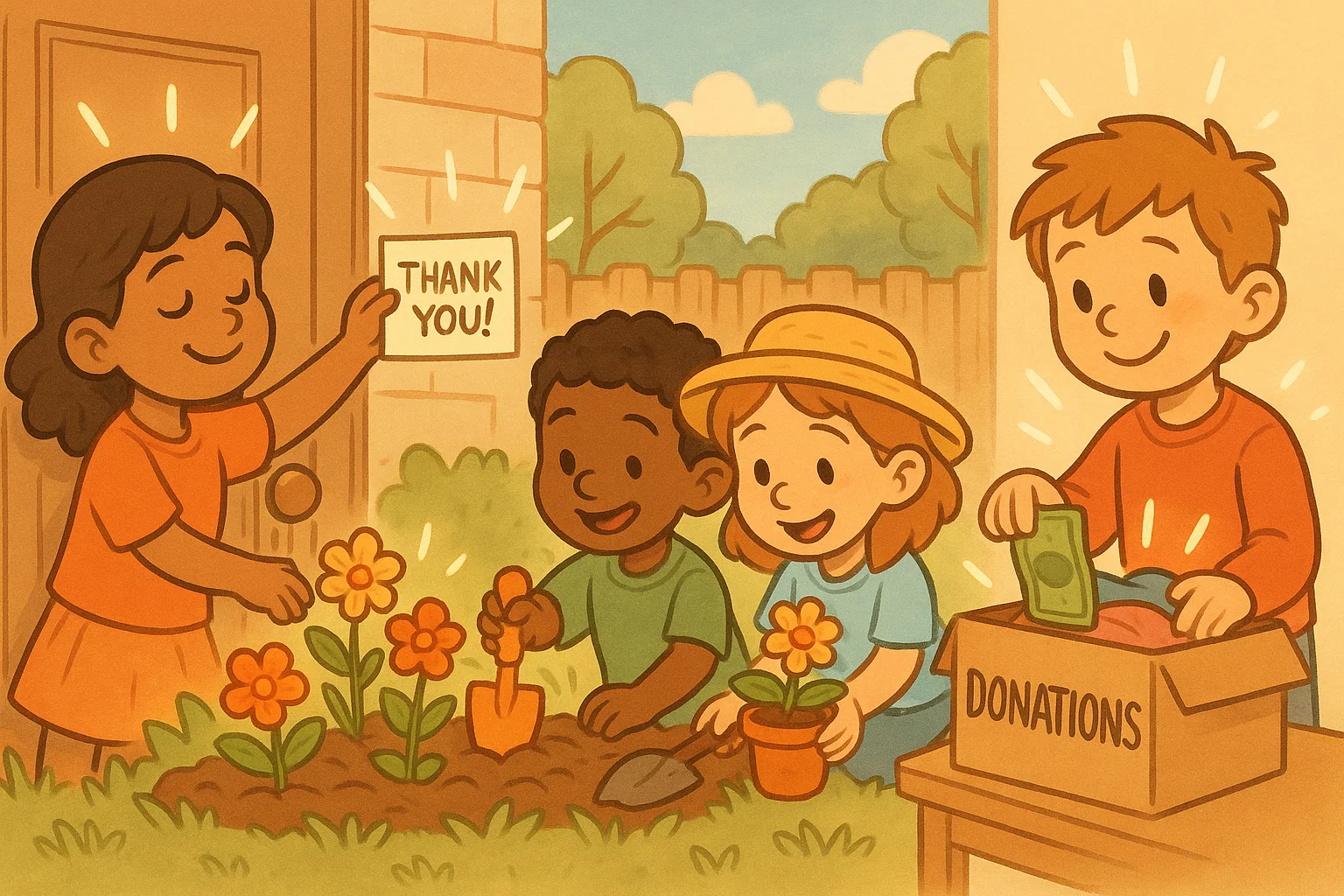
Focusing outward through acts of service is one of the most powerful wellbeing activities for children to develop self-worth and purpose.
Acts of Kindness for Neighbors
- Write a letter: Encourage your child to write a letter or draw a picture for an elderly neighbor or service worker in the community.
- Community Gratitude Boards: Organize a public board where people can post positive things they are grateful for about their community.
Media-Based Wellbeing Resources for Kids
Modern wellbeing activities often incorporate digital resources to meet children where they are.
Videos That Support Emotional Growth
- Wellbeing Videos: Search for age-appropriate wellbeing videos that explain emotions or teach breathing techniques and child-friendly yoga. Many platforms offer excellent, child-friendly wellbeing activities in video format.
- Calming Tutorials: Short, simple guides on how to make a glitter jar or practise mindfulness at home.
Blogs and Online Guides for Parents
Parents can use trusted parenting blogs and reputable resources to find inspiration to help their children. Look for guides that offer actionable, evidence-based activities for primary school children and up.
Fun Educational Activities that Support Wellbeing
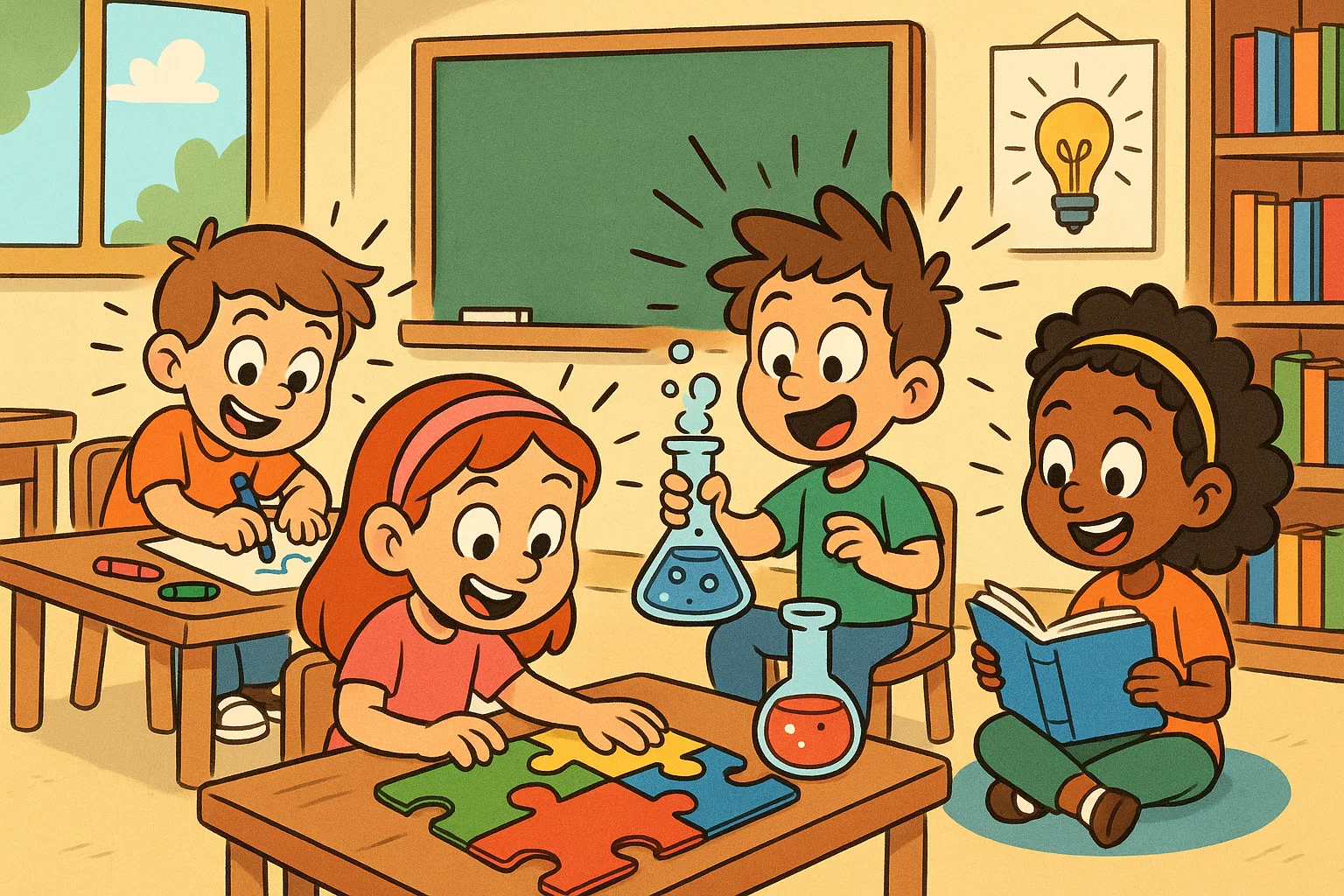
Learning should be a source of competence and joy. When children feel capable, their self-esteem thrives.
Activities That Build Confidence Through Learning
- Creative Crafts to Relax and Focus: Simple art project ideas, such as creating collages or designing holiday crafts, offer a mindful escape and a tangible sense of accomplishment.
- Puzzles and Challenges: Working together on a complex puzzle or a simple science experiment builds problem-solving skills and the courage to learn a new skill.
Collections and Packs for Wellbeing Activities
Curated resources provide an easy way to ensure a variety of engagement.
| Resource Type | Example Content | Target Age/Use |
| Seasonal Packs | Gratitude calendars, themed colouring sheets, seasonal acts of kindness ideas. | All Ages, to help children connect mindfulness practices to holidays and seasons. |
| Skill-Building Packs | Prompts for positive self-talk, breathing exercises cards, and developing empathy scenarios. | Older children and young people, focused on skill growth. |
| Free Wellbeing Activities | Printable mindfulness colouring pages, quick brain breaks cards. | Universal use, excellent resources for teachers. |
Ways to Help Kids Deal with Stress
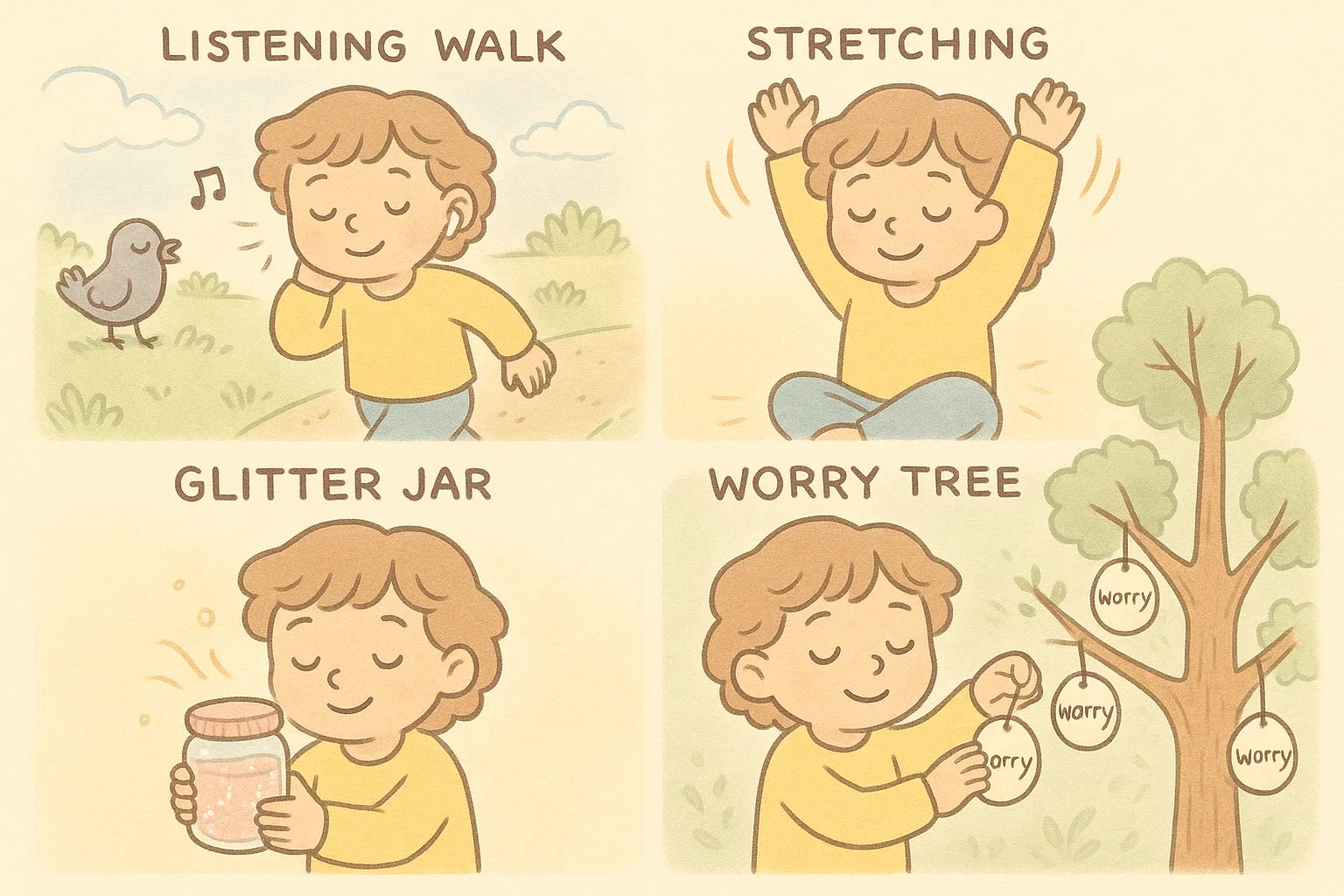
Stress is a common challenge; teaching constructive release is a vital life skill.
Walking Activities for Stress Relief
- Mindful Steps: When you go for a walk, encourage your child to notice the physical sensation of their feet hitting the ground. This simple act keeps them anchored in the present moment.
Techniques to Challenge Stressful Thoughts
- Focusing on Strengths: If your child is worried about a presentation, remind them of five times they did something difficult and succeeded. This helps build confidence by focusing on their capabilities.
Evening Rituals That Prepare Kids for Rest
Getting enough sleep is non-negotiable for mental health and wellbeing.
- Bedtime Meditation: Use a simple guided audio story or practice a quiet mindfulness exercise to ease the transition to sleep.
Support for Parents Seeking More Activities
The journey of supporting emotional wellbeing is ongoing.
- Where to find additional wellbeing blogs: Look for well-regarded sources run by child psychologists, educational specialists, or pediatric health organizations for trustworthy, evidence-based wellbeing activity ideas.
- Professional development resources for caregivers: Encourage learning. Many parenting workshops offer strategies for teaching self-care and resilience.
Ways to Stay Updated on Child Wellbeing Topics
- Newsletters and updates: Subscribing to updates from trusted pediatric or educational providers ensures you have a continuous flow of new, practical free wellbeing activities and expert advice to help young people.
By weaving these simple yet powerful wellbeing activities into the fabric of daily life, you are not just caring for a child’s momentary happiness; you are investing in their lifelong resilience and their capacity for deep, enduring self-care.