

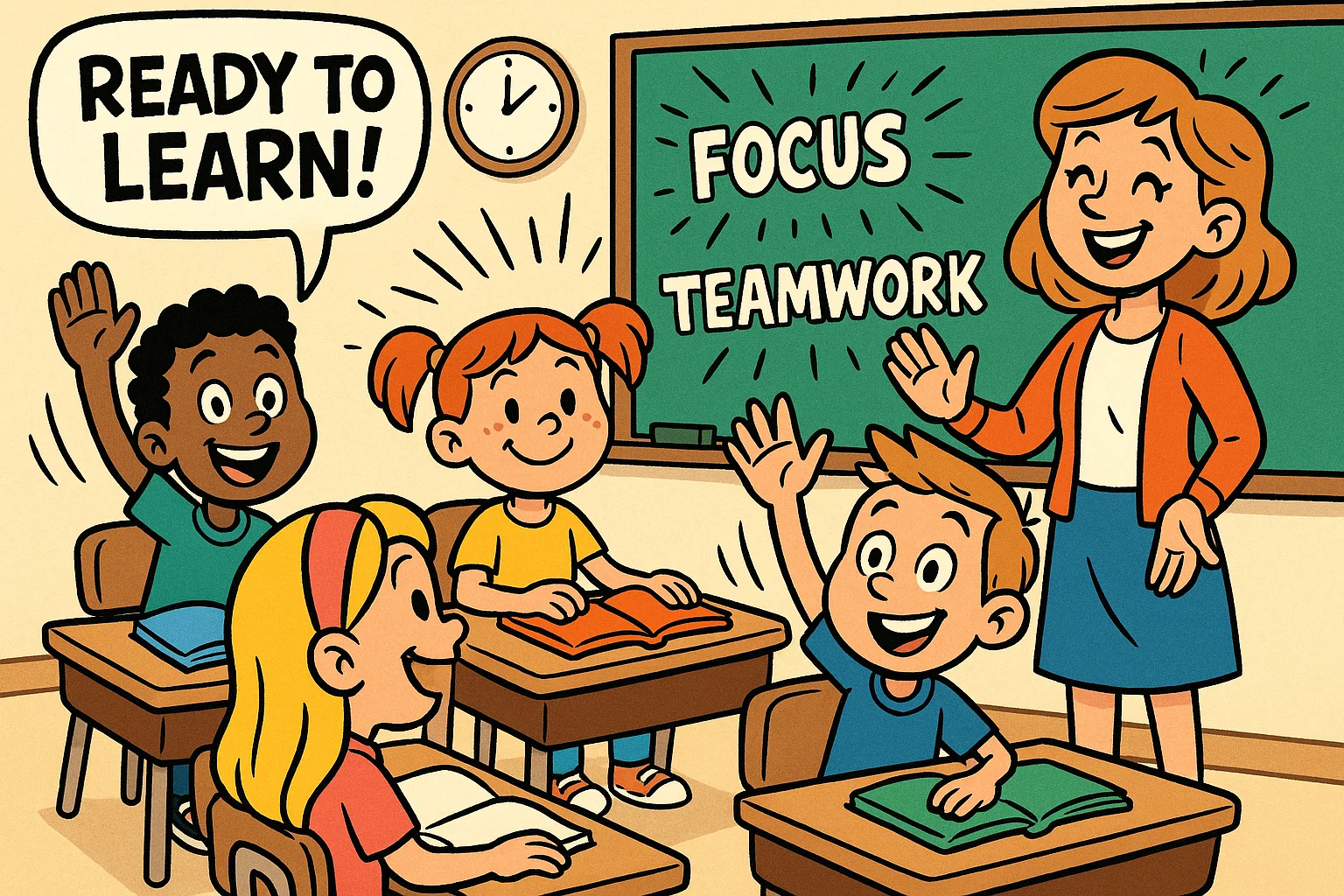
Creating a productive learning environment where every student can thrive academically and socially starts with establishing clear expectations. This comprehensive guide provides a structured, practical framework detailing the key classroom expectations utilized by effective teachers to set the stage for success. When done well, setting classroom expectations isn’t just about discipline; it’s a powerful proactive classroom management strategy that leads to smoother routines, improved student focus, stronger engagement, and a much more positive teaching and learning experience for everyone involved.
These foundational expectations serve as a clear roadmap, letting students know exactly what is expected of them, which significantly reduces uncertainty and misbehavior. Ultimately, the goal of classroom expectations is to foster a safe and positive atmosphere where students feel respected, ready to learn, and empowered to take responsibility for their actions, contributing actively to their own classroom community.
Top Classroom Expectations for Daily Success
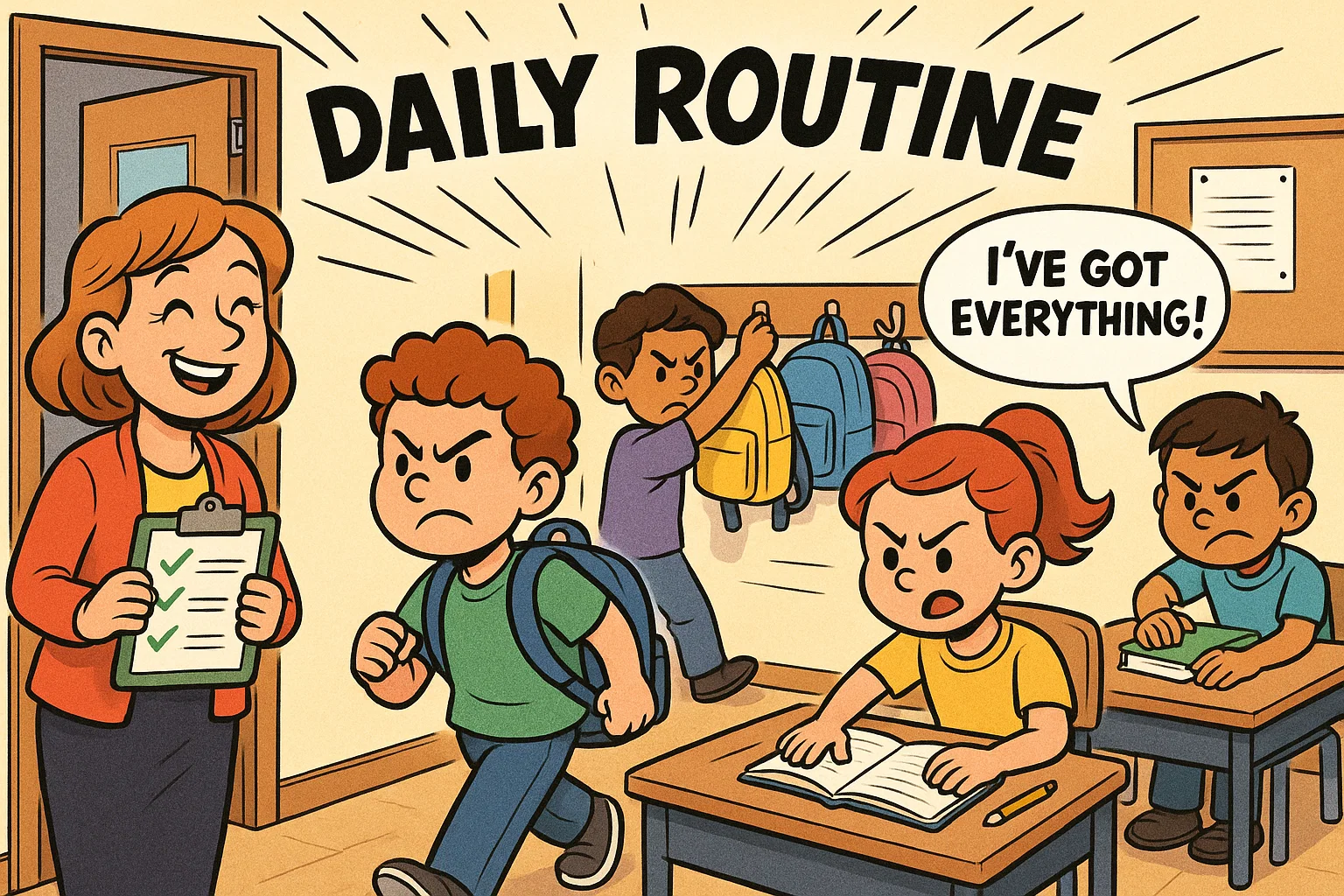
The core expectations effective teachers use are not arbitrary; they are essential guidelines that build the foundation for a highly productive learning space. These expectations directly shape student behavior, boost academic effort, and support respecting the teacher and peers in every interaction. They form the backbone of a robust behaviour management system.
Clear Behaviour Expectations
Outlining clear guidelines for classroom behavior is the first critical step. Clarity is key because it prevents confusion and minimizes the likelihood of rules being broken unintentionally. When students understand the “why” behind a rule, they are much more likely to comply. These norms should be framed positively whenever possible.
- Respect: Treat all classmates, the teacher, and school property with courtesy and kindness.
- Safety: Always follow instructions to ensure the physical safety of everyone in the room (e.g., walking, not running).
- Responsibility: Come to class ready to work and take ownership of your actions.
Learning Routines
Routine-based expectations create predictable structure that reduces stress for both students and teachers, maximizing valuable learning time. When students know the process for daily tasks, they can quickly transition to being ready to learn.
| Routine | Expectation | Benefit |
| Class Entry | Enter quietly, go directly to your seat, and begin the bell-ringer or assigned task immediately. | Improves focus, reduces idle time, sets a calm tone. |
| Transitions | Move quickly and quietly between activities or areas, using designated pathways. | Maximizes instructional time, minimizes disruption. |
| Independent Work | Use a quiet inside voice when asking questions, remain in your seat, and focus only on your assigned work. | Fosters concentration and effective use of time. |
Respect for Others and Space
This category covers the expectations tied to social interaction, which are crucial for developing a positive classroom culture and a strong sense of community. It’s about building a culture of kindness and collaboration.
- Kindness: Use polite language and listen actively when others speak.
- Collaboration: Share materials willingly and offer help respectfully when asked.
- Materials: Respecting the teacher’s and other students’ belongings by using materials correctly and carefully.
Preparedness for Lessons
A student who is prepared is a student who is ready to learn. Setting clear expectations around preparedness directly impacts academic learning outcomes.
- Materials: Always bring necessary supplies (pencils, notebooks, charged devices) to class.
- Homework: Have all required assignments completed and ready before the lesson begins.
- Mental Readiness: Clear your desk of distractions and be mentally attentive to the lesson.
Safe Communication Rules
Effective communication is essential. Setting norms ensures that everyone has a chance to speak and be heard respectfully.
- One Mic Rule: Only one person speaks at a time. Listen actively when a classmate or the teacher is talking.
- Participation: Raise your hand and wait to be called upon before contributing to class discussions.
- Language: Use appropriate and respectful language at all times.
Classroom Expectations for Behaviour and Relationships
Beyond the daily logistics, effective classroom management techniques use expectations to shape healthy peer relationships and cultivate a positive classroom culture that supports every student’s learning experience.
Encouraging Positive Behaviour
The foundation of strong behaviour management is not punishment, but reinforcement. Teachers should actively look for opportunities to reinforce desired actions. This strategy, known as positive reinforcement, involves specific, genuine praise that helps build consistent behavior patterns.
Dr. Haim Ginott, a clinical psychologist and pioneer in effective communication with children, noted, “I have come to a frightening conclusion. I am the decisive element in the classroom. It is my daily mood that makes the weather. As a teacher, I possess a tremendous power to make a student’s life miserable or joyous.” This underscores the need for teachers to role model the very expectations they set.
Emotional Awareness and Conflict Resolution
These expectations help students develop self-awareness and responsibility – critical life skills. Students are more likely to manage their feelings and resolve issues constructively when they have a framework.
- Self-Regulation: Use self-calming strategies (e.g., taking a deep breath, counting to ten) when frustrated or angry.
- Conflict Resolution: Use “I” statements to express your feelings, seek a peaceful solution with a peer, and involve the teacher only after you have attempted to resolve the issue calmly.
- Seeking Help: Ask for help when needed from the teacher or a peer tutor.
Student Voice and Ownership
Giving students a sense of agency and input in shaping the rules and expectations dramatically increases their commitment and compliance. When students are involved in the process, they feel a sense of ownership over the classroom community.
Balancing Discipline with Compassion
While clear guidelines are necessary, they must be delivered with empathy. The disciplinary process should be firm but fair. Effective teachers understand that sometimes a student’s failure to follow your classroom rule may be a signal for an unmet need, not intentional defiance.
- Empathy: Understand the underlying reasons for misbehavior.
- Fairness: Ensure that rules and consequences are applied consistently and justly to all students.
- Support: Adapt your approach to provide additional guidance, especially for pupils who are struggling.
Creating Classroom Expectations With Students
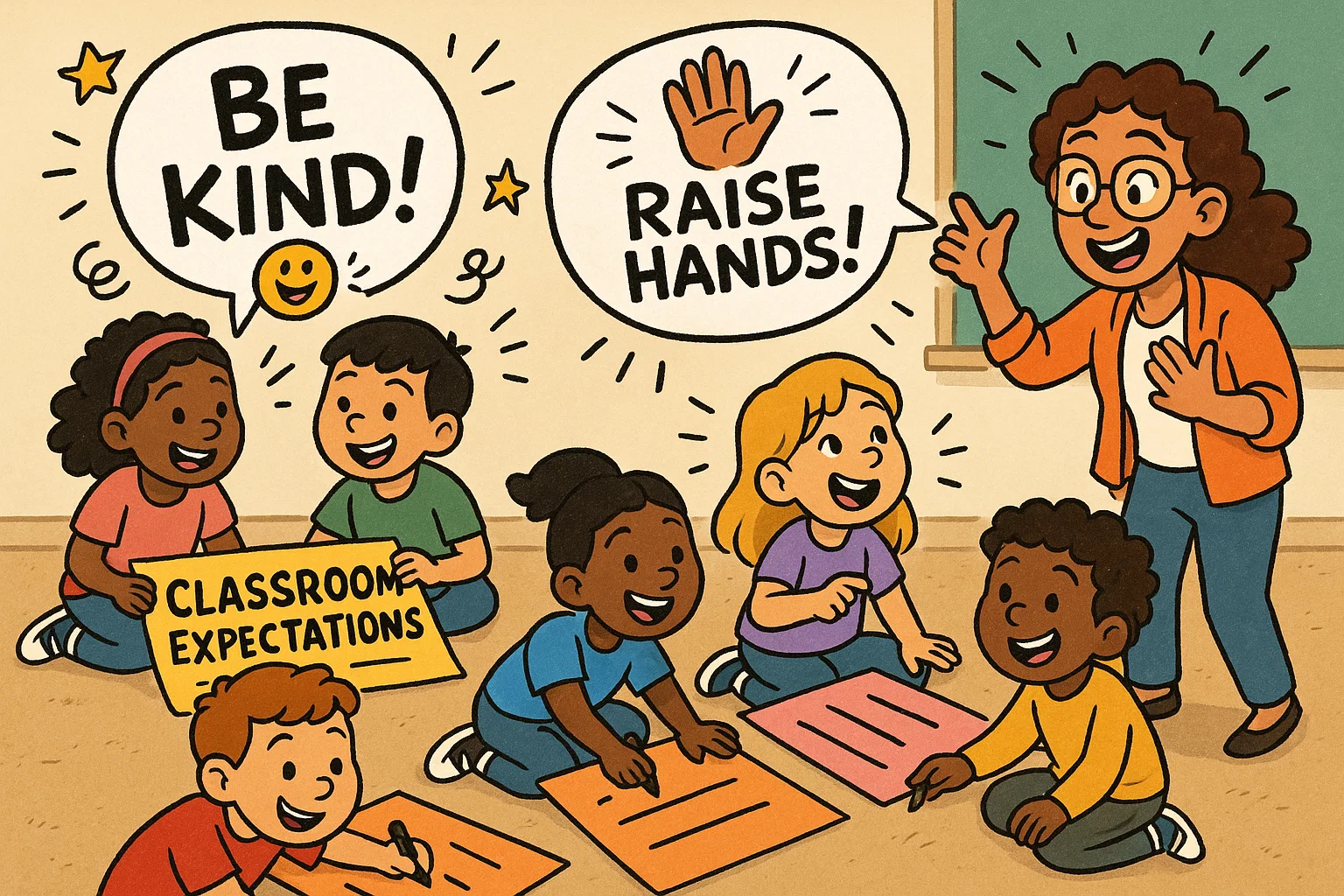
The process of creating classroom rules should be collaborative. When students are involved, they internalize the rules as their own, leading to higher levels of buy-in, commitment, and compliance – a cornerstone of effective classroom management.
Class Discussion of Expectations
Start by facilitating open class discussions about what makes a great learning environment. Ask questions like, “What kind of atmosphere helps you learn best?” or “What do we need to do to make the classroom a safe and respectful place?” This helps students articulate the necessary behavioural norms themselves.
Group Drafting of Expectations
Divide the class into small groups to create a list of proposed classroom rules. Encourage small-group activities where pupils propose class rules based on the class discussion. This allows every student’s voice to be heard.
Finalising Expectations Together
As a class, review the suggestions. The teacher should gently guide the discussion to ensure the proposed set of rules aligns with school policies and covers all necessary areas (safety, respect, learning). The final list of rules should be short (ideally 3-5 core rules), positively worded, and easy to remember.
| Student Draft | Teacher-Guided Final Rule (Positively Framed) |
| Don’t interrupt. | Respect all voices: Wait for your turn to speak. |
| No running. | Keep yourself and others safe: Walk at all times. |
| Remember your homework. | Be prepared to learn: Have all materials and assignments ready. |
Parent or Carer Involvement
Communicate the rules and expectations home, perhaps in a welcome packet or an email. Securing family support creates a unified front and reinforces the importance of clear expectations outside of school.
Displaying Classroom Expectations
Visual presentation and strategic placement are key to making classroom expectations memorable and visible. Classroom rules posters serve as constant, non-verbal reminders.
Creative Display Ideas
A visually engaging display enhances the learning environment.
- Posters: Simple, clearly designed posters with minimal, positively worded rules.
- Infographics: A visual chart that pairs each rule with a picture of the expected behaviour.
- Student-Designed Visuals: Have students illustrate the rules they helped create, giving the display a personal touch.
Consistent Visibility in the Classroom
Placement matters. Expectations should be visible from all points of the room.
- Front and Center: Post the final list of rules near the front board or primary teaching area.
- High-Traffic Areas: Place condensed versions by the door or at group tables.
- Digital: Use a screen to display one rule a day as a reminder.
Integrating Expectations Into Lesson Materials
Embedding expectations directly into the learning process reinforces them naturally. This could mean adding a small reminder icon for “Active Listening” on a slide during a lecture or including a rule like “Do Your Best” on a worksheet.
Teaching Classroom Expectations
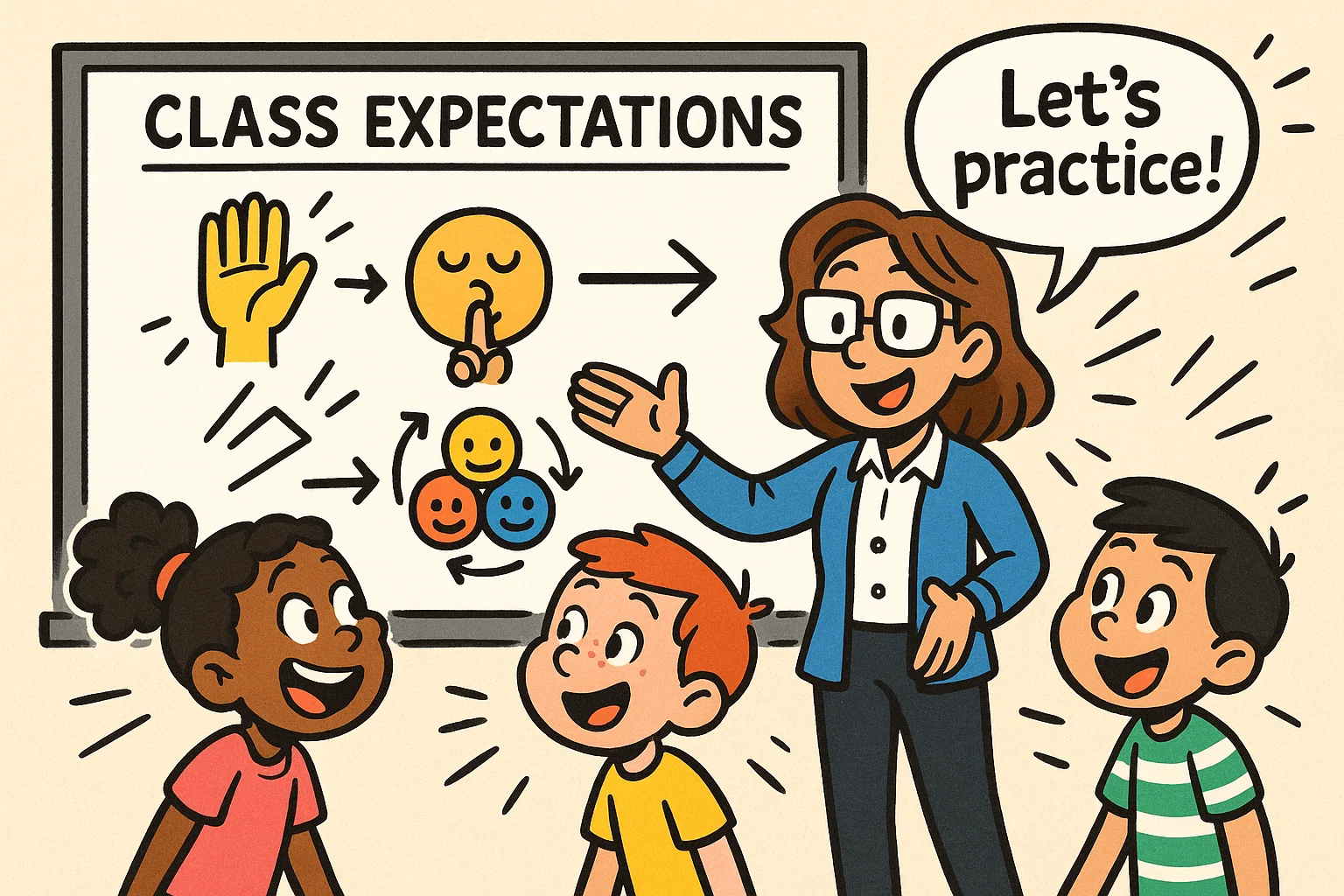
It is not enough to simply post the rules; you must actively teach them. This instructional approach is vital for solidifying the rules in students’ understanding and reinforcing the importance of consistent adherence.
Modelling Positive Behaviour
Teachers are the primary role models. Your tone, language, organization, and adherence to school-wide rules demonstrate the very positive behavior you expect. Effective teachers consistently model active listening, use polite language, and demonstrate problem-solving skills.
Reinforcing Expectations Regularly
Rules need frequent reminders, especially early in the year and after long breaks.
- Micro-Lessons: Spend 2-5 minutes explicitly reviewing one rule and practicing the expected behaviour (e.g., practicing the quiet entry routine).
- Scheduled Reviews: Dedicate time each week for the first month to review all expectations.
Consequence Systems
When a rule is broken, the response must be fair, predictable, and instructional. The rules and consequences should be established early on and explained clearly. Consistency is paramount – if you don’t follow your classroom consequence system, the expectations quickly lose their authority. Consequences should be opportunities for students to reflect and learn, focusing on repairing harm and taking responsibility.
Behaviour Supports and Interventions
Some students may require more targeted support to meet classroom expectations. Tiered supports, additional guidance, or specific behaviour interventions may be necessary. The goal is to help the student succeed, not just punish failure.
Upholding Classroom Expectations
The work doesn’t stop once the rules are posted. Upholding expectations requires day-to-day consistency and teacher follow-through to maintain the positive learning environment long-term.
Daily Follow-Through Strategies
Consistency is the secret sauce. Effective teachers integrate rule reinforcement into their daily routines:
- Greet and Prompt: Greet pupils at the door with a quick reminder: “Welcome! Remember to use your indoor voice as you enter.”
- Non-Verbal Cues: Use visible reminders or silent signals (a gentle tap on the desk, a look) to address minor rule infractions without disrupting the class flow.
- Visible Adherence: The teacher consistently follows all school and classroom rules (e.g., tidying their own space, being on time).
Collaborating With Colleagues
Aligning expectations across different classrooms and subjects prevents mixed signals. Working with grade-level or department teams to ensure a consistent approach across the school strengthens the entire behaviour management system.
Student Reflection Tools
Encourage self-awareness and responsibility by giving students opportunities to reflect on their own behaviour.
| Reflection Tool | Purpose | Example |
| Checklists | Quick self-assessment of adherence to key rules. | “Did I arrive on time and ready to learn today?” (Yes/No) |
| Reflection Prompts | Deeper analysis following a rule infraction. | “What rule did I break? What was the expected behavior, and what will I do differently next time?” |
Positive Rewards and Recognition
While intrinsic motivation is the long-term goal, small incentives and positive recognition can strongly reinforce desired behavior and contribute to a positive classroom culture. This includes verbal praise, shoutouts, notes home, or simple class privileges.
Examples of Top Classroom Expectations
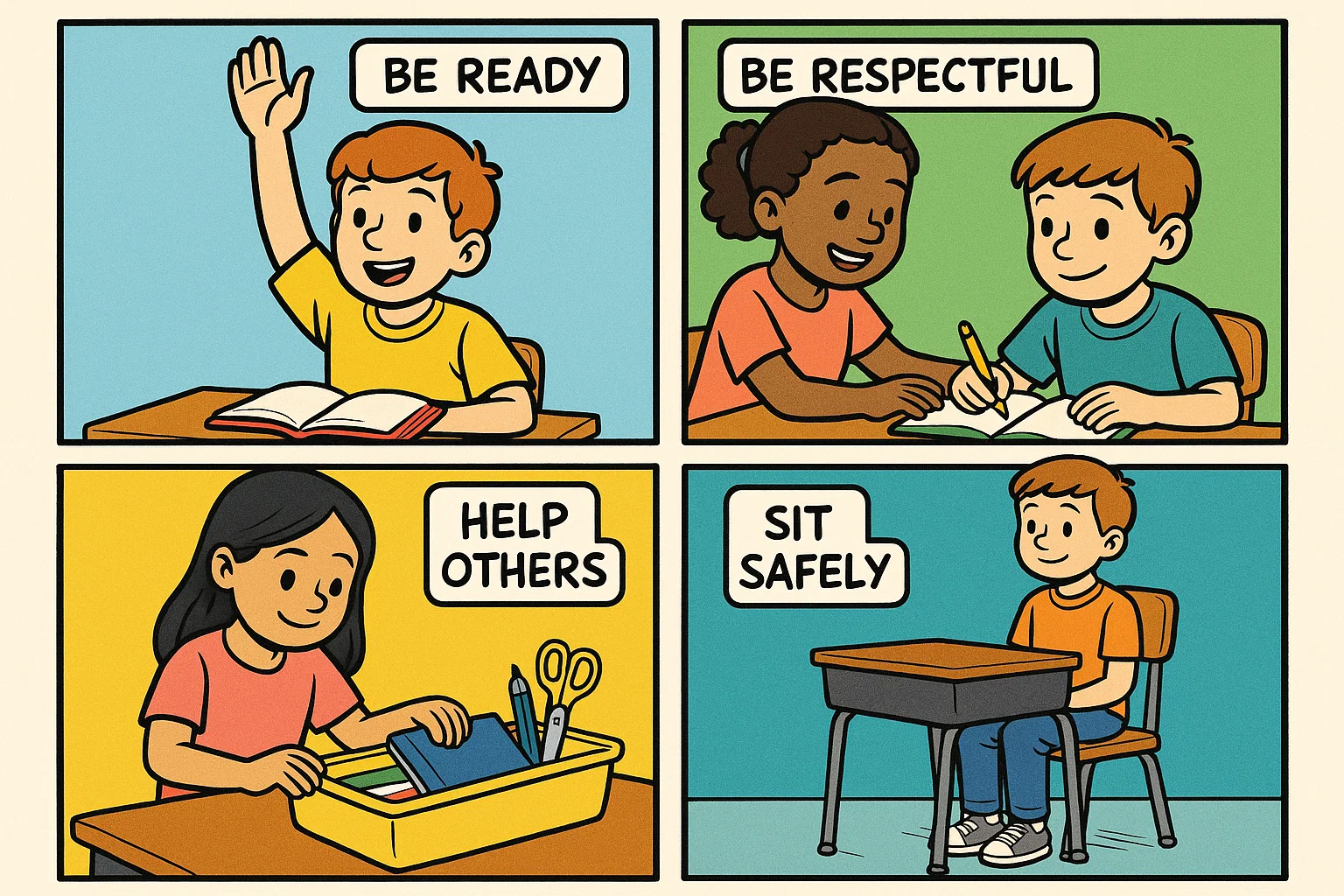
Here is a practical, teacher-friendly list of rules that are widely effective:
Arrive on Time
Punctuality is a key expectation. It shows respect for the teacher and peers but also ensures that the learning experience starts smoothly. Every minute is valuable instructional time.
Participate Actively
This expectation is tied to engagement and effort. It means students are more likely to pay attention, contribute to class discussions, and stay on task. It involves physical and mental presence.
Use Kind Language
The impact of positive communication cannot be overstated. This rule is fundamental to fostering a positive classroom culture and maintaining a respectful classroom community.
Keep Hands and Feet to Yourself
This sets clear expectations for physical boundaries, which are essential for safety and positive interactions in the small classroom setting. It builds a safe and positive environment where students feel secure.
Ask for Help When Needed
This expectation builds confidence and prevents frustration. When students know that you want them to succeed, they are empowered to seek support, a critical problem-solving skill.
Do Your Best
This expectation focuses on effort, perseverance, self-awareness, and responsibility, rather than just the final grade. It encourages a growth mindset and pride in one’s work.
Displaying and Reinforcing Expectations Digitally
In the modern learning environment, teachers have access to tools that aid in classroom management.
Digital Planners and Routine Tools
Apps or digital planners can be used to send daily reminders of classroom expectations to students or parents, keeping them consistently top-of-mind. This is a subtle, effective way to reinforce norms daily.
Videos and Visual Media
Short, engaging videos or animations demonstrating the expected behaviour for a classroom rule (e.g., how to clean up the station, or the right way to transition) can help students, especially younger ones, retain the information.
Online Behaviour Trackers
Digital tools can track positive behavior patterns and minor rule infractions, providing data that supports interventions and allows teachers to adapt their approach based on real trends. This provides valuable insights into student behavior.
Evidence-Based Behaviour Interventions Linked to Expectations
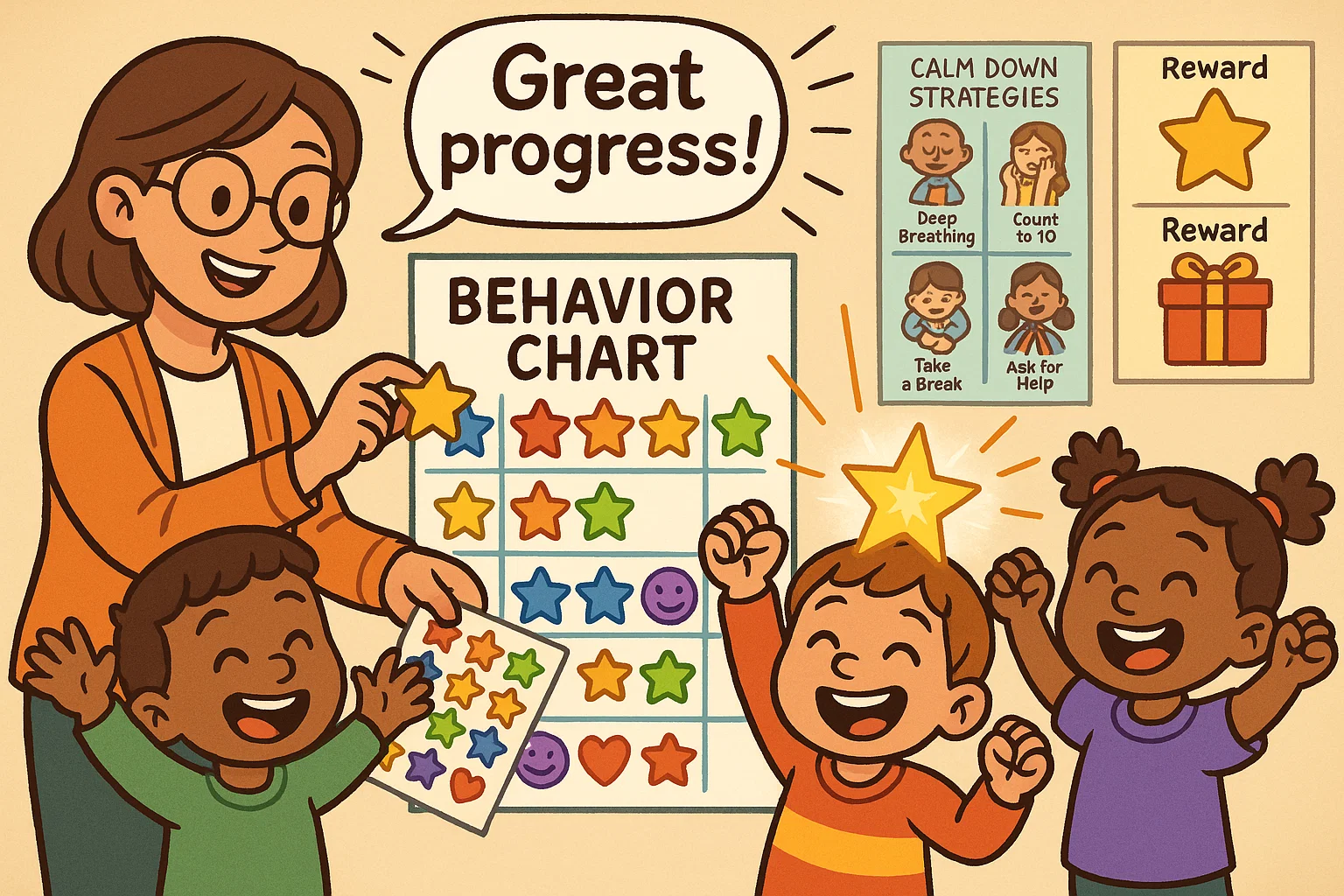
Effective classroom management relies on research-backed strategies to enforce and reinforce expectations, making them a true part of your classroom management.
Behaviour-Specific Praise
This is a form of positive reinforcement that explicitly names the desired behaviour, making the expectation clear and strengthening its recurrence. Instead of saying, “Good job,” say, “I appreciate how you used your inside voice when you asked that question. That is excellent respectful communication.”
Tiered Support Models
Schools often use Multi-Tiered System of Supports (MTSS) or Positive Behavioral Interventions and Supports (PBIS). This model ensures that:
- Tier 1: All students receive high-quality core instruction and clear classroom expectation setting.
- Tier 2: Students needing a little extra support receive targeted, small-group interventions.
- Tier 3: Students with significant challenges receive intensive, individualized support.
Classroom Behaviour Worksheets
These structured tools provide a framework for students to reflect on a rule infraction and practice the expected behaviour. They help build self-awareness and responsibility by encouraging students to analyze their choices.
School-Wide Policy Alignment
Harmonizing your individual classroom rules with the broader school system ensures that the messaging is consistent. When the school system is united in setting clear expectations, students feel secure in a predictable environment for learning.
Tips for Strong Classroom Expectations
To summarize the best practices for setting strong classroom expectations:
Build Solid Foundations
Focus on establishing clear and concise core expectations early in the first classroom days and maintaining consistency from day one. This initial period is critical for long-term success.
Be Specific and Consistent
Vague rules lead to vague compliance. Ensure the wording is positive and explicit. More importantly, consistent enforcement – both with positive reinforcement and consequences – is the most powerful tool a teacher has.
Continue Reinforcing Throughout the Year
Don’t assume the rules are learned forever. Review, practice, and reinforce expectations strategically throughout the school year, particularly after breaks or when a new routine is introduced.
Review and Update as Needed
Be prepared to adapt your approach. If a rule isn’t working, or if the needs of your small classroom change, revisit the rules together with your students for a collective review and update.
Final Notes on Classroom Expectations
Classroom expectations are a living framework, a cornerstone of classroom management that provides structure, promotes positive behavior, and ensures a quality learning experience. When properly designed and implemented, these class rules create a culture where students feel safe, known, and truly belong, enabling them to reach their full potential.
Encouragement for Teachers
The process of establishing classroom norms can be challenging, especially for new teachers, but remember that setting clear expectations is the single most effective proactive step you can take. You are providing the structure that allows your students to focus on learning outcomes instead of confusion or conflict.
Importance of Ongoing Collaboration
Success in behaviour management is a shared responsibility. Working with students, colleagues, and families strengthens your efforts, creating a unified and effective system that ensures every child benefits from a safe, positive, and productive learning environment. When you take the time to make classroom rules thoughtfully, you are building a classroom community poised for success.