

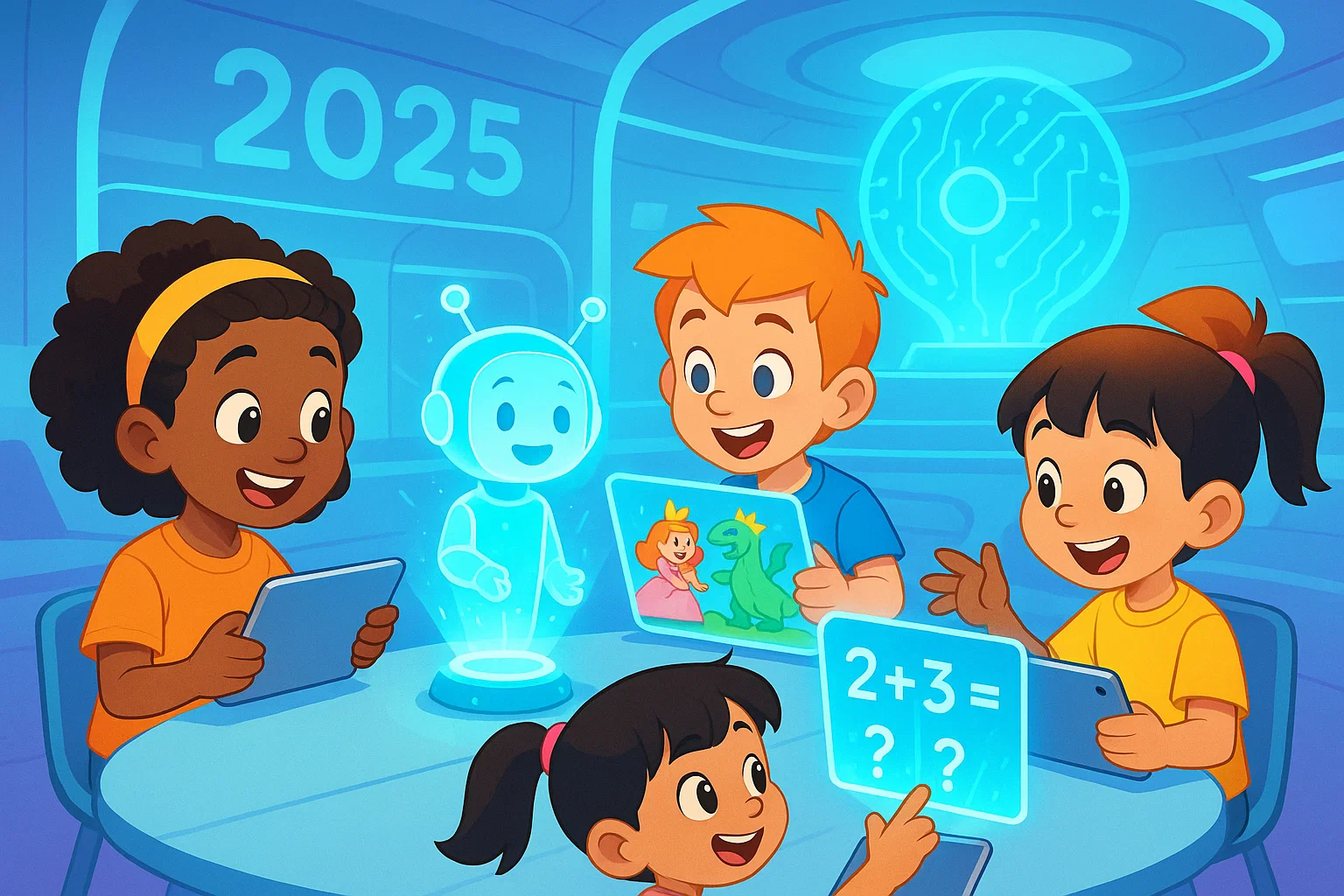
Artificial intelligence has reshaped children’s digital education, transforming ordinary applications into adaptive learning systems. Modern AI educational apps for kids analyze interaction patterns, adjust difficulty levels in real time, and create structured pathways that reflect individual interests and cognitive readiness.
For families managing screen exposure, intelligent platforms offer a measurable advantage over passive video consumption. Instead of endless scrolling, children receive curated, age-appropriate educational content supported by machine learning algorithms and expert-designed curricula. The result is structured digital engagement that supports literacy, problem-solving, creativity, and long-term academic growth while maintaining safety and parental oversight.
Pastory
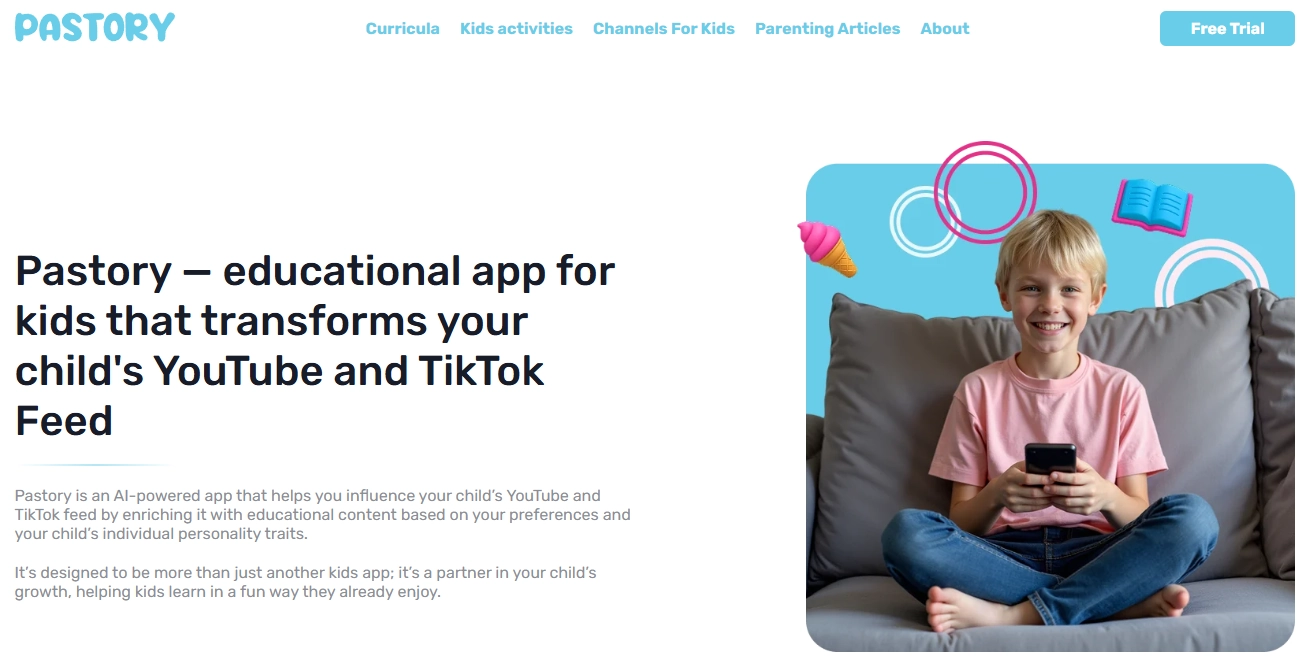
Pastory stands out as the best AI powered educational app that transforms your child’s existing social media consumption into meaningful learning experiences. Rather than fighting against popular platforms like YouTube and TikTok, Pastory works with them to curate educational content.
Key Features:
- AI-powered feed curation that analyzes your child’s personality traits
- 163+ expert-designed educational curriculums covering ages 2-12
- Seamless integration with existing platforms kids already love
- Research-driven approach developed with academic experts
- Free trial available for parents to experience benefits firsthand
The platform offers specialized learning paths for different age groups:
Ages 2-5: Foundation Building
- Life skills like tying shoelaces and using utensils
- Interactive learning for shapes, colors, numbers, and alphabet recognition
- Colorful, engaging content designed for early developmental stages
Ages 6-7: Skill Development
- Time management concepts and organizational skills
- Communication, respect, and decision-making fundamentals
- Building blocks of social interaction and emotional intelligence
Ages 8-12: Advanced Learning
- Advanced reading skills and complex sentence writing
- Various writing styles and creative expression techniques
- Higher-order thinking skills and analytical capabilities
Pastory also includes hands-on activities that bridge digital learning with real-world application:
- The Peace Puzzle: Interactive card game teaching cooperation
- Life Skills Treasure Hunt: Offline reinforcement of daily living skills
- Time Management Challenges: Practical goal-setting applications
Link – Try Pastory for free
Buddy.AI: Voice-Based AI Teacher Early Learners
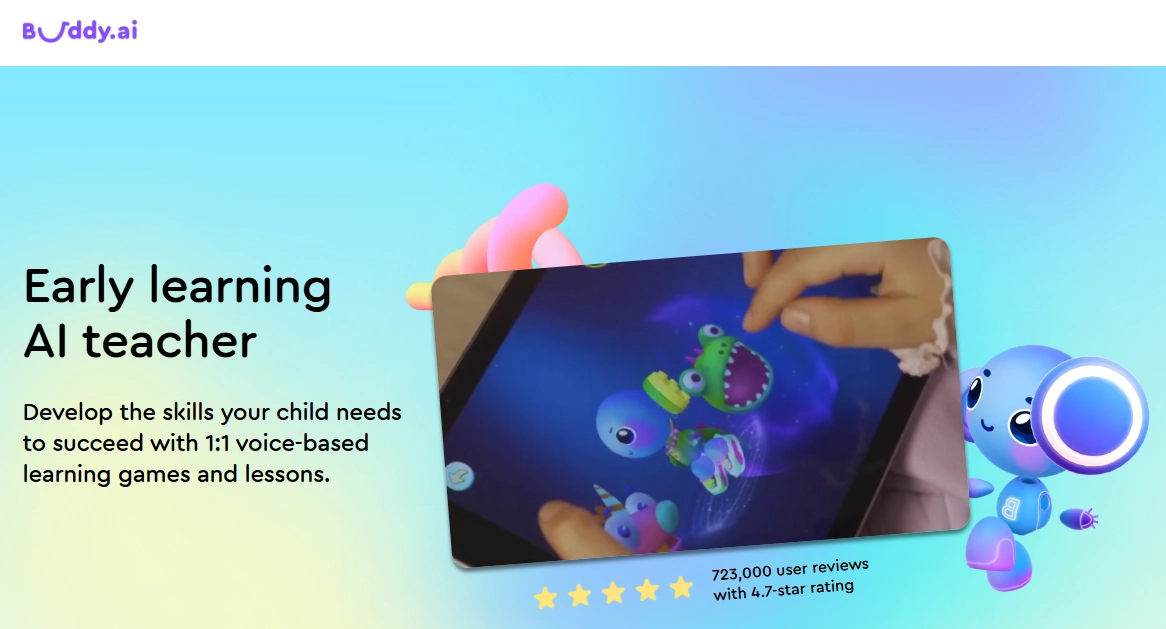
Buddy.AI serves as a conversational English tutor designed specifically for young learners. This AI tool uses voice recognition technology to create interactive dialogue experiences that improve language skills naturally.
The platform focuses on building confidence in English communication through:
- Personalized conversation practice sessions
- Immediate pronunciation feedback and correction
- Age-appropriate vocabulary building exercises
- Cultural context integration for better language understanding
Link – Buddy.AI – English for children with artificial intelligence
Storytailor: Personalized Stories Emotional Support
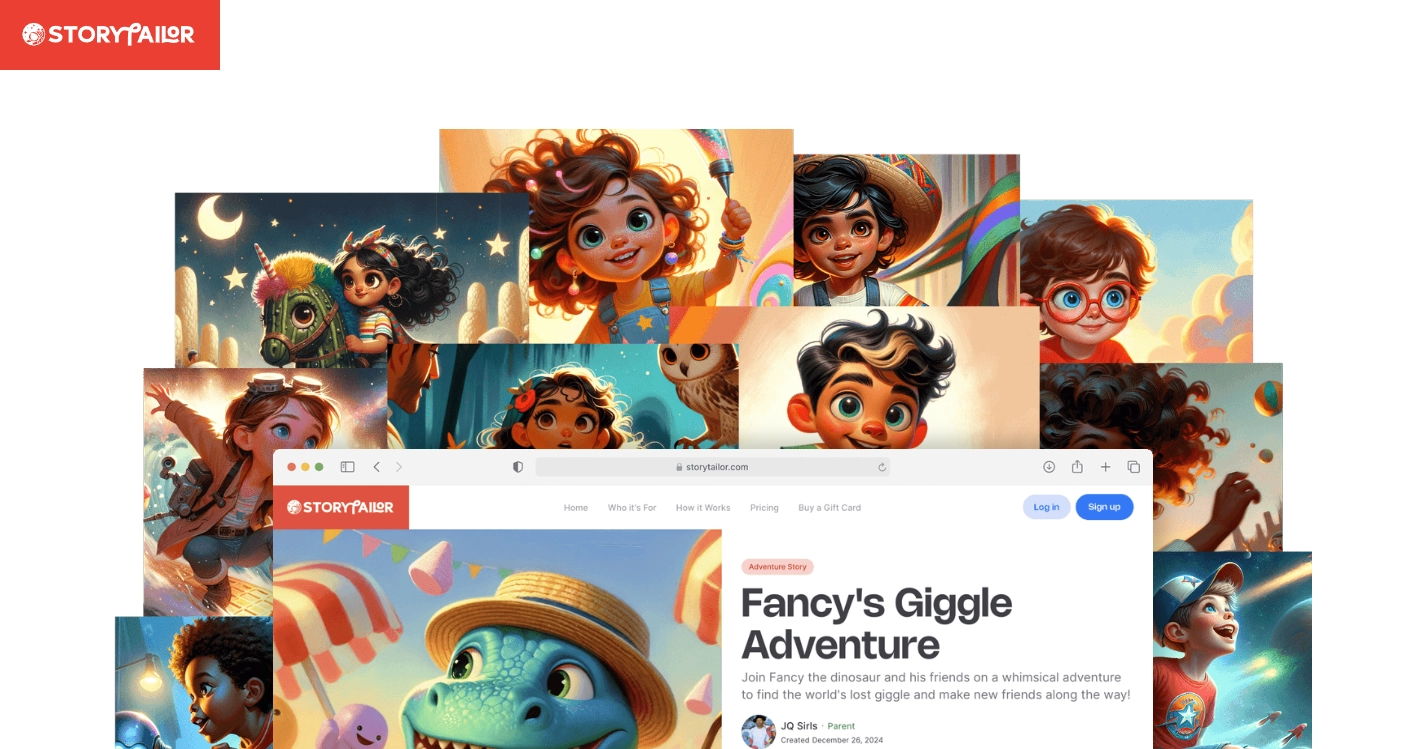
Storytailor creates customized narratives that address specific emotional and developmental needs. The AI generates stories featuring the child as the main character, making learning more personal and engaging.
This app excels at:
- Creating stories that address specific behavioral challenges
- Incorporating educational themes within engaging narratives
- Providing emotional support through relatable characters
- Building reading comprehension through personalized content
Link – Storytailor — Imagination has a home address
Laila: Private On-Device AI Chat Story Generation

Laila offers a secure, private AI chat experience focused on creative writing and storytelling. The on-device processing ensures privacy while providing unlimited creative possibilities.
Key advantages include:
- Complete privacy with no data sharing
- Unlimited story generation capabilities
- Character development and plot exploration tools
- Creative writing skill development through AI collaboration
Link – Laila: AI-Powered Storytelling on the App Store
SmartDreams Bedtime Stories: Custom Narratives Illustrations

SmartDreams combines AI-generated stories with custom illustrations to create unique bedtime experiences. Each story is tailored to the child’s interests and includes moral lessons appropriate for their age.
Features include:
- Custom story generation based on child preferences
- AI-created illustrations that match narrative themes
- Educational themes woven into entertaining stories
- Sleep-friendly content designed to promote relaxation
Link – SmartDreams Bedtime Stories on the App Store
Why AI Apps Matter Nowadays?
The significance of AI tools in childhood education extends far beyond simple entertainment. These sophisticated platforms represent a fundamental shift in how we approach early learning and skill development.
Future-Proofing Skills Early Exposure AI
Children who interact with artificial intelligence applications develop crucial digital literacy skills that will serve them throughout their academic and professional careers. Early exposure to AI tools helps kids understand technology as a collaborative partner rather than a mysterious black box.
These foundational competencies become increasingly valuable as artificial intelligence becomes more prevalent across various industries.
The best AI applications for children focus on teaching core concepts while introducing technological literacy naturally. This dual approach ensures that kids develop both subject-matter expertise and comfort with advanced digital tools.
Personalized Learning Paths Tailored Child Needs
Modern AI powered educational platforms excel at creating customized learning experiences that adapt to individual learning styles, pace, and interests. Machine learning algorithms analyze engagement patterns to optimize content delivery and difficulty levels.
This personalization extends beyond simple difficulty adjustments. Advanced AI tools consider factors such as:
- Preferred learning modalities (visual, auditory, kinesthetic)
- Attention span patterns and optimal learning times
- Subject interests and curiosity triggers
- Social interaction preferences for collaborative learning
The result is an educational experience that feels tailored specifically for each child, increasing engagement and improving learning outcomes significantly.
Transforming Screen Time Passive Viewing Active Learning
One of the most significant advantages of AI powered apps is their ability to convert traditionally passive screen time into interactive learning opportunities. Rather than simply consuming content, children become active participants in their educational journey.
These applications encourage critical thinking, creativity, and problem-solving through engaging activities that feel more like play than traditional study. The interactive nature of AI tools ensures that screen time becomes productive and enriching rather than merely entertaining.
Many platforms integrate real-world applications, bridging the gap between digital learning and practical skill development. This approach helps children understand the relevance of their educational activities beyond the screen.
Educational AI Apps Kids: Key Benefits
The advantages of incorporating AI tools into children’s learning routines extend across multiple developmental areas, creating comprehensive educational experiences that support growth and curiosity.
Improved Education Customized Learning Paths
AI powered educational platforms excel at identifying individual learning patterns and adapting content accordingly. These systems continuously analyze performance data to optimize educational delivery and ensure maximum comprehension.
Customized learning paths address various learning challenges by:
| Learning Challenge | AI Solution Approach |
| Attention difficulties | Shorter, interactive sessions with immediate feedback |
| Different learning speeds | Adaptive pacing that adjusts to individual progress |
| Subject-specific struggles | Additional practice opportunities with varied approaches |
| Motivation issues | Gamification elements and achievement systems |
The personalization capabilities of modern AI tools ensure that each child receives appropriate challenges without becoming overwhelmed or bored with content that’s too easy or difficult.
Enhanced Literacy Comprehension Fluency
AI powered reading applications utilize sophisticated natural language processing to support literacy development across multiple dimensions. These tools provide immediate feedback on pronunciation, comprehension, and reading fluency.
Interactive AI tutors can engage children in conversations about stories, helping them develop critical thinking skills while improving vocabulary and language comprehension. The conversational nature of these interactions makes reading practice feel more natural and engaging.
Many AI tools incorporate speech recognition technology to provide real-time feedback on pronunciation and reading fluency, helping children develop confidence in their verbal communication skills.
Creative Storytelling Imagination Development
Artificial intelligence applications excel at fostering creativity through collaborative storytelling experiences. Children can co-create narratives with AI systems, exploring different plot possibilities and character developments.
These creative partnerships help kids understand story structure while encouraging imaginative thinking. The AI provides suggestions and prompts that can inspire new directions in storytelling, expanding children’s creative horizons.
The collaborative nature of AI-assisted creativity teaches children that technology can be a creative partner rather than a replacement for human imagination and innovation.