

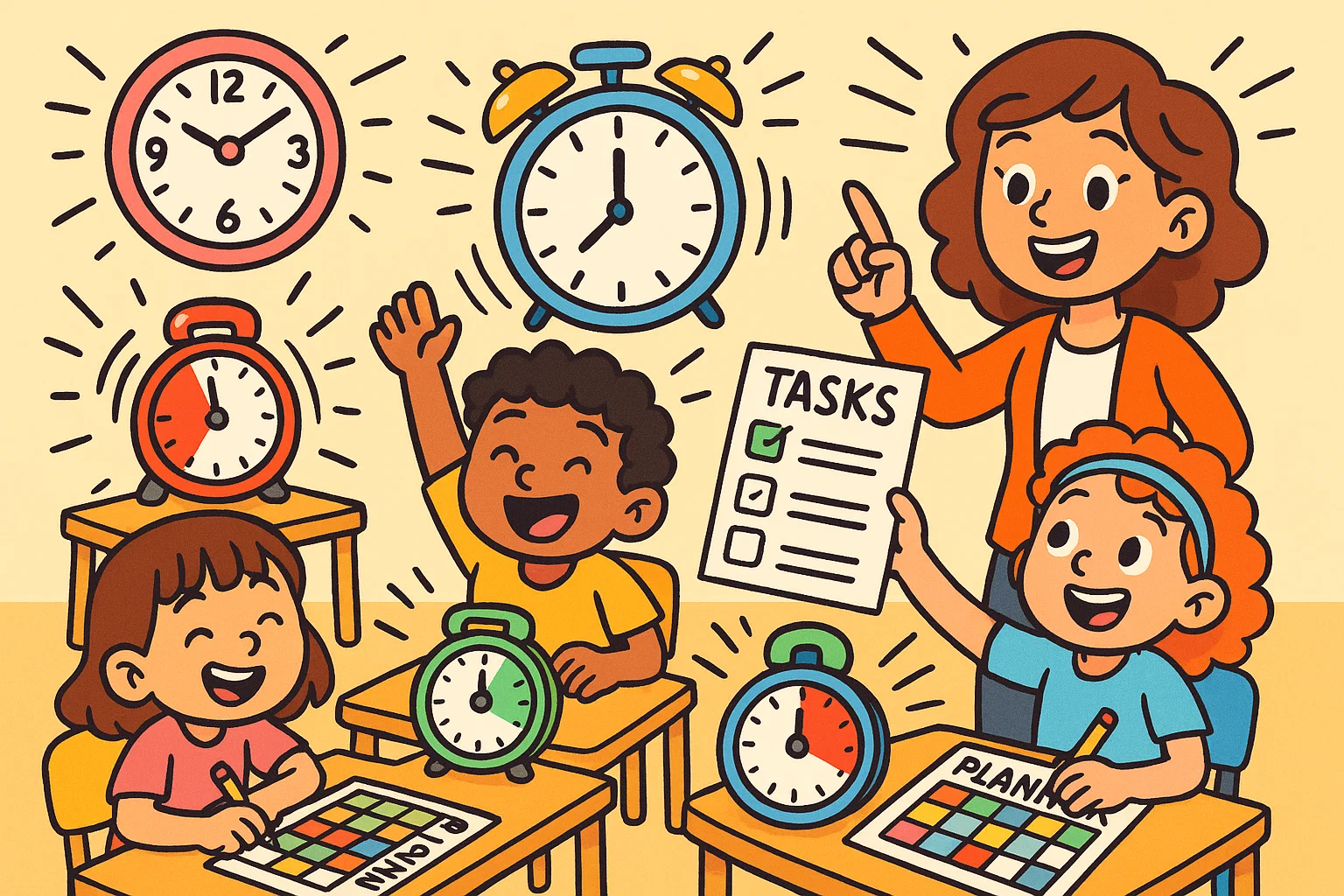
Teaching kids time management is one of the most essential life skills you can instill in them. This comprehensive program is designed to explain the concept of duration and scheduling, build strong time management habits, boost self-discipline, and make planning enjoyable. The core value is clear: the program helps children learn to organize tasks, prioritize, and feel confident managing their daily routine and responsibilities, preparing them for school and beyond.
The program’s approach shifts the focus from parental nagging to empowering children to take ownership of their schedules. By integrating effective time management skills into everyday life skill development, we teach children to see their schedule not as a limitation, but as a resource they can manage effectively to create space for everything they love.
Tips to Help Your Child Prioritize and Manage Their Time
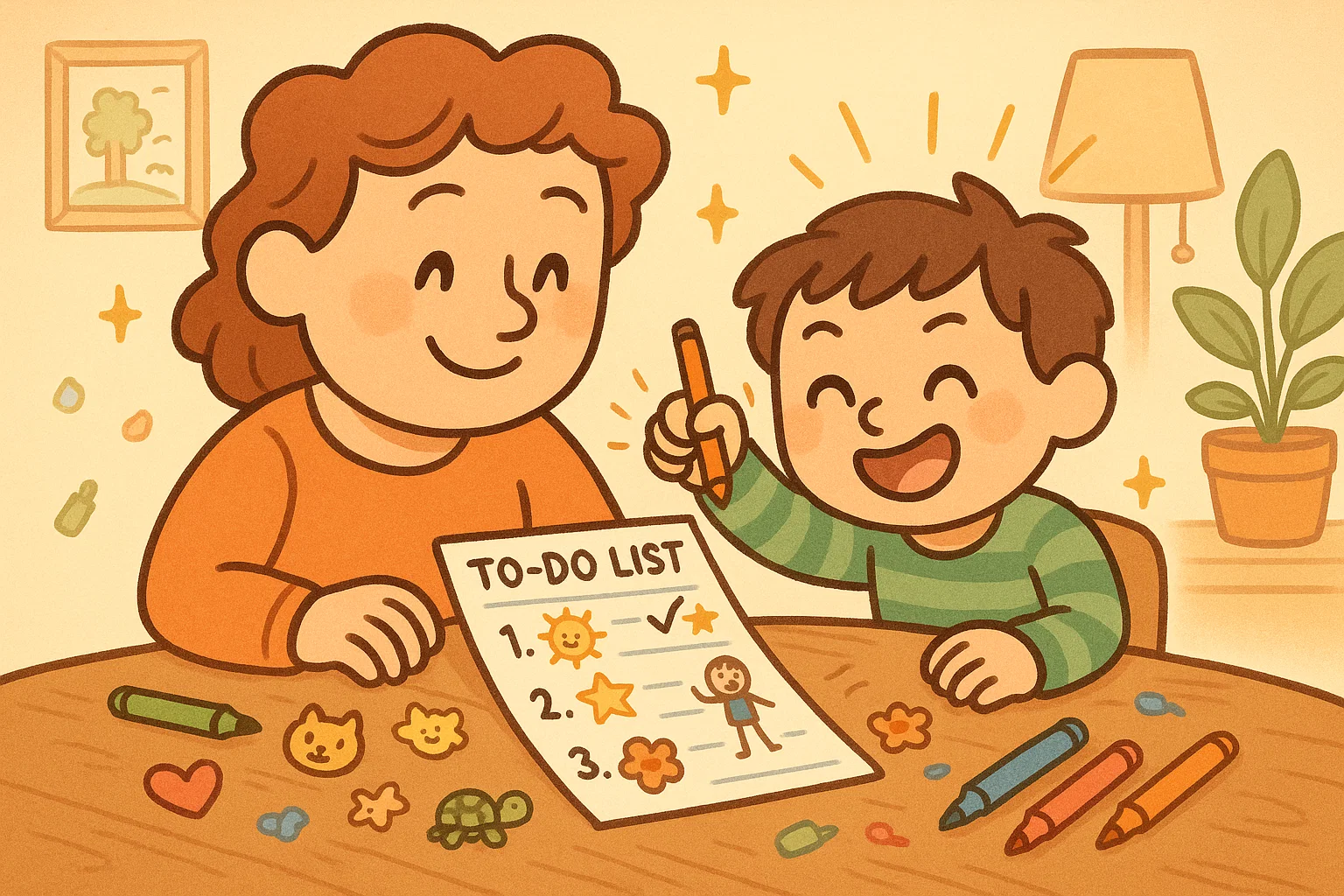
To effectively teach your child to manage their time, parents play a crucial role by providing the right structure and support your child needs at home. The goal is to move from a parent-directed schedule to a child-owned one. By introducing simple tools and methods, you can guide them in planning their day, breaking tasks down, and tracking their progress, turning abstract concepts of duration and scheduling into concrete actions.
Use Routines to Build Stability
A predictable daily routine is the backbone of good time management for kids. When children know what is expected and in what order, it helps organize their thinking, reduces morning or evening stress, and provides a powerful sense of structure.
- Morning Flow: Start with a consistent wake-up, followed by steps like getting dressed, eating breakfast, and packing their bag. Use the same sequence every day to establish a reliable flow.
- Evening Anchor: The evening pattern, including dinner, homework, bath, and reading, signals the body and mind to wind down. Consistency in this routine significantly supports healthier sleep patterns, which in turn enhances focus during the day.
Create Visual Schedules
For younger kids, the concept of time can be hard to grasp because it’s invisible. Visual schedules and planners make duration concrete and help kids understand how their day is structured.
- The Family Calendar: Encourage your child to keep a large, central calendar where family events and their extracurricular activities are noted. Use different colors for different family members or activity types.
- To-Do Boards: Use a whiteboard or a dedicated planning area with pictures or written words for simple tasks like “Brush Teeth,” “Homework,” and “Chore.” As they complete an item, they physically move the card or erase the item.
- Sticker charts: These can track progress on long-term important tasks or homework, providing a tangible reward and tracking mechanism that kids love.
Guide Children to Set Goals
Setting goals is the natural next step after understanding routine, and it’s vital for effective time management. Start with small, immediate goals for primary-age kids.
| Age Group | Goal Example | Planning Horizon | Skill Taught |
| Ages 5-7 | Keep their room tidy for a specified period. | One week | Basic duration commitment, maintenance |
| Ages 8-10 | Finish a book report or large schoolwork assignment. | Two weeks | Breaking down tasks, tracking progress |
| Ages 11+ | Save money for a desired item or improve a grade in a subject. | One month / Semester | Long-term planning, motivation |
When you work with your child to set these goals, start by breaking them down into smaller, manageable steps.
Teach Priorities Through Everyday Choices
Prioritisation is the art of deciding “what matters first.” You can teach children this skill by offering real-world choices that highlight the consequences of task arrangement.
“You have 30 minutes before we leave for soccer practice. Do you want to spend 15 minutes finishing your reading schoolwork now, so you can have 15 minutes of free play, or do you want to play for the whole period and do the reading assignment tonight after practice when you’ll be tired?”
This simple dialogue helps them understand the importance of handling important tasks first to make time management work for them, rather than against them. It allows them to take ownership of the consequences of their choices.
Explore Time Management Tips for Kids
Successful child time management isn’t about rigid scheduling; it’s about developing flexible time awareness and habits. These practical tips and tricks are designed to be actionable and positive, supporting your child’s development of this crucial life skill.
Start Early with Simple Practices
Even young children can begin learning basic time concepts teaching basic time management concepts. Even younger kids can grasp the concept of time through physical cues regarding duration.
- The Magic Timer: Use a timer for everything—play, cleanup, and even transitions. A visual timer (like a sand timer or a digital clock that shows the remaining period filling up or emptying) helps them physically see the duration. Setting a timer turns a potentially stressful transition into a focused challenge.
- Countdown Cues: Give verbal warnings: “In 5 minutes, we’re going to put the blocks away,” followed by a “1-minute warning.” This builds predictability.
- Estimating Duration: Turn estimating time into a game. Ask, “How long do you think it will take you to put on your shoes?” Then, use the timer. This simple exercise builds time awareness and improves their ability to prioritise tasks accurately.
Avoid Overscheduled Days
In the rush to provide enriching experiences, parents sometimes pack too many extracurriculars into their child’s week. While these activities are great, an overscheduled life is often counterproductive to true skill development.
- The Need for Downtime: Unscheduled periods are essential for developing creativity and imagination, and also for practicing self-directed time allocation. When every moment is planned, the child never gets the chance to practice managing time themselves.
- Quality over Quantity: Focus on one or two high-value extracurricular activities that the child genuinely loves, rather than filling every afternoon period.
Add Fun to Planning
Time management isn’t a punishment; it can be an engaging activity. When you make time management feel like a game, kids love it, and they are more motivated to participate.
- Beat-the-clock challenges: Use the clock to make completing tasks a quick challenge. “Can you get dressed and ready before the minute hand reaches the 12?”
- Creative Planners: Let your child decorate their own calendar or planner. Using different colored pens, stickers, and doodles encourages them to take charge of the tool and their schedule.
Use To-Do Lists as Skill Builders
To-do lists are a powerful tool for developing independence and the skill of breaking tasks down.
- Start Simple: For a child learning to manage their time, start with just three things on the list. This prevents overwhelm and ensures a quick win.
- Break It Down: If the item is “Clean Room,” break them down into smaller, actionable steps: “Put away clothes,” “Make bed,” “Clear desk.” Use sticky notes for each step, and once done, the child can crumple the note and throw it away—a satisfying physical completion cue.
Support Children in Staying on Track
Distractions are a natural part of childhood. Your role is offering guidance and modeling to focus on the task at times.
- The Pomodoro Technique (Kid-Style): Introduce short bursts of focused work followed by short, scheduled breaks. For example, 15 minutes of schoolwork followed by a 5-minute movement break. This builds study habits and improves their ability to manage their time effectively.
- Designated Work Zones: Ensure they have a quiet, dedicated space for important tasks like homework, free from the distraction of loud siblings or accessible screen time.
Stay Positive During Difficult Moments
There will be moments when the routine falls apart, tasks are missed, or there’s an overwhelming feeling of frustration. This is where patience and positivity are most critical.
- Focus on Effort: When a child successfully manages their morning, or remembers a chore without being asked, praise their efforts with specific language. “I noticed you finished your math homework right after dinner—that’s excellent time management!”
- Model Calmness: If you are rushing and stressed, your child will absorb that anxiety. Show them how to calmly reprioritize a schedule when something unexpected happens. Encourage your child by saying, “It’s okay that we missed the bus; let’s quickly figure out our next step together.”
Importance of Free Time in Child Development
It might seem counterintuitive, but effective time management is not just about scheduling work; it’s about intentionally scheduling unstructured free periods. Unstructured duration—the kind with no agenda, no planned outcome, and no adult direction—is crucial for holistic child development.
Benefits of Free Time
This downtime teaches children essential skills that can’t be learned through structured lessons or extracurriculars.
- Cognitive Gains: Free moments are where the mind processes all the information gathered during structured learning. It fosters creativity and imagination as kids must invent their own games and activities.
- Emotional Regulation: When a child must decide what to do and then manage any potential boredom or conflict without adult direction, they practice taking ownership of their emotional state and self-soothing. This is a vital precursor to self-discipline and focus.
- Natural Planning: When left to their own devices, children naturally practice time allocation—”I want to build that fort, but I also want to draw. I have an hour, so I’ll spend 40 minutes on the fort and 20 minutes drawing.” This is the highest form of self-directed time management.
Using Free Time Wisely Without Pressure
The key is “unstructured” but not “unsupervised.” Parents should allow the child to choose meaningful activities without over-guiding.
- Avoid the “What are you going to do?” Trap: Instead of immediately suggesting activities or asking what the plan is, simply offer the space. “It’s now free time until 4:00. You choose how to use it.”
- Rotate Toy Access: If there are too many choices, children can feel paralyzed. Rotate toys and activities in and out of storage so the available options are limited but stimulating.
Balance Between Activities and Rest
A healthy daily routine strikes a critical balance between activities and rest. This balance is what prevents burnout and allows the brain to consolidate learning.
- The 3:1 Rule (Suggestion): In some cases, some experts recommend a balanced ratio of three parts structured duration (school, homework, chore, planned activities) to one part unstructured period, though this can vary by age and temperament. The goal is to avoid the feeling of being constantly “on the clock.”
- Screen Duration Boundaries: A specific challenge is managing screen time. It’s important to differentiate between active, creative screen use and passive consumption, and ensure that digital engagement doesn’t entirely consume their valuable free moments.
Responsibility Through Time Tasks
One of the most powerful ways to help children develop time management skills is to link the concept of duration and planning to real-world tasks and responsibilities. By giving them these duties, you encourage your child to take responsibility for outcomes that depend on their scheduling.
Age-Appropriate Time Responsibilities
Start with small, duration-bound simple tasks that have a clear consequence if not completed on time.
| Age | Time Responsibility Example | Skill Reinforced |
| 3-5 | Put toys away before story time begins. | Following a sequence, transition awareness. |
| 6-8 | Set the table for dinner by 6:00 PM. | Clock awareness, meeting deadlines. |
| 9-12 | Complete all schoolwork and pack the bag by a set moment each night. | Prioritisation, planning ahead. |
| 13+ | Manage their own laundry from start to finish. | Multi-step task management, scheduling time effectively. |
These duration-based chores and responsibilities boost their confidence and motivation because they see a direct result of their planning.
Decision-Making Through Scheduling Choices
Giving children ownership over small daily decisions is critical for them to manage their time themselves. When they take ownership, they are more invested.
- Order of Tasks: “You have three important tasks: walking the dog, practicing piano, and doing your math sheet. You decide which order to put them in, as long as they’re all done before 5 PM.”
- Allocation of Effort: For a big project, let them decide how much time effectively to spend on research versus drafting on a given afternoon.
Learning from Natural Consequences
Lateness or missed tasks and responsibilities are often the best teaching moments. While parents want to shield their children from discomfort, allowing them to experience the mild, natural consequences of poor planning is vital for developing internal motivation.
- The Homework Lesson: If a child chooses to play and delays their schoolwork, and as a result, stays up later or has a rushed, lower-quality final product, calmly discuss how their schedule choice led to the outcome. Avoid stepping in to fix the assignment.
- The Lost Privilege: If a child continually misses the period to pack their snack for a field trip, the natural consequence is going without the snack (or settling for a basic alternative). This teaches the value of being prepared and planning within time frames.
Time Management for School and Daily Travel
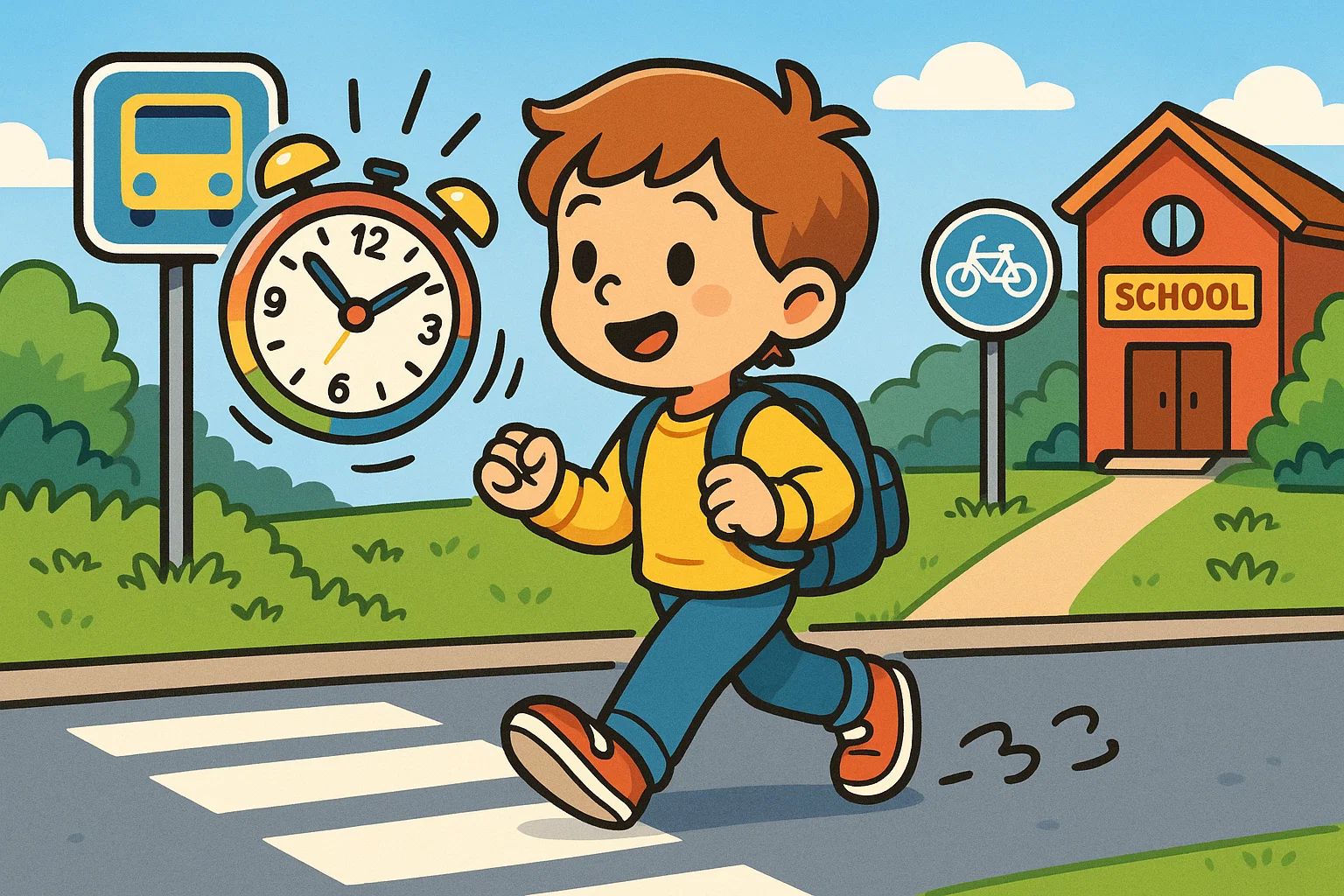
The morning rush is a major source of stress for many families. Implementing planning routines for school-related tasks can drastically improve punctuality and foster independence, ready for school success.
Preparing for School Mornings
The key to a peaceful morning is ensuring that everything that can be done the night before is done the night before. This is an excellent exercise in future-focused planning for kids to manage their time.
The Night-Before Power Hour: Use a small period each evening for schoolwork organization:
- Pack the bag: All books, papers, and completed homework should be inside the backpack and placed by the door.
- Choose the outfit: Clothes for the next day, including shoes, are laid out.
- Prep the lunch: Non-perishable items are packed; perishable items are grouped in the fridge for easy morning assembly.
Use Checklists: A small checklist posted near the backpack area helps your child confirm that all steps are completed.
Road Safety and Scheduling
For older children who begin to travel to school and beyond independently, time awareness directly links to safety and responsibility.
- The Punctuality Practice: Work backward from the school start time. If school starts at 8:30 AM and the walk takes 15 minutes, they must leave by 8:15 AM. Add a 5-minute cushion. This practice ensures they understand the importance of scheduling in real-world logistics.
- Walking Routes and Schedules: If using a bus or public transport, help them study the printed schedule and use a clock or watch to monitor their arrival at the stop.
Technology and Schedule Safety
In the digital age, teaching time management must include managing screen time and navigating the powerful distractions of technology. The goal is to teach the child to use technology as a tool, not let it become the master of their schedule.
Managing Screen Duration with Smart Rules
Unrestricted screen time is a major drain on available periods. Setting clear, enforceable boundaries is necessary.
- Family Tech Agreements: Work with your child to draft a clear set of rules for when and where devices can be used. This encourages them to take ownership of the rules.
- Use Apps and Device Settings: Many devices have built-in controls (like ‘Downtime’ or ‘App Limits’) that can enforce duration boundaries.
- Device Zones: Designate areas where devices are not allowed, such as the dinner table or bedrooms after a certain time.
Using Apps to Support Schedule Skills
Technology, when used deliberately, can be a great ally for child time management.
- Digital Timers: Use apps that function as timers or stopwatches for homework sessions or chore completion.
- Reminder and Planning Apps: For older children, introduce simple task/reminder apps to help them track progress and manage their daily to-do lists for extracurriculars and schoolwork.
Avoiding Online Distractions
Distractions are the enemy of time effectively.
- The “Work First” Rule: Help them understand that focused work requires removing distraction. During homework moments, all notifications are muted, and non-essential tabs are closed.
Support for Families and Caregivers
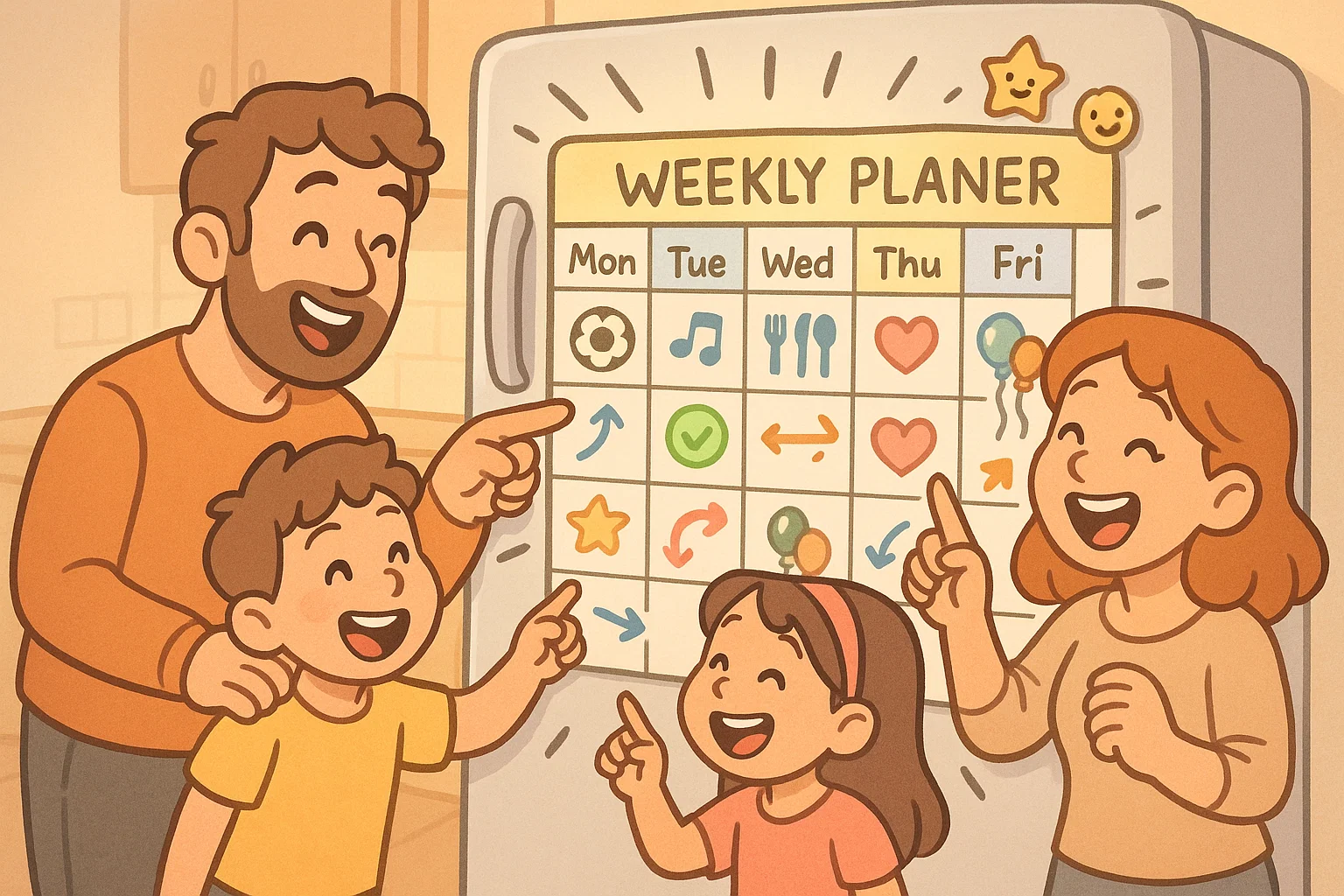
For child development to progress, consistent practice and support from the home environment are essential. Parents are the primary role models and educators in this life skill of schedule management.
How Parents Can Build Skills at Home
Help kids with simple, integrated daily practices to strengthen their concept of time and self-regulation.
- Narrate Planning: Verbally narrate your own scheduling choices: “I need to quickly empty the dishwasher now because I want to make time management for a walk before the sun sets.”
- Use Transition Songs/Cues: For younger kids, a specific song can signal the end of one activity and the start of the next period.
- The “Time to Go” Game: When going to an appointment, ask your child to be the “Schedule Keeper.” They use a watch or clock and tell you when it’s time to leave, based on a departure period you set together.
When to Seek Additional Support
While all children struggle with focus and planning sometimes, persistent difficulties with effective time management and organization may indicate a need for more specialized support.
- Signs of Executive-Function Difficulties: If a child consistently struggles with prioritisation, planning, starting tasks, or managing their temper when routines change, it suggests that they may be dealing with underlying executive-function challenges.
- Consulting Your Child’s Teacher: Your child’s teacher is a valuable resource. They can observe behaviors in a structured setting and offer insight. If struggles impact school and beyond, seeking guidance from a child psychologist or an educational specialist may be beneficial.
How This Program Assists Families
The Time Masters program provides a structured, supportive framework built on expert child development principles.
- Program Format: The program uses engaging, hands-on modules and interactive sessions focused on effective scheduling.
- Tools & Frameworks: We introduce and practice the use of visual schedules, timers, and effective to-do lists.
- Educator Role: The specialists teach children in a low-stress environment, offering guidance and modeling strategies.
- Benefits: We build internal motivation, so the child graduates the program ready to manage their time and routines independently, boosting their confidence and motivation.
Explore Program Features and Learning Structure
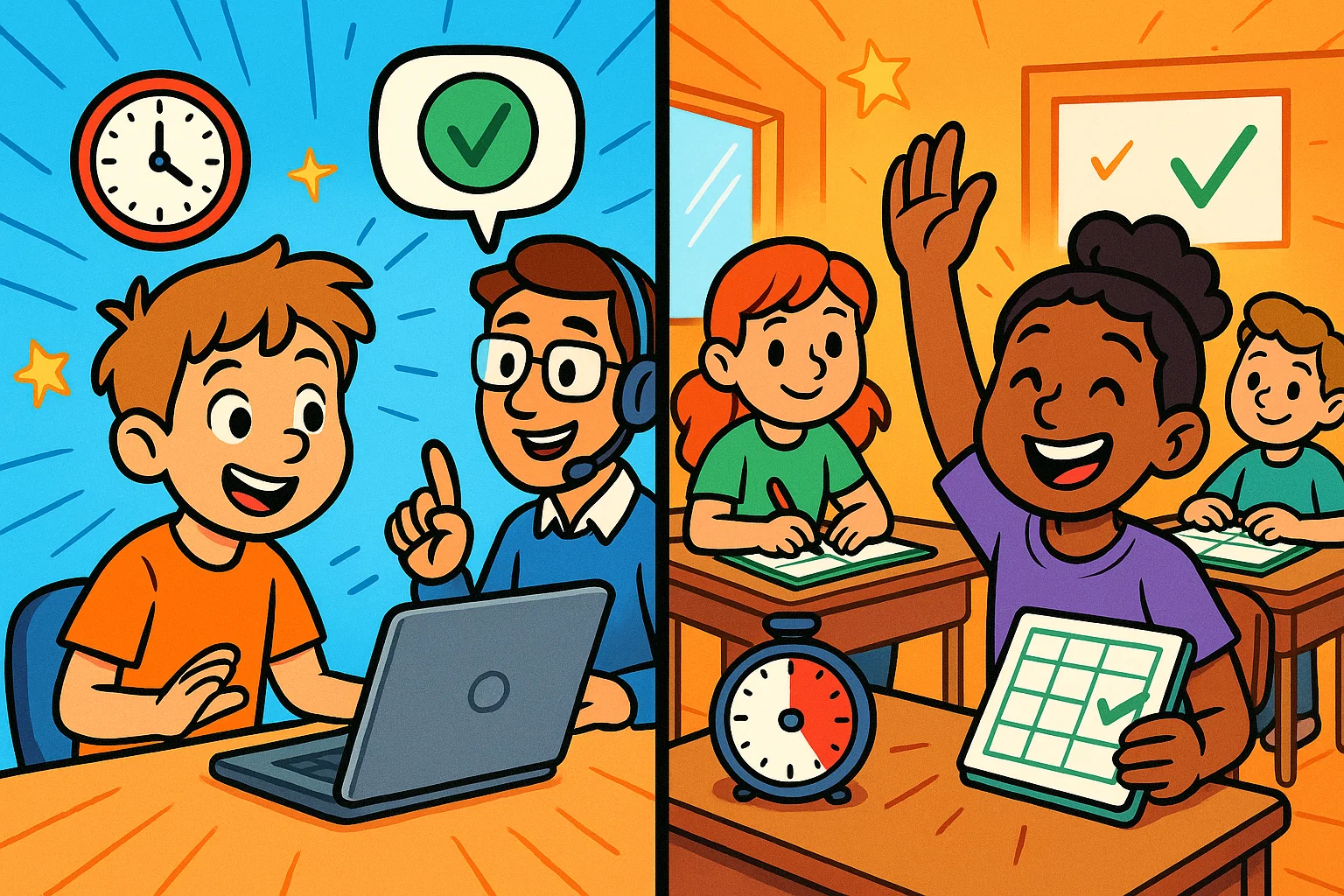
The Time Masters program is divided into structured modules designed to move a child from having zero time awareness to feeling confident enough to take charge of their own schedule.
Time Awareness Basics
This module focuses on helping your child understand the fundamental aspects of duration and flow.
- Duration and Sequence: Activities focus on estimating time needed for a task and understanding the correct order or sequence of events.
- Task Length: Kids practice matching a task (e.g., building a small Lego set) to an appropriate time frame (e.g., 20 minutes).
Planning and Organisation Tools
We put the skills into action using practical, everyday items.
- Mastering the Routine: Kids learn to create, use, and troubleshoot their own daily routine using visual planners.
- Effective Prioritisation: We use games to teach priorities—deciding which tasks are “Must Do,” “Should Do,” and “Can Wait.”
Skill Practice Through Games
The program emphasizes that time-management practice is most effective when enjoyable.
- Duration-Based Challenges: Games that require pacing and focused speed to manage time to complete a task before the timer goes off.
- The “What’s Next” Game: This activity practices the skill of thinking ahead and transitioning smoothly between activities.
Mastery Through Repetition and Challenge
The final stages focus on independence.
- Self-Correction: The program encourages children to review their own planning and identify where they could manage time efficiently better the next period.
- Taking Charge: The ultimate goal is for the child to fully manage their time effectively for homework, extracurricular activities, and chore completion without parental reminders, thereby solidifying their time management skills.