

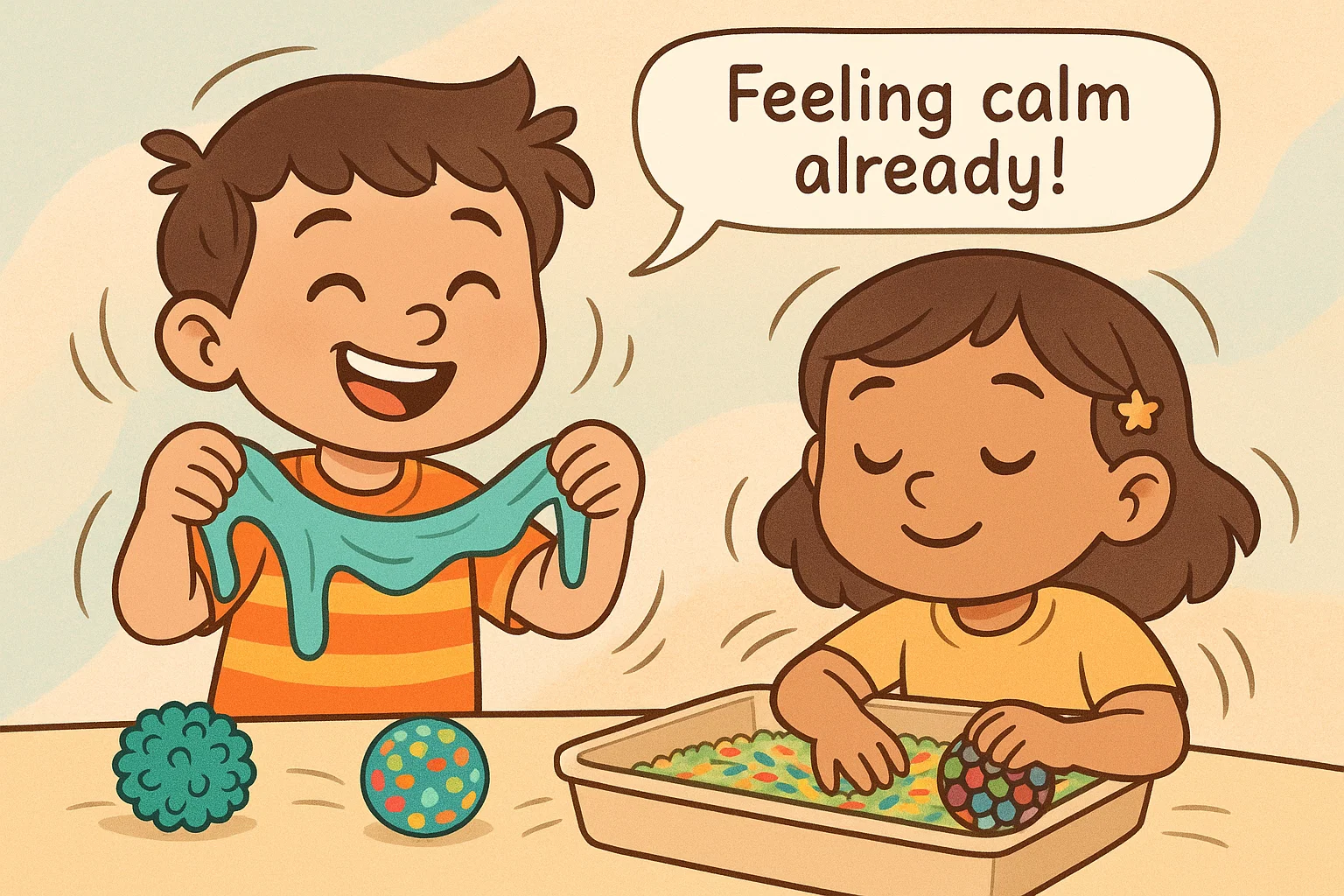
Navigating an often overwhelming world can be challenging for children, leading to stress and anxiety. As a parent or caregiver, you want simple, natural ways to help your child find calm. Sensory play – rooted in occupational therapy principles – is an evidence-based strategy that goes far beyond fun. The right sensory input directly influences the nervous system, helping shift a child from “fight-or-flight” to deep relaxation.
These calming activities create a gentle bridge for processing emotions and external stimuli. Whether easing tension after a busy school day or soothing separation anxiety, sensory play provides a healthy physical outlet for emotional release. This guide shares practical, creative, and expert-backed ideas to help your child relax and restore balance through sensory experiences.
What Is Sensory Play and How It Helps With Anxiety
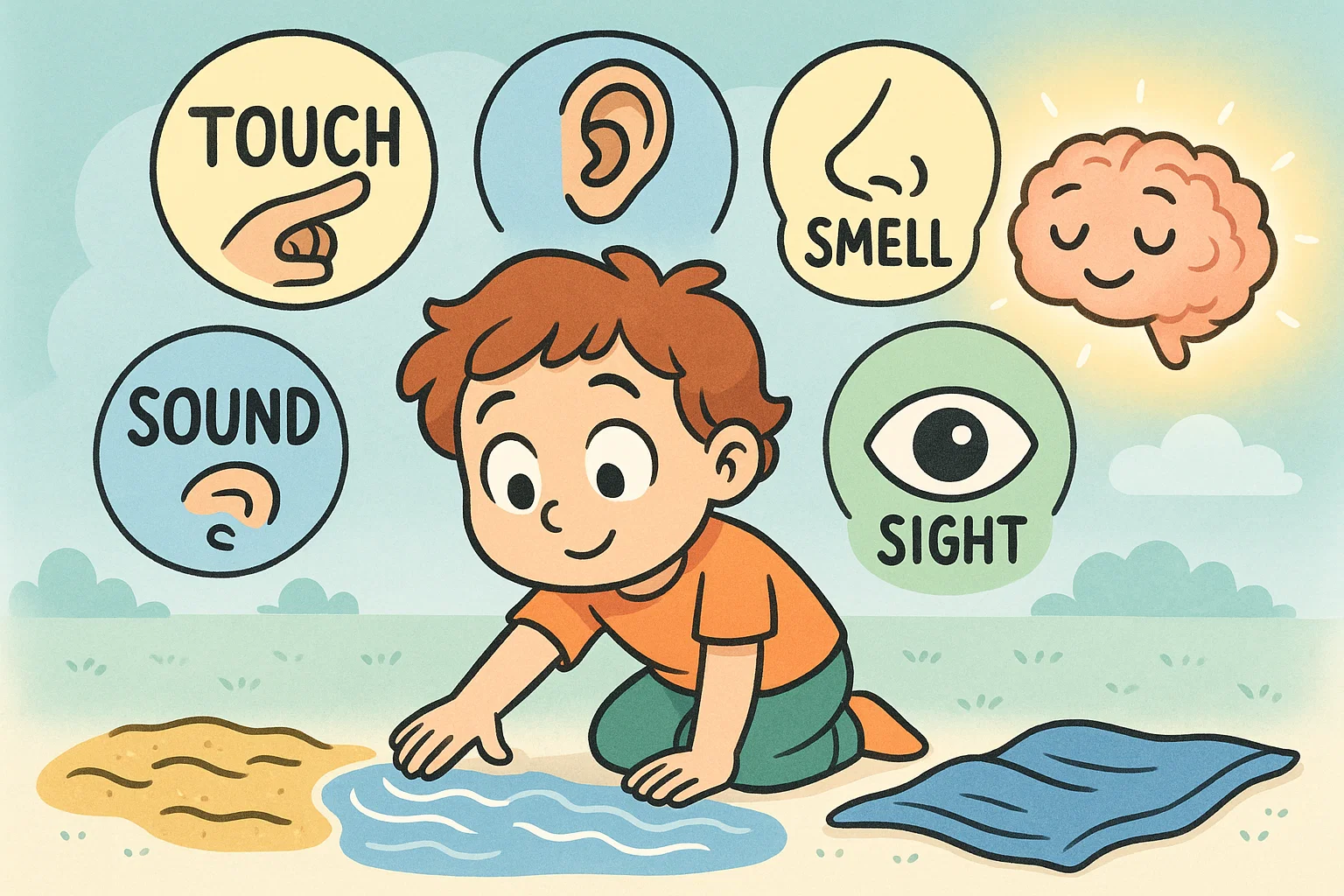
Sensory play involves any activity that stimulates a child’s five main senses: touch (tactile), smell (olfactory), taste (gustatory), sight (visual), and sound (auditory), plus two internal senses: movement (vestibular) and body awareness (proprioceptive). These fun activities are essential for cognitive development, but their impact on emotional health is particularly significant.
The Connection to Emotional Regulation
The brain’s emotional center, the limbic system, is directly linked to how we process sensations. When a child feels anxious or overstimulated, their nervous system is on high alert. Engaging in sensory activities, especially those involving repetitive, rhythmic, or deep-pressure movements, provides the brain with a healthy “distraction” or, more accurately, a point of grounding. This focus shifts attention away from the “worry brain” and anxious thoughts, encouraging the release of calming neurotransmitters instead of stress hormones such as cortisol. Activities that involve deep, comforting tactile input or soothing sounds can effectively help children manage and reduce the physical sensations of stress.
Benefits of Sensory Play for Emotional Regulation
Integrating sensory play into a child’s routine offers a cascade of benefits, particularly for managing stress:
- Reduced Cortisol Levels: Deep pressure and slow, rhythmic input, such as kneading play dough or gentle rocking, can lower the level of the stress hormone cortisol in the body, which helps to reduce anxiety.
- Improved Focus and Attention: When a child’s sensory needs are met, they are less likely to be distracted by internal or external discomfort. This allows them to better manage their attention, which is crucial for children focusing on tasks.
- Enhanced Self-Regulation Skills: Repeated positive sensory experiences teach children self-regulation – the ability to manage their emotions and behavior independently. They learn what type of sensory input brings them back to a calm state.
- Increased Resilience to Stress: Consistent use of calming strategies builds a library of coping mechanisms. The child learns they have tools to manage feelings of stress and anxiety.
How Sensory Activities Engage the Senses
Each sense offers a unique pathway to calmness and regulation:
| Sense | Calming Input Examples | Mechanism of Relaxation |
| Sense of Touch (Tactile) | Slime, soft textures, rice bins, vibration | Provides grounding, deep sensations that override lighter, distracting stimuli. |
| Sight (Visual) | Calming jar (glitter settling), nature scenes, soft lighting | Slow, predictable input helps the brain quiet down, reducing visual sensory overload. |
| Sound (Auditory) | Soothing music, white noise, rain sticks, ocean sounds | Rhythmic, predictable sounds promote a steady heart rate and reduce startling. |
| Smell (Olfactory) | Aromatherapy (lavender, chamomile), mild, familiar scents | Directly influences the limbic system, triggering memories and emotional responses that promote relaxation. |
| Movement (Vestibular/Proprioceptive) | Gentle swinging, rocking, deep pressure hugs, pushing/pulling heavy objects | Provides a powerful sense of body awareness and stability, which is highly regulating. |
When to Use Sensory Activities
Knowing when to incorporate sensory activities is key to their effectiveness. These activities are powerful transition tools and proactive supports:
- Before Bedtime: A simple calming sensory routine (e.g., a warm bath, soft textures, a weighted blanket) can signal the body it’s time to rest.
- During Stressful Transitions: Moving from one activity to another (e.g., getting off the bus, starting homework) is often a trigger for anxious kids. A few minutes of water play or a stress ball can smooth the change.
- After School/Work: To discharge pent-up anxious energy from a structured environment.
- During Meltdowns/Emotional Distress: A focused, concrete activity can provide an immediate redirection and grounding point, offering an outlet for emotional expression.
- Proactively, in a “Safe Space”: Brief daily sessions, even when a child seems calm, help reinforce coping strategies and promote emotional well-being.
Calming Sensory Play Ideas to Try at Home
These fun activities are simple to set up and provide essential sensory input to help your kids find their calm. They are particularly useful for children who may struggle with processing intense feelings.
Water Play
Simple, contained water play is incredibly soothing. The gentle movement, pouring, and splashing help release tension and provide a consistent, predictable tactile experience.
- Instructions: Fill a tub or sink with lukewarm water.
- Materials: Small cups, funnels, floating toys, or even colored ice cubes for an added visual element.
- Calming Effect: Rhythmic pouring and the flow of water are naturally meditative.
Sensory Playdough
Kneading and manipulating play dough provides wonderful deep pressure to the hands, which is inherently calming. Adding a gentle scent can enhance the relaxation.
- Instructions: Use store-bought dough or a simple homemade recipe.
- Materials: Play dough, a few drops of lavender essential oil (optional), small rollers, or cookie cutters.
- Calming Effect: The resistance from the dough and the repetitive kneading motion relieve stress and engage fine motor skills.
Calm-Down Jars and Glitter Bottles
Watching glitter settle is a powerful visual focus tool.
- Instructions: Mix warm water and clear glue, then add fine glitter and food coloring into a clear, sealed container. The mixture should settle slowly.
- Materials: Clear plastic bottle, glue (clear preferred), very fine glitter, warm water.
- Calming Effect: These sensory bottles offer calming visuals that help an anxious kid center their focus. When they shake the jar, they literally watch their emotions slowly settle, reinforcing the path to calm.
Moon Sand or Cloud Dough
This unique material provides a light, crumbly texture that encourages mindfulness and sensory processing.
- Instructions: Mix eight parts flour with one part oil (baby or vegetable) until it forms a moldable, yet powdery, texture.
- Materials: Flour, cooking oil, large container.
- Calming Effect: Scooping, sifting, and crumbling the fine textures provide a gentle, grounding sensation and promotes focus.
Threading Beads or Buttons
This activity combines fine motor control with rhythmic repetition.
- Instructions: Set out a variety of large beads or buttons and thick string or pipe cleaners.
- Materials: Large wooden or plastic beads, string, or cord.
- Calming Effect: The need for concentration helps anchor the child in the present moment, redirecting focus from anxious thoughts.
Rice or Bean Sensory Bins
Sensory bins offer abundant tactile experiences for scooping, sifting, and finding hidden objects.
- Instructions: Fill a large bin with dried rice, beans, or pasta. Add cups and small toys.
- Materials: Dried rice or beans, small scoops, funnels, and hidden tokens.
- Calming Effect: The constant flow and sound of the grain provide predictable, deep sensory input that is highly grounding, particularly for children often experiencing stress.
Rain Stick Craft
Creating and listening to a rain stick links auditory and tactile feedback.
- Instructions: Decorate a cardboard tube. Insert a spiral of nails or toothpicks and fill it with a small amount of rice or beans. Seal the ends.
- Materials: Cardboard tube (paper towel roll), nails/toothpicks, rice/beans, tape.
- Calming Effect: The gentle, soothing sounds of the “rain” are rhythmic and relaxing, providing a positive distraction.
Nature Texture Walk
A simple way to engage multiple senses with grounding natural input.
- Instructions: Encourage your child to walk slowly, noticing the different textures under their feet (grass, pavement, sand, if safe).
- Materials: Safe outdoor space.
- Calming Effect: Connecting with natural sensations is an instant form of grounding and mindfulness.
Sensory Bags for Quiet Play
A mess-free way to explore visual and tactile input.
- Instructions: Fill a sturdy, sealed plastic bag with hair gel, a bit of food coloring, and glitter. Secure the top with duct tape.
- Materials: Large, sealable plastic bag, clear hair gel, glitter, optional small beads.
- Calming Effect: Squishing the bag provides a novel sense of touch without the mess, and the internal movement is visually calming.
Squeeze Balls and Stress Toys
A classic and effective way to provide deep pressure.
- Instructions: Keep fidget toys and stress balls readily accessible.
- Materials: Soft stress ball, fidget toys with satisfying textures.
- Calming Effect: Squeezing provides a form of deep pressure input that helps reduce muscle tension and allows for the release of anxious energy. This is highly beneficial for children with anxiety.
DIY Sensory Recipes for Calm Moments
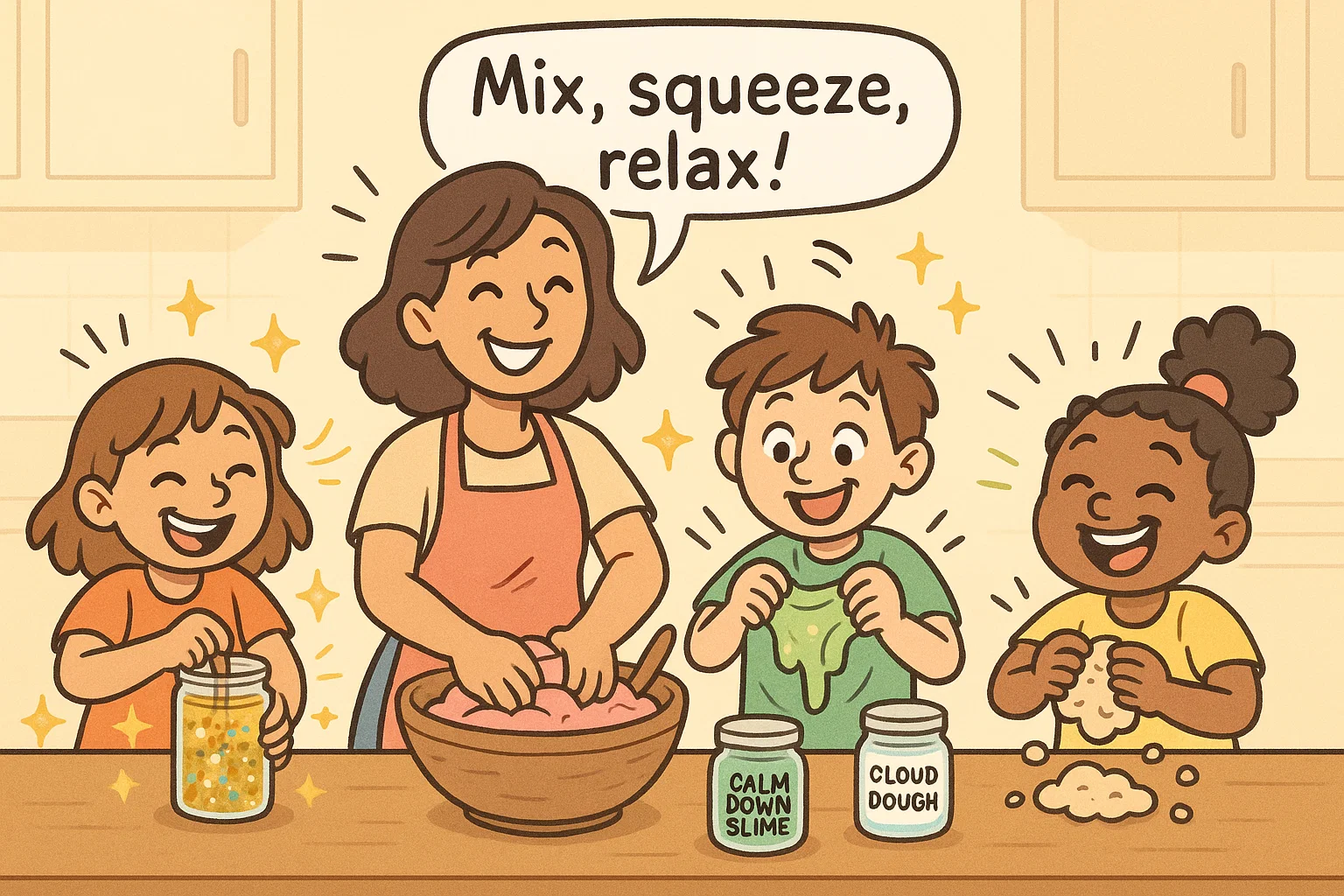
Creating your own sensory materials can be part of the therapeutic process, teaching patience and fostering a deeper sense of ownership. Always prioritize eco-friendly, non-toxic ingredients, especially for younger children often putting things in their mouths.
Eco-Friendly Slime
Slime is a perennial favorite because it is gooey, stretchy, and highly resistive.
| Ingredient | Measurement | Notes |
| Clear or white school glue | 4 oz (1 bottle) | Washable and non-toxic |
| Water | 1/4 cup | To thin the glue |
| Baking Soda | 1/2 tsp | Essential for the reaction |
| Saline Solution (contact lens solution) | 1 Tbsp, added slowly | Contains borate, the activator |
| Food coloring and glitter | Optional | For visual appeal |
- Instructions: Mix glue and water. Stir in baking soda. Add saline solution, a small amount at a time, kneading until the mixture comes together and is no longer sticky.
- Calming Effect: The rhythmic kneading and stretching of slime help relieve stress and provide strong proprioceptive (deep-pressure) input.
White Clay for Sculpting
Soft modeling clay offers a slightly firmer resistance than dough, which is excellent for expressing emotions through tactile creativity.
- Recipe: Mix 1 cup cornstarch, 2 cups baking soda, and 1.5 cups water in a saucepan over medium heat until it forms a dough. Cool before using.
- Calming Effect: Sculpting a worry box or a representation of a feeling offers a concrete way to process and contain intense emotions.
Edible Finger Paints
A safe, colourful sensory experience for toddlers and preschoolers.
- Recipe: Mix plain yogurt (or a non-dairy alternative) with natural food colorings or small amounts of fruit/vegetable purées (e.g., beetroot, spirulina).
- Calming Effect: Allows very young children to explore their sense of touch freely, promoting emotional comfort and safety.
Techniques That Enhance the Calming Effect
The environment and accompanying actions can significantly amplify the soothing impact of sensory activities.
Deep Pressure and Heavy Work
Deep pressure input is highly regulated. It targets the proprioceptive system, which provides a strong sense of body boundaries and control.
- Examples: Using a weighted blanket or vest for short, supervised periods; giving deep-pressure hugs; or doing “heavy work” activities like pushing a laundry basket, carrying books, or moving cushions. These actions provide a constructive outlet for anxious energy.
Slow, Rhythmic Movements
Rhythmic movement directly influences the vestibular system, which manages balance and spatial awareness.
- Examples: Gentle swaying, slow rocking in a chair, or low-intensity swinging. This rhythm can synchronize with the heart rate, promoting steady breathing and a calm emotional state.
Mindful Breathing During Play
Pairing a focused sensory task with conscious breathing maximizes the calming benefit.
- Instructions: While kneading the dough or watching the glitter settle, encourage your child to practice a simple breathing exercise: “Breathe in deeply as you press the dough down, and breathe out slowly as you lift it up.” This reinforces the physical connection between the activity and relaxation.
Creating a Calm Sensory Space at Home
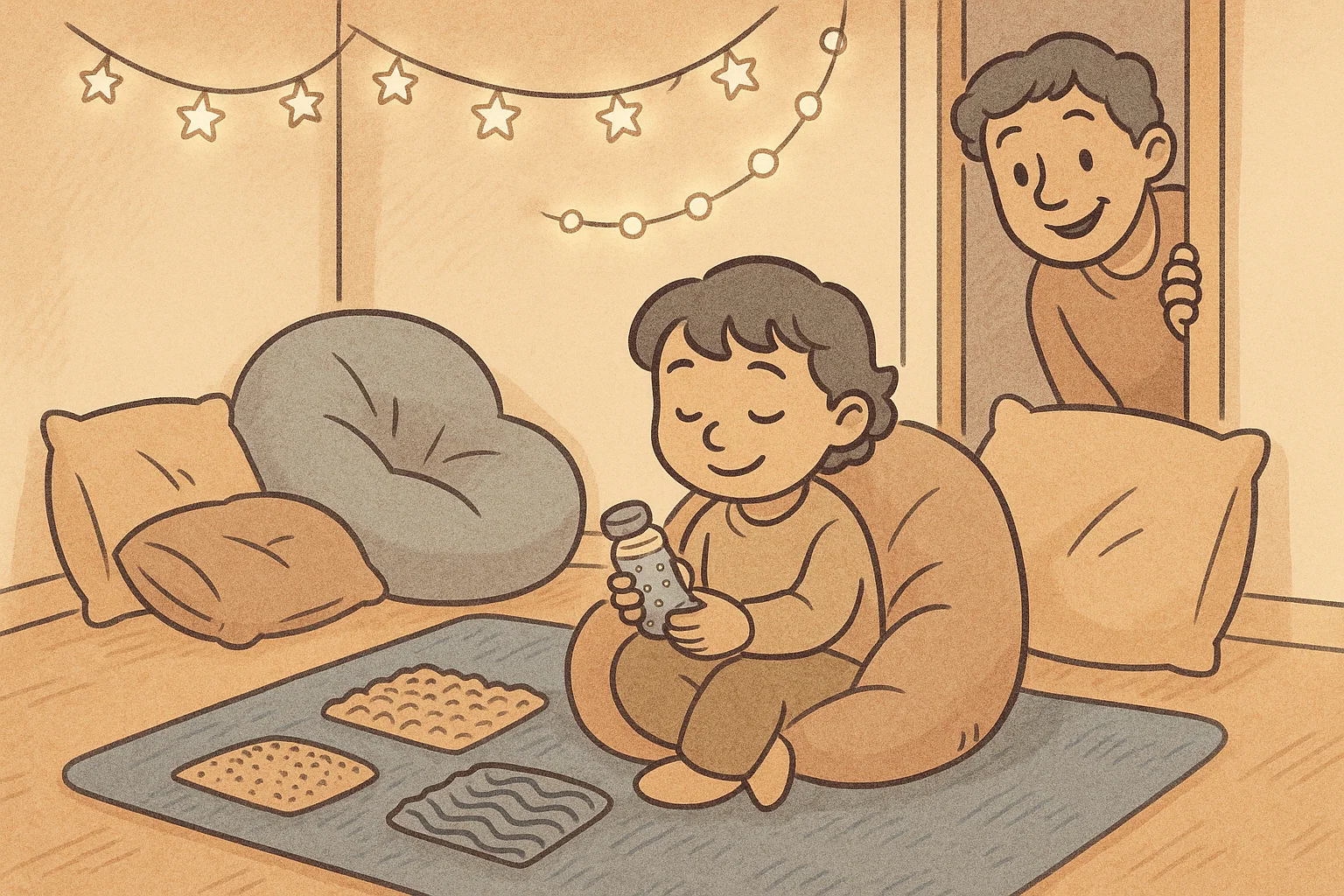
A dedicated, safe space acts as a retreat – a predictable, calm spot for children with anxiety to self-regulate without judgment.
Choosing Textures and Colors
The sensory space should prioritize comfort and predictability.
- Colors: Opt for cool, soft tones like muted blues, gentle greens, or pale purples. Avoid bright, jarring colors that can contribute to sensory overload.
- Textures: Use soft, natural materials like cotton, fleece, or faux fur for a mat, blankets, or pillows to provide diverse yet soft textures and comfort. Consider adding a relaxation stone or textured mat for grounding.
Setting the Right Mood with Light and Sound
The right environment supports the shift to calm.
- Light: Use natural lighting where possible. For artificial light, use warm, dimmable lamps or gentle light projections instead of harsh overhead fluorescent bulbs.
- Sound: Introduce soothing sounds like soft instrumental music, a sound machine with nature sounds (rain, ocean), or gentle chimes.
Safe Storage and Clean Setup
A tidy space is a calm space.
- Storage: Use clear, labeled bins for sensory materials so children can easily find and put away items. This reduces visual clutter and promotes independence.
- Hygiene: Keep wet wipes, a small towel, and a dustpan nearby for easy clean-up, making sensory play less stressful for parents.
Sensory Play for Different Age Groups
Sensory needs evolve as children grow. Tailoring activities to help ensure maximum effectiveness.
Toddlers and Preschoolers
Focus on safety and exploration.
- Activities: Edible finger paints, safe water play, basic play dough, and large item sensory bins (e.g., large pasta, soft fabrics).
- Goal: Hands-on exploration and understanding the sense of touch and basic cause-and-effect.
School-Age Children
Introduce more structure, fine motor challenge, and social play.
- Activities: Slime creation, building with LEGOs or blocks, intricate threading or beading, and creating a worry box or comic strip to externalize emotions.
- Goal: Improving children’s focus, refining motor skills, and using sensory play as a means of processing school-related stress and anxiety.
Teens and Adults
Grounding tools and mindfulness become central.
- Activities: Fidget toys (like sophisticated desk gadgets), aromatherapy, knitting or crocheting (rhythmic), cooking/baking (multiple senses), and yoga-based sensory movement for deep pressure.
- Goal: Encouraging self-chosen, discreet coping strategies to manage stress in both children and adults, and offering grounding for those with autism or sensory processing differences.
Tips for Parents and Caregivers
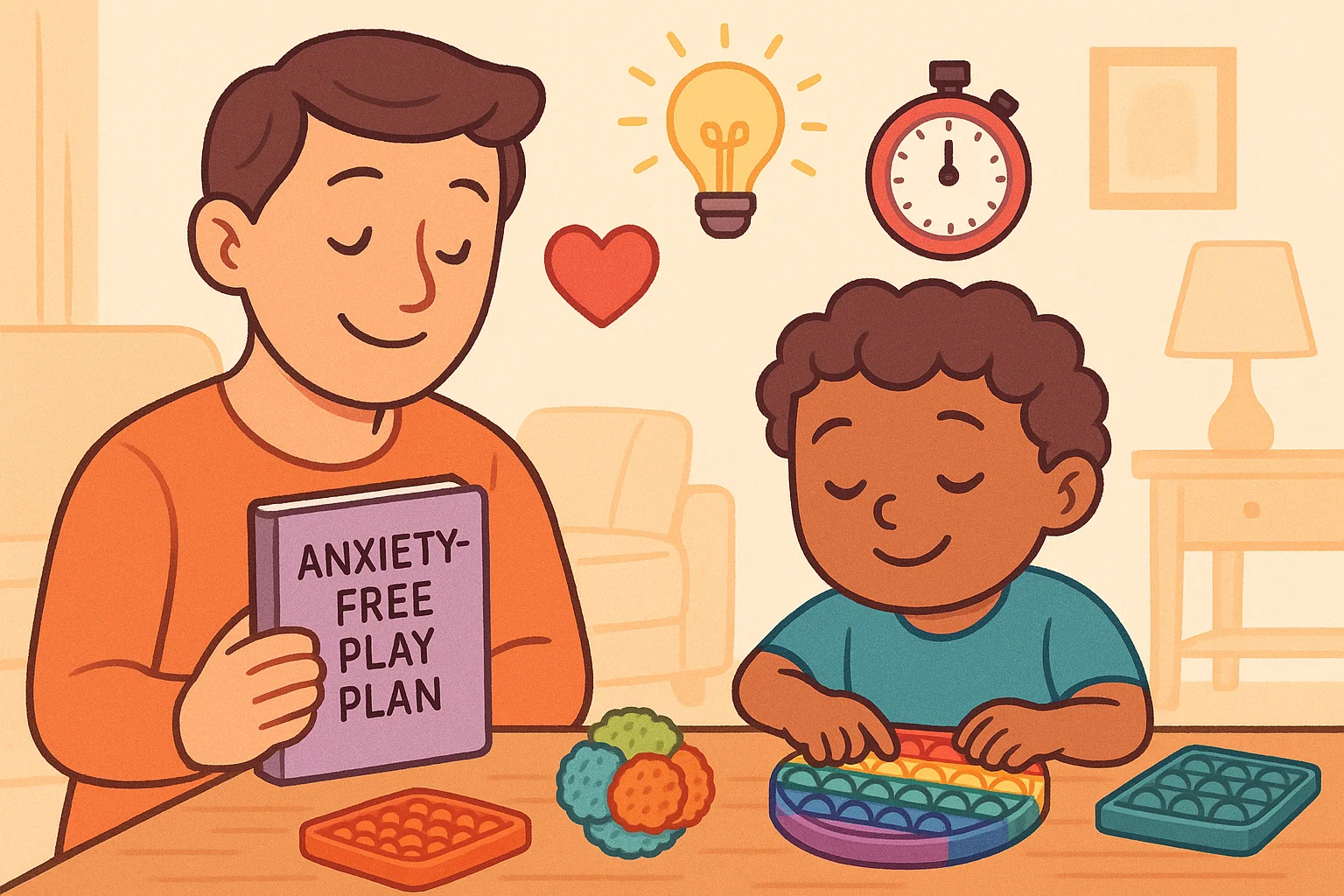
You are the co-regulator. Your approach is as important as the activity itself.
Observing Child’s Responses
Learn to read your child’s sensory cues to prevent overstimulation.
- Signs of Relaxation: Slowed breathing, relaxed posture, sustained engagement, a softer tone of voice, or a reduction in frantic movements.
- Signs of Overstimulation: Increased fidgeting, avoiding eye contact, frantic movements, sudden aggression, or covering ears/eyes. If you notice these, stop the activity and try a different, gentler form of sensory input, such as deep pressure.
Combining Sensory Play With Daily Routine
Consistency is the key to promoting emotional resilience.
- Routines: Use a calming activity as a predictable bridge between parts of the day. For example, 10 minutes of water play every day right after the school bus arrives, or a calming jar session before reading a bedtime story.
Encouraging Independence and Creativity
Foster a sense of control by allowing your child to lead the experience.
- Choice: Let your child choose the sensory material, the scent, or the tools they want to use. This empowers them in their self-regulation journey and helps them discover which activities provide the most effective sensory experience.