

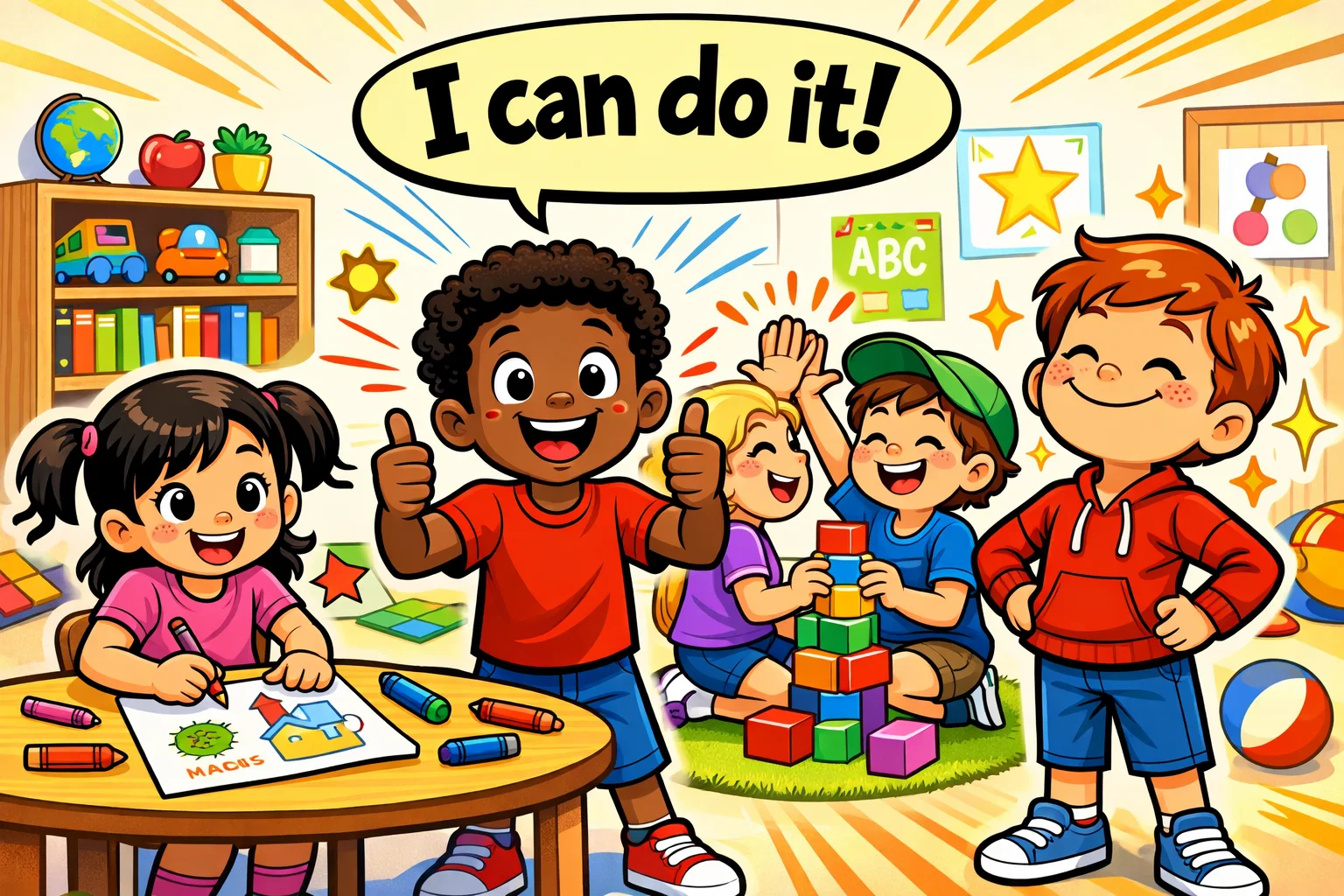
Building a child’s sense of worth is not a one-time event or a grand gesture; rather, it is a continuous process rooted in daily interactions, play, and intentional support. Self-esteem in children refers to the internal sense of being “good enough” – the belief that they are loved, capable, and have something valuable to offer the world. When children take part in structured self-esteem activities, they aren’t just completing a fun task; they are gaining the support they need to build a resilient interior life. These activities help children develop the internal voice necessary to navigate life’s inevitable ups and downs with confidence.
A child’s self-image is strongly shaped by their sense of competence and the quality of their social support. By participating in activities like collaborative play, journaling, and goal-setting, children learn to label their strengths and navigate their weaknesses without shame. This foundation helps children grow into adults who possess a healthy self-belief, allowing them to take risks and bounce back from setbacks with grace.
Self-Esteem in Children
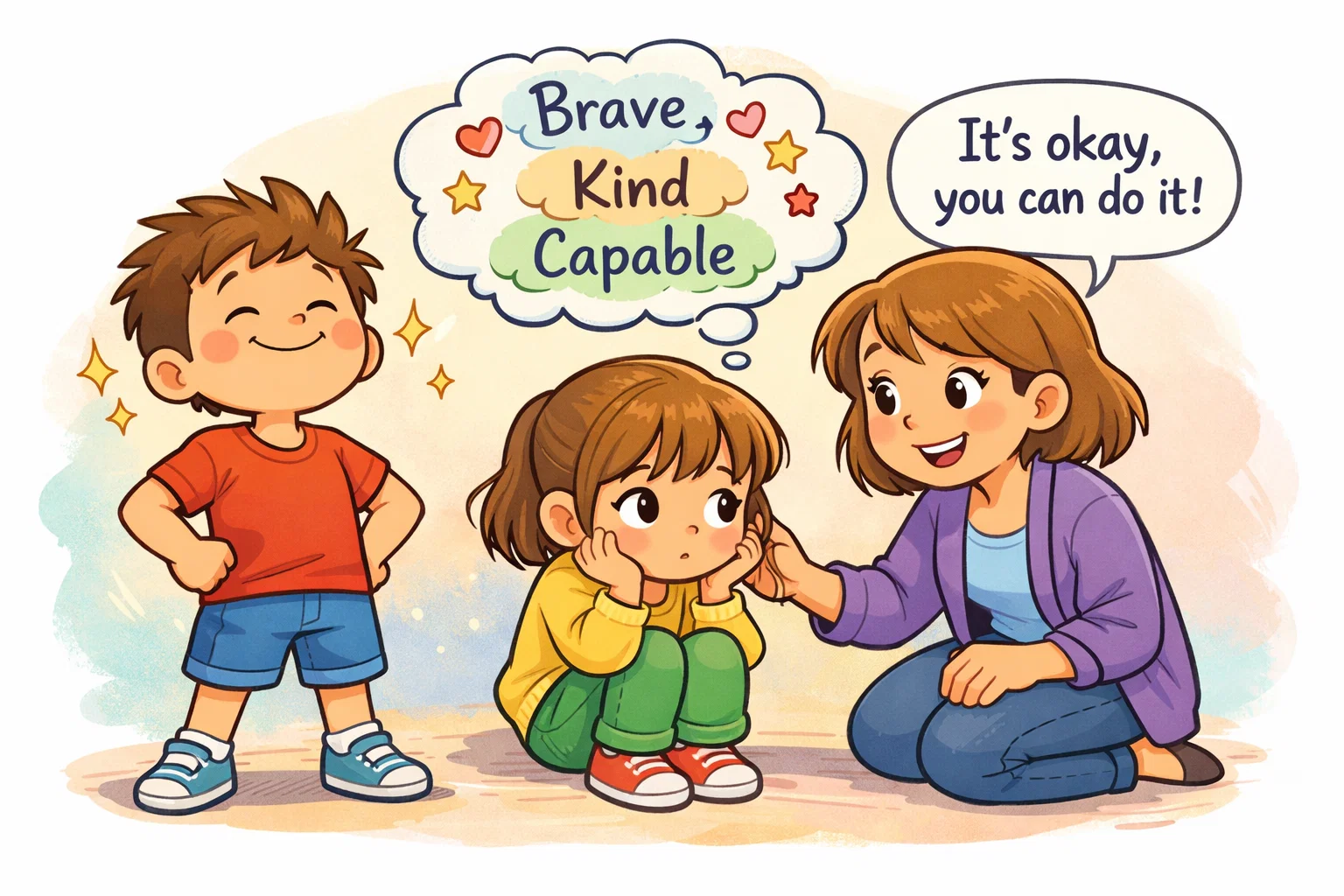
Self-esteem and confidence are shaped by how a child perceives themselves across emotional, social, and behavioral domains. It isn’t just about “feeling happy”; it’s about a child’s overall sense of their own self-worth.
Signs of Healthy Self-Esteem
Children with a positive self-image typically display a willingness to try new things, even if they might fail. They can express a range of emotions—both positive and negative—without feeling that their feelings make them “bad.” Key indicators include:
- Making eye contact and speaking with a steady voice.
- The ability to handle setbacks without becoming completely discouraged.
- Showing pride in their accomplishments without being boastful.
- Asking for help when a task exceeds their current sense of competence.
Common Self-Esteem Challenges
Low self-esteem often manifests as a fear of making mistakes or an obsession with “perfection.” You might notice a child engaging in negative self-talk, saying things like “I’m stupid” or “I can’t do anything right.” Other challenges include social withdrawal, extreme sensitivity to criticism, or a constant need for external validation. These patterns can indicate that a child is struggling to develop a stable, positive sense of self-worth.
How Environment Shapes Self-Esteem
The environment is the mirror in which children develop their self-view.
- Family: The primary source of affirmation and safety.
- School: A place where children compare their skills to peers.
- Daily Routines: Predictable structures that provide a sense of mastery and security.
- Media: The digital and social influences that shape their standards of “success.”
Importance of Building Self-Esteem in Kids
Why is it so vital to help your child build these traits early? A child’s wellbeing is inextricably linked to how they view themselves. Healthy self-esteem can help children cope more effectively with emotional challenges as they grow.
Emotional Development Benefits
Fostering self-esteem helps with emotional regulation. Children who feel secure in their worth are less likely to be overwhelmed by big emotions. They develop self-compassion, allowing them to be kind to themselves when things go wrong. This emotional maturity is a cornerstone of a resilient personality.
Academic and Learning Impact
Strong self-belief is closely linked to how children approach learning and challenges at school. A growth-oriented mindset—the belief that intelligence can be developed—is fueled by confidence. When children build a belief in their own capability, they are more likely to persist through a difficult math problem or a complex reading assignment because they view the challenge as a puzzle to be solved rather than a threat to their identity.
Social Skills and Peer Relationships
Social skills are much easier to navigate when a child isn’t constantly worried about being rejected. High self-esteem helps children set healthy boundaries and choose positive relationships. It fosters empathy; because they feel good about themselves, they have the emotional “margin” to be kind to others.
Positive Affirmations Activities
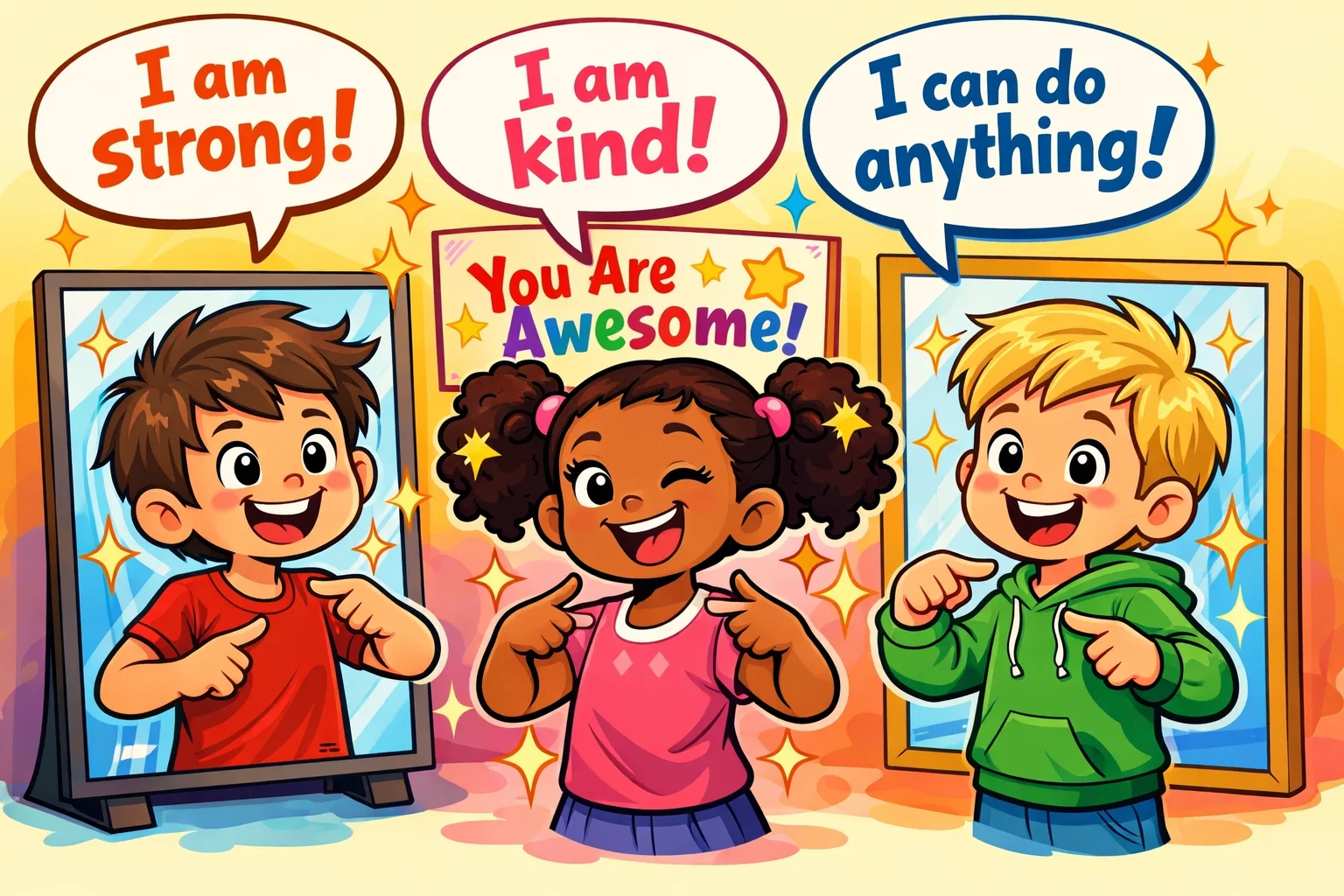
One of the most effective self-esteem activities is the use of positive affirmations. These are positive statements that, when repeated, help shift a child’s focus toward their strengths rather than perceived deficits.
I Am Statements
This activity helps children label their positive qualities. Ask your child to finish the sentence “I am…” with words like “kind,” “a fast runner,” or “a good helper.” Using a worksheet with these prompts can be a great way for younger children to visualize their identity.
Mirror Affirmations
Incorporate this into the morning routine. Have your child look in the mirror and say three positive messages to themselves. It might feel silly at first, but this practice helps children feel comfortable in their own skin and reinforces a positive self-image.
Body Positive Affirmations
For older children and preteens, focusing on what their bodies can do rather than how they look is essential. Affirmations like “My legs are strong enough to dance” or “My brain is capable of learning a new language” nurture a sense of self-worth that is independent of aesthetic standards.
Goal Setting and Achieving Activities
Helping a child’s self-esteem grow often involves proving to them that they are capable. Experiencing small successes can be a powerful way to build confidence.
| Activity Type | Description | Benefit |
| Goal Journals | Writing down one small thing to achieve each day. | Builds a record of past successes. |
| Visual Progress Charts | Using stickers or colors to track progress on a task. | Provides a tangible sense of pride. |
| Micro-Goals | Breaking a large task (like cleaning a room) into 5-minute chunks. | Prevents overwhelm and builds a sense of competence. |
Celebrating Effort and Results
The key is to encourage your child by praising the process. Instead of saying, “You’re so smart,” try “I saw how hard you worked on that drawing.” This reinforces the value of effort and helps children grow their resilience.
Embracing Mistakes and Challenges
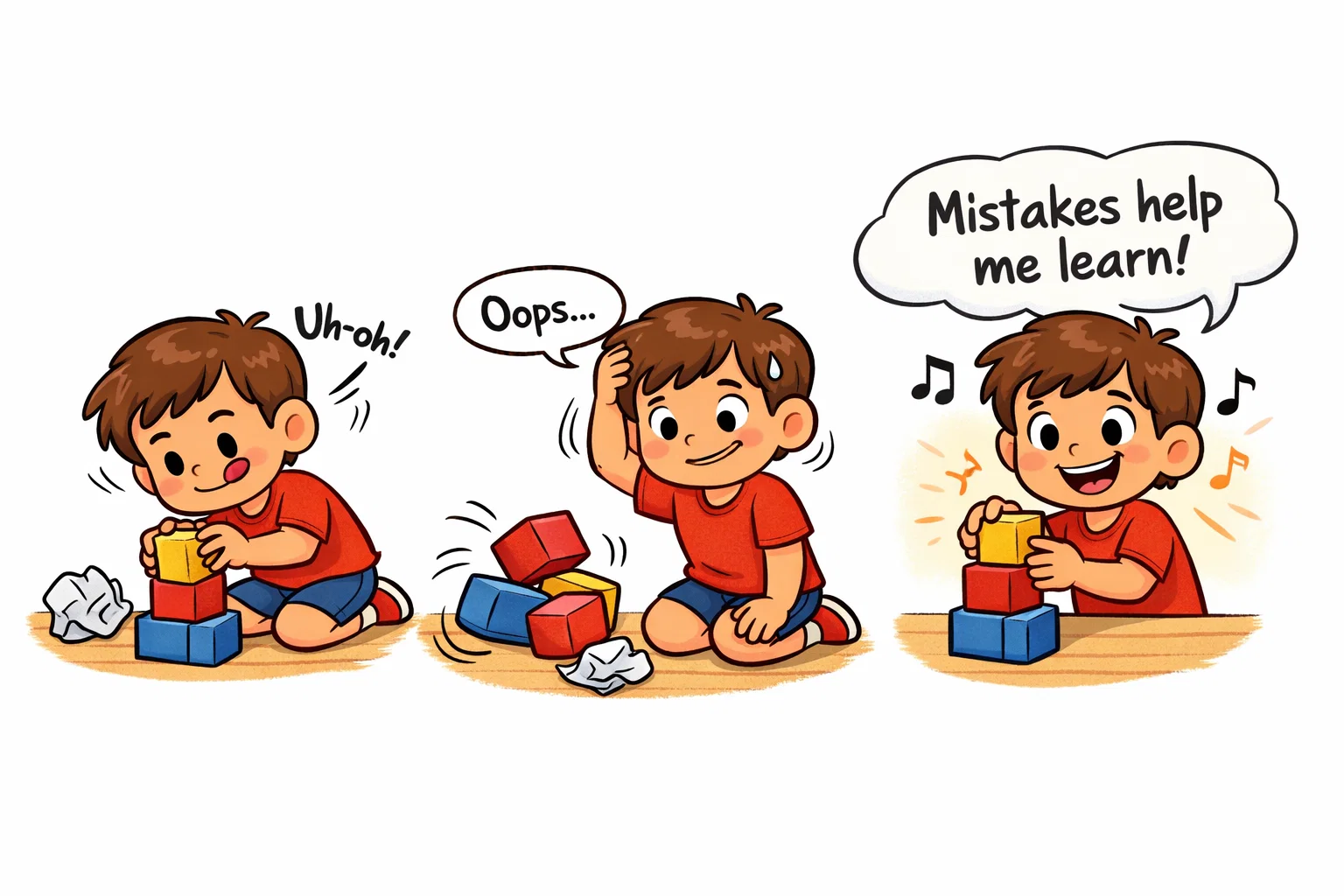
To help children develop a growth-oriented perspective, failure can be reframed as part of learning. Self-esteem and self-confidence are not about never failing; they are about knowing you are okay even when you do.
Learning From Failure Activities
Try the “Favorite Mistake” dinner conversation. Each family member shares a mistake they made that day and what they learned from it. This normalizes errors and reduces the low self-esteem associated with “getting it wrong.”
Growth Mindset Games
Use board games or puzzles that are slightly too hard for the child. This encourages problem-solving and flexibility. The goal isn’t just to win, but to stay in the game and keep trying different strategies.
Reframing Negative Self-Talk
Teach children to catch “The Bully Voice.” If they say “I’m bad at sports,” help them reframe it to “I’m still learning how to play soccer.” This simple shift in self-talk can be a helpful emotional tool that can significantly reduce anxiety.
Creative Self-Expression Activities
Creative expression allows a child to explore their identity in a non-judgmental space.
- Self-Portrait Artwork: Have children draw themselves, but include symbols of things they love or are good at.
- Strengths Collage: Use old magazines to cut out pictures of positive qualities they see in themselves.
- Superhero Strengths Activity: Ask the child to design a superhero based on their own real-life strengths. If they are a good listener, maybe their superhero has “Mega-Hearing” to help friends.
Gratitude Based Activities

Gratitude helps children focus on what is going well rather than what is missing. It shifts the focus from what is lacking to what is present, which naturally helps boost a child’s self-belief.
Gratitude Journal for Kids
A journaling practice where they write three things they are thankful for each day can help children build a habit of looking for the good. For younger children, this can be a drawing journal.
Gratitude Sharing Circles
At the end of a playdate or family meal, have everyone share one thing they appreciated about someone else in the circle. This reinforces a sense of belonging and self-worth.
Team Building and Social Activities
Social skills and confidence are often built in groups. Many self-confidence activities for children focus on cooperation and shared success.
Cooperative Board Games
Unlike competitive games, cooperative board games require players to work together to reach a common goal. This reduces the pressure of individual failure and highlights the importance of every team member’s contribution.
Compliment Circle Activities
In a classroom or family setting, have everyone sit in a circle and pass a ball. Whoever has the ball receives a compliment from the person who threw it. This helps children to build self-esteem by hearing their value reflected by their peers.
Acts of Kindness Activities
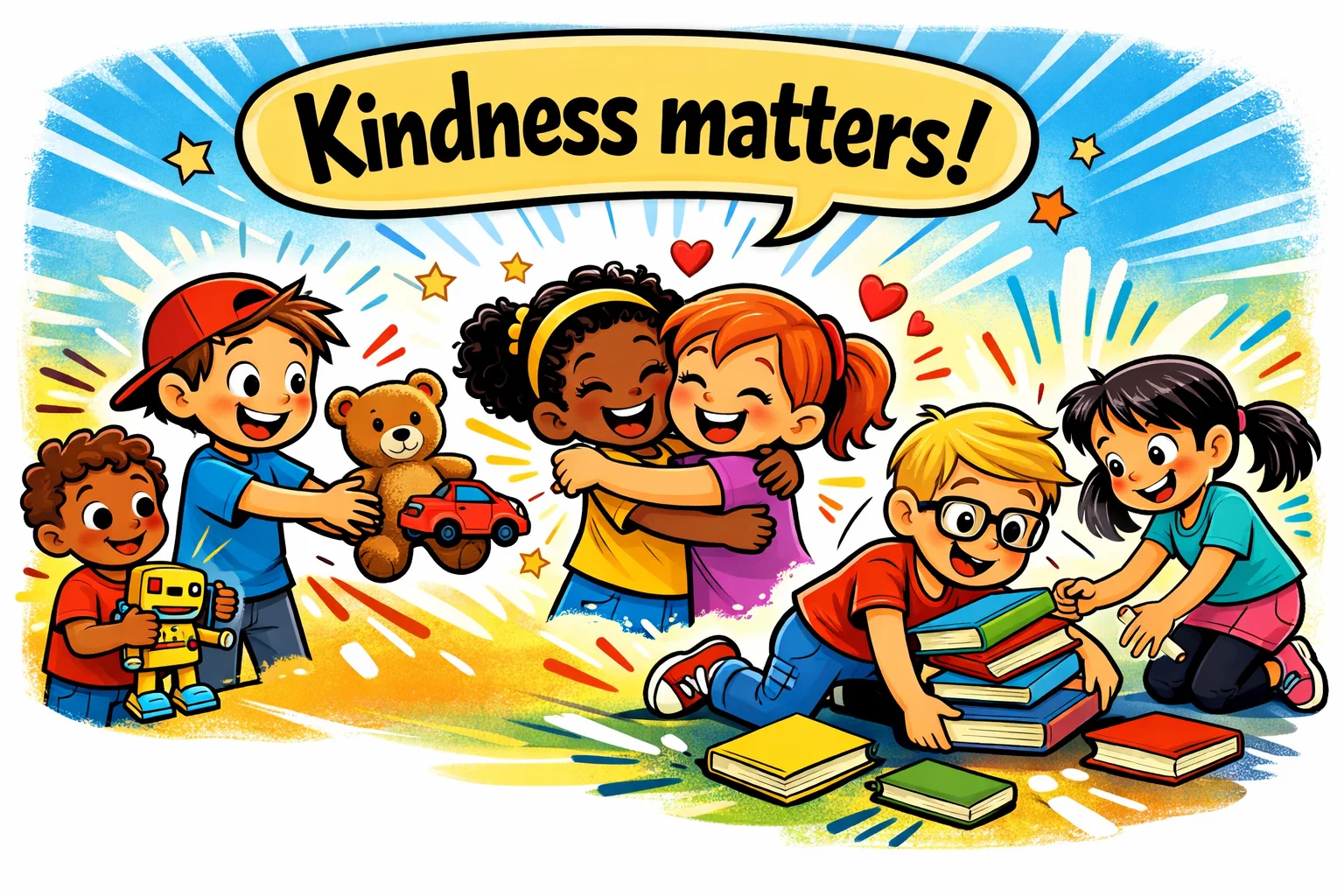
Nothing reinforces a sense of self-worth like realizing you have the power to make someone else’s life better. Acts of kindness provide a sense of agency and purpose.
- Random Acts of Kindness: Leaving a kind note for a neighbor or picking up litter.
- Helping at Home: Giving children “jobs” (not just chores) that contribute to the family’s success.
- Community Projects: Participating in a food drive or making cards for a local nursing home. These building activities show children they are part of a larger community.
Age Based Self-Esteem Activities
| Age Group | Focus Area | Recommended Activity |
| Preschool | Sensory & Play | “I Can” sticker charts for basic tasks. |
| Early Elementary | Mastery & Routine | Self-reflection through drawing and affirmation cards. |
| Older Kids/Preteens | Identity & Peers | Journaling, goal-setting, and volunteering. |
When Professional Support May Help
Sometimes, despite our best efforts, self-esteem issues persist. It is important to know when to seek a professional.
Signs Extra Support May Be Needed
If a child shows persistent withdrawal, intense self-talk that is derogatory, or an inability to enjoy activities they once loved, it may indicate a need for deeper support. Chronic low self-esteem can sometimes be linked to underlying anxiety or depression.
How Therapy Supports Self-Esteem
A therapist can provide structured exercises and guided reflection. They help children and teens identify the root of their negative self-image and teach them specific tools to overcome challenges.