

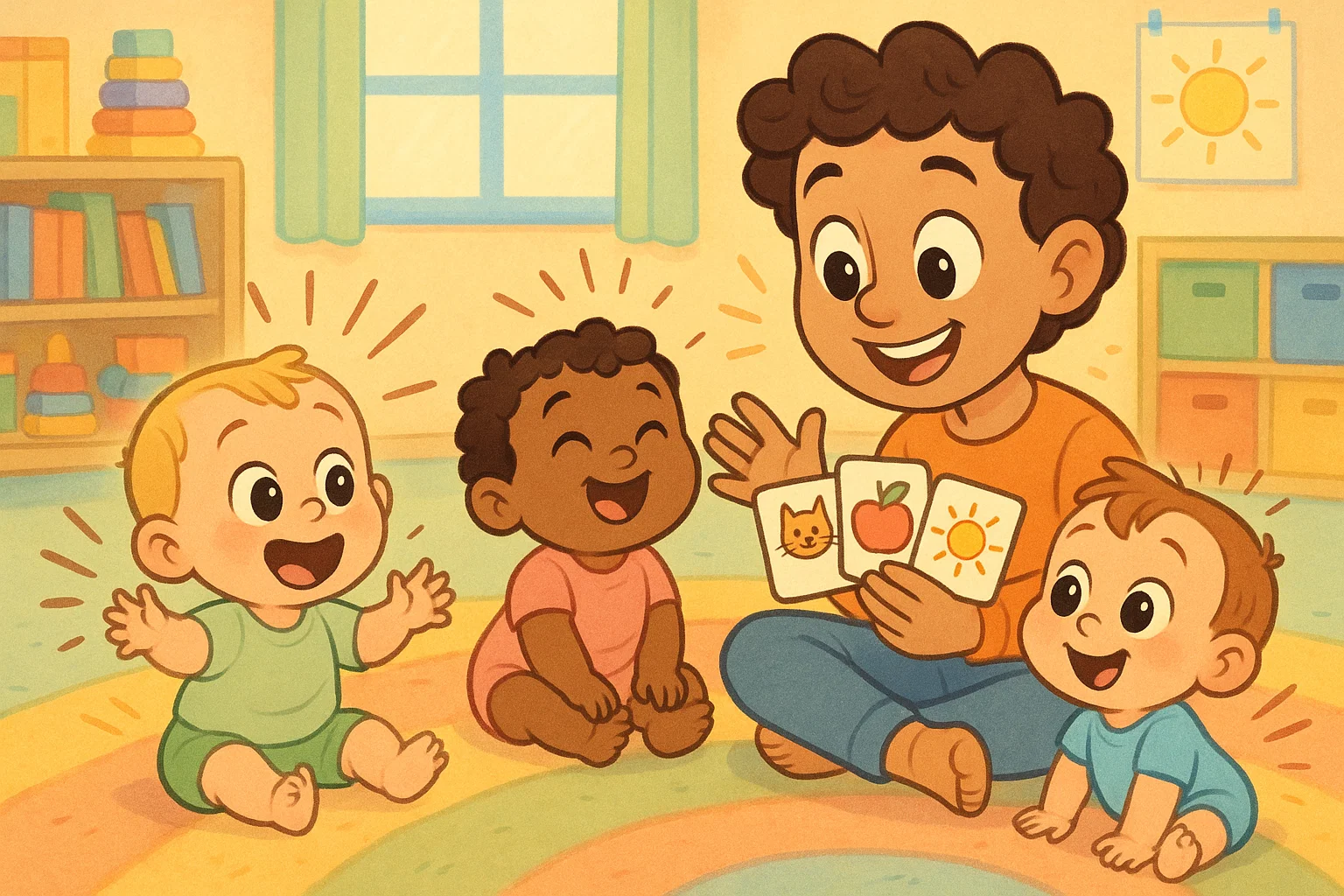
At age three, curiosity grows rapidly, vocabulary expands almost weekly, and playful problem-solving becomes a natural part of daily development. Riddles for 3 year olds with answers provide a structured yet joyful way to support this stage. Short, clear clues paired with ready solutions help toddlers think, guess, and succeed without frustration.
Well-designed guessing games at this age strengthen listening comprehension, expressive language, and early logical reasoning. Including answers allows adults to guide the experience smoothly, reinforce understanding, and maintain a positive learning atmosphere. The collection below offers developmentally appropriate prompts with clear solutions, turning ordinary moments into meaningful cognitive practice.
What is a Riddle for 3 Year-Olds?
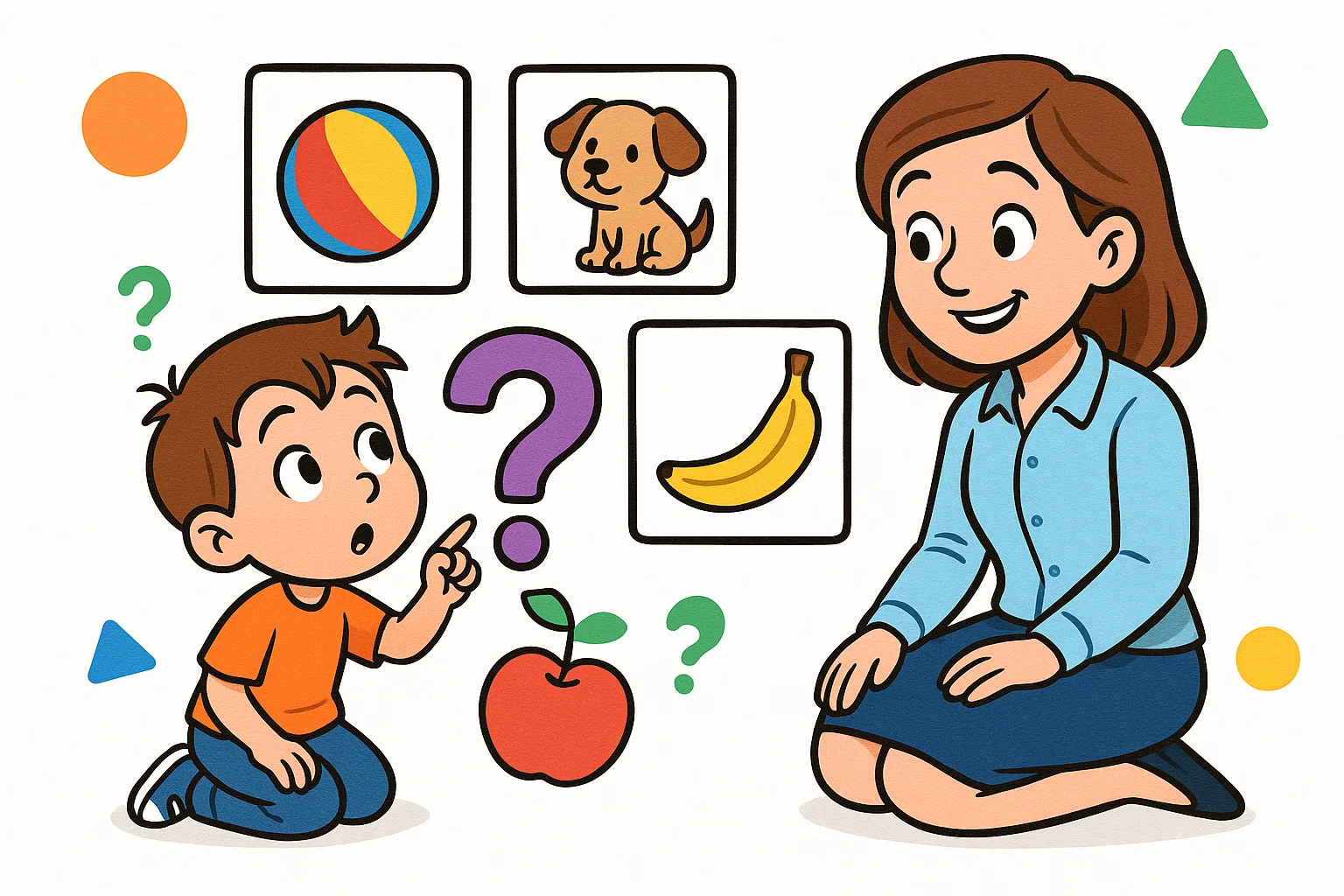
A riddle for a three-year-old is a short, clear question or statement that can be solved by recognizing a familiar object, animal, or everyday action. Unlike complex lateral-thinking puzzles or tricky challenges designed for older children and adults, preschool versions must remain concrete and immediately relatable. The correct response should always connect to something the child regularly sees, touches, or experiences.
What makes these simple guessing games developmentally appropriate is the combination of basic logic, familiar categories, and obvious sensory clues. At age three, children begin to understand patterns, grouping, and cause-and-effect relationships. A thoughtfully designed prompt invites the child to recall information based on a clear feature—for example, identifying something yellow that needs peeling. This playful mental exercise strengthens early reasoning while keeping the experience light and enjoyable.
What Are Picture Riddles?
Picture riddles are an excellent starting point for toddlers. They aren’t traditional word riddles but rather a simplified visual puzzle where the spoken clues are paired with visual prompts, such as a flashcard or a drawing. The idea is that visual aids help toddlers make the connection between the descriptive language and the object easier. For example, if you say, “I am soft and you hug me when you sleep,” while holding up a picture of a teddy bear and a ball, the visual field narrows the options and reinforces the meaning of the words “soft” and “hug.” This is a crucial scaffolding technique for early learners, bridging the gap between concrete objects and abstract language.
Word Riddles Meaning
Word riddles for this age are short, usually one-to two-sentence descriptions that rely entirely on language. They use simple adjectives, verbs, and nouns to describe a single, salient feature of the answer. They are often rhythmic or short to maintain the toddler’s attention.
- Example: I am a small pet that says “meow.” What am I? (Cat)
- Key principle: The descriptive words must be easily recognizable and evoke a clear image in the child’s mind. They help develop problem-solving skills and creativity by asking the child to access their internal memory.
What Are Activity Riddles?
Activity riddles incorporate movement and imitation, making them dynamic and highly engaging—perfect for the active nature of a three-year-old. These games for kids blend physical play with cognitive challenge.
- Example: I fly in the sky and have bright colors. Move your arms like my wings. What am I? (Bird)
These riddles often include a simple action or suggestion, like “hop like a bunny” or “crawl like a baby.” They are fantastic for gross motor skill development alongside language comprehension. Experts note that adding simple movement can help kids remember new information better.
Easy Riddles for 3 Year Olds with One-Word Answers
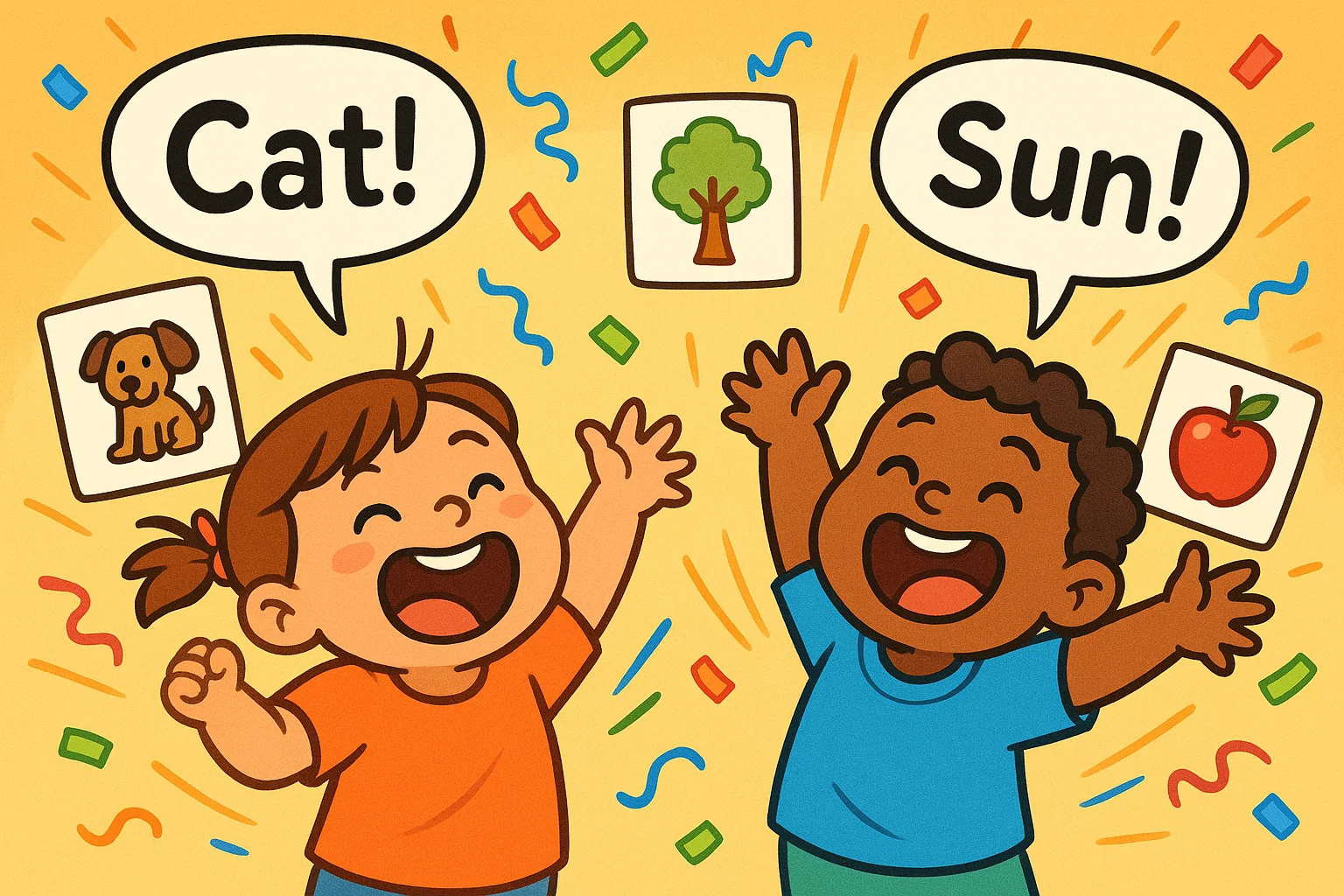
The simplest and most effective riddles for this age group have single-word answers. These are the best for building confidence and ensuring successful riddle-solving. Remember to use a bright, encouraging tone and accept near-misses as excellent attempts!
About Animals
These riddles feature common pets and farm animals.
- I bark and wag my tail. I am a very good friend. What am I? (Dog)
- I say “moo” and give you milk. I live on a farm. What am I? (Cow)
- I can fly up high, and I sing a sweet song. What am I? (Bird)
- I like to swim, and I say “quack, quack.” What am I? (Duck)
- I have stripes and whiskers, and I like to nap. What am I? (Cat)
- I have long ears and hop, hop, hop. What am I? (Bunny or Rabbit)
- I am pink, and I say “oink!” What am I? (Pig)
About Food
Focus on familiar, everyday foods that are easy to visualize and taste.
- I am round and red, and you can pick me off a tree. What am I? (Apple)
- I am long and yellow, and monkeys love to eat me. What am I? (Banana)
- I come in a bowl, and you eat me with a spoon. It’s white and cold. What am I? (Yogurt or Ice Cream)
- I am white, and you drink me from a glass. What am I? (Milk)
- I am tiny and green, and you find me in a pod. What am I? (Pea)
- I am a small, purple fruit that grows in a bunch. What am I? (Grape)
About Toys
These are easily visualized fun riddles for kids because the answers are often right in the room.
- I am soft and cuddly, and you sleep with me. What am I? (Teddy)
- I am round and bouncy, and you can kick or throw me. What am I? (Ball)
- I have eyes and hair, and you can dress me up in clothes. What am I? (Doll)
- I have many colorful pieces that snap together to build things. What am I? (Blocks or LEGOs)
- I have four wheels, and you can push me across the floor. What am I? (Car or Truck)
Riddles for 3 Year Olds with Longer Answers
As your child gains confidence in solving riddles, you can transition to answers that are slightly longer, but still very common phrases or objects. These require a bit more logical thinking and articulation. Support them by repeating the answer slowly and clearly.
Everyday Objects
These help reinforce the function of daily items.
- I help you clean your teeth and keep them white and bright. What am I? (Toothbrush)
- You sit on me at the dinner table, and I have four legs. What am I? (A Chair)
- You put me on your feet when you go outside. You tie my laces. What are we? (Your Shoes)
- I have numbers and hands, and I tell you what time it is. What am I? (A Clock)
- You use me to open the front door and go inside your house. What am I? (A Key)
Outdoor
These connect the riddle to their outdoor play experiences.
- I am big and yellow and warm, and I make shadows on the ground. What am I? (The Sun)
- You walk on me outside. I am soft and green, and you can play on me. What am I? (The Grass)
- I am tall and strong, and I have leaves and sometimes fruit. What am I? (A Tree)
- I am a long, slippery thing that you climb up and slide down fast. What am I? (The Slide)
Seasonal Riddles for 3 Year Olds
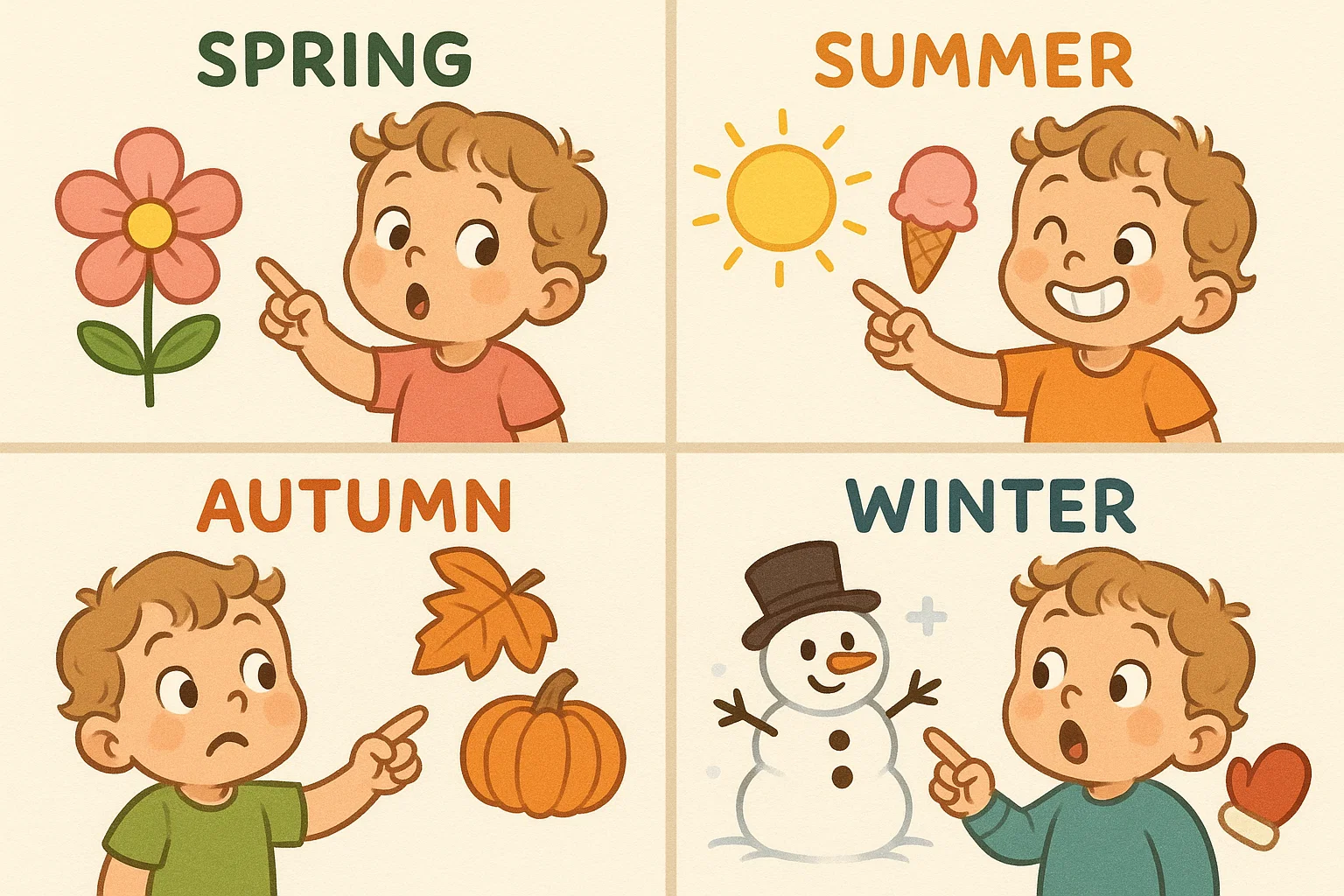
Using seasonal riddles is a fun way for parents to teach concepts related to time, weather, and holidays. Grouping these brain teasers for kids by season is a clever pedagogical strategy, as it relates the puzzles to recent, memorable experiences.
Summer
- I am cold and sweet and melt quickly. You lick me in the heat. What am I? (Ice Cream)
- I am wet and fun. You jump in me when it’s hot to cool off. What am I? (A Pool or Water)
- I keep the sun off your head, and you wear me outside. What am I? (A Hat)
Winter
- I am white and cold and fall from the sky. You can make a snowman with me. What am I? (Snow)
- You put me on your hands to keep your fingers warm in the cold. What are we? (Mittens)
- I have a long neck and you wrap me around yours to stay cozy. What am I? (A Scarf)
Holiday
- I am big and round, and we carve a face in me for Halloween. What am I? (A Pumpkin)
- I am green and pointy, and we hang lights and ornaments on me at Christmas. What am I? (Christmas Tree)
- I look like a heart, and we give cards on this day. What am I? (Valentine)
Benefits of Riddles for 3 Year Olds
Playing with easy riddles is a meaningful developmental activity. Beyond simple entertainment, this playful format supports cognitive growth, language expansion, and early reasoning skills. Many parents observe that short guessing games keep children actively engaged, attentive, and naturally curious about the world around them.
Language Skills Development
Riddles are miniature exercises in comprehension and expression. When a child hears a riddle, they are forced to process and understand new vocabulary (e.g., “peel,” “roar,” “float”). This exposure is critical for language skills development.
| Language Benefit | How They Help |
| Vocabulary Growth | Introduce descriptive words (adjectives like “squishy,” “round,” “hairy”). |
| Listening Skills | Require focused attention to the clues. |
| Pronunciation Practice | Answering the riddle gives them practice articulating the answer word. |
| Sentence Structure | Hearing simple, logical sentences in the riddle format improves comprehension. |
In the early years, a rich vocabulary is strongly correlated with later reading success. A simple riddle like, “I keep your feet warm, and you wear me in your shoe,” is a lesson in not only the word “sock” but also the concepts of “warmth” and “footwear.”
Logical Thinking Boost
riddles help kids start using simple logical thinking. This is arguably one of the most powerful benefits. A child must:
- Analyze the clues given (Clue 1: “I am yellow,” Clue 2: “I am a fruit,” Clue 3: “Monkeys love me”).
- Filter through their memory (Mentally discarding things that are not yellow or are not fruit).
- Synthesize the information to reach a conclusion (Banana).
This process is the bedrock of problem-solving skills. While an adult solves a challenging puzzle using complex deduction, a three-year-old is beginning the same journey with a simple riddle. They learn that answers are often found by looking at the details and combining them systematically. Many child development specialists note that “The structure of a good riddle provides a clear pathway for a child to move from observation to conclusion. It’s an early scientific inquiry in the form of play.”
Family Bonding and Fun
Engaging with riddles for kids and adults creates shared moments of focused interaction, laughter, and triumph. It’s a wonderful way to foster family bonding and fun. These simple games for kids can be naturally woven into daily routines:
- During meal prep: “I am round and red, and you put me on pizza.” (Tomato)
- While getting dressed: “I have a hole for your head and two for your arms.” (Shirt)
- In the car: Riddles to keep the little one from asking, “Are we there yet?”
- At bedtime: A few gentle, rhyming riddles to calm the mind before sleep.
These little games show the child that learning is fun and that their efforts (even wrong guesses!) are met with encouragement and praise.
Tips to Make Riddles Fun for Toddlers
Success in using riddles for kids at this age hinges entirely on making it a positive, enjoyable experience. The goal is to develop problem-solving skills and creativity, not to test knowledge.
Choose Familiar Themes
Stick to items, animals, and actions that are firmly in the three-year-old’s world. Avoid complex, abstract concepts (like feelings, gravity, or time outside of a clock). Easy riddles that reference objects they can see, touch, or hear right now are the most effective. No need for hard riddles or complex logic. For instance, using a riddle about a “zebra” (even with stripes) when your child has never seen one might lead to frustration. A “dog” or “cat” is a much better choice.
Celebrate Every Guess
For a three-year-old, the act of attempting to solve the problem is more important than the correct answer. Positive reinforcement is paramount. If they guess “ball” for a riddle whose answer is “apple,” celebrate their effort! You can say:
- “That’s a super guess! A ball is round. But this one is also something yummy you eat!”
- “Wow, you were thinking about the shape! Let’s try another clue…”
This approach ensures they don’t develop a fear of failure and encourages them to keep kids engaged with the challenge.
Use Gestures and Props
As mentioned in the section on picture riddles, combining auditory clues with visual or physical aids is powerful.
- Gestures: When asking an animal riddle, make the animal sound or motion (e.g., “I fly high… flap your arms… What am I?”).
- Props: Use a physical object to narrow the field of choices. If the riddle is about a banana, maybe hold up a banana and an orange, and say, “Is it the one that’s yellow, or the one that’s round?” This makes the abstract language concrete.
This multi-sensory approach is critical for kids of all ages, particularly toddlers who are still building connections between words and concepts.
Common Mistakes Parents Make with Riddles
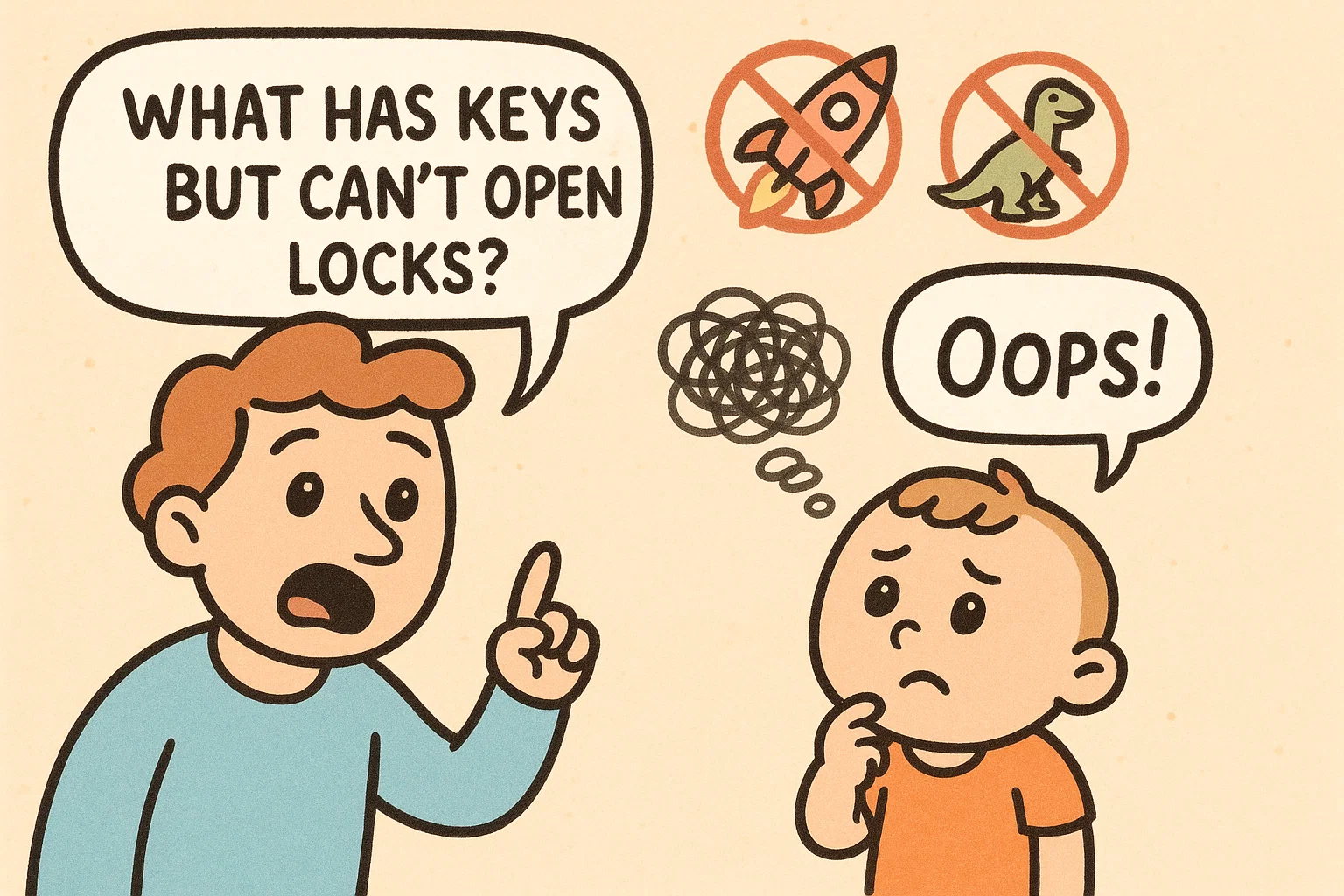
Even with the best intentions, parents sometimes make small errors that can derail the fun and educational value of playing riddles for kids. Being mindful of these pitfalls can help maintain a playful atmosphere.
Riddles Too Difficult
This is the most common mistake. Parents, excited by their child’s early progress, often jump too quickly to tricky riddles or concepts that require a level of abstract thought a three-year-old doesn’t possess.
- Frustration Signs: If your toddler starts to frown, turn away, or say “I don’t know” repeatedly without trying, the riddle is likely too hard.
- Correction: Immediately simplify the riddle or give a direct clue. Reassure them: “That one was too tricky! Let’s try this super easy riddle instead.” The goal is a 70-80% success rate to build confidence.
Too Little Encouragement
A lack of enthusiasm or a focus on correctness can stifle a child’s natural curiosity. If you react with disappointment to a wrong answer, the child learns to avoid the task. Stress support and playfulness over performance. Remember, this is one of the most effective games for kids for learning, and learning should always be fun!
Skipping the Fun Element
If you present the riddles like a pop quiz or homework, the child will lose interest. The primary purpose of fun riddles for kids is joy and shared experience. Use silly voices, make sound effects, and physically celebrate their effort and correct guesses. A dramatic “You got it! You are a super brain!” is far more effective than a simple “Yes.”
How Often to Play Riddles at Age 3
Consistency and appropriate duration are key to maximizing the benefits of brain teasers. You don’t need a formal “riddle session” that lasts an hour; short, spontaneous bursts throughout the day are often more beneficial.
Short Sessions Daily
Aim for short, focused sessions—perhaps 3-5 minutes at a time, several times a day. Integrating them into existing routines is seamless and effective:
- Transition Times: A riddle while waiting for the elevator or for breakfast to be ready.
- Before Bed: A few quiet, simple rhyming riddles to signal downtime.
- While Waiting: A perfect way to keep kids busy and turn a dull waiting period (at the doctor, in line) into a learning opportunity.
Follow Child Interest
Always follow your child’s lead. If they ask for “one more riddle,” great! If they are distracted and start throwing the ball, put the brain teasers aside and try again later. Forcing a child to complete an activity when they are no longer engaged is counterproductive to establishing a positive relationship with learning. A simple approach of “a little and often” works best for toddlers.