

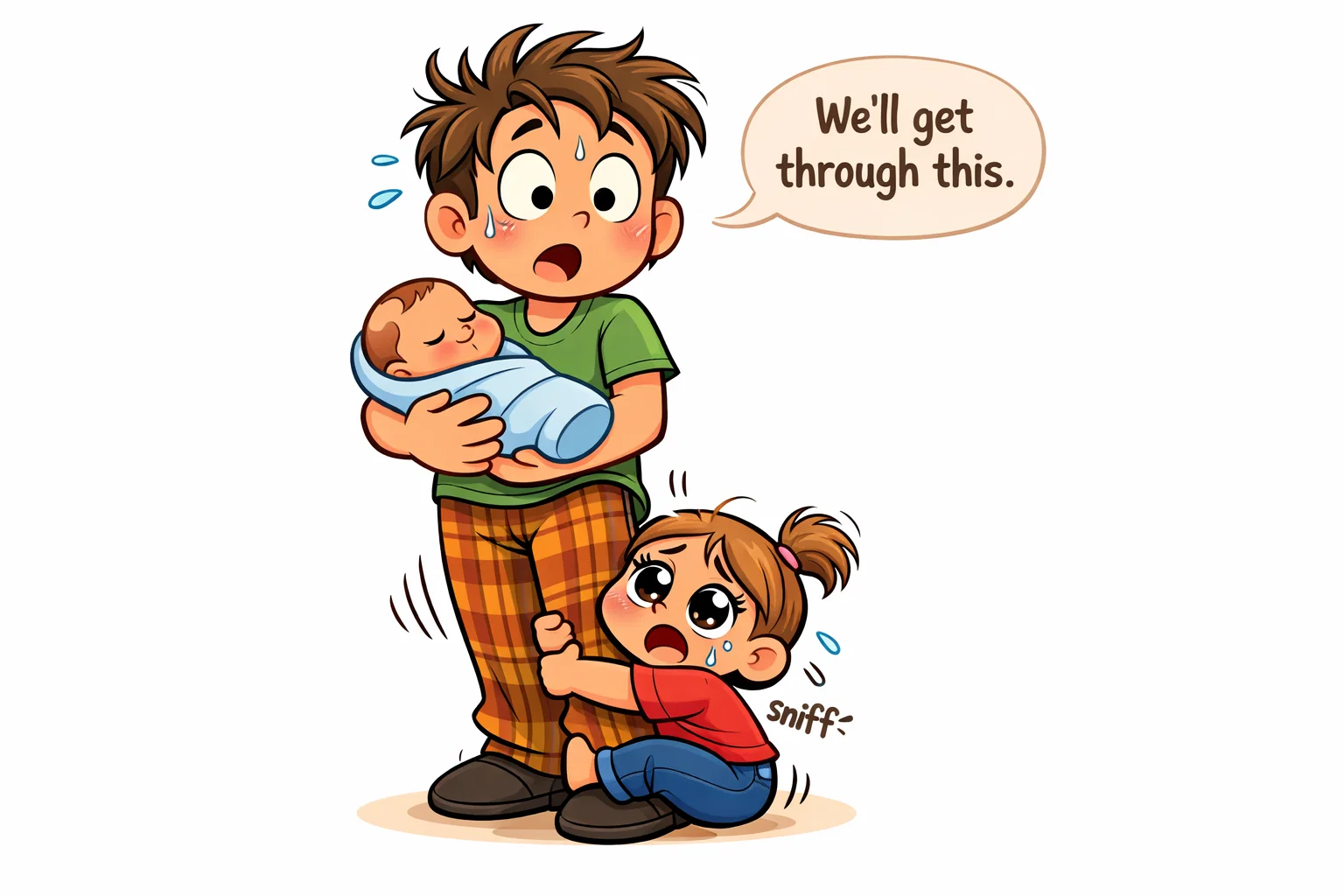
The arrival of a newborn is a monumental milestone for any family, but for your firstborn, it can feel like a tremendous shock to their entire world. For months or years, your toddler has been the center of your universe, enjoying exclusive access to your time, energy, and physical affection. When a new baby arrives, that exclusivity vanishes overnight. Suddenly, the primary caregiver is occupied with feedings, diaper changes, and a tiny human who seems to demand constant attention.
It is completely normal for your little one to react to this shift by becoming increasingly clingy. This behavior isn’t “bad” or “naughty”; rather, it is a developmental response to a perceived threat to their secure base. This article explores why your child may regress, how to help your toddler navigate these big emotions, and practical ways to help them feel safe and secure as your new family finds its rhythm.
What toddler clinginess looks like after new baby arrival
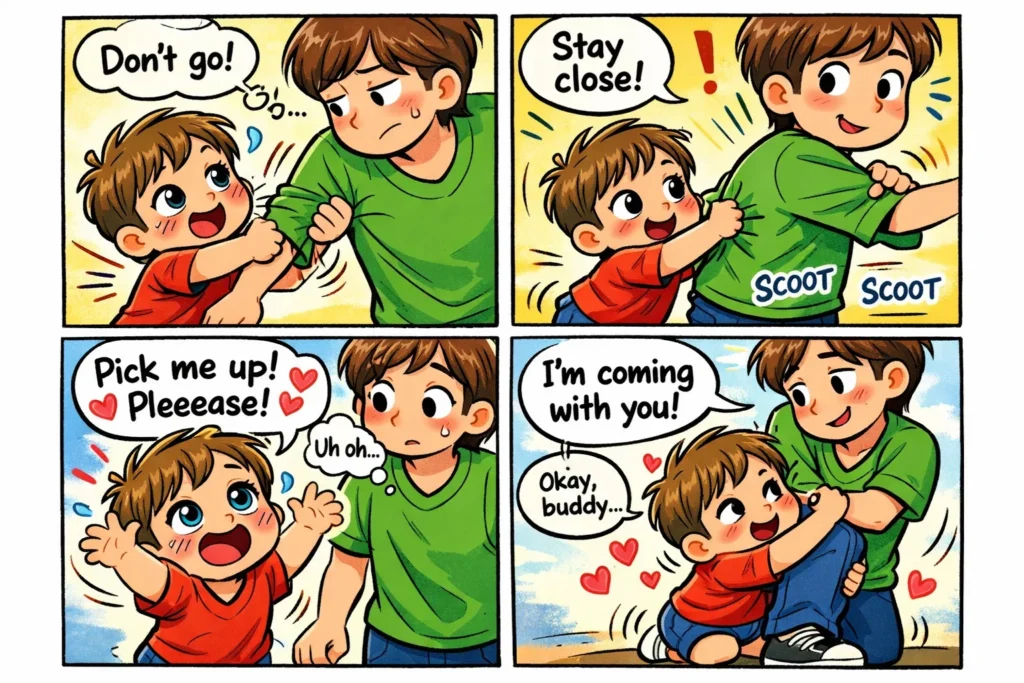
When a new baby in the family becomes the focus of attention, your older child may use various behaviors to signal their distress. Recognizing these signs early can help you respond with the patience, love, and care they need.
Increased need for physical contact
You might find your once-independent explorer has suddenly turned into a “Velcro child”. This often looks like:
- Constant requests to be picked up or held.
- Sitting directly on you or leaning against you while you try to care for the baby.
- A refusal to be put down, even for short periods.
- Shadowing you from room to room.
Changes in independence and confidence
Toddler regression is one of the most common responses to a new sibling. A child who was previously proud of their “big kid” status may suddenly lose interest in their milestones. You might notice a hesitation to play alone or a newfound reluctance to self-soothe. This is their way of asking, “Do you still love me even if I’m not the baby?”
Emotional reactions and attention-seeking behavior
When a baby cries, a toddler may respond with even louder crying, tantrums, or interruptions. These exaggerated reactions are often a subconscious strategy to regain parental focus. If the newborn gets attention for crying, the toddler may learn that they must do the same to feel noticed.
Why clinginess increases when baby joins family
Understanding the “why” behind the behavior is the first step in responding with patience. From a neurobiological perspective, this transition activates the child’s stress response, increasing cortisol levels.
Impact of new sibling arrival
The arrival of a new baby represents a “displacement” in the toddler’s eyes. They see the new baby arrive and receive the same high-pitched “coos” and constant holding they once monopolized. This can lead to sibling jealousy and a profound fear of being replaced.
Disrupted routines and predictability
Toddlers thrive on a routine. When a newborn enters the home, sleep schedules shift, mealtimes become erratic, and parental availability becomes unpredictable. This lack of structure can make a toddler feel overwhelmed, leading them to cling to the one thing they know: you.
Developmental stages and emotional growth
At this age, the toddler brain is still developing the capacity for emotional regulation. They have limited impulse control and cannot yet process the idea that love is unlimited even when time feels limited.
| Developmental Driver | Psychological Need | Behavioral Result |
| Attachment Security | Fear of displacement | Increased clinginess |
| Cognitive Load | Stress of change | Regress in skills (e.g., potty training) |
| Emotional Regulation | High cortisol levels | Tantrums and meltdowns |
Separation anxiety and clingy behavior connection
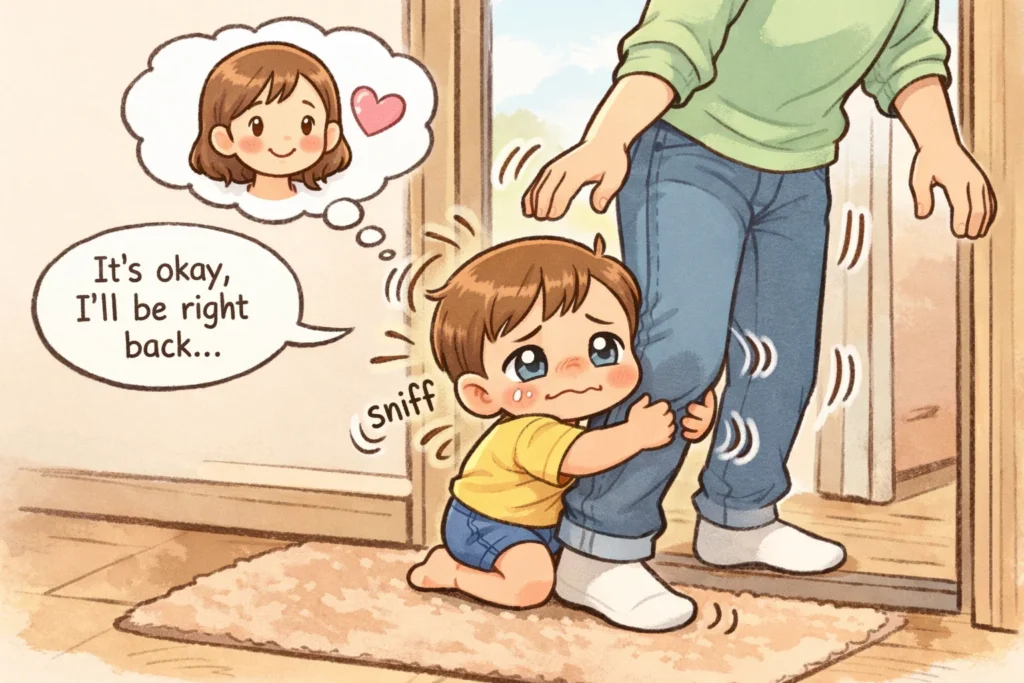
The increased clinginess you see is often a manifestation of separation anxiety. While many children outgrow this, the transition to a new sibling can reignite these fears.
Fear of losing caregiver attention
A toddler’s separation anxiety tends to spike when they realize the caregiver is physically present but emotionally “occupied” by the infant. This creates a state of emotional insecurity.
Difficulty coping with short separations
You may notice distress during:
- Daycare drop-offs that used to be easy.
- Bedtime resistance because they fear you are with the baby while they sleep.
- Crying when you simply go to the bathroom or kitchen.
Difference between normal phase and concern signs
While it’s common for toddlers to be clingy for 2–6 weeks after a baby arrives, separation anxiety disorder is a different matter. Normal separation anxiety is a temporary phase. If the distress is extreme, persists for months, or involves behaviors that raise safety concerns, it may be time to seek extra support.
Supporting toddler emotions during adjustment period
To help your child move through this phase, focus on validation rather than correction.
Naming feelings and offering reassurance
When your older child is upset, gently talk to your child about their feelings. Use scripts like:
- “It’s hard to be a big brother sometimes. It feels like the baby takes all my time.”
- “I see you are sad because I am holding the baby. I love you so much.”
Maintaining one-on-one connection time
Clinical experts recommend the “Special Time” protocol. Dedicate 10–15 minutes a day of undivided attention to your toddler. During this time, the baby should be with another caregiver, and your toddler should lead the play. This “fills their cup” and helps them feel more secure.
Positive responses instead of punishment
Harshly telling a child to “stop being a baby” usually backfires, increasing their insecurity. Instead, offer hugs and kisses when they use “big kid” skills, but remain calm and boring when they regress.
Practical strategies for managing clingy behavior at home
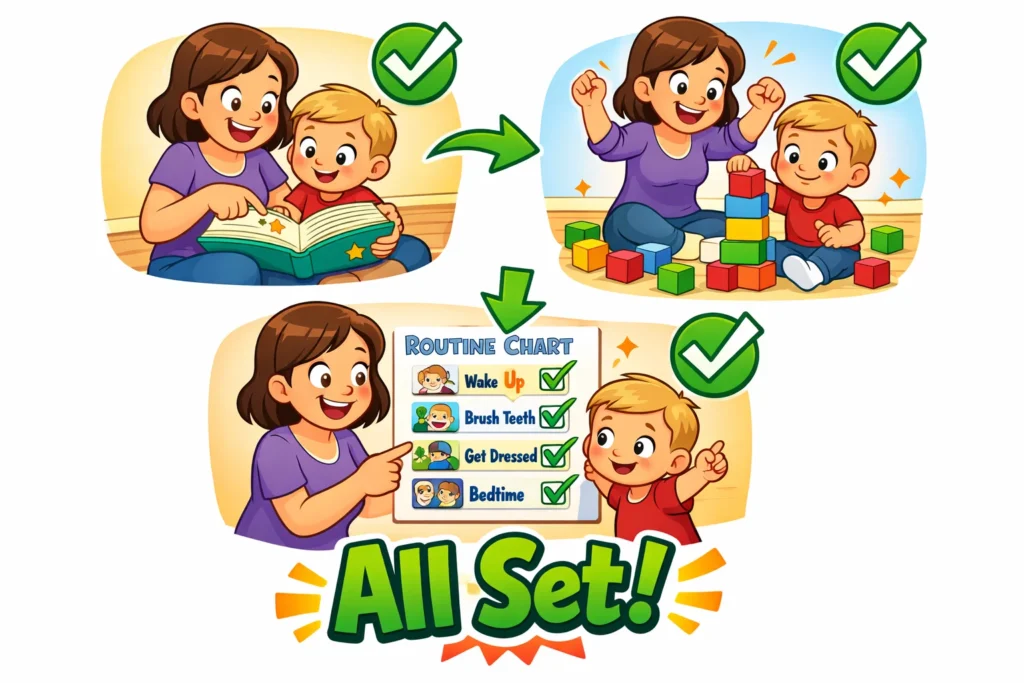
Creating predictable daily routines
Even if the baby’s schedule is chaotic, keep your toddler’s routine as stable as possible. Predictable wake-up times and bedtime rituals help children feel that their world is still in order.
Encouraging independence gently
Don’t force an independent toddler to stay away. Instead, offer “proximity transitions.” If you can’t hold them, say, “I can’t pick you up right now, but you can sit right next to my leg while I change the diaper.”
Using comfort objects and safe spaces
Encourage the use of “lovey” blankets or stuffed animals. Create a “Yes Space” – a fully childproofed area where your toddler can play safely without hearing “no” constantly.
Helping toddler adjust to new sibling relationship
Involving toddler in baby care safely
Support your toddler by giving them “jobs.”
- “Can you bring me a diaper for the baby?”
- “Can you pick out which onesie the baby should wear?”
Being a big brother or sister feels better when it comes with a sense of agency.
Reinforcing big sibling role positively
Praise their temperament and helpfulness. “You are such a gentle helper!” This builds their place in the family as an essential member, not just a replaced one.
Avoiding comparisons and competition
Avoid saying things like, “Why can’t you be quiet like the baby?” This fosters sibling jealousy. Instead, ask your child how they are feeling and express their feelings through drawing or play.
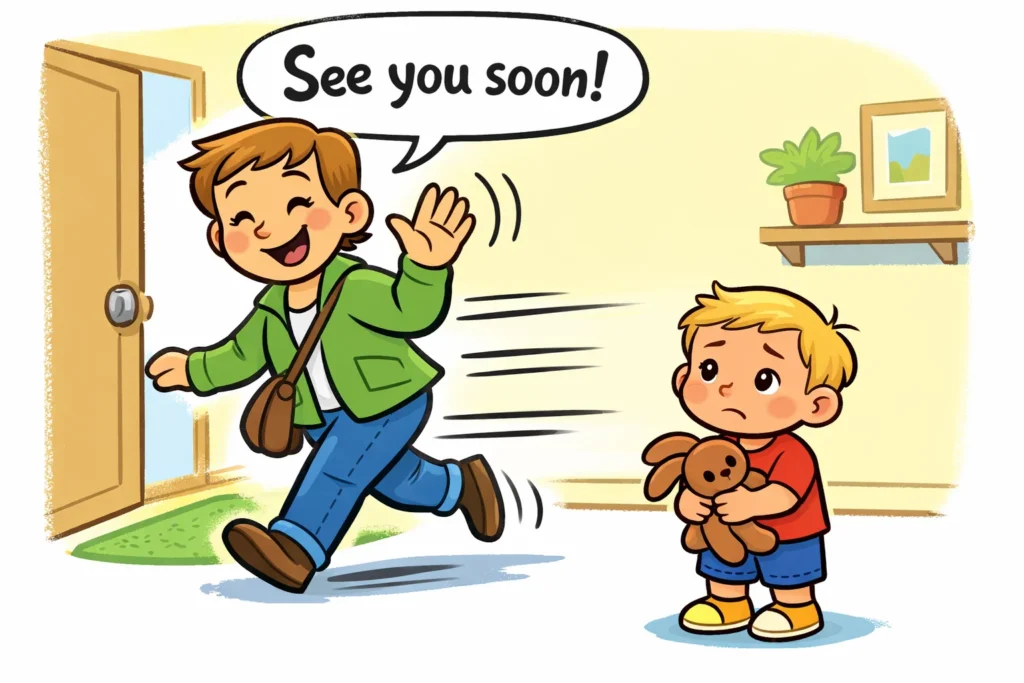
Avoiding clingy goodbyes and daily separation stress
Preparing toddler before separation
Give them a “heads up.” Use visual cues or timers to show when you will be leaving and, more importantly, when you will return.
Short, confident goodbyes
Lingering during a separation usually increases distress. Keep goodbyes short, sweet, and confident. A quick reassurance – “I love you, and I’ll be back after lunch” – is better than a ten-minute apology.
Practicing separation in small steps
If you have a clingy toddler, practice very short separations. Go into another room for one minute, then return and praise them for waiting. This builds the “muscle” of feeling safe even when you aren’t in sight.
When professional support may be helpful
Most toddlers outgrow this phase as they adjust to a new sibling. However, keep an eye out for “red flags”:
- Persistent regression: If potty training or speech doesn’t return to normal after a few months.
- Extreme distress: Signs of prolonged sadness, social isolation, or refusal to eat.
- Severe aggression: Targeted attempts to harm the newborn that do not respond to boundaries.
If you are concerned, talk to your pediatrician or child specialist. They can provide resources to help your specific family dynamic.
Parent self-care during toddler adjustment phase
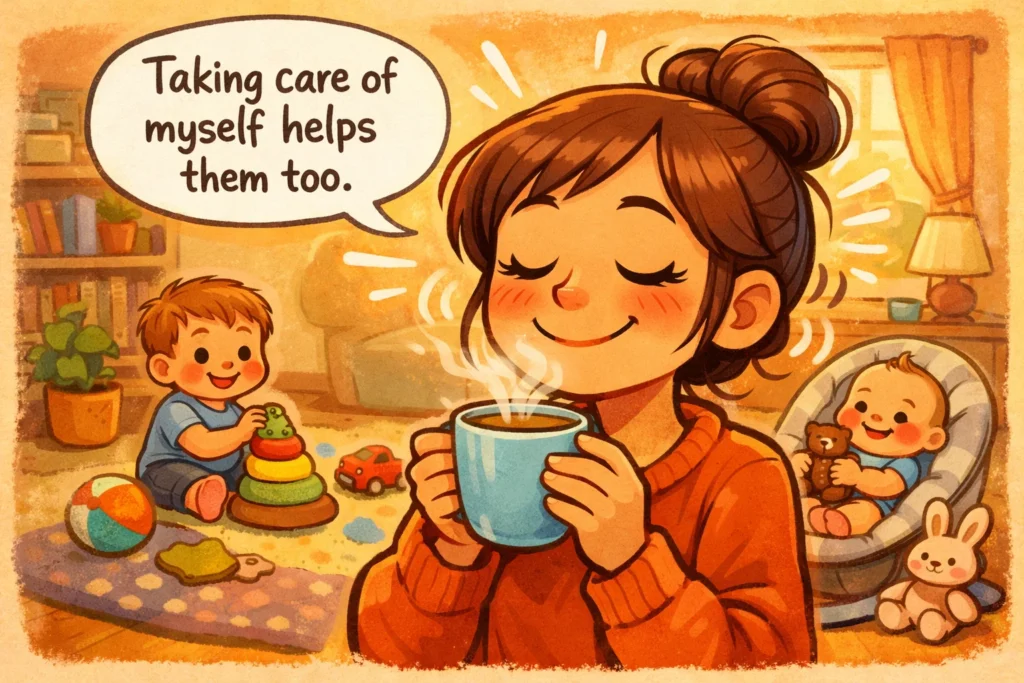
You cannot pour from an empty cup. Managing parental stress is vital because toddlers co-regulate with you. If you are anxious, they are more likely to feel secure when you are calm.
- Share the load: Let your partner or a relative take the baby so you can have time alone with your toddler.
- Let go of perfection: Your house might be messy, and your toddler might watch more TV than usual. That is okay. This is a temporary phase.
- Self-compassion: Remind yourself that you are doing a great job navigating a massive life change.
Frequently asked questions
For most families, the acute “velcro” phase lasts between 2 and 8 weeks. However, minor flare-ups may occur during other transitions, like starting school or teething.
Not necessarily. While sibling jealousy is a factor, clinginess is often more about attachment and a fear of losing their “lifeline” (you) than it is about disliking the baby.
Actually, the opposite is true. Child development experts widely agree that responding to a child’s need for reassurance helps them feel secure, which eventually gives them the confidence to be more independent.