

Choosing the right educational path for your child is one of the most important decisions a parent can make. It’s about more than just academics; it’s about nurturing potential and providing the knowledge and skills needed to thrive in an ever-changing world. The Oxford curriculum represents a commitment to academic excellence, innovative curriculum design, and a truly holistic approach that prepares students not just for exams, but for life. This comprehensive program is grounded in centuries of educational expertise and has been carefully designed to meet the needs of the 21st-century learner.
This curriculum is far more than a simple list of subjects. It is a carefully articulated educational journey designed to inspire intellectual curiosity, foster critical thinking, and cultivate the essential skills for future success. From the foundation provided in primary school to the rigorous challenges of the senior school years, the Oxford approach is inclusive, adaptable, and focused on developing every child into a confident, capable, and ethically minded individual ready to take on the wider world.
What Makes the Oxford Curriculum Unique
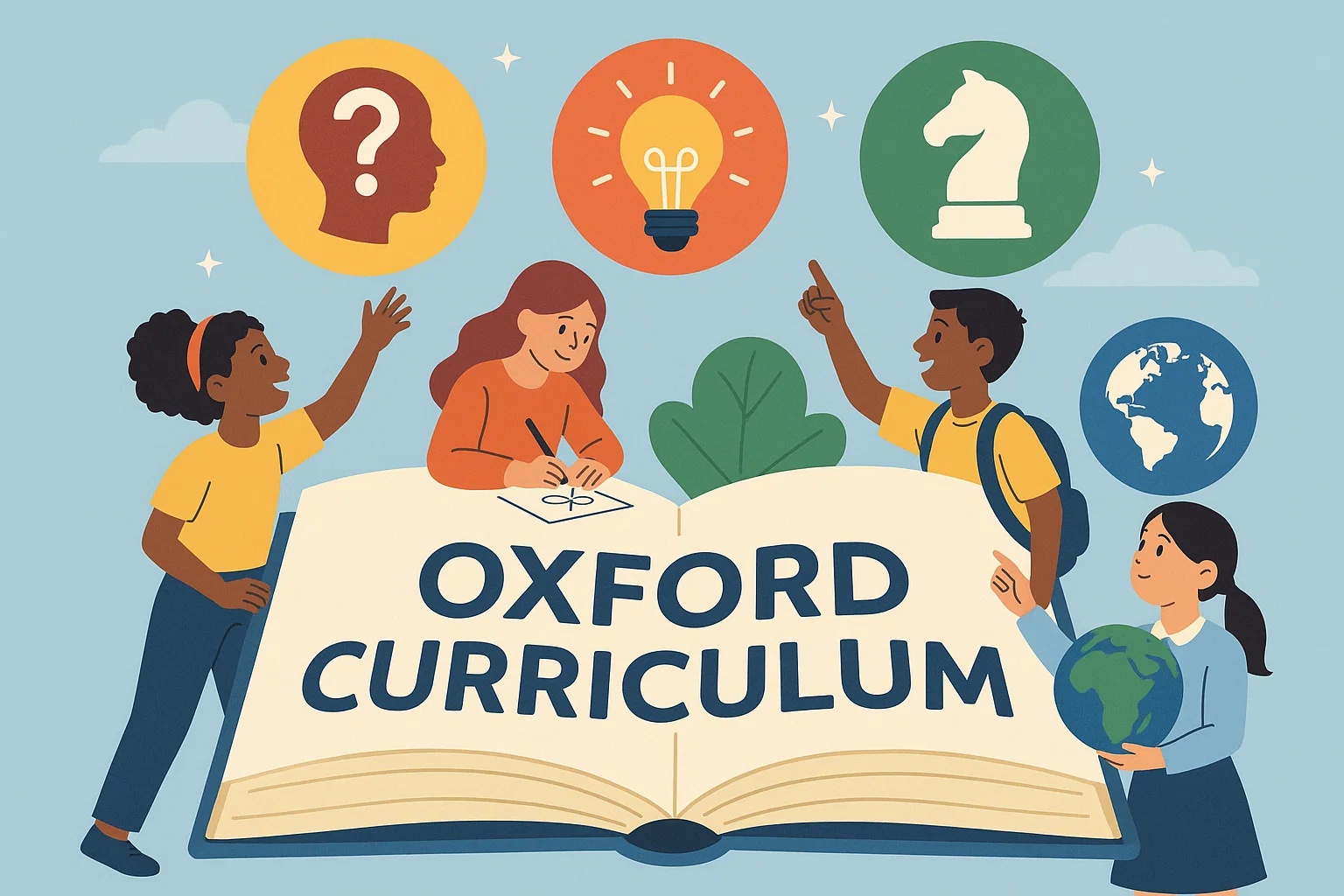
The distinctive nature of the Oxford curriculum stems from its blend of academic rigor, derived from a rich intellectual heritage, and a forward-thinking, user-centric approach. Unlike educational systems that focus on rote memorization and standardized exam formats, the Oxford approach is intentionally structured to stimulate deep inquiry and creative thinking. It’s an inclusive framework that ensures students develop not just proficiency in core subjects, but also the resilience, adaptability, and leadership qualities necessary for global impact.
Holistic Approach to Education
A cornerstone of this curriculum is its holistic approach to education. The goal is to develop the whole person, not just the intellect, integrating both academic and personal growth. This means seamlessly integrating academic excellence with robust character development and pastoral care.
- Academic Mentoring: Students receive personalized guidance, often including a one-to-one approach, which is a hallmark of the tradition associated with the University of Oxford.
- Wellbeing Curriculum: A dedicated wellbeing curriculum ensures that students engage with topics like emotional intelligence, digital citizenship, and mental health, viewing them as crucial to academic and social success.
- Leadership Development: Opportunities for leadership are built into the school curriculum from an early age, helping pupils understand responsibility and teamwork.
Preparing Global Citizens
In an increasingly interconnected world, the Oxford curriculum aims to prepare students to be effective and empathetic global citizens. This is achieved by embedding international perspectives across all learning resources and subjects. The curriculum fosters a deep appreciation for diverse cultures and contexts, enabling students to gain a broad, informed perspective.
“Education is not the filling of a pail, but the lighting of a fire,” a sentiment often echoed in the pedagogical philosophy of this programme.
The curriculum is designed to encourage students to make connections between what they learn in the classroom and real-world issues, preparing them for the challenges of international collaboration.
Focus on Critical Thinking and Problem Solving
One of the most vital skills needed for future success is the ability to think critically. The curriculum is designed to inspire independent thought. Specialist teachers utilize an enquiry and project-based methodology that moves beyond simple recall to focus on:
- Analysis and Synthesis: Students are regularly challenged to analyze complex information and synthesize creative solutions.
- Targeted Support: A tutoring programme and targeted support ensure that students needing extra help in developing these skills receive it promptly and effectively.
- Coding and Digital Literacy: Integrating subjects like coding ensures students develop the skills to think logically and solve problems in the digital domain.
Core Subjects in the Oxford Curriculum
The academic rigor of the Oxford curriculum is grounded in its powerful sequencing of core subjects, which are taught with depth and a strong focus on practical application. The structure ensures a seamless transition between key stage levels.
| Core Subject | Primary Focus & Goal | Real-World Application Example |
| English Language | Mastery of communication, literacy, and literary analysis. | Writing persuasive essays; delivering effective presentations. |
| Mathematics | Conceptual understanding, logical reasoning, and problem-solving. | Financial planning; data analysis in scientific research. |
| Science | Scientific method, experimentation, and understanding the physical world. | Designing sustainable solutions; understanding public health crises. |
| Humanities | Cultural understanding, ethical reasoning, and historical perspective. | Debating policy decisions; understanding social trends. |
English
A strong command of the English language is non-negotiable. The curriculum emphasizes comprehensive literacy skills from early phonics in the curriculum for early years to advanced literary analysis in later years. The school offers a rich array of texts and diverse writing tasks that equip students with the eloquence and precision required for effective communication. The Oxford Owl resources are often utilized as authoritative and accessible learning resources for younger pupils.
Mathematics
The mathematics component of the curriculum supports students in building a robust foundation in numerical, algebraic, and spatial reasoning. It goes beyond mere calculation; it ensures students develop the logical structures of mind that underpin success in maths and science. English and Maths are regarded as equally important pillars of foundational learning. The curriculum is designed to show students the beauty and practical application of mathematical concepts in their daily lives and future careers.
Science
Science subjects, including physics, chemistry, and biology, are taught in a way that promotes discovery and scientific inquiry. The focus is on the process of science: forming hypotheses, designing experiments, and critically evaluating data. This approach promotes the very critical thinking skills that the Oxford curriculum values so highly.
Humanities and Social Sciences
The role of the humanities subjects—history, geography, and sometimes economics/politics—is to foster cultural awareness and ethical reasoning. They challenge students to analyze cause and effect, understand societal structures, and develop an informed, empathetic view of the world. This is a crucial element in creating well-rounded global citizens.
How Oxford’s Curriculum Prepares Students for the Future

The true measure of a world-class curriculum is how effectively it prepares students for life after school. The Oxford international curriculum is meticulously structured to ensure a seamless progression towards higher education for students and professional success.
Leadership and Personal Growth
The curriculum offers a wealth of opportunities to enrich the learning experience through a range of extracurricular activities. These are not afterthoughts but are integral to the curriculum design.
- Teamwork and Collaboration: Activities like debating, sports, and drama foster collaboration and teach students how to work effectively as part of a team.
- Personal Initiative: Programs like the EPQ (Extended Project Qualification) at the senior school level allow students to take ownership of a significant research project, honing their self-management and academic independence.
- Pastoral Care: Strong pastoral care ensures a supportive learning environment where every child feels valued and secure, enabling them to take risks and grow personally.
International Benchmarking
The curriculum is designed to be academically challenging, often surpassing the requirements of national curricula in various countries. Its principles are closely aligned with best practices set by the University of Oxford Press and international educational centres. This alignment means the qualifications gained are internationally recognized, providing a clear pathway to leading universities globally.
Seamless Transition to Higher Education
From preparation for GCSE and A-Level equivalent examinations to focused academic mentoring, the curriculum provides the scaffolding needed for future success. The focus on deep understanding and critical thinking over superficial learning ensures students are ready for the intellectual demands of a university environment. This intentional structure enables students to confidently pursue advanced studies.
Oxford Online Learning: A Flexible and Accessible Curriculum
In the modern educational landscape, flexibility is key. The Oxford approach has been successfully adapted for online delivery, maintaining the high standards of the physical classroom while offering unparalleled accessibility. This flexible format tailors the educational experience to meet the diverse needs of a global student body.
Structured Online Learning with Live Lessons
Online delivery of the programme utilizes a blend of independent study and interactive, live instruction. The online timetable is carefully structured to maximize engagement.
- Interactive Sessions: Live lessons, led by highly qualified specialist teachers, ensure dynamic interaction and real-time feedback, replicating the best aspects of in-person teaching and learning.
- Professional Development: Teachers receive continuous professional development to ensure they use the latest digital tools to create an engaging, effective online learning experience.
Global Access and Community Support
The online curriculum expands the reach of the Oxford educational philosophy, connecting students from various time zones and cultural backgrounds. This global reach naturally enhances the ‘global citizen’ aspect of the curriculum.
- Virtual Community: A strong virtual community is fostered through collaborative projects, online clubs, and dedicated academic and social platforms.
- Diverse Perspectives: This diverse environment naturally promotes the critical thinking skills required to understand and synthesize different viewpoints on complex issues.
Homework Support and Extracurricular Activities
Even in an online format, the curriculum offers comprehensive support outside of class time. This includes dedicated homework centres and a virtual range of extracurricular activities. This continued curricular and enrichment approach ensures students are supported in their academic and social growth.
Why Choose Oxford Curriculum for Your Child

Selecting the Oxford curriculum is an investment in your child’s future. It’s a decision to prioritize quality, depth, and a global perspective in their educational journey.
High Academic Standards and Recognition
The academic rigor inherent in a programme influenced by the traditions of the University of Oxford is globally respected.
- World-Class Education: The curriculum is designed to provide an education that is academically and ethically sound.
- International Recognition: The resulting qualification is recognized by top universities worldwide, facilitating a smooth application process for tertiary education for students.
Personalized Learning Journey
While the standards are high, the delivery is personal. The ability to tailor the learning path, offer targeted support, and provide small-group or one-to-one attention means the curriculum is highly adaptive. It understands that every child is a unique learner with different needs, including those with special educational needs, and strives to create an inclusive environment where each can excel at their own pace.
How to Apply to Oxford Curriculum Programs
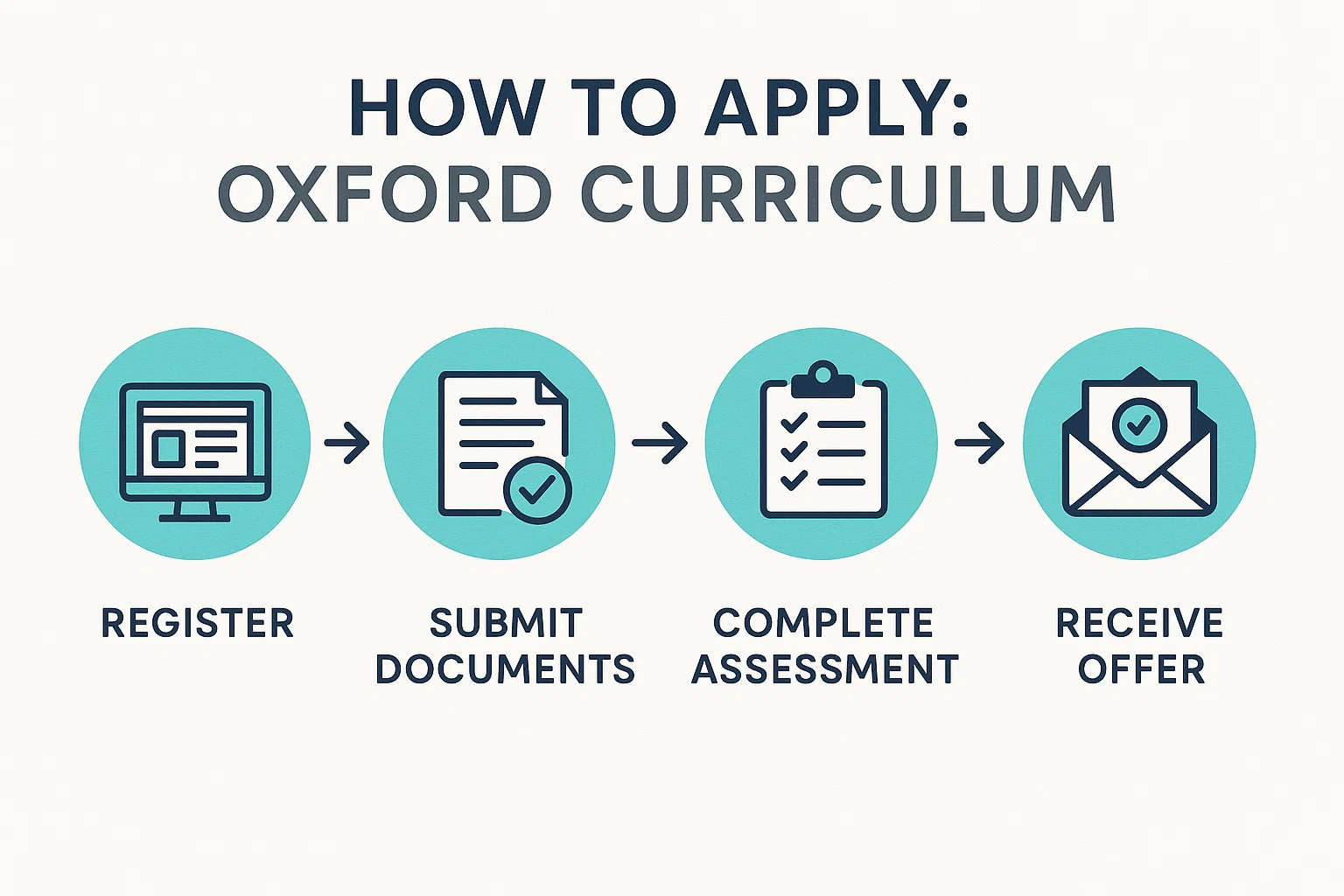
Applying to an Oxford curriculum school or online programme is a structured process designed to assess the fit between the student and the demanding, yet supportive, environment.
Application Process and Deadlines
The first step is typically submitting an application form along with key documents, such as previous school reports and sometimes a personal statement from the student.
- Enquiry and Information Gathering: Research the specific school offers and programme details.
- Submission of Documentation: Provide academic records and necessary personal information.
- Assessment and Interview: Pupils may be required to sit an academic assessment in English and Maths and/or participate in an interview.
- Offer and Enrollment: Successful applicants receive an offer of a place.
It’s crucial to be aware of specific deadlines, as competitive entry often means spaces fill up quickly.
Scholarships and Financial Aid
Many institutions offering the Oxford curriculum understand the importance of making this world-class education accessible. A range of subjects of scholarships and financial aid options are typically available, based on either merit (academic, artistic, or athletic excellence) or financial need. Prospective parents should inquire directly with the centre or institution for details on payment plans and available financial support options.