

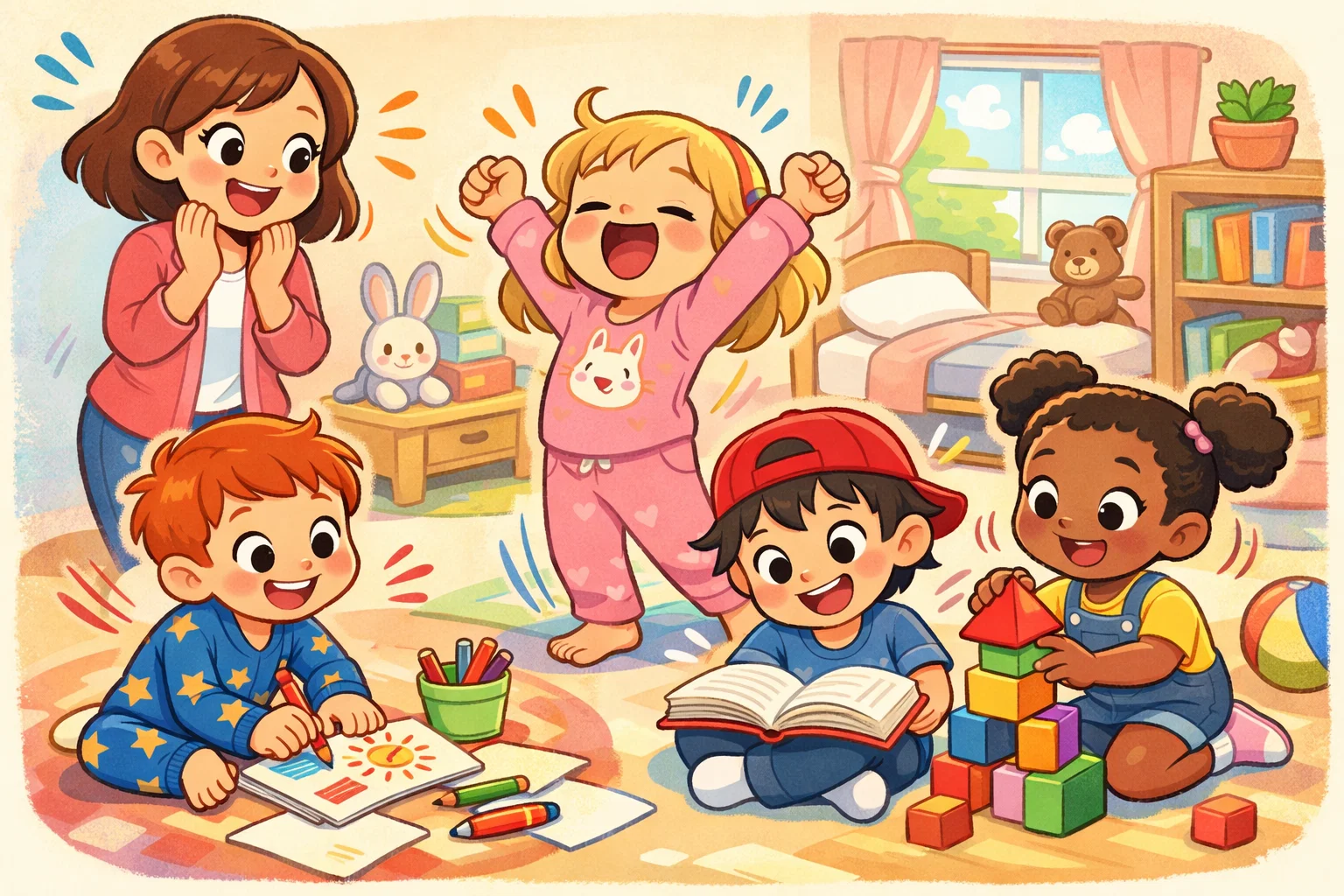
The way we start the day often dictates the rhythm for everything that follows. For families with little ones, the early hours can feel like a race against the clock, yet these moments offer a prime opportunity to foster connection and development. A predictable daily routine can help reduce childhood anxiety by providing a sense of security and a clear sense of order. When children know what to expect first thing, they are more likely to feel regulated, confident, and ready to learn.
Integrating intentional activities into your household isn’t just about keeping children busy while you brew coffee; it’s about establishing a routine that balances productivity with play. Whether it is a school day or a slow weekend, engaging in learning activities or simple morning starters helps younger children and older students alike transition from sleep to the day ahead. By focusing on screen-free, open-ended play, you help your child build key skills that serve them long after they’ve left the house.
Morning Activities by Age Group
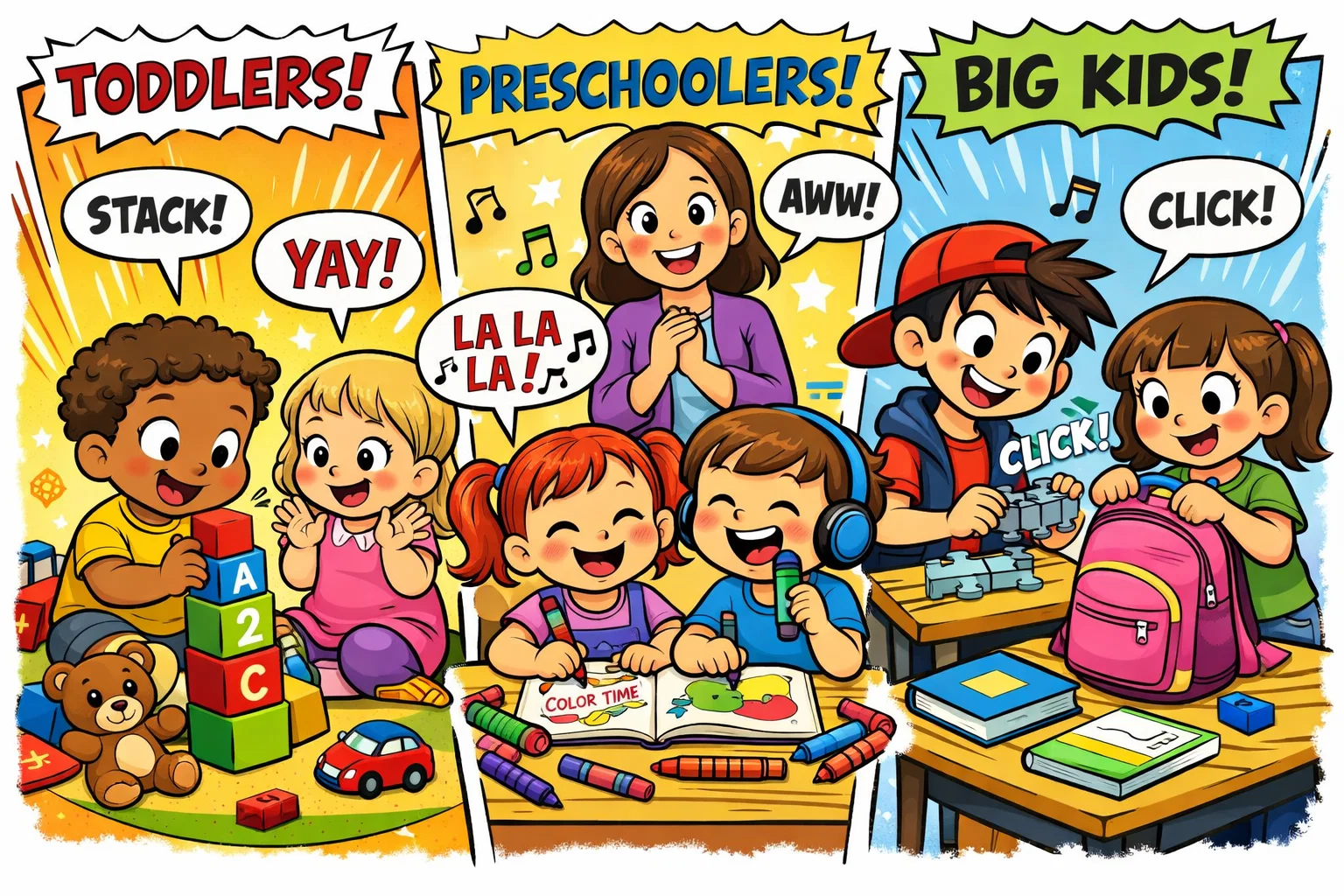
A successful day starts with recognising that a one-size-fits-all approach rarely works. A toddler has vastly different neurological and physical needs than a seven-year-old. When you create a routine, it is helpful to adjust the complexity of tasks like dressing or playing based on your child’s developmental stage.
Toddler Morning Activities (2–4 Years)
For the youngest members of the family, the best start involves sensory engagement and gentle transitions. At this age, a daily routine should gently support the development of gross and fine motor skills.
- Sensory Bins: A small container with rice, beans, or water and a few scoops.
- Sticker Charts: Letting them place a sticker on a checklist after they brush their teeth.
- Song Transitions: Using an upbeat song to signify it is time to get dressed.
Pre-K Morning Activities (4–5 Years)
As children prepare for the transition into more structured routines, early activities can become slightly more structured. This is a great way to encourage independence.
- Weather Charting: Looking out the window and picking a card that represents the weather.
- Sorting Tasks: Sorting socks by color or size while you fold laundry.
- Pre-writing Tracing: Using a salt tray or a worksheet to trace shapes and letters.
Early Elementary Morning Activities (6–8 Years)
For older kids, school days require focus. Tasks should gently wake up the brain without overwhelming the child.
- Journaling: Writing one thing they are looking forward to.
- Logic Puzzles: A quick word search or Sudoku.
- Responsibility Tasks: Letting them take the lead on eating breakfast cleanup.
Screen-Free Morning Routine Ideas
Limiting screen time first thing in the morning can support better focus and a calmer mood. Replacing tablets with fun offline alternatives reduces anxiety and helps children stay alert and present before the school day begins.
Morning Bins Activities
Activity bins are pre-prepared containers filled with specific tasks. Having these ready throughout the week prevents the “I’m bored” refrain.
- Building Bricks: A small set of Legos or wooden blocks.
- Playdough: Simple tools to roll and cut.
- Pipe Cleaners: Great for threading beads or making shapes.
Calm Start Morning Activities
Not every child is an early bird. Some children may need a slower way to start.
- Minutes of Quiet: Set a timer for 5 minutes of looking at books.
- Coloring: A simple mandala or printable coloring page.
- Audiobooks: Listening to a story while getting out of bed.
Independent Morning Play
To help both you and your child find a rhythm that allows everyone to get ready, encourage independent play. This involves open-ended toys like dolls, action figures, or magnetic tiles. When you let your child lead the play, they develop problem-solving skills and autonomy.
Educational Morning Activities
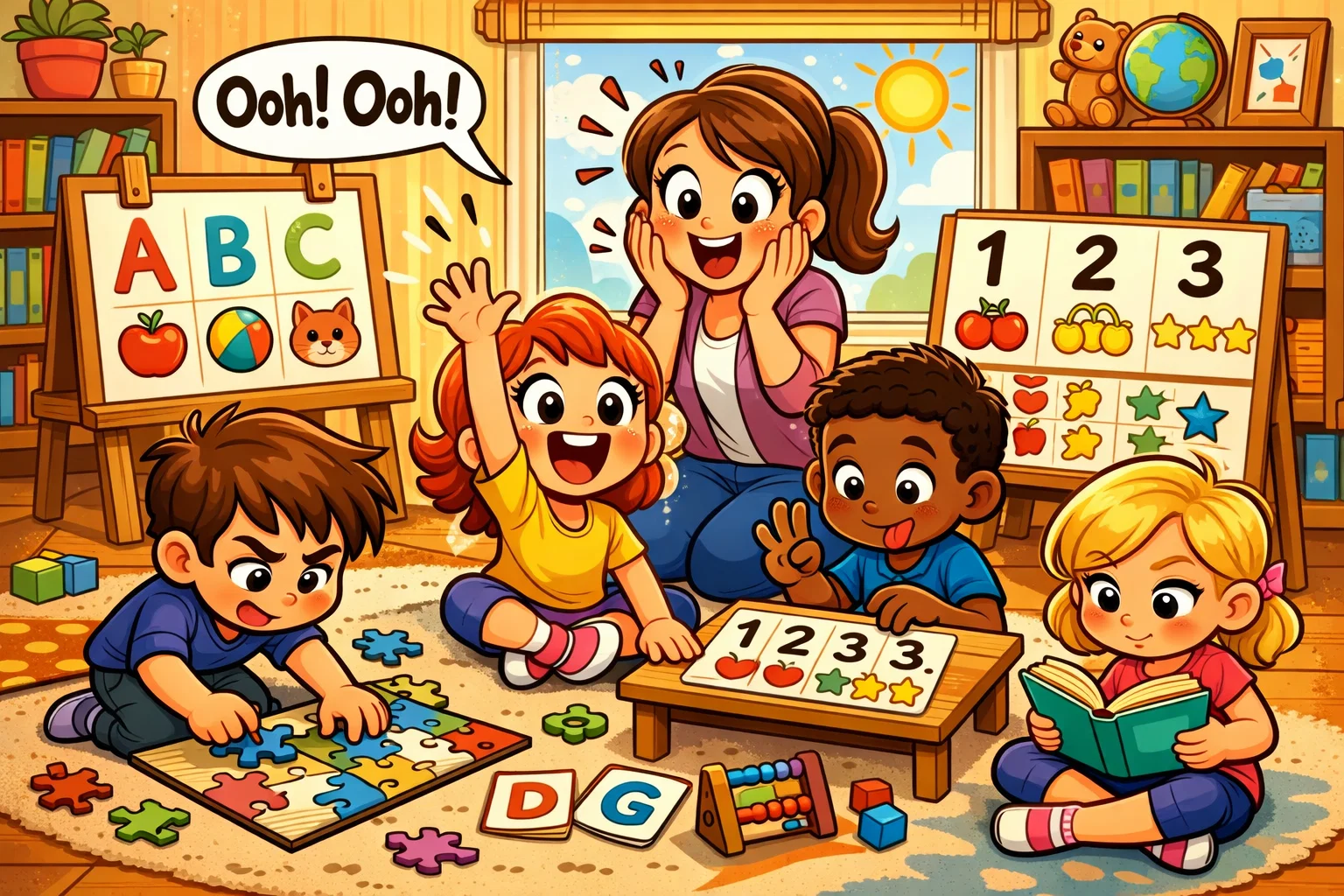
Integrating learning activities into the plan doesn’t have to feel like extra schoolwork. In fact, short, focused learning moments can be highly effective.
| Activity Type | Benefit | Example |
| Brain Teasers | Critical Thinking | “What has keys but can’t open locks?” (A piano) |
| Literacy | Vocabulary | Find three items in the kitchen starting with ‘B’. |
| Numeracy | Logic | Counting how many spoonfuls it takes to finish cereal. |
Brain Teasers for Morning Time
Riddles and logic games are effective activities for activating thinking skills. You can write a “Riddle of the Day” on a whiteboard. This helps students get into a “problem-solving” mindset before they ever reach the classroom.
Literacy and Numeracy Starters
For learning activities, keep it light. Practice activities might include a quick word search or a “Roll and Add” game with dice. These healthy habits reinforce what they learn in school without making them feel pressured.
Creative Morning Activities
Creativity is a great way to start the day because it allows for emotional expression. Morning crafts work best when they are low-mess and highly engaging.
- Drawing and Coloring: Use prompts like “Draw what you dreamed about.”
- Craft Projects: Using primary resources like toilet paper rolls or scrap paper to build “robots.”
- Music and Singing: Put on an upbeat playlist or use GoNoodle videos if you allow limited movement-based screens. Singing together can significantly lift mood and energy levels for the whole family.
Active Morning Activities
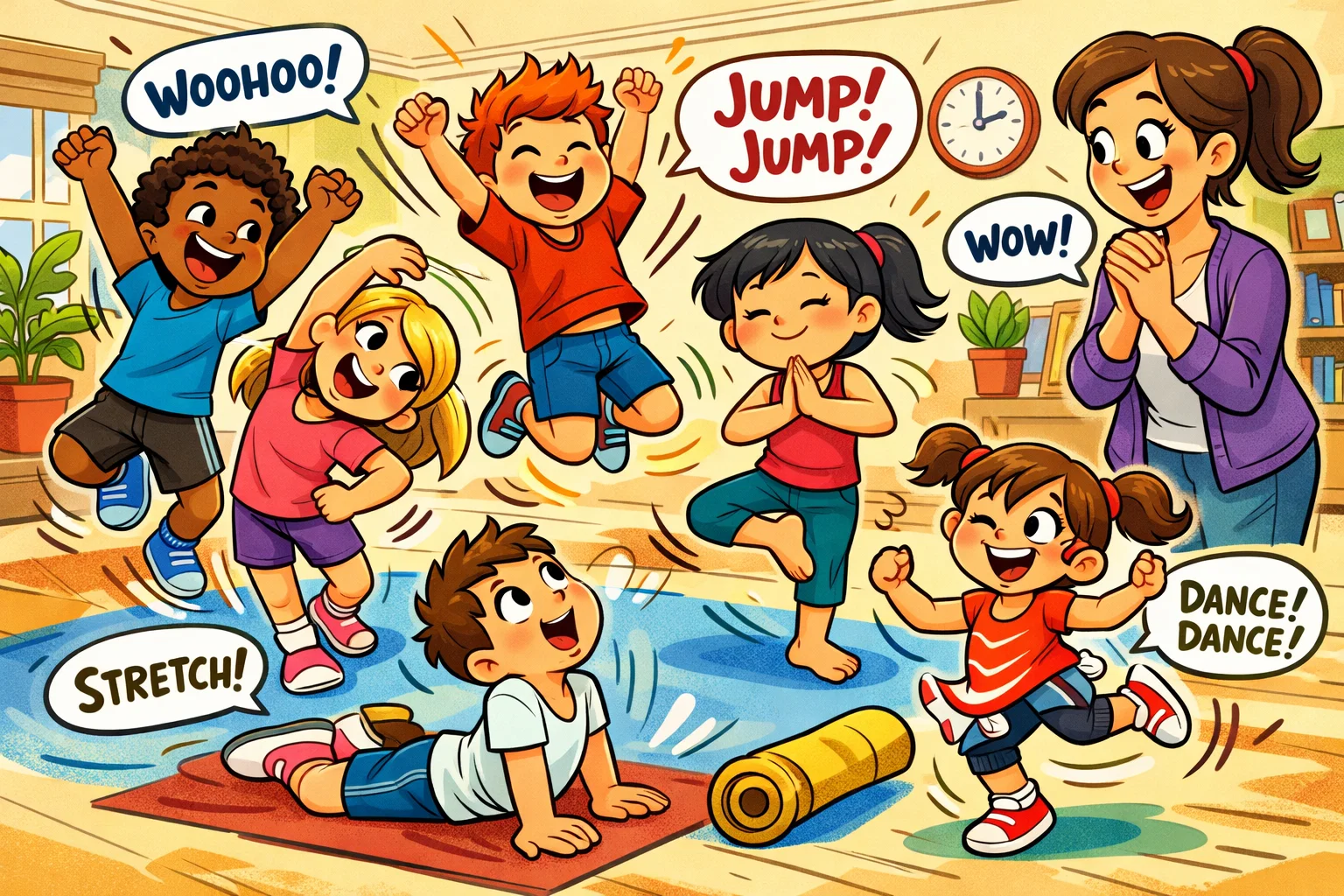
Physical movement is an essential healthy habit. It helps kids get their “wiggles” out so they can sit still later in the day.
Morning Stretch and Yoga
Gentle yoga or jumping jacks can help your child develop body awareness. A simple 3-minute stretch routine helps the child wake up physically and mentally.
Indoor and Outdoor Play
If you have time, a short burst of fresh air in the garden or a short walk to the corner and back is a great way to start the day. Indoors, try “The Floor is Lava” or a quick game of “Simon Says” to start your day with laughter.
Family Morning Activities
A routine can make a massive difference in family bonding. Instead of everyone being in their own silo, try to find five minutes of connection.
Breakfast Preparation Together
Involving children in breakfast preparation—like stirring oatmeal or setting the table—builds a sense of contribution. It teaches key skills and ensures they are more likely to eat a nutritious breakfast.
Morning Conversation Time
Use this time to do something kind, like sharing one thing you appreciate about each other. Ask: “What is one goal you have for today?” This helps children of different ages feel seen and heard.
Morning Activities for School Readiness
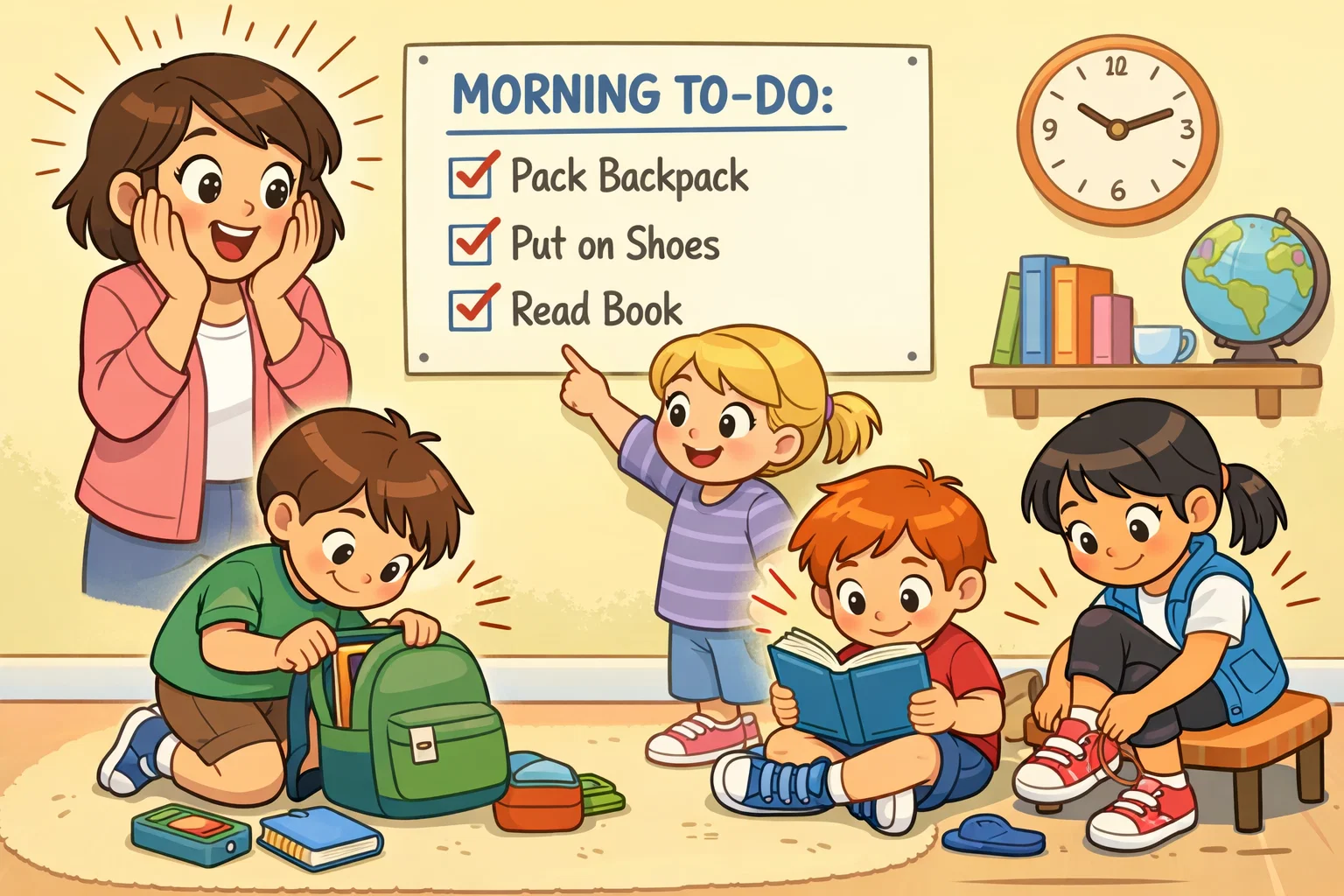
A smooth school morning starts with calm, predictable routines. This requires focus-building activities and a solid plan.
- Visual Checklists: A printable with pictures for brushing teeth, getting dressed, and packing bags.
- The “Beat the Clock” Game: Use a timer to see if they can finish tasks like putting on shoes in under two minutes.
- Confidence Boosts: Give them a small task they can “win” at, such as feeding a pet or choosing their own outfit.
Morning Activities for Classroom Use
For teachers, the learning day begins the moment students enter the classroom. Early tasks should be self-directed.
- Circle Time: A great way to encourage social-emotional learning.
- Quiet Settling: Using soft music and “learning tubs” to ease the transition into the first lesson.
- Group Games: Quick “Would You Rather” questions to build community.
Benefits of Morning Activities for Kids

Why put in the effort to establish a routine? The benefits are widely observed in child development.
- Positive Start: A structured routine helps lower stress levels (the stress hormone) in children.
- Skill Development: Regular play activities improve executive function—the ability to plan, focus, and multitask.
- Reduced Stress: When a new routine becomes a habit, there is less resistance and frustration. You won’t have to nag them to brush their teeth if it’s just “what we do” after breakfast.
Morning Activities Planning Tips
To make this routine work, you need a plan that accounts for varying needs.
Choosing the Right Activities
Consider your child’s developmental stage. While some kids get energized by movement, others might need minutes of quiet. Observe what leads to a successful day for your specific child.
Preparing in Advance
Practical tips for parents: Prepare your activity bins or checklist on Sunday night. Having a printable or worksheet ready to go means you aren’t scrambling at 7:00 AM.
Staying Flexible
A routine might need to change. If your child is teething or didn’t sleep well, stay calm and pivot to a “Low Energy” version of your daily routine. The goal is a foundation of healthy habits, not perfection.
Related Morning Activity Ideas
- Screen-Free Activities: Look for learning activities that use tactile materials.
- Educational Games: Explore primary resources for age-appropriate math and literacy games.
- Daily Routines: Remember that a good start actually begins with a solid bedtime routine.