

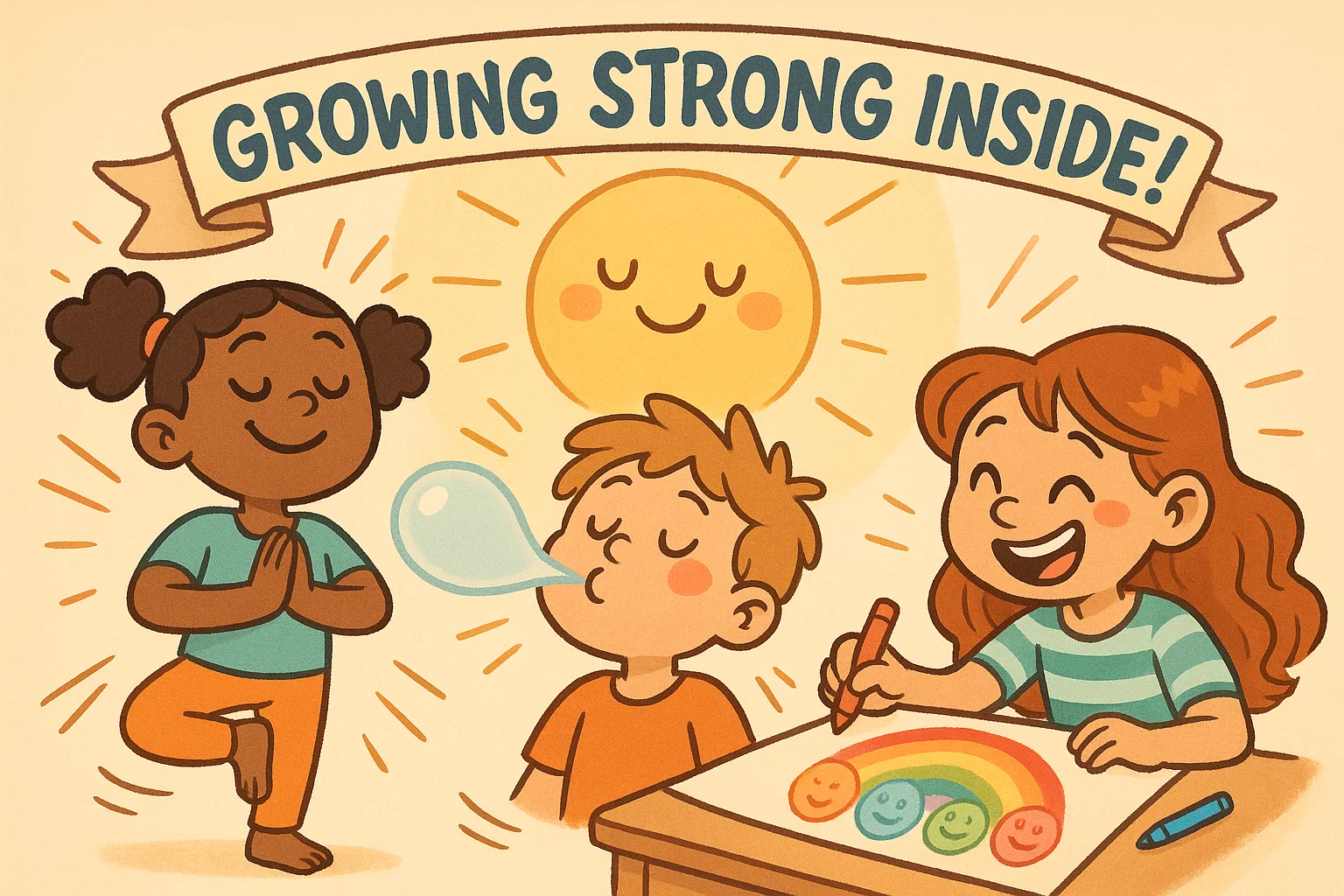
In today’s fast-paced world, the demands on children – from academics and social life to media overload – can sometimes feel overwhelming. Just as we prioritize physical health with nutritious food and exercise, nurturing our children’s good mental health is absolutely essential. The foundation for a happy, successful adult life is built on strong emotional regulation, resilience, and self-esteem developed during childhood.
This guide is designed to be a practical toolkit. It offers a wealth of simple, engaging mental health activities for kids that you, as a parent, teacher, or caregiver, can easily integrate into daily life. These practical strategies aim to help children develop the coping skills they need to navigate big emotions, reduce stress, and cultivate lasting positive mental health and wellbeing. By creating a safe space and focusing on mental health and wellbeing early, we can truly empower children to thrive.
Benefits of Mental Health Activities for Kids
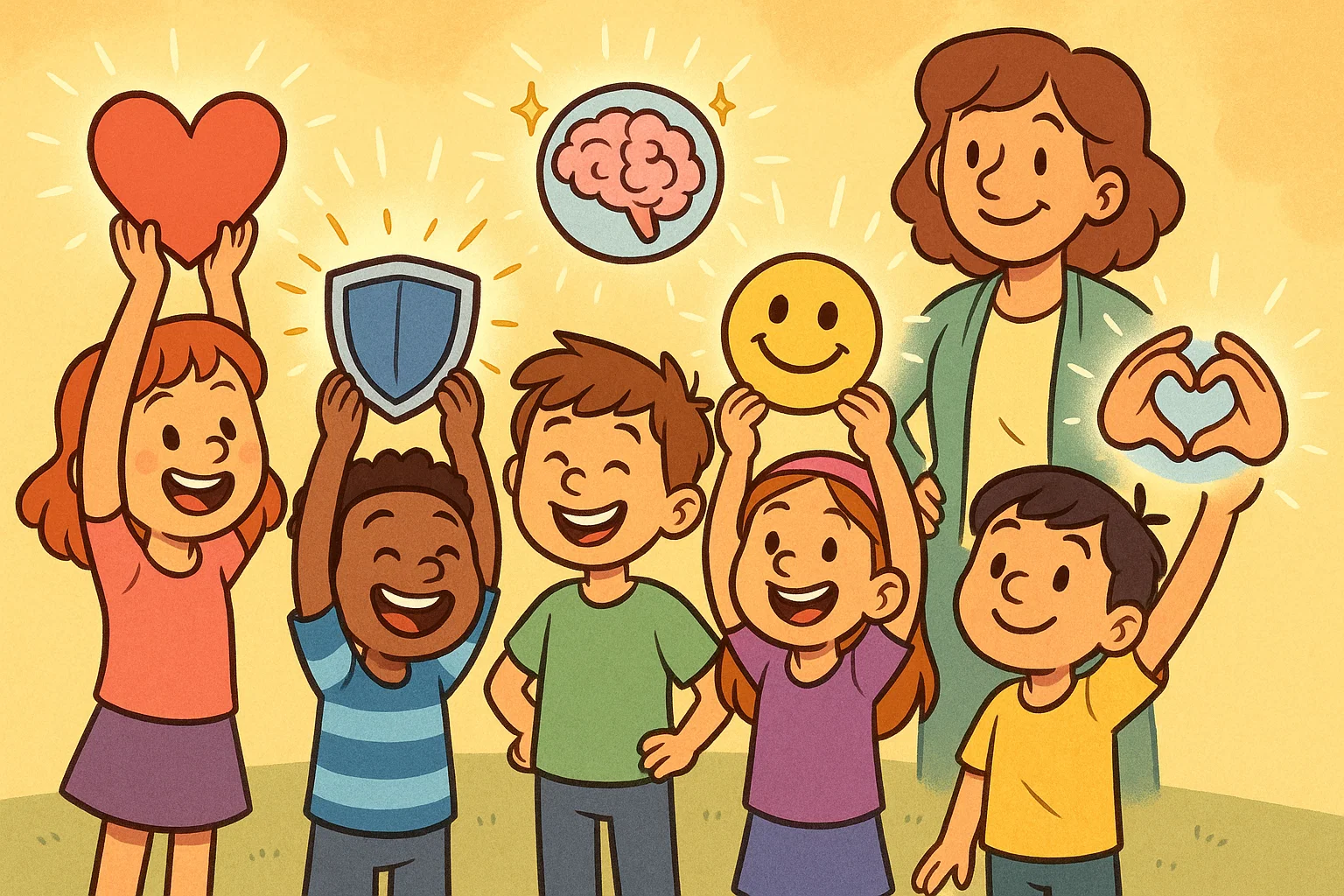
Engaging in mental health activities is not just about addressing moments of crisis; it’s about proactively supporting a child’s complete emotional, social, and cognitive development. These structured practices provide concrete tools for understanding and managing the spectrum of different emotions they experience every day, leading to measurable positive outcomes and setting the stage for long-term emotional intelligence.
Boost Self-Esteem and Confidence
When children successfully practice a new coping strategy, they often feel a sense of mastery and capability. Activities that encourage self-expression, goal-setting, and positive self-talk are powerful ways to boost a child’s self-esteem. For instance, reflecting on personal strengths through a guided activity can significantly impact how kids feel about themselves. A strong sense of self-worth can act as a protective factor against later mental health challenges.
Strengthen Coping Skills
Coping skills are a child’s superpower for handling frustration, disappointment, anxiety, and anger. Exercises like journaling, structured play, and breathing techniques are the building blocks of healthy stress management and emotional regulation.
Teaching a child a simple mindful breathing technique is like giving them an ’emotional pause button.’ It allows them to choose a thoughtful response over an impulsive reaction.
Improve Focus and Concentration
Routines that include mindfulness and grounding techniques directly support attention spans. When a child’s nervous system is calm, their prefrontal cortex – the area responsible for executive functions – is better able to process information. Short, focused mindfulness activities throughout the school day can support academic performance and the ability to listen and follow instructions.
Support Social Skills and Empathy
Many engaging mental health activities require collaboration, sharing, and verbalizing feelings. Group scenarios, such as discussing characters’ emotions in a story or participating in a kindness project, encourage children to practice taking another’s perspective, which is crucial for building empathy and navigating complex friendships.
Reduce Behavioral Challenges
Often, a child’s challenging behavior is an attempt to communicate an overwhelming emotion they lack the skills to express in a healthy way. Providing creative and physical outlets – such as energetic play, drawing, or using a safe space kit – can reduce internal frustration, leading to fewer impulsive or anxiety-driven reactions. These emotional outlets are key to helping children improve their mental health.
Best Mental Health Activities for Kids
The beauty of these best mental health activities is their simplicity and adaptability. They offer concrete, fun ways to practice skills that build resilience and support emotional wellbeing.
| Activity | Core Skill Developed | Age Group |
| Gratitude Jar | Positive Mindset, Stress Reduction | 5+ |
| Mindful Breathing with Bubbles | Focused Breathing, Relaxation | 3+ |
| Emotion Journaling | Self-Reflection, Emotional Literacy | 7+ |
| Safe Space Box | Self-Soothing, Emotional Regulation | 4+ |
| Positive Affirmation Mirror | Self-Esteem, Positive Self-Talk | 6+ |
Rainbow Emotions Art
Ask children to assign a color to different emotions (e.g., Red for Anger, Blue for Sadness, Yellow for Joy). Then, have them create an abstract painting or drawing of how they currently feel, using only those colors. This helps kids express abstract internal states in a clear, creative way.
Gratitude Jar
Dedicate a small jar for the whole family. Every evening, encourage your child to write down one thing (or draw a picture) they are grateful for and place it in the jar. Reading these notes aloud once a week or month reinforces a positive outlook and serves as a powerful antidote to dwelling on minor frustrations. This simple habit helps foster a more positive outlook.
Mindful Breathing with Bubbles
Blowing bubbles is an effective way to teach slow, deep breathing. To make a big bubble, you must exhale slowly and steadily, not quickly. This naturally teaches the slow, diaphragmatic breathing that calms the nervous system, making it one of the most fun mental health activities.
Worry Dolls or Worry Box
Originating in Guatemalan tradition, worry dolls can be a helpful tool. The child tells their worries to the doll and places it under their pillow, symbolically passing the burden to the doll so they can sleep peacefully. Alternatively, a “Worry Box” can be used, where worries are written on paper and placed inside, providing a literal way to externalize the source of stress.
Yoga for Kids
Playful poses and stretching, combined with deep breathing, are excellent for releasing pent-up energy and anxiety. Simple flows, often called “Animal Yoga” (like Cat-Cow or Downward Dog), support mental balance and help children become more aware of their physical bodies.
Positive Affirmation Mirror
Decorate a mirror with written positive affirmations like, “I am kind,” “I am capable,” or “I can handle this.” Encourage your child to look in the mirror and repeat these phrases to themselves every morning. This practice strengthens self-talk, a key component of building resilience.
Mental Health Activities for Kids in School
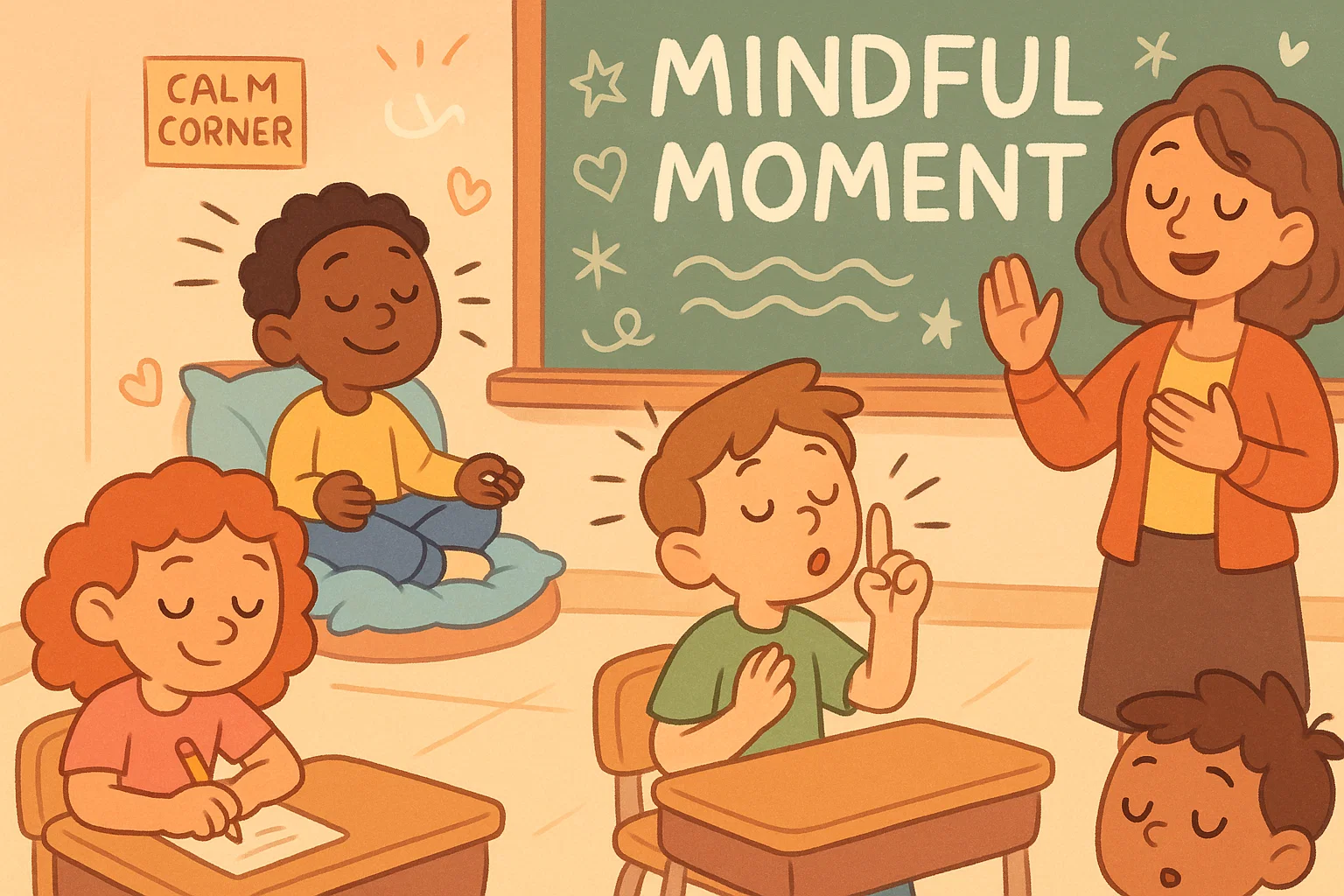
Teachers and school staff play a critical role in promoting children’s mental wellbeing. Integrating short, effective activities into the daily routine can transform a classroom’s emotional climate.
Emotional Check-Ins
Start the day with a quick, non-verbal emotional check-in. This could be a mood chart where kids move a magnet to a color (Green for “ready to learn,” Yellow for “a little uneasy,” Red for “need to talk”), or a finger-signal (thumbs up, to the side, or down). This practice helps normalize discussions about emotions and allows teachers to quickly identify children needing support.
Mindfulness Breathing Breaks
Between lessons or before a test, lead a two-minute guided break using breathing techniques like “Bumblebee Breath” or “Hot Chocolate Breath” (pretending to inhale the scent and slowly exhale to cool it). These short sessions improve attention and reduce stress.
Creative Expression Rooms or Corners
Designate a small, comfortable classroom area – the “Calm Corner” or “Zen Zone” – equipped with sensory tools like stress balls, soft blankets, weighted items, quiet puzzles, and art supplies. This area serves as a safe space where a child can go when they need to practice emotional regulation away from the group.
Teaching Kids About Mental Health
Introducing concepts of emotional health does not have to be difficult. The goal is to make conversations about mental health simple, open, and consistent.
Use Simple Language for Emotions
Label feelings clearly and consistently. Instead of saying “You’re grumpy,” try, “It looks like you’re feeling frustrated right now. Frustration is what we feel when things don’t go our way.” This teaches kids about mental health by giving them the vocabulary to express their emotions.
Talk About Brain Superpowers
Use simple metaphors, such as describing different parts of the brain as “superstar helpers” (different parts of the brain) that handle big feelings. The amygdala is the “alarm bell,” and their breathing techniques are the “super-shield” that helps the “wise-thinker part” (prefrontal cortex) take over. This makes the science of emotional control accessible and fun.
Normalize Asking for Help
Explicitly tell your child, “It is normal and very brave to ask for help when your feelings are too big for you to manage alone.” Read books about mental health together that show characters seeking support. This is crucial for establishing healthy coping habits early on.
Mental Health Games for Kids
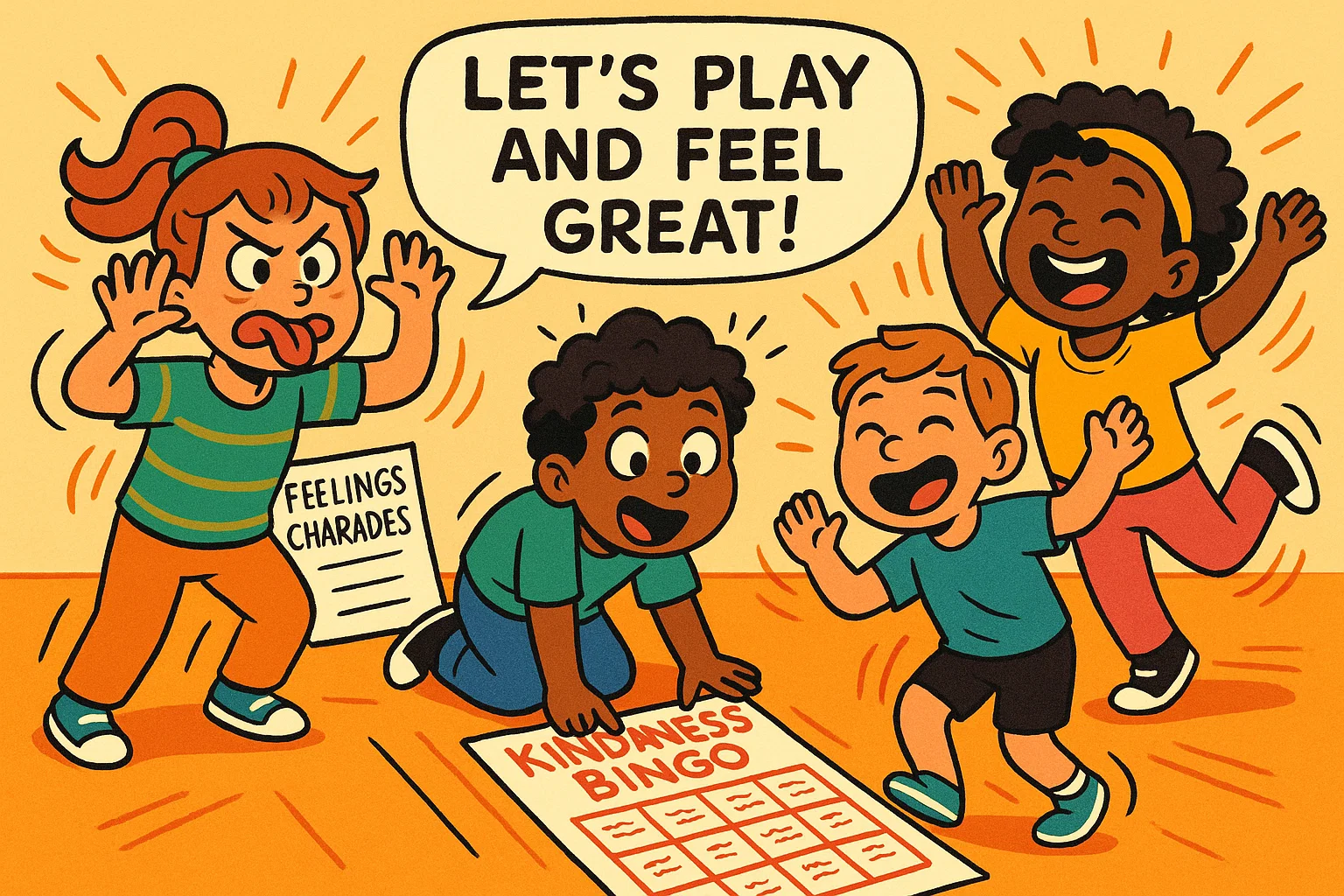
Play is a child’s natural language and the most effective way to learn.
Creative Storytelling for Emotions
Start a story with a simple emotional prompt: “Once upon a time, there was a little bear who felt very jealous when his friend got a new toy…” Ask the child to continue the story, focusing on how the character manages that feeling. This helps children explore their emotions in a safe, imaginative way.
Movement and Freeze Games
Games like “Statues” or “Red Light, Green Light” are excellent for practicing self-regulation. The rapid change between full-body movement (releasing tension) and stillness (practicing control) helps children master the connection between mind and body, boosting their ability to regulate their responses.
Mindfulness Practices for Kids
Mindfulness activities help children become aware of the present moment without judgment, supporting better mental wellbeing.
Finger Breathing
A simple, portable technique: instruct the child to use the index finger of one hand to trace the fingers of the other hand. As they trace up a finger, they breathe in; as they trace down, they breathe out. This physical, focused movement slows their breathing and gives them a tactile tool to calm down, particularly during periods of low mood.
Mind Jar or Glitter Jar
A Mind Jar is a clear jar filled with water, glitter, and glue. When a child feels overwhelmed, they shake the jar, watching the swirling glitter. Explain that the glitter represents their busy, chaotic thoughts, and as the glitter settles, so too can their mind. This visual metaphor can be a helpful tool for self-soothing.
Outdoor Activities for Emotional Wellbeing
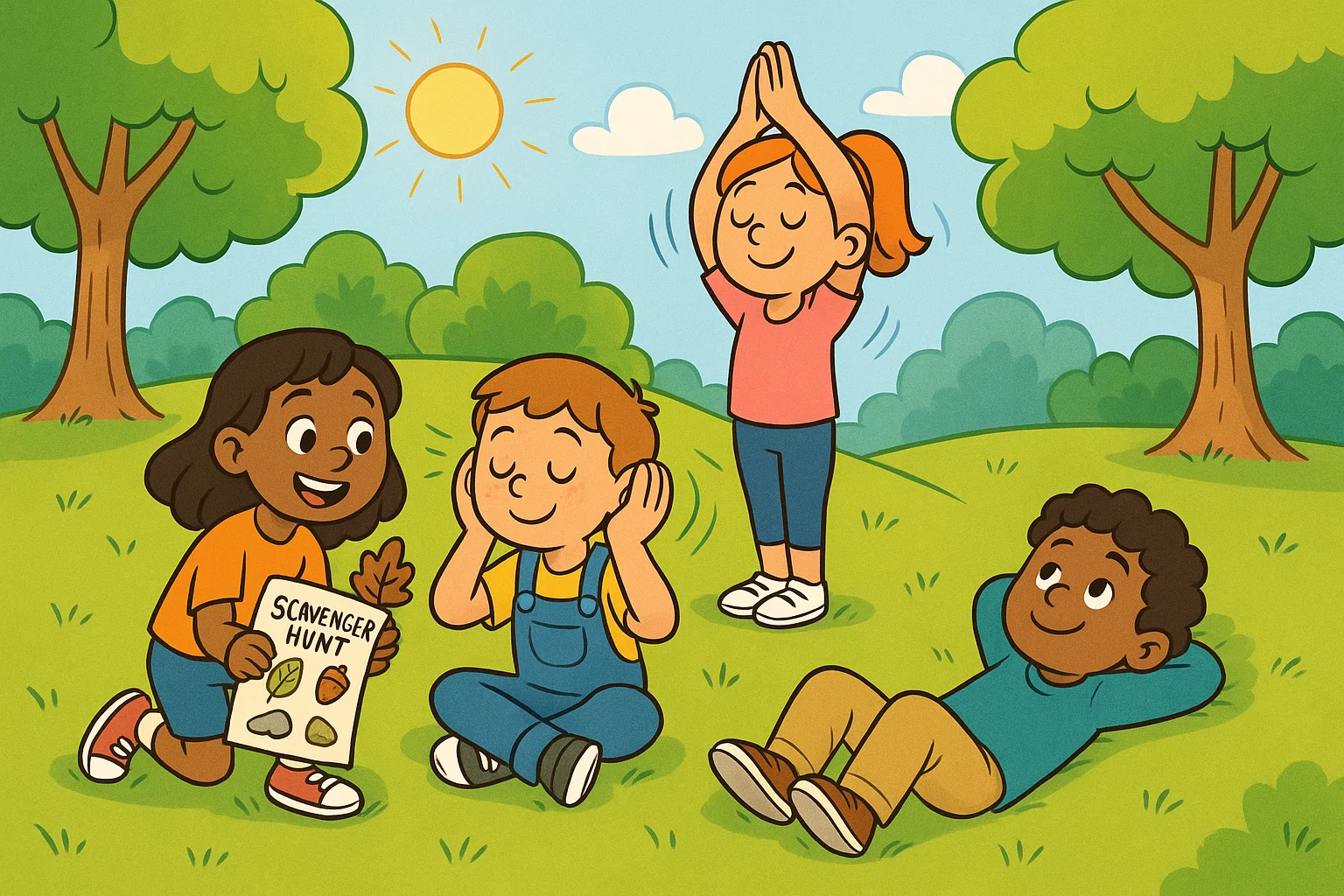
Nature provides an immediate mood boost and stress reduction.
Nature Walk Mood Reset
Take a mindful walk outside. Challenge your child to use all their senses: “Find three things you can hear, two things you can smell, and one thing you can touch.” This grounding exercise pulls them out of their inner thoughts and anchors them to the present environment, offering a quick emotional reset.
Outdoor Yoga
Performing simple yoga poses in the grass or under the sun can be incredibly energizing and calming. The uneven ground requires more focus, naturally enhancing the mindful aspect of the exercise.
Importance of Mental Health in Kids’ Lives
The work you do now, focusing on improving mental health, will pay dividends throughout your child’s life.
Early Emotional Skills Predict Life Success
Emotional intelligence – the ability to understand and manage emotions – plays an important role in long-term wellbeing and life skills. Children who develop self-regulation and resilience early are better equipped for academic success, healthier relationships, and career longevity. This makes early prevention essential for mental health.
Family Role in Mental Wellness
Teachers and parents are a child’s first and most influential emotional coaches. When caregivers openly discuss mental health, model healthy coping skills, and create a supportive, safe space, they directly shape a child’s ability to navigate their internal world.