

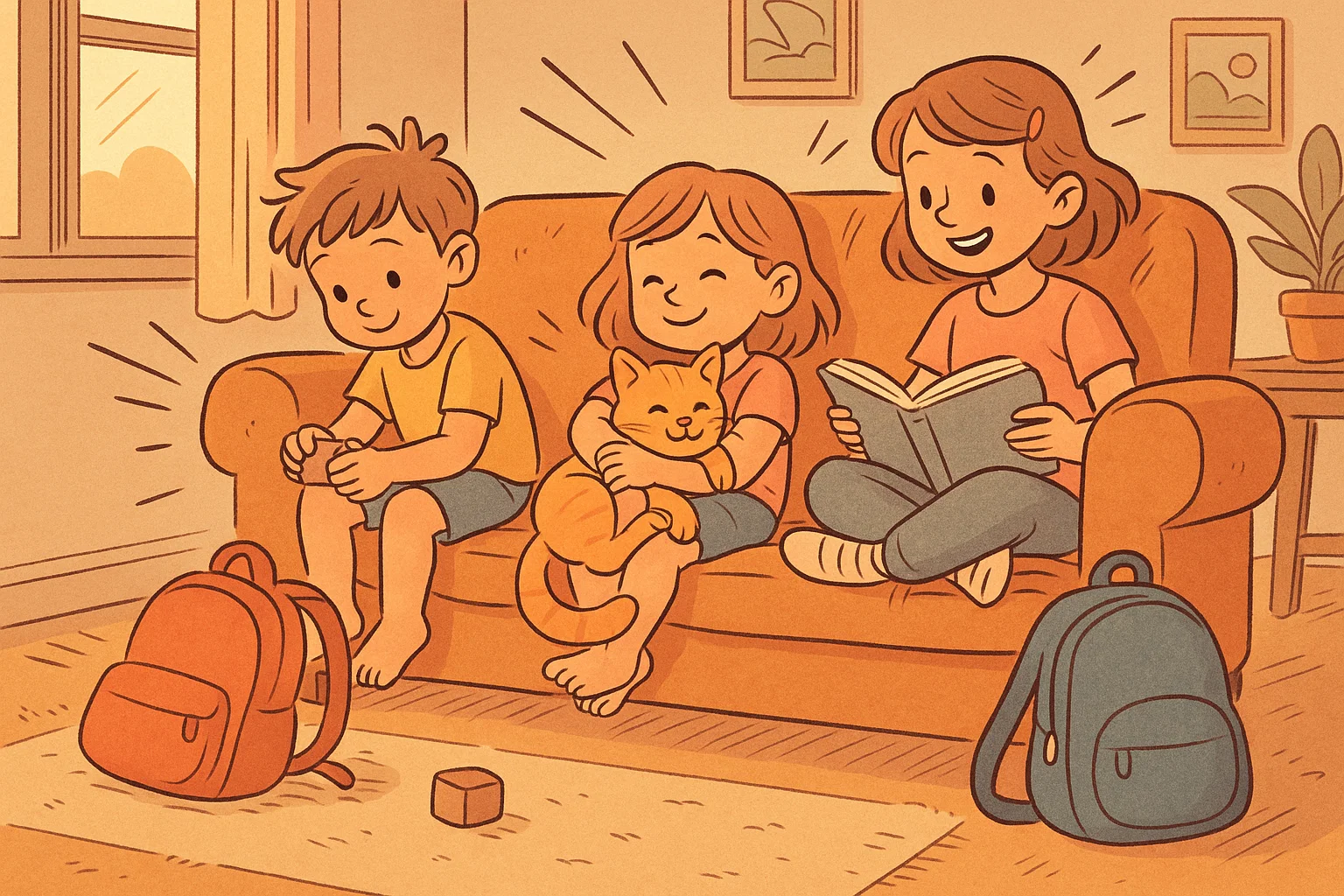
The end of the school day can feel like a finish line for everyone. Your child comes home, and what should be a happy reunion can quickly turn into irritability, tears, or a full-blown meltdown. This reaction—known as after-school restraint collapse—isn’t bad behavior; it’s a sign your child has worked hard all day to hold it together.
At school, kids constantly manage emotions, follow rules, focus, and navigate social dynamics, all of which drain their self-control. When they finally get home, they need a safe space to release that built-up tension. By creating a supportive after-school routine, you can help your child’s nervous system settle, teach healthy regulation skills, and turn this transition into a calm, connected part of the day.
Why Kids Need Time to Decompress After School
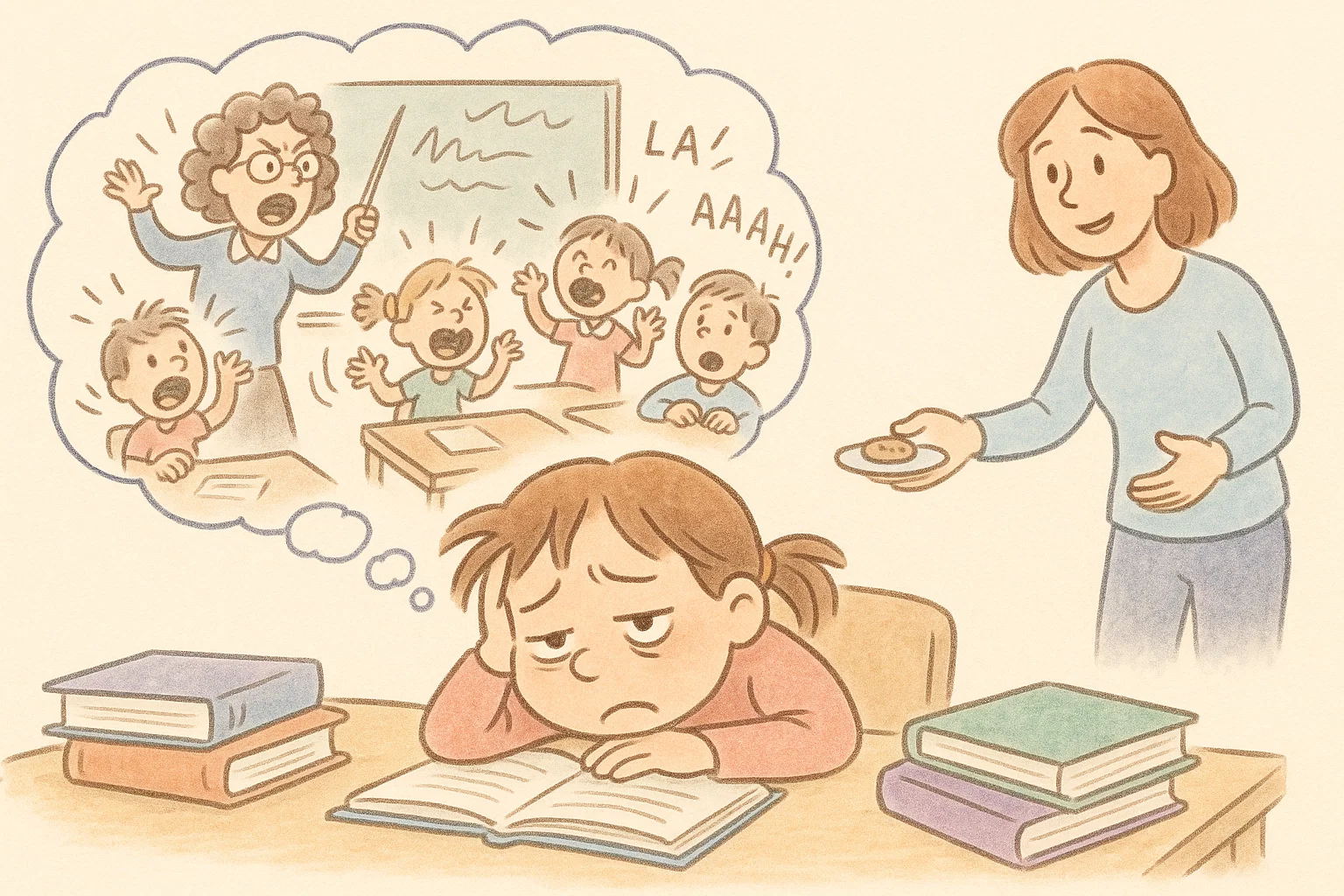
A day at school is far more demanding than adults often remember. From the moment the first bell rings, children are bombarded with sensory input, social demands, and academic pressure. It’s a continuous exercise in self-control and sensory management. When the child comes home, their reserves are depleted, and they desperately need time to unwind.
Your child’s struggle is often rooted in both psychological and physical exhaustion:
- Self-Control Fatigue: Throughout school hours, a child may be constantly suppressing natural urges—to run, to speak out of turn, to cry, or to fiddle. This effort is taxing. Once they arrive home and feel safe in their environment, their cognitive control simply collapses, leading to school meltdowns.
- Sensory Overload: For many children, especially highly sensitive children or those who are neurodivergent, the cumulative effect of a crowded classroom, bright lights, loud noises, and uncomfortable uniforms creates intense sensory input. They need time to unwind after school to process and integrate this information.
- Social and Academic Exhaustion: Navigating friendships, dealing with peer conflicts, and maintaining focus during difficult lessons is socially and mentally draining. The long day at school requires intense mental effort.
- The “After-School Restraint Collapse”: This common phenomenon is the ultimate sign that your child has reached their limit. A child holds it together all day, and when they see their primary caregiver, they finally feel safe enough to release those emotions, which often appears as anger, defiance, or excessive crying.
Signs Your Child Feels Overwhelmed After School
It’s essential for parents and caregivers to recognize the subtle—and not-so-subtle—signs that their child needs to decompress. Early recognition allows you to intervene with supportive strategies before the stress escalates into frustration and anger.
| Behavioral Cue | What It Might Mean | Strategy to Help |
| Increased Irritability/Snapping | Low blood sugar, overstimulation, or pent-up frustration. | Offer a healthy snack immediately. Give quiet space. |
| Emotional Outbursts (Crying/Anger) | Emotional release after a long day of self-control. After-school restraint collapses. | Acknowledge the feeling (“That was a really hard day, wasn’t it?”). Provide a hug. |
| Withdrawal/Silence | Need for space to process. Overwhelmed and avoiding further sensory input. | Give your child some quiet time, and avoid asking direct questions right away. |
| Excessive Silliness/Clinginess | Inability to regulate and seeking intense connection or sensory input to feel grounded. | Gently redirect energy with movement or sensory activities. |
| Physical Complaints | Headaches, stomach aches, or extreme fatigue; the body’s physical response to chronic stress. | Check-in with a calm voice, focus on rest and comfort. |
Common Triggers for After-School Meltdowns
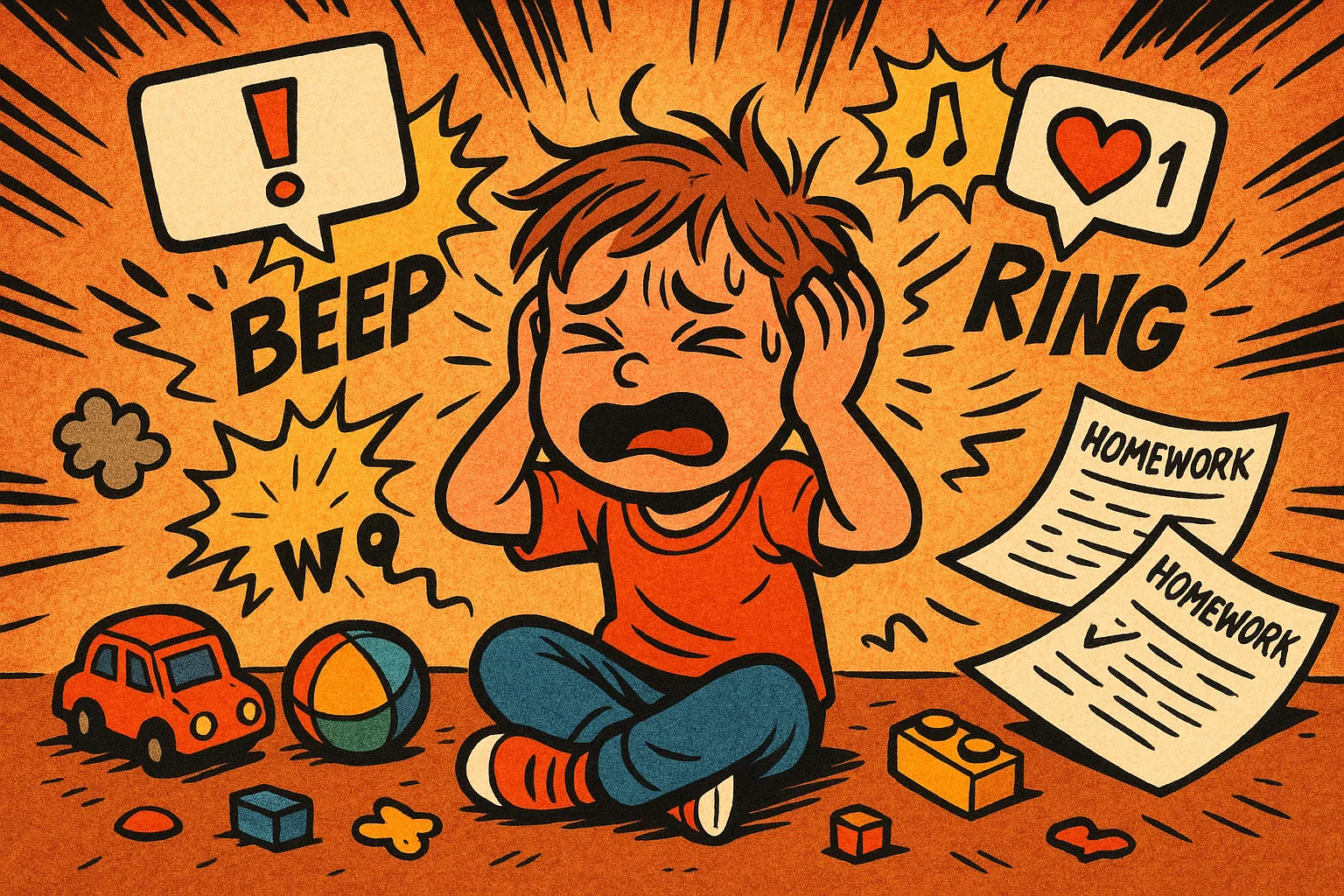
While the core issue is exhaustion, specific environmental factors and bodily needs can tip your child over the edge. Understanding these triggers is the first step in creating an effective plan to help children.
- Hunger (The ‘Hanger’ Factor): A dip in blood sugar levels after many hours since lunch is one of the most common physical triggers for emotional volatility.
- Too Many Questions: Being bombarded with “How was your day at school?” or “What did you learn?” the minute they come out of school can feel like another demand on an empty tank.
- Lack of Movement: Sitting still for long periods during school hours means pent-up physical energy and a restless body.
- Unpredictable Transitions: Not knowing what comes next after getting home—or being rushed straight into another activity (after-school activities, homework), increases anxiety, especially if your child is finding the transition from school difficult.
- Sensory Mismatch: Moving from the high-stimulation environment of the school playground or classroom directly into a demanding home environment (e.g., loud TV, sibling noise) can prolong overload.
Why Emotional Regulation Matters
The goal of helping your child decompress isn’t just to stop the meltdowns today; it’s about building long-term emotional resilience. When you provide a scaffold for your child’s emotional recovery, you are effectively teaching your child how to regulate their own nervous system.
This support teaches children:
- Self-Awareness: They learn to recognize the physical and emotional signs of stress (e.g., “My tummy hurts, I must be tired/hungry”).
- Coping Skills: They internalize the effective regulation strategies you model, such as deep breathing or seeking quiet time.
- Trust and Connection: They feel safe knowing that their caregiver understands and accepts their big emotions, strengthening your bond.
Best Ways to Help Kids Unwind Naturally
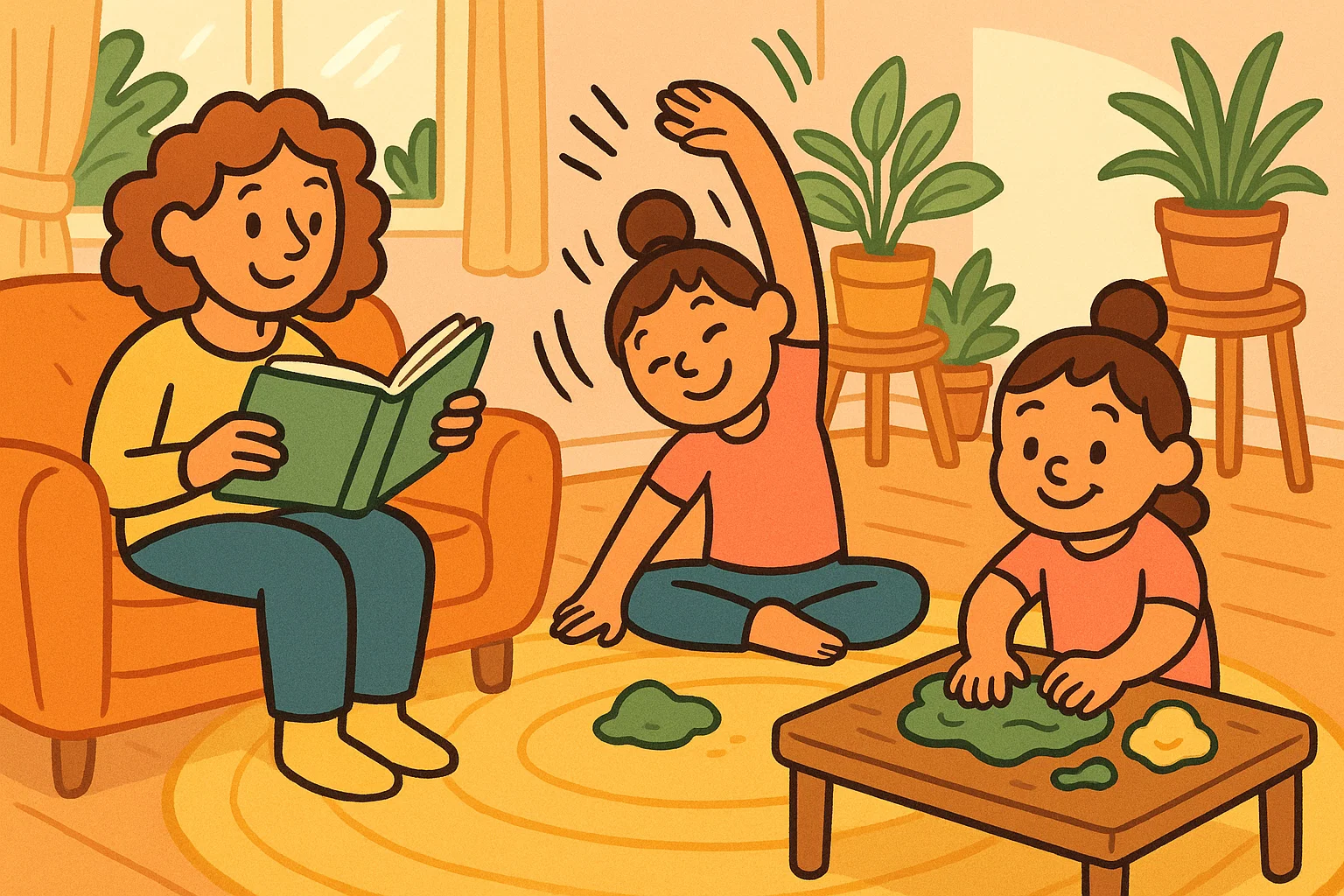
Creating an environment and routine that prioritizes calming down is the most effective way to help your child after a day at school. These strategies are about meeting the child’s nervous system where it is and giving them what they truly need.
Create a Transition Ritual
A predictable, small routine that happens every day, signaling the end of the school day, is vital. It acts as a bridge between the highly structured school world and the relaxed home world.
The Three C’s Ritual:
- Change: Immediately change out of school clothes and into comfortable play clothes or pajamas. This signals the body that the workday is over.
- Connect: A quick, wordless connection (a hug, a high-five, or sitting side-by-side for 60 seconds).
- Consume: Offer a prepared snack and drink.
Offer Healthy After-School Snacks
Stabilizing blood sugar levels is a powerful, immediate tool to reduce irritability and prevent meltdowns. Focus on a balance of protein and complex carbohydrates for sustained energy.
Good Snack Combinations:
- Apple slices with peanut butter (Carb + Protein)
- Cheese and whole-wheat crackers
- Yogurt with berries (Protein + Antioxidants)
- Hard-boiled eggs and a piece of fruit
Encourage Physical Movement
After hours of sitting, the body needs to release their emotions physically. This doesn’t need to mean jumping straight into structured activities like soccer practice; gentle, unstructured play is often more effective for decompression.
Movement Ideas for Decompression:
- Ten minutes of jumping on a small trampoline or jumping jacks.
- A short, brisk walk around the block.
- “Heavy work” activities like pushing a laundry basket across the floor or carrying a backpack full of books together (proprioceptive input).
- Free play in the garden or school playground if you pass it on the way home.
Provide Quiet or Alone Time
This is particularly crucial for highly sensitive children and introverted children. They need time to unwind and recharge their social battery without any expectations.
How to Offer Space:
- Announce: “You’ve had a long day. You can have 15 minutes of quiet time in your room to just breathe and settle your body.”
- Frame it as a choice: “Would you like to read, or do you want to do something together?”
- The goal is to help them regain a sense of control and allow them to choose how they process the day at school.
Calm Activities to Help Kids Reset
Once their basic needs (food, safety, connection) are met, introducing low-demand, high-engagement activities can gently steer the child’s nervous system toward calm. These are great strategies to help kids decompress after school.
Sensory Play Ideas
Sensory play is incredibly grounding because it focuses a child’s attention on tactile input, bypassing the need for verbal processing. It helps to regulate the child’s alertness level.
Hands-On Sensory Tools:
- Dough or Slime: Kneading and manipulating playdough or homemade slime provides resistance and deep pressure.
- Water Play: Let your child stand at the kitchen sink or fill a tray with water with cups and sponges. Water is naturally soothing and helps to unwind.
- Sensory Bins: Use dried beans, rice, or kinetic sand with scoops and small toys for focused, contained play.
Mindfulness and Breathing Games
Simple mindfulness practices teach children to connect with their breath—a powerful, always-available tool for self-regulation.
- “Bubble Breathing”: Pretend to blow giant bubbles, encouraging slow, deep exhales that calm the nervous system.
- “Belly Buddy”: Have your child lie down and put a small toy (the “buddy”) on their belly. They watch the buddy rise and fall with each deep breath.
- “Volcano Breath”: A fun way to release their emotions. Breathe in slowly, making fists. On the exhale, they quickly release their emotions while saying “HAAAA!” and opening their hands.
Creative Expression Through Art and Music
Art provides an essential, non-verbal outlet for emotional processing. When a child comes home overwhelmed, they often can’t articulate their feelings.
- Color and Draw: Simple coloring pages or abstract drawings with large crayons allows for movement and emotional release without the pressure of a specific outcome.
- Listening to Calm Music: Put on a playlist of instrumental, classical, or nature sounds. This can help create a calming atmosphere.
- Repetitive Motions: Sticking stickers, stamping, or tearing paper can be surprisingly calming.
Reading and Storytelling
Reading a book together offers a cozy, low-energy way to reconnect and soothe the mind.
- Snuggling up with a book together lowers the heart rate for both the child and the carer.
- It offers a gentle escape and promotes literacy without the cognitive load of a new activity.
Building a Relaxing After-School Environment
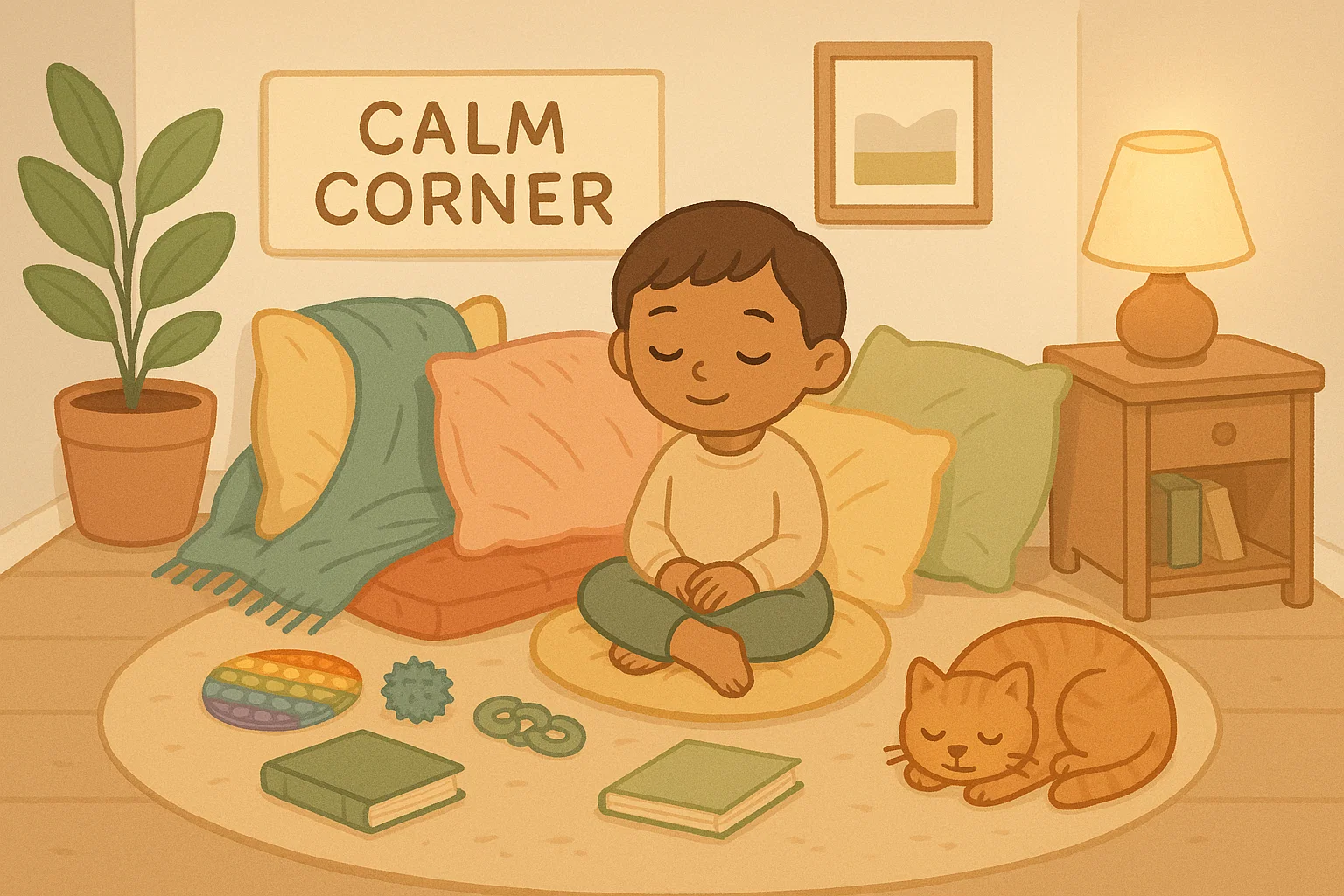
The physical environment of the home plays a huge role in the ability of kids to decompress. School is where kids learn; home is where they recover.
Design a Calm Corner at Home
A dedicated, non-punitive space allows a child to retreat when they start to feel anxious or stressed. This is their safe space.
Elements of a Calm Corner:
- Soft lighting (a lamp instead of overhead light).
- Comfortable seating, such as a beanbag or soft pillows.
- Sensory tools like fidget toys, weighted blankets, or soft stuffed animals.
- Calming books or a drawing pad.
Reduce Noise and Screen Time
Excessive visual and auditory sensory input immediately after school can be counterproductive to unwinding.
- Try a “Screen-Free Reset” period for the first 30-60 minutes after getting home.
- Keep televisions and loud music off to create a calm atmosphere that supports your child’s nervous system.
Set a Predictable Routine
Consistency lowers anxiety because the child may not have to worry about what is happening next. A clear structure helps support your child’s need for predictability.
| Time Slot | Activity | Purpose |
| 3:30 – 3:45 PM | Transition Ritual (Change clothes, Healthy Snack) | Stabilize the body, signal the end of the school day. |
| 3:45 – 4:15 PM | Quiet/Alone Time (Reading, Sensory Play) | Decompress and process the day privately. |
| 4:15 – 4:45 PM | Movement and Connection (outdoor play or simple, fun activities) | Release physical tension and reconnect with your carer. |
| 4:45 PM Onward | Low-Pressure Activities (Homework, Dinner Prep) | Gently transition to evening expectations. |
Emotional Support and Connection
Your child feels most secure when they know you are emotionally available. This is the heart of helping them manage their emotions.
Listen Without Pushing for Conversation
When a child comes home, their brain is often too saturated to form coherent answers. Pushing them to talk can lead to frustration and anger.
- Wait and Offer: Instead of “Tell me about your day,” try “I bet you’re tired. I’m here if you want to do something together or talk later.”
- Acknowledge and Validate: If they suddenly start talking about something difficult, simply validate: “That sounds like it was frustrating,” or “It’s okay to feel anxious about that.”
Show Comfort Through Presence and Touch
Non-verbal communication is often more powerful than words. Simple, reassuring gestures help them feel calm.
- Sit near them while they colour or play.
- Offer a gentle shoulder rub or a long hug. This physical presence helps establish a powerful sense of security.
Keep Track of Emotional Patterns
Keeping a simple journal helps you notice what works—and what doesn’t. You might discover that the days they have gym class they come out of school calmer, or the days they skip their usual healthy snack lead to afternoon meltdowns.
- Note the day’s primary emotion, the activity they chose for unwinding, and the result. This feedback loop allows you to support your child with increasing precision.
Evening and Bedtime Wind-Down
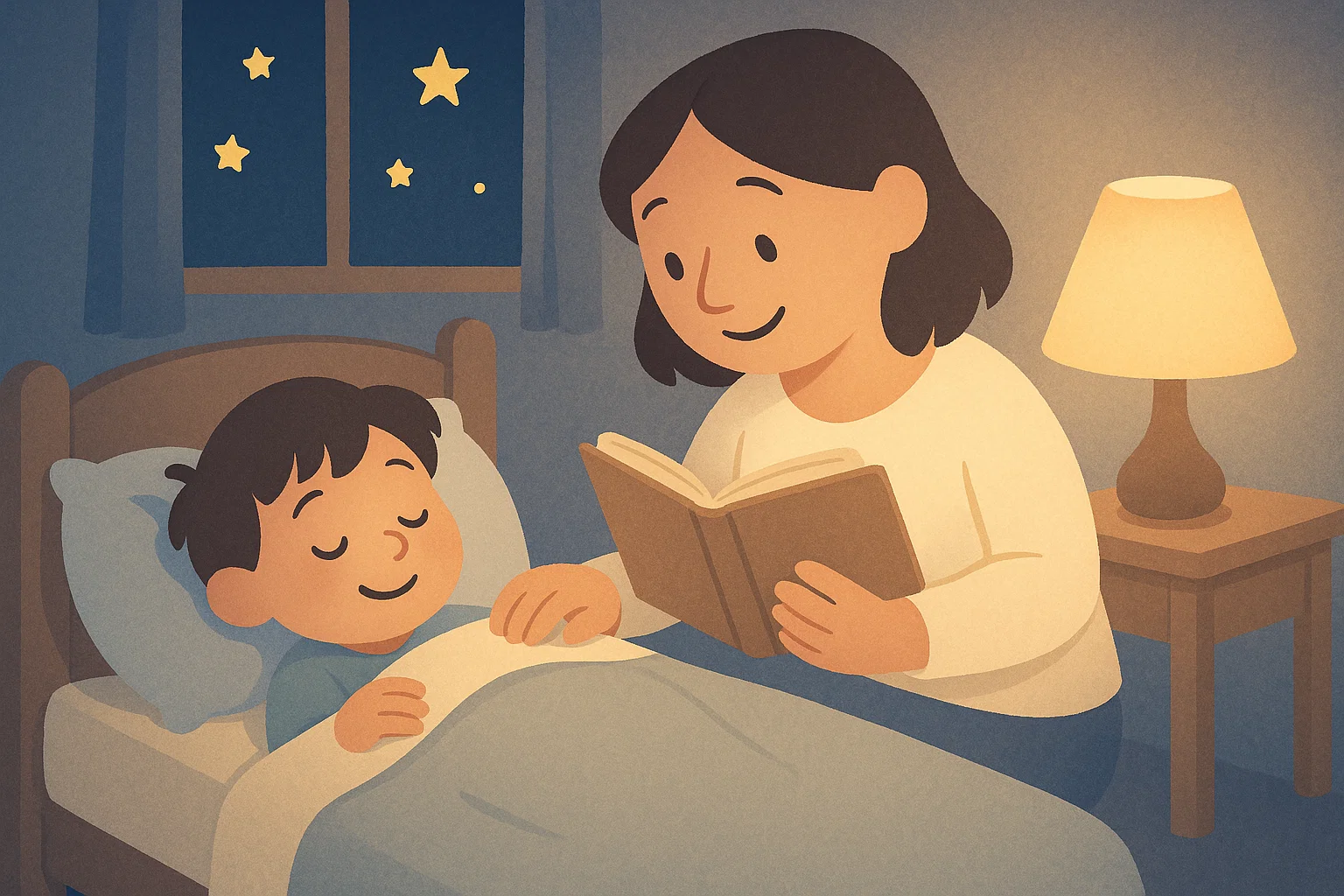
A smooth evening ritual completes the decompression process and sets the stage for restorative sleep, preventing the accumulation of fatigue that leads to next-day struggles.
Gentle Activities Before Bed
Avoid any stimulating activities—such as screens or roughhousing—for at least an hour before bedtime.
- Family Calm: Work on a puzzle together, play a quiet board game, or unwind by looking at a book together.
- Prepare for Tomorrow: Laying out clothes or packing the backpack together is a calming, predictable activity that gives them some control back.
Build a Consistent Sleep Routine
Sleep is the ultimate reset button. A regular bedtime routine is one of the most effective strategies to help children regulate.
- Warm bath/shower (lowers body temperature for sleep).
- Reading a book together or listening to a story.
- Use dim lighting and soft, soothing voices.
When to Seek Professional Support
While all children experience stress, sometimes the intensity or duration of the struggle indicates a need for external guidance. Parents and carers should never feel like they are failing if they seek help.
Signs of Chronic Stress or Sensory Overload
These are the red flags that suggest the school day stress is too much for your child’s current coping mechanisms:
- Persistent Physical Symptoms: Frequent, unexplained headaches, stomach aches, or changes in eating/sleeping patterns.
- Aggressive or Destructive Behavior: Regularly hitting, kicking, or destroying property after school.
- Long-Term Withdrawal: Consistent refusal to engage in favorite fun activities or family interaction.
- Extreme Separation Anxiety: Excessive distress upon drop-off or pick-up, even after several months in school.
How Professionals Can Help
A professional can provide specialized tools tailored to your child’s unique needs, especially for neurodivergent children or those with high levels of anxiety.
- Child Psychologist or Counselor: Can provide cognitive-behavioral techniques to help the child manage anxiety and emotions while offering strategies for parents and caregivers.
- Occupational Therapist (OT): Specialized in sensory sensitivities and can develop a sensory diet—a customized plan using sensory play and tools—to help the child process and tolerate sensory input more effectively.