

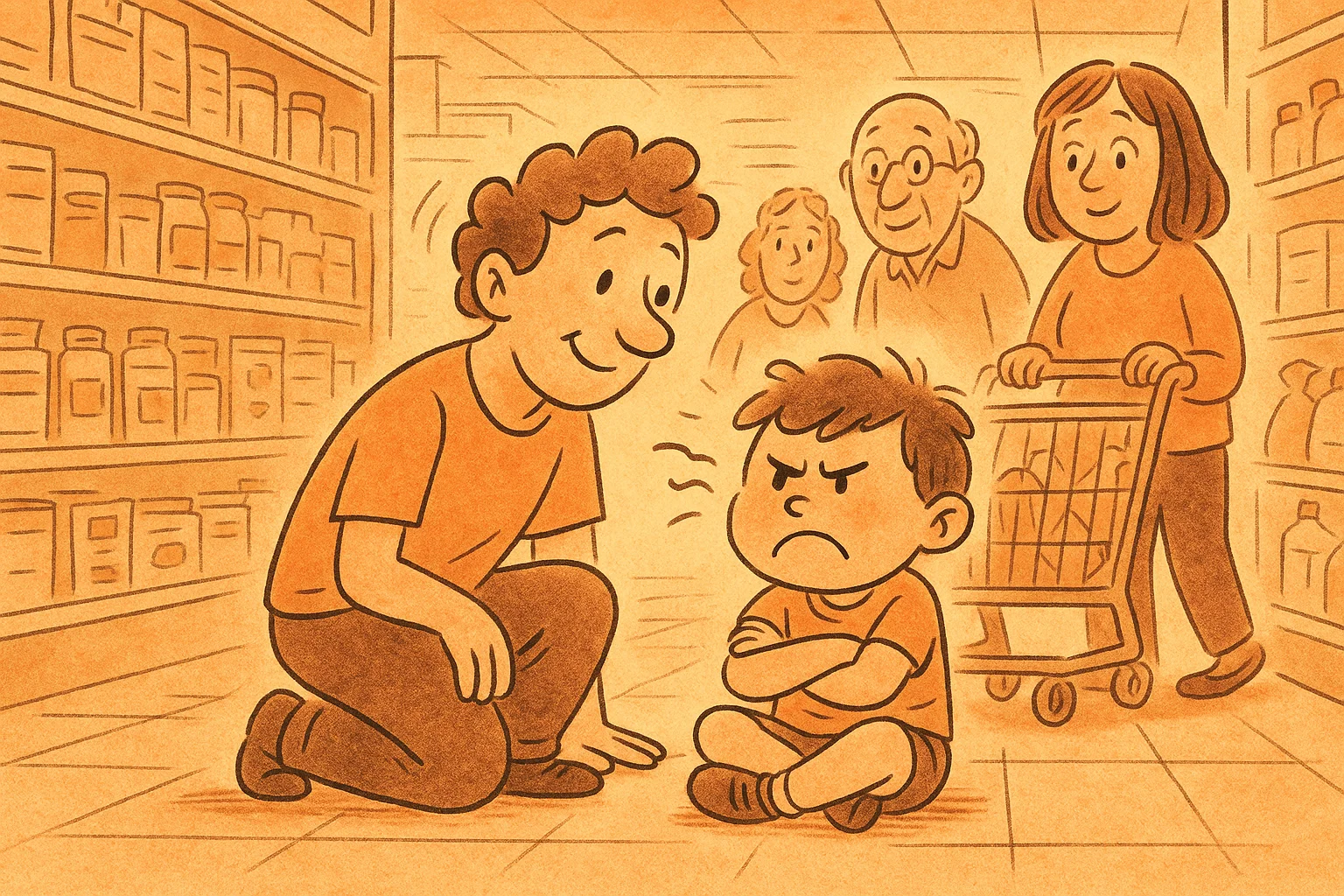
Public tantrums are a universal parenting challenge. One moment you’re shopping, and the next your child is crying, yelling, or refusing to move—while the pressure of people watching quickly heightens your own stress. In most cases, this isn’t defiance but a young child’s temporary inability to regulate their emotions when faced with stress, change, or sensory overload.
This guide helps you navigate these moments with confidence and calm. You’ll learn why children often lose control in public, how to support them through overwhelming feelings, and which practical, research-informed strategies can turn stressful situations into opportunities for emotional growth. The goal is to shift from trying to stop the behavior to becoming the steady, calming presence your child needs.
Reasons Kids Lose Control in Public Places
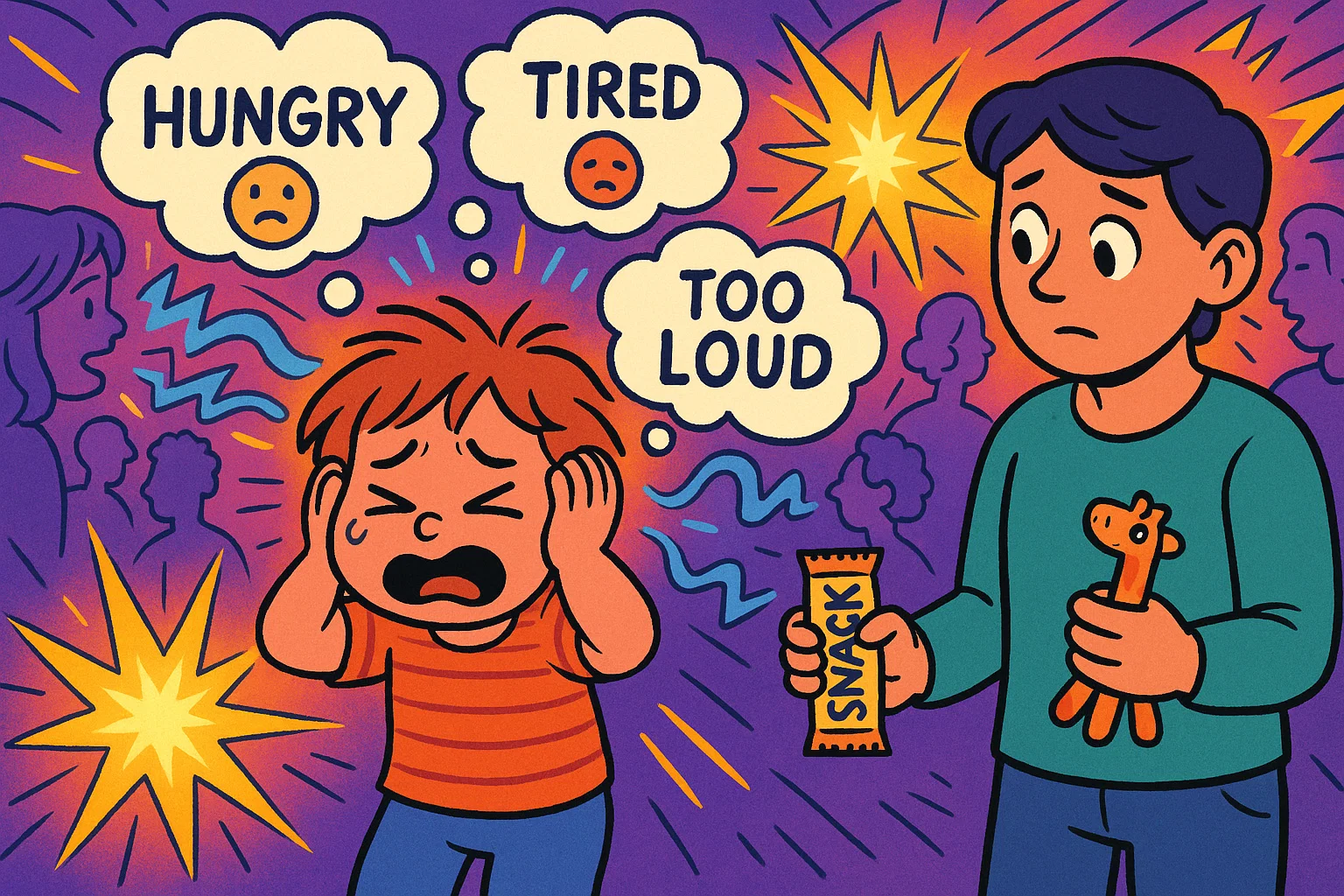
When a tantrum strikes, it’s often easier to see the immediate behavior (yell, kick, cry) than the underlying cause. Understanding the developmental, sensory, and environmental factors at play is the first step toward effective and empathetic parenting. A child’s nervous system is still immature, and what an adult easily filters out (noise, rush, bright lights) can easily push a child past their capacity to cope. It’s crucial to remember that many kids act this way because it is developmentally normal, not willful misbehavior.
Common Triggers of Public Tantrums
Tantrums in public usually don’t come out of nowhere; they often have identifiable precursors. Recognizing these early signs and removing the rush to fix the issue can prevent an outburst from reaching full escalation. Typical triggers relate to unmet basic needs or a sudden change in expectation.
- Waiting: Prolonged waiting in line at the bank or doctor’s office exhausts patience and leads to boredom.
- Routine Disruption: A sudden change in plan—for example, a quick stop at an unexpected store—can be unsettling for a toddler who thrives on predictability.
- Shopping Trips: Having to sit still, being told “no” to requested items, or being forced to walk through long aisles is stressful.
- Basic Needs: The most common catalysts are hunger (“hangry”), exhaustion (they’re tired), and over-excitement or boredom.
Pro-Tip: If you see your child’s mood or energy starting to drop, that’s your cue to slow down or shorten the activity. A brief moment of calm now is better than a full meltdown at a time when you can least afford it.
Emotional Flooding and Overstimulation
Public places, by their very nature, are often highly stimulating environments. For a young child, their ability to process all this input is limited, which can lead to overwhelm and a subsequent meltdown. This phenomenon is called emotional regulation difficulty due to sensory overload.
| Sensory Factor | Impact on the Young Child | Proactive Strategy |
| Noise (Crowds, music, traffic) | Overwhelms the auditory system, creating anxiety. | Use noise-canceling headphones or earplugs. |
| Light (Fluorescent, bright sun) | Can be visually jarring and difficult to filter. | Wear sunglasses or a cap. |
| Touch/Proximity (Bumps, close strangers) | Heightens the sense of vulnerability; they need to feel safe. | Keep the child close or in a cart or stroller. |
| Pace (Rush, fast walking) | Prevents the child from fully processing their environment, leading to anxiety. | Slow down your pace significantly. |
When a child is overstimulated, their body goes into a fight-or-flight state, making the logical part of their brain inaccessible. They aren’t choosing to throw tantrums; they are genuinely reacting to internal distress.
Parent Reactions That Escalate Situations
When a child is distressed, the parent’s reaction is the most powerful determinant of whether the situation will de-escalate or turn into a crisis. Unfortunately, the desire to end the behavior quickly due to embarrassment or frustration often leads to counterproductive responses.
- Yell/Threat: Raising your voice only increases the child’s distress and elevates their stress hormones. Children learn to regulate by watching a calm parent.
- Rush to “Fix”: Trying to instantly stop the crying or offer a quick solution without addressing the feeling sends the message, “need to stop feeling this way,” which is invalidating.
- Lecturing/Reasoning: Attempting to lecture a child who is already emotionally flooded is impossible. Their listening brain is offline.
- Shame/Guilt: Phrases like “Stop acting like a baby” or “Look at all the onlookers” inflict shame, eroding their sense of safety and intensifying the outburst.
The goal is to avoid escalation by remaining a calm presence.
Preparing Kids Before Going Out
The most effective strategy for managing challenging behaviours in public is prevention. By preparing your toddler and setting the stage for success, you make the potential for a meltdown far more manageable. This is about being proactive rather than reactive parenting.
Set Clear Rules and Expectations
Before you leave the house, take two minutes to review the plan and expectations. This sets boundaries and gives your child a feeling of control, reducing anxiety.
- The Plan: “We are going to the library for 30 minutes, then getting one small snack, and then we go home.”
- The Expectations: “In the library, we use walking feet and whispering voices. If you want to look at a book, you can point to it calmly.”
- The Boundary: “We will only get a snack that is on my list. Asking me over and over will not change the answer.”
Use a calmer tone and keep it brief. Having a visual reference, like a simple checklist or photo of the steps, can help your kid understand better.
Practice at Home Before Challenging Situations
The skills needed for good behavior in public are learned, not innate. You wouldn’t expect a child to play a sport without practice; similarly, they need practice navigating the complexities of a new environment.
- Role-Play: Pretend your living room is the supermarket. Practice putting an item into the cart and saying “No, thank you” to a pretend toy.
- Short Trials: Start with very brief outings—a five-minute trip to the mailbox or a quick rush into a small store. Gradually increase the duration and stimulation level.
- Positive Reinforcement: Heavily praise successful, short outings: “You used your gentle voice the whole time in the small shop! That was so helpful!”
Pack Comfort and Distraction Tools
A prepared bag is a parent’s greatest defense against overwhelm. These items offer sensory comfort, distraction, and meet immediate needs.
- Snacks and Water: The fastest way to prevent a hunger-related meltdown is to have something ready. Ensure they are easy, non-messy options.
- Familiar Comfort Item: A favorite stuffed animal, blanket, or small, familiar toy can provide a powerful sense of safety and grounding in a new or stressful environment.
- Sensory/Fidget Toy: A quiet item (e.g., a small squishy ball, Pop-It) can occupy busy hands and provide needed stimulation without being disruptive.
Remember, the goal is not bribery, but meeting a developing brain’s need for sensory input and satiety.
Staying Calm When Outbursts Happen
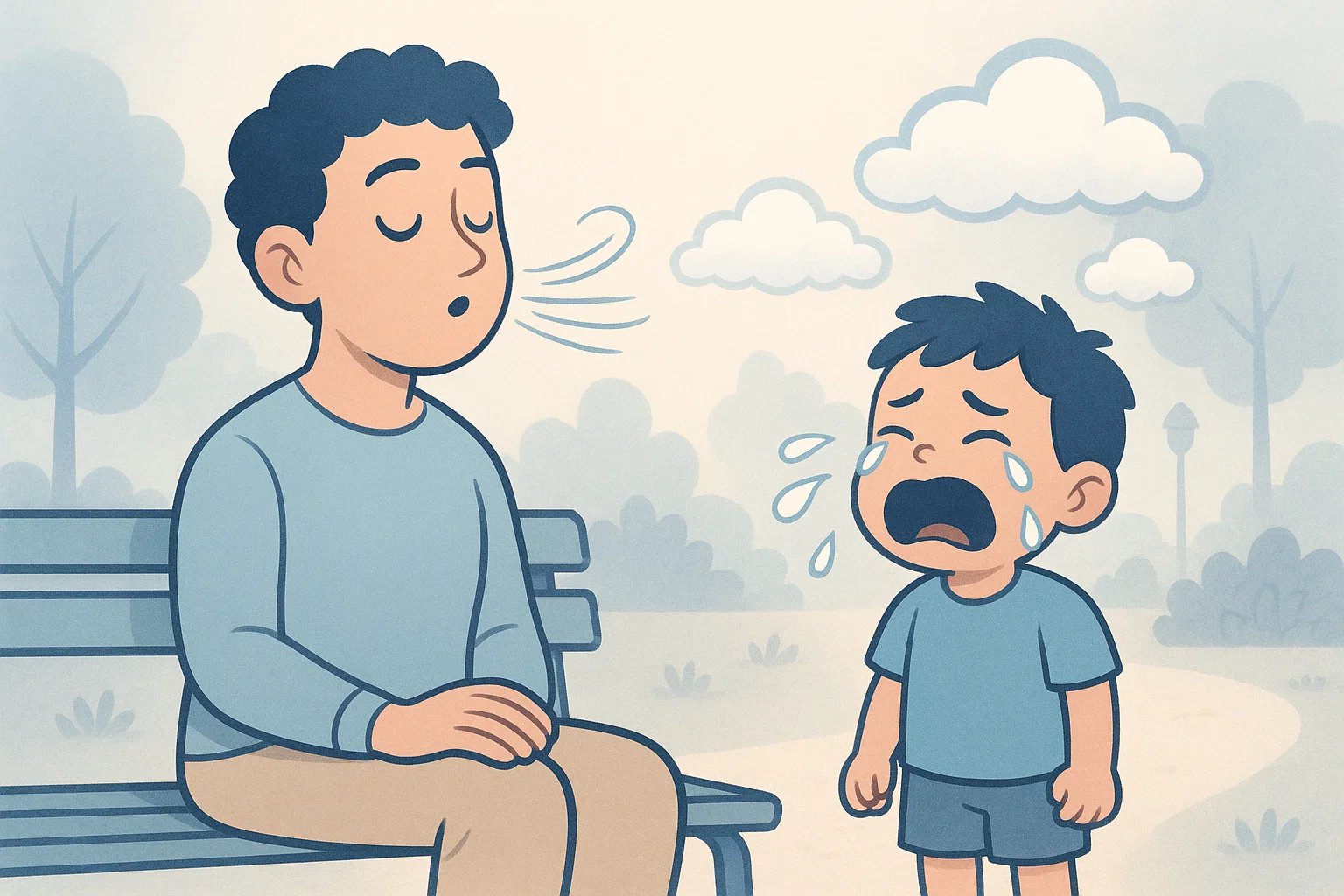
When your child is melting down and the onlookers are staring, your primary task is not to end the tantrum but to stay grounded and model self-regulation. Your calm presence is ultimately what helps soothe your child’s overwhelmed nervous system.
Breathe and Lower Voice
The moment your child starts crying or yelling, your body’s natural instinct is to enter fight-or-flight. You must interrupt this stress response.
- Take a Deep Breath: Immediately, stop talking, take a slow, deep breath, and let it out. This simple act sends a calming signal to your brain and body. Repeat several deep breaths.
- Lower Your Volume: Speak in a slow, low, quiet voice. This forces you to remain calmer and encourages your child to lower their volume to hear you. Loudly instructing them to ‘calm down’ is ineffective.
- Pause: Resist the immediate urge to react or lecture. Give yourself three seconds of silence to observe the situation before responding.
Focus on Connection, Not Control
The core need during a meltdown is connection. Your child isn’t giving you a hard time; they are having a hard time. The key is to empathize before you attempt to redirect.
- Kneel Down: Get down to their level and make eye contact (if they can tolerate it). This non-verbal cue shows you are present and safe.
- Empathize: Use short, validating phrases. “I see you’re really angry because you can’t have that toy.” or “You are so tired, and it’s okay to feel frustrated.” You are giving voice to their big emotions.
- Reassurance: Offer physical touch (a hand on their back, a gentle hug if accepted) and gentle reassurance that you are there. The physical presence of a calm parent is soothing.
| What to Say (Connection-Focused) | What to Avoid (Control-Focused) | Why It Works |
| “I hear how mad you are. This is tough.” | “Stop crying right now! We are leaving!” | Validates the feeling, preventing shame. |
| “I will stay with you until you are ready.” | “If you don’t stop, you’re going to get a timeout!” | Offers safety and partnership. |
| “Let’s take a deep breath together.” | “Why are you acting like this?” | Models self-regulation gently. |
Step Away From the Crowd if Possible
The pressure of the judgmental looks from onlookers, and the intensity of the sensory environment, can make a public tantrum much worse. If possible, prioritize physical removal from the situation.
- Seek a ‘Safe’ Spot: Look for a restroom lobby, a quiet corner, or the car. This reduces the stimulation and the embarrassment you feel.
- Move Decisively: Say calmly, “I see you need a break. We are going to step outside for a minute.” If necessary, gently help your child move to the quieter space.
- Stay there: Don’t rush the reset. Once you are in a quiet area, just breathe and hold space for them. Only once the most intense crying has subsided should you attempt to reconnect and talk. Let your child release the emotion fully.
Using Positive Strategies in Public Moments
Once the initial intensity has passed, or as a proactive measure before the outburst even peaks, you can use respectful methods to redirect the behavior and encourage cooperation. These techniques respect the child’s need for autonomy while maintaining boundaries.
Offer Simple Choices
Loss of control is a major cause of tantrums. Giving your toddler two acceptable choices can restore their sense of control and increase cooperation, making the situation instantly more manageable.
- “Do you want to walk and hold my hand, or ride in the cart?” (At the store)
- “Do you want to put your shoes on first, or your jacket?” (Before leaving)
- “Do you want the blue cup or the red cup?” (Focusing on a non-issue)
Crucially, only offer choices you can actually live with. If the answer must be “no,” simply state the boundary and empathize with the disappointment, rather than pretending a choice exists.
Use Praise and Small Rewards
Positive reinforcement is far more effective in teaching desired behavior in public than punishment is in stopping undesired behavior. Catch your child being good!
- Behavior-Specific Praise: Don’t just say “Good job.” Say, “I really noticed how you used your inside voice when we walked past the loud toys! That was so helpful!”
- Instant Recognition: Offer praise immediately after the positive action. This links the calmer feeling to good behavior.
- Small, Earned Rewards: A small sticker, a moment of special one-on-one attention, or choosing the next song in the car can reinforce positive actions during a challenging outing.
Keep Communication Short and Gentle
During moments of stress, a child’s attention and processing capacity are minimal. Long explanations, lectures, or detailed reasoning are lost.
- Short Phrases: Use brief, simple instructions or affirmations. “Gentle hands.” “Walking feet.” “First, we put the milk in. Then, we are done.”
- Positive Framing: State what you want them to do, not what you want them to stop. Instead of “Don’t run!” say “Slow walking, please.”
- Repeat Calmly: If they don’t respond, repeat the short, calmly phrase instead of getting louder or more frustrated. Your consistency is key to their trust and eventual cooperation.
What to Do After a Public Tantrum
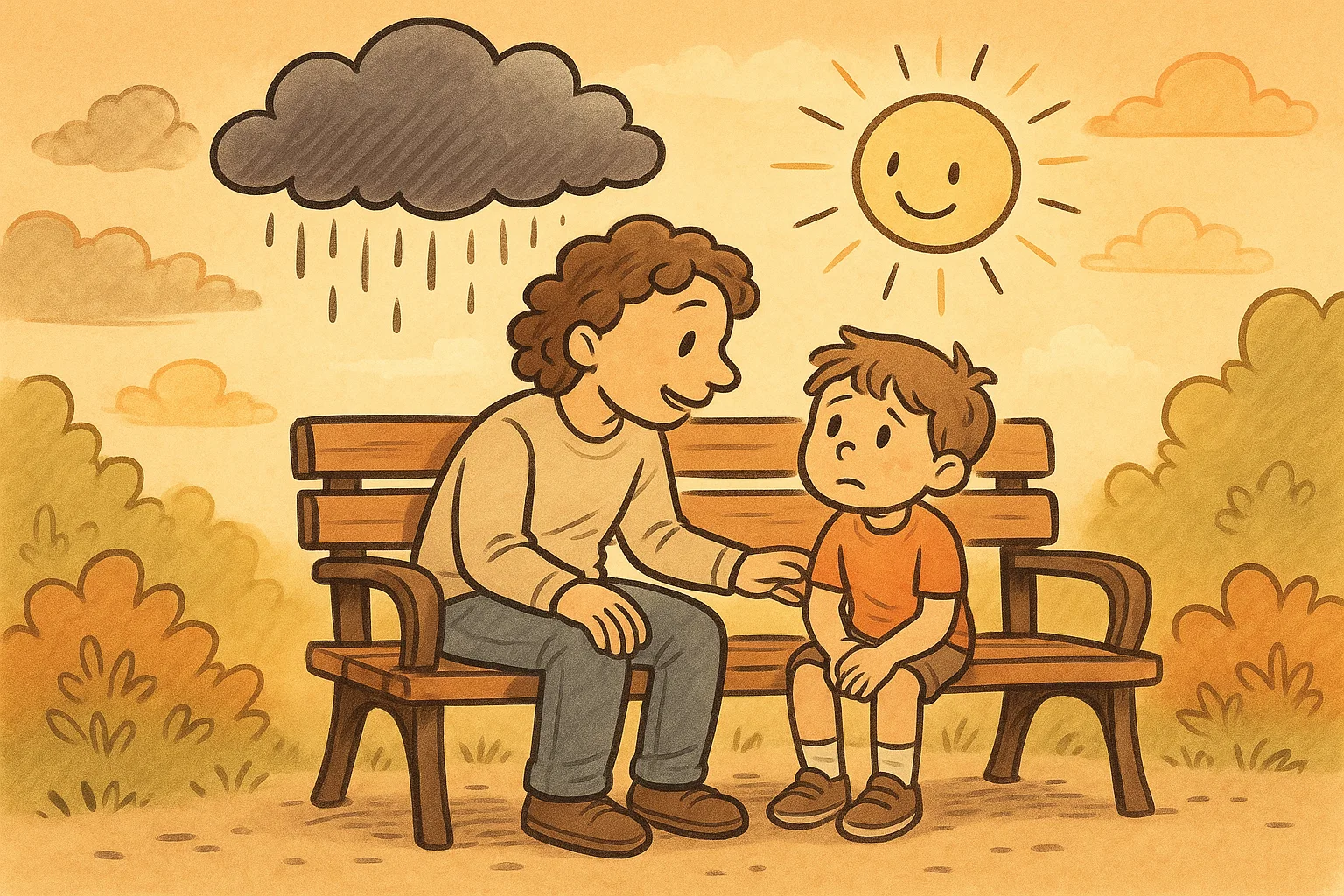
The moment the outburst ends is just as critical as the moment it begins. How you handle the aftermath determines whether the incident becomes a source of shame or a powerful learning opportunity for emotional regulation.
Reflect Without Shame
As the calm returns, you may feel an acute sense of relief, exhaustion, or lingering embarrassment about the onlookers. It is vital to let go of the need to fix the perception of others.
- Acknowledge Your Own Effort: Silently praise yourself for taking deep breaths and managing the situation without yelling. You were a calm parent.
- Focus on Learning: Remind yourself that children need to practice regulating big feelings, and this was simply another chance to learn. The incident is data, not a moral failing for you or your child.
- Move On: If the event was truly overwhelming, consider shortening the outing and leaving without guilt. Sometimes, staying home the next day to rest and reconnect is the best course of action.
Talk Calmly After Emotions Settle
Do not talk about the tantrum until both you and your child are completely calm, ideally 15-30 minutes later. The goal is self-awareness, not punishment.
- Start with Empathy: “When you started crying in the store, you were feeling so frustrated because you wanted that candy. Is that right?”
- Label the Feeling: “That frustration is a big emotion. It’s okay to feel that, but it’s not okay to hit.” This helps the child build an emotional vocabulary.
- Review the Strategy: “Next time you feel that way, you can tell me, ‘I’m mad,’ or you can ask me for a deep breath hug. Can you remind your child of the acceptable actions?”
Children need this guided reflection to understand the link between how they feel and how they act.
Reinforce Positive Lessons at Home
Use the knowledge gained from the public event to practice skills in a low-stakes home environment. This builds the muscle of emotional regulation for future outings.
| Lesson Learned (e.g., in Public) | Practice Activity (at Home) | Focus on Skill |
| Overwhelm from noise/crowds | Daily quiet time with limited stimulation or screens. | Calming the nervous system. |
| Hitting when frustrated | Teaching a “safe place” or using a pillow to punch when angry. | Appropriate release of big feelings. |
| Difficulty waiting | Playing a structured waiting game (e.g., “Red Light, Green Light”). | Impulse control. |
This consistent practice, away from the pressure of being watched, builds competence and confidence.
When to Seek Extra Help
While occasional, intense public tantrums are normal for a young child, a persistent pattern of extreme difficulty in emotional regulation may indicate a need for professional guidance. Trust your gut as a parent.
Signs of Deeper Emotional Difficulty
Consult a professional if you observe these patterns for several weeks or months, as they suggest the child’s coping mechanisms are truly overwhelmed:
- Extreme Aggression: Frequent biting, hitting, or harming others/self during an outburst, even after they’ve started crying.
- Inability to Calm: An inability to de-escalate or regulate within a reasonable time (e.g., 20+ minutes) and without intense parental intervention.
- Anxiety/Avoidance: The child consistently refuses to leave the house, or staying home becomes the only way to avoid a meltdown.
- Impact on Functioning: The severity of the challenging behaviours significantly interferes with preschool, daycare, or family life.
These signs may indicate that the child is experiencing underlying anxiety, sensory processing differences, or other neurodevelopmental factors that require specialized support.
How Professionals Can Support Parents
Seeking help is a sign of great parenting, not failure. Professionals offer objective expertise and tailored strategies.
- Child Therapists/Play Therapists: Can help your child process big feelings and learn self-regulation tools through play, which is a child’s natural language. They offer a safe space for the child’s developing brain to practice.
- Pediatricians/Developmental Specialists: Can rule out medical factors, screen for neurodevelopmental differences, and provide appropriate referrals.
- Parenting Coaches/Consultants: Can help parents fine-tune their responses, practice staying calmer, and create consistent home-based strategies for teaching your child emotional skills.
Experts generally agree that severe, persistent tantrums past age five should be evaluated by a healthcare professional.
Self-Care for Parents
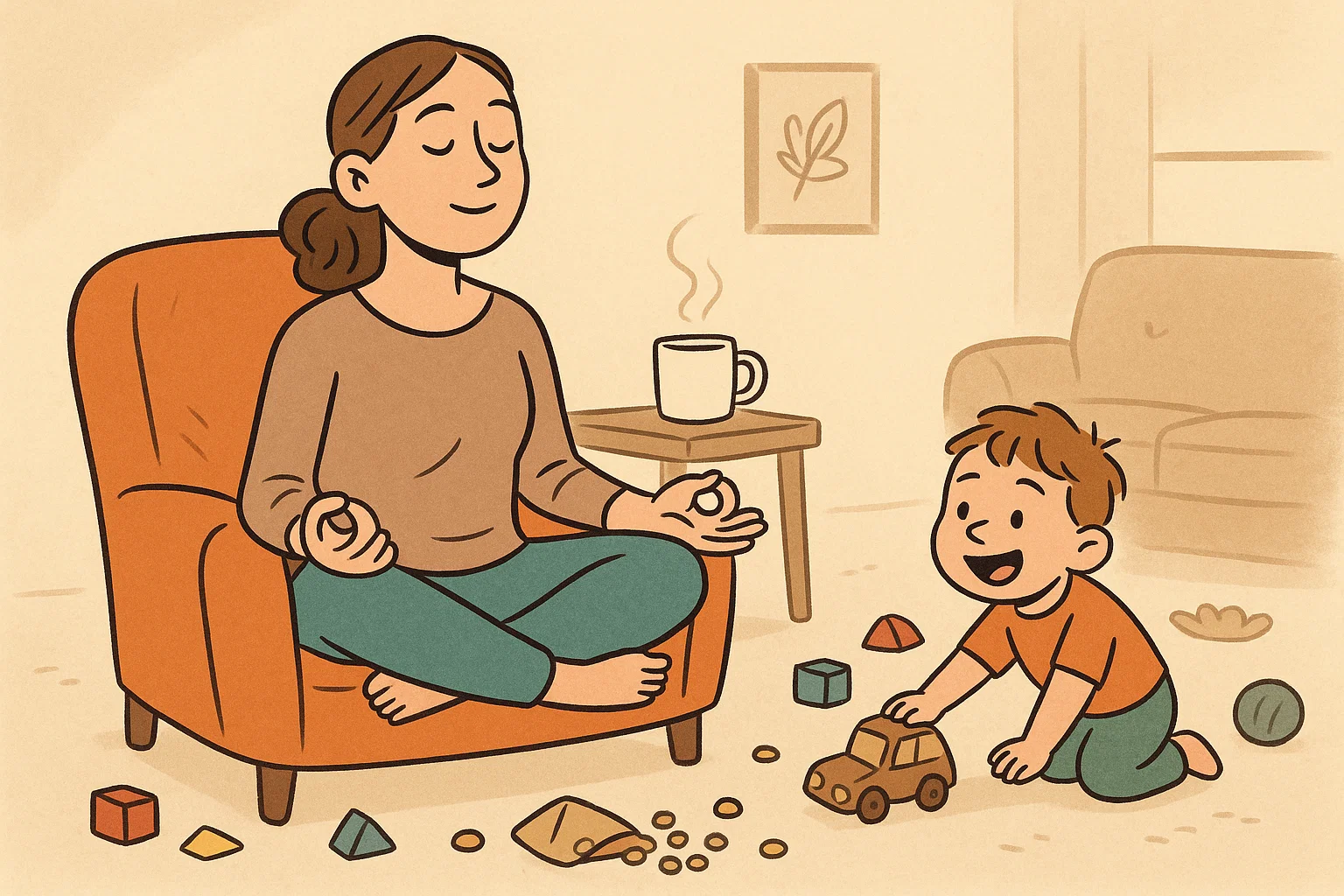
You cannot pour from an empty cup. Being a calm parent who can stay grounded and effectively help your child regulate their emotions absolutely depends on your own well-being and ability to manage stress.
Manage Stress Before Outings
Proactive self-care can be the difference between a successful outing and a disaster. Before a potentially stressful public trip:
- The 5-Minute Reset: Do a short mindfulness or deep breaths exercise in the car before you go in. Close your eyes and tell yourself, “I can handle whatever happens. I will stay calm.”
- Lower Expectations: Accept that the trip may take longer, or you may not get everything on your list. Shift your goal from efficiency to connection.
- Mindfulness: As you walk into the store, pay attention to the sights, smells, and sounds for 10 seconds. This simple act brings you into the present moment and helps you stay grounded.
Don’t Take Public Judgment Personally
One of the most difficult aspects of parenting in public is the feeling that people are watching and judging. Most onlookers are simply relieved it’s not their child, or they have forgotten what it’s like to navigate life with a toddler.
- The Empathy Shift: When you feel a judgmental gaze, take a deep breath and reframe it: “That person is not my expert. They do not know my child’s story. I am being a responsive, connecting parent right now.”
- Focus on Your Bubble: Draw your attention back to your child. Make eye contact with them, kneel down, and whisper a reassuring word. Prioritize your child’s sense of safety over the opinion of a stranger.
- It’s Not About You: An outburst is rarely personal; it’s a physiological release. Remind yourself that you are doing the hard, developmental work that leads to better behavior in public long-term.
Celebrate Small Wins
Parenting is a marathon, not a sprint. Recognize and appreciate every moment of progress, no matter how tiny. This builds your confidence and reinforces your ability to stay calm.
- Did you take a deep breath instead of yelling? Celebrate!
- Did your child calmly accept the no for 30 seconds before they started crying? Celebrate!
- Did you leave the store with an overwhelmed child but managed to maintain your calm presence? Celebrate!
These small victories are the foundation for the long-term success of teaching your child effective emotional regulation.
Long-Term Habits for Calm and Confidence
True resilience in public tantrums is built on consistent daily practices that strengthen your child’s ability to regulate their emotions and trust your calm presence. The goal is fewer challenging behaviours over time.
Model Calm Reactions Daily
Children learn more from watching you than from listening to you. Your ability to stay calm under stress is their most important lesson in emotional regulation.
- Verbalize Your Feelings: When you are frustrated at home, state it calmly: “I am feeling really annoyed because this remote isn’t working. I’m going to take a big breath.” This shows them that big feelings are normal and can be handled constructively.
- Apologize for Mistakes: If you do yell or rush, model repair by saying, “I raised my voice, and I apologize. That was too loud. Next time, I will try to take a deep breath first.” This teaches them to reconnect and repair after an outburst.
- Manage Your Own Stressors: Ensure your child sees you engaging in self-soothing activities—reading, exercise, or quiet time—so they learn that taking a break is essential.
Create Predictable Routines
A highly structured, predictable daily life is an anchor for a developing brain. When a child knows what to expect, their overall anxiety and propensity for an outburst decrease dramatically.
| Routine Strategy | Benefit for Emotional Regulation | Example |
| Visual Schedule | Provides a feeling of control and predictability. | Photos/drawings of: Wake up $to$ Breakfast $to$ Get dressed. |
| Transition Warnings | Reduces the shock of having to stop an activity. | “In 5 minutes, we will clean up the toys.” |
| Consistent Sleep | Directly impacts the child’s ability to cope with stimulation. | Non-negotiable, early bedtime. They’re tired is a major trigger. |
Build Emotional Vocabulary Together
The inability to name a feeling leads to acting it out. By helping your child use words, you give them a powerful tool to express their needs instead of resorting to a tantrum or meltdown.
- Daily Check-Ins: At dinner or bedtime, ask, “What was one thing that made you happy today, and one thing that made you feel frustrated?”
- Use Books/Stories: Point out characters’ facial expressions and feelings. “Look, that bear looks very angry! He’s having a big emotion!”
- Validate All Feelings: Consistently affirm that it’s okay to feel any emotion—anger, jealousy, sadness—but what matters is how we choose to express it. You are teaching your child the first steps toward emotional intelligence.