

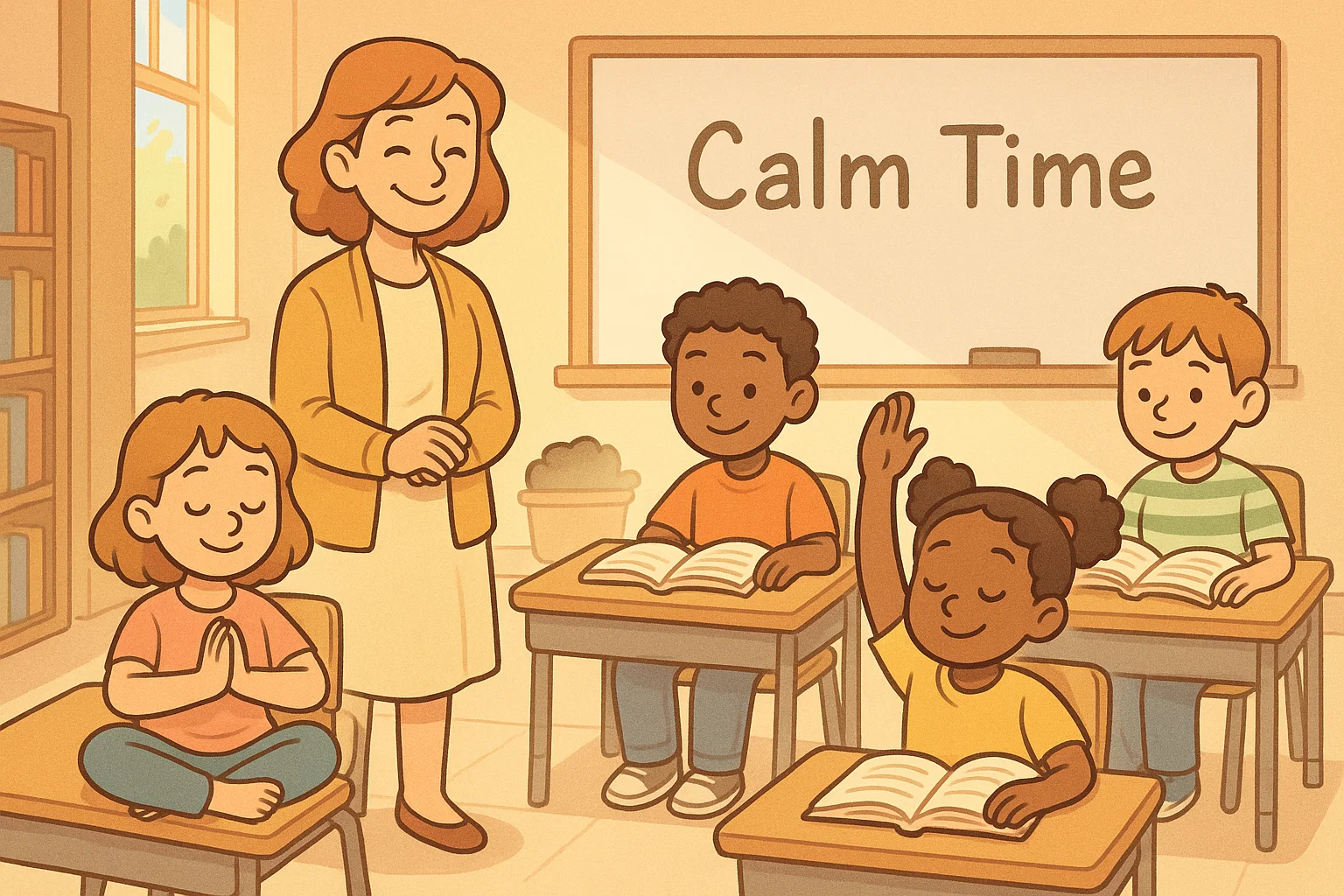
Creating a calm and focused classroom is the bedrock of effective learning. When children feel safe, regulated, and present, their capacity for absorbing information, engaging with peers, and managing their emotions skyrockets. In today’s busy world, many kids struggle to navigate complex social settings, fast-paced transitions, and the sheer volume of sensory input, leading to outbursts, restlessness, and a lack of concentration that can derail a lesson. Teachers often feel overwhelmed trying to regain control.
Managing a group of young, developing minds presents unique challenges for every educator. This comprehensive guide will equip you with practical, research-based methods—from quick, in-the-moment calming activities to foundational routines—that not only restore order but also encourage students to build lifelong skills in self-regulation and mental health. We will explore proven ways to calm children and help them learn to cope effectively, transforming your classroom into a peaceful haven for every student.
Key Reasons Kids Struggle to Stay Calm in Class
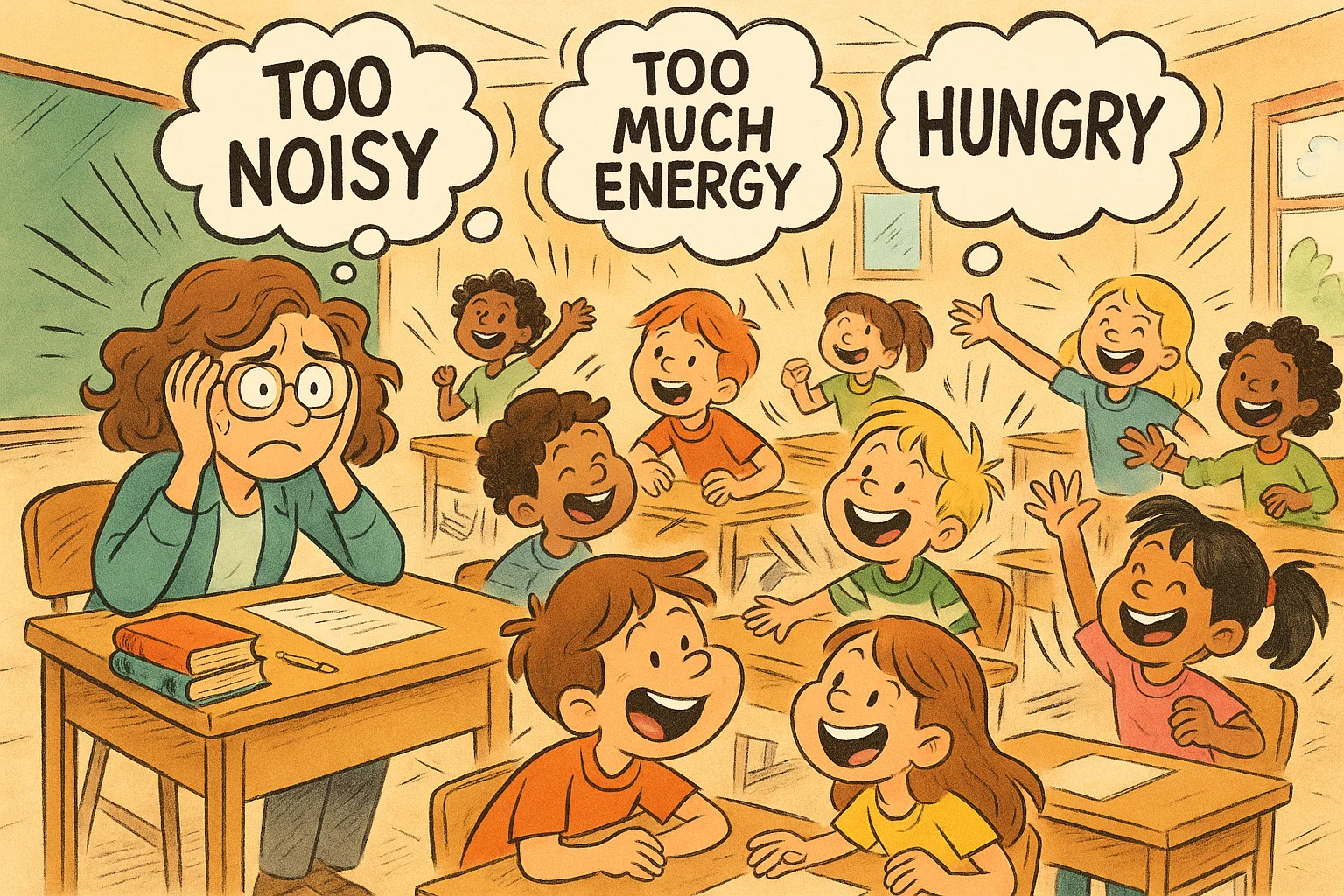
Effective classroom management begins not with correcting behavior, but with understanding its root cause. Behavior is a form of communication. When kids struggle to stay regulated, it’s often a sign that an underlying need is not being met. Recognizing these triggers is the most effective way to calm the environment.
Common Triggers During the School Day
The structure of the school day, designed to maximize learning, often creates pressure points where children become overstimulated or dysregulated. Transitions are a particularly potent trigger.
- After Recess/Gym: The sudden shift from vigorous, chaotic physical activity to seated, quiet focus can be jarring for the nervous system. Energy levels are high, and the brain is often flooded with endorphins, making it hard to settle.
- Lunchtime: The noise, social complexities, and food-related sensory inputs of a cafeteria can lead to overstimulation. Coming back to class from this environment often requires a structured “reset.”
- Group Work: Collaborative tasks, while essential, can be socially and emotionally demanding, leading to frustration, over-excitement, or conflict that spills into the wider classroom atmosphere.
Emotional and Sensory Factors
For many children, especially those with sensory processing sensitivities, the classroom environment itself can be a source of stress.
| Factor | Description & Impact on Calmness |
| Noise Level | Fluctuations in sound (chattering, scraping chairs, loud bells) can be overwhelming. Some students might be acutely sensitive to auditory stimuli, making it difficult to maintain composure. |
| Lighting | Harsh fluorescent lighting can cause eye strain and even trigger headaches or anxiety in susceptible individuals. Provide kids with softer light options if possible. |
| Personal Stress | Issues at home, peer conflicts, or academic pressure can all elevate a child’s baseline anxiety. A quiet moment or a calming corner becomes crucial for them to regain composure. |
| Hunger/Fatigue | Low blood sugar or lack of adequate sleep dramatically reduces a child’s ability to self-regulate and control impulses. |
Teacher’s Role in Maintaining Balance
The classroom environment is profoundly influenced by the teacher. Your demeanor, voice, and organization set the emotional tone for the entire day.
- Tone of Voice: A calm, low, and even voice naturally signals safety and rest to the students’ nervous systems, encouraging a way to calm the group. A raised voice, conversely, often escalates tension.
- Routine and Predictability: A consistent routine helps reduce stress and anxiety because students know what to expect next.Predictable schedules are a great way to help children feel secure.
- Classroom Management Style: Clear, positively framed rules and expectations that are consistently enforced help your students understand boundaries and develop internal self-control.
Practical Techniques to Calm Kids Quickly
When classroom energy is too high or a disruption occurs, having a toolkit of fast, reliable strategies can quickly refocus the group and restore peace. These methods tap into the body’s natural calming and self-regulation systems.
Silent Reading or Quiet Time
Designating a short period for silent, independent reading is an excellent, low-demand way to calm the class after high-energy periods. The shift in focus and the quiet requirement promote self-regulation.
- The Power of Focus: Reading encourages the child to concentrate on a single task, moving their attention away from external stimuli.
- Low-Arousal Activity: Unlike collaborative work, silent reading requires minimal social interaction, reducing potential friction and overstimulation. Give students the choice of a book or magazine to enhance buy-in.
Breathing Exercises
Learning deep breathing is one of the most powerful and accessible calming techniques you can teach children. It directly impacts the vagus nerve, signaling to the body that it is safe to relax.
- Balloon Breath: Students place hands on their bellies and pretend to inflate a balloon as they inhale deeply through the nose, holding for three counts, then slowly deflating the balloon as they exhale through the mouth.
- Starfish Hand: Students trace one hand with the pointer finger of the other hand. They inhale deeply while moving up a finger, and exhale while moving down. This combines tactile sensation with mindful breathing.
- Hissing Snake Breath: Inhale deeply, and then exhale slowly, making a long hiss sound. This is a simple, auditory anchor that encourages children to lengthen their out-breath, which is key to calming the nervous system.
Mindfulness and Mini-Meditation
Short mindfulness activities are a great way to help students anchor themselves in the present moment, which is the opposite of anxiety. Even two minutes can make a difference.
- Bell Focus: Ring a small bell or chimes. Remind students to sit quietly and listen until the very last trace of the sound fades away. This sharpens auditory focus.
- Body Scan: Guide students to notice their bodies: “Wiggle your toes. Feel your seat on the chair. Notice the air on your skin.” This simple inventory brings awareness to physical sensation and promotes a positive way to manage the emotional state.
Gentle Stretching or Classroom Yoga
Physical movement can discharge excess energy and tension. Quick, simple stretches can be performed right beside their desks.
- Mountain Pose: Stand tall with hands pressed together at the heart. Deep breaths in and out.
- Rag Doll Fold: Bend at the waist, letting arms and head hang loose. This inversion is often quite grounding.
- “Shake It Out”: A short, structured movement break where students vigorously shake their arms and legs for 30 seconds, then pause for a moment of stillness. This helps release excess energy in a controlled way.
Calming Music or Ambient Sounds
Listening to relaxing music is a powerful tool for setting a peaceful classroom mood.
- Instrumental Background: Use soft, instrumental music, nature sounds, or simple piano scores during quiet work periods, entry routines, or transitions. This is a great way to minimize external distractions.
- Noise-Canceling Headphones: Provide kids with simple headphone options for independent work to reduce auditory overload. This allows them to create a personal, quiet space within the larger group.
Engaging Calming Activities for Kids
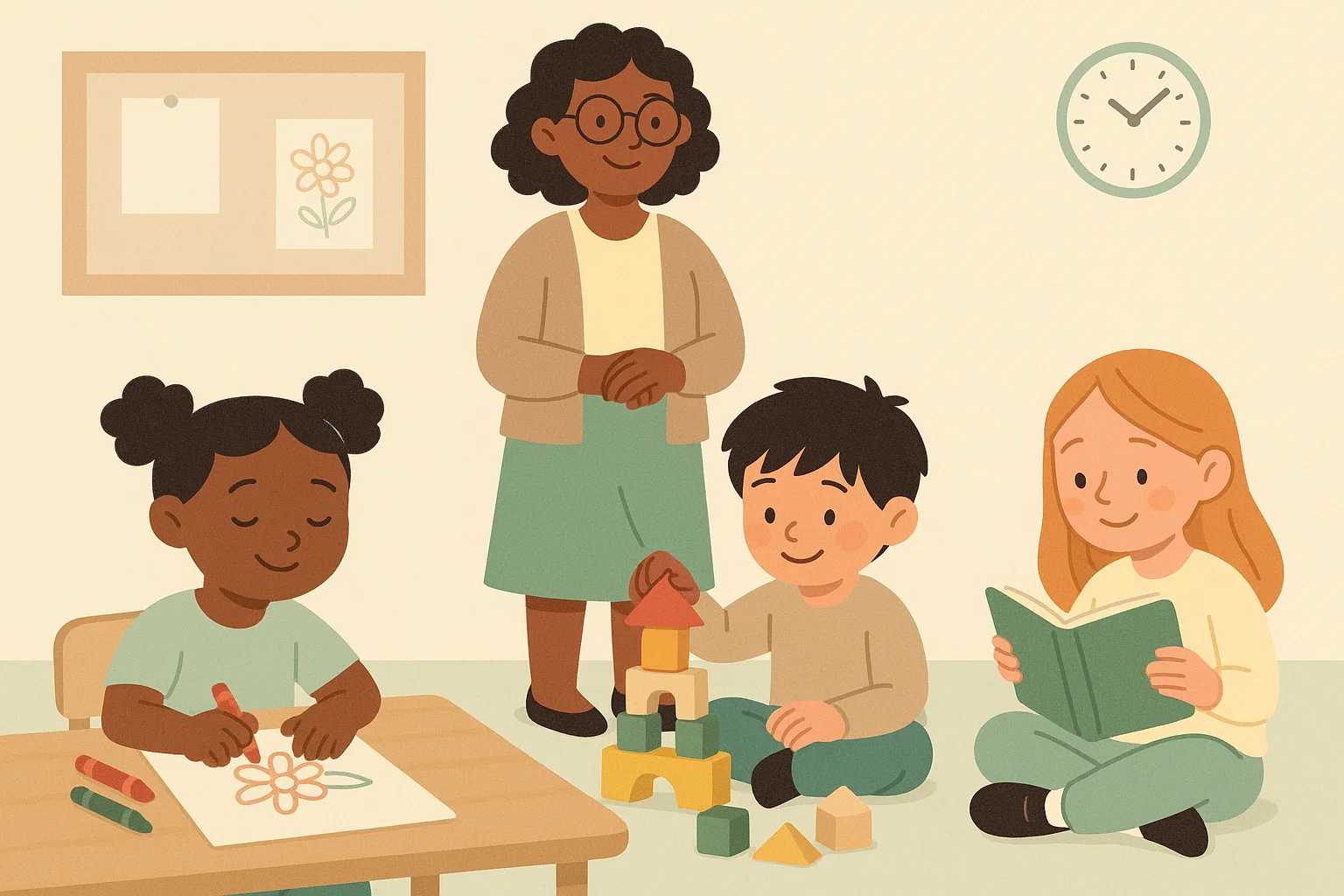
Sometimes, restoring calm requires channeling focused energy into an engaging task rather than demanding stillness. These activities provide opportunities for constructive relaxation.
Drawing and Coloring Tasks
Art is a non-verbal outlet for emotions and an excellent activity for building fine motor skills and concentration.
- Mandala Coloring: The repetitive, circular patterns of a mandala are naturally meditative and help children focus.
- Guided Doodling: Encourage students to doodle or sketch freely for five minutes to process a difficult feeling or simply clear their minds before a test.
Building and Crafting Projects
Activities that require precise, focused movement help shift an overactive brain into a state of constructive engagement.
| Activity | Skill Focus | Calming Effect |
| LEGO or Building Bricks | Planning, spatial reasoning, fine motor skills | Repetitive clicking and focused construction is deeply grounding. |
| Simple Origami | Following steps, precision | Demands intense, quiet focus on a tangible outcome. |
| Sticking or Gluing Tasks | Hand-eye coordination | The slow, deliberate nature of the work encourages patience. |
Sensory Play Tools
Tactile engagement is often a direct route to regulation. Sensory items provide a specific point of physical focus that can draw attention away from overwhelming thoughts or stimuli.
- Fidget Toys/Stress Balls: Small, quiet fidget items help kids manage restlessness and process sensation discreetly. Ensure these are quiet and used purposefully.
- Tactile Tools: Smooth stones, velvet squares, or small sensory squeeze items can provide grounding physical input.
Reading or Story Time
A shared story is a gentle, shared activity that promotes a unified calm focus.
- Audiobooks: A quiet, consistent voice can be a soothing anchor for a dysregulated class, allowing students to take a mental break while remaining attentive.
- Calming Content: Select stories with peaceful themes, gentle characters, or repetitive, rhythmic language.
Creating a Calm Down Corner in Class
A designated calming corner is a proactive, powerful tool that supports a child’s right to self-regulate. It is a designated space where a student can voluntarily go to process big emotions and regain composure privately.
Choosing the Right Location
The placement of your calming corner in the classroom is critical for its effectiveness.
- Low-Traffic Area: Choose a quiet spot away from the door, pencil sharpener, or main desk where the student won’t be constantly viewed or disrupted.
- Partial Screening: Use a bookshelf, screen, or curtain to provide a sense of privacy without isolating the child completely.
Calming Colors and Decor
The visual environment of the corner should actively promote relaxation.
- Palette: Opt for neutral colors (beige, grey) or soft, cool tones (light blue, sage green) that are less stimulating than bright reds or yellows.
- Comfort: Include a soft rug, a beanbag chair, or thick cushions. Soft textures provide a comforting sensation and help children feel physically secure.
Emotional Awareness Tools
The corner is not a punishment; it is a learning station for emotional state management.
- Emotion Chart: A chart with pictures of faces showing different feelings (calm, worried, angry, confused) helps a child identify and name their current emotional state.
- Mirror: A small, shatterproof mirror allows students to look at their faces and connect their internal feelings to external expressions, a great way to help build emotional literacy.
Sensory and Breathing Materials
Stock the corner with tools designed to help regulate the nervous system.
- Breathing Cards: Simple visual guides that illustrate deep breathing exercises.
- Noise-Canceling Headphones: To block out overwhelming classroom noise.
- Stress Toys: Discreet items for focused physical exercise (like squishy balls or playdough).
- Weighted Lap Pad: The gentle, firm pressure of a weighted item can be incredibly grounding and calm.
Routines That Promote Calm Every Day
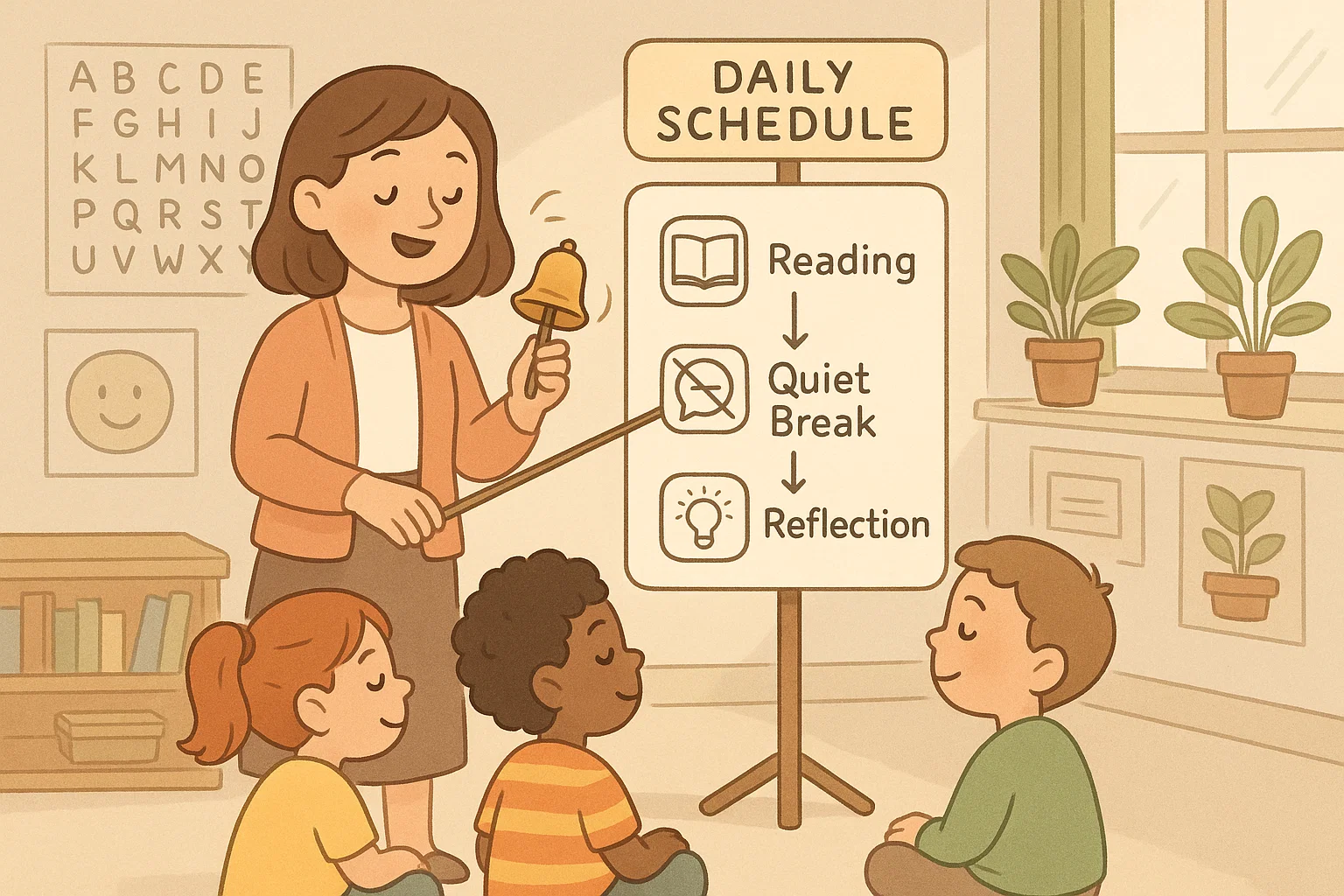
Predictability is the enemy of anxiety. A structured routine acts as a mental scaffolding that helps children feel secure, allowing them to manage their emotional state better.
Smooth Start-of-Day Transitions
The first 10 minutes of the day set the tone for the entire class.
- Calm Entry Rituals: Have students enter to soft, relaxing music and engage in a quiet, immediate task (e.g., answering a journal prompt, simple doodle, or silent reading).
- Warm Greetings: Greet students every day individually with a moment of eye contact and a positive way to acknowledge their presence.
Post-Lunch or Recess Reset
A formal “cool-down” period bridges the gap between high-energy play and focused work.
- Mindful Walking: Have students walk back to the classroom with a focus on their body, noticing the sounds of their feet (as opposed to running).
- Guided Relaxation: Use a brief (2-3 minute) audio guide for deep breathing exercises or a mini-body scan before starting the next subject.
End-of-Day Reflection Moments
Closing the day peacefully reinforces learning and promotes emotional closure.
- Gratitude Journaling: A quick write-or-share of one thing they are grateful for helps finish the day on a positive emotional note, preparing them to leave school in a more calm state.
- Quiet Clean-Up: Play calming music while students tidy their spaces, signaling a gentle conclusion to the day’s activities.
Building Classroom Culture That Supports Calmness
The most effective way to calm a classroom is to build a culture where calm is the shared default, rooted in trust and respectful communication.
Positive Language and Expectations
How you speak to and about your students profoundly influences how they take on challenges, their self-perception, and their behavior.
- Affirmations: Focus on what you want them to do, not what you want them to stop. Instead of, “Stop running!” try, “Please use your walking feet; it helps everyone feel calmer.”
- Clear Limits: Be consistent and clear with expectations for students. A predictable response to a boundary helps children feel secure and reduces anxiety.
Relationship and Trust Building
Authentic connection is a powerful regulator.
- Daily Check-ins: Use quick systems (like a thumbs-up/thumbs-down visual chart) to gauge the emotional state of the students every day. This allows you to proactively address a child who is struggling before an outburst occurs.
- Modeling Calm: When a crisis occurs, your response is the blueprint. By taking deep breaths and responding thoughtfully, you encourage students to mirror that calm response.
Encouraging Peer Support
Teaching students to support one another is a powerful way to build empathy and a sense of community.
- “Calm Partners”: Pair students for occasional mindful breathing exercise practice or quick, supportive check-ins during transitions.
- Teaching Social-Emotional Skills: Explicitly teach students phrases and ideas to help a peer who looks frustrated or sad, like, “Do you need a minute?” or “Let’s take a deep breath together.”
When Calm Strategies Don’t Work
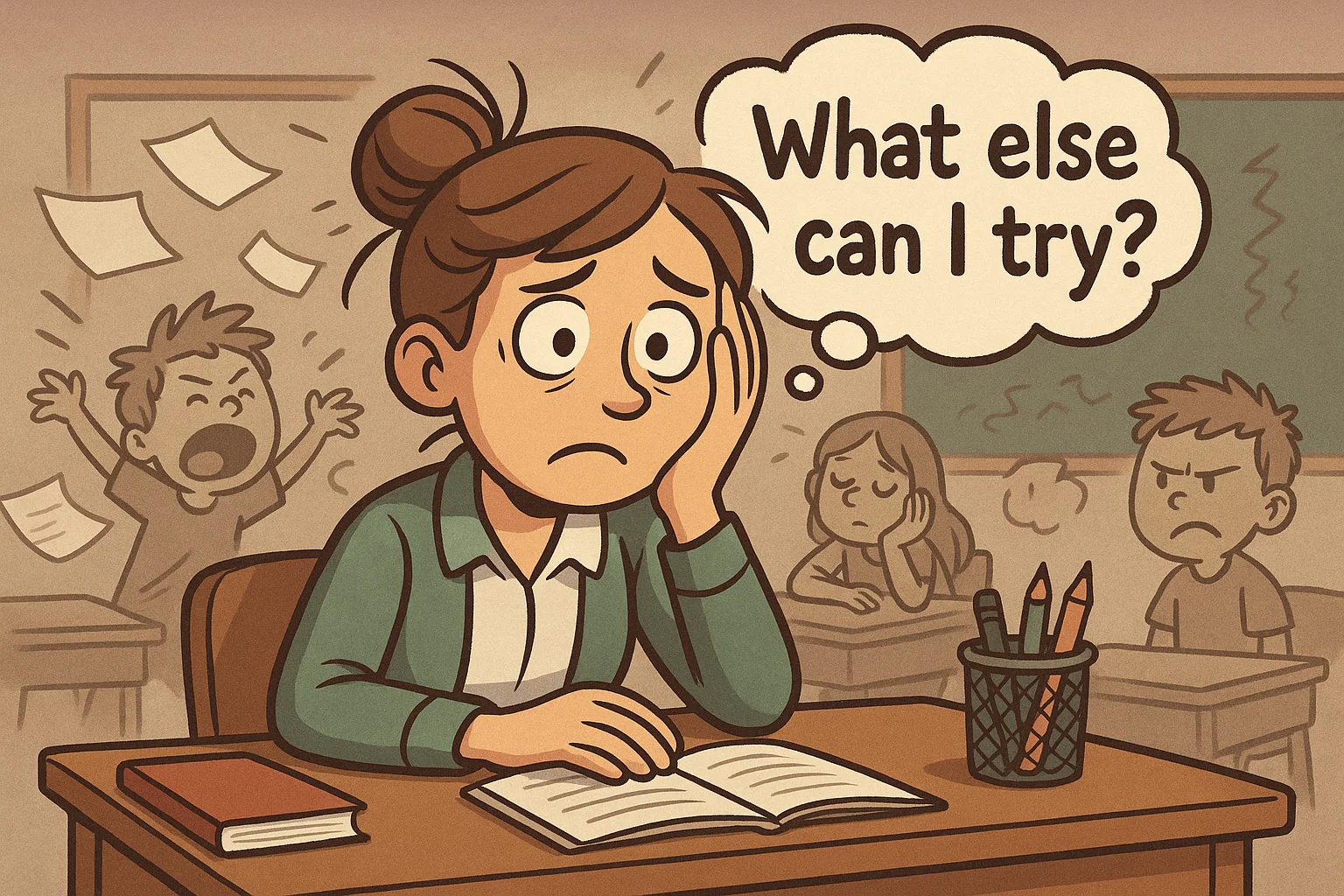
While the strategies outlined are highly effective, there will be times when a child’s inability to cope signals a deeper need. In these cases, it is essential to look beyond standard classroom management.
Recognizing Deeper Emotional Needs
Chronic or intense dysregulation may indicate an underlying issue that requires external support.
- Persistent Anxiety: A child who constantly seems on edge, is overly reliant on the calming corner, or struggles with minor transition changes may be dealing with generalized anxiety or stress.
- Sensory Processing Issues: Extreme reactions to light, sound, or movement often suggest a need for sensory aids (like a specialized seat cushion, frequent movement breaks, or a dedicated weighted blanket).
- Academic Stress: Unmet learning needs can manifest as behavioral disruption or withdrawal.
Collaboration with Parents or Specialists
Consistency is key to helping a child cope with anxiety and other challenges.
- Home-School Partnership: Regular, respectful communication with parents is vital to establishing a consistent routine that promotes health and wellbeing across settings. Share the calming techniques used in class so they can be reinforced at home.
- Referral for Support: If a behavioral pattern is persistent and impedes learning, a conversation with the school counselor or administrator about external support is warranted.
Using Professional Support Tools
Schools offer resources designed for these challenges.
- Occupational Therapy (OT): An OT can assess sensory needs and suggest modifications or exercise (like heavy work) to help children regulate.
- School Psychologist: Can offer individual counseling, small group work, and comprehensive assessment to understand the root cause of the behavior.
Final Tips for Maintaining Calm in Class
Maintaining a calm and focused learning environment is not about demanding silence; it’s about proactively supporting the mental health and developmental needs of every child.
Keep these three pillars in mind as you implement your calming routines and activities:
- Consistency is Your Superpower: The true impact of any calming strategy lies in its predictability. Do your deep breathing exercises and transition rituals every single time, even on the days you don’t think you need them.
- Empathy is the Key: When a student is having a difficult moment, remember that they are often feeling overwhelmed or unable to cope. Approach them with curiosity and compassion, not judgment. Your patience is one of the most powerful ways to help them learn.
- Prioritize Your Own Calm: You cannot pour from an empty cup. Incorporate your own moments of mindful practice—whether it’s deep breathing before the bell rings or listening to relaxing music during planning time. Your regulated state is the most essential calming sound in the classroom.
Building a calm classroom culture is a journey, not a destination. It is built daily, through small acts of structure, empathy, and consistency. You are not just teaching subjects; you are helping children develop the essential life skills to regulate their emotions and achieve lasting wellbeing.