

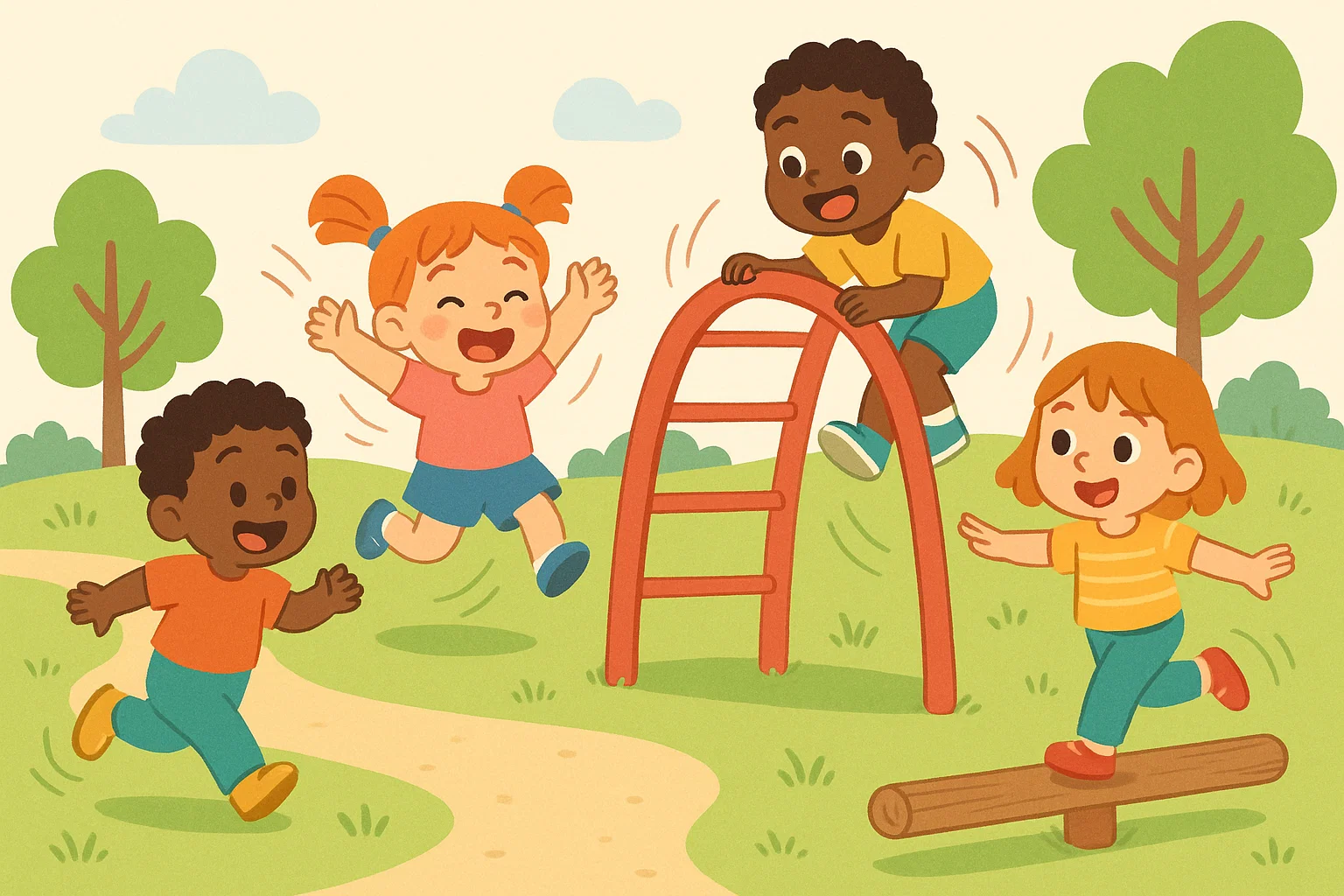
Understanding and supporting your child’s physical development is one of the most exciting parts of parenting. The ability to move, run, jump, and play is fundamental not only to physical health but also to emotional and cognitive well-being. This guide delves into the world of gross motor skills, offering parents, caregivers, and educators authoritative, actionable advice on how to effectively support the development of children’s gross motor skills through engaging, practical, and everyday physical activities.
We will cover everything from the basic science of whole-body movements in toddlers to advanced coordination challenges for older children, providing a wealth of gross motor activities suitable for both indoor and outdoor play. By nurturing these essential abilities, you help your child build the foundation for strength, coordination, and lifelong independence.
Gross Motor Skills Definition
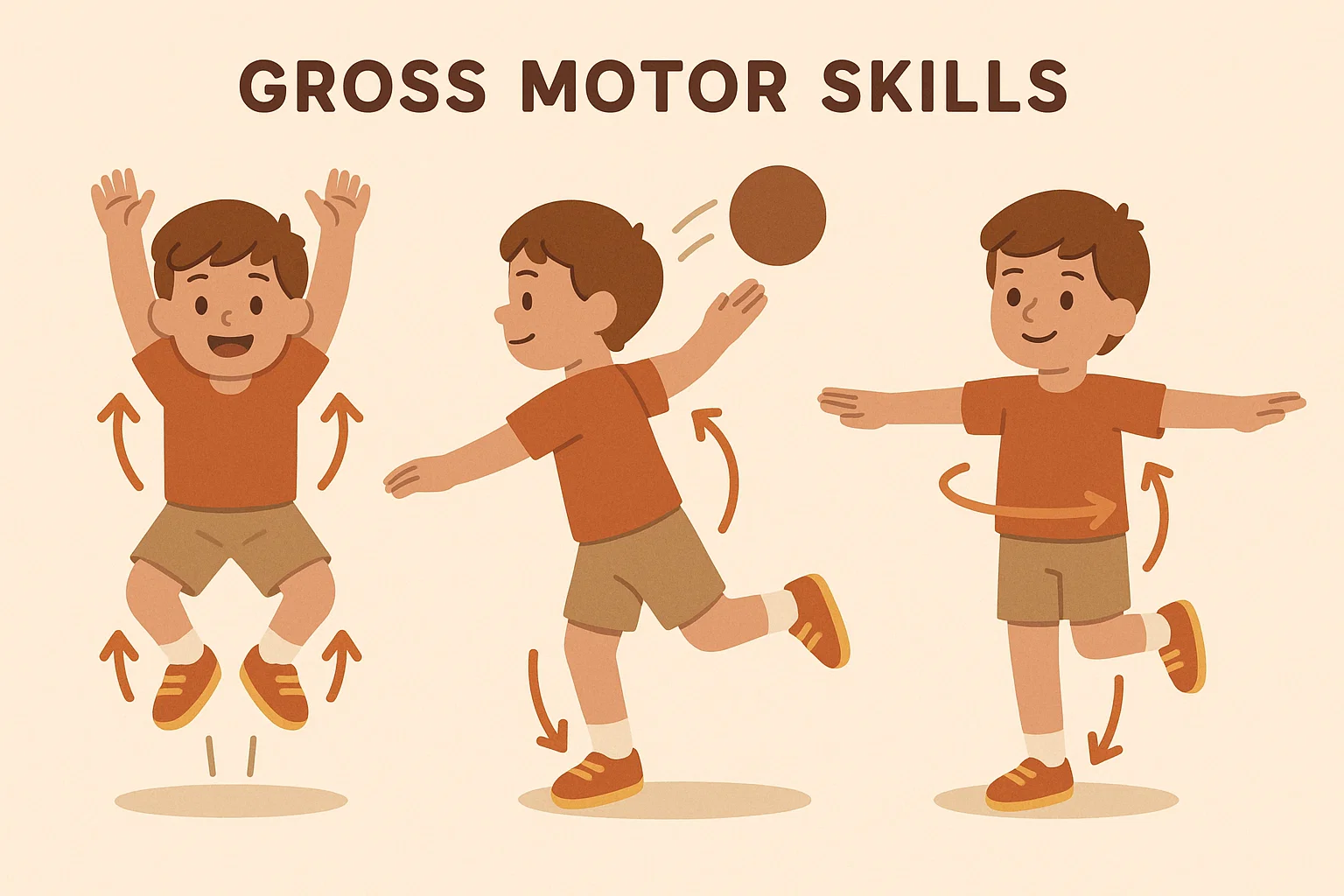
Gross motor skills are the abilities required to control the body’s large muscle groups during movement. These skills involve the large muscle groups of the arms, legs, and torso, allowing children to perform full-body movements with control and stability. The development of gross motor skills is critical for navigating the world, participating in play, and mastering basic self-care tasks.
Large Muscle Group Movement
Effective movement relies on integrating the efforts of different muscle groups. The core strength (abdominal and back muscles) is paramount, acting as the body’s stabilizing center for nearly all movements, from sitting up to throwing a ball. The leg muscles are essential for locomotion—walking, running, and jumping—while the upper body and arm strength are needed for pushing, pulling, climbing, and supporting body weight (as seen when using monkey bars). Activities that challenge the whole body, like climbing or using balance beams, are key to building resilience and control.
Gross Motor Skills vs Fine Motor Skills
While often discussed together as motor skills, gross motor skills contrast with fine motor skills.
- Gross Motor Skills: Use the large muscles for large-scale, coordinated movements like running, catching a ball, or maintaining posture. They focus on stability and movement of the entire body or major limbs.
- Fine Motor Skills: Use the small muscles, primarily in the hands and fingers, for precise, intricate tasks such as holding a crayon, zipping a coat, or cutting with scissors.
Think of it this way: a child needs gross motor skills to get to the art table (walking) and fine motor skills to draw a picture once they are there (gripping the pencil). Both are equally important for comprehensive physical development.
Everyday Examples of Gross Motor Skills
Children use their gross motor skills constantly, often without even realizing it. These everyday actions demonstrate mastery over the large muscle groups:
- Walking and running
- Jumping up or across a gap
- Climbing stairs (with or without holding onto a railing)
- Throwing, catching, and kicking a ball
- Balancing on one foot (or one leg)
- Skipping and hopping
- Swimming or riding a bicycle
Importance of Gross Motor Skills for Children
Gross motor skills are important for more than just play; they are fundamental to a child’s overall growth, sense of self, and readiness for structured learning environments.
Physical Development and Strength
Consistent physical activities that work on gross motor skills lead directly to increased strength and endurance. Developing these large muscles supports:
- Muscle Tone: The resting tension in muscles, necessary for maintaining posture.
- Endurance: The ability to sustain physical effort over time.
- Overall Fitness: Establishing healthy movement patterns that decrease the risk of sedentary lifestyle issues later in life.
Balance, Coordination, and Body Control
A significant benefit of engaging in diverse gross motor activities is the improvement in coordination and body awareness.
| Skill Focus | Description | Activity Example |
| Balance | The ability to maintain equilibrium while still or moving. | Standing on one leg for several seconds. |
| Coordination Skills | Using two or more body parts together smoothly (e.g., hand-eye or foot-eye). | Catching a ball or kicking a moving soccer ball. |
| Body Awareness | Understanding where the body is in space (proprioception). | Navigating a tricky obstacle course without bumping into things. |
| Bilateral Coordination | Using both sides of the body simultaneously or in alternating patterns. | Skipping or climbing a ladder. |
Connection with Learning and Behavior
Research strongly links physical activity to cognitive performance in children, particularly in areas such as attention and executive function. Physical development is intertwined with classroom readiness because:
- Stable Seating: Good core strength and posture allow a child to sit still and focus on a desk task for longer periods.
- Emotional Regulation: Movement, especially vigorous outdoor play, provides a healthy outlet for energy and helps children regulate their emotions, leading to better behavior.
- Cross-Lateral Movement: Activities that involve crossing the body’s midline (e.g., touching the left hand to the right foot) encourage communication between the brain’s hemispheres, which is vital for reading and writing skills.
Gross Motor Development by Age
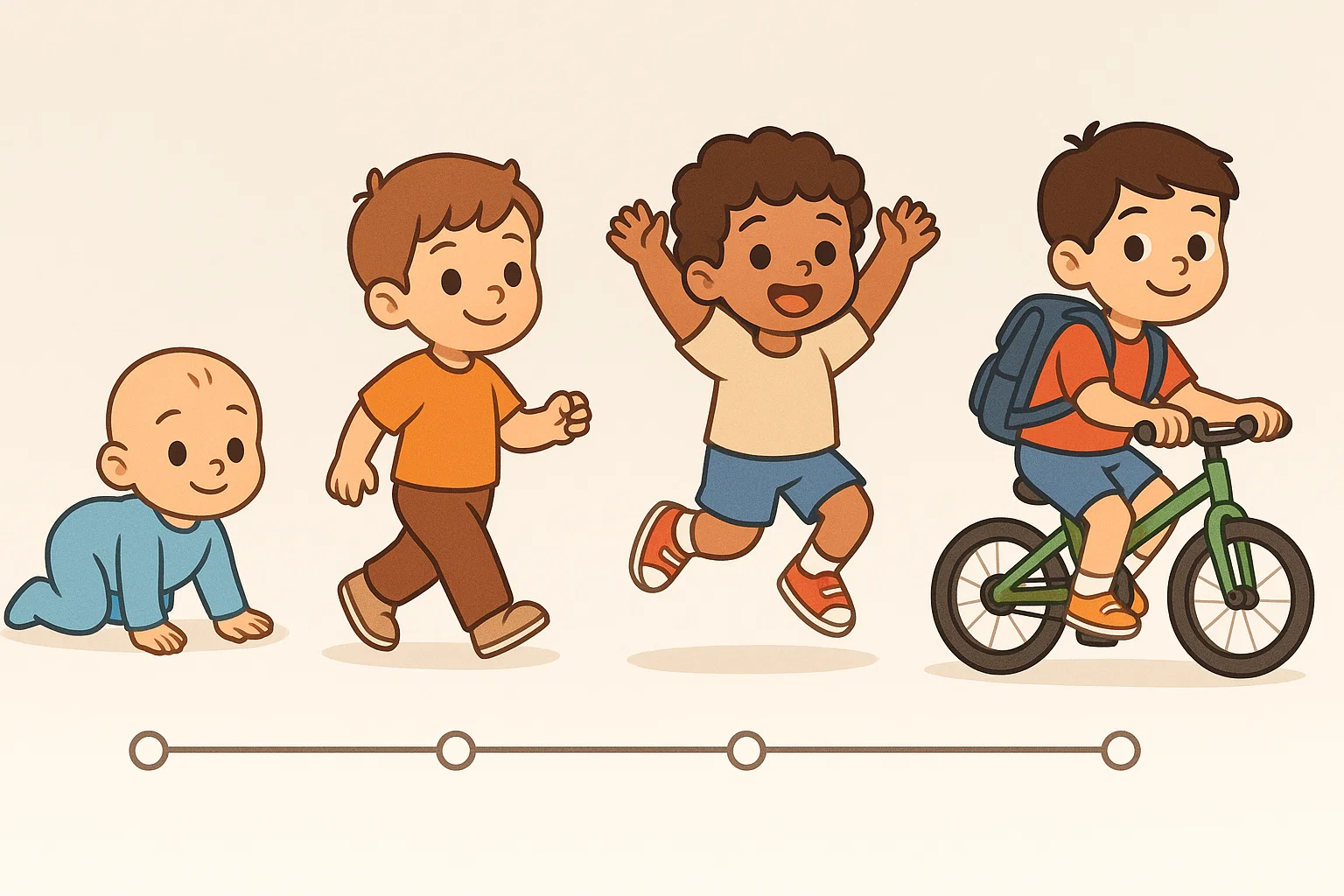
The pace and type of gross motor development change rapidly as children grow. It is essential to tailor activities for children to their developmental stage to increase the challenge appropriately and avoid frustration. The following stages align with typical early years foundation stage milestones.
Babies (0–3 months)
Movement is mostly reflexive, but purposeful activity begins quickly.
- Key Activities: Daily tummy time (even for very short periods), reaching for objects while on their back, supported head lifting.
- Goal: Developing head control and early upper body strength.
Babies (6–9 months)
A time of major transitions from lying to sitting and moving around.
- Key Activities: Rolling in both directions, sitting unsupported, army crawling, pushing up onto hands and knees, bouncing while holding onto an adult’s lap.
- Goal: Building the core and trunk muscles necessary for independent mobility.
Babies (9–12 months)
A transition toward upright standing and early walking.
- Key Activities: Pulling themselves up to stand, cruising (walking while holding onto furniture), crawling on hands and knees, taking first supported steps, pushing small weighted toys.
- Goal: Strengthening leg muscles and practicing balance during standing.
Toddlers (Ages 1-3)
Toddlers are driven explorers, constantly refining fundamental movement patterns.
- Key Activities: Independent walking, running (with frequent tumbles!), climbing low steps/furniture, jumping off low surfaces (with two feet together), catching a ball by trapping it against their body, kicking a stationary ball.
- Goal: Mastering basic locomotion and initial object manipulation skills.
Preschool and Early School Age Children (Ages 4+)
This stage involves refining complex coordination and higher-level motor learning.
- Key Activities: Skipping, hopping on one foot, riding a tricycle or bicycle, climbing on monkey bars (with one hand on each bar), organized sports, playing hopscotch, jumping rope, complex obstacle course challenges.
- Goal: Developing bilateral coordination, strength and endurance, and fine-tuning agility.
Indoor Gross Motor Activities
For rainy days or when space is limited, there are many effective indoor gross motor activities that can help children work on gross motor skills.
Obstacle Courses Indoors
An obstacle course is an effective gross motor tool that can be constantly varied to increase the challenge.
Setup Ideas:
- Crawl through a fabric tunnel or under a blanket draped over two chairs.
- Step over a line of pillows or cushions.
- Crawl under a string tied between two chair legs.
- Walk sideways along a piece of masking tape on the floor (like a miniature balance beam).
- Throw a soft beanbag into a laundry basket.
Dancing and Movement Games
Music naturally encourages whole-body movement and enhances rhythm.
- Freeze Dance: Great for teaching impulse control and quick shifts in body awareness.
- Follow the Leader: Mimicking movements—big steps, high knees, twirling—builds observation and coordination.
- Scarves or Ribbons: Simple props that help develop sweeping arm movements and tracking skills.
Animal Movement Games
Imitating animals is a fun way to build muscle strength and flexibility.
- Bear Walk: Walking on hands and feet (with knees straight) builds shoulder strength and core strength.
- Crab Walk: Walking on hands and feet with the stomach facing up strengthens the shoulders and triceps.
- Frog Jumps: Squatting low and jumping high promotes powerful leg movements and improves explosive strength.
Balance Activities Indoors
Indoor activities can easily target balance and posture.
- Line Walking: Walk heel-to-toe along a piece of painter’s tape or the seam of a rug.
- Stork Stand: Stand on one leg (holding onto an adult’s hand initially) for increasing periods. Time is like a game!
- Simple Yoga Poses: Poses like ‘Tree’ or ‘Downward Dog’ build body awareness and muscle strength.
Outdoor Gross Motor Activities
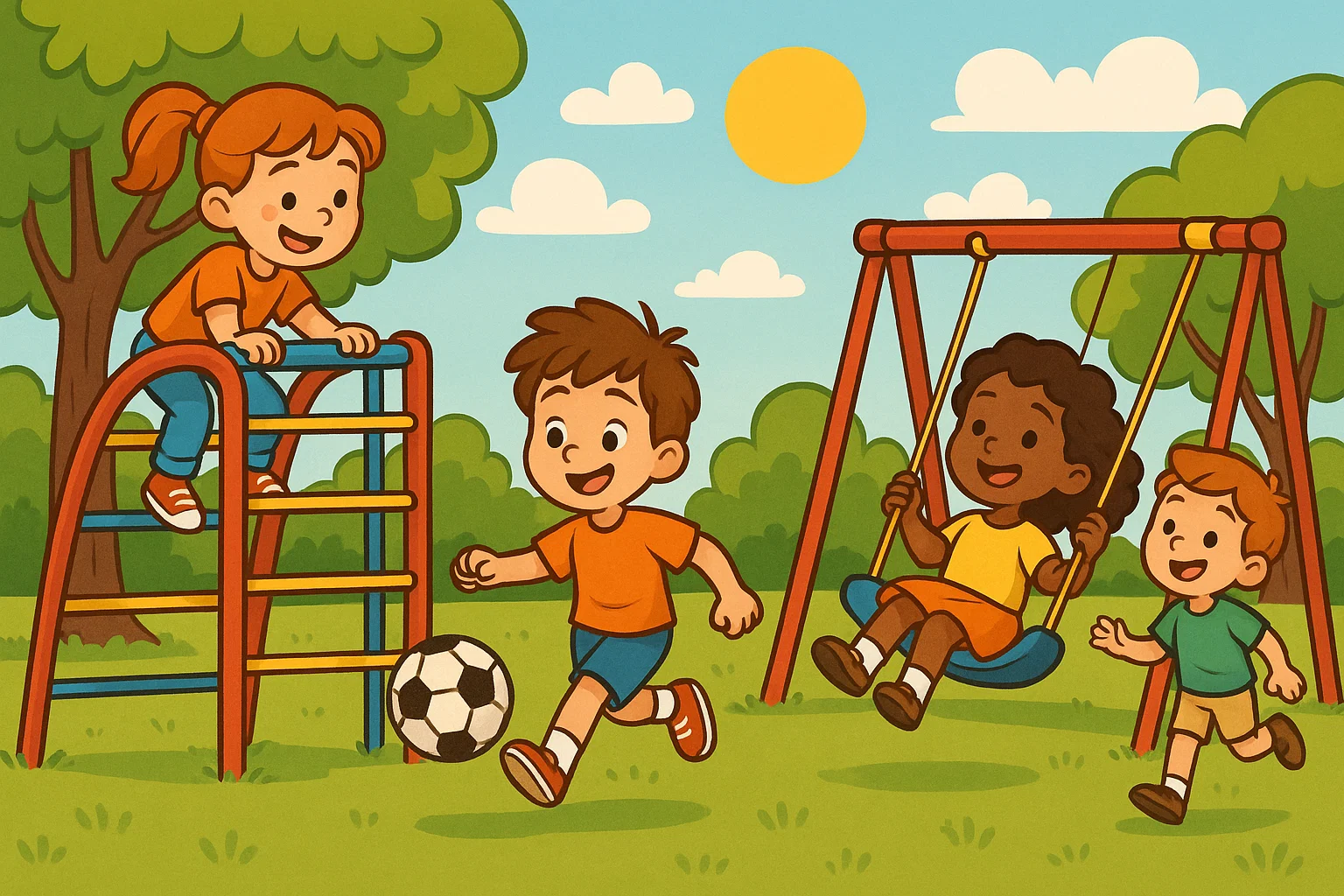
The outdoors provides the ultimate space to practice whole-body movements and is ideal for building strength and endurance. Activities that support larger, unrestricted movement are vital.
Playground Activities
Playgrounds are natural gross motor resources designed to challenge a child’s physical development.
- Climbing Frames: Excellent for developing upper body strength and sequencing movements.
- Slides: Climbing up the ladder requires leg and arm strength; sliding down is a great vestibular activity.
- Monkey Bars: Crucial for building grip and arm strength. Always supervise, ensuring the child can reach the first bar and safely drop down. Encourage them to practice hanging for short periods to start.
Ball Games and Throwing Activities
Catching and throwing are essential coordination skills that involve complex timing.
- Start with large, soft balls (like a beach ball) and progress to smaller, heavier ones.
- Target Practice: Throw beanbags or soft balls at targets like hula hoops or buckets. This refines aiming and control.
- Kicking Games: Kicking a stationary ball, then a rolling ball, and finally kicking at a target.
Chalk Games on Pavement
Simple chalk transforms a driveway or sidewalk into a gross motor gym.
- Hopscotch: Requires hopping on one foot and two feet, excellent for balance and motor planning.
- Balance Paths: Draw squiggly lines or shapes for the child to walk along. Vary the width to increase the challenge.
- Racetracks: Draw a track for them to run, skip, or scooter on, combining different modes of locomotion.
Cycling and Scooting
These are excellent for leg strength and endurance and advanced bilateral coordination.
- Start with balance bikes (or tricycles for younger toddlers) to focus on balance and steering before adding pedals.
- Scooting requires pushing off with one foot while balancing on the other, a great way to improve core strength and balance.
Gross Motor Activities by Skill Focus
Parents often ask how to intentionally focus on a specific area of development. Here are activity ideas categorized by the skills they support children in building.
Balance and Stability Activities
These help develop a child’s internal sense of where their body is and how to maintain posture.
- Tightrope Walk: Use a rope or a line on the ground and have them walk heel-to-toe.
- Statue Game: Have them strike a difficult pose and hold it absolutely still (like a statue) for 10-20 seconds.
Bilateral Coordination Activities
Activities that use both sides of the body together.
- Jumping Jacks: A classic exercise requiring both upper and lower body coordination.
- Clapping Games: Games like ‘Pat-a-cake’ that require precise, coordinated hand movements.
- Drumming: Playing a large drum with two sticks at different rhythms.
Vestibular Movement Activities
The vestibular system (inner ear) controls balance and spatial orientation. Challenging it is important for sensory processing.
- Swinging (pumping themselves)
- Rolling down a gentle grassy hill (or rolling up tightly in a blanket)
- Spinning slowly for a short period and then trying to walk straight (the “dizzy game”)
Strength-Building Activities
Building body strength and working against gravity.
- Climbing: Any structure that encourages pulling up with the arms and pushing up with the legs.
- Pushing/Pulling: Moving a laundry basket full of toys across the floor, or pushing a toy lawnmower.
- Wheelbarrow Walks: The child walks on their hands while an adult holds their legs (great for upper body and core strength).
Classroom Gross Motor Activities
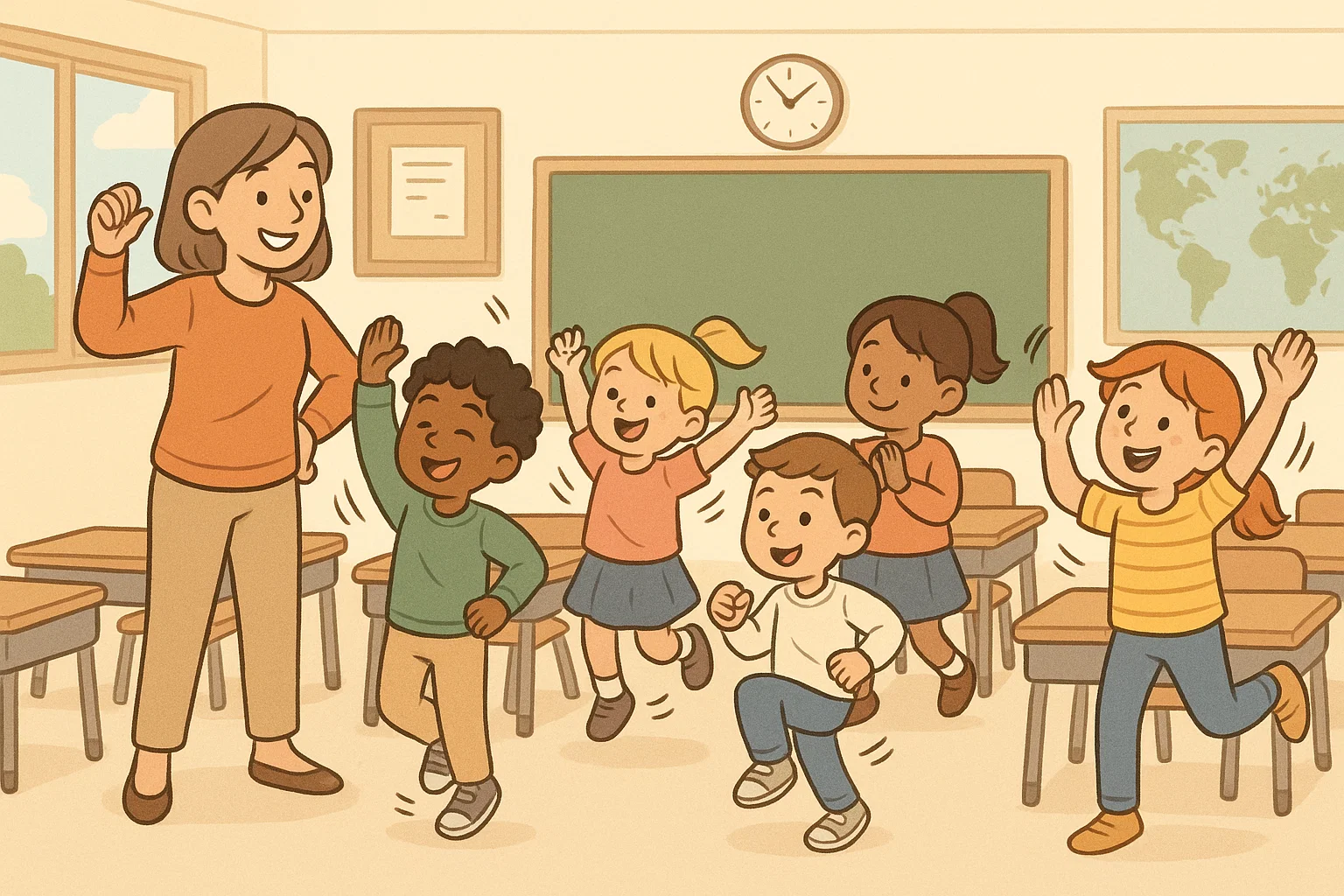
Even in a structured setting, teachers can encourage gross motor development with quick, structured bursts of movement.
Brain Breaks with Movement
Short, planned breaks that help children release energy and refocus.
- Ten Jumps: Have the class jump up and down 10 times.
- Cross-Body Taps: Tapping the left knee with the right hand and vice versa 10 times.
Chair and Desk Movement Exercises
Movements that can be done while sitting or standing next to a desk.
- Seated March: Marching feet in place while seated to work on gross motor skills subtly.
- Shoulder Rolls: Rolling shoulders forward and backward to release tension and improve posture.
Group Movement Games
Cooperative games that build social skills alongside physical development.
- The Hokey Pokey: Excellent for body awareness and following multi-step instructions.
- Parachute Play: Lifting, lowering, and running under a parachute requires bilateral coordination and teamwork.
Gross Motor Activities for Special Needs
For children with developmental delays, sensory differences, or physical challenges, an occupational therapist or physical therapist is often the best resource. Activities should be tailored to the child’s gross motor skills development level.
Activity Modification Tips
The goal is to provide just the right challenge—not too easy, not too frustrating—to help a child work towards gaining gross motor skills.
- Reduce Speed/Pace: Allow more time for processing and execution.
- Increase Size/Stability: Use larger, lighter balls for catching and throwing, or wider balance beams.
- Provide Support: Start with hand-holding or using a wall, then gradually withdraw support.
Sensory-Friendly Movement Ideas
Children with sensory processing differences may seek out or avoid certain movements.
- Calming (Deep Pressure/Heavy Work): Pushing a cart of heavy books, carrying a backpack, or “crashing” into a pile of pillows.
- Alerting (Vestibular): Bouncing on an exercise ball or rapidly spinning on a sit-and-spin toy.
Inclusive Group Activities
Ensuring all children, regardless of ability, can play together and participate.
- Modify rules so that participation, not performance, is the goal (e.g., everyone gets a point for trying to catch a ball).
- Create an obstacle course with multiple difficulty levels for each station.
Signs of Delayed Gross Motor Skills
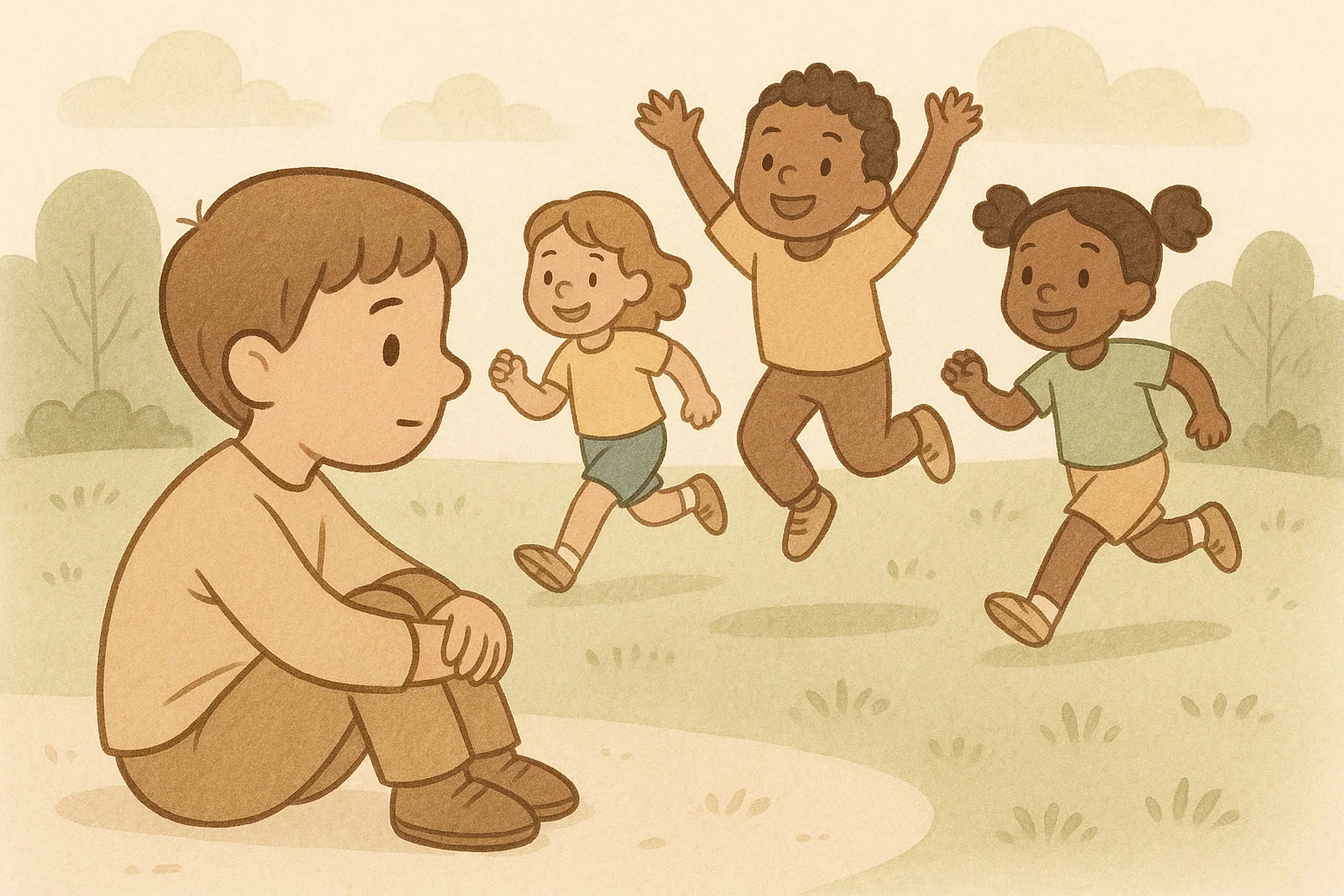
While all children develop at their own pace, a consistent, significant delay can indicate a need for professional guidance. This is not a diagnostic tool, but a general guide for awareness.
Common Movement Challenges
A parent or caregiver might notice:
- Difficulty mastering milestones like running, jumping, or skipping long after peers have.
- Clumsiness or poor coordination (frequent tripping or bumping into objects).
- Low muscle tone or poor posture, leading to difficulty maintaining a seated position.
- A strong preference for sedentary play, or avoidance of physical activities.
When Support May Be Needed
If a child is significantly behind peers, or if the child is consistently frustrated and avoids gross motor activities, it may be time to consult your pediatrician. They may recommend an evaluation by an occupational therapy specialist or physiotherapy expert. These professionals can design tailored goals, such as those a pediatric physical therapist may set to help a child work towards gaining gross motor skills in a fun, structured way.
Role of Regular Practice
For many children, consistent, daily opportunities for a child to practice movement are key to closing minor gaps. Creating an environment that supports gross motor skills through a variety of activities is the most effective approach.
Supporting Gross Motor Development at Home
Parents are the primary champions of their child’s physical development. The home environment should be seen as a place to playfully help develop these skills.
Daily Movement Routines
Movement should not be a scheduled activity but an integrated part of the day.
- Walk to school/park instead of driving.
- Turn daily chores (like sweeping or carrying groceries) into “heavy work” activities.
- Ensure children have daily indoor or outdoor free play time.
Safe Play Environment Setup
Safety is paramount, especially when practicing challenging movements like climbing or balancing.
- Clear obstacles when setting up an obstacle course.
- Supervise all climbing and high-risk activities closely.
- Use soft, safe landing surfaces (grass, mats, sand) for jumping practice.
Encouragement and Motivation
The best motivation is to play by itself. Children love activities that feel fun and challenging.
- Focus on effort (“You kept trying to stand on one foot!”) rather than performance (“You held it the longest!”).
- Follow the child’s interests—if they love to climb, find safe places for them to practice climbing. This will keep your child engaged and progressing toward their gross motor skills development goals.
Gross Motor Activity Ideas List
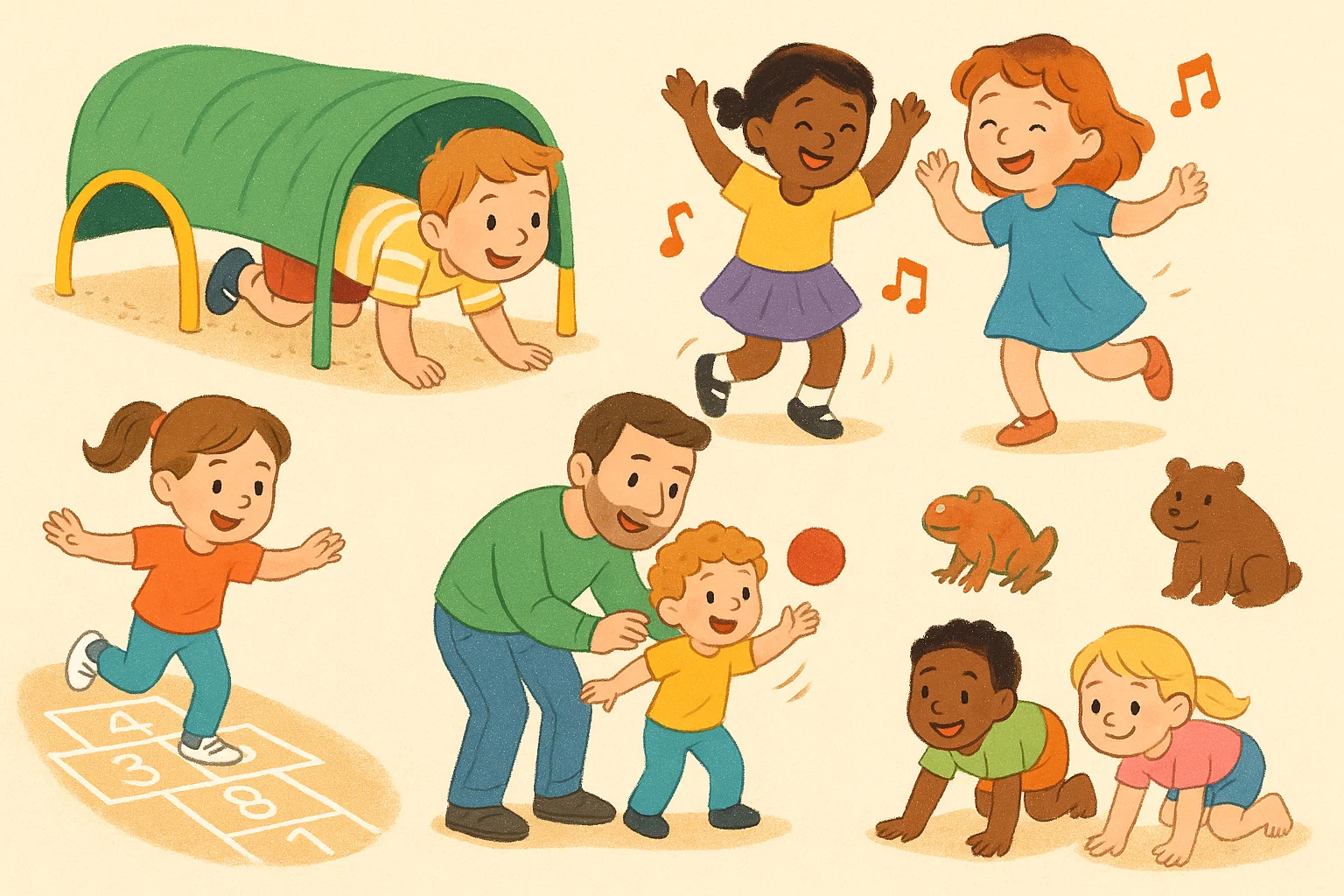
Here is a quick, scannable list of popular gross motor resources and activities that are excellent for improving gross motor skills.
Simon Says Movement Game
This classic game is a superb way to work on gross motor skills. Commands like “Simon Says touch your toes,” “Simon Says hop on one leg,” or “Simon Says skip in a circle” enhance listening, body awareness, and motor planning.
Hopscotch Games
Hopscotch requires rhythmic jumping, excellent balance (on one foot), and motor planning as children navigate the sequence of squares. It’s an effective gross motor activity using only chalk and a stone.
Obstacle Course Challenges
Continually change your indoor or outdoor obstacle course to challenge all motor skills at once:
- Add a tunnel for crawling (core/upper body).
- Add a plank of wood on low blocks for walking (balance beams).
- Add targets for catching and throwing (coordination).
Gardening and Outdoor Chores
Real-life tasks are powerful physical activities. Shoveling dirt, raking leaves, carrying water, or pushing a toy lawnmower builds core strength and overall endurance while providing “heavy work” proprioceptive input.
Martial Arts and Movement Classes
Structured classes like gymnastics or martial arts are great for teaching complex motor sequencing, discipline, and building a wide variety of activities into a routine. They often help children work on gross motor skills in a focused environment.
Summary of Gross Motor Activities for Kids
Gross motor skills allow your child to confidently and capably move their body through the world. From a toddler mastering their first steps to an older child skillfully navigating monkey bars, this essential physical development is fueled by consistent, fun, and varied gross motor activities.
Remember that daily opportunities for movement—both structured and unstructured—are the best way to work on gross motor and coordination skills. By prioritizing outdoor play, providing safe spaces for exploration, and tailoring activities like obstacle courses and ball games to your child’s stage, you give them a priceless foundation for lifelong physical and mental health. Encourage gross motor development today; the benefits will last a lifetime.