

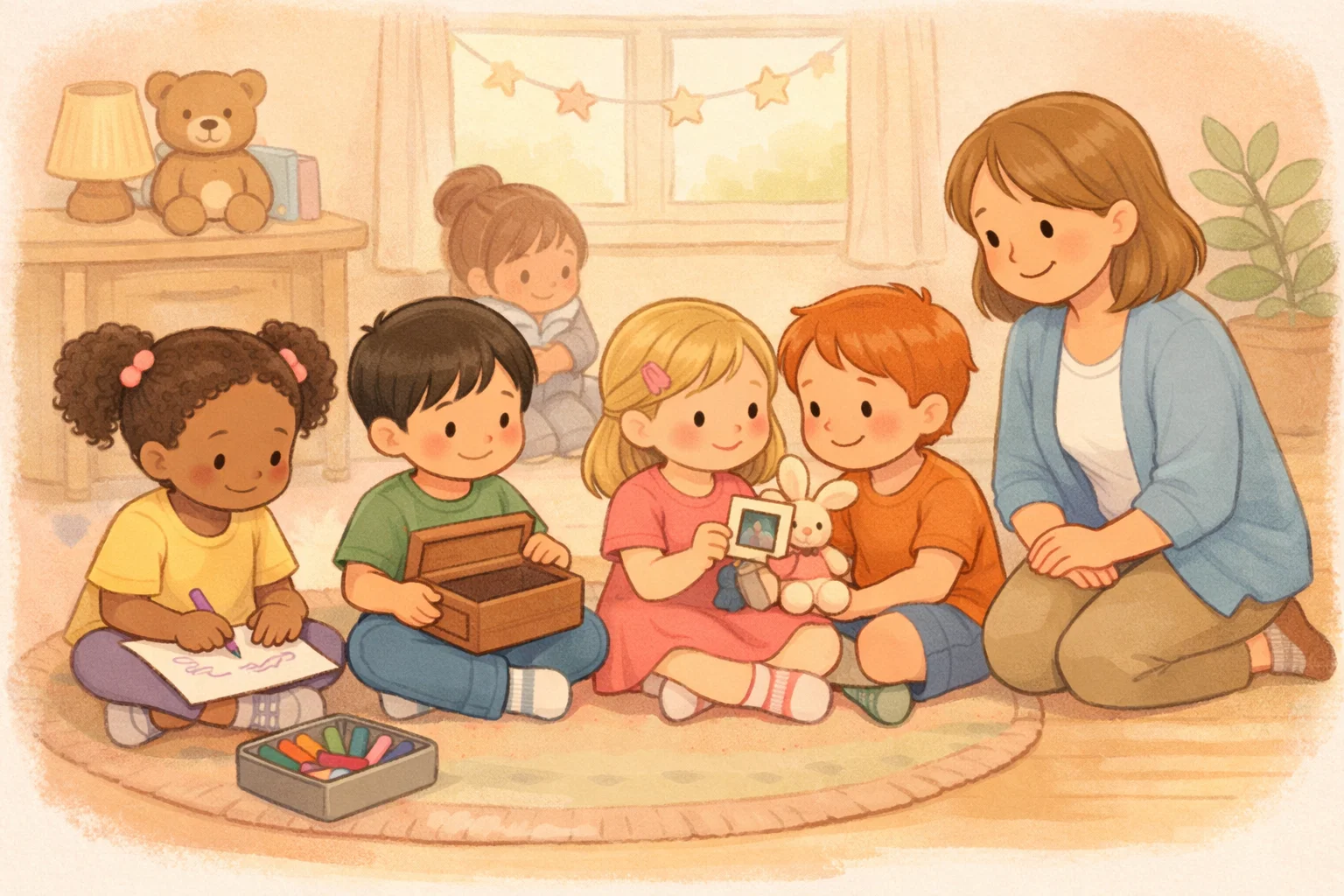
Helping children navigate the complex landscape of bereavement is one of the most challenging tasks a parent or educator can face. Unlike adults, children may not have the vocabulary to articulate the heavy emotions they carry after the death of a loved one. Instead, their grief often manifests through behavior, play, or silence. Engaging in grief activities for kids provides a safe, structured bridge between a child’s internal world and the outside world, allowing them to express their feelings without the pressure of a formal “talk.”
Whether you are a parent, teacher, or caregiver, your role is to help children navigate this journey at their own pace. By using age-appropriate tools – from a memory box to sensory play – you can normalize the experience of loss and help kids with grief in a way that feels natural and supportive. This guide explores a variety of helpful grief activities for kids designed to foster healing, connection, and resilience.
Grief Activities for Kids by Emotional Stages
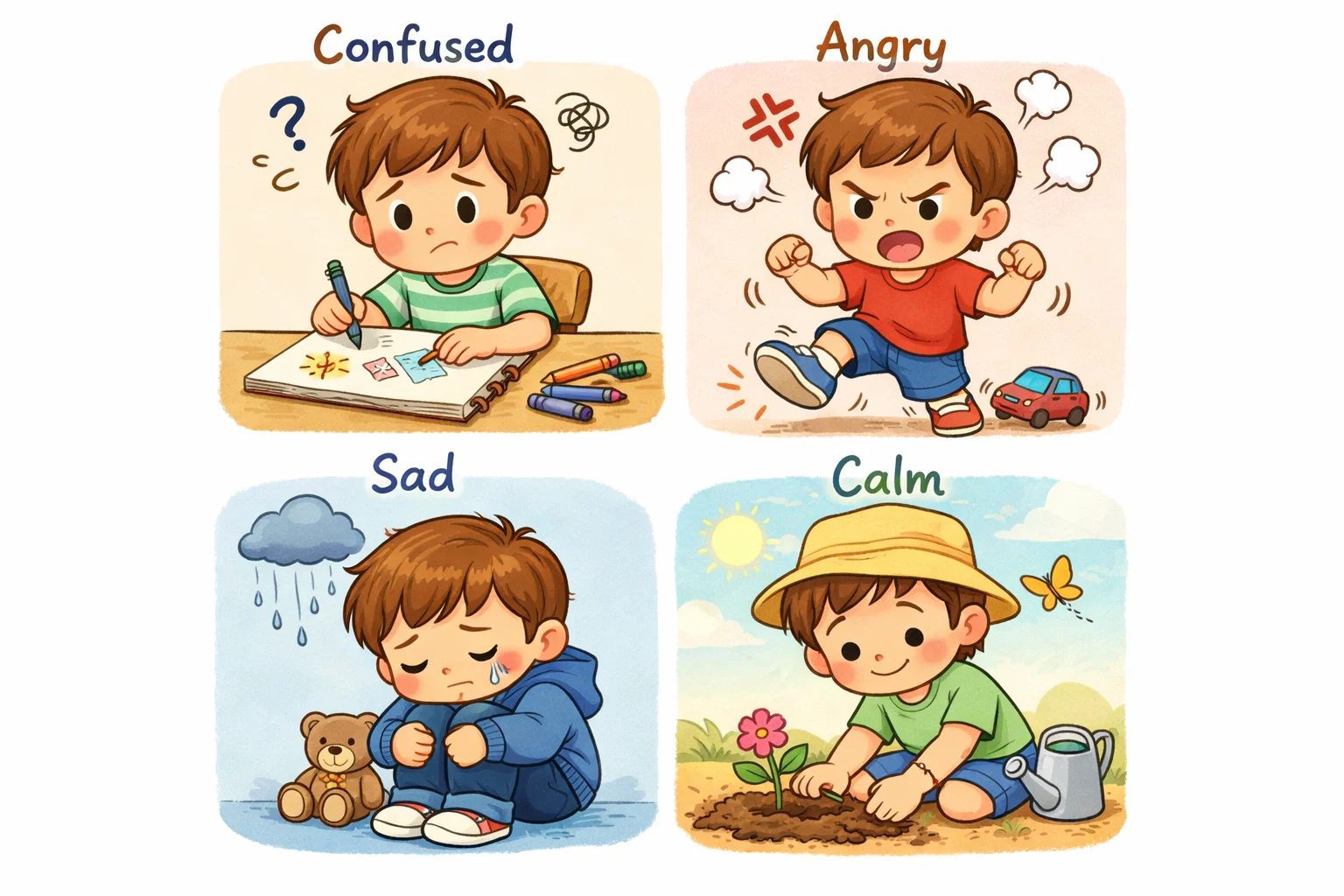
Grief is rarely a straight line; it is more of a winding path that loops back on itself. While many are familiar with the “five stages,” it is vital to remember that grieving children often move between these feelings rapidly. Using grief activities tailored to a child’s current emotional state can provide targeted support without forcing them to move “faster” than they are ready to.
Grief Activities During Denial Stage
When a child is in denial, they may struggle to understand what’s happening or act as if the person who has died is just on a long trip. During this time, low-pressure, open-ended activities work best.
- Symbolic Play: Use dolls or action figures to act out daily routines.
- Storytelling: Read books about grief and loss to provide a gentle mirror for their experience.
- Drawing: Ask the child to draw “a happy day,” which allows them to stay in a comfortable headspace while you sit nearby, offering a safe space for when they are ready to talk.
Grief Activities During Anger Stage
Anger is a common response to the perceived injustice of loss. Kids and teens may feel a lack of control, which manifests as irritability or outbursts.
- Physical Release: Activities like bubble wrap popping or “stomp art” (dipping feet in paint and stepping on large paper) can help release physical tension.
- Torn Paper Collage: Let the child rip up colorful paper and glue it back down to create something new, symbolizing that even when things feel broken, they can be reshaped.
Grief Activities During Bargaining Stage
In this phase, children may experience “what if” thoughts or guilt.
- Role-Play: Using puppets to explore different “what if” scenarios can help children externalize these inner “what if” negotiations.
- Worry Stones: Painting a smooth stone can give a child something tactile to hold when they feel overwhelmed by “if only” thoughts.
Grief Activities During Sadness Stage
This is often the quietest stage where the child needs the most comfort.
- Writing in a Journal: For older kids, a private journal is a healthy outlet for deep sadness.
- Comfort Kits: Create a “cozy corner” with soft blankets, calming music, and a stuffed animal that reminds them of their loved one.
Grief Activities During Acceptance Stage
Acceptance doesn’t mean the pain disappears; it means the child is learning to cope and integrate the loss into their identity.
- Planting a Tree: This focuses on the future and the cycle of life.
- Gratitude Lists: Encourage children to list things they learned from the person they’ve lost.
Grief Activities for Kids by Age Group
The way a toddler processes the death of a loved one is vastly different from the way a teenager does. Activities that help kids must be developmentally appropriate to be effective.
| Age Group | Cognitive Understanding of Death | Recommended Activity Type |
| Younger Children (2-5) | Death is seen as temporary or reversible. | Sensory play, repetitive stories. |
| Elementary (6-11) | Understands death is final but may feel “magical guilt.” | Creative crafts, structured games. |
| Middle School (12-14) | Understands the biological reality of death; may fear for their own safety. | Peer connection, emotional labeling. |
| Teens (15+) | Adult-level understanding; focused on identity and future. | Independent journaling, legacy projects. |
Grief Activities for Younger Children
For younger children, the focus should be on simplicity and safety. Since they often lack the words to express their feelings, use visual aids. You might have the child pick out a stone to represent their heart. If they feel sad, the stone is “heavy”; if they feel okay, it’s “light.” This helps them understand what’s happening internally through physical objects.
Grief Activities for Elementary School Children
At this age, children find comfort in structure. Create a memory box together. This activity helps them categorize their memories of the person and gives them a tangible place to store their “treasures.” Using colorful paper to label different sections of the box can make the process feel less daunting.
Grief Activities for Middle School Children
Middle schoolers are beginning to value peer opinions. Support groups or group art projects can be incredibly helpful grief activities for kids in this age bracket. This helps them realize they aren’t the only ones who have experienced loss.
Grief Activities for Teens
Teens may prefer autonomy. Rather than forcing an activity, provide comfort by offering resources they can use privately. Writing in a journal or listening to music that their loved one enjoyed can be a powerful outlet to express their complex emotions.
Creative Grief Activities for Kids
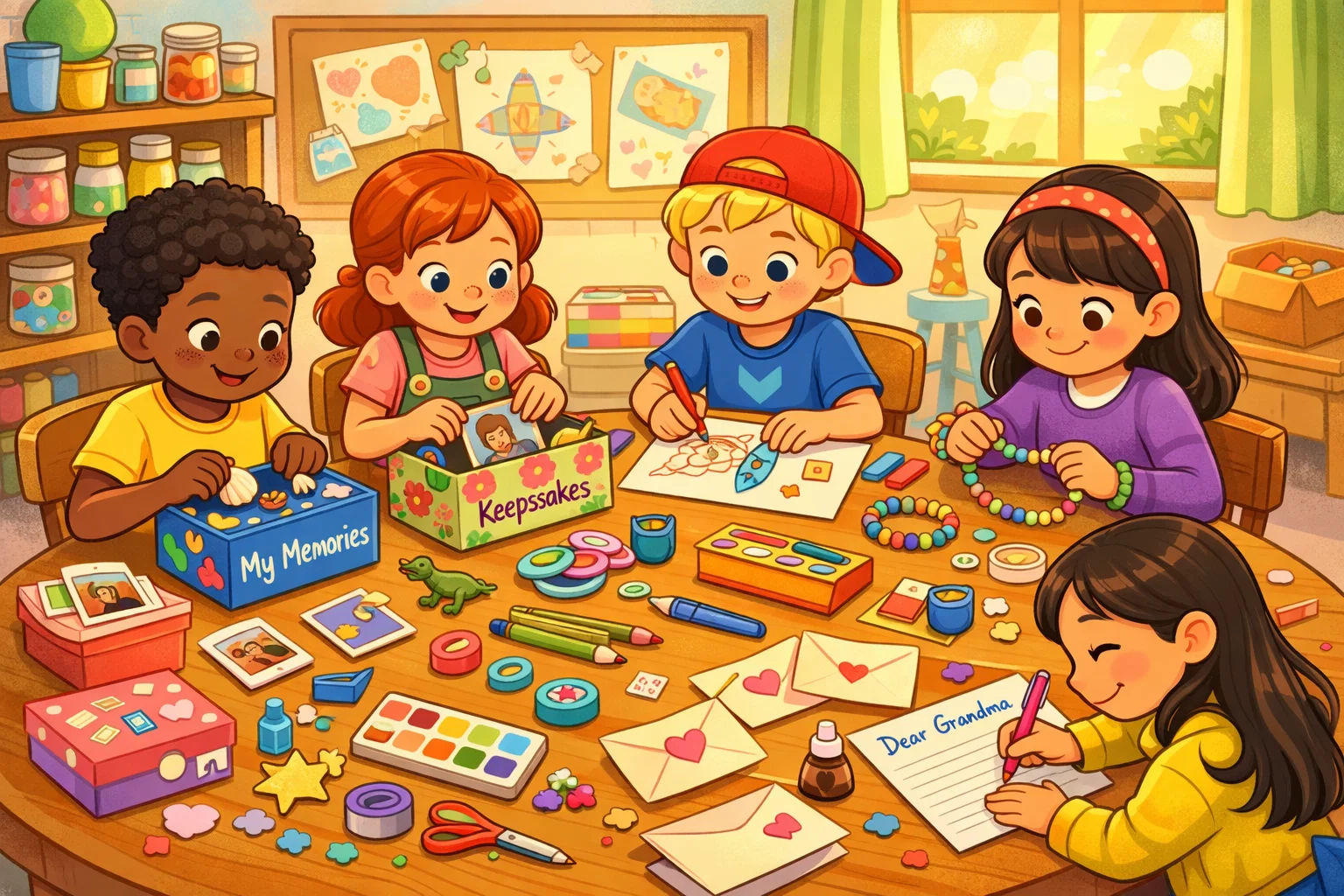
Creative expression is a “backdoor” to the subconscious. When a child is focused on a craft, they often lower their guard and begin to talk about the person they miss.
Memory Box Activities
A memory box is a classic grief activity. Find a plain wooden or cardboard box and let the child decorate it with stickers, paint, or photos. Inside, they can place:
- A piece of clothing that smells like their loved one.
- Photos of a favorite vacation.
- A ticket stub or a small toy.
This allows children to remember the person in a way that is vivid and tactile.
Drawing and Art Expression
Art allows a child to “show” what they cannot “say.” You might ask a child to write or draw their “grief monster” or paint a picture using their loved one’s favorite color. This creative approach helps move grief from the body onto the page.
Writing Letters and Messages
Letters to their loved one are particularly effective for older children and teens. They can write about things they forgot to say or share updates about their life. If the child is too young to write, they can dictate a message to a parent or caregiver to write it down for them.
Remembrance and Legacy Activities for Kids
Supporting grieving children involves helping them find a way to stay connected to the person who died while moving forward.
- Memory Jars: Fill a jar with slips of paper detailing “favorite moments.” When the child misses the person, they can pull one out and read it.
- Memory Stones: Use acrylic paint to decorate smooth stones with symbols or words. These can be placed in a local park or kept in a garden as a remembrance tool.
- Celebrating Special Dates: On a birthday or anniversary, cook the loved one’s favorite meal. This teaches children that it is okay to remember the person and celebrate their life even after they are gone.
Physical and Sensory Grief Activities for Kids
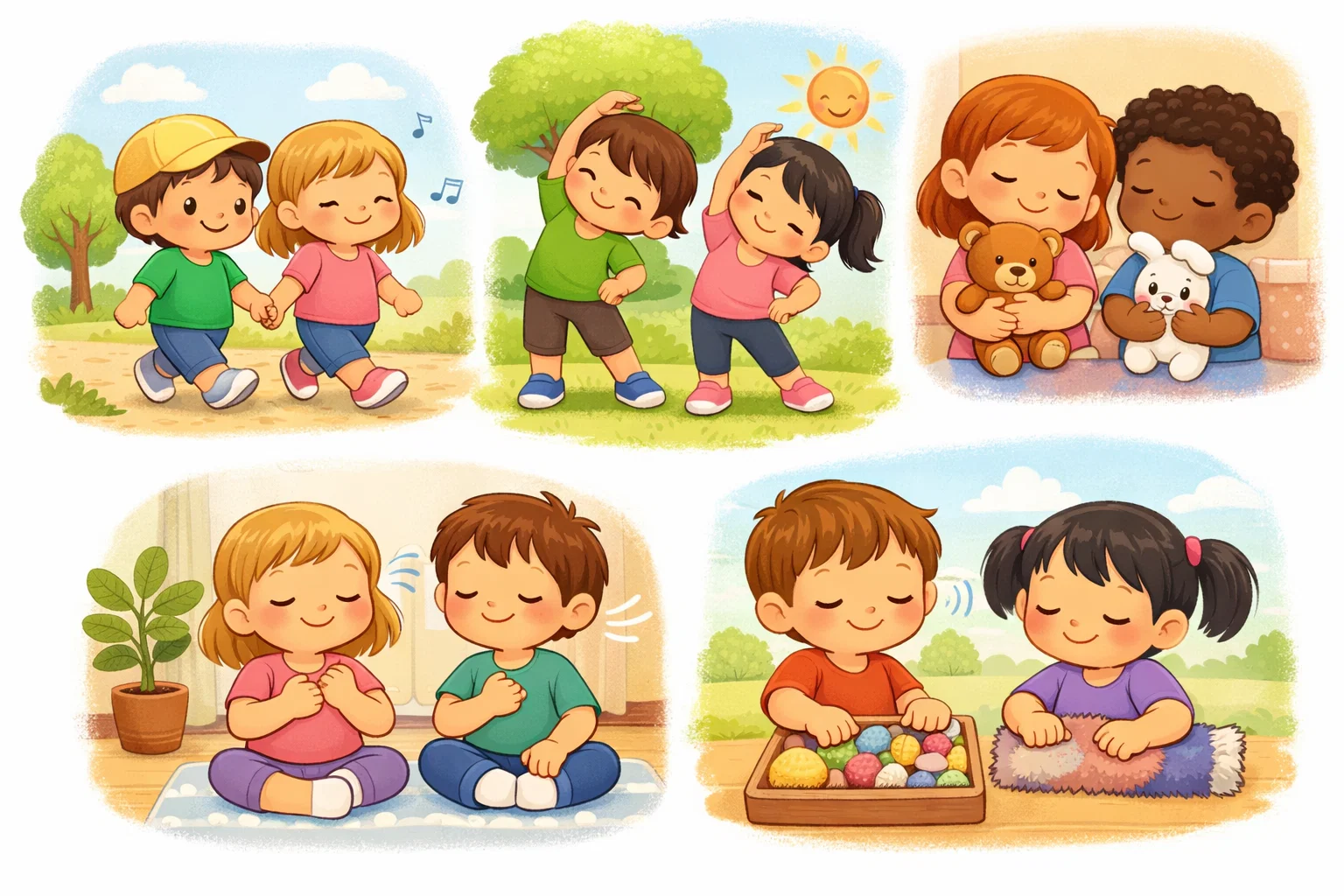
Grief is often felt physically – as a “tummy ache,” chest tightness, or restless energy.
- Movement: A simple walk in nature can help your child ground themselves.
- Heavy Work: Activities like gardening or carrying piles of books provide sensory input that can bring comfort to a dysregulated nervous system.
- Grounding Exercises: Use the “5-4-3-2-1” technique (5 things you see, 4 you can touch, etc.) to help a child who feels overwhelmed by a “grief wave.”
Guidance for Parents and Caregivers
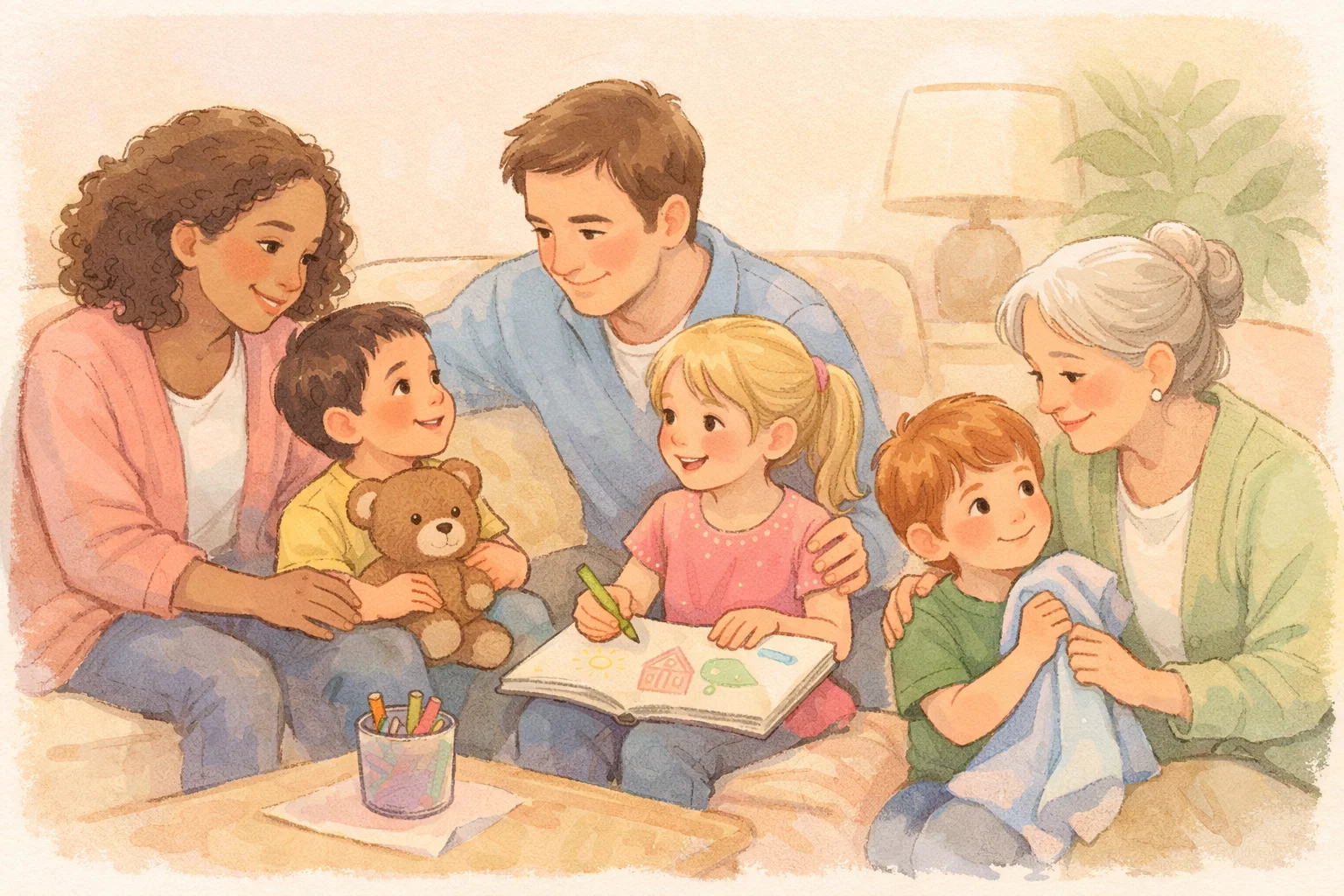
To effectively help a child, you must also care for yourself. Children are highly attuned to the emotional states of the adults around them.
Talking With Children About Loss
Use clear, honest language. Avoid euphemisms like “passed away” or “went to sleep,” as younger children may take these literally and become afraid of bedtime. Instead, use factual terms like “died” and explain that the body has stopped working.
When Professional Support Helps
While many children can work through grief through writing and creative activities with support from family, some may need extra help. Consider seeking support services or grief support specialists if you notice:
- Prolonged withdrawal from friends or hobbies.
- Regressive behaviors (e.g., bedwetting in older children).
- Persistent sleep disturbances or intense “separation anxiety.”
- A total refusal to talk to someone about the loss after a significant period.