

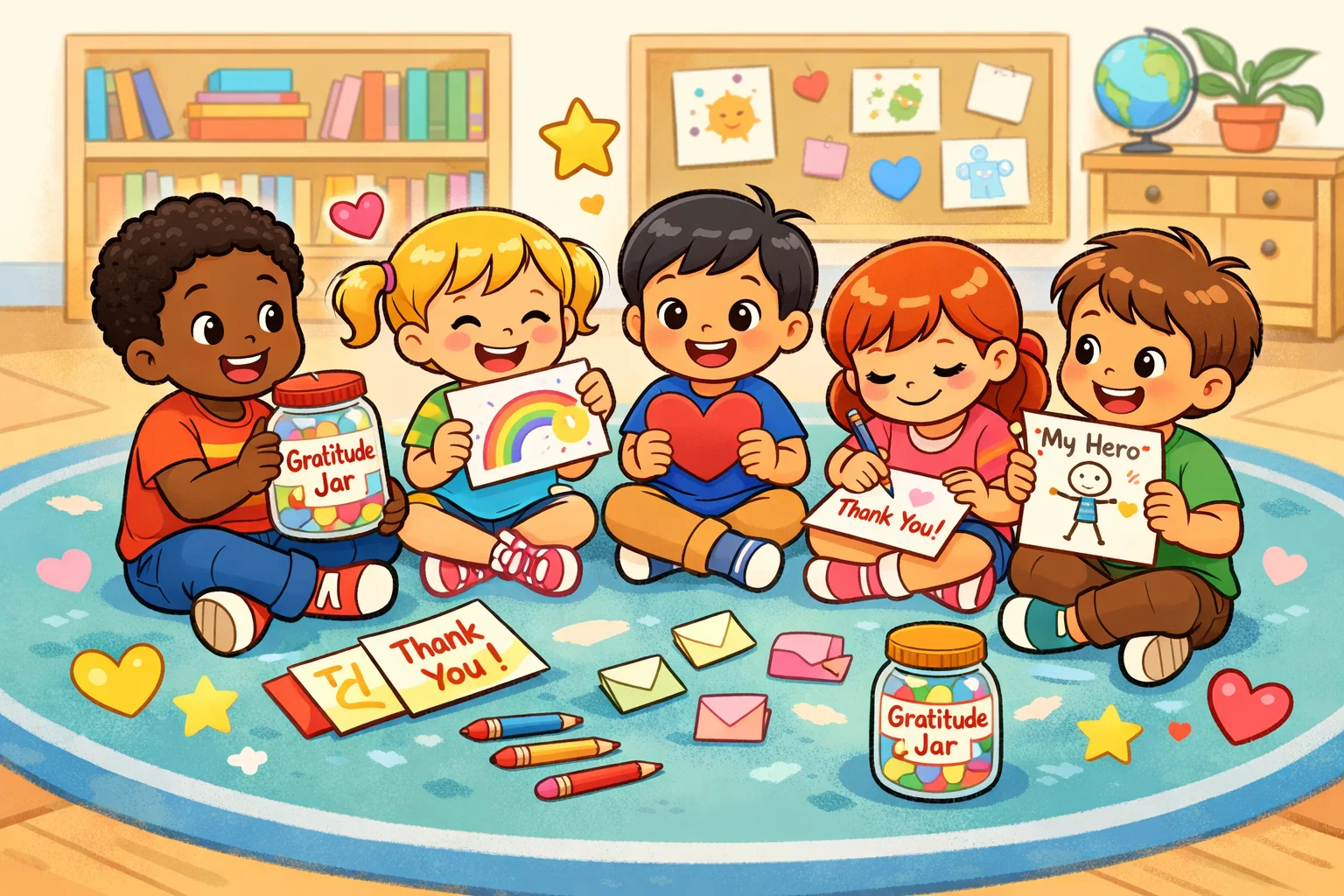
Gratitude activities for kids are intentional exercises, crafts, and games designed to help children recognize and value the positive aspects of their lives. These exercises are not merely about saying “thank you” as a polite gesture; rather, they serve as a practical toolkit for parents, educators, and therapists to foster emotional growth through play. By engaging in gratitude practices, children learn to shift their focus from what they lack to the abundance already present in their lives, from the warmth of the sun to the kindness of a friend.
These experiences support emotional development by integrating play, creativity, and reflection. Whether it is through a gratitude jar, a colorful collage, or a mindful gratitude walk, these methods help children develop a habit of appreciation that can last a lifetime. In an age of instant gratification, teaching kids to pause and appreciate small moments helps build a strong foundation for mental well-being and healthy relationships.
Why Gratitude Matters for Kids
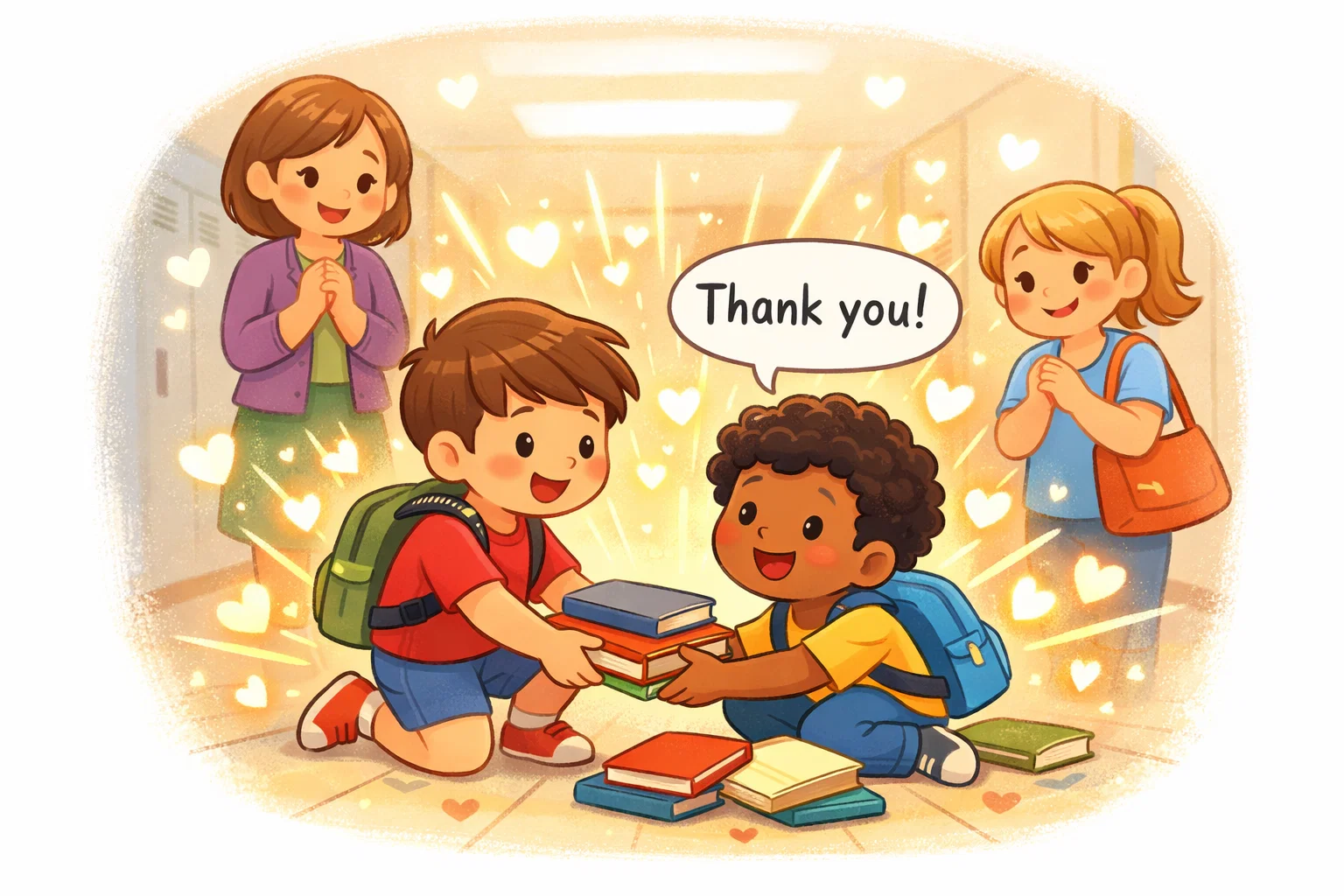
In developmental psychology, gratitude is often described as a kind of “social glue” that binds individuals together. Children who practice gratitude regularly often feel happier, more optimistic, and more connected to the people around them. It helps shift a child’s perspective away from entitlement and toward appreciation for the world around them.
Emotional growth through appreciation
Expressing thanks is a foundational element of emotional regulation. When kids learn to identify things they are grateful for, it activates the brain’s natural reward system. This process helps children develop a more stable emotional baseline, making them feel calmer and more secure. Over time, consistent gratitude exercises can help reduce feelings of anxiety and low mood by training the brain to focus on the positive rather than ruminating on stressors.
Positive behavior reinforcement
This habit of appreciation in children is closely linked to pro-social behavior. When children are encouraged to show gratitude, they become more aware of the efforts others make on their behalf. This awareness often leads to increased cooperation, empathy, and respectful behavior in both home and school settings. By recognizing the kindness of others, kids develop a natural inclination to pay that kindness forward, reinforcing a cycle of positive interaction.
Connection building in family and school
Recognition of kindness acts as a bridge. Within the family, a simple thankfulness ritual—like sharing the best part of the day—can strengthen family bonds and improve communication. In a school setting, when students reflect on what they value about their peers, it fosters a culture of belonging. This sense of connection is vital for positive mental health, as it reminds children that they are part of a supportive community.
Best Time for Gratitude Activities
Integrating gratitude exercises for kids into a child’s life doesn’t require a rigid schedule. Instead, the most effective way to help children internalize these values is by identifying natural windows of opportunity throughout their day.
Holidays and celebrations
Holidays like Thanksgiving or birthdays provide a perfect backdrop for these activities for kids. These “milestone” moments are natural times for kids to reflect on the year gone by or the people who celebrate with them. Using a thankful tree during a holiday gathering, for instance, makes the abstract concept of thankfulness tangible and visible.
Daily routines
The most sustainable way to help children learn appreciation is by weaving it into existing daily routines.
- Morning: Set a positive tone by naming one thing they are looking forward to.
- Mealtime: Share one person they are thankful for while eating dinner.
- Bedtime: Reflect on three “glows” (positive moments) from the day before sleep as part of a daily gratitude practice.
School and classroom moments
Teachers have a unique opportunity to remind their students of the power of positive reflection. Class gratitude projects, such as a “Compliment Circle” or a classroom gratitude board, can be integrated into morning meetings or as a transition activity between subjects. These small moments help kids reset their focus and develop a positive mindset.
Gratitude Games and Activities for Kids
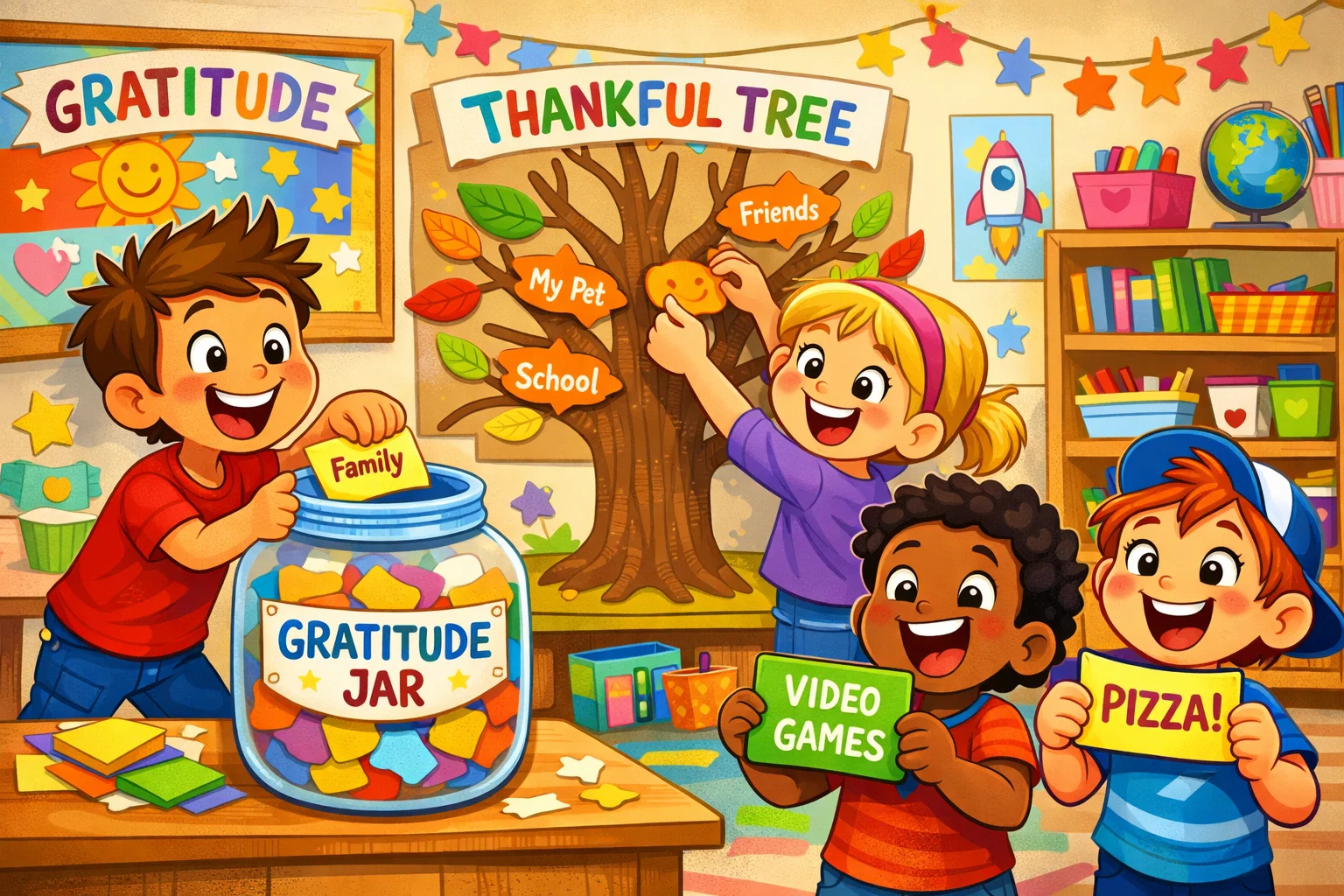
To make thankfulness for kids effective, it must be fun and engaging. Children learn best through doing, and these hands-on gratitude exercises for kids turn an abstract concept into an exciting exploration.
Gratitude jar activity
The gratitude jar is a classic for a reason. It is a simple and engaging way to track happy memories.
- Decorate a clear container with ribbons, stickers, or paint.
- Keep a stack of small pieces of paper nearby.
- Whenever something good happens, write or draw it on the paper.
- Once the jar is full, sit down together to read the entries. This creates a powerful visual reminder of all the good things in life.
Thankful tree craft
A gratitude tree is a beautiful visual representation of growth. You can use a real branch in a vase or a paper cutout on the wall. Let kids cut out leaf shapes and write something they are thankful for on each one. As the “foliage” grows, children can see a visible collection of the things they are thankful for.
Gratitude collage project
For children who prefer visual expression over writing, a gratitude collage is ideal. Give them magazines, old photos, and craft supplies. Ask them to find images that represent things they are grateful for—like their pet, their favorite food, or a sunny day. This helps them visualize their happiness.
Circle of thanks game
This is a wonderful activity for kids in groups. Have everyone sit in a circle. One person starts by turning to their neighbor and saying, “I am thankful for you because…” and naming a specific trait. This helps children demonstrate gratitude in real-time and builds immediate social warmth.
Gratitude walk activity
A gratitude walk combines mindfulness with physical movement. As you walk through a park or the neighborhood, challenge the kids to find:
- Something beautiful (a flower).
- Something that smells good (fresh grass).
- Something that feels nice (the breeze).
- Something they are glad exists (a playground).
Thank you note writing
Teaching children to express gratitude through writing is a vital life skill. It doesn’t have to be long; even a toddler can draw a picture for a grandparent. Writing a short note or card to a friend or teacher shows that they appreciate the effort others put into their lives.
A to Z gratitude game
This is a great “boredom buster” for car rides. Start with the letter ‘A’ and name something they are thankful for that starts with that letter (e.g., “Apples”). Continue through the alphabet. This fun gratitude game encourages children to think creatively.
Gratitude scavenger hunt
A gratitude scavenger hunt turns appreciation into a mission. Provide a free printable list or simply call out prompts:
- Find something that is your favorite color.
- Find something that makes a soothing sound.
- Find something you enjoy playing with.
- Find a person you are glad to know.
Thankful chain craft
The thankful chain craft is a physical way to see how blessings connect. Each piece of paper becomes a link in a chain. Children can write or draw one thing they appreciate on a strip of paper, loop it, and staple it to the previous link. This is a fun and meaningful way to decorate a room.
Appreciation storytime
Reading books that focus on being thankful is a great way to encourage empathy. Use gratitude prompts after the story to ask: “What did the character appreciate most?” or “How did they show gratitude to their friends?”
| Activity Type | Best For | Materials Needed |
| Jar of Thanks | Long-term reflection | Jar, paper, pens |
| Scavenger Hunt | High-energy kids | Prompt list |
| A to Z Game | Travel/Waiting | None |
| Collage | Visual thinkers | Magazines, glue, scissors |
Gratitude Journals and Worksheets
Gratitude journaling is one of the most effective ways to develop an attitude of gratitude. It provides a simple space for personal reflection.
Daily gratitude journal pages
A gratitude journal for kids can be a simple notebook or a structured book with prompts. The goal is to write down things daily. For younger kids, this might mean one sentence or a drawing. For older children, it might involve a more detailed gratitude list.
Printable gratitude worksheets
Many educators use a printable gratitude sheet to guide children’s thoughts. A worksheet often includes sections like “Someone who helped me today” or “Something I learned.” These structured gratitude prompts help narrow the focus.
Gratitude prompt cards
If a child gets “stuck” when journaling, these gratitude prompts can help. Create a deck of cards with questions like:
- “What is a skill you have that you are thankful for?”
- “What is a memory that makes you smile?”
- “What is a food you are grateful to eat?”
Reflection writing pages
Simple reflection writing pages allow students to reflect on their emotional states. Instead of just listing items, they can write or draw about why a specific person or event made them feel happy. This deeper thankfulness practice encourages critical thinking.
Mindfulness and Positive Reflection
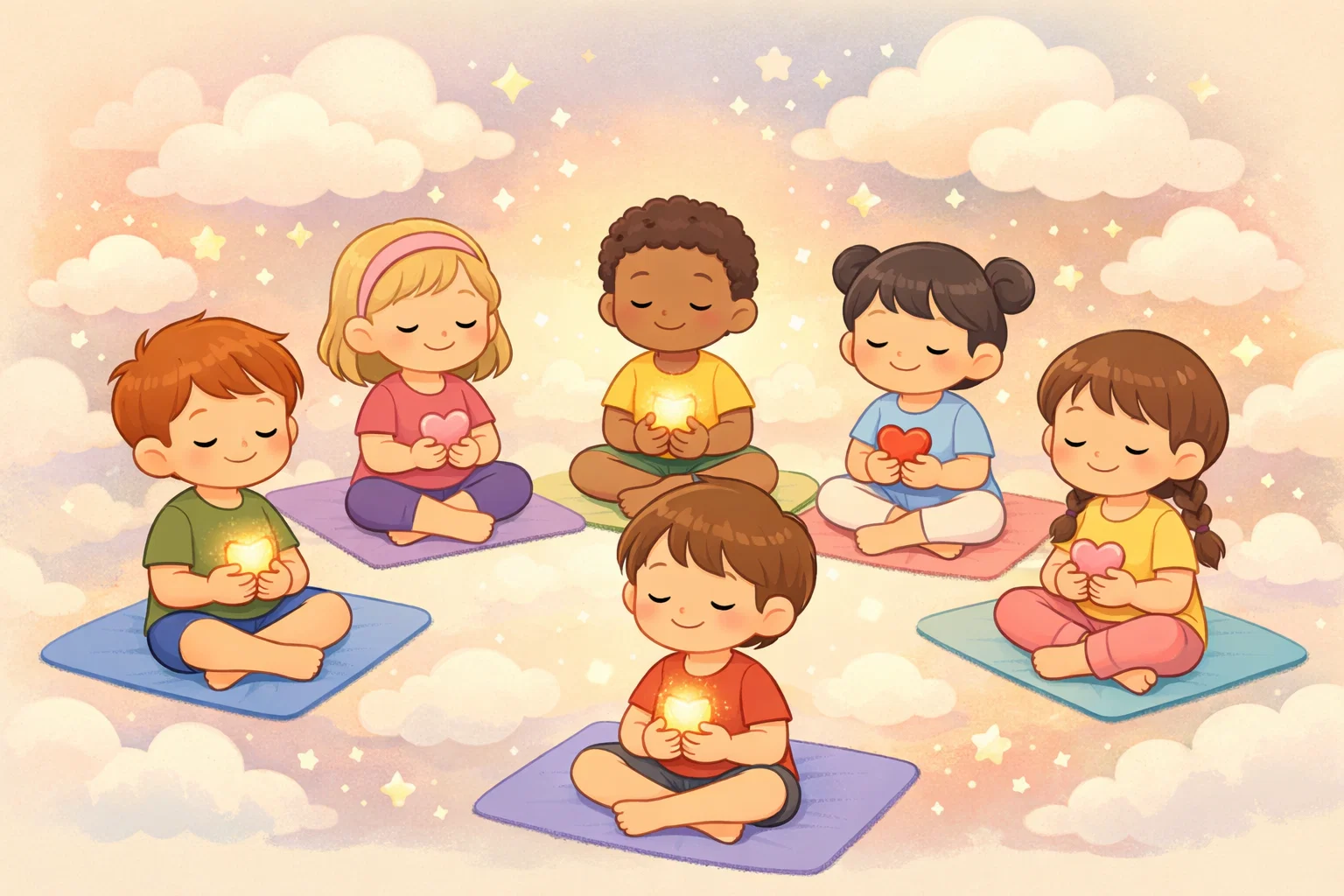
Mindfulness and appreciation are two sides of the same coin. Both require being present and appreciating the good in the current moment.
Appreciation yoga for kids
In this active session, you can pair traditional poses with thankful thoughts. For example, in “Mountain Pose,” children can think about being strong and grateful for their bodies. This simple activity helps kids stay active while practicing gratitude.
Breathing and recognition moments
Mindful breathing can be combined with thoughts of thankfulness. Have children close their eyes and take deep breaths. With every inhale, they can think “I am breathing in peace,” and with every exhale, they can think “I am sending out thanks.” This technique is a simple and effective way to help kids calm down.
Gratitude freeze dance game
This fun activity involves playing music and dancing. When the music stops, everyone must freeze and shout out one thing they are grateful for. It keeps the energy high while ensuring kids learn to think of their blessings even during play.
Quiet reflection activities
Sometimes, the best thankfulness comes from silence. Let kids sit quietly for two minutes and simply listen to the sounds around them, finding one thing in that silence to appreciate. This is an excellent activity for kids to decompress.
Family Connection Activities
A family culture of gratitude starts with the adults. When parents demonstrate gratitude, children are much more likely to follow suit.
Family jar of thanks
Unlike an individual jar, a family jar collects moments from everyone. On Sunday evenings, the family can gather to read the notes from the week. This practice helps family bonds grow as members learn what others value about their shared life.
Evening appreciation conversation
Dinner is an excellent time for fun gratitude activities. Try the “Rose, Thorn, and Bud” method:
- Rose: Something good that happened (contentment).
- Thorn: Something challenging (resilience).
- Bud: Something they are looking forward to (hope).
Appreciation challenge at home
A week-long “Thankfulness Challenge” can jumpstart a new outlook. Each day, the family can take on a small task, such as leaving a sticky note for a sibling or calling a relative just to say thanks. This is a structured way to help kids see the impact of their words.
Thank you video creation
In the digital age, recording a short video for a loved one is a modern way to show appreciation. Let kids use a phone or tablet to record a 30-second message telling a grandparent or friend why they are special.
Activities for School and Groups
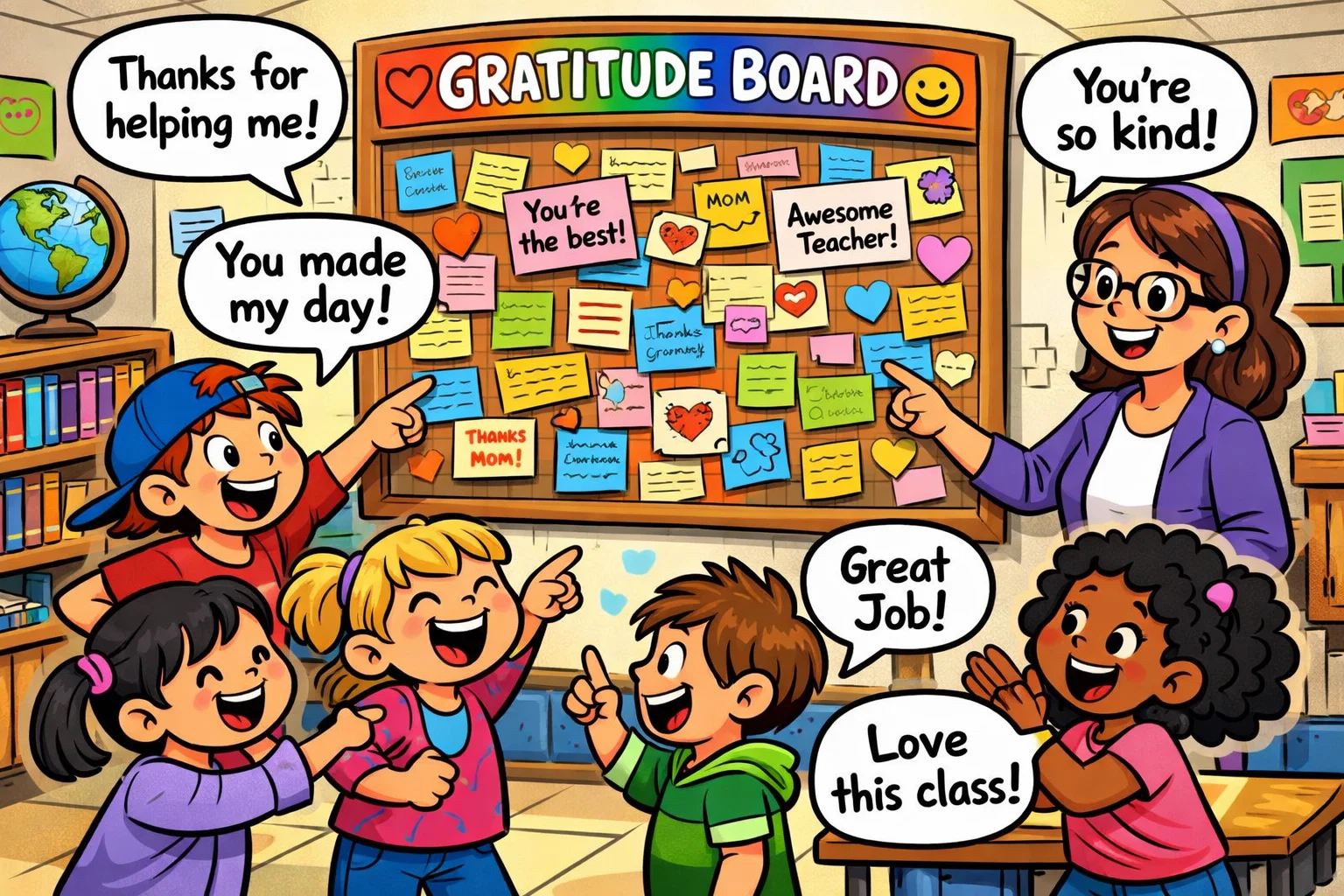
In a classroom, thankfulness is a powerful tool for social-emotional learning (SEL). It reduces bullying and increases engagement.
Classroom gratitude board
Create a classroom gratitude board where students reflect on their school day. They can pin notes thanking a classmate for sharing a pencil or a teacher for a fun lesson. This visual reminder of kindness helps kids feel safe and valued.
Reflection games for groups
Games like “Appreciation Hot Potato” are simple and engaging. These gratitude games break the ice and build a sense of community among students.
Team thank-you projects
Group projects can focus on external recognition. Have the class create a large “Thank You” poster for the school janitor, librarian, or bus drivers. This helps children recognize the unseen labor that supports their daily lives.
Peer appreciation exercises
These activities for kids to help them build social skills often involve “Shout Out” boxes. At the end of the week, the teacher reads “shout outs” from students to their peers, highlighting things they are grateful for in their classmates.
Making a Thankful Habit
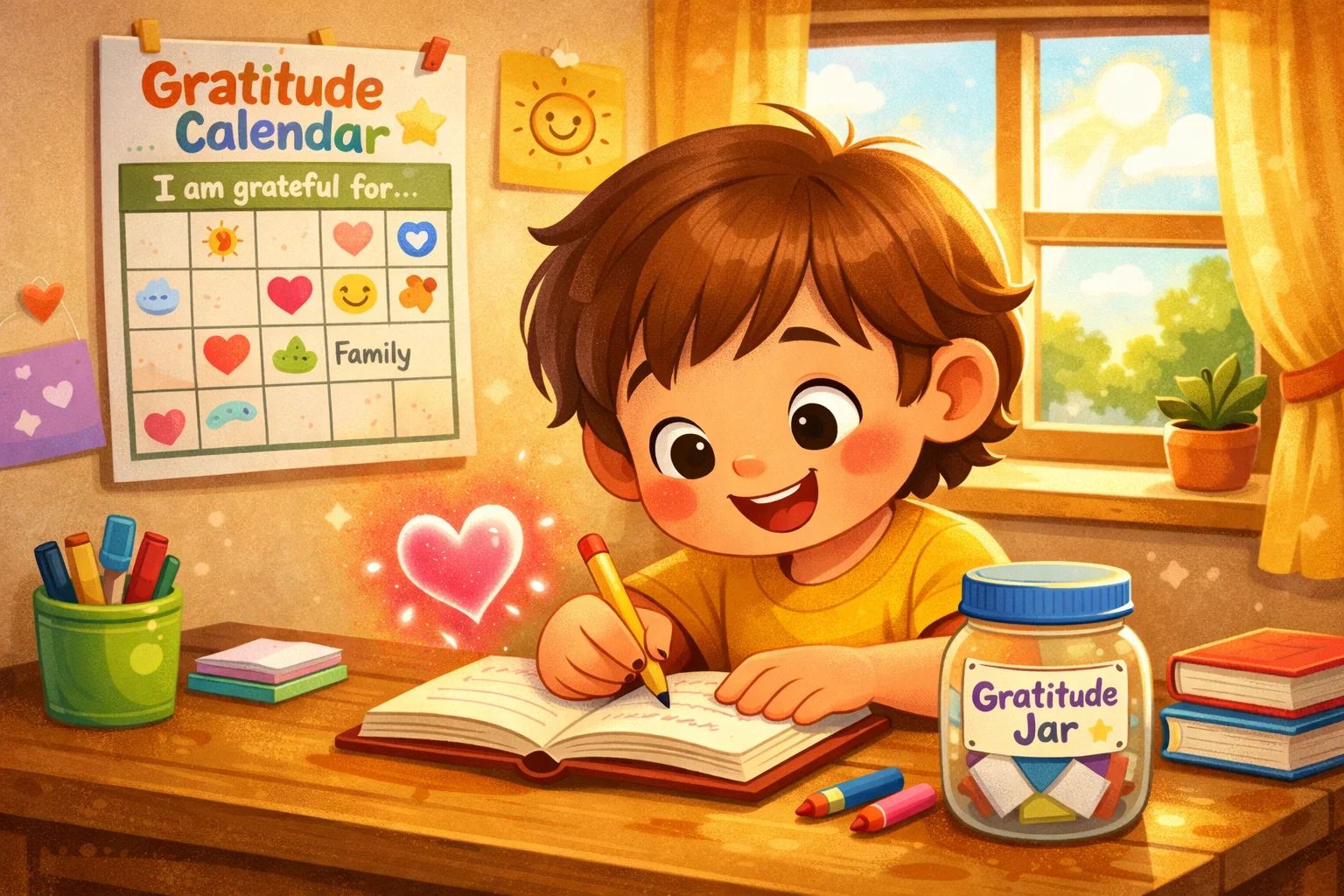
The ultimate goal is to develop a positive mindset that stays with the child forever. To make gratitude a habit, it must be consistent and authentic.
- Daily routines: Consistency is key. Whether it’s 30 seconds at breakfast or 5 minutes at bedtime, start a gratitude habit by tying it to a habit you already have.
- Visual reminders: Keep free printable reminders or your gratitude jar in a visible place to help kids remember.
- Weekly reflection: Dedicate a time—perhaps Sunday mornings—to look back at the week’s gratitude list and talk about the best moments.
- Reward-free motivation: Avoid giving prizes for being thankful. Appreciation should be its own reward. The goal is to help children feel the internal “warm glow” of recognizing the good, not to perform for a sticker.