

As a parent or educator, you know the magic in a preschooler’s eyes when they discover something new. Their world is rapidly expanding, and their minds are eager to learn! This is the perfect time to introduce them to the wonders of the world—the magnificent animal kingdom, the surprising things the human body can do, the secrets hidden in our food, and the mysteries of our amazing earth and beyond.
This carefully curated collection of fun facts for kids is designed to spark curiosity and turn every day into a delightful adventure. Each fact is easy to explain, naturally conversational, and perfect for a quick chat at the dinner table, during a nature walk, or as a group activity in a classroom or daycare. It includes fascinating details about everything from a majestic elephant and a tiny hummingbird to the science behind a popping piece of popcorn. These simple truths offer children a foundational understanding of how the world works, fostering a lifelong love of learning and discovery.
Animal Fun Facts for Preschoolers
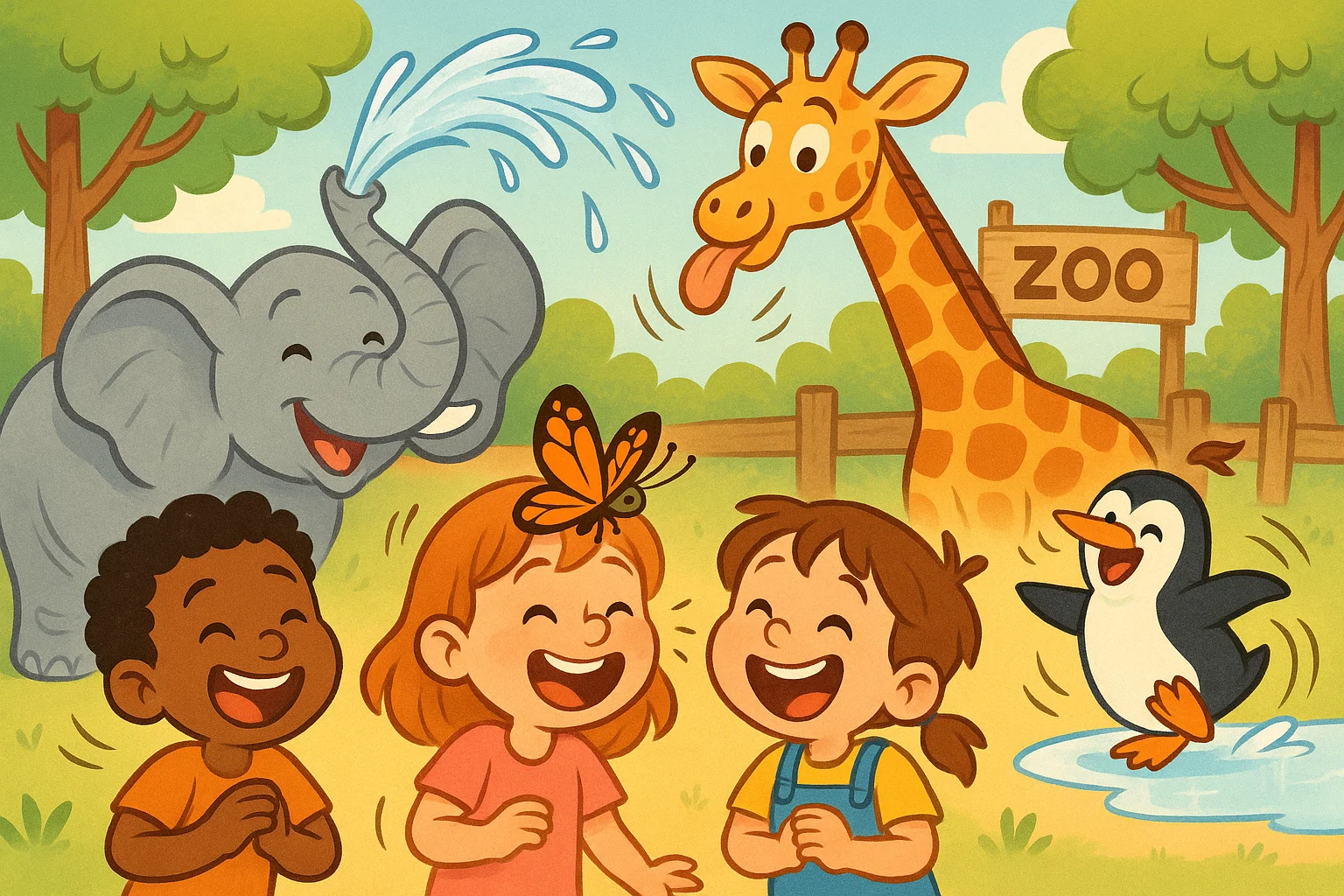
The animal kingdom is a constant source of wonder, packed with surprises that delight young minds. These animal fun facts focus on simple, visual, and often funny details that preschoolers can easily imagine and remember. Learning facts about animals helps children build empathy and a deeper connection to nature.
Farm Animal Facts
Farm animals are often the first animals children meet through books, toys, or even real life. Learning about them in a fun way makes those experiences even richer.
- Cows Say “Moo” to Talk: Cows make different sounds to say different things! They “moo” to call their friends, find their babies, or ask for food.
- Pigs Are Super Clean: Even though we often see pigs rolling in the mud, they are actually very clean animals and love to keep their homes neat and love to keep their homes neat. They use mud like sunblock to keep cool!
- Chickens Can Recognize Faces: Your chickens (if you have them!) can actually tell the difference between you and another person. They remember their friends!
- Sheep Have Wool Sweaters: The wool on a sheep keeps them warm in the winter and is shaved off in the summer so they don’t get too hot. It’s like a big, cozy coat!
Wild Animal Facts
The wild is full of impressive creatures. These facts are surprising but never scary, focusing on unique features and gentle behaviors.
- Elephants Use Their Trunks Like Straws: Elephants drink by sucking water into their trunks, then spraying it into their mouths. They also use their trunk to give themselves a shower!
- Giraffes Have Dark Tongues: A giraffe has a very long, purple-blue tongue that it uses to grab leaves high up on trees. The dark color may help keep it from getting sunburned!
- Lions Are Lazy Sleepers: Although lions look very powerful, they are one of the laziest land animals! They often sleep for 16 to 20 hours every day.
- A Baby Kangaroo Is a Joey: A baby kangaroo is called a joey, and it’s tiny—about the size of a jellybean when born! When a baby kangaroo is first born, it’s tiny—about the size of a jellybean!
Ocean Animal Facts
The ocean is full of beautiful colors and exciting sounds. These facts emphasize movement, communication, and vibrant appearances.
- Dolphins Sleep with One Eye Open: A dolphin is so smart it needs to keep half of its brain awake while it sleeps so it can remember to breathe! It keeps an eye on what’s happening around it.
- Whales Sing Songs: The biggest animal in the world is the blue whale! Humpback whales sing long, complicated songs to talk to each other across the huge ocean.
- Sharks Are Older Than Trees: This is one of the most surprising fun facts! Did you know that sharks are older than most trees on Earth? Sharks have been swimming in the ocean for about 450 million years, which is over 350 million years before the first trees appeared.
- Clownfish Sleep in a Cozy Anemone: The bright orange and white clownfish—like Nemo!—lives right inside a sea anemone, which looks like an underwater flower. The anemone protects the clownfish from bigger fish.
Tiny Animal Facts
Even the smallest creatures have amazing abilities! These fun facts about animals focus on what makes tiny creatures special.
- Butterflies Taste with Their Feet: A butterfly has special sensors on its feet that help it decide if a leaf is good enough to lay its eggs on or if a flower is sweet enough for a drink!
- The Bumblebee Bat is the Smallest: The tiny bumblebee bat, which lives in Thailand and Myanmar, is the smallest mammal in the world! It’s about the size of a large bumblebee.
- Ants are Super Strong: Ants can lift things many times heavier than their own bodies—it’s like a little person lifting a car!
- A Hummingbird Can Fly Backwards: The incredibly fast little hummingbird is the only bird that can fly backward, and its tiny wings beat so fast they make a humming sound.
Food Fun Facts for Preschoolers
Food is more than just fuel; it’s a sensory adventure! These fun with food facts help children explore bright colors, surprising shapes, and delightful smells. By offering simple, positive facts, we encourage adventurous eating and a playful relationship with mealtime.
Fruit and Veggie Facts
It can be hard to get kids to love vegetables, but learning a cool secret about them can help! These facts are fun, safe, and sometimes a little tricky.
- Tomatoes are Actually Fruits: Though we often eat them like a vegetable, a tomato is technically a fruit because it grows from a flower and has seeds inside.
- Bananas Grow Up, Not Down: When they are on the plant, bananas don’t hang down. They start growing downwards, but as they ripen, they turn and grow towards the sun!
- Carrots Can Help You See in the Dark (Sort Of): Carrots have something called Vitamin A that helps keep your eyes healthy. While they won’t give you night vision, they are super good for your body!
- Sweet Potatoes are Different from Yams: They look alike, but sweet potatoes are usually sweeter and have smooth skin, while yams have rough, bark-like skin. Both are super yummy!
Sweet and Silly Facts
Learning about sweet treats can be just as educational as learning about vegetables. These short facts are cheerful and focus on fun oddities.
- Honey Never Spoils: Because of its unique make-up and natural sugar, honey is one of the only foods that can last forever if kept in a sealed container! That’s a very old sweet treat.
- Vanilla Comes from an Orchid: The yummy smell of vanilla comes from the seed pod of a type of orchid flower—a beautiful tropical bloom.
- Popcorn Pops Because It Has Water Inside: Every little kernel of popcorn has a tiny bit of water inside. When it gets really hot, the water turns to steam, the pressure builds up, and POP!
- Marshmallows Used to Be Medicine: Thousands of years ago, in ancient Egypt, the sap from the Mallow plant was used to soothe sore throats. Now they’re just a yummy treat!
Snack Time Trivia
Snack time is the perfect time for a little trivia. These facts connect what kids are eating to the science behind it.
| Snack Food | Fun Fact for Kids |
| Peanut Butter | It takes about 540 peanuts to make just one 12-ounce jar of peanut butter. |
| Yogurt | Yogurt contains tiny friendly bacteria that help your tummy digest food. |
| Grapes | You can make grape jelly, grape juice, and even raisins from grapes! Raisins are just dried-up grapes. |
| Apples | The air in an apple helps it float in water. Try it! Most of an apple is actually water. |
Science Fun Facts for Preschoolers
Preschoolers are natural scientists, always asking “Why?” Introducing gentle science concepts like sound, color, and movement in a way they can easily amaze themselves with answers helps build a foundation for critical thinking. These are simple experiments they can watch happen in the world around them.
Simple Nature Facts
The natural world is the best laboratory. These facts explain common phenomena in a colorful, easy-to-understand way.
- Rainbows Appear When Sunlight and Rain Mix: A rainbow is like a little light show! When the sun shines through tiny drops of water still in the air after the rain, it splits the light into all the colors we see.
- Clouds Are Made of Tiny Water Drops: Clouds look fluffy, but they are just billions of tiny, tiny drops of water floating together. When the drops get too heavy, they fall back down as rain!
- Trees Talk to Each Other: Scientists believe trees can share nutrients and signals through underground fungi networks.
- No two snowflakes are exactly alike: Every single snowflake that falls from the sky is completely unique and different from all the others. They are like tiny, frozen pieces of art.
Everyday Science
The science of the everyday is often the most fascinating. These facts explain common objects and actions.
- Soap Helps Wash Away Germs: Soap is super important because it helps lift and grab the germs off your hands so the water can wash them down the drain. You need to wash for as long as it takes to sing the “ABC song!”
- Ice Melts When It Gets Warm: Ice is just frozen water, and when it gets warm, it melts back into liquid water. This is called melting!
- The Sound of Thunder is a Clap of Air: When lightning flashes, it heats the air around it very, very quickly. That hot air then moves out with a fast BOOM! We call that sound thunder.
- Mirrors Show You a Reflection: A mirror is a super smooth piece of glass that bounces light right back to your eyes, which lets you see yourself!
Body and Senses Facts
Our own bodies are amazing machines! These human body facts for kids highlight curious abilities and functions in a non-technical way.
- Your Heart Beats Even When You Sleep: Your heart is a muscle that never gets tired! It’s always pumping blood to keep you healthy, even when you’re dreaming.
- You Have More Bones When You Are a Baby: Babies are born with about 300 bones, but as you grow, some of those tiny bones fuse (join) together, and you end up with 206 bones as an adult.
- Your Tongue Has Tiny Bump Detectors: Your tongue has hundreds of tiny bumps called taste buds that help you tell the difference between sweet, sour, salty, and bitter foods.
- Cats Use Their Whiskers to Measure: Did you know that cats use their long whiskers like a ruler? They can tell if a space is wide enough for them to fit through by checking if their whiskers touch the sides!
Earth Fun Facts for Preschoolers
The amazing earth is our home, and learning about it in a fun way helps children become mindful caretakers. These facts are highly visual and talk about water, land, and weather.
Planet and Weather Facts
Introducing the planet and its natural forces in a friendly, engaging manner.
- The Sun Keeps Us Warm: The sun is a giant, faraway star that gives us light during the day and keeps our whole planet from being a super cold, dark place.
- Snow is Frozen Water: Snowflakes are simply tiny pieces of water that have turned into ice crystals high up in the cold sky. This frozen water helps plants grow when it melts in the spring.
- Wind Helps Move Clouds: Wind is just moving air! It is what makes flags wave and kites fly, and it also pushes the clouds around the sky.
- The Earth is Mostly Water: If you could squeeze all the water on Earth together, it would cover most of the planet! This is why the Earth looks blue from space.
Cool Places on Earth
A quick look at the diversity of habitats on our planet.
- Deserts are Not Always Hot: While most people think of sand and heat, some deserts, like the Gobi Desert, are actually very cold for part of the year. The thing they all have in common is that they get very little rain.
- Jungles Have Giant Green Leaves: In a jungle (or rainforest), it rains almost every day! Because of all that water, the plants grow huge, and the leaves are very wide to catch the sun.
- The Ocean is Super Deep: The ocean is so deep that the world’s tallest mountain, Mount Everest, could fit inside its deepest part with room to spare!
- Coral Reefs Are Underwater Cities: Coral reefs, like the Great Barrier Reef, are huge, colorful homes for thousands of species of fish, dolphins, and other sea creatures.
Recycling and Nature Care Facts
Simple environmental awareness facts that focus on small actions with big impacts.
- Plants Give Us Air to Breathe: Plants, from tiny grass to giant trees, take in the air we breathe out (called carbon dioxide) and give us the fresh air we need to breathe back.
- Recycling Helps Animals and Trees: When you put your cans, paper, and plastic in the recycling bin, it means we don’t have to cut down as many trees or dig up as many new materials, which helps keep animals and their habitats safe.
- Water Is Used Over and Over: The water that falls as rain, the water in the river, and the water in your sink are all part of the same water that has been used on Earth for millions of years!
Space Fun Facts for Preschoolers
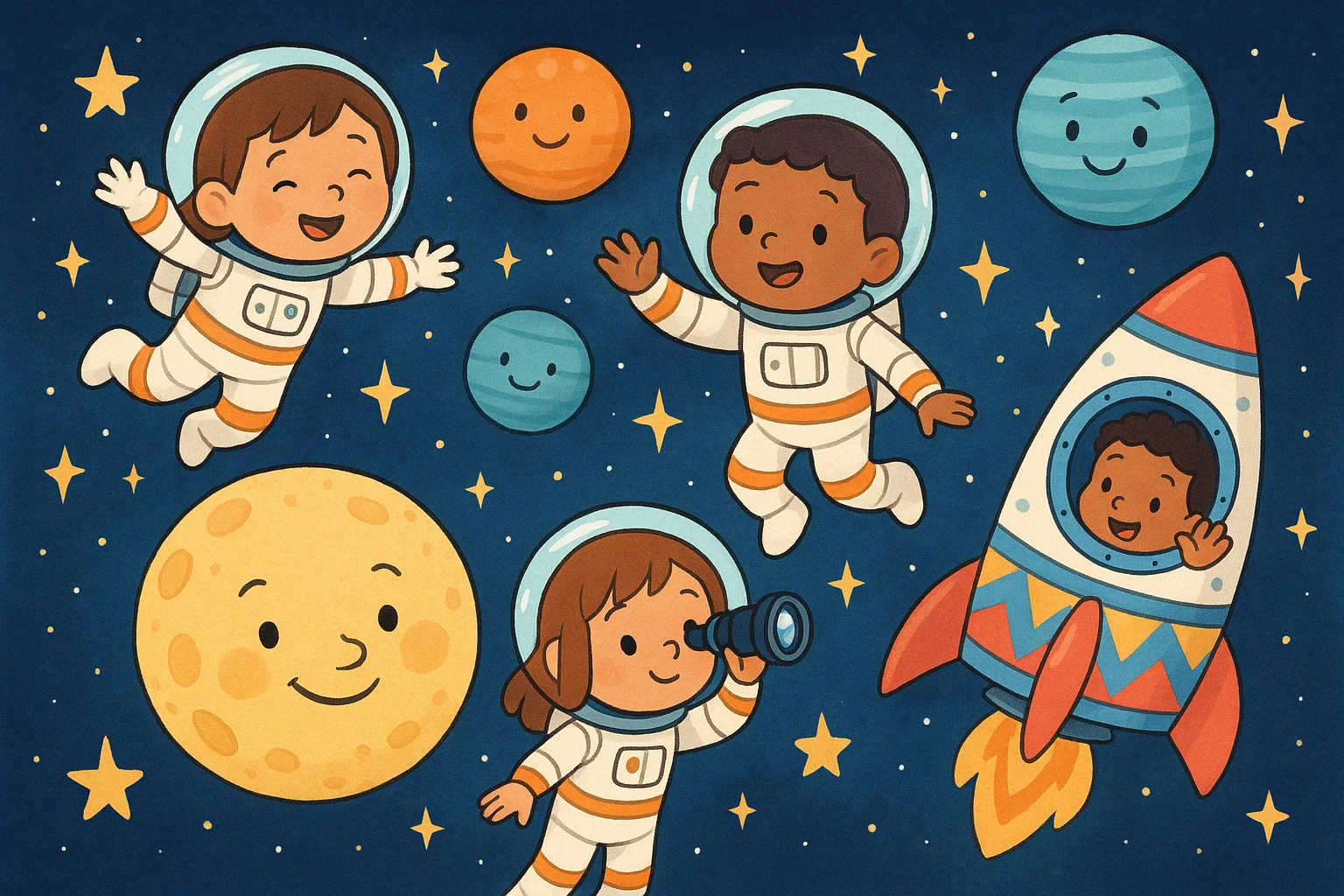
The universe is a magical place. These facts introduce the moon, stars, and planets in a fascinating, story-like way, encouraging curiosity.
Moon and Stars
Short, captivating facts about the night sky.
- The Moon Changes Shape Every Night: It doesn’t actually change, but as it goes around the Earth, we see different amounts of its light, making it look like a slice, a half-circle, or a giant, full circle.
- Stars Twinkle Because They’re Very Far Away: Stars don’t actually blink! Their light has to travel so far to reach our eyes that the air around Earth makes their light wobble, which makes them look like they are twinkling.
- The First People to Visit the Moon Left Footprints: Because there is no wind or rain on the moon, the footprints left by astronauts who walked on the moon are still there!
Planets
Introducing the planets as colorful, unique neighbors in space.
- Earth is the Only Planet with People and Animals: So far, Earth is the only planet we know with animals, oceans, and people with oceans, trees, birds, dogs, and people. It’s very special!
- Mars is Red and Dusty: The planet Mars gets its red color from iron in its soil, which is like rust. It’s a very dusty place.
- Saturn Has Beautiful Rings: Saturn is famous because it has giant, amazing rings made of millions of pieces of ice and rock orbiting the planet.
The Sun
Focusing on the sun as a gentle giver of life and light.
- The Sun Gives Us Light and Makes Plants Grow: Plants need the sun’s energy to make their food, and we need the sun’s light to see and to stay warm.
- The Sun is a Star: The sun is just a big, bright star, but it looks much bigger than the others because it’s much, much closer to us.
Funny and Random Fun Facts for Preschoolers
These lighthearted, giggle-friendly random facts are designed purely to spark joy and laughter, connecting to everyday wonders and silly body abilities.
Silly Body Facts
Facts that show the human body has a surprising sense of humor!
- You Can’t Tickle Yourself: Your brain is very smart! When your own hand goes to tickle you, your brain knows it’s coming and cancels the surprise feeling, so you can’t feel ticklish!
- You Sneeze Faster Than a Cheetah Runs: A sneeze can shoot out of your mouth at over 100 miles per hour! That’s faster than any land animal.
- The Longest Word You Can Spell with the Alphabet’s First 9 Letters Is “Cabbage”: This is a silly word puzzle that kids love to try!
Toy and Playtime Facts
Connecting playtime to history and invention.
- The First Teddy Bear Was Made Over 100 Years Ago: A man named Teddy Roosevelt, who was a U.S. President, inspired the first toy bear to be called a “Teddy Bear.”
- Crayons Were Invented to Help Kids Draw Safely: Before crayons, kids used charcoal or messy powders. Crayons were made so artists could work with a clean, safe, and colorful wax stick.
Wow Facts
Mixing in magical-feeling facts to amaze and encourage imagination.
- The Toughest Tongue Twister is from an Old Science Book: Try this toughest tongue twister without stumbling: “The sixth sick sheik’s sixth sheep’s sick.” It’s nearly impossible to say quickly!
- The Pink Lake in Australia: There is a real lake in Australia called Lake Hillier that is a bright bubblegum pink! Scientists think it’s because of a type of pink-colored algae and bacteria that live in the water.
- A Crocodile Never Stops Growing: A crocodile and other reptiles will continue to grow larger and larger throughout their whole lives, as long as they have food.
Learning Fun at Home and Preschool
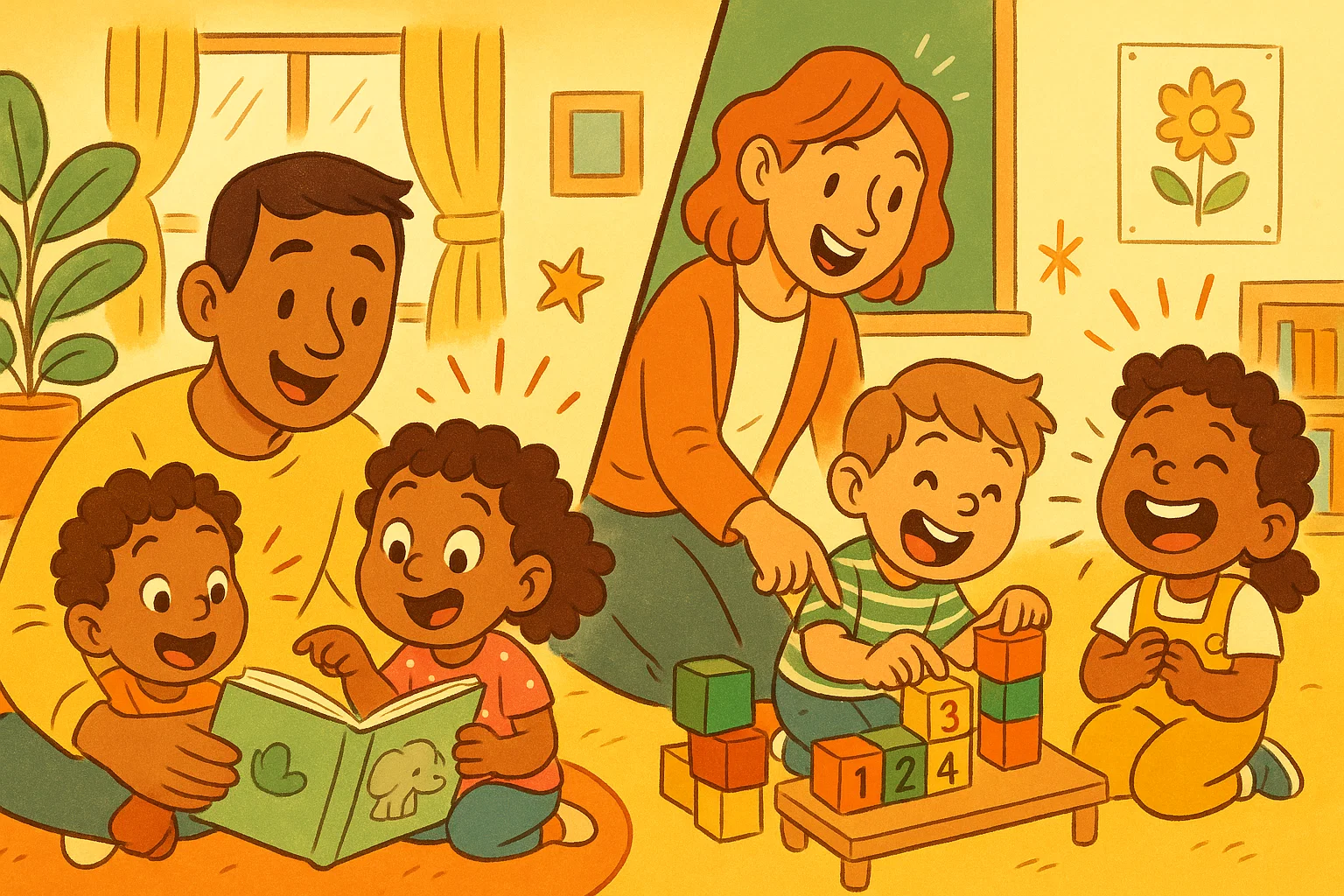
Parents and educators can turn these fun facts into rich learning moments. High-quality learning for preschoolers isn’t about memorization; it’s about exploration and connection.
Fun Fact Games
Turn learning into a playful interaction with these simple game ideas.
- Animal Fact Match: Write the animal on one card (e.g., Elephant) and its face on another (e.g., Use its nose like a shower). Mix them up and have your child match the pairs.
- Draw the Fact: Say a fact—”A butterfly tastes with its feet.” Have your child draw what that might look like. The sillier, the better!
- Fact Storytelling: Start a story with a fun fact (“Once upon a time, there was a tiny hummingbird who could fly backward…”), and have your child add the next sentence.
Creative Activities
Simple crafts and experiments to bring the facts to life.
- Make a Paper Rocket: After learning about the planets, help your child decorate a paper towel tube or a simple paper cone to make their own rocket. Discuss where in space they’d like to explore.
- Grow a Bean Plant: To learn about nature and sun facts, place a damp cotton ball and a dried bean in a small clear cup. Put it on a sunny windowsill and watch the roots and sprout appear, connecting the light from the sun to the life of the plant.
- Silly Body Chart: Draw a large outline of a person. As you talk about human body facts for kids (the heart, the bones, the taste buds), draw simple symbols for those parts onto the chart.
Parent Tips for Learning Success
To ensure your child’s curiosity thrives, integrate learning naturally into your daily routine.
Read a Fact a Day: Keep a list of animal fun facts or fun facts for kids on the fridge. Make it a ritual to read just one each day—maybe at breakfast or before bed—to prevent information overload.
Ask Open Questions: Instead of just sharing the fact, ask questions like:
- “What do you think it feels like to be a penguin sliding on the ice?”
- “If the giraffe’s tongue is blue, what color is yours?”
- “Why do you think the crocodile keeps growing bigger?”
Connect Facts to the Real World: When you see a worm, mention that it helps the soil. When you eat a tomato, remind them it’s a fruit. Linking the abstract fact to a tangible object in their life makes the learning amaze them even more.
By offering this blend of engaging and simple facts, adults can help preschoolers to become excited explorers of the world around them, setting the stage for a fulfilling educational journey.