

Every parent understands the challenge and joy of keeping children engaged, especially during school holidays or on a typical weekend. While the temptation to visit expensive theme parks or ticketed attractions is strong, the reality is that the best experiences for developing young minds are often the ones that cost nothing. Families are constantly looking for free ways to bond, learn, and create lasting memories without straining the household budget. Free family days out don’t just save money; they encourage screen-free activities, boost creativity, foster a connection with nature, and offer invaluable opportunities for physical and social development.
This comprehensive guide is designed to be an authoritative resource, offering a wealth of original, low-cost activities for kids and free attractions perfect for every age, season, and location. Inspired by the variety found across the UK – from grand estates and natural history museum experiences to simple country park adventures – this guide explores ingenious ideas to keep kids entertained all year round. The best free activities for kids are often those that unlock wonder and curiosity, and thankfully, there are many free options available.
Walks and Outdoor Adventures
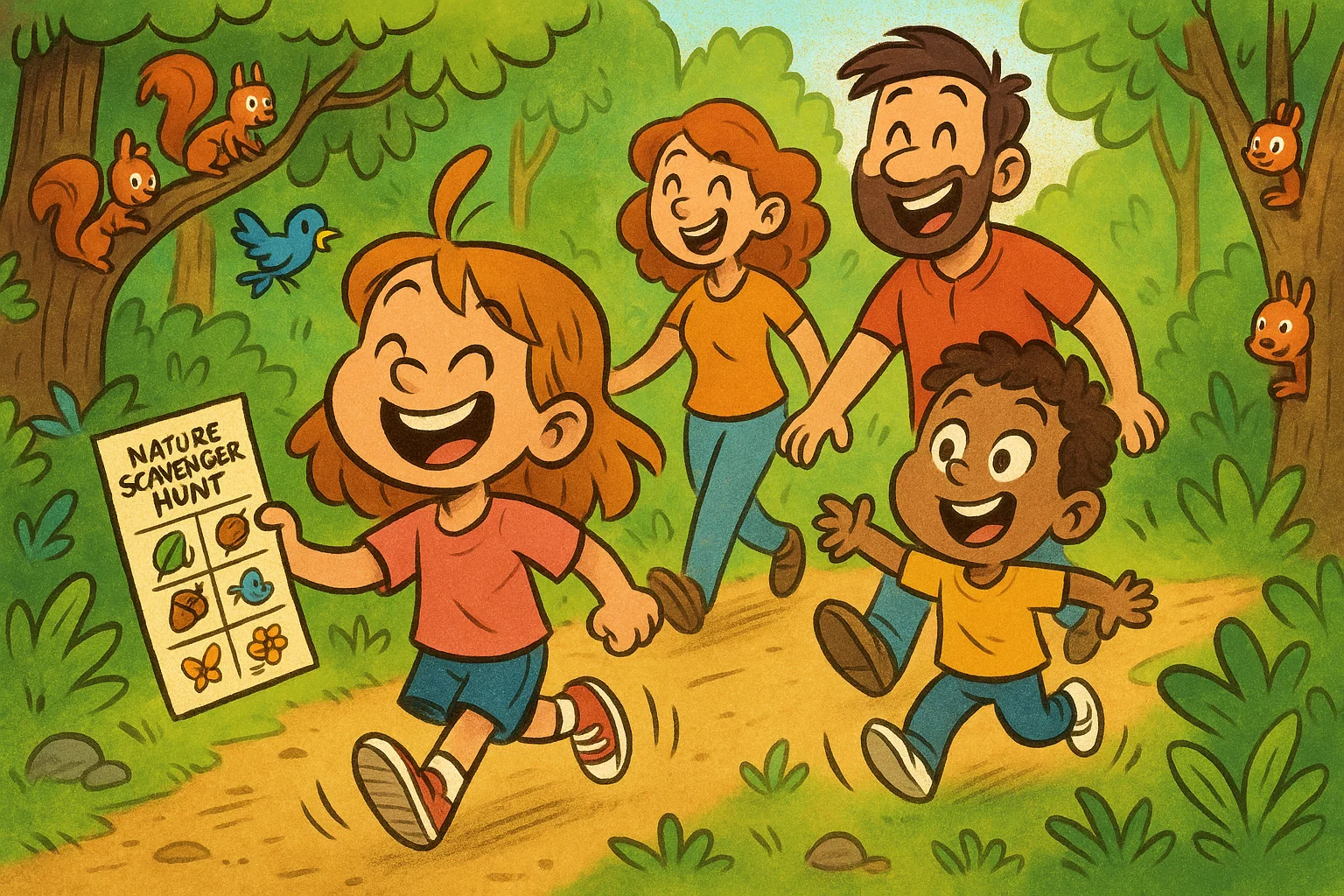
Getting outside is perhaps the most fundamental and rewarding of all free family activities. The shift from structured play to open-ended exploration found on trails, woodland paths, and simple hikes is fantastic for physical health and mental well-being. Whether you have toddlers or teens, finding a local path to go for a walk can turn an ordinary afternoon into a journey of discovery.
Easy Nature Trails for Family Walks
For families with very young children or those using prams, choosing an accessible, pram-friendly path is key. Look for multi-user trails or routes within local play areas or country parks, which usually have smooth, well-maintained surfaces, well-maintained surfaces.
- What to Bring: Always pack essentials like water, healthy snacks, a simple first-aid kit, and, crucially, a small nature collection bag for the inevitable treasures your child finds.
- Keep Kids Entertained: Turn the walk into a game to keep children engaged and moving. Simple activities like “I Spy,” scavenger hunts (looking for things that are red, round, rough, etc.), or counting tasks prevent boredom and engage observation skills. For instance, challenge your kids to find five different types of leaves or three different bird calls.
Scenic Routes with Wildlife Spotting
Many local parks, reservoirs, and public nature reserves offer fantastic, completely free opportunities to observe wildlife. Children are naturally drawn to animals, and spotting birds, ducks, swans, squirrels, or even sheep and cattle in grazing areas can be a highlight of any day out.
| Wildlife Spotting Location Type | Common Sightings | Educational Value |
| Local Ponds/Riverside Paths | Ducks, swans, geese, coots | Lifecycle of water birds, ecology |
| Deer Parks (e.g., Richmond Park) | Deer, stags (from a distance) | Respect for wild animals, nature cycles |
| Country Park Woodlands | Squirrels, small birds, insects | Identifying trees and animal tracks |
Safety and Respectful Observation Tips:
- Maintain Distance: Stress to children the importance of observing all wildlife from a respectful distance—never touch or feed wild animals unless explicitly allowed (e.g., designated duck feeding areas with appropriate food).
- Stay on Paths: This protects ground-nesting birds and sensitive plant life.
- Use Binoculars: A simple, kid-friendly pair of binoculars can dramatically enhance the experience and keep the children engaged.
Coastal or Riverside Walks
The lure of the water is a powerful attraction for children of all ages. A walk along a beach or riverbank offers a different sensory experience. Coastal family days out are often completely free beyond the cost of travel.
- Beach Fun: Encourage children to engage in free activities like collecting pebbles or shells, drawing in the sand with sticks, or exploring rock pools at low tide. This is a wonderfully immersive, screen-free activity that stimulates children’s senses and curiosity.
- Riverside Charm: Watching the river flow, identifying different types of boats, or simply sitting and listening to the water provides a moment of calm. Always supervise children closely near water, and check local guidelines for safe access.
Museums and Educational Spaces Free for Kids
Museums are vital cultural and educational institutions, and thankfully, in many places, entry is free to their main collections. This makes them a perfect destination, especially on a rainy day. They offer a structured, yet stimulating, environment that supports learning across a vast range of subjects, from science and history to art and culture.
Free Museums with Kid-Friendly Exhibits
Major national museums often have permanent collections that are free to visit, providing hours of exploration for the whole family. The Museum of Natural History (or similar regional centres), for example, is a major attraction for children fascinated by dinosaur skeletons, geological displays, and taxidermy—an unparalleled free attraction that supports STEM learning.
- Science Museums: Ideal for older children and inquisitive minds, often featuring interactive exhibits that allow hands-on learning about physics, technology, and engineering.
- History Museums: Great for children who enjoy stories and finding out “how things used to be.” Look for sections on local history, ancient civilizations, or industrial heritage.
- Natural History: Inspires awe and wonder, connecting children to the natural world and the scale of geological time. The promise of seeing a giant dinosaur skeleton is usually enough to keep kids entertained.
Families who regularly visit free museums often report higher engagement and better retention of historical and scientific knowledge.
Free Galleries and Creative Spaces
Art galleries might seem intimidating to visit with children, but many have embraced family-friendly programming. They offer a powerful alternative to paid activities, fostering visual literacy and emotional expression.
- Activity Sheets: Most contemporary galleries offer free activity sheets, drawing prompts, or gallery trails specifically designed to help children engage with the art.
- Drawing Corners: Look for designated “creation stations” where kids can draw, scribble, or build after viewing the artworks. This provides a necessary release and immediate application of inspiration.
- Quiet Exploration: Galleries are excellent spaces for cultivating quiet focus. Encourage children to choose just one piece of art they like and describe why they like it—a simple, rewarding screen-free activity.
Seasonal Museum Events Free for Families
While special temporary exhibitions may charge a fee, many institutions host events and activities that are free to attend. Always check the museum’s website for their calendar of family activities during summer holidays.
| Type of Free Museum Event | Description | Target Age Group |
| Family Days | Themed activities, craft stations, mini-lectures. | All ages |
| Drop-in Workshops | Simple science experiments, historical reenactments. | 5-10 years |
| Story Times | Reading books related to the museum’s collection. | Toddlers to 7 years |
Parks and Playgrounds
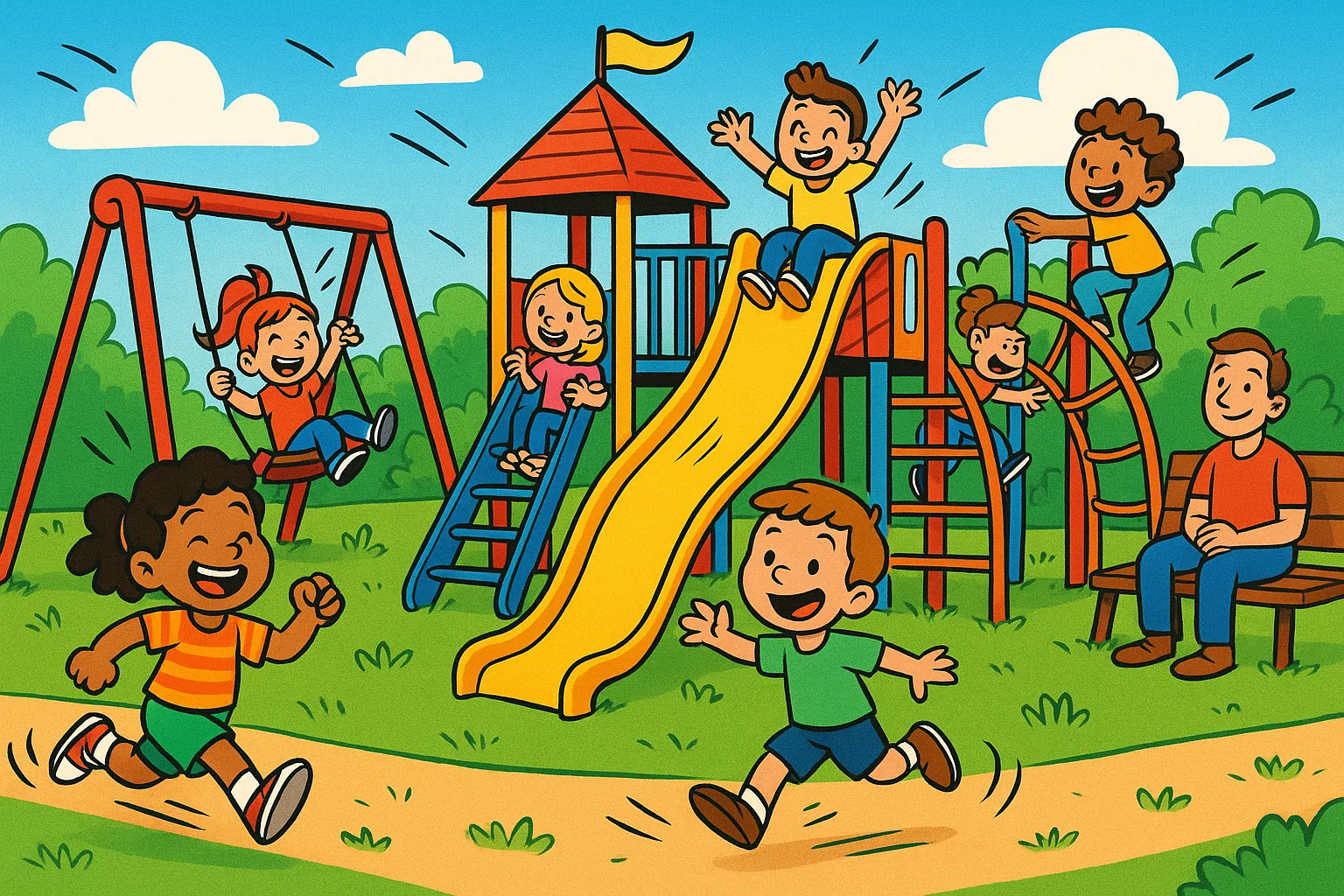
The ubiquitous playground is the bedrock of free fun for the kids. It is a dynamic, multi-sensory environment that promotes crucial developmental milestones, including gross motor skills, social negotiation, and risk assessment—all while simply having a blast. The local play park is arguably a family’s favourite free attraction.
Adventure Playgrounds with Climbing and Slides
These are the magnets for active children. Adventure playgrounds go beyond simple swings and slides, often featuring more complex structures that build confidence and physical strength.
- Key Features: Look for zip lines, extensive climbing frames, rope towers, sand and water areas, and multi-level slides. These encourage sustained physical effort and challenge.
- Social Play: The structures naturally facilitate games like hide and seek, chase, and cooperative building, helping children develop crucial social skills and imaginative narratives.
Splash Pads and Water Play Zones
During warm weather, a splash pad is an absolute lifesaver for families looking for free ways to cool down. Many are found within large municipal parks, are completely free to use, and offer zero-depth water play, making them safe for even the youngest toddlers.
- What to Bring: Swimwear/change of clothes, towels, sun cream, and, importantly, a willingness to get wet yourself!
- Check Opening Times: These are usually only operational during the summer holidays and warm months, so always confirm times before heading out.
Nature-Based Playgrounds
A growing trend is the shift towards natural play elements which integrate man-made structures with the natural environment. These parks and playgrounds feature elements like:
- Logs and Boulders: Excellent for balance, climbing, and imaginative scenarios (e.g., ‘mountain tops’ or ‘pirate ships’).
- Sensory Paths: Areas designed to be walked barefoot over different natural textures (sand, wood chips, smooth pebbles).
- Open Green Spaces: Vast lawns and rolling hills in a country park are perfect for running, kite flying, or spontaneous ball games—simple, unstructured fun for the kids.
Free Family Spots Similar to Blenheim Palace Grounds
Not every grand estate is a paid activity. While full entry to places like Blenheim Palace or similar historic homes can be costly, many larger properties, university campuses, or civic estates maintain vast grounds, accessible gardens, or peripheral walking paths where entry is free or requires only a small parking fee. These locations offer a taste of grandeur without the ticket price.
Picnic-Friendly Gardens and Wide Lawns
Large, expansive green spaces are the ultimate backdrop for a free family day out. They provide space for children to run, roll, and play without boundaries.
- Actionable Tip: Pack a large blanket, a frisbee, a football, and your own snacks. A picnic instantly elevates a simple visit to a wide lawn into a memorable family activity. These areas are also great for cloud-gazing or simple storytelling sessions.
Lakeside Paths and Wildlife Areas
If an estate or park features a lake, a path running around it often provides a beautiful, relaxed walk. The water’s edge is a rich environment for viewing nature.
Lakeside walks offer simple, calming visual variety that keeps children engaged while they explore nature.
Remember to practice responsible duck feeding (if allowed) using appropriate food like defrosted peas or halved grapes, not bread.
Seasonal Events in Palace or Estate Grounds
Even the grandest estates occasionally host community-focused events and activities that are free to attend, such as:
- Local craft markets.
- Outdoor theatre rehearsals.
- Free fireworks displays or community carolling in December.
Free Access Spots Similar to National Trust Properties
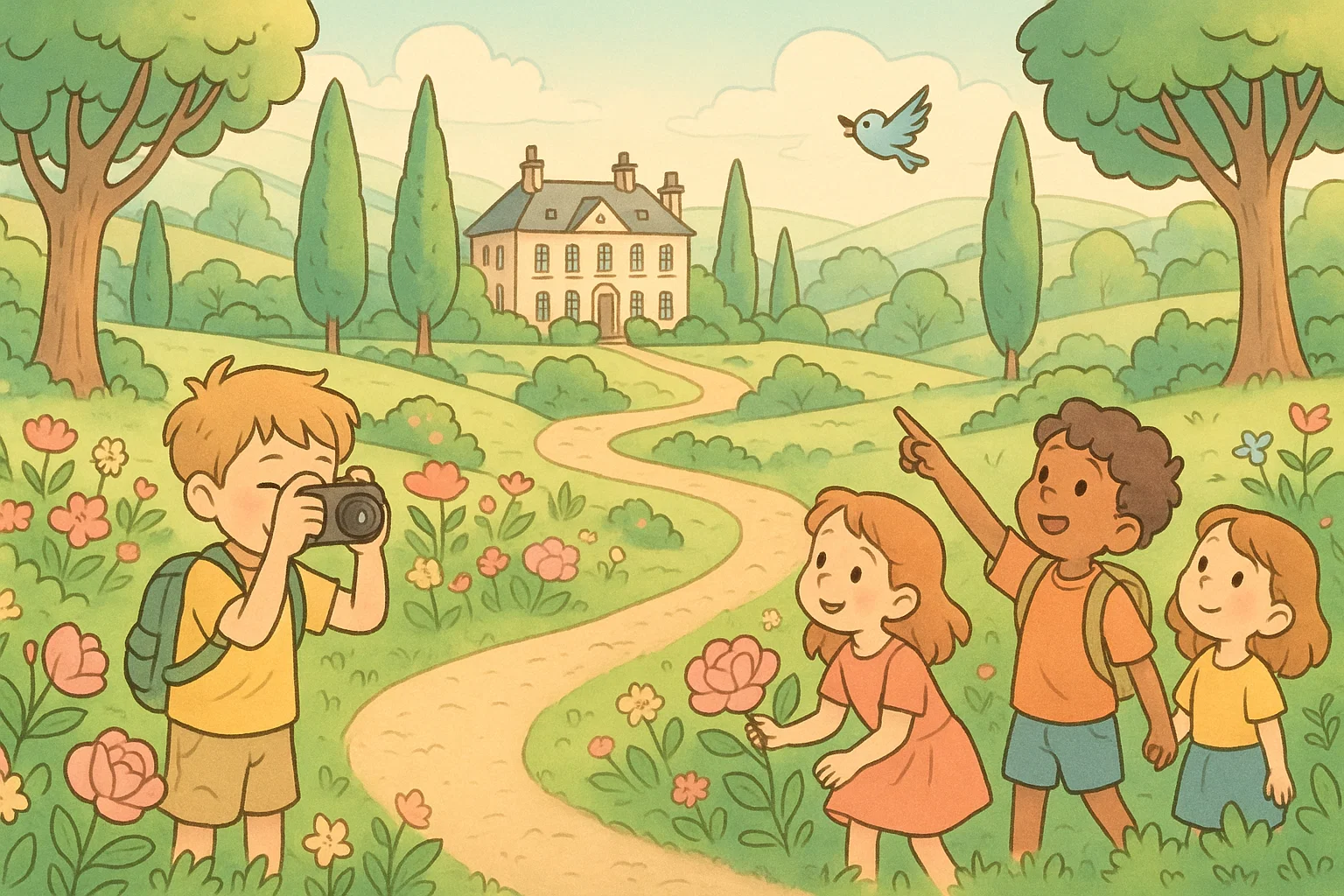
While most National Trust or similar heritage properties require membership or an entry fee, their surrounding lands, public footpaths, and woodland walks are often publicly accessible and completely free. Utilising this free access is a brilliant strategy for a frugal day out with kids.
Woodland Walks Free for Families
Exploring a forest is a sensory feast for children. The shade is ideal for summer holidays, and the natural debris encourages creative play.
- Den Building: Encourage children to use fallen sticks and branches to build a small den or shelter—a classic screen-free activity that promotes teamwork and engineering skills.
- Nature Crafts: Collect fallen leaves, acorns, or pinecones for activities at home later. A simple leaf rubbing project is a timeless freebie.
Scenic Viewpoints and Hill Trails
A gentle climb up a hill that offers a panoramic view can be incredibly motivating for children. The reward of the vista makes the effort worthwhile. Look for trails labelled as “easy” or “moderate” on local maps, often located in local country park areas. These activities for kids build stamina and spatial awareness.
Community Spaces Next to Heritage Sites
Often, adjacent to major, fee-charging heritage sites, you’ll find publicly owned spaces—such as village greens, riverside meadows, or community orchards. These are usually free to visit and provide excellent, low-key spots for play and relaxation.
Free Indoor Activities for Kids
The best plans sometimes succumb to a rainy day. Having a toolkit of engaging activities at home is essential for any parent aiming to keep kids entertained.
High-Energy Indoor Activities
When children can’t get outside, they need a way to burn off energy indoors. These ideas require minimal or no equipment:
- Living Room Obstacle Course: Use pillows, blankets, chairs, and tunnels to create a course that involves crawling, jumping, and balancing. Time them for extra fun.
- Dance Sessions: Put on their favourite music and encourage them to move—a fantastic way for kids to get physical exercise and express themselves.
- Balloon Games: Hitting a balloon keeps kids entertained for ages; it’s soft, easy to control, and safe for indoor play. Try “Keep It Up” using only one hand or a paper tube.
Low-Energy Indoor Activities
Sometimes, quiet focus is needed. These screen-free creative projects foster concentration and fine motor skills.
- Puzzles and Board Games: Dust off the classics. Puzzles are great for spatial reasoning.
- Drawing Prompts: Give them a challenging prompt: “Draw a monster who likes broccoli,” or “Draw a tree that grows books.”
- Simple Science Experiments: The Museum of Natural History experience can be recreated at home! Try the classic baking soda and vinegar volcano or making oobleck (cornstarch and water)—these are great free ways to explore basic chemistry.
Screen-Free Creative Projects
These activities at home are great for using up materials you already have.
| Project Idea | Materials Needed | Skill Focus |
| Homemade Playdough | Flour, salt, water, food colouring. | Sensory play, fine motor skills. |
| Recycled Art | Cardboard boxes, bottle caps, toilet rolls. | Creativity, problem-solving. |
| Storytelling Circles | None. | Language, imagination, sequential thinking. |
Free Local Entertainment and Attractions
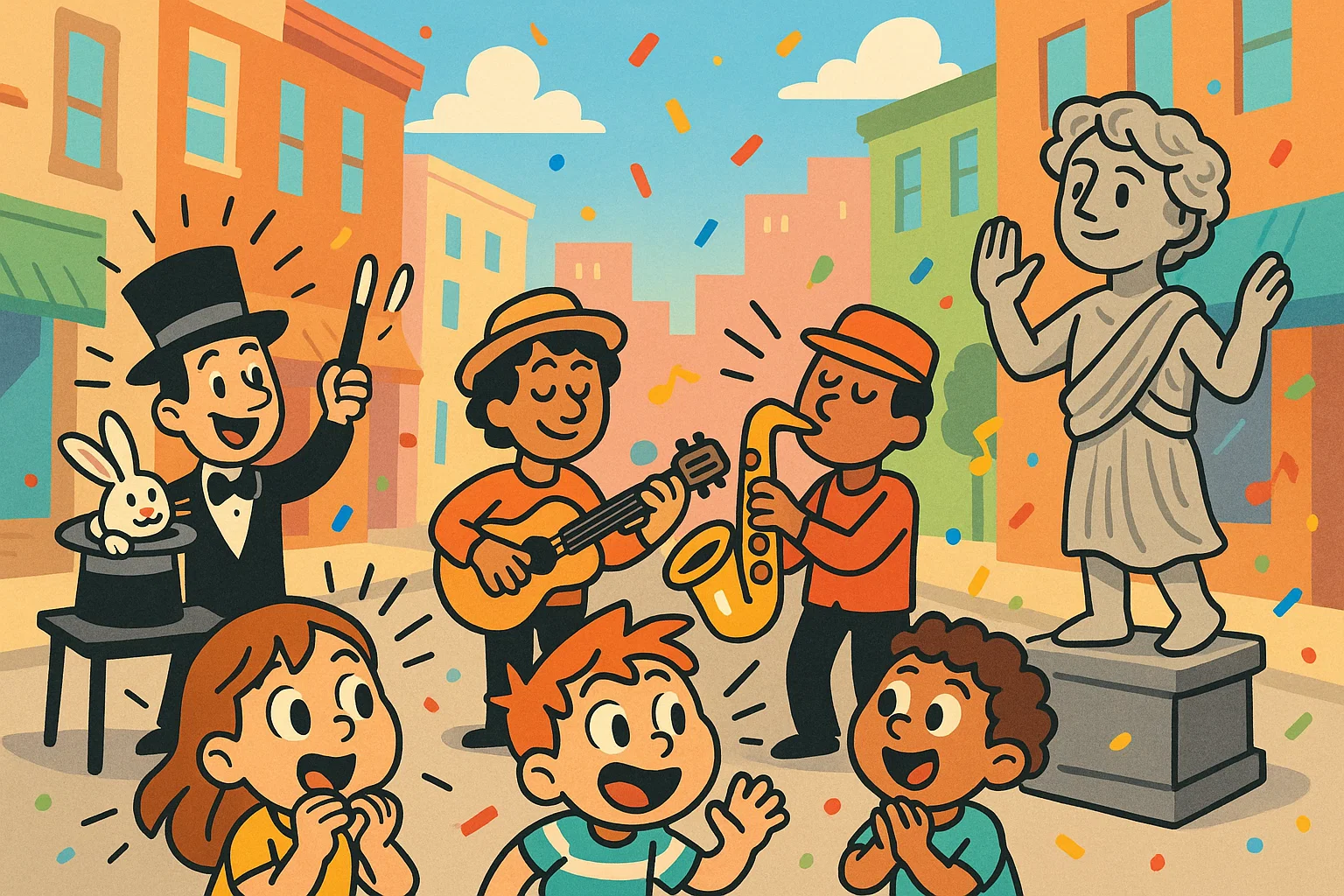
Some of the most iconic places to visit and busiest city centres offer surprising, completely free entertainment that can rival the excitement of a paid activity.
Street Performers and Live Entertainment
In popular urban centres (like London’s Covent Garden, for example), you can often find high-quality street performers—magicians, musicians, and acrobats—whose shows are free to attend (though tipping is encouraged).
- Making it Enjoyable: Find a spot with good visibility well before the show starts. Remind children that these performers rely on tips, turning it into a lesson about supporting the arts.
Character-Themed Free Activities
Many children are drawn to popular cultural themes (Harry Potter, Paddington Bear, Doctor Who). You don’t need to visit the theme park or buy a studio tour ticket to enjoy the fandom.
- Themed Photo Spots: Visiting an iconic filming location or a famous statue linked to a beloved character offers a fun and free photo opportunity. Searching out a themed street or monument is a simple scavenger hunt that kids will enjoy.
- Window Displays: In the run-up to school holidays, many city centre shops put on elaborate, free window displays that are a joy to look at.
Iconic Shops Offering Free Experiences
Large, iconic toy stores (like Hamleys or FAO Schwarz) and high-end department stores (like Harrods) often have free attractions built in—toy demonstrations, tasting counters, or simply spectacular, imaginative merchandising displays that are a feast for the eyes. The goal is exploration, not purchasing.
Free Parks, Farms, and Nature Reserves
Local green spaces, from urban parks to small community farms, are the unsung heroes of free family days out.
Urban Parks with Wildlife
Many large city parks are managed as nature reserves. Greenwich Park or other large urban areas often have dedicated deer parks, bird sanctuaries, or butterfly meadows. Kids love to see animals thriving in the city, providing excellent, accessible, screen-free activities.
Free Farm Areas or Animal-Viewing Spots
While commercial petting zoos charge entry, some community farms or public park farm areas are free to visit or donation-only. Children can observe farm animals, which is a key educational experience showing where food comes from. Always check their website for their free-entry policy.
Large Green Parks with Family Trails
These expansive areas, like local country park spots, are perfect for:
- Bike Rides: Letting kids ride their bikes safely away from traffic.
- Orienteering/Treasure Hunts: Using a simple map (or a drawn one) to find hidden spots.
- Unstructured Play: Giving children the space to invent their own games.
Free Neighbourhood Walks and Cultural Landmarks
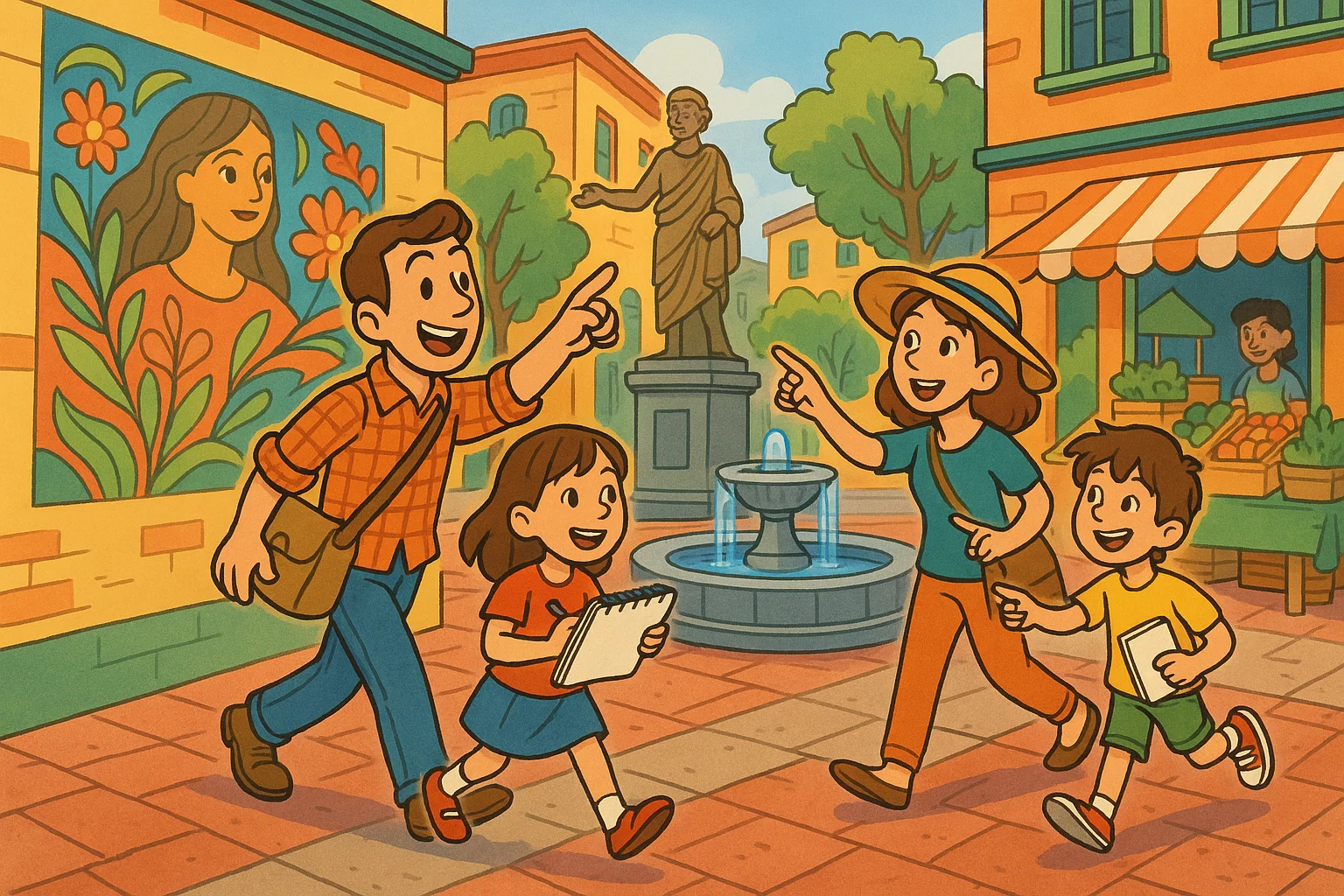
Sometimes the best activities for children are right outside your door—discovering the history and culture of your own town or city.
Historic Squares and Monuments
City centres feature historic squares and large monuments (like Trafalgar Square or local war memorials) that offer rich visual detail and conversation starters for children.
- What Children Find Interesting: Statues of historical figures, large water features, and the sheer openness of the place to visit.
Riverside or City-Centre Walking Routes
Following a path along a river or a main historic thoroughfare (like a “South Bank walk” style route) is a great way to mix exercise with sightseeing. These routes are usually completely free and offer a constantly changing view of urban life.
Free Cultural Districts
Areas known for their street art, local markets (Camden Market is a great example), or craft stalls often offer vibrant, stimulating, and free to visit environments. Observing buskers, browsing unique goods, and seeing murals can spark creativity and conversation.
Free Events and Community Activities for Kids
Local libraries, community centres, and town councils are excellent, often overlooked sources of high-quality, free to attend events and activities.
Free Guided Walking Tours
Some cities offer free walking tours based on a tip system. Look for family-friendly themes (e.g., ghost stories, architecture, local legends). They are engaging, educational, and a great way to explore a place to visit.
Library Storytimes and Drop-in Sessions
Libraries are a powerhouse of free family activities. Most offer weekly:
- Storytimes: Reading sessions for toddlers and pre-schoolers.
- Craft Mornings: Simple, supervised craft projects using basic supplies.
- Reading Challenges: Summer holidays reading programs that offer freebie incentives.
Community Fairs, Festivals and Pop-Up Activities
Seasonal events are often free to attend, funded by local councils or businesses. Look out for:
- Summer Fairs: Free entry, often featuring stalls, small animal displays, and open green space.
- Christmas Lights Switch-Ons: A classic, completely free community event.
- Pop-up Play Zones: Temporary play area installations during school holiday periods.
Rainy Day Free Activities for Kids
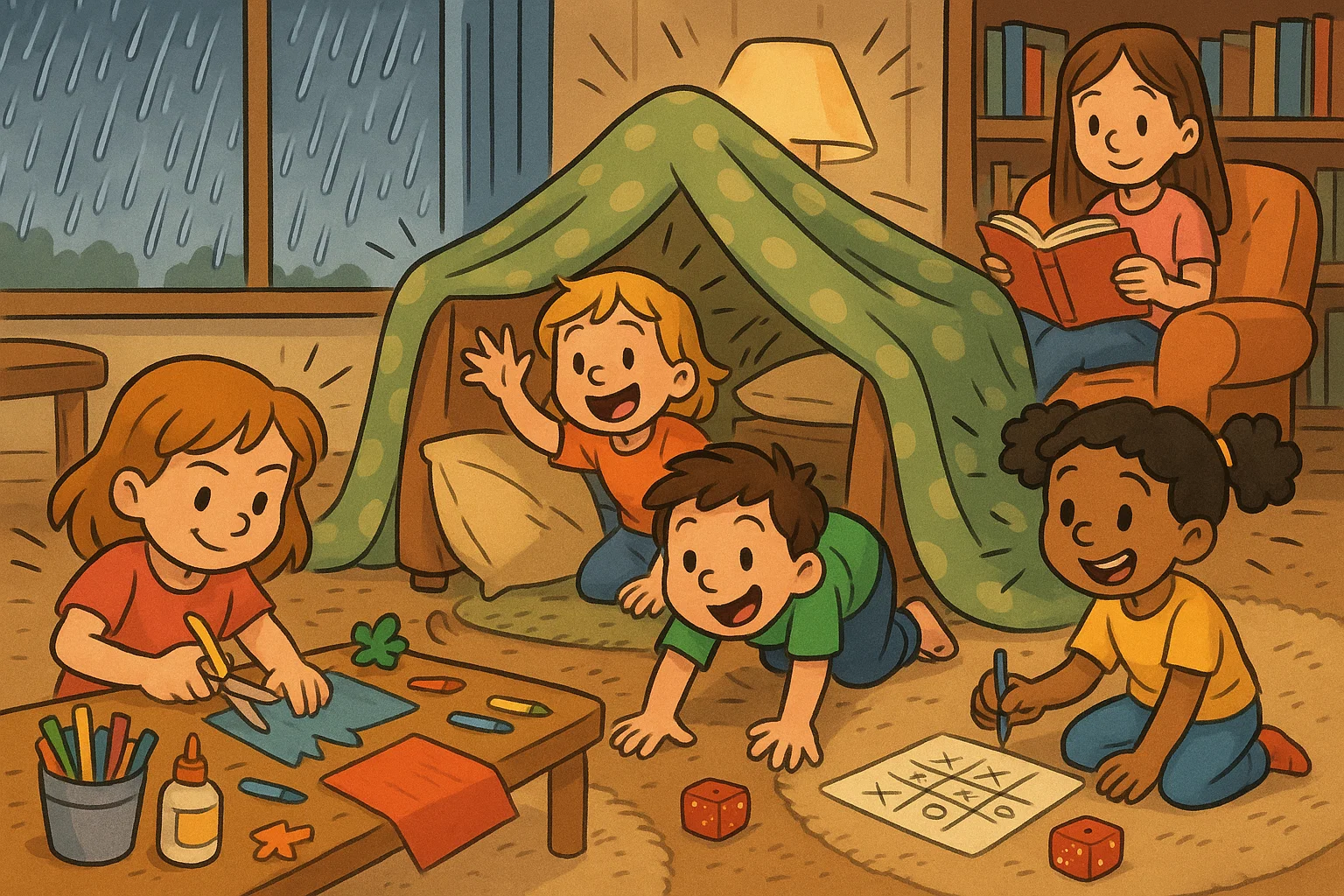
When the weather turns sour, having a bank of ideas for what to do with kids on a rainy day is invaluable.
Indoor Crafts Using Simple Materials
The best free activities use materials you already have.
- Paper Art: Folding origami, making paper chains, or creating cut-out collages.
- Recycled Creations: Build a robot or a town using empty food containers and tape.
- Playdough Sculpting: As mentioned earlier, simple homemade playdough provides hours of imaginative, screen-free activity.
Educational Home Games
Learning disguised as play is the gold standard for activities to keep kids entertained.
- Treasure Hunts: Write simple clues that lead to a small reward (or just to the next clue). This uses logic, reading, and problem-solving skills.
- Cooking Tasks: Letting children help with simple, measured tasks (stirring, counting eggs, measuring flour) teaches basic maths and responsibility.
Quiet-Time Activities
Sometimes, everyone needs a break.
- Reading Corner: Create a cozy nook with blankets and cushions and encourage independent reading or shared storytelling.
- Shadow Play: Use a flashlight and your hands to create animal shapes on a wall.
How to Save on Big Attractions
Even if you plan a paid activity once in a while, smart planning can help families save on big attractions.
Discount Passes and Free-Entry Days
Many national museums, zoos, and heritage sites offer special deals.
- Annual Passes: Consider if a family pass to a particular theme park or zoo will save money if you visit more than twice.
- Free-Entry Days/Open Weekends: Some commercial attractions offer limited free-entry days as part of community engagement—always check their website.
Best Time to Visit Popular Locations
Timing can be everything.
| Strategy | Benefit | Example |
| Off-Peak Season | Lower hotel/travel costs, fewer crowds. | Visiting coastal family days out in spring or autumn. |
| Early/Late Visits | May avoid peak entry fees or large crowds. | Arriving at a playground just as it opens. |
| Mid-Week Visits | Avoids the weekend attraction surge. | Taking a free day trip during the school term. |
Packing Tips to Avoid Extra Costs
Simple preparation is key to a cost-effective day.
- Bring Your Own Food: Packing a lunch, snacks, and a refillable water bottle avoids costly museum or theme park food markups.
- Transport Passes: Check if your region offers free transport passes for kids under a certain age to save on travel costs.
Free Day Trip Ideas for Families
For families looking for free days out with kids beyond their immediate locale, the UK offers many beautiful, affordable options.
Countryside Day Trips
A journey to a large forest, national park, or nature reserve is essentially a completely free attraction.
- What to Do: Hiking, cycling, geocaching (using GPS to find hidden containers), and wildlife spotting. This is one of the best free things you can do to connect children with the environment.
Coastal Family Days Out
Beyond the classic beach visit, exploring a seaside town can be fun for the kids without spending money.
- Activities Available: Rockpooling at low tide (using a simple net), flying a kite, building sand sculptures, or simply enjoying the sea air and a walk on the pier.
Urban Sightseeing Routes Free for Families
Plan a route through a major city that links several free attractions and features a few strategically placed play area stops. For example, a route linking a free museum, an iconic square, a park, and a riverside walk. These planned routes turn the travel itself into an adventure, making it a truly rewarding, fun, and free day out with kids.