

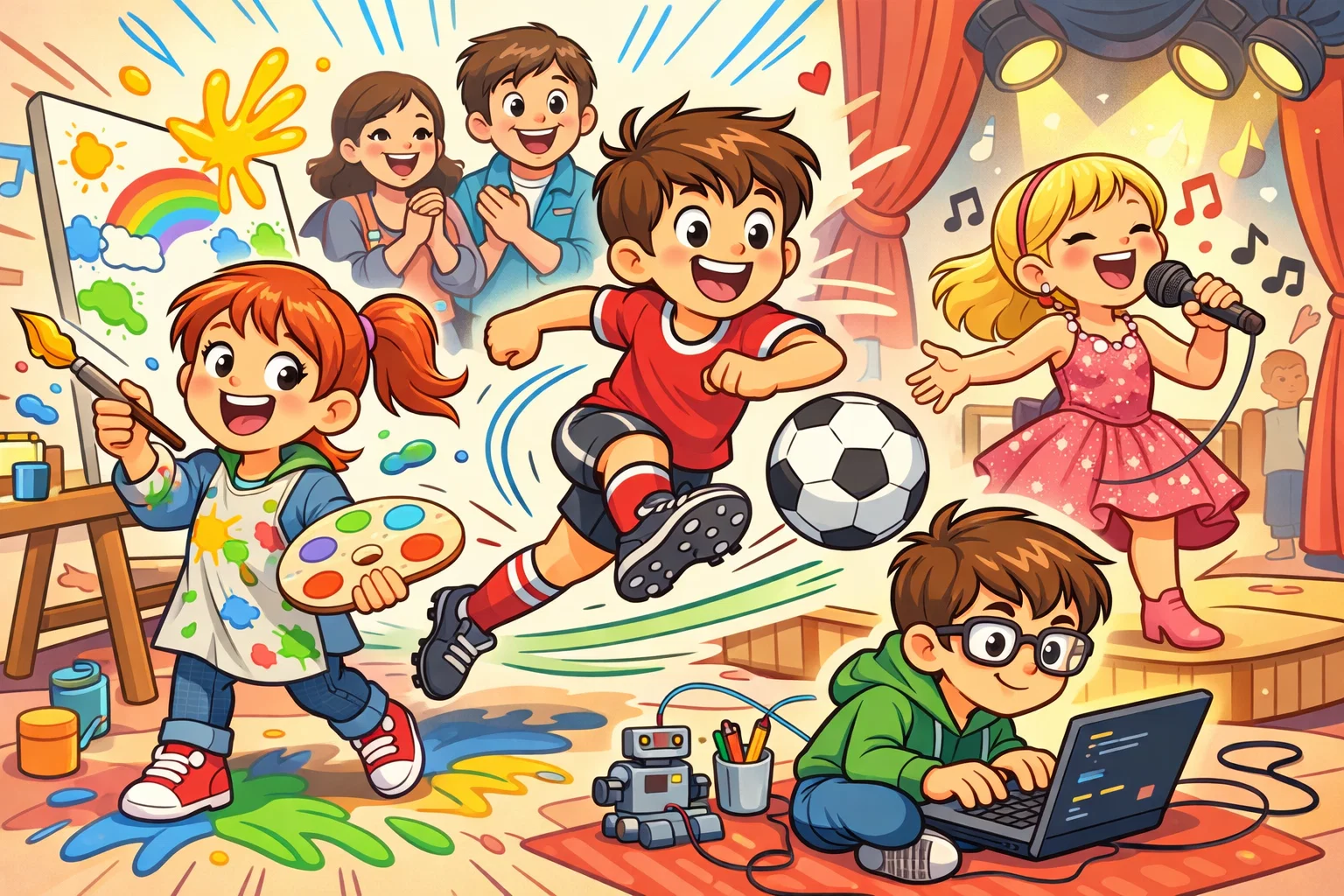
Choosing the right extracurricular activities for your child is more than just filling gaps in a busy schedule; it is about providing a supportive environment for their unique personality to develop. Parents often look for these programs to help children develop new talents, stay active, and build a foundation for lifelong success. Whether your child is a high-energy toddler or a more focused teenager, the world of after-school programs offers a diverse range of opportunities to explore interests that go far beyond the classroom.
This guide is designed to help you navigate the vast landscape of enrichment options. We will explore how different types of extracurricular activities contribute to a child’s development, how to align choices with your child’s personality and goals, and how to maintain a healthy balance between structured learning and much-needed downtime. By the end of this article, you will have a clear roadmap for selecting the best extracurricular activities for kids that foster both joy and personal growth.
Benefits of Extracurricular Activities for Kids
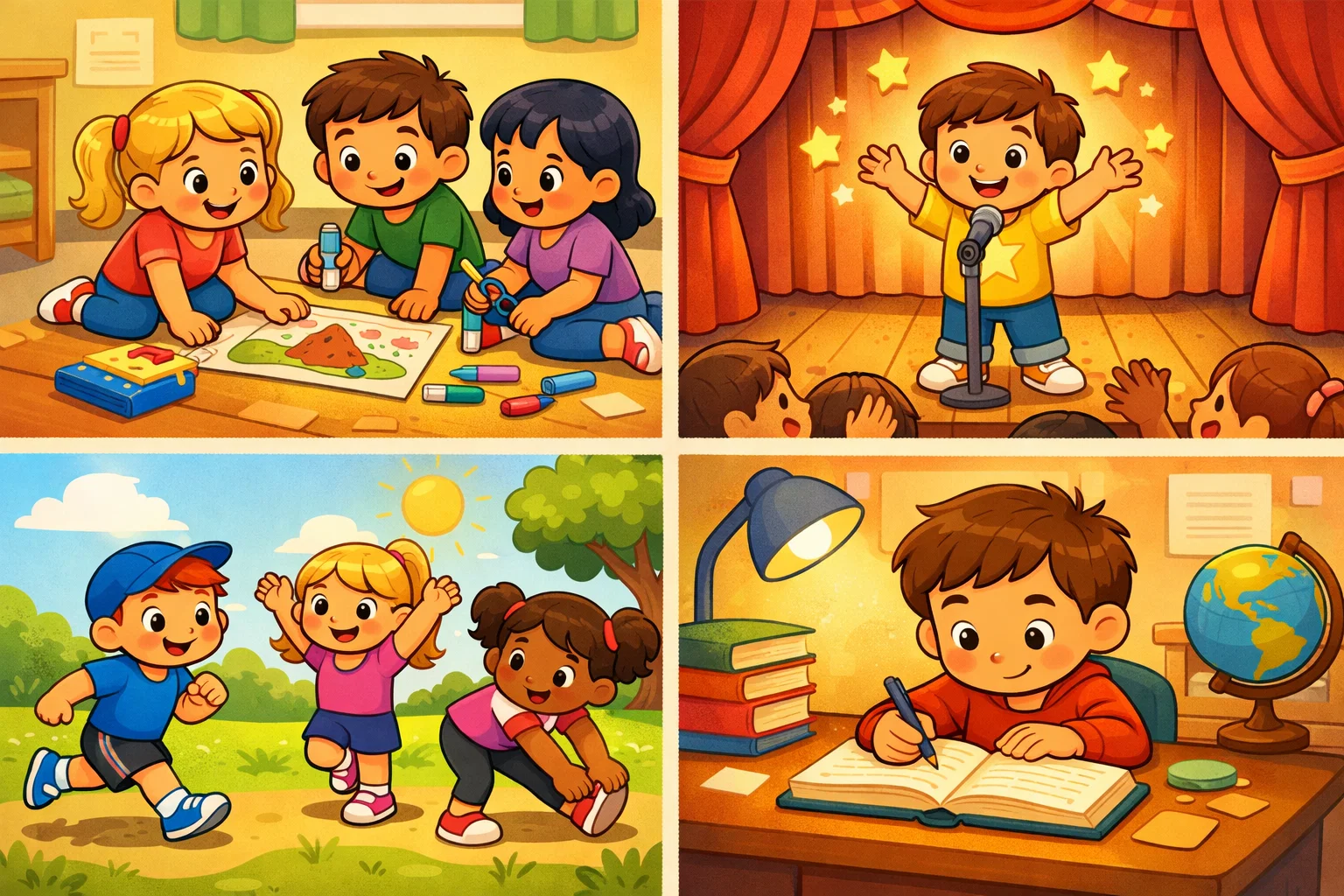
The benefits of extracurricular activities extend into every facet of a child’s life. Research consistently shows that extracurricular activities are associated with positive developmental outcomes – including higher academic performance, greater academic aspirations, and enhanced engagement – in children and adolescents. These activities act as a bridge between formal education and real-world application.
Social skills development through group activities
Participating in a school club or a local sports team is one of the most effective ways to help kids refine their communication skills. In these settings, children must learn how to communicate effectively with peers and authority figures to reach a common goal.
- Cooperation: Working together to solve a puzzle or win a game.
- Conflict Resolution: Learning to handle disagreements during practice.
- Empathy: Understanding the feelings of a teammate who made a mistake.
- Social connections: Building friendships beyond their immediate school circle.
Activities like team sports or drama club require constant interaction, reinforcing skills such as active listening and collaborative problem-solving.
Emotional growth and confidence building
Extracurricular activities help children build self-esteem and confidence by providing a space where they can master new challenges. When a child learns a difficult piano piece or masters a new move in gymnastics, they experience a sense of achievement. This confidence often carries over into the classroom, where they feel more capable of tackling difficult subjects. These programs play a huge role in shaping how a child views their own potential.
Physical health and energy balance
In an era of increasing screen time, sports play a vital role in maintaining physical health. Activities like swimming, soccer, or even a local tumble class for younger kids help develop motor skills, cardiovascular endurance, and coordination.
- Cardiovascular Health: Running and active play strengthen the heart.
- Coordination: Practices like gymnastics improve balance and spatial awareness.
- Stress Relief: Physical exertion helps kids release pent-up energy and reduce anxiety.
- Habit Formation: It helps children develop positive lifelong health habits from an early age.
Academic support and cognitive stimulation
While some worry that extracurriculars might distract from schoolwork, they often do the opposite. Many enrichment programs, particularly activities such as science clubs or chess, involve complex problem-solving. Furthermore, the time management skills required to balance a school hobby with homework help children become more disciplined and organized academically.
Types of Extracurricular Activities for Kids
Understanding the different categories of after-school activities can help you identify activities that align with your child’s natural inclinations.
Sports and physical activities
Physical extracurricular activities for children range from high-intensity competitive sports like basketball and soccer to individual disciplines like martial arts. These activities are especially effective at building resilience and grit.
- Team Sports: Soccer, basketball, volleyball.
- Individual Sports: Tennis, swimming, gymnastics, martial arts.
- Performance: Cheerleading, figure skating, dance.
Arts and creative activities
For the creatively inclined, joining a musical group or participating in a drama club provides a vital outlet. These classes for children encourage creative and original thinking.
- Music: Piano, violin, guitar, or joining a musical ensemble.
- Visual Arts: Painting, pottery, photography.
- Performance: Theater, improv, or a local drama club.
STEM and academic enrichment
Science clubs, robotics, and coding classes are increasingly popular. These enrichment options allow kids to apply academic concepts to real-world projects.
Language and communication activities
Debate teams and foreign language classes help children develop strong linguistic abilities. These are excellent extracurricular activities for kids who enjoy storytelling and persuasion.
Community and character activities
Volunteer work and leadership programs like the Scouts help kids develop positive habits. These co-curricular efforts emphasize character growth and the importance of contributing to the community.
| Activity Type | Main Benefits | Best For |
| Team Sports | Teamwork, resilience, fitness | Social, high-energy kids |
| STEM Clubs | Logic, problem-solving | Analytical, curious kids |
| Arts & Music | Creativity, discipline, focus | Imaginative, quiet kids |
| Volunteering | Empathy, leadership | Goal-oriented, kind kids |
Popular Extracurricular Activities for Kids
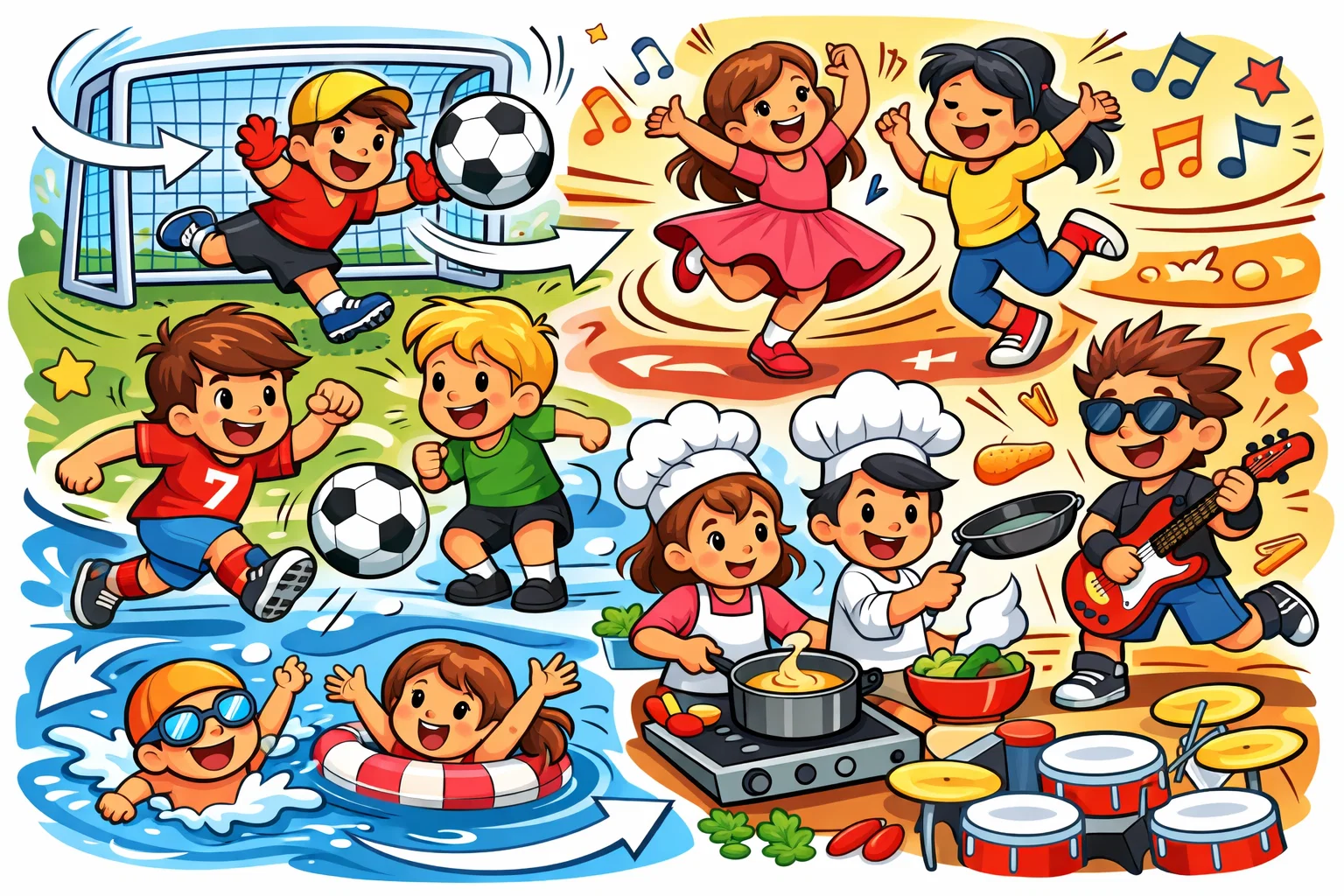
While there are hundreds of options, certain popular choices consistently draw interest due to their well-documented benefits.
Music lessons and vocal training
Learning an instrument is a classic enrichment choice. Whether it’s the piano or voice lessons, music training requires discipline and consistency. Participation in a choir or a school band allows kids to experience the harmony of working together while developing an ear for rhythm.
Dance and performance activities
Dance uniquely combines athleticism and artistic expression. From ballet to hip-hop, dance helps younger children with coordination while giving them the opportunity to explore different cultural styles.
Team sports and athletic clubs
Team sports such as soccer or baseball are childhood staples. Being part of a team teaches children how to handle both victory and defeat – a vital life skill.
Cooking and baking classes
A newer trend in extracurricular activities for children, culinary lessons teach math and independence. These classes provide a hands-on environment where kids learn new things they can actually eat!
Scouts and leadership programs
Scouting remains a powerful tool for building well-rounded individuals. These programs focus on outdoor skills and volunteer work, helping children try new things in a safe environment.
Extracurricular Activities by Age Group
A child’s developmental stage is the most important factor when choosing the right path.
Extracurricular activities for toddlers
At this early age, the focus should be on unstructured play and sensory exploration.
- Parent-and-me music classes.
- Basic tumble and movement sessions.
- Sensory artplay.
Extracurricular activities for preschool kids
For children aged six and under, activities focused on exploration are best.
- Introductory gymnastics.
- Basic swimming lessons.
- Storytelling and puppet theater.
Extracurricular activities for school-age kids
This stage is often considered an ideal time for extracurricular involvement. Children are ready for more structured sports teams, science clubs, and musical training. They can now handle the time management required for regular practice.
Extracurricular activities for teens
For older kids, specialization is key. Teens often benefit from competitive sports, leadership roles in school clubs, or volunteer work that helps build a portfolio.
How to Choose Extracurricular Activities for Kids
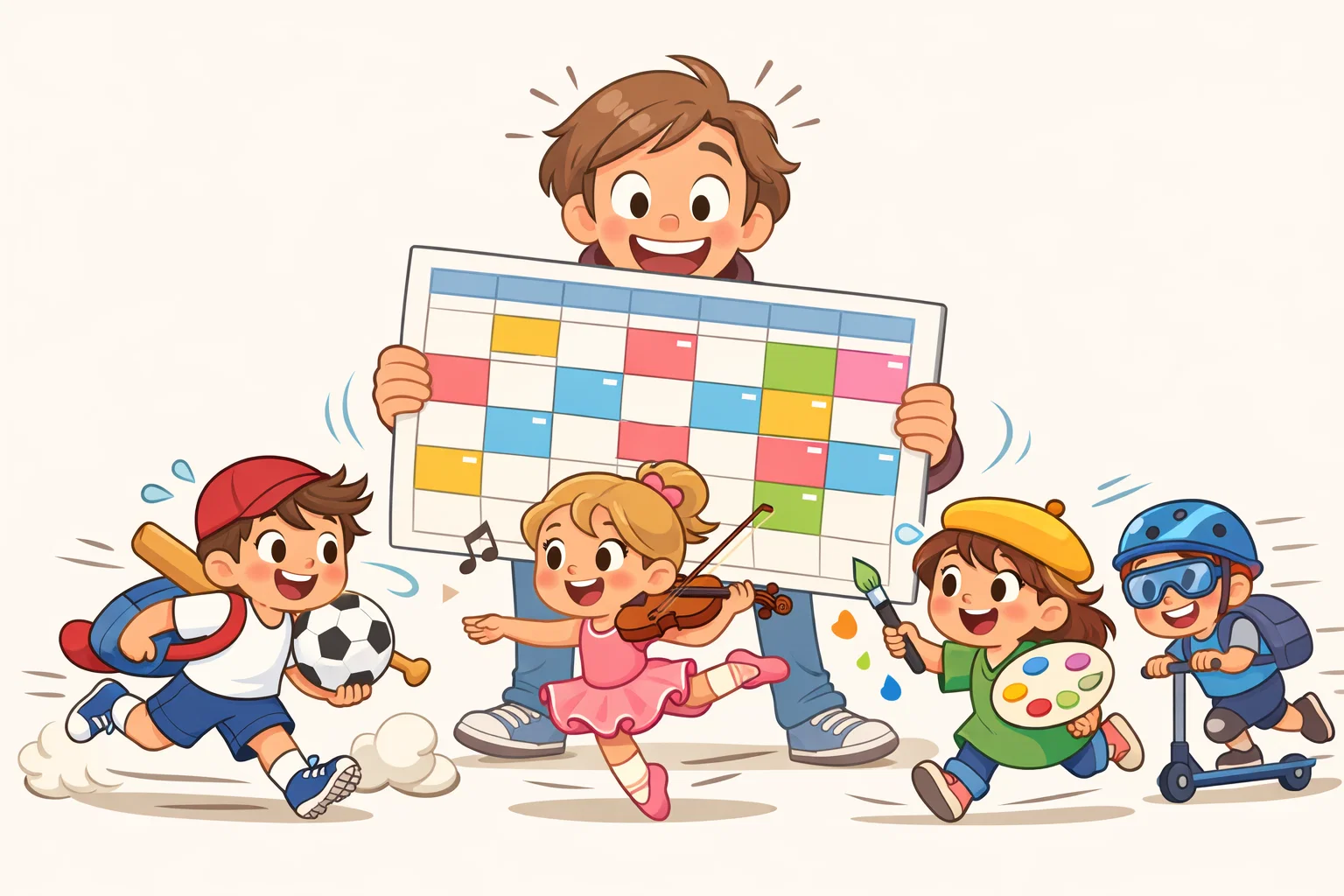
Finding the right extracurricular activities requires a balance between what a child needs and what they actually enjoy.
Evaluating your child’s interests and strengths
Understand your child’s natural leanings. Help your child by offering a “taster menu” of options. If they love building, a robotics school club might be perfect.
Age and developmental stage consideration
Ensure the session matches their physical readiness. Putting a child in highly competitive sports too early can lead to stress.
Balance between fun and structured learning
While kids need to learn discipline, they also need to have fun. If an activity consistently feels like a chore, the benefits of extracurricular activities are often lost.
Schedule, location, and convenience factors
Be realistic about the logistics. Consider how the commitment fits into your family’s time management.
Trial classes and flexible formats
Always look for trial classes. This allows your child to try new things without a long-term commitment.
Managing Extracurricular Activities Schedule
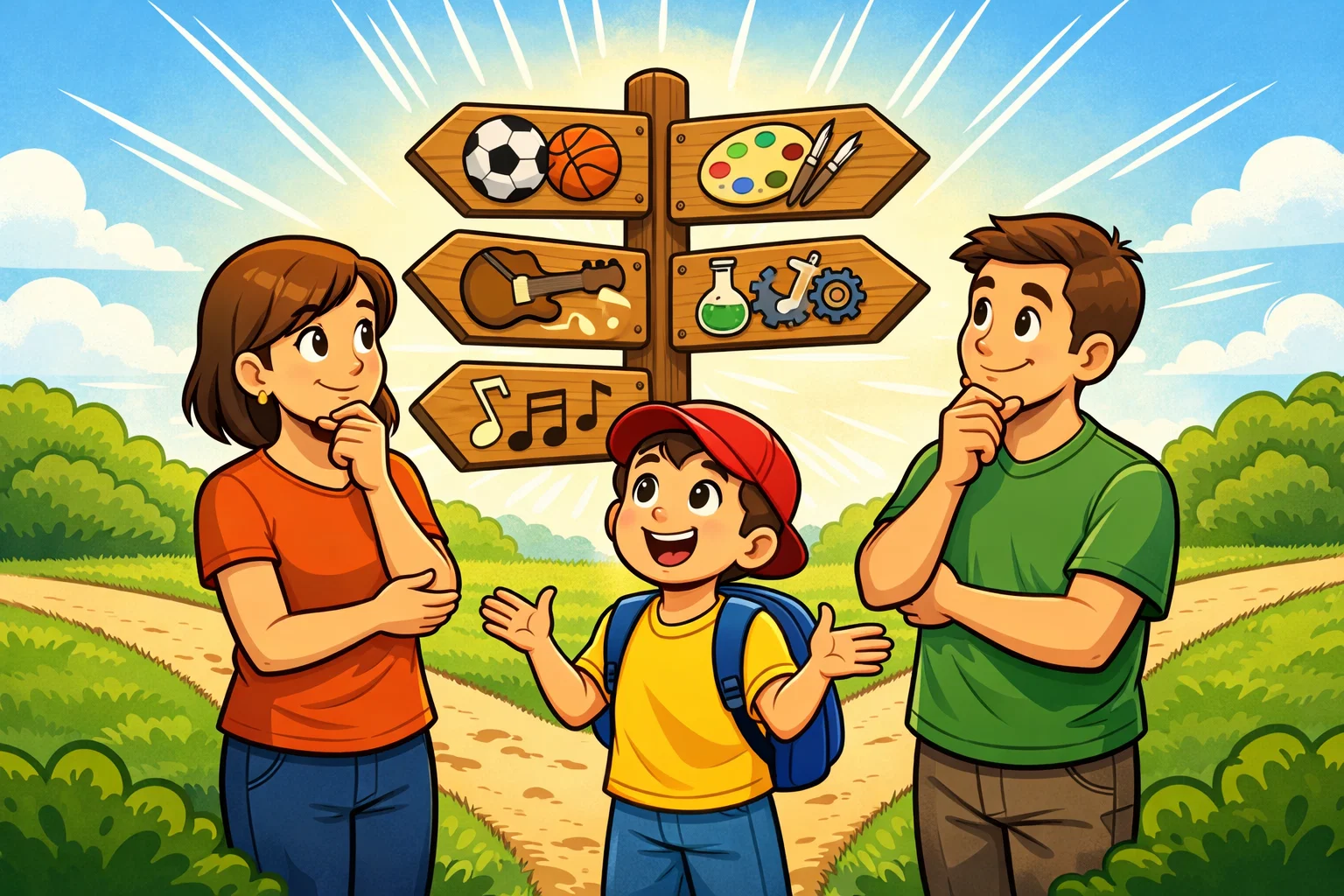
Success in extracurriculars is often a matter of effective management. Children thrive when they have a predictable routine.
Activity limits and burnout prevention
Over-scheduling is a real risk. Children also need unstructured time to develop creativity. Watch for signs of exhaustion.
Budget planning for extracurricular activities
Costs can add up, from registration fees to equipment for gymnastics.
- Gear: Cleats, instruments, or uniforms.
- Travel: Fees for away games or competitions.
- Tuition: Monthly or seasonal class costs.
Commitment level and consistency
Teaching a child to commit to and complete a season is a valuable life skill. It teaches them that they are an essential part of a team.
Lifestyle alignment and family balance
The best extracurricular activities are those that enhance family life. Ensure there is still time for family dinners and homework.
Selecting the right extracurricular activities is a journey of trial and error. By focusing on your child’s personality and goals, you can provide them with the tools to grow into a well-rounded individual. Remember, the goal is to help them discover who they are outside the classroom.