

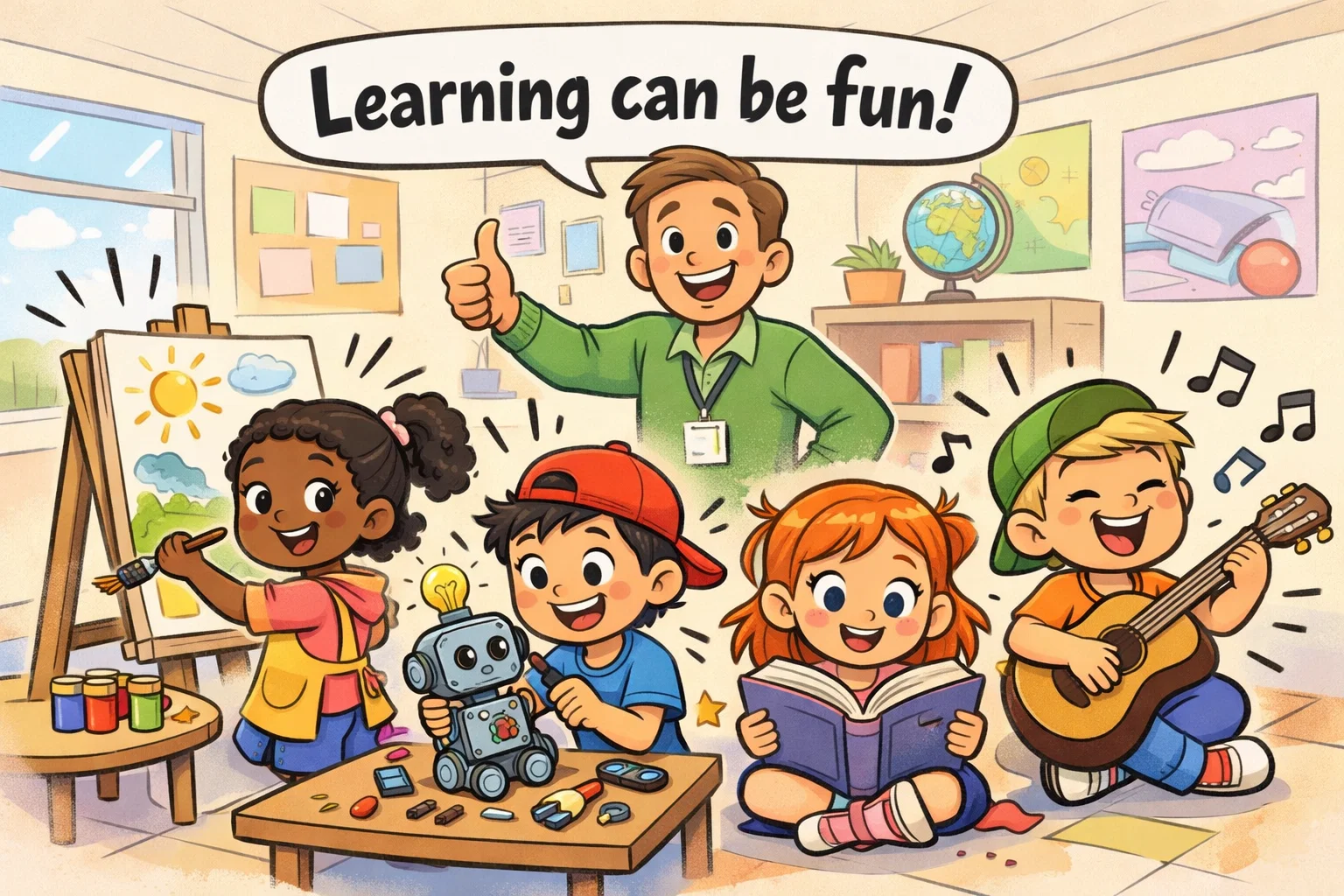
Choosing the right educational programs for kids is one of the most impactful decisions you can make for your child’s development. These experiences offer more than just a way to fill time; they serve as a bridge between formal schooling and real-world curiosity. Whether it is a messy science experiment in the kitchen or a structured after-school workshop, these moments allow children to explore their world with a sense of wonder and agency.
From preschool through the teenage years, opportunities for growth span STEM projects, creative arts, and physical movement. By participating in a variety of pursuits, children can discover new passions and develop a robust set of life skills. This guide explores how you can help kids navigate these opportunities at home and in the community to foster a lifelong love for learning.
Enrichment activities definition
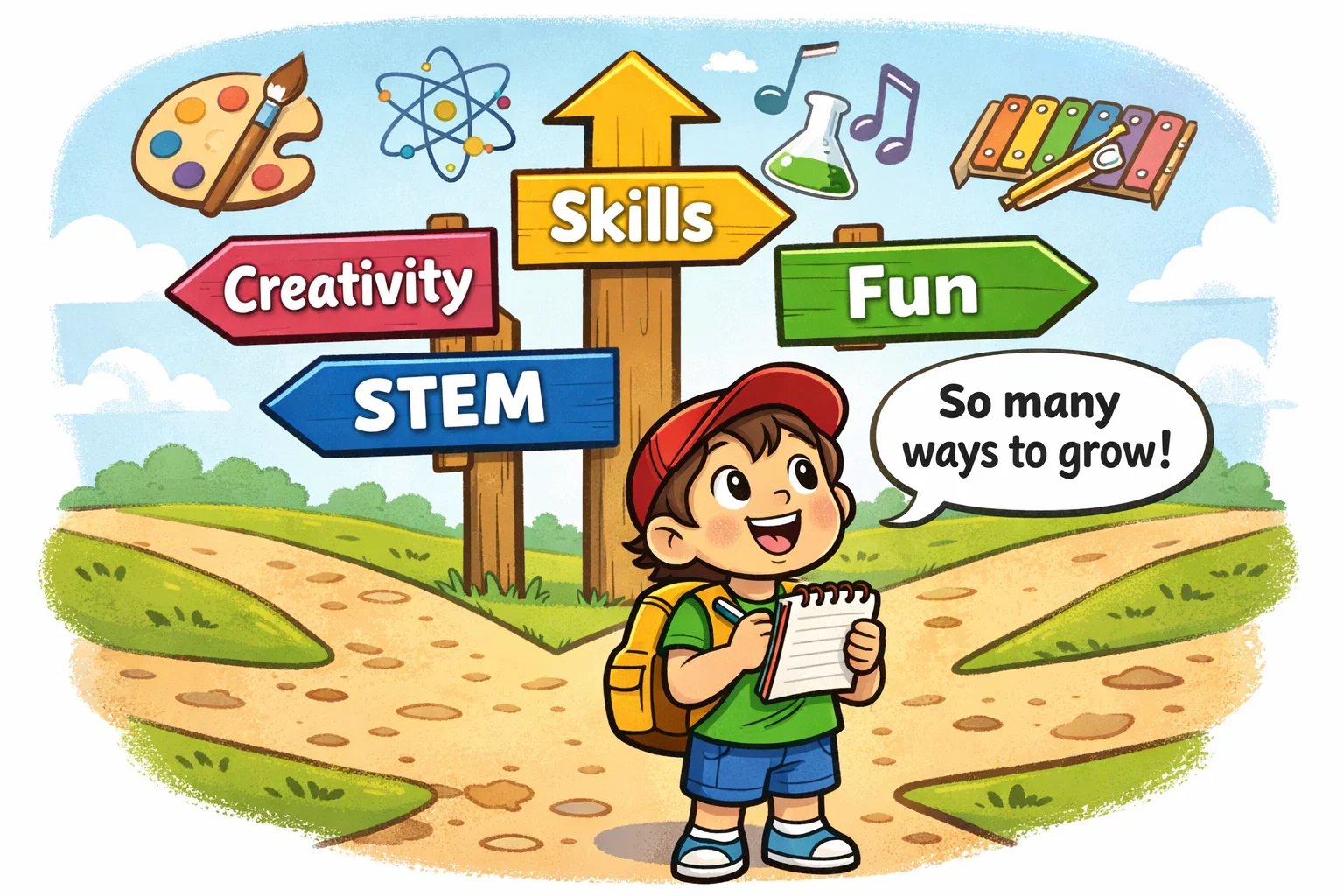
While the term is often used interchangeably with “hobbies,” these specialized sessions for kids are specifically designed to supplement and enhance a child’s standard education. Unlike a typical school lesson that follows a rigid curriculum, an enrichment program focuses on deep exploration and the application of knowledge.
A task becomes “enriching” when it challenges the child to think beyond the “what” and into the “how” and “why.” It differs from tutoring, which often aims to fix a specific academic deficit, and from pure entertainment, which focuses solely on enjoyment without necessarily building a skill set. It is the “sweet spot” where learning meets fun and intellectual challenges.
Purpose of enrichment activities for kids
The primary goal of these initiatives is to enrich the child’s internal world. By moving away from standardized testing and grades in these settings, children are free to fail and iterate, which is essential for problem-solving skills.
- Skill Expansion: Moving beyond the basics to master specialized areas like coding or digital art.
- Independence: Encouraging kids to stay focused on a project from start to finish without constant adult intervention.
- Confidence Building: Providing a safe space for kids to express themselves and take risks.
- Curiosity: Keeping the “why” alive in a child’s mind through hands-on learning.
Difference between enrichment activities and extracurricular activities
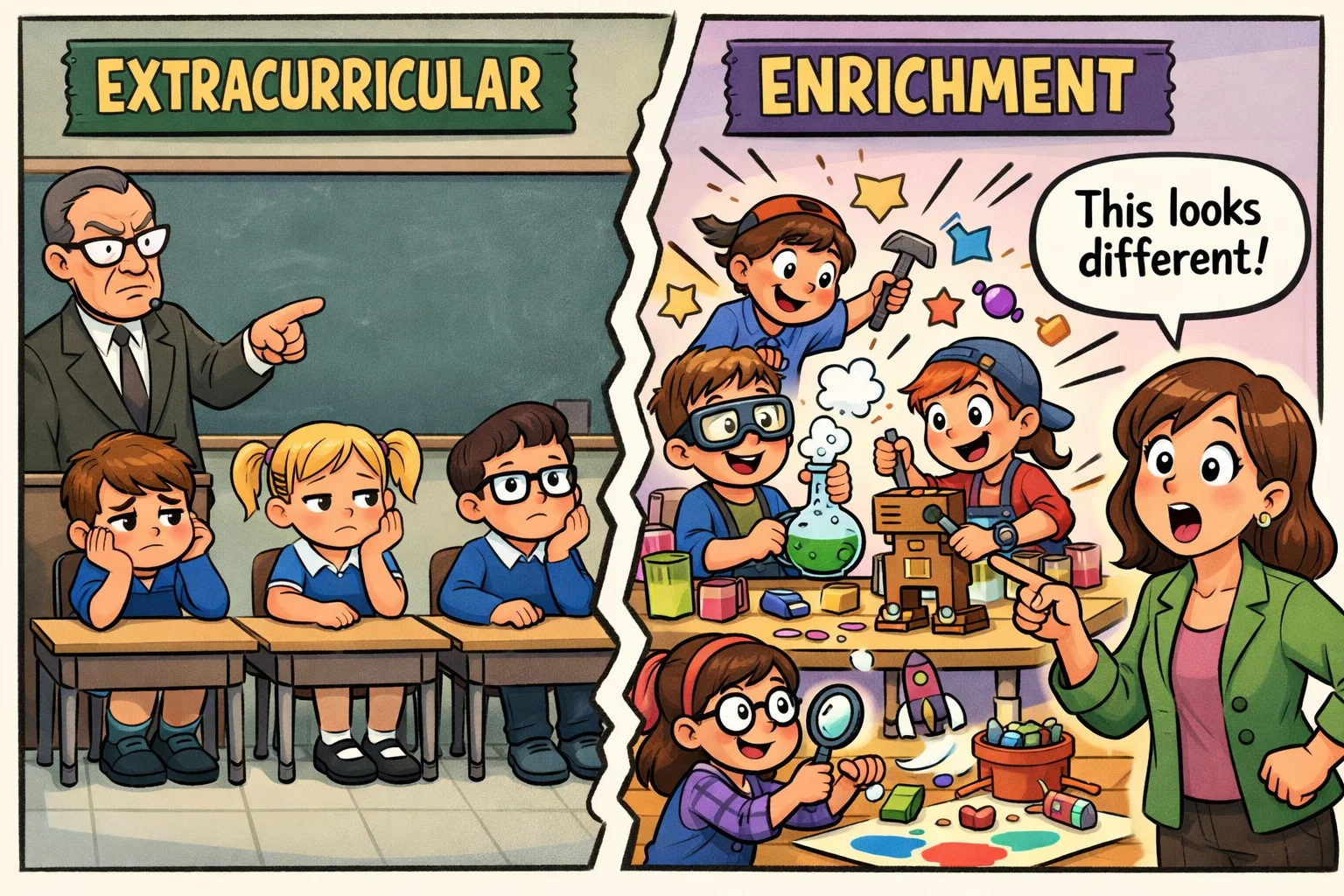
It is common to confuse these terms, but they serve different roles in a child’s schedule. Extracurricular activities often include competitive sports or school clubs that focus on participation and teamwork. The “enrichment” side, however, is often more targeted toward cognitive or creative growth.
| Feature | Enrichment Activities | Extracurricular Activities |
| Primary Goal | Deepening knowledge or skills | Socialization and participation |
| Structure | Often project-based or modular | Usually seasonal or ongoing |
| Examples | Coding classes for kids, math circles | Soccer team, chess club, debate |
| Focus | Intellectual or creative mastery | Team spirit and recreation |
Enrichment activities at home vs after school
Choosing between after-school programs and at-home enrichment options depends on your family’s needs. After-school formats usually offer more structure, professional equipment, and a social environment where students learn the basics alongside peers.
Conversely, pursuits for kids at home offer the ultimate flexibility. You can choose activities that match your child’s energy level on a given day. While after-school activities provide a peer group, home-based learning allows for deep, focused bonding between kids and parents.
Importance of enrichment activities for kids
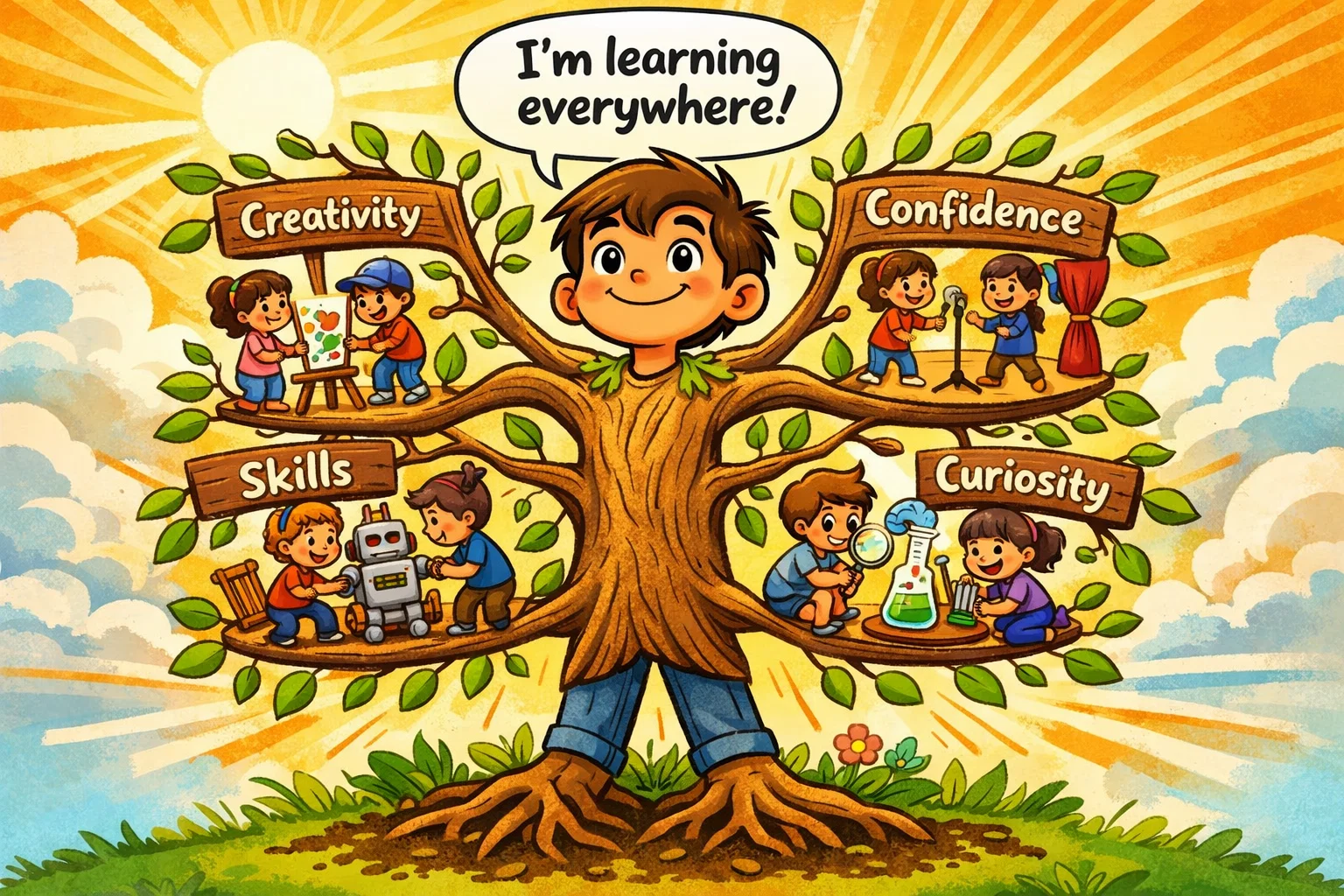
A well-rounded educational experience outside the classroom can have a lasting impact on a child’s development.
Cognitive skill development
Many learning exercises are essentially “gymnastics for the brain.” STEM projects and logic puzzles improve memory and executive function. When kids learn to sequence steps in a coding project, they are actually training their brains in logical progression and critical thinking.
Social and emotional growth
These opportunities allow children to interact in less hierarchical settings than a classroom. Through teamwork in a drama club or a group art project, kids develop empathy and social skills. This social and emotional intelligence is just as vital as academic prowess for future success.
Physical and creative balance
A balanced schedule ensures that a child isn’t just mentally stimulated but also physically active. Engagement helps regulate mood; for instance, dance or martial arts provide a fun way to release stress while improving coordination.
Types of enrichment activities for kids
There are countless options for after-school growth, and they generally fall into five core categories:
Academic enrichment activities
These are not “more school.” They are formats designed to make subjects like literature or history come alive. Examples include creative writing workshops where kids write their own novellas or math circles that use board games to teach probability.
Creative enrichment activities
Art gives kids a voice. These creative outlets allow children to process their emotions and see the world through a different lens. Whether it’s pottery, theater, or photography, these experiences help children find their unique identity.
STEM enrichment activities
STEM learning (Science, Technology, Engineering, Math) is currently the most popular category. Coding for kids and science experiments at home challenge kids to become creators of technology rather than just consumers.
Physical enrichment activities
These outlets provide the necessary release for energy. Beyond traditional sports, this can include yoga, hiking clubs, or obstacle course design.
Life skills enrichment activities
These activities teach life skills that aren’t usually in the school curriculum.
- Cooking: Teaches chemistry and math.
- Gardening: Teaches biology and patience.
- Budgeting: Teaches responsibility.
Enrichment activities for kids by age
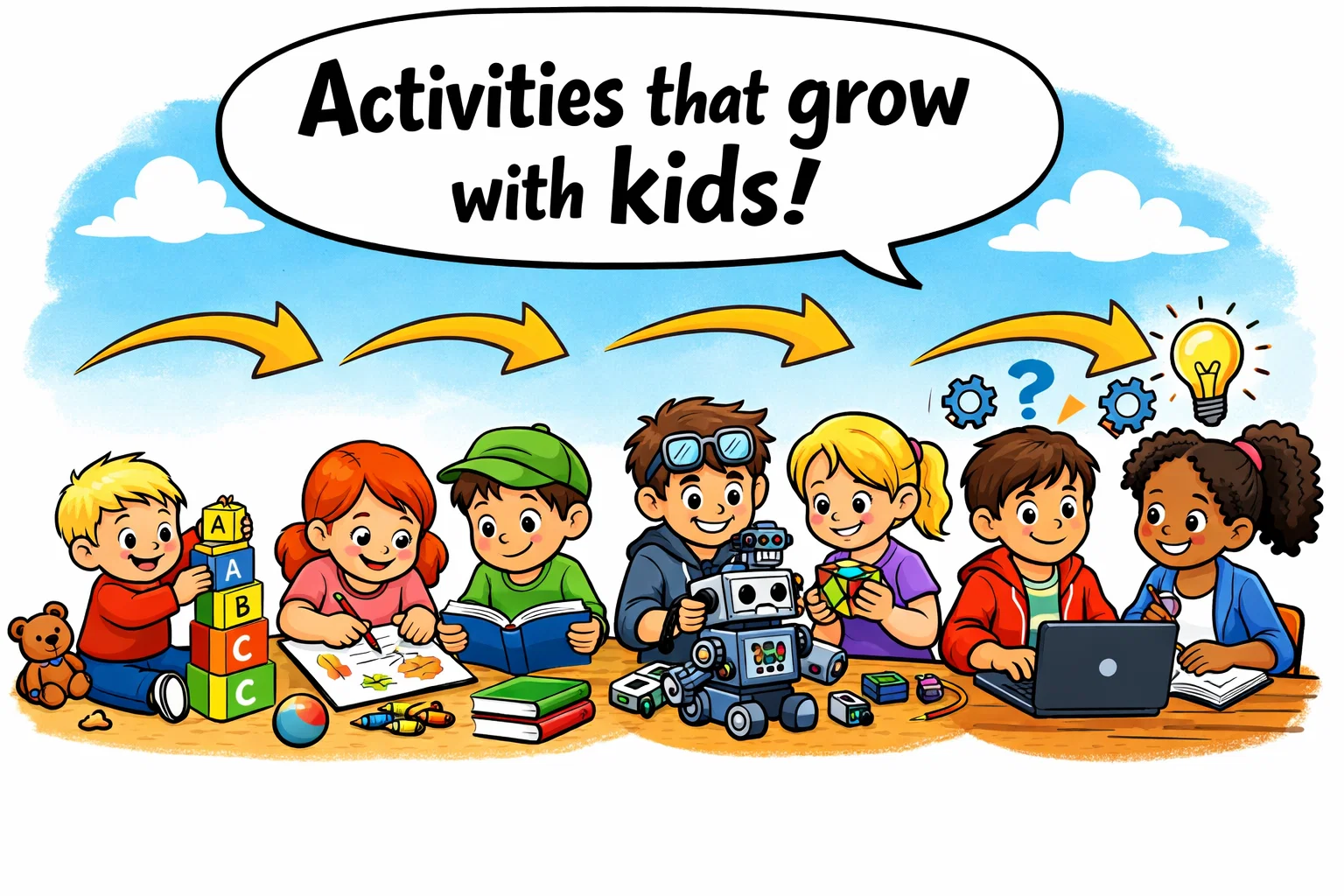
The best selection is the one that meets the child at their current developmental stage.
Enrichment activities for preschool kids
At this age, playtime should be sensory-based. Hands-on play with sand, water, and clay helps children develop fine motor skills. Music and storytelling help them develop early language patterns.
Enrichment activities for elementary school kids
Elementary-aged kids will learn best through “doing.” A great learning project for this age is a science experiment that fizzes or changes color. This is also the ideal time to start coding classes for kids using visual blocks like Scratch.
Enrichment activities for middle school kids
Middle schoolers need more autonomy. After-school options for this age group should focus on problem-solving skills and leadership. They might enjoy a robotics club where they can collaborate or compete with students from other schools in a friendly competition.
Enrichment activities for teens
For kids and teens, these programs often shift toward career exploration. Coding, entrepreneurship ventures, or volunteering allows kids to build a resume while finding their place in the world.
Free enrichment activities for kids
You don’t need a massive budget to broaden your child’s life. Many options are available for free if you know where to look.
- At Home: Use cardboard boxes for engineering projects or involve kids in “kitchen chemistry” using vinegar and baking soda.
- Online: Platforms like Khan Academy or Code.org offer world-class coding for kids at no cost.
- Community: Public libraries are the ultimate resource for kids—most offer free workshops, LEGO clubs, and reading programs.
After-school enrichment activities for kids
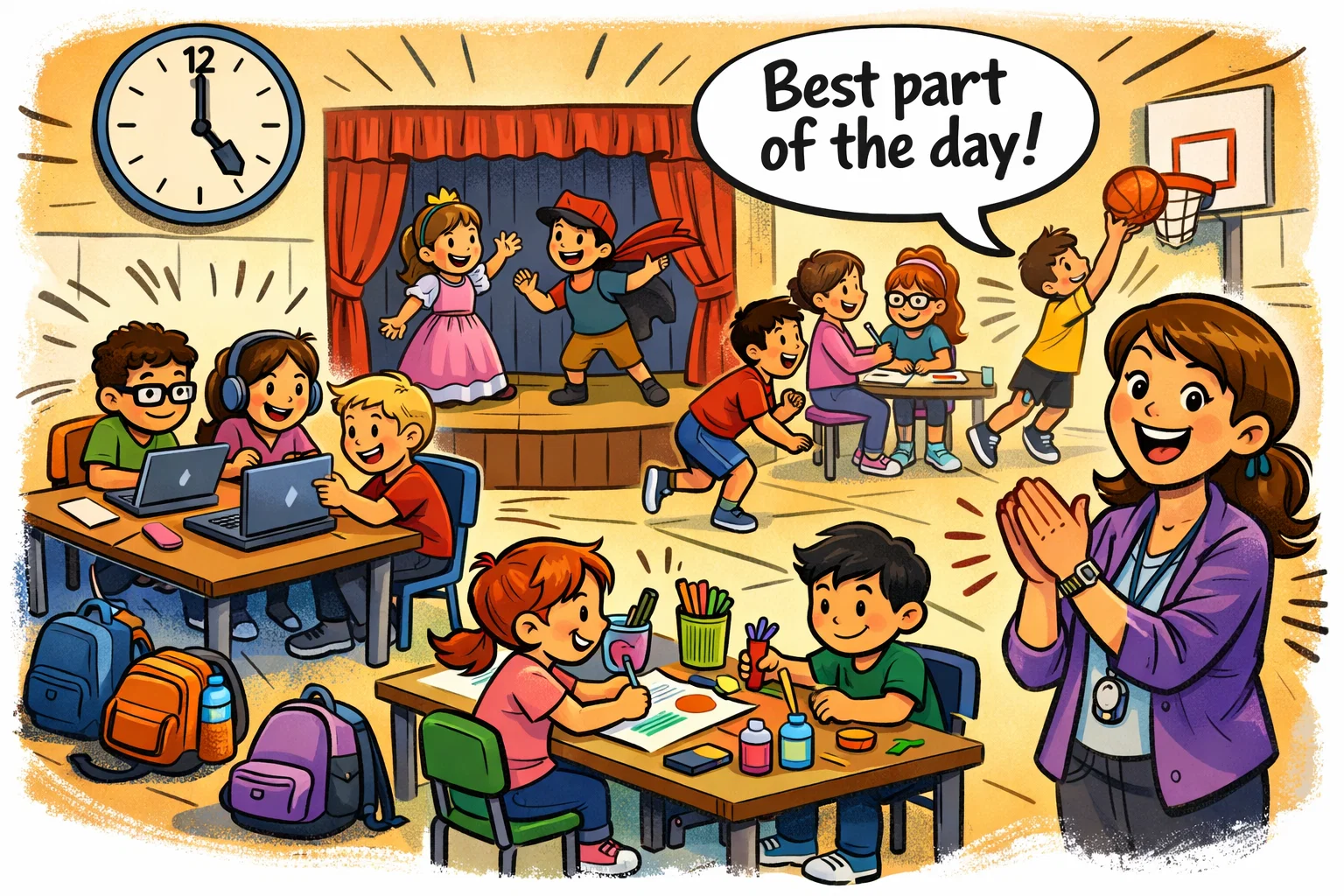
When searching for an after-school enrichment program, look for environments that prioritize the process over the product.
- Academic Clubs: Math circles and debate teams.
- Creative Studios: Group music lessons or mural painting.
- STEM Labs: Coding classes for kids and robotics.
- Movement: Junior yoga or track and field.
Enrichment activities for kids at home
Parents can easily keep kids engaged with a variety of tasks that don’t require leaving the house.
- Screen-Free: Board games are a great way for kids to learn strategy. Hands-on learning through building models or knitting is also excellent.
- Technology-Based: Use educational tools such as a digital telescope app or a music production suite.
- Family-Based: Turn dinner prep into a lesson on fractions and nutrition. This helps kids develop a sense of contribution to the household.
STEM enrichment activities for kids
STEM is a fun and educational way to prepare for the future. Tasks like building a bridge out of popsicles or coding a simple game allow students to understand the logic behind how technology works.
Coding enrichment activities
Coding is a foundational skill. It’s not just about computers; it’s about learning how to break a big problem into small, manageable parts.
Robotics and Science
Science experiments can be as simple as observing a plant grow or as complex as building a circuit. These projects can include testing hypotheses and recording data.
| STEM Focus | Key Skill Developed | Difficulty Level |
| Coding | Logic & Sequencing | Medium |
| Robotics | Mechanical Engineering | High |
| Kitchen Science | Chemical Reactions | Low |
| Nature Observation | Biological Classification | Low |
Creative enrichment activities for kids
Creative pursuits also play a massive role in mental health. When kids express themselves through art, they develop a sense of self-worth.
- Arts and Crafts: Focusing on the texture of paint or the structure of a sculpture.
- Drama: Helping students develop public speaking skills and confidence.
- Writing: Encouraging kids to write journals or short stories to improve their narrative voice.
Outdoor enrichment activities for kids
Nature is the ultimate classroom. Nature-based experiences allow children to disconnect from screens and reconnect with the environment. Gardening is a way for kids to learn about life cycles, while scavenger hunts help kids learn about local flora and fauna.
Life skills enrichment activities for kids
We often forget that life skills are a form of education. Teaching a child to cook a meal or manage a small allowance helps children gain the independence they crave. These lessons foster a “can-do” attitude that translates to every other area of life.
Choosing enrichment activities for kids
The secret to a successful enrichment program is interest. If a child is genuinely interested in the subject, they won’t even realize they are learning.
- Observation: Watch what your child does in their free time. Do they build? Do they draw? Do they move?
- Balance: Ensure the after-school activities don’t lead to burnout.
- Adaptability: As the child’s interest changes, be ready to pivot. A growth path is rarely a straight line.
Long-term benefits of enrichment activities for kids
The impact of these learning journeys for kids lasts far beyond childhood. These experiences can help build resilience and adaptability that is capable of critical thinking and constant adaptation. By providing these opportunities for kids, you are giving them the tools to be lifelong learners.
Summary of Benefits:
- Academic: Improved grades and deeper subject mastery.
- Social: Better communication and teamwork.
- Emotional: Higher self-esteem and resilience.
- Future-Proofing: Skills like coding and problem-solving are in high demand in the modern workforce.