

Turning eight marks an exciting stage of development, where children begin to show growing independence, moving from early childhood into a stage where logic, social connections, and academic skills truly blossom. This age is ideal for introducing a wide range of engaging, educational, and creative learning activities designed to stretch their minds, build confidence, foster independence, and strengthen foundational literacy and numeracy skills. The focus here is on curious exploration, ensuring that every activity, whether academic or practical, is also lots of fun.
This guide provides structured, playful, and authoritative ideas for activities for children that support their holistic growth. It incorporates methods backed by educational authors, such as the emphasis on play and creative thinking with a strong emphasis on play and creative thinking as core components of learning.
Games and Activities
For children aged 7–8, playing games is one of the most natural and effective ways to solidify new concepts and develop essential life skills. These games and activities aren’t just about entertainment; they’re skill-boosting exercises suitable for home or after-school that develop logic, creativity, memory, literacy, and teamwork.
Word Games
Language is a vast playground for an 8-year-old. Challenging their existing knowledge in playful ways naturally supports ongoing learning.
- Riddle Challenges: Start a family tradition of sharing one riddle a day. This sharpens deductive reasoning and significantly boosts a child’s vocabulary. A favorite is ‘What has an eye but cannot see?’ (A needle).
- Alphabet Scavenger Hunt: Choose a category (e.g., animals, things in the kitchen). Take turns naming an item for each letter of the alphabet. This can easily be turned into a quick scavenger hunt around the house or garden.
- Hangman with a Twist: Play hangman, but allow only consonant guesses, making it a great spelling and pattern-recognition task.
- Printable Word Searches and Crosswords: Use free printable resources for targeted vocabulary themes (e.g., space, recycling).
Board Games
Classic board games are crucial for developing strategy, forward planning, and logical thinking. Games like Carcassonne, Ticket to Ride: First Journey, or Monopoly Deal teach key skills:
| Skill Developed | Example Board Game Benefit |
| Strategy & Planning | Anticipating opponents’ moves and planning turns ahead. |
| Patience & Turn-Taking | Essential social skills reinforced in a low-stakes environment. |
| Key Maths Skills | Counting spaces, calculating scores, managing in-game currency. |
| Problem-Solving | Overcoming unexpected obstacles or changing game conditions. |
Screen Games
In moderation, digital play offers focused online learning. Look for apps and resources that provide educational value, particularly those that function as interactive digital puzzles, logic quests, and math games.
- Educational Apps: Utilize apps focused on coding logic (like Scratch Jr. or Code Spark Academy) or specific curriculum areas.
- Interactive Quizzes: Create a quiz playlist on a platform like YouTube or an educational site focusing on facts about their favorite topics. Educational videos followed by a short quiz can be highly engaging.
Make a Game of It
Routines become fun activities when you frame them as a challenge. This helps children aged 7–8 take responsibility and build crucial organisational skills.
- The Tidy-Up Timer Challenge: Set a timer for 10 minutes. The challenge is to see how much they can tidy up (or put away laundry) before the timer rings.
- The “Recipe Reader” Task: When cooking, make them responsible for reading the recipe aloud, measuring ingredients, and ticking off steps. This blends reading and key math skills (measurement, fractions) with practical life skills.
Outdoor Play Ideas
Physical activity is vital for wellbeing. Outdoor activities don’t just develop coordination; they also enhance team dynamics and problem-solving.
- Hopscotch Maths: Use chalk to draw a hopscotch grid, but instead of sequential numbers, fill the squares with simple multiplication or addition problems. They must solve the problem before jumping.
- DIY Obstacle Course: Use household items like cardboard boxes, cushions, and ropes to create a backyard course. Timing their run encourages self-improvement.
Simple Experiments
Science at home is fantastic for encouraging curiosity. An easy way to support STEM learning is by using everyday materials.
- Baking Soda Volcano: A classic for a reason! Mix baking soda, vinegar, dish soap, and food coloring for an exciting chemical reaction.
- Rainbow Density Jar: Layer different liquids (honey, dish soap, water, oil, rubbing alcohol) with varying densities in a jar to teach them about volume and density.
Activities for Age 8
At age eight, children are ready for more complex, multi-step tasks that support cognitive, social, and academic growth. These activities are designed for children aged 7–8 to help them use their imagination and get creative.
Open-Ended Art Projects
The best arts and crafts projects allow the child to be the true artist, choosing materials, styles, and themes. This is key to developing artistic confidence.
- Upcycling Creations: Challenge your child to use recycling materials—cardboard boxes, plastic bottles, old newspapers—to create something new, perhaps a robot, a landscape, or a piece of abstract art. This blends creativity with sustainability concepts.
- “Invent a World” Collage: Provide magazines, fabric scraps, paint, and glitter. Their only instruction is to create a visual representation of a fictional world, which is a wonderful prompt for creative storytelling.
Practical Life Skills
Developing independence through cooking, small chores, and daily responsibilities helps an 8-year-old feel more confident and capable.
- The Family Meal Prep Assistant: Give them responsibility for a simple part of the family dinner, like setting the table, making a simple salad, or stirring a sauce. This integrates key math skills like time and measurement.
- Laundry Organisation: Teach them to sort laundry by color or owner, fold towels, and put away their clothes.
Trivia and Facts Games
Using fun facts, quizzes, and memory challenges is a great way to consolidate general knowledge.
- “Did You Know?” Jars: Write down interesting facts on slips of paper and put them into a jar. Each day, pull one out to share and discuss with a friend or family member. This organically boosts their knowledge base.
- Themed Bingo: Create bingo cards with historical figures, geographical locations, or animal facts. Reading the clue requires comprehension, and marking the spot uses focus.
Chat and Conversation Tasks
Guided conversations are vital for developing strong communication skills and emotional intelligence.
- “High-Low-Hero” Debrief: Ask the child to share their “High” (best thing that happened), “Low” (worst thing), and “Hero” (someone who did something great or that they admire) from their day. This encourages self-reflection and empathy.
- “What If” Scenarios: Discuss hypothetical situations, such as “What if you found a lost dog?” or “What if your friend or family member felt sad?” This improves problem-solving and emotional literacy.
Backyard Treasure Hunt
A well-designed scavenger hunt is a brilliant activity idea for developing attention to detail, coordination, and observation skills.
- Clue-Based Quest: Write a sequence of rhyming clues that lead to the next location. The final clue leads to a small ‘treasure’ (a book, a piece of fruit, or a new board game). This subtly weaves in reading and writing practice.
Creative Story Activities
At this age, children often possess vivid imaginations. Capitalizing on this through fun learning is essential for literacy development. Focus on reading, storytelling, character creation, and narrative skills.
Create Comic Strips
Comic books are a brilliant gateway to literacy. Encouraging children to design characters, scenes, and dialogues in their own strips naturally teaches narrative structure, speech bubbles, and sequencing.
Build Villain or Hero Profiles
Challenge your child to create detailed profiles of an imaginary character. This task enhances imagination, develops descriptive writing, and deepens emotional literacy as they consider the character’s motivations, flaws, and strengths.
Story Cubes Games
Using visual dice (or simple cubes with drawn pictures), children roll the dice and must quickly weave a coherent story incorporating all the images. This highly effective method boosts creativity and quick-thinking narration skills.
DIY Props and Illustrations
After reading a book, encourage them to get creative by making DIY props and illustrations inspired by the stories. Creating a magic wand or drawing a map of the book’s setting grounds the abstract concepts in a physical, memorable way.
Reading Skills Age 8
Strengthening reading comprehension, vocabulary, and fluency requires engaging methods that go beyond simply reading aloud.
Punctuation Practice: Inverted Commas
Dialogue can be tricky. Use a comic strip template or a simple game to explain dialogue punctuation (inverted commas). For instance, write a short story excerpt and challenge them to circle the exact words the character said.
Reading Challenges and Book Quests
Try these fun ideas to motivate reading:
- Book Bingo: Create a bingo card where each square represents a book type (e.g., ‘a book with an animal on the cover,’ ‘a mystery book,’ ‘a book by a female author’).
- Reading Time Targets: Challenge them to read for 20 minutes a day during the summer holidays. Tracking their progress helps build confidence.
Partner Reading Tasks
Reading together with a friend or family member, whether a parent or older children, is a powerful model for fluent reading.
Themed Book Discussions
Move beyond ‘What happened?’ Ask probing questions about themes, character motivations, or setting: “If you were the main character, what would you have done differently?” This supports critical thinking.
Math Activities Age 8
Math confidence grows through regular, positive reinforcement. These activities to keep kids engaged make math fun learning and reinforce numeracy skills.
Times Tables Age 7–8
Mastering multiplication is a key academic step.
- Rhythm and Song: Use popular tunes to create songs for tricky multiplication facts.
- Visual Arrays: Draw arrays (rows and columns of dots) to visually represent multiplication, helping them truly understand what 3 * 4 means.
- Online Math Games: Use short, timed quizzes or digital flashcards to make practice competitive and entertaining.
Fraction Games
Fractions are more concrete when they are physical.
- Baking Measurements: Use a simple recipe (like cookies) and have the child measure out all the ingredients, focusing on fractional amounts like 1/2 cup or 1/4 teaspoon.
- Pizza/Cake Slicing: Cut a piece of paper (or a real cake!) into equal parts to physically demonstrate 1/2, 1/4, and 1/8.
Number Puzzles
Games like Sudoku (the simplified 4*4 or 6*6 versions), number sequences, and logic puzzles build abstract thinking.
Dice Games
Simple dice games are fantastic for quick mental math practice.
- The 100 Game: Each player rolls the dice and multiplies the number by 10. The first player to reach 100 wins. This fast-paced activity reinforces both multiplication and addition.
Science and Exploration
Simple, at-home STEM tasks encourage curiosity and experimentation, aligning perfectly with the inquiring mind of an 8-year-old.
Space-Themed Activities
Inspired by imaginative books like Cakes in Space, you can create hands-on exploration.
- Model Making: Use cardboard boxes and paint to create simple planet models, rockets, or alien landscapes.
- Constellation Mapping: Use a flashlight and a pierced cardboard box or tin can to project constellations onto a dark wall.
Nature and Gardening Tasks
- Seed Planting: Plant fast-growing seeds like sunflowers or beans. The child can be responsible for watering and observing the growth, creating a real-world lesson on ecosystems and life cycles.
Basic Physics Experiments
- Gravity and Motion: Set up a ramp using books and cardboard. Experiment with rolling different-sized balls or toy cars down the ramp, discussing concepts like speed, friction, and distance.
Books for Age 8
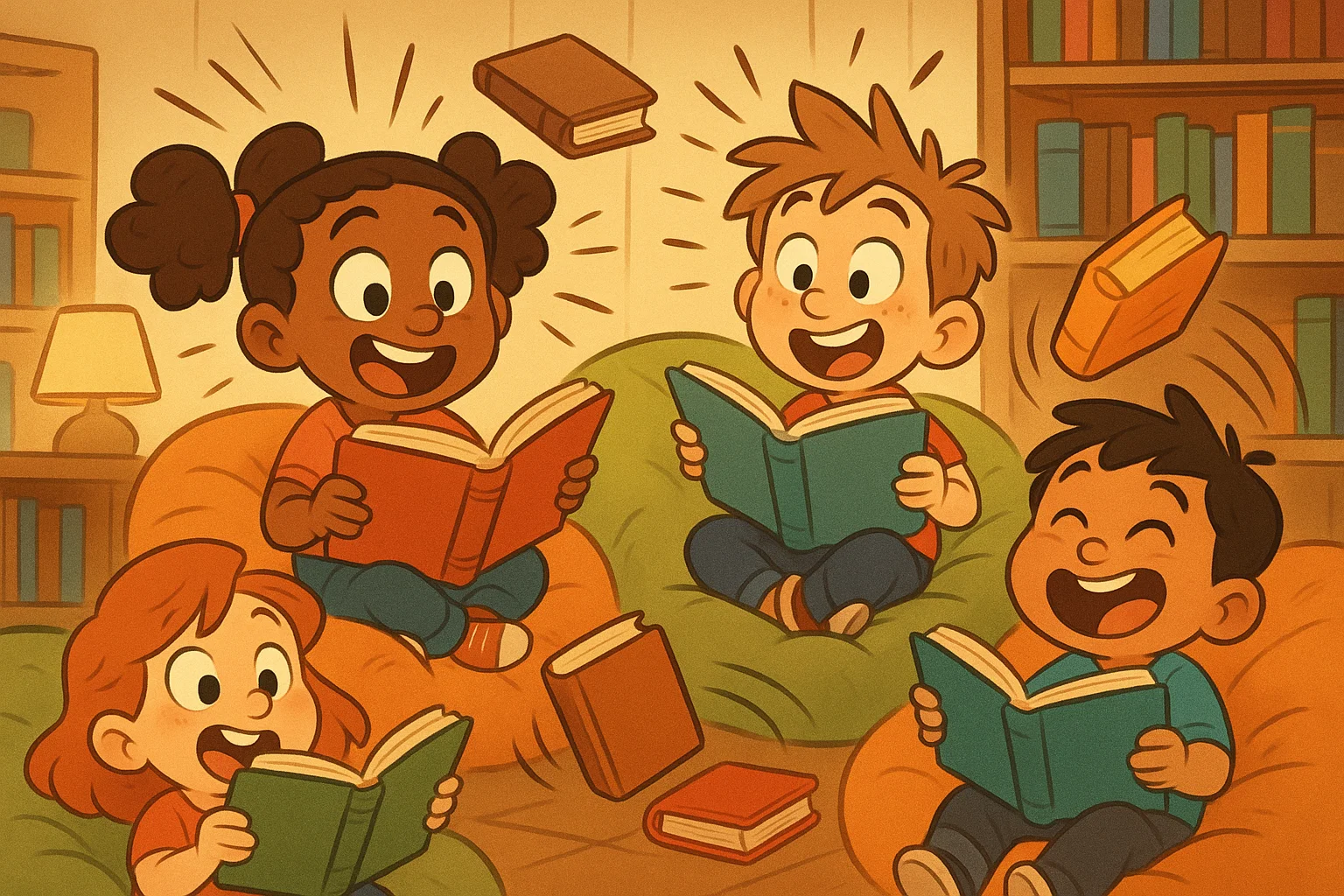
Providing access to varied and engaging literature helps nurture a lifelong interest in reading and writing.
Comic Books: Agent Blue, Spy Pigeon
Humorous and action-driven comics are visually engaging, highly accessible, and help build fluency and comprehension.
Adventure Books for Young Readers
Look for authors who write with wit and high action, like Roald Dahl or Philip Reeve and Sarah McIntyre (Pugs of the Frozen North). These books often introduce complex themes through relatable, entertaining narratives.
Reading and Activity Kits
Kits that combine a book with a related hands-on task offer a rich, multi-sensory learning experience.
Writing and Handwriting Age 7–8
This age is often about refining motor skills and developing a personal handwriting style, clarity, and confidence.
Cursive Practice Sheets
For those learning or practicing cursive, structured writing lines and pattern drills can dramatically improve the fluidity of their script.
Daily Writing Prompts
Provide diverse themes for short stories, observations, or creative entries. Prompts like ‘What if animals could talk?’ or ‘The day I met an alien’ can spark immediate, high-interest writing.
Copywork from Books
Using short, well-written excerpts from their favorite books to copy improves accuracy, attention to detail, and helps the child internalize good sentence structure and rhythmic writing.
Independent Activities
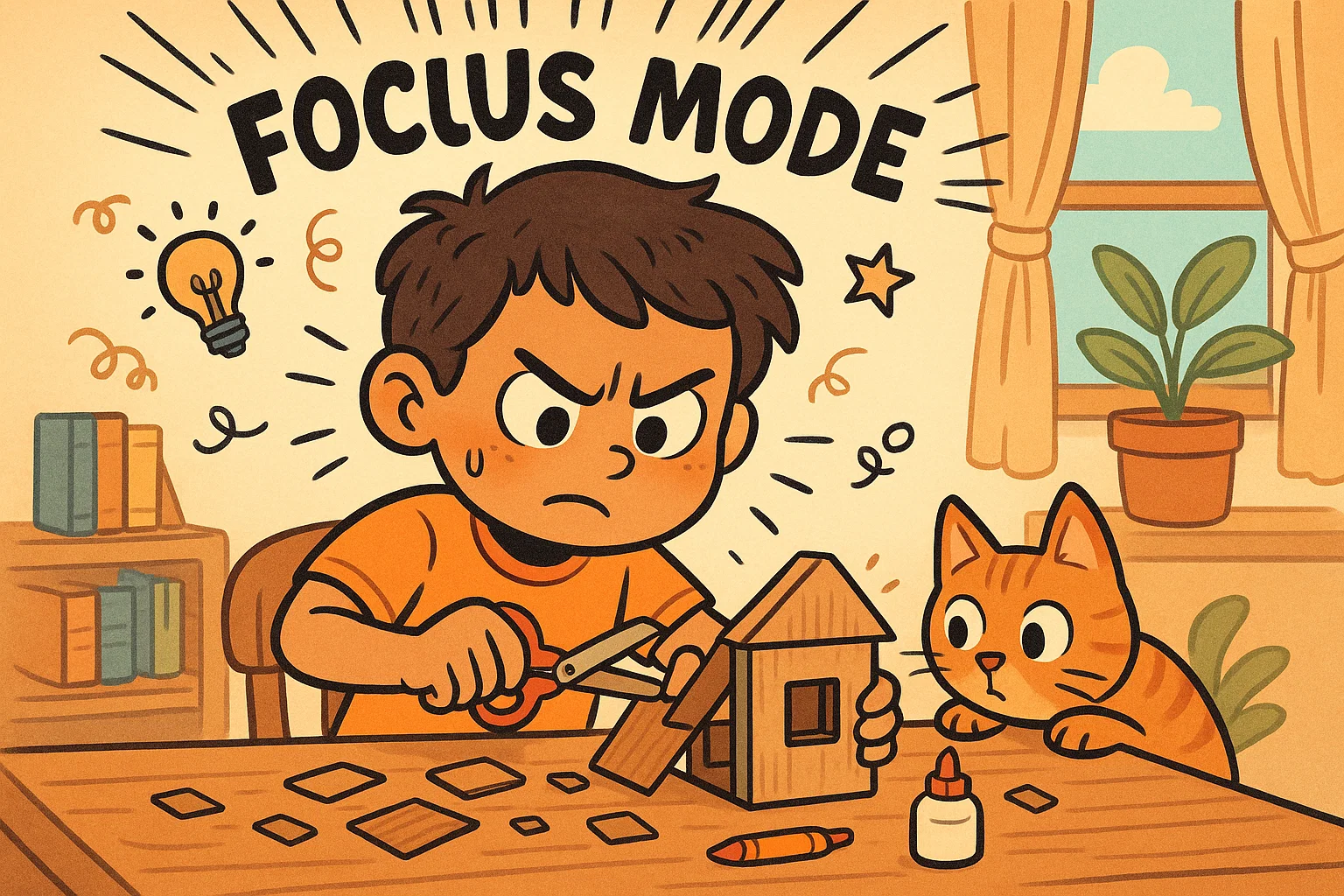
Allowing a child to engage in tasks alone encourages self-reliance and focus, providing activities to keep kids learning even when you’re busy.
Independent Reading Time
Set up a calm, inviting reading environment—a cozy chair, a soft blanket, and a small stack of books. This ritual frames reading as a peaceful, desirable activity.
Build-It Projects (Cardboard, Lego, DIY)
Construction-based tasks, like creating a massive castle out of Lego or designing a miniature house from cardboard boxes, are excellent for pure, self-directed problem-solving.
Memory Games
Simple card games like Concentration (matching pairs) or sequencing games enhance concentration and visual memory.
Quiet Puzzles
Keep a stash of crosswords, mazes, and word search tasks handy. These activities are excellent quiet-time options that still engage the brain.
Social and Emotional Learning
The development of communication, empathy, boundaries, and confidence is as vital as academic growth for an 8-year-old.
Teaching Consent and Body Autonomy
Have gentle, age-appropriate discussions about personal space, the right to say ‘no,’ and respecting others’ boundaries. Use phrases like, “Your body belongs to you,” to empower them.
Positive Discipline Practices
Focus on building cooperation, predictable routine, and natural consequences over punishment. Involve the child in setting household rules to help them feel more confident and responsible.
Cooperative Games
Choose card games or board games where players must work together to achieve a goal. This promotes genuine teamwork and shared success.
Outdoor Activities
These physical and exploration-based tasks are essential for energy release and sensory learning, especially during the summer holidays.
Nature Walk Missions
Create a checklist for a local park: ‘Find three different types of leaves,’ ‘Spot something red,’ ‘Hear a bird sing.’ This turns a simple walk into an active, focused learning mission.
Backyard Experiments
- Shadow Tracing: On a sunny day, trace your child’s shadow with chalk every hour. Observe and discuss how the shadow changes with the sun’s position.
Active Challenges
Organize a family dance battle or a simple obstacle course race. These high-energy fun activities are great for coordination and wellbeing.
Fun Learning Inspirations
Taking inspiration from the creative worlds of great children’s authors can spark amazing, self-directed play.
Preposterous Plants–Inspired Crafts
Following the whimsical style of books, challenge your child to design and create imaginary, brightly colored, ‘propsposterous’ plants using paper, paint, straw, and recycling materials.
Fantasy Worlds Building
Using large paper, get your child to design an entire map of a fantasy world. They must name the regions, create the alphabet for the local language, and write character bios for the inhabitants. This blends literacy, geography, and pure imagination.