

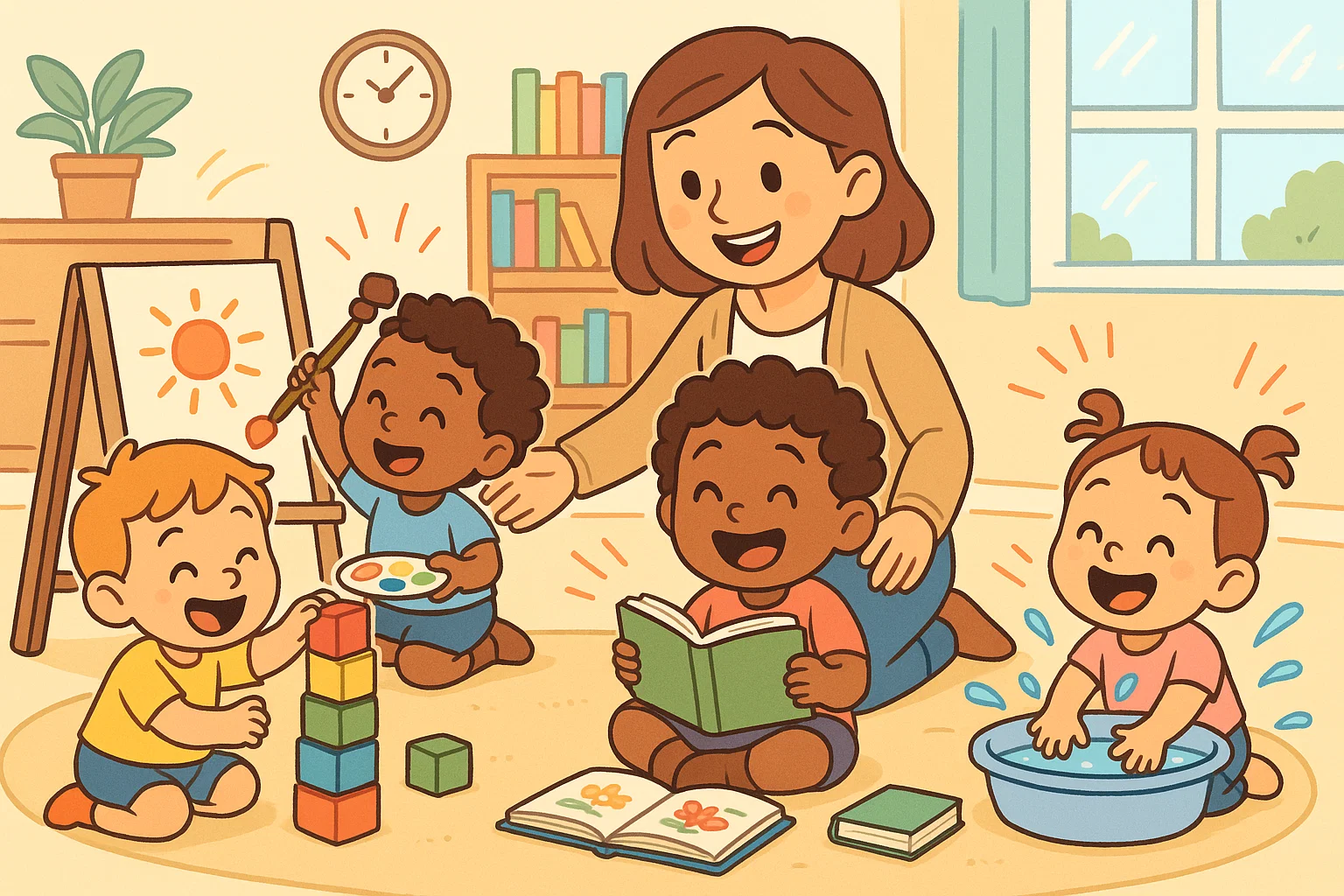
The toddler years — especially around age two — are a time of explosive growth and discovery. Your little one is transforming from a baby into an inquisitive, increasingly independent explorer. The most effective way for a 2-year-old to learn is through play-based activities that naturally support cognitive, motor, language, and emotional development. By engaging in simple, fun activities, you are laying the foundation for lifelong learning.
This comprehensive guide is designed by a child development expert to offer you a wealth of engaging, research-backed activity ideas you can easily implement at home or outdoors. From enhancing fine motor control with playdough to building gross-motor strength outdoors, these ideas nurture your toddler’s growth through joyful play. We focus on low-cost, high-impact learning activities that optimize their innate curiosity.
Key Skills Developing at Age Two
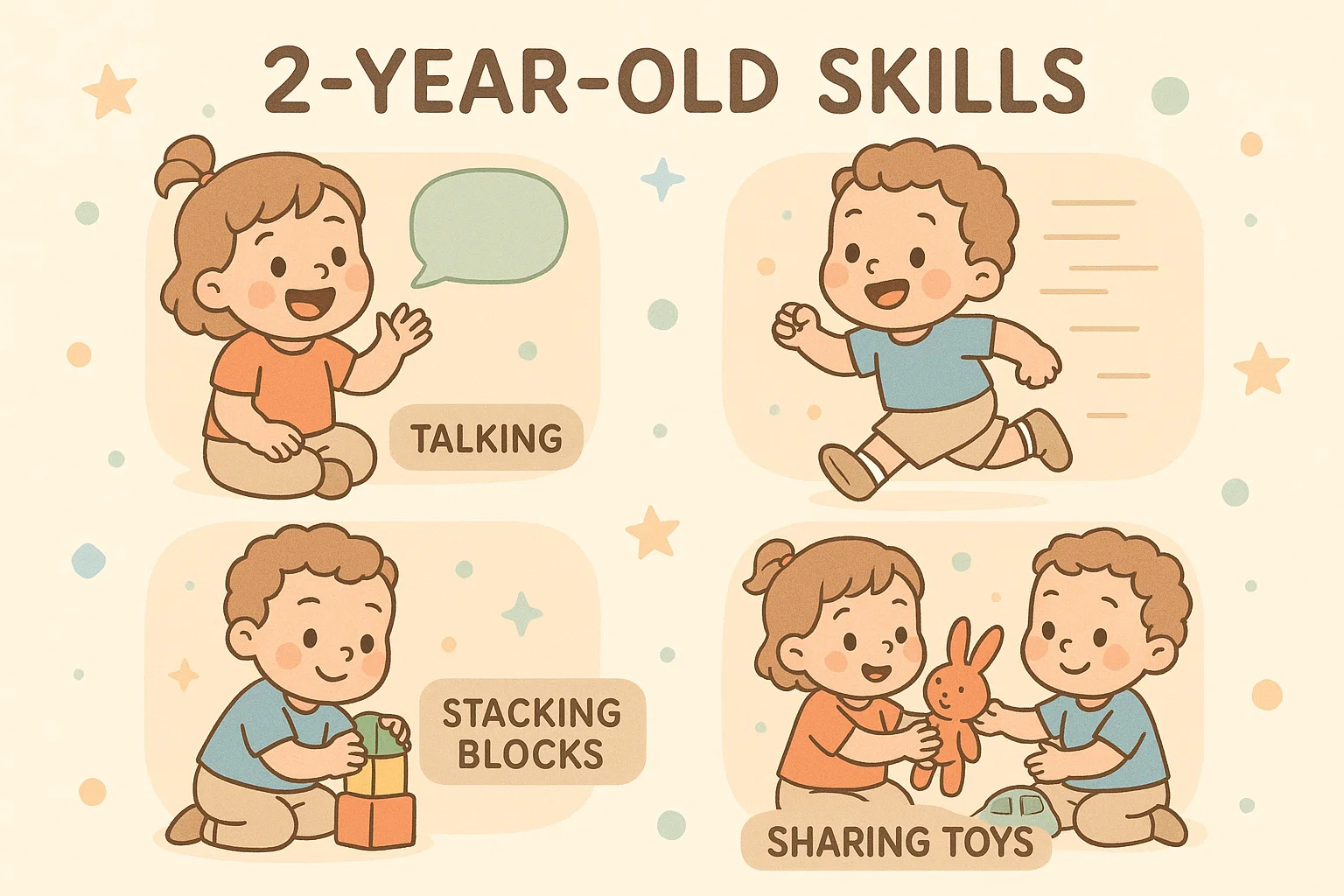
Around the age of two, toddlers typically hit several exciting developmental milestones. They often experience a major burst in language skills, moving from single words to simple sentences. Physically, they gain better gross motor control, mastering running, jumping, and climbing. Their hand-eye coordination and fine motor skills are also rapidly improving, allowing them to stack blocks and hold a crayon with more precision. Socially, they begin to engage in pretend play and show interest in other children, though skills like sharing and following directions are still emerging. Educational play is the natural vehicle for enhancing these emerging capabilities.
Language and Communication Growth
At this stage, your little one is soaking up words like a sponge. They start combining two or more words, understanding more complex commands, and asking “what’s that?” repeatedly. Interactive play is the best way to develop their language skills. Reading together, narrating actions during sensory play, and repeating your child’s new words are all crucial.
- Action Narration: Describe everything you or your toddler does: “I’m scooping the beans,” or “You sort the blue blocks.”
- Simple Questions: Ask open-ended questions related to the activity, like “Where did the ball go?” or “What color is this?”
- Reading: Make reading a daily ritual. Point to pictures and name objects to increase vocabulary.
Cognitive and Problem-Solving Skills
Cognitive development involves memory, logic, attention, and reasoning. Simple learning activities at home can boost these skills significantly. Matching games, sorting tasks, and simple sequencing activities are ideal.
- Cause and Effect: Activities that clearly show a result, like pushing a button to make a toy move or dropping a block into a container.
- Sorting Activity: Sorting craft sticks by size or buttons by color helps build early categorization and logical thinking.
- Early Problem-Solving: Using chunky puzzles or nesting cups encourages spatial reasoning and persistence.
Motor and Coordination Skills
Motor skill development is foundational to a toddler’s independence. It splits into two main areas:
| Skill Type | Description | Example Activity |
| Gross Motor Skills | Large muscle movements (arms, legs, torso). | Running, climbing, kicking a ball, jumping. |
| Fine Motor Skills | Small muscle movements (hands, fingers, wrists). | Grasping a crayon, turning book pages, manipulating playdough. |
Encourage both types of motor-skill activities for 2- to 3-year-olds. For example, using a large sheet of paper taped to the wall for coloring will engage both their core muscles (gross motor) and their grasp (fine motor).
Simple Indoor Educational Activities
Indoor activities for 2-year-olds don’t need to be complicated or costly. Often, the simple activity is the most effective. Focus on materials you already have to create engaging and fun learning activities.
Shape and Color Sorting Games
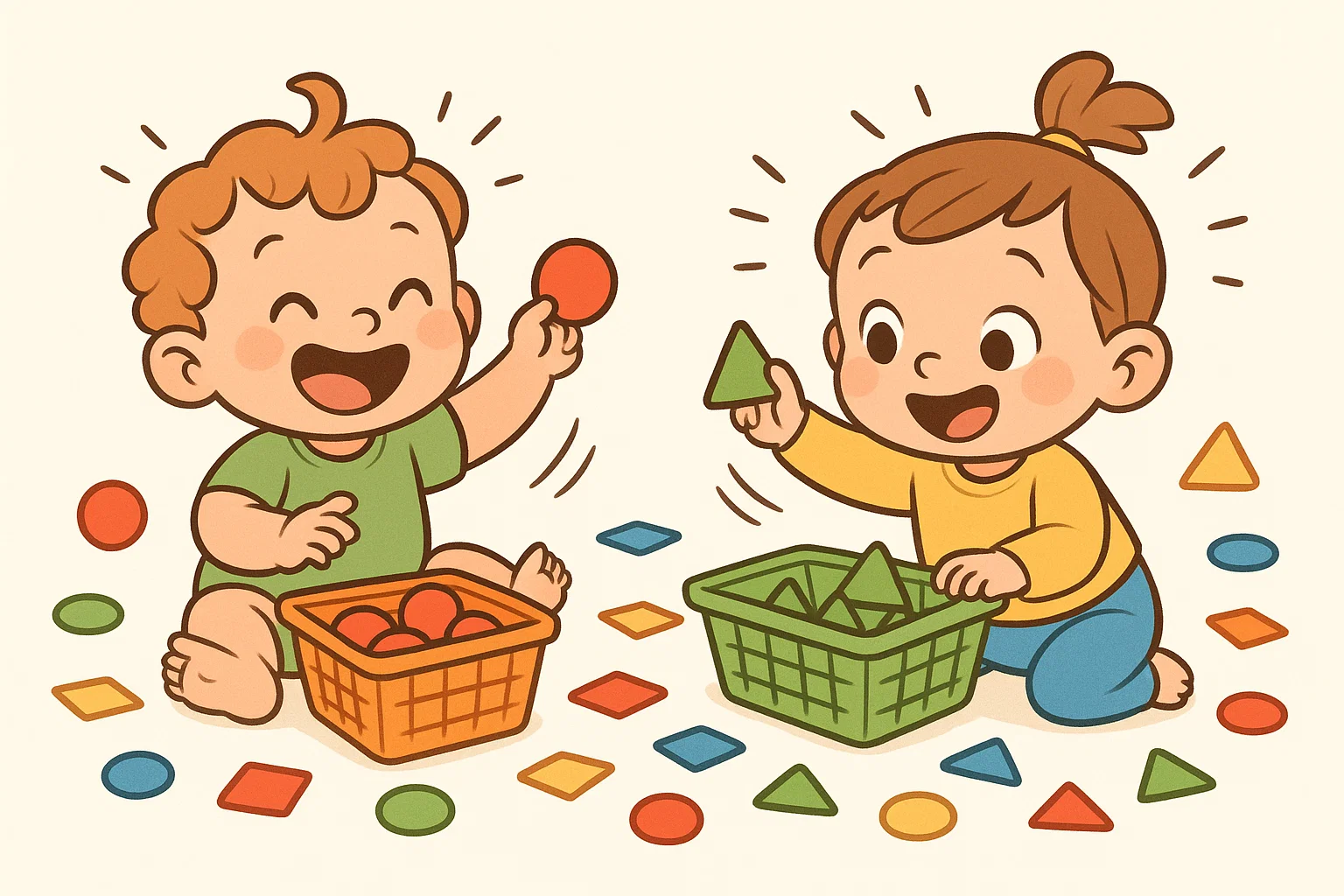
A sorting activity is an incredible tool for early math and logic. You don’t need special toys; use household items.
- Laundry Sort: Sort socks or towels by color. Let your toddler place them in the correct basket.
- Recycling Sort: Separate plastic from paper. This teaches following directions and object categorization.
- DIY Color Drop: Cut holes in a shoebox lid and label them with a color swatch. Have your toddler drop craft sticks or colored construction paper squares through the matching hole.
Puzzles and Matching Boards
Toddlers love the satisfaction of completing a task. Choose puzzles with large, easy-to-grasp pieces.
- Chunky Wooden Puzzles: Excellent for practicing the pincer grasp and improving hand-eye coordination.
- Simple Matching Game: Create a homemade memory set using pictures of familiar objects or animals. Start with three pairs.
- Busy Boards: Store-bought or DIY boards with latches, zippers, and buttons promote problem-solving and focus.
Pretend Play Scenarios
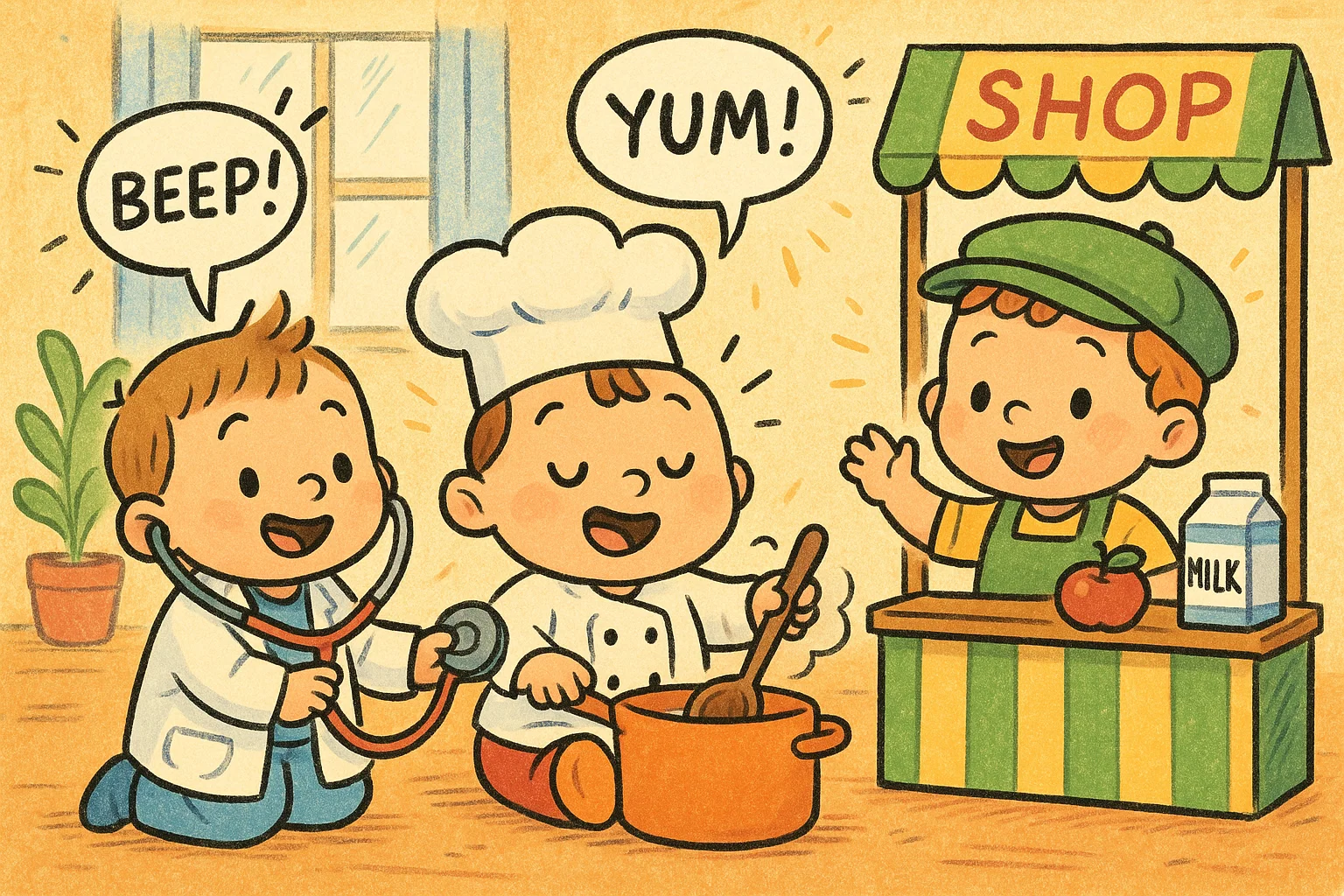
Encourage pretend play — it’s vital for social, language, and imaginative development. When your toddler engages in it, they’re processing the world around them.
- Kitchen Role Play: Invite your toddler to help “cook” using toy food. They can practice scooping and stirring.
- Vet or Doctor: Use a doll or stuffed animal and a small first aid kit. This helps them process familiar experiences and develop emotional skills like empathy.
- Building a Fort: Use blankets and chairs. The creation process is a fun activity, and the resulting space is a perfect setting for storytelling.
Sticker or Magnetic Letter Activities
These activities for 1-2 year old toddlers are fantastic for building fine motor skills and introducing letters.
- Sticker Peeling: Peeling stickers off a sheet is an intense fine motor workout. They can then stick them onto a large sheet of paper to create a scene.
- Magnetic Letter Fun: Put magnetic letters on the fridge or a cookie sheet. Name the letters and encourage your toddler to hand you the one you say.
Sensory and Creative Play
Sensory play engages multiple senses — a powerful way for 2-year-olds to learn. Providing different textures and materials for exploration is key.
Water Play and Sink Activities
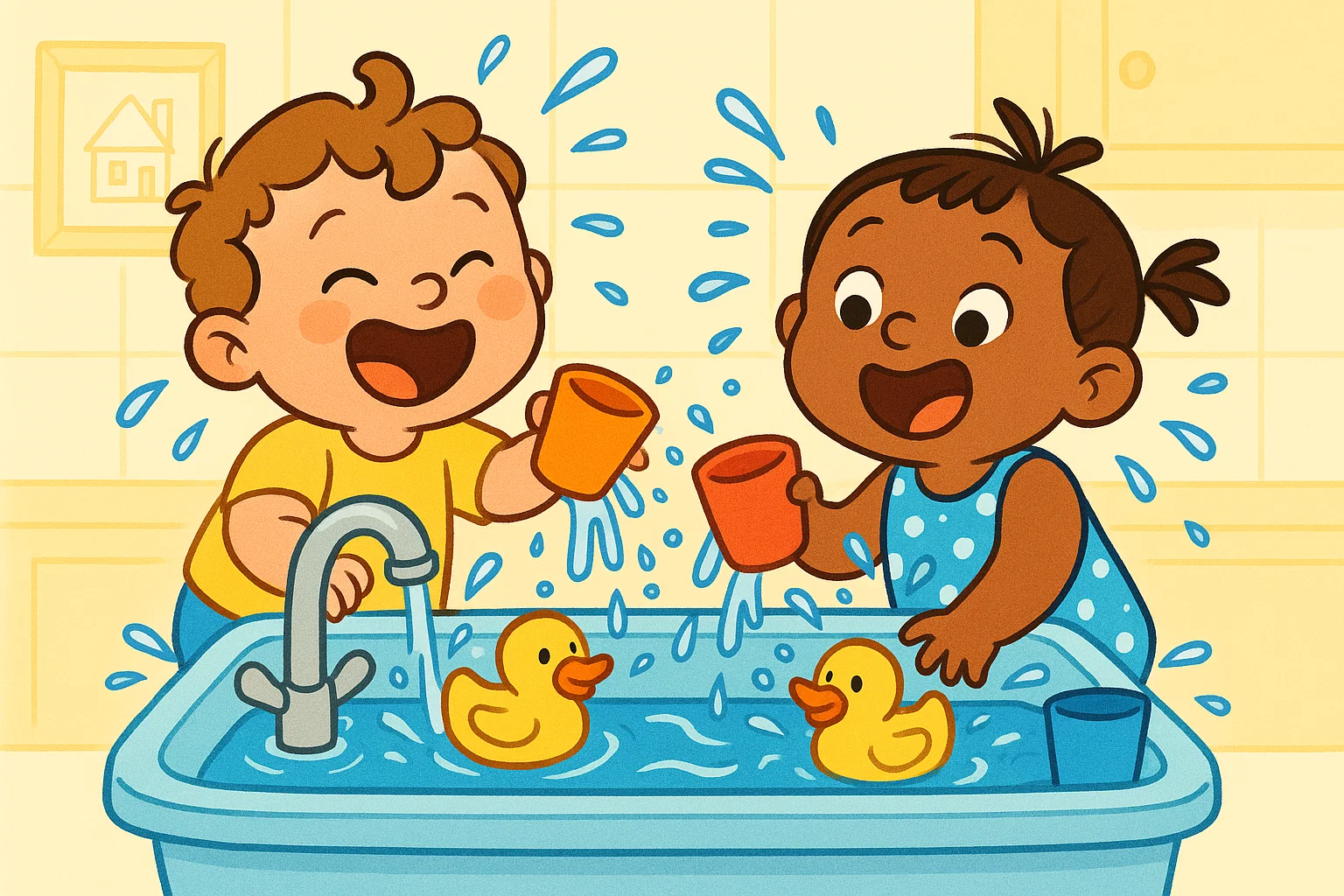
Water play is calming and great for developing coordination. Always supervise closely during this sensory play.
- Floating and Sinking: Use a tub of water and test what floats (cause and effect). Provide cups and funnels for scooping and pouring.
- Washing Toys: Let your toddler use a toothbrush or small cloth to “wash” their plastic animals or blocks in a basin of soapy water.
Homemade Playdough and Clay
Making your own playdough is a fun sensory experience in itself. Manipulating the dough is one of the best ways to practice fine motor skills.
- Rolling and Cutting: Use cookie cutters or plastic knives.
- Making Shapes: Encourage your toddler to roll balls or snakes. This strengthens hand muscles needed for future writing.
Painting and Coloring Ideas
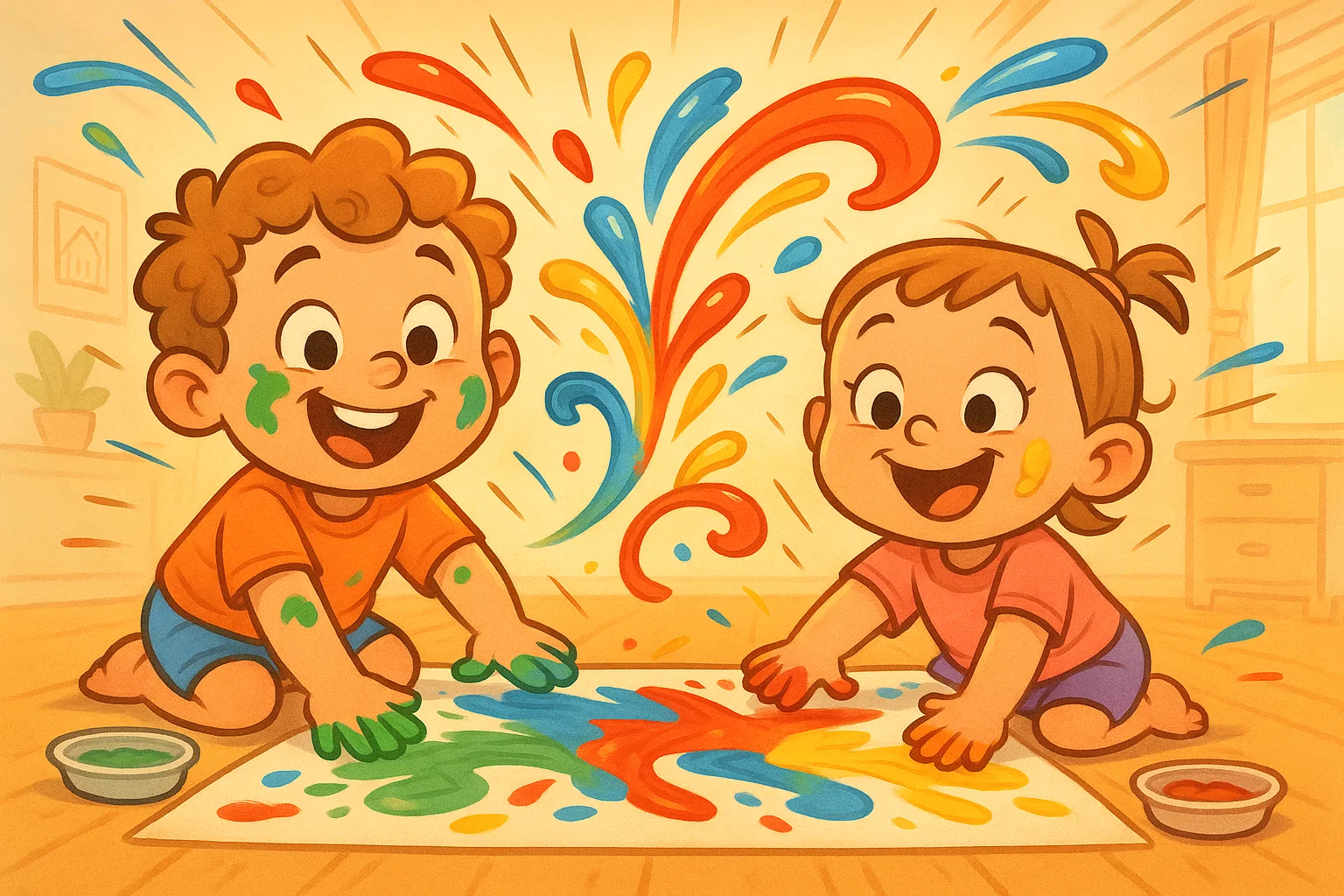
Art projects are essential for creativity and self-expression.
- Finger Painting: Allow them to explore color and texture using safe, washable paint on a large sheet of paper.
- Ice Cube Painting: Freeze water with a few drops of food coloring and a craft stick handle. The melting process adds another sensory element.
Sensory Bins and Textures
A sensory bin is a container filled with various materials and small tools. It’s a classic sensory activity.
- Rice Bin: Use dry rice (colored with food safe dye for extra fun), scoops, and small cups. Hide small toys for them to find.
- Nature Bin: Fill a bin with items collected on a walk: pinecones, smooth rocks, sticks, and leaves. This introduces different textures.
Outdoor Learning Activities
Getting outside offers fantastic opportunities for gross motor skill development and exploring the natural world.
Nature Walks and Treasure Hunts
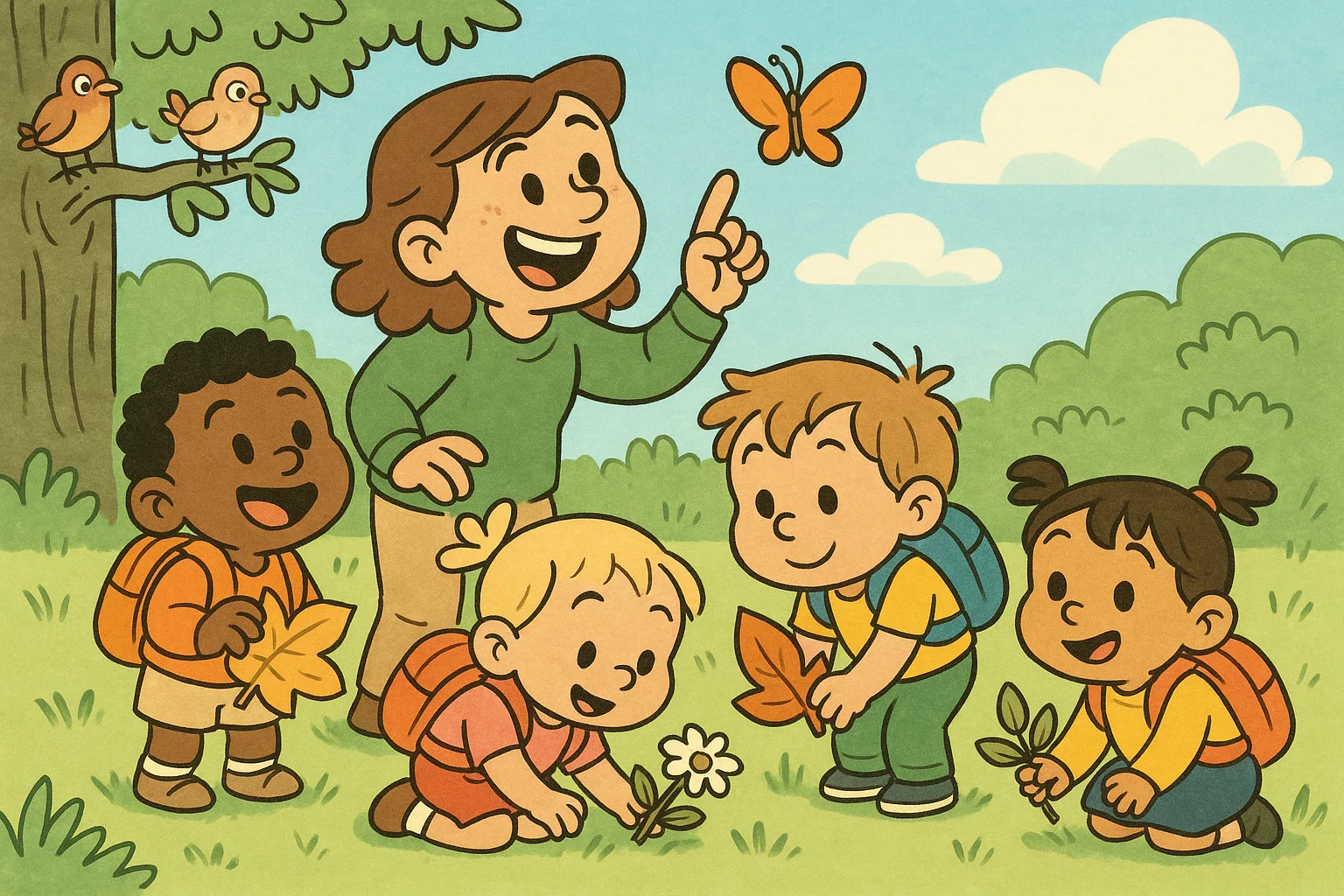
A simple walk becomes a major exploration for a 2 year old.
- “I Spy” Nature: Play a simple version of “I Spy” to work on observation skills. “I spy something brown and hard” (a tree or rock).
- Collection Bag: Give your little one a small bag to collect leaves, smooth stones, or acorns. This works on following directions and observation.
Obstacle Courses and Climbing
These gross motor activities build strength, balance, and coordination.
- Backyard Course: Use pillows to step over, a blanket to crawl under, and a low balance beam — a 2×4 board or even a strip of painter’s tape — to walk along.
- Playground Time: Safely navigate slides, stairs, and climbers. Always emphasize safety and provide spotting help.
Water and Sand Play
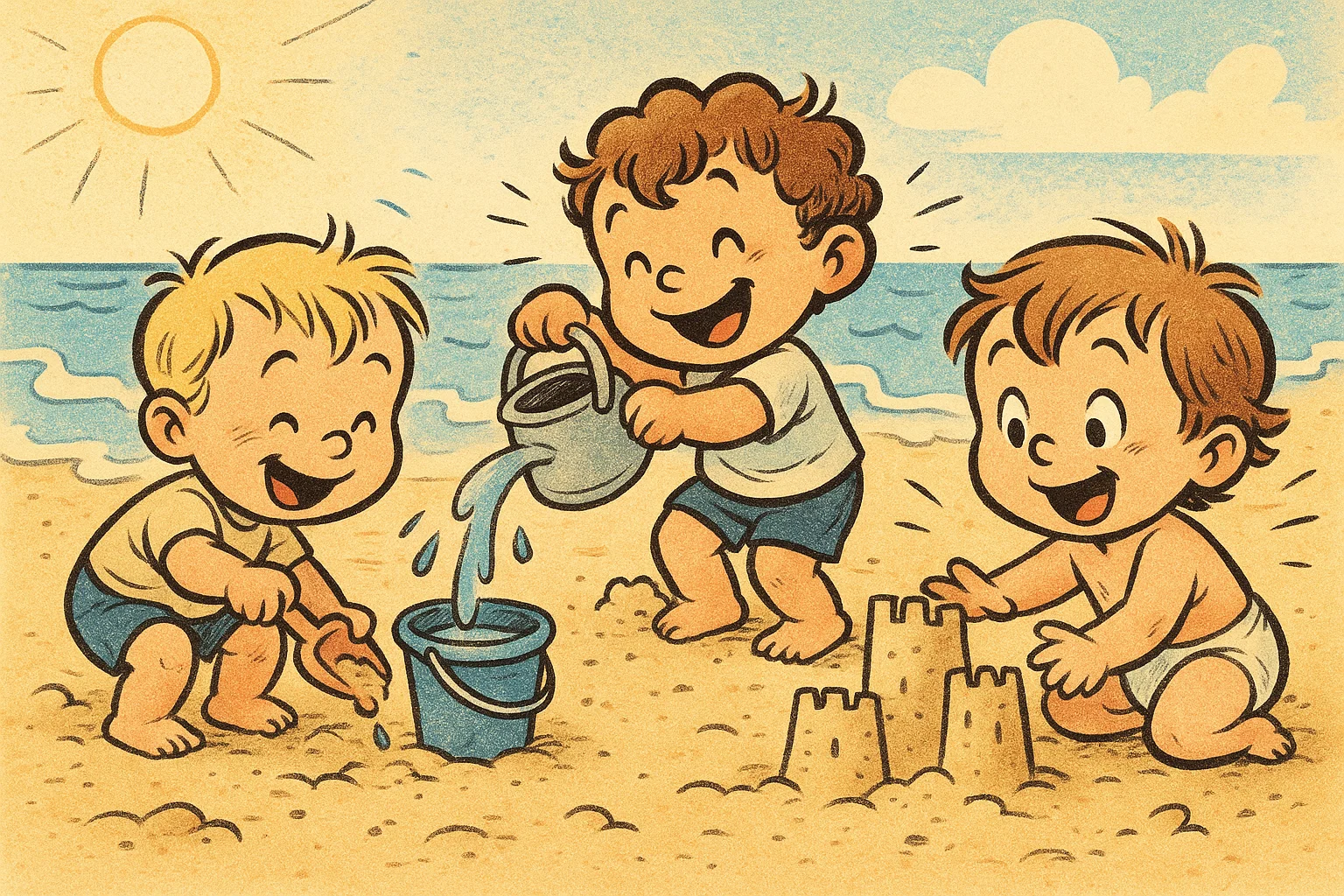
If you have a backyard, a small sandbox or water table is an amazing investment.
- Digging and Pouring: The resistance of sand and the fluidity of water develop muscles and hand-eye coordination.
- Shaping: Using molds or buckets to build sandcastles encourage your toddler to think spatially.
Gardening with Toddlers
Even a small pot can be a learning experience.
- Simple Planting: Invite your toddler to help plant large seeds (like beans or sunflowers). They can help water and observe the growth. This teaches patience and responsibility.
Educational Games for Social and Emotional Growth
The toddler years are critical for building social and emotional skills — and play is the most effective tool for this growth.
Storytelling and Reading Together
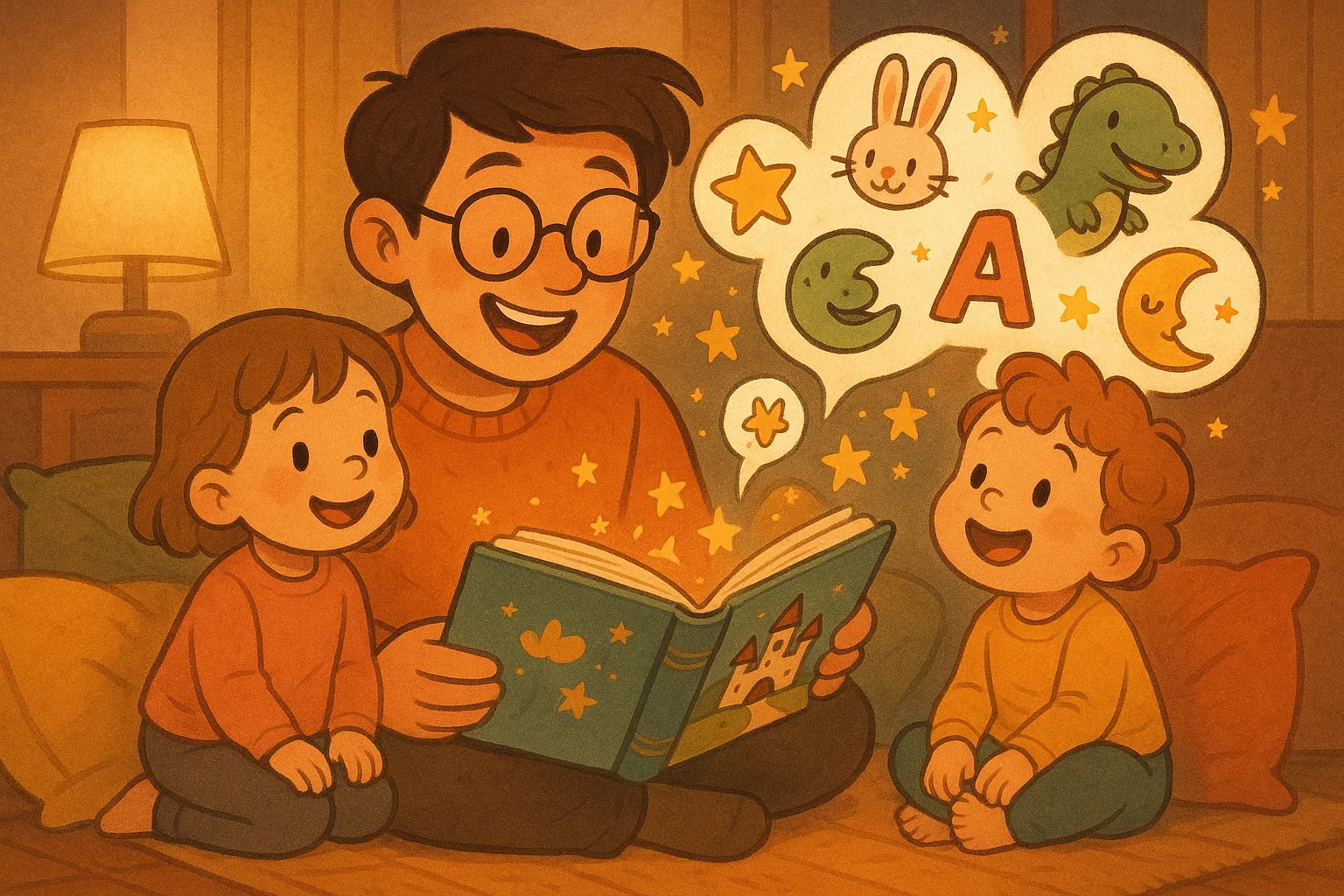
Reading is a cornerstone of literacy and emotional bonding.
- Expressive Reading: Use funny voices and exaggerated facial expressions. Point to the characters and ask how they are feeling.
- Interactive Storytelling: After reading, encourage pretend play based on the story.
Singing, Dancing, and Music Games
Music helps with memory, rhythm, and coordination.
- Movement Songs: Activities like “Head, Shoulders, Knees, and Toes” or “Ring Around the Rosie” are fun gross motor games.
- Homemade Instruments: Use pots and spoons or fill a plastic bottle with dry beans to make a shaker (see DIY Crafts section).
Group Playdates and Role Play
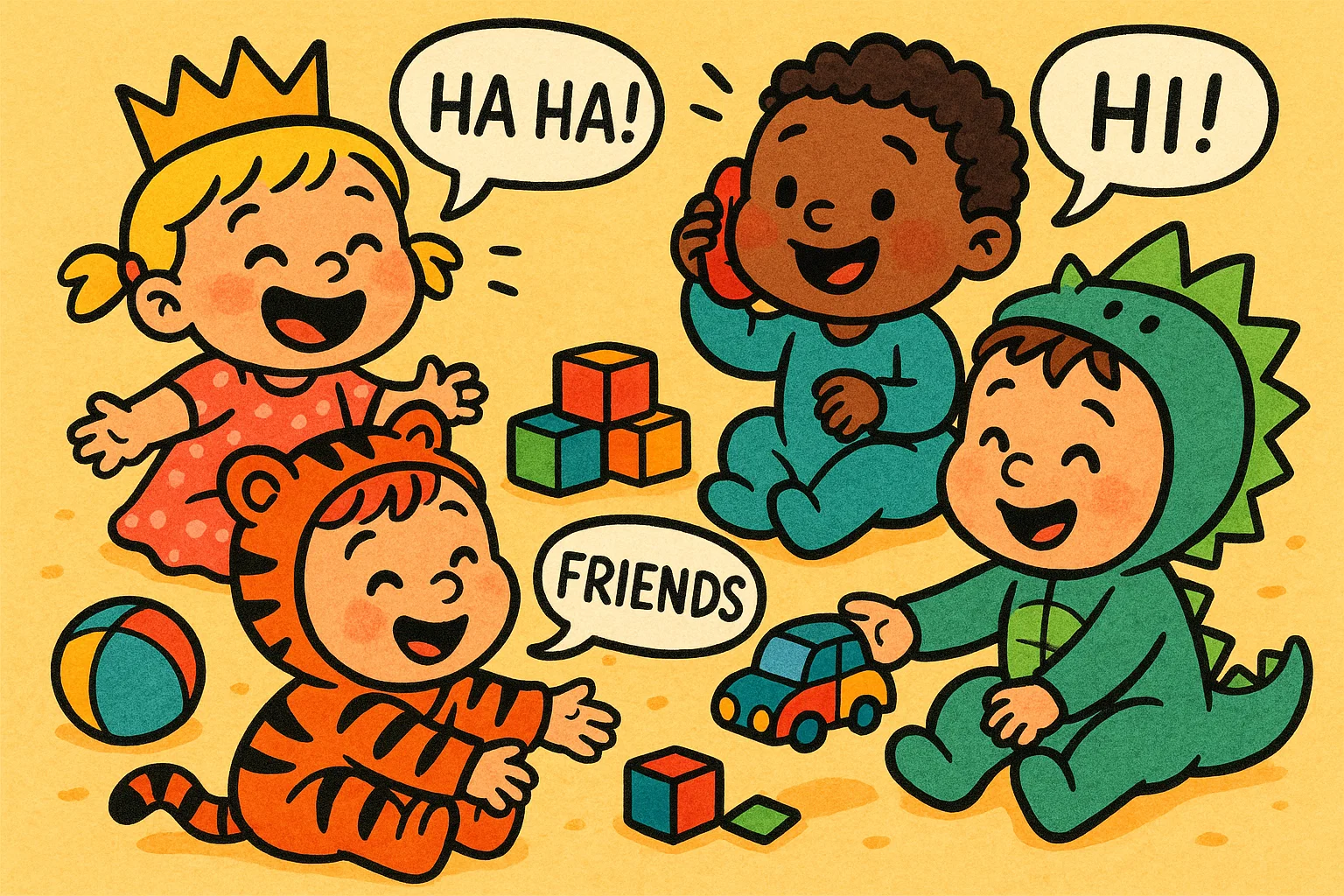
Structured play with others is how your child’s development of social skills truly begins.
- Turn-Taking Games: Start with a simple activity like rolling a ball back and forth and say “Take turns” clearly.
- Sharing Box: Have a small box of special toys designated only for playdates to encourage temporary sharing.
Emotion and Expression Games
Help your toddler identify and express their feelings.
- Mirror Play: Stand in front of a mirror and make different faces—happy, sad, surprised. Name the emotion.
- Emotion Cards: Use simple cards with faces showing different emotions. Ask your toddler to point to the one that matches how they feel right now.
Montessori-Inspired Learning for 2 Year Olds
The Montessori method emphasizes independence, practical life skills, and hands-on, self-directed exploration, which is perfect for 2 year old children.
Object Sorting and Pouring Activities
These are practical life skills that foster concentration and independence.
- Transferring: Give your little one two small pitchers or bowls and some dry beans. Encourage your toddler to pour the beans from one container to the other.
- Sponge Squeezing: Fill a shallow tray with water and give your child a sponge to squeeze the water back in.
Busy Boards and Fine Motor Work
These activities help your child learn to focus on a task and build real-world skills.
- Zipper/Button Frames: Teach them to open and close simple zippers, buttons, or snaps on old clothing or a practice frame.
- Pipe Cleaners in a Colander: Pushing pipe cleaners into the holes of a colander or a salt shaker is a great way to practice fine motor skills.
Number and Letter Matching
This introduces early literacy and numeracy in a concrete way.
- Sandpaper Letters: Tracing the shape of a letter cut out of sandpaper helps the child learn through touch.
- Gentle Counting: Count snacks or toes — start small, like counting to three.
DIY Educational Crafts
Creative art projects using simple, safe materials enhance artistic expression and fine motor skills.
Rock Painting and Stick Collages
Use materials collected during an outdoor walk to create art.
- Rock Painting: Paint small, smooth rocks with washable paint. This encourages precision.
- Nature Collage: Glue small leaves, twigs, and pieces of construction paper onto a large piece of cardboard.
Homemade Instruments and Noise Makers
This exploration focuses on cause and effect and rhythm.
- Shakers: Fill small, empty water bottles with rice, beads, or small bells and securely tape the lid shut.
- Drums: Use an upside-down pot or a sturdy cardboard box and a wooden spoon.
Paper Tunnel or Cardboard Box Creations
Large-scale projects inspire huge amounts of imagination and teamwork.
- The Box Car: Decorate a large moving box to look like a car, house, or rocket ship. Let your little one decorate it with crayons and stickers.
- Taping Lines: Use strips of painter’s tape on the floor to make roads or a maze for their toy cars.
Supporting Cognitive and Language Development
Structured play can maximize cognitive gains. The best activities are those that are integrated into daily life.
Counting Games and Early Math
Make counting tangible and fun.
- Snack Count: Count out a few crackers before letting your toddler eat them. “One, two, three crackers.”
- Stair Count: Count each step as you walk up and down. This combines gross motor skill development with numeracy.
Alphabet and Name Recognition Games
Playful exposure to letters is key, not rote memorization.
- “Find Your Name” Game: Write your child’s name on a large card and put it next to their artwork or bedroom door. Point out the letters.
- Contact Paper Match: Tape a large sheet of contact paper (sticky side out) to the wall. Write letters on construction paper squares and have your toddler stick the letters onto the contact paper.
Sorting and Matching Challenges
Continuing to refine sorting skills.
- Categorizing Toys: After pretend play, invite your toddler to help put all the animals in one bin and all the blocks in another. This simple act is an advanced sorting activity.
Daily Routines as Learning Opportunities
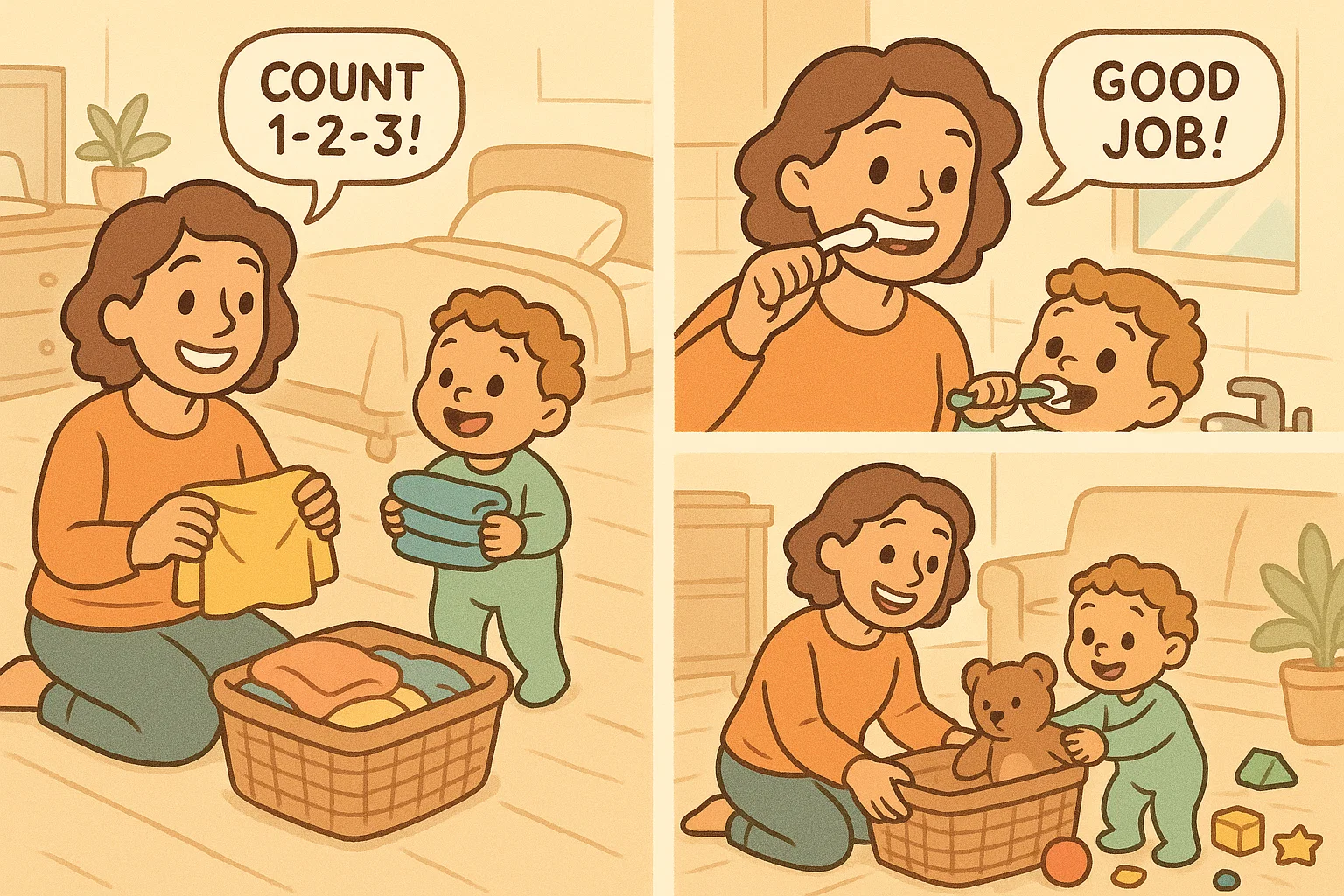
Everyday life offers natural, authentic learning moments.
Cooking and Baking Together
Under close supervision, the kitchen is a great learning lab.
- Pouring and Mixing: Let your toddler scoop flour into a bowl or stir batter.
- Ingredient Count: Count the number of eggs or the cups of sugar used.
Cleaning and Organizing Toys
These tasks teach responsibility, order, and categorization.
- Putting Away: Turn cleaning up into a song or game. This helps with following directions.
Dressing and Self-Care Practice
Promoting independence is a huge developmental boost.
- Button/Zipper Practice: Provide clothes with big buttons or zippers for them to practice fine motor skills.
- Shoe Game: Keep a pair of old shoes and encourage your toddler to take them on and off.
Tips for Parents Supporting Learning at Home
Your role as a facilitator is just as important as the activities I’ve suggested. Patience, consistency, and a playful attitude are your best tools.
Balancing Screen Time and Play
According to AAP guidelines, children ages 2 to 5 should have no more than one hour per day of high-quality screen time, and screen use that does not promote active learning should be avoided.
“The most effective activities for 2 year olds are those that involve active engagement with you or their environment. Limit screen time and encourage your toddler to explore the world through their hands and body.”
Encouraging Curiosity and Exploration
Let your toddler lead the play sometimes. Invite your toddler to help decide which new activities to try next.
- Safe Experimentation: Allow safe messes. Cause and effect learning often requires experimentation.
- Open-Ended Materials: Provide simple materials (blocks, boxes, scarves) that can become anything they imagine.
Celebrating Small Achievements
Positive reinforcement builds confidence and motivation.
- Specific Praise: Instead of just “Good job,” say, “Wow, you stacked those blocks so high! Your hand-eye coordination is improving!”
- High Fives: A simple physical sign of approval is often very motivating.
Setting a Calm Learning Environment
A quiet, organized space fosters better concentration.
- Routine: A predictable daily structure helps your little one feel secure and focused during playtime.
- Minimized Clutter: Rotate toys so your toddler doesn’t get overwhelmed by too many choices.