

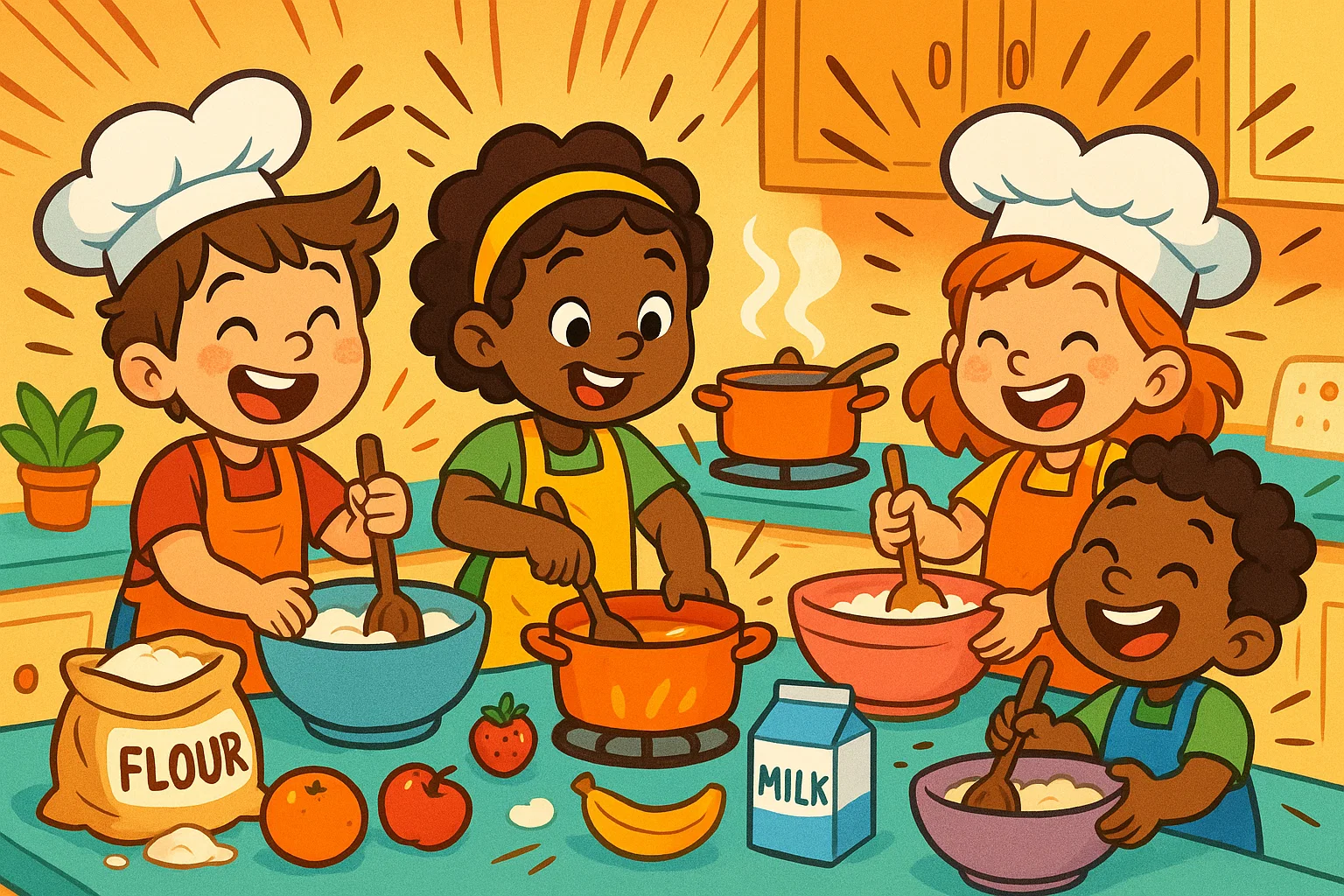
There’s something truly magical about watching a child’s eyes light up as they mix, measure, and create something delicious right in the kitchen. For a long time, the kitchen was seen as an adult-only space, a place where little hands could get in the way. But parents and educators are discovering the immense value of inviting little ones into this creative hub. Cooking activities for preschoolers are so much more than just a way to pass the time; they’re a foundation for learning, growth, and building lasting memories.
Getting your toddler or preschooler involved in the kitchen can feel daunting at first. It might seem like a recipe for a mess, but with the right approach and a bit of patience, it becomes an incredible opportunity. These moments let little chefs explore new textures, smells, and tastes, all while developing crucial life skills. From kneading dough to decorating cupcakes, every step is a chance to learn and bond. Let’s explore why these simple cooking projects are one of the most beneficial activities for kids and how you can get started.
Benefits of Cooking Activities for Preschoolers

Cooking with your kids is a fantastic way to teach them about the world around them. It’s an activity to do together that goes far beyond a simple recipe; it’s a chance to build confidence, practice new skills, and foster a lifelong love of food. When you cook with kids, you’re not just making a meal; you’re building a foundation for their future.
Development of Motor Skills
This is one of the most immediate and visible benefits of cooking with your kids. Simple tasks that you take for granted, like stirring, pouring, or kneading, are actually fantastic exercises for both fine motor and gross motor skills. For example, using a cookie cutter to press out shapes is a wonderful way to strengthen little hands.
- Fine Motor Skills: These are the skills that use small muscles in the hands and wrists. Tasks like sifting flour, stirring a bowl of batter, sprinkling toppings like cheese or chocolate chips, and using a spatula to spread icing all help to develop this control. As children get better, you might notice their handwriting and drawing skills also improving.
- Gross Motor Skills: These involve the larger muscles of the arms, legs, and core. Kneading dough, rolling out a sheet of dough with a rolling pin, or even just carrying a bowl of veggies to the sink are great ways for little ones to build strength and coordination.
Boosting Creativity
The kitchen is a blank canvas for a child’s imagination. When you let the kids take the lead, you’ll be amazed at what they come up with. Decorating a muffin, arranging fresh fruit on a pizza, or choosing a combination for a smoothie all allow them to get creative. This isn’t just about making something look pretty; it’s about making choices, experimenting, and seeing the results of their artistic decisions. Research in the Journal of Clinical Child Psychology suggests that children who engage in creative play, including cooking, show stronger problem-solving skills and greater flexibility in thinking.
Strengthening Math and Science Skills
The kitchen is a living, breathing laboratory. Measuring ingredients is a practical lesson in math. When you say, “Let’s add one cup of flour,” a child is learning about volume and fractions without even realizing it. Counting out three apple slices or five grapes is a fun way to practice basic counting skills.
- Math concepts: Counting ingredients, measuring liquids and dry goods, and understanding concepts like “half” or “double” a recipe.
- Science concepts: Observing how butter melts when heated, how dough rises from yeast, or how a liquid turns solid when frozen into a popsicle. These simple observations teach children fundamental scientific principles in a very tangible way.
Building Healthy Food Habits
Encouraging healthy eating can be a challenge, but when kids are involved in the kitchen, they are much more likely to try new foods. When they help wash the fruit and veggies for a snack or mix a salad, they feel a sense of ownership over the food. This makes them more adventurous eaters. Research shows that children who regularly help prepare meals tend to have healthier diets and are more willing to try new fruits and vegetables.
Encouraging Teamwork and Bonding
A cooking session is a wonderful opportunity to work together as a family. Each person can have a job, from washing ingredients to stirring the pot. This teaches children the importance of collaboration and communication. It’s a shared experience that builds trust and strengthens relationships. Whether it’s a parent-child activity or a group of older kids and younger siblings working together, these moments of cooperation build a foundation for a sense of shared responsibility.
Guidelines for Preschool Cooking Activities
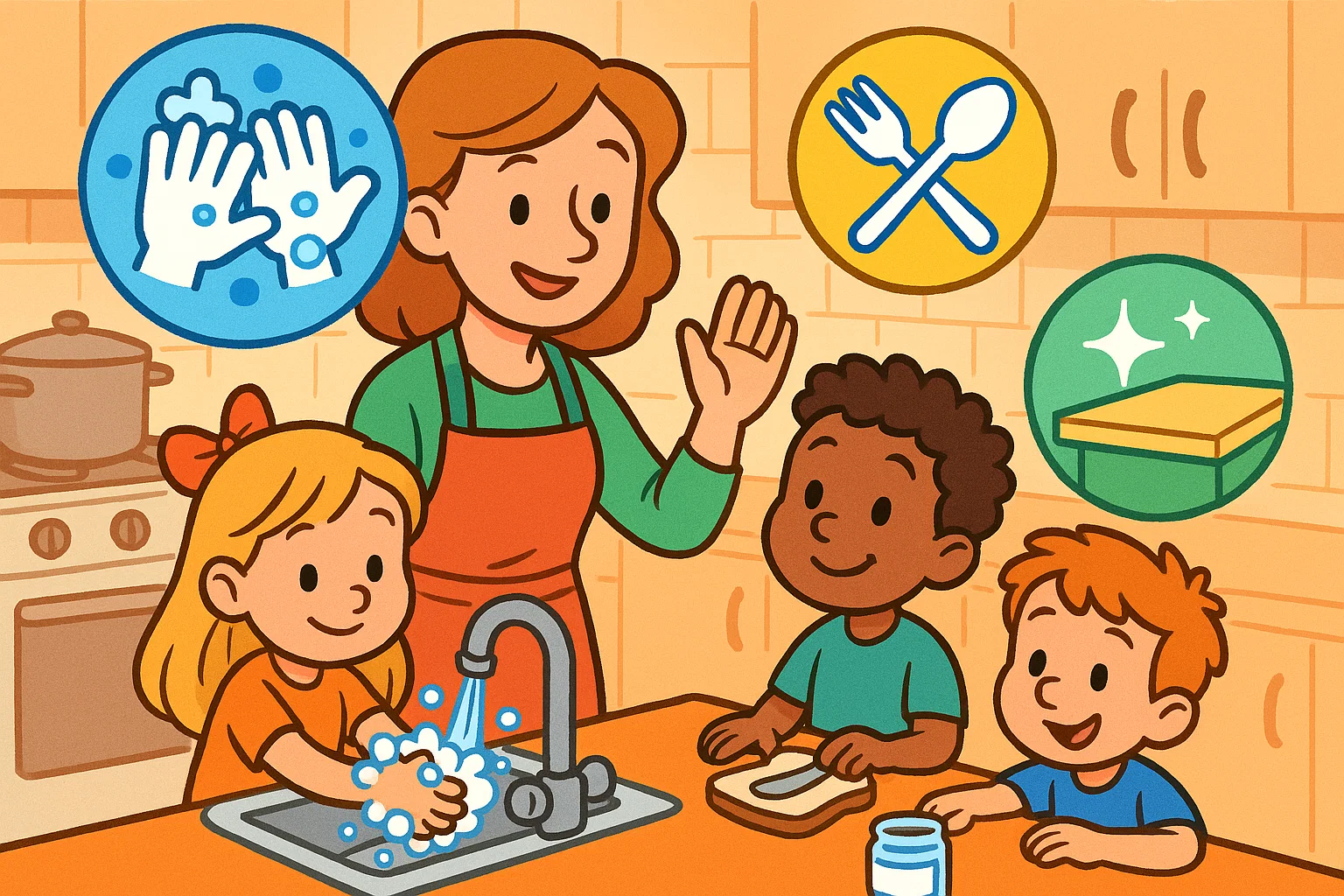
Before you dive in, it’s important to set some ground rules to make sure the experience is safe and fun for everyone. Here are a few tips to help you start cooking with your little one.
Choosing Safe Tools and Utensils
You don’t need a professional chef’s kitchen to get your kids involved. The most important thing is to use tools that are kid-friendly. Think plastic knives with rounded edges, small mixing bowls, and colorful measuring spoons that are easy for little hands to grip.
- Child-safe knives: Look for nylon or plastic knives designed specifically for kids. They can cut soft foods like bananas or cheese without posing a risk.
- Silicone spatulas and spoons: These are flexible and gentle on small hands.
- Step stool: This allows children to safely reach the counter and feel like a true participant.
Selecting Age-Appropriate Recipes
For preschoolers, simple recipes are key. Choose activities that don’t require many steps, have minimal cooking time, and use simple ingredients. No-bake cooking activities are a great place to start, as they eliminate the risk of a hot oven or stovetop. A simple recipe for kids should focus on the process more than the final product.
| Activity Type | Best for Age | Skills Practiced |
| No-Bake Treats | 2-4 years old | Mixing, scooping, decorating |
| Simple Baking | 4-6 years old | Measuring, kneading, pouring |
| Meal Prep | 5-7 years old | Cutting soft items, stirring, assembling |
Setting Up a Safe Workspace
Safety is the number one priority. Before you even start, take a few minutes to prepare your space. Make sure the counter is clear of sharp objects or anything hot. Tie back long hair and wash hands thoroughly. Keep a close eye on your child and be ready to step in to help with any tricky steps.
Teaching Food Safety Basics
This is a great opportunity to teach your kids about hygiene and food safety. Start with the basics:
- Wash your hands before and after handling food.
- Don’t eat raw ingredients that aren’t meant to be eaten raw, like raw cookie dough with eggs.
- Wash fresh fruit and vegetables before you use them.
Fun Cooking Activities for Preschoolers
Now for the fun part! Here are some easy cooking activities that are perfect for little ones. These fun cooking activities for kids are designed to be engaging and allow for lots of creativity.
Playful Pizza Creations
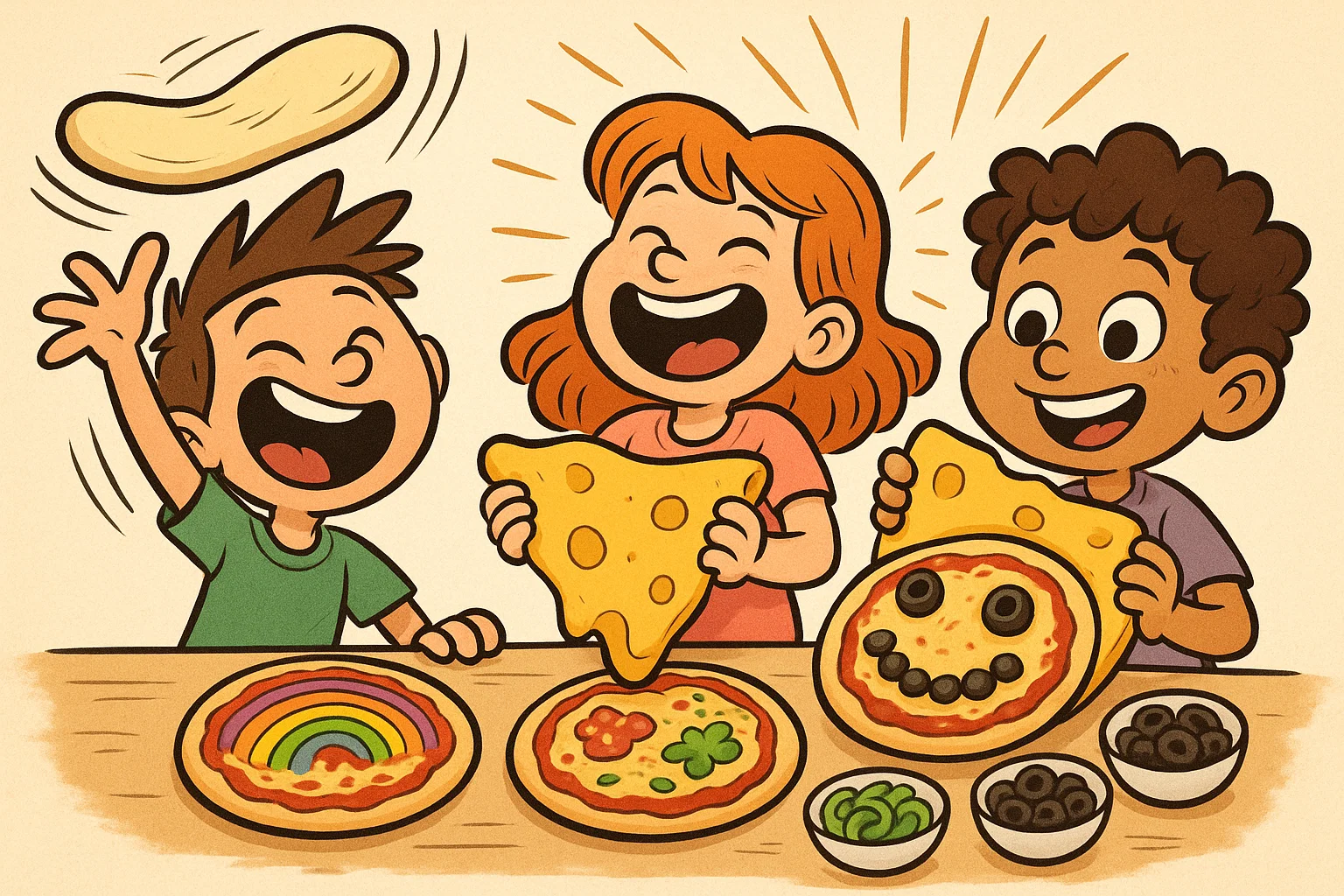
A simple pizza recipe is a perfect canvas for a child’s creativity. You can use mini pitas or English muffins as a base. Let your kids get creative by spreading sauce and adding their favorite toppings like shredded cheese, peppers, and pepperoni. This is also a great way to introduce them to new veggies!
Fruit Kabob Fun
Making fruit kabobs is a wonderful way to create a colorful, healthy snack. Children can practice their fine motor skills by carefully threading pieces of fruit onto a blunt skewer. You can create a rainbow of healthy fruit by using strawberries, oranges, bananas, kiwi, and grapes.
Cookie Cutouts and Decorating

Using cookie cutters is a favorite activity. After you make or buy the dough, kids can help roll it out and press out their favorite shapes. Once the cookies are baked, the real fun begins: decorating! You can use icing, sprinkles, and small candies. This allows them to express their artistic side and teaches patience.
Smoothie Sensations
Making a smoothie is a fun way to use a food processor or blender. Kids pick which fruits and veggies to add. You can start with a base of yogurt, milk, or juice, and then help your child add their chosen fruits. This is also a good chance to add healthy ingredients like spinach, which changes the color but not the taste.
No-Bake Treats
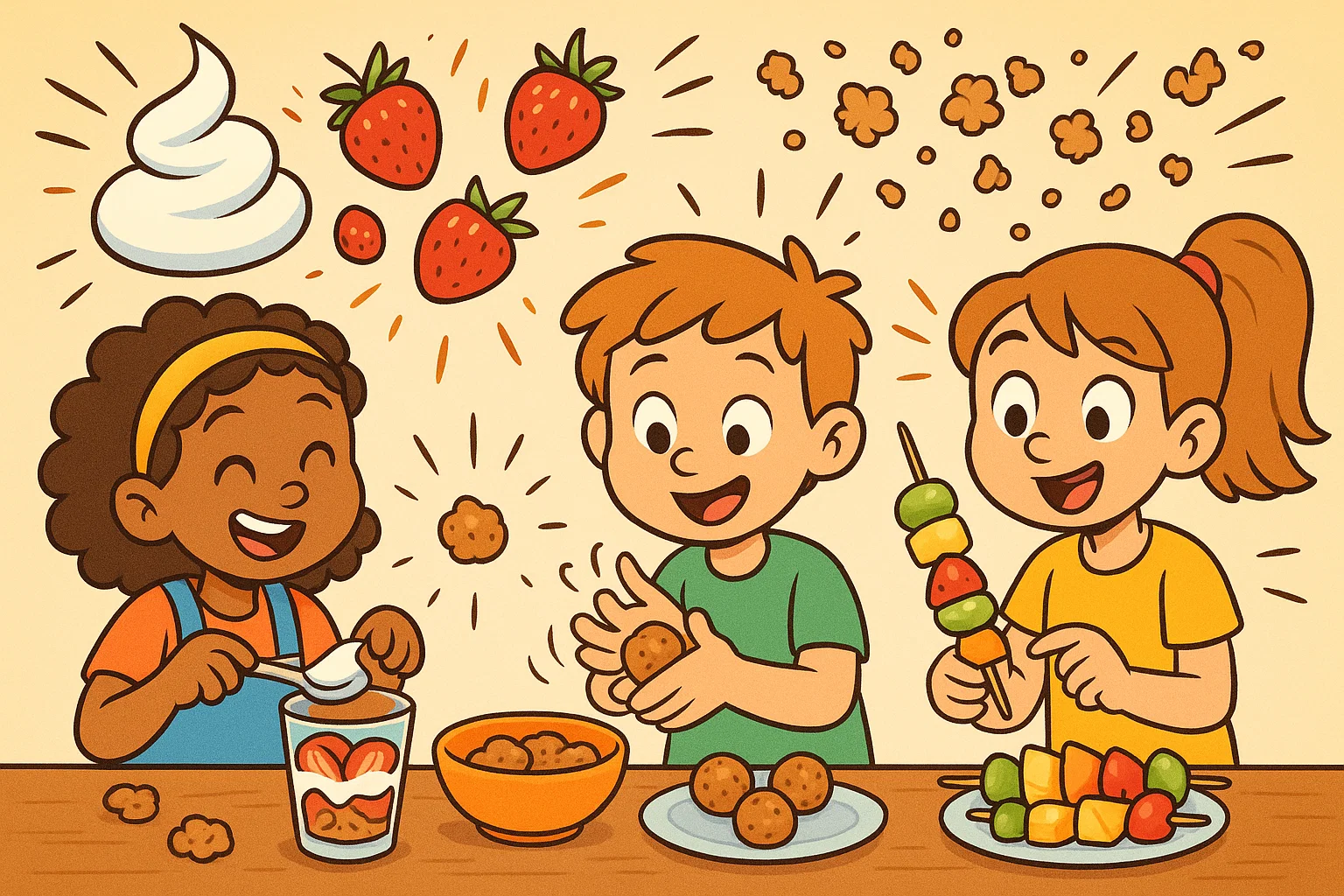
No-bake cooking activities are a hit with preschoolers because they get a quick and delicious result. Ideas include overnight oats, yogurt parfaits, or simple energy balls. These require little to no heat and focus on mixing and shaping ingredients.
Healthy and Easy Recipes for Preschoolers
Here are a few specific recipes to try with your kids. These are simple, nutritious, and incredibly fun to make.
Mini Pizzas with Vegetables
This is an easy and versatile lunch or snack.
- Prep: Use a mini pita or English muffin as a base.
- Spread: Kids can help spread a thin layer of tomato sauce.
- Toppings: Offer a bowl of shredded mozzarella cheese and small bowls of colorful veggies like finely chopped bell peppers, corn, and spinach.
- Bake: Pop them in the oven for a few minutes until the cheese is melted and bubbly.
Healthy Fruit Pizza Recipe
This is a visually stunning and delicious treat.
- Base: Use a large, round cookie or a piece of flatbread.
- Spread: Let kids get creative by spreading a layer of cream cheese or yogurt mixed with a little honey.
- Decorate: Get the kids to arrange a variety of sliced fresh fruit on top in a fun pattern. Strawberries, blueberries, kiwi, and mandarin oranges work well.
Homemade Smoothies and Shakes
This is one of the quickest ways to create a healthy snack.
- Gather: Choose a base like milk, yogurt, or juice.
- Add: Kids pick a handful of their favorite fruits, like bananas and berries, and a handful of spinach for an extra health boost.
- Blend: With an adult’s help, press the button to blend everything together. The result is a delicious and healthy drink that children will love.
Seasonal and Holiday Cooking Activities
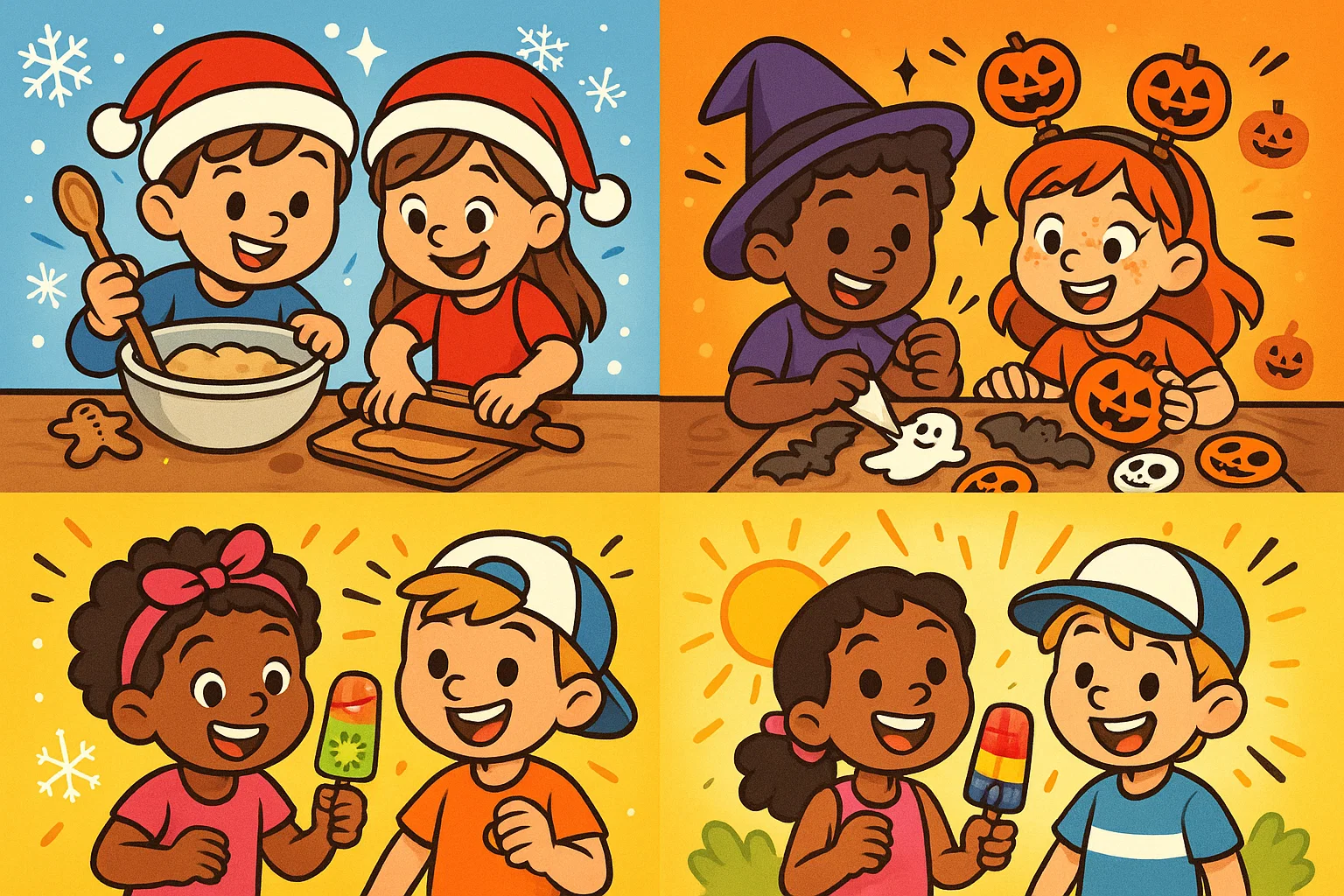
Cooking can also be a wonderful way to celebrate holidays and seasons. These themed cooking ideas add an extra layer of excitement and make for great memories.
- Halloween Treats: Make “spiderweb” cupcakes by swirling chocolate syrup into white icing.
- Christmas Baking: Decorate gingerbread cookies with icing and candies. This is a classic fun activity that everyone loves.
- Spring and Summer Snacks: Make a rainbow fruit pizza or fresh fruit salads. You can also make homemade popsicles with fresh fruit juice and sliced fruit.
- Birthday Party Cooking: Instead of a traditional cake, let your kids decorate their own cupcakes or cookies. This is a fun and interactive party activity.
Tips for Cooking with Preschoolers
To make these kitchen activities as enjoyable and educational as possible, keep these tips in mind.
Keeping Sessions Short and Engaging
A preschooler’s attention span is short. Keep your cooking session to 15-30 minutes. Focus on one or two simple steps at a time to prevent them from getting overwhelmed or bored.
Using Cooking as a Teaching Opportunity
Every step is a chance to help your child learn. You can talk about colors as you slice fruit, count ingredients as you add them to the bowl, or discuss where food comes from. This is how children learn in a natural, organic way.
Encouraging Independence
Give your child choices and let them take the lead on certain steps. Do they want to pour the flour or stir the batter? Letting them make these decisions gives them a sense of control and confidence in the kitchen. Even small tasks like washing a vegetable or tearing lettuce are great ways to give your little one a sense of accomplishment.
Handling Picky Eaters
If you have a picky eater, cooking is a powerful tool. When children have a hand in preparing a dish, they are much more likely to try it. Make tasting a game! Ask them to describe the texture or taste. Remember, the goal is exposure, not forcing them to eat.
Conclusion
Getting kids involved in the kitchen is a rewarding experience that offers a wealth of benefits for their development. From building fine motor skills and fostering creativity to encouraging healthy eating and strengthening family bonds, cooking with your kids is a worthwhile investment of your time. By choosing easy cooking activities, setting up a safe space, and letting your little chefs get creative, you can turn a simple task into a fun and educational adventure. Roll up your sleeves, grab an apron, and start cooking—it’s a wonderful way to help children build confidence and develop a lifelong appreciation for good food. The memories you make together will be just as sweet as the final product.