

Confidence is a quiet engine that drives a child’s development, influencing everything from their academic performance to their ability to form lasting friendships. When children possess a healthy sense of self-belief, they are more likely to view challenges as opportunities rather than insurmountable obstacles. This emotional resilience is not simply an innate trait; rather, it is a set of skills that parents and educators can help children build through intentional support and practice. By understanding how children develop a sense of worth, we can provide them with the tools necessary to navigate the complexities of school and social life with a growth mindset.
In everyday life, confidence in children manifests as a willingness to try new things, the ability to recover from mistakes, and the social skills needed to interact effectively with peers. A child feels confident when they know their contributions are valued and that their efforts, not just their results, are recognized. This article provides a comprehensive guide to confidence building activities for kids, offering actionable strategies for younger children, older kids, and everyone in between. By implementing these science-based exercises, you will learn how to boost children’s self-assurance and foster healthy self-esteem that can last a lifetime.
Best Confidence Building Activities for Kids
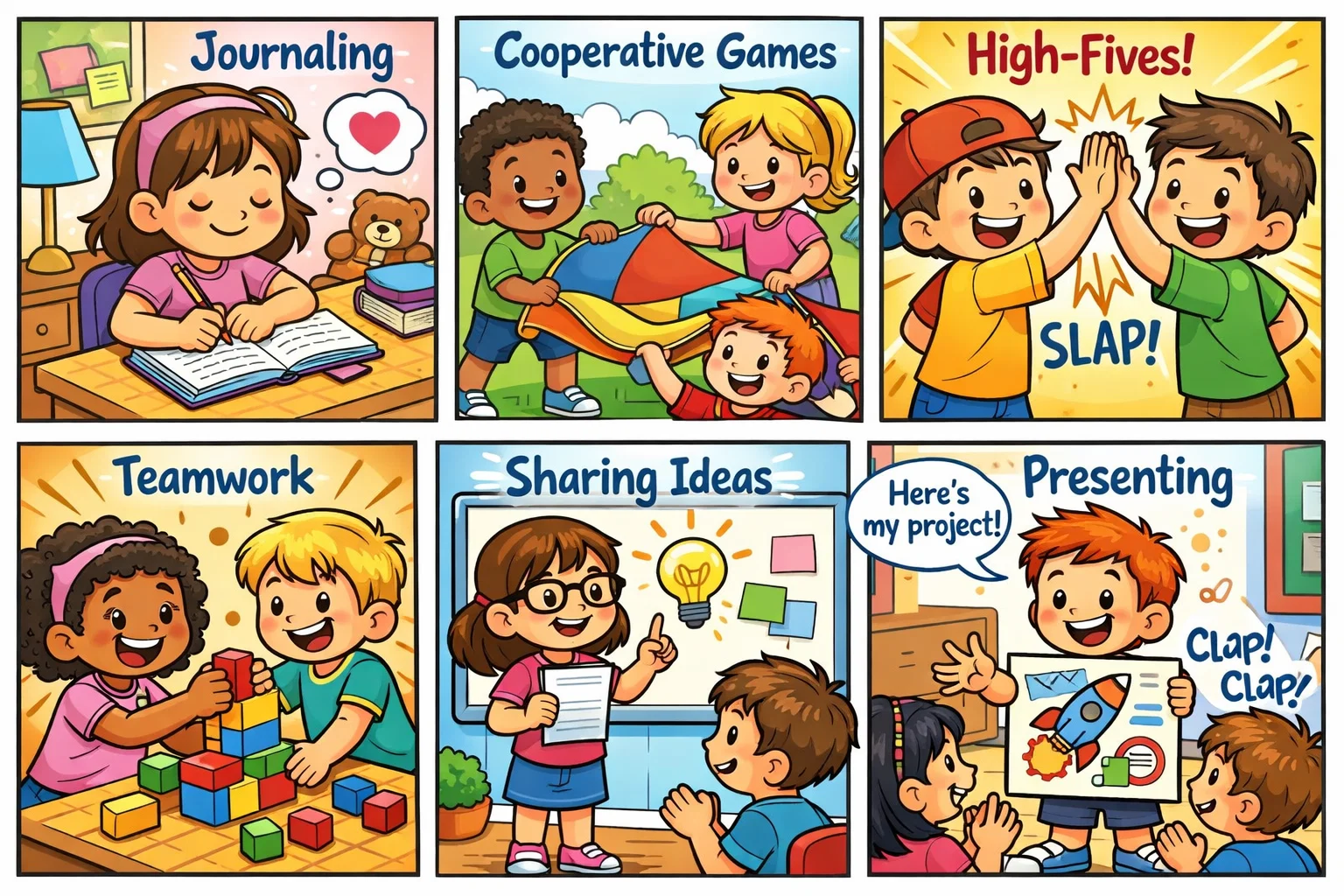
Building confidence and self-esteem is most effective when integrated into a child’s daily routine through practical, proven activities. These activities are designed to help children feel capable and motivated by connecting internal beliefs with real-world achievements. Whether at home or in the classroom, these exercises provide a structured way to help kids build a sense of internal validation and competence.
Letter to Yourself Activity
Writing a letter to a future self is a powerful way for children to build self-reflection skills. This activity encourages them to identify their current strengths and set goals for the future. For younger children, this might be a simple drawing accompanied by a few words about what they are proud of today. Older children can write more detailed letters, reflecting on obstacles they have overcome and things they hope to achieve in the next year.
- Prompt Idea: “What is something you can do now that you couldn’t do last year?”
- Prompt Idea: “What is a challenge you are currently working on, and how are you showing bravery?”
- Adaptation: For students, encourage them to write these letters at the start of the school year to be opened at the end, highlighting their personal growth.
Positive Self-Talk Transformation
Negative self-talk is a common contributor to low self-esteem. Phrases like “I can’t do this” or “I’m not good at math” can become self-fulfilling prophecies. To help your child transform this dialogue, use a worksheet or a simple chart to practice reframing.
| Negative Thought | Positive Transformation (Growth Mindset) |
| “I’m not good at this.” | “I’m still learning how to do this.” |
| “I made a mistake. I can learn from it.” | “Mistakes help my brain grow and learn.” |
| “This is too hard.” | “This will take some time and effort to master.” |
I Am Statements Exercise
An affirmation practice using “I Am” statements helps children build a strong sense of identity. Have the child write or say five statements that reflect their character. For younger children, focus on simple traits like “I am kind” or “I am a good helper.” For older kids, encourage more nuanced self-reflections like “I am a problem-solver” or “I am a loyal friend.” This activity helps kids internalize their positive qualities, which is crucial for building long-term self-confidence.
Power Word Collage
Visual learners often benefit from a power word collage. Using magazines, stickers, and markers, have kids learn to identify words that make them feel strong. This creative confidence booster serves as a daily visual reminder of their worth. By selecting images and words like “brave,” “creative,” or “strong,” children develop a tangible representation of their self-esteem and confidence.
Role Play and Social Confidence Activities
Social interactions can be a major source of anxiety, leading to self-esteem issues if a child feels incapable of navigating peer dynamics. Role playing offers a safe, low-pressure environment to practice social skills and build self-esteem through simulated success.
Role Playing New Situations
Practicing new or intimidating scenarios can significantly boost confidence. As an adult, you can help children identify what makes them nervous and then act out the scene.
- Meeting a new friend: Practice making eye contact and saying, “Hi, my name is…”
- Asking for help: Practice how to approach a teacher to ask a question.
- Handling conflict: Practice saying “I don’t like it when you do that” in a firm but polite voice.
Adult facilitation is key here; provide gentle feedback and encourage kids to try different approaches until they feel comfortable.
Cooperative Board Games
Unlike competitive games where there is a single winner, cooperative board games require children to build self-esteem through teamwork. These fun activities teach that everyone’s contribution is necessary for the group’s success. This environment reduces the fear of failure and emphasizes confidence building through shared decision-making.
Where I Fit Activities
These activities also help children understand their value within a community. In a classroom or family setting, create a “Connection Map” where each child lists one thing they contribute to the group (e.g., “I make people laugh” or “I am good at organizing”). This helps a child feel like an essential part of the whole, which is a major confidence boost.
Responsibility and Independence Activities
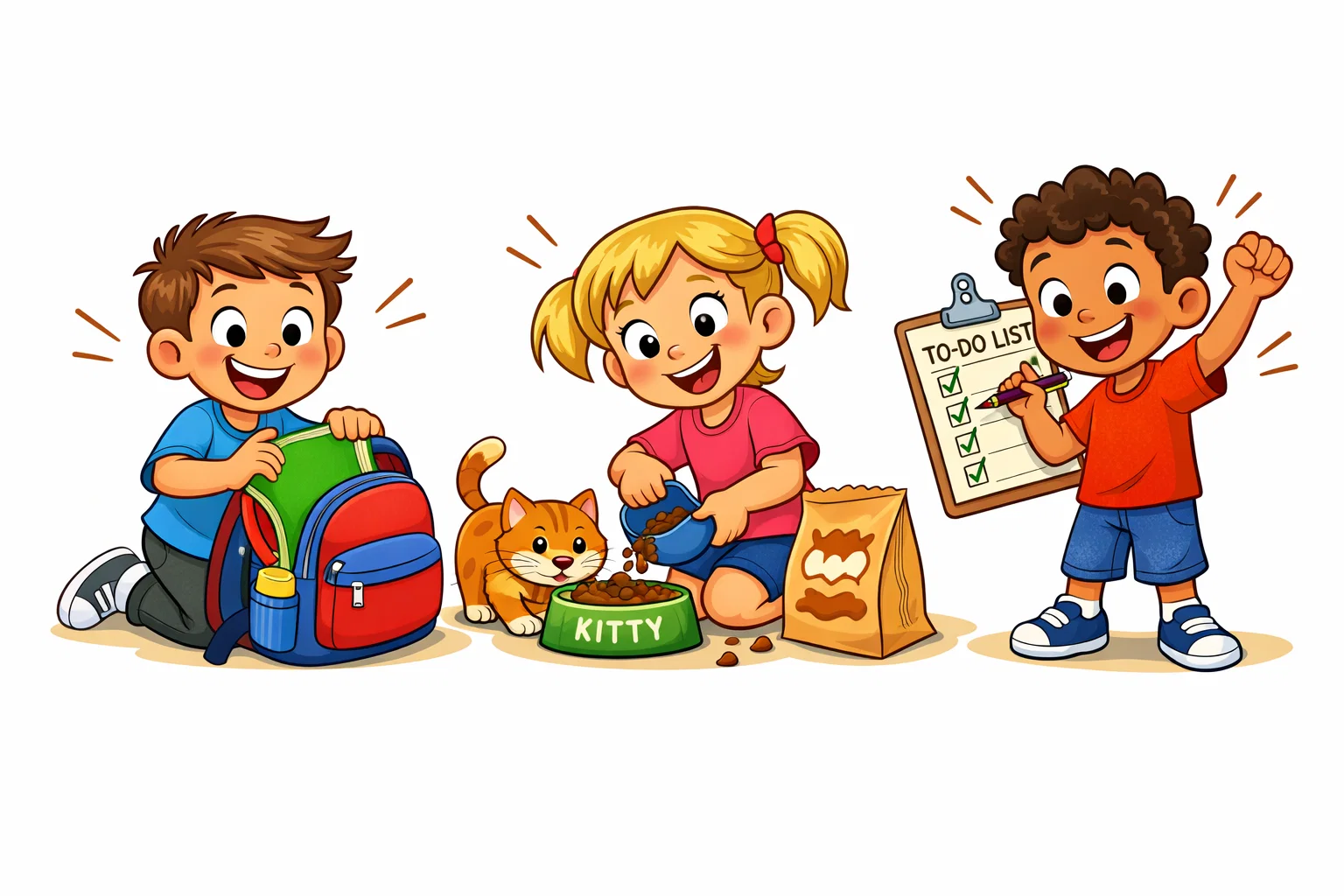
Nothing builds confidence quite like the realization that a child is capable of handling real-world tasks. Give children opportunities to exercise independence, and you will see a natural boost in their self-confidence.
Age-Appropriate Chores and Tasks
Assigning daily activities that involve responsibility shows children they are trusted. When a child needs to contribute to the household or classroom, they feel a sense of belonging and competence.
- Ages 3-5: Putting toys away, feeding a pet (with help), matching socks.
- Ages 6-9: Setting the table, folding laundry, making their own sandwich.
- Ages 10+: Washing dishes, helping with grocery shopping, managing a small weekly budget.
First Time Independent Challenges
Encourage older children to take on a “First Time” challenge. This could be navigating a public bus route, cooking a simple meal from start to finish, or organizing their own school bag for the week. Success in these activities reinforces the belief that they can handle new situations independently.
Responsibility Lessons
Use structured counseling activities or family meetings to link actions to outcomes. For example, if a child takes the responsibility of watering a plant and it grows, they see the direct result of their effort. This reinforces healthy self-esteem by showing them that their actions have a meaningful impact on the world around them.
Goal Setting and Achievement Activities
Goal setting is a core component of building self-esteem and confidence. It teaches children that success is a process, not just an end result.
Goals Journal
A goals journal is an excellent tool to help kids build a sense of direction. Instead of focusing only on high-stakes achievements, students write down small, manageable goals.
- “I want to learn how to tie my shoes by Friday.”
- “I want to read two chapters of my book this week.”
Teaching children to celebrate the effort they put into these goals—even if they do not reach them perfectly—is a vital part of a growth mindset.
Ways to Grow Activity
This exercise helps children build an understanding that skills are developed over time. Create a “Growth Tree” where the roots are things they have already mastered and the branches are things they are currently working on. This visual approach reinforces that “not knowing yet” is simply a step toward mastery.
Visualize Positive Outcomes
Guided visualization is one of many science-based exercises used to foster confidence. Before a stressful event, like a presentation or a sports game, ask the child to close their eyes and imagine themselves succeeding. This mental rehearsal helps kids feel confident and reduces performance anxiety.
Gratitude and Kindness Activities
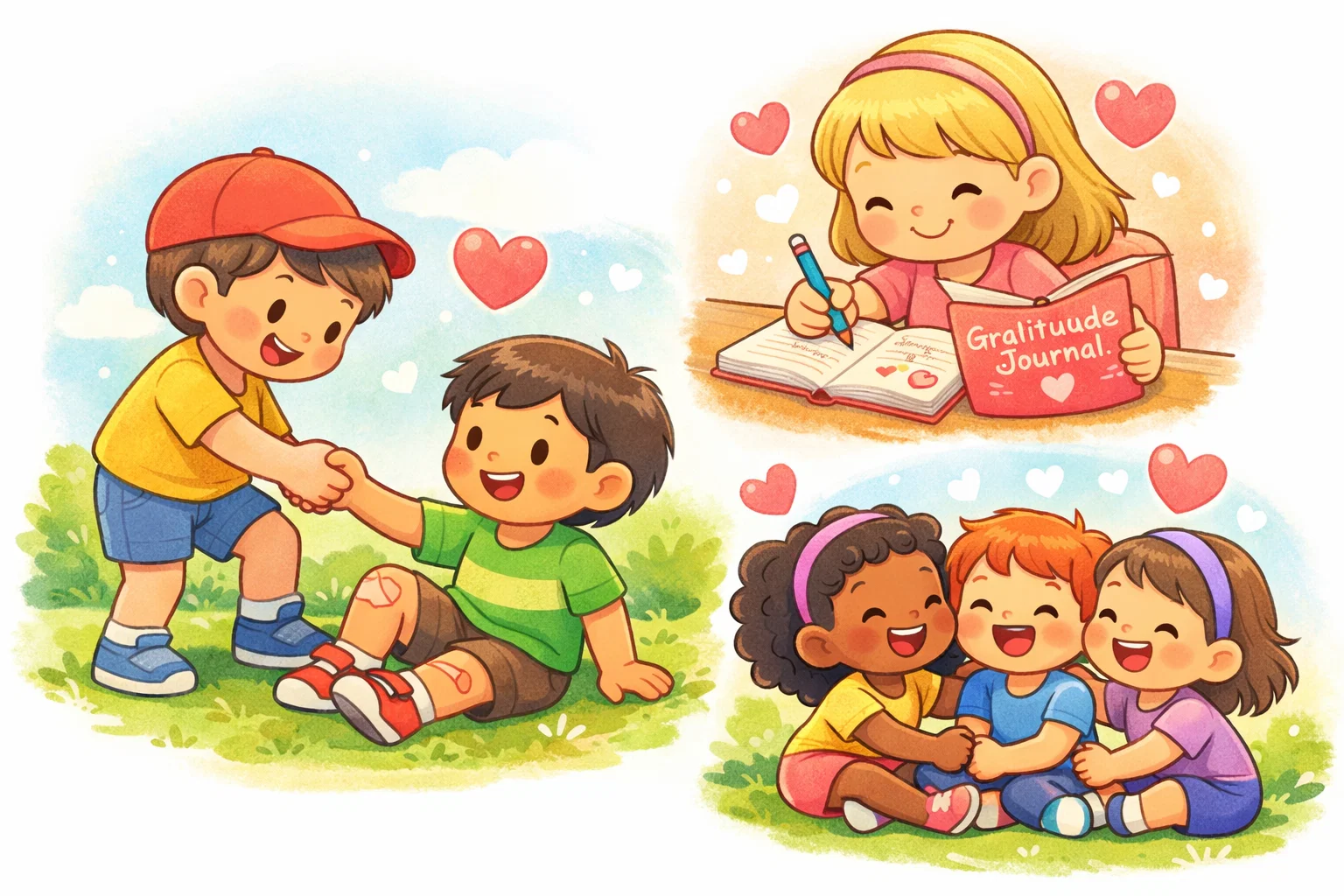
Focusing on others can also help build a child’s self-esteem. When children and teens engage in acts of kindness, they see themselves as capable of making the world a better place.
Gratitude Journal
Daily gratitude practice helps children develop a positive outlook. By focusing on what is going well, they are less likely to fall into the trap of negative self-talk. Research has found that gratitude in children and family contexts is associated with increased optimism, self-confidence, resilience, and life satisfaction — factors linked to healthy emotional regulation and self-esteem development.
Random Acts of Kindness
Encourage children to perform small acts of kindness, such as leaving a nice note for a sibling or helping a neighbor with their groceries. These self-esteem activities for children shift the focus from their own insecurities to their ability to provide value to others.
Charity and Fundraising Projects
For older children, participating in a small fundraising project or volunteering at a local shelter provides a profound sense of purpose. These activities to build social responsibility also boost their sense of agency and community connection.
Creative Confidence Activities
Creative expression allows children to build self-esteem in a non-judgmental space where there is no “right” or “wrong” answer.
Achievements Collage
An achievements collage is a collection of photos, certificates, or drawings that represent things the child is proud of. This differs from a power word collage by focusing on past successes. It serves as a reminder that “I have succeeded before, and I can do it again.”
Certificate of Recognition
Instead of only rewarding “A” grades or winning trophies, allow children to receive “Certificates of Recognition” for things like persistence, kindness, or trying something new. This activity helps kids value the process of growth over the pressure of perfection.
Physical Activities That Build Confidence
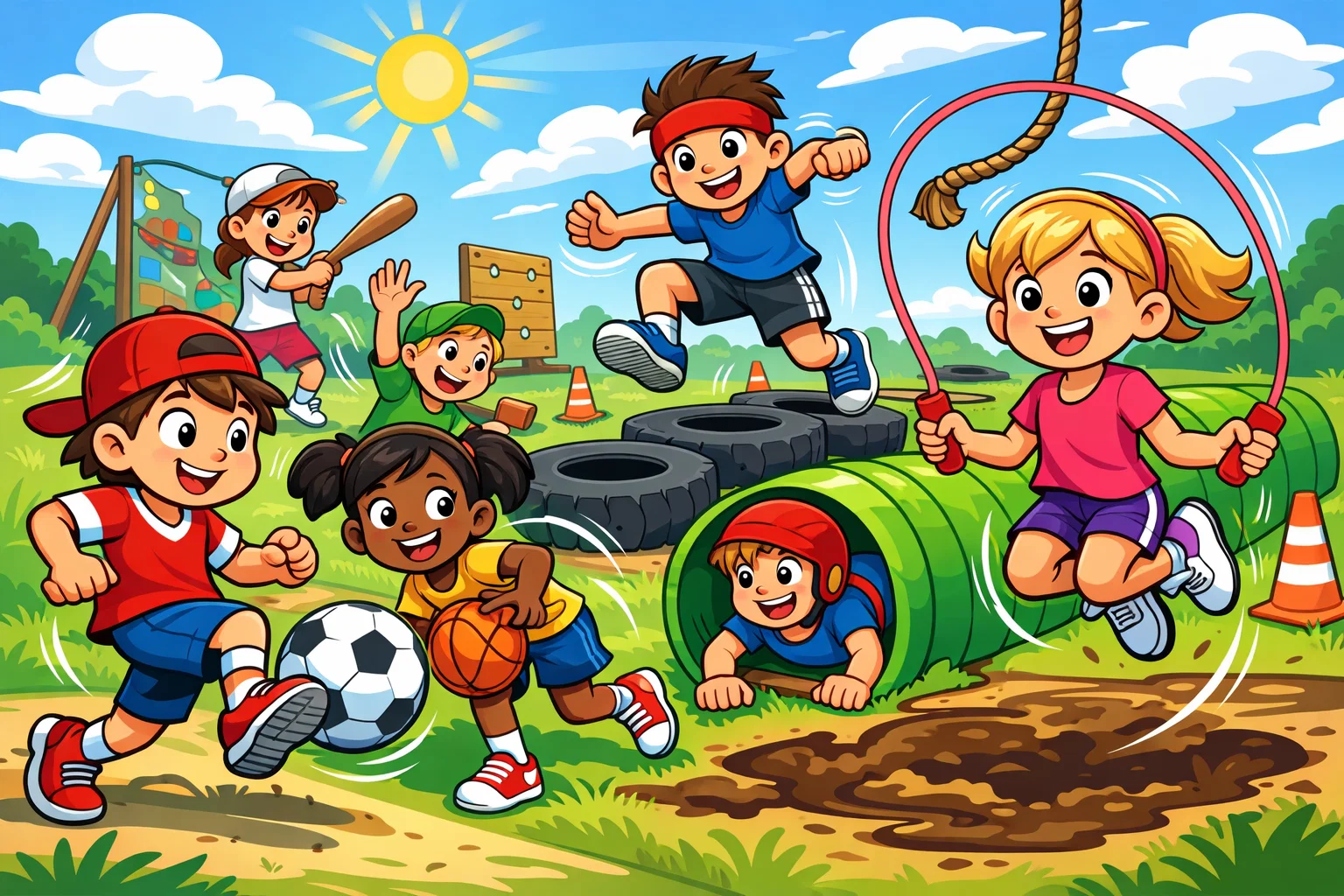
The connection between physical movement and mental well-being is well-documented. Physical activities like sports or dance provide immediate feedback on progress and skill acquisition.
- Team Sports: Participation in team sports helps children build social skills, learn to handle loss, and trust their teammates.
- Safe Risk Activities: Activities like rock climbing (in a gym), swimming, or even climbing a tree help kids overcome fear and develop a sense of physical mastery. Overcoming a physical fear can provide a significant confidence boost.
Confidence Activities by Age Group
Developmental stages dictate how a child needs to be supported. What works for a toddler might not resonate with a preteen.
Preschoolers (Ages 2–4)
At this age, self-esteem activities should be play-based. Focus on “I did it!” moments. Use simple activities to build fine motor skills, like puzzles or building blocks, and provide immediate, specific praise for their effort.
Early Elementary (Ages 5–7)
Children may begin to compare themselves to others at this stage. Use self-confidence activities for students that emphasize individual progress. Simple ways to build confidence include giving them small classroom jobs or allowing them to choose their own outfits.
Late Elementary (Ages 8–10)
This is a critical time for building self-esteem through peer interaction. Activities like group projects and cooperative games are essential. Encourage kids to start a hobby where they can see tangible improvement over time, such as playing an instrument or coding.
Preteens (Ages 11–12)
Older children face complex social pressures. Their confidence and self-esteem often depend on their sense of identity. Self-care routines, journaling, and participating in clubs that align with their interests help them find “their people” and feel secure in who they are.
Why Confidence Skills Matter for Kids
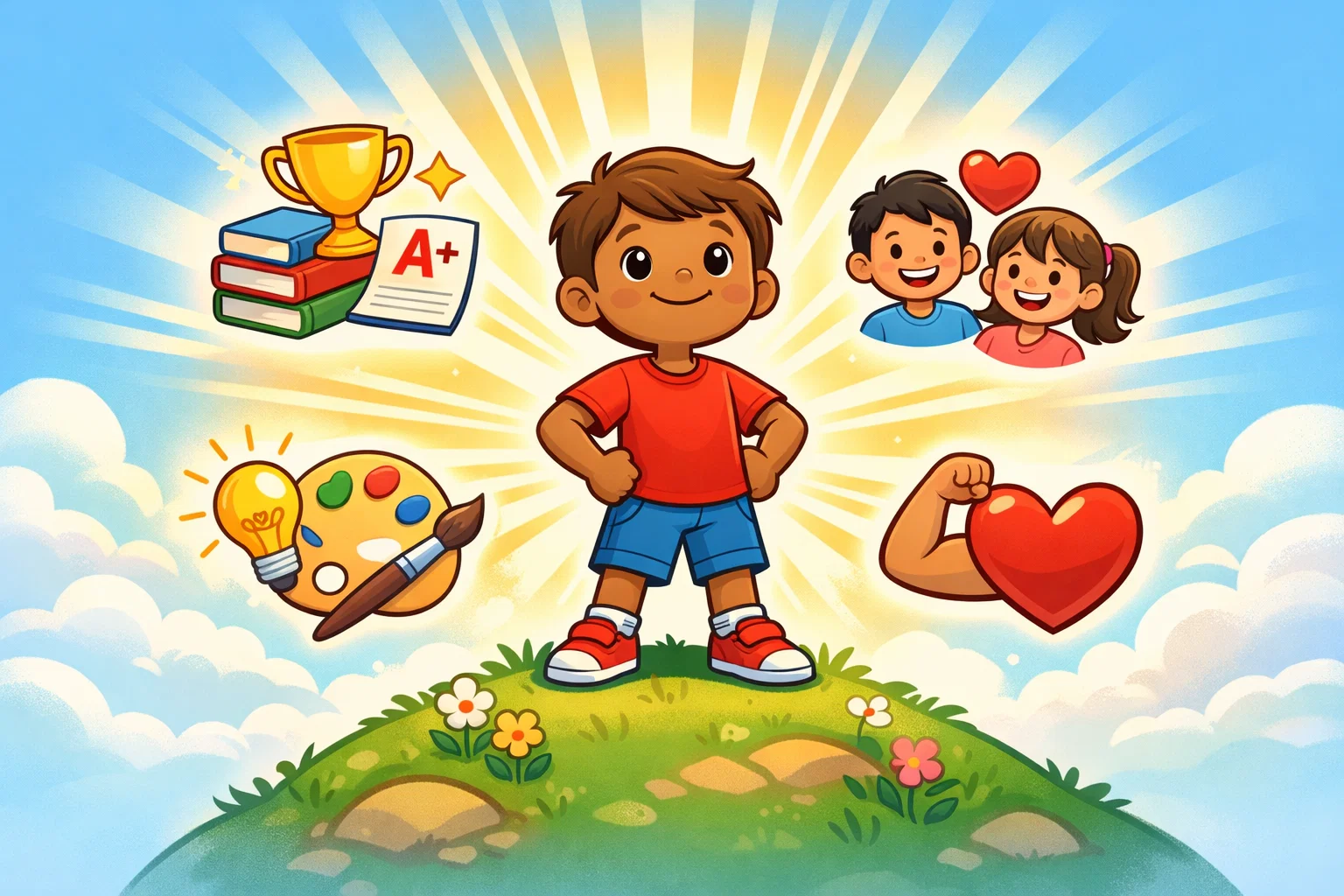
The importance of building children’s confidence cannot be overstated. According to the American Psychological Association, children with a healthy self-esteem are better equipped to handle stress, avoid peer pressure, and perform better academically. Furthermore, confidence in children is a protective factor against anxiety and depression. When we teach kids that they are capable and worthy, we are setting them up for a lifetime of mental well-being.
Tips for Parents and Educators
To truly help children build confidence, the environment around them must be supportive.
Recognize Effort and Progress
Instead of saying “You’re so smart,” try saying “I noticed how hard you worked on that math problem even when it got tricky.” Praising the process rather than the innate trait fosters a growth mindset and encourages greater self-esteem.
Create a Safe Space for Mistakes
Children learn most when they feel safe enough to fail. If a child makes a mistake, treat it as a “learning opportunity.” When adults model how to handle mistakes gracefully, children develop the resilience to try again.
Recommended Resources and Activities
To continue the journey of confidence building, consider the following tools:
- Books: The Girl Who Never Made Mistakes by Mark Pett and Gary Rubinstein, or Beautiful Oops! by Barney Saltzberg.
- Games: The Ungame (for communication) or Friends and Neighbors (for empathy).
- Professional Support: If a child consistently struggles with low self-esteem or social withdrawal, counseling activities with a professional can provide specialized strategies.