

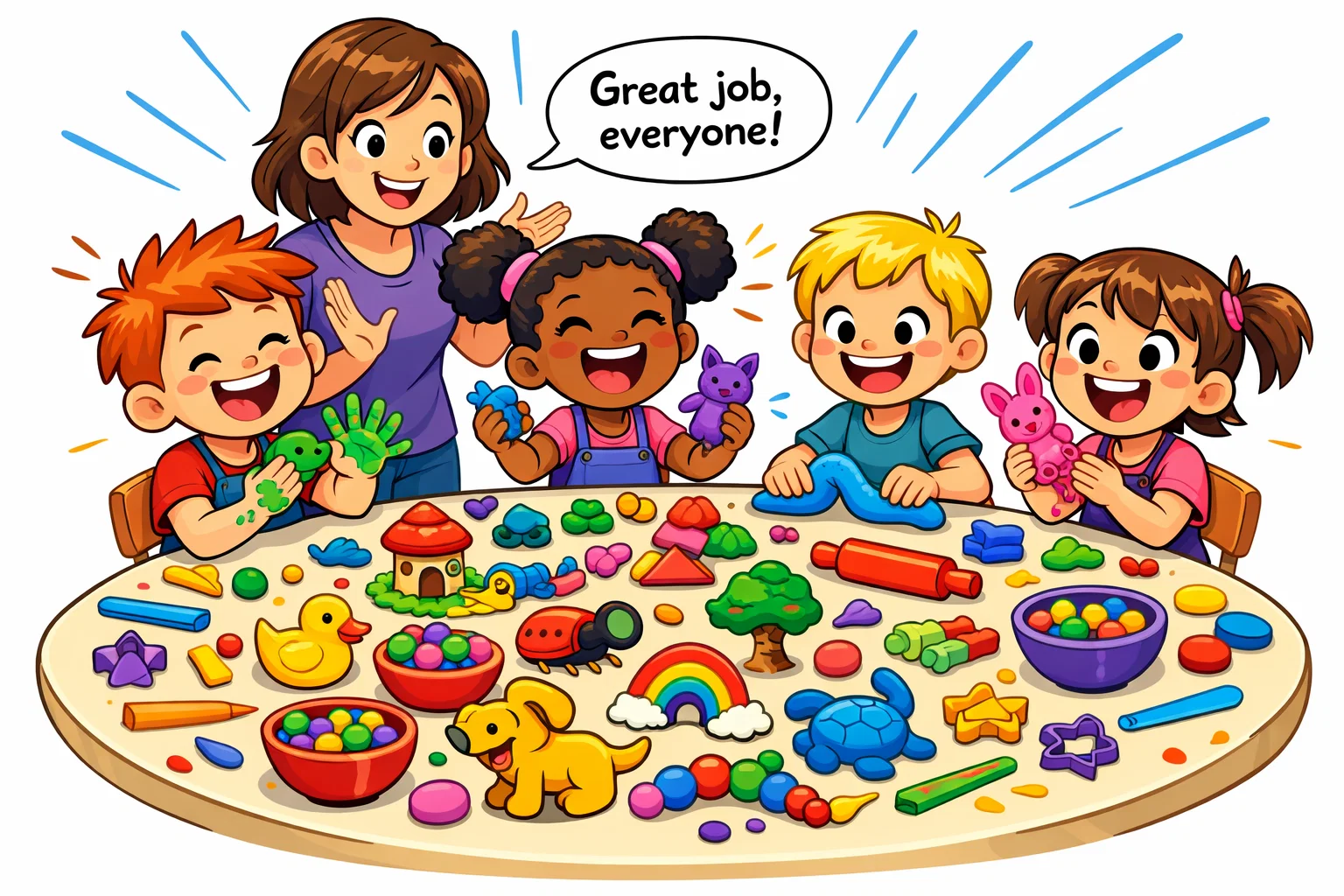
Working with this earthy material is a classic childhood experience that spans generations. Whether it is the natural scent of traditional ceramic earth or the convenient versatility of air dry clay, the tactile nature of this medium offers a unique sensory experience that digital screens simply cannot replicate. From a developmental perspective, modeling helps develop fine motor skills, hand-eye coordination, and spatial awareness. When children play with these supplies, they aren’t just making “stuff”; they are learning to manipulate 3D space, solve structural problems, and express emotions through a physical outlet.
Kids love the “squish factor,” but the benefits go far beyond simple fun. Sensory-rich activities like modelling can have a calming effect on the nervous system, making it an excellent choice for high-energy afternoons or as a therapeutic tool for children with sensory processing needs. Whether you are a parent looking for art projects at home or a teacher planning a lesson for the classroom, this guide will help you navigate the wonderful world of projects for kids.
Clay Activities Ideas for Kids
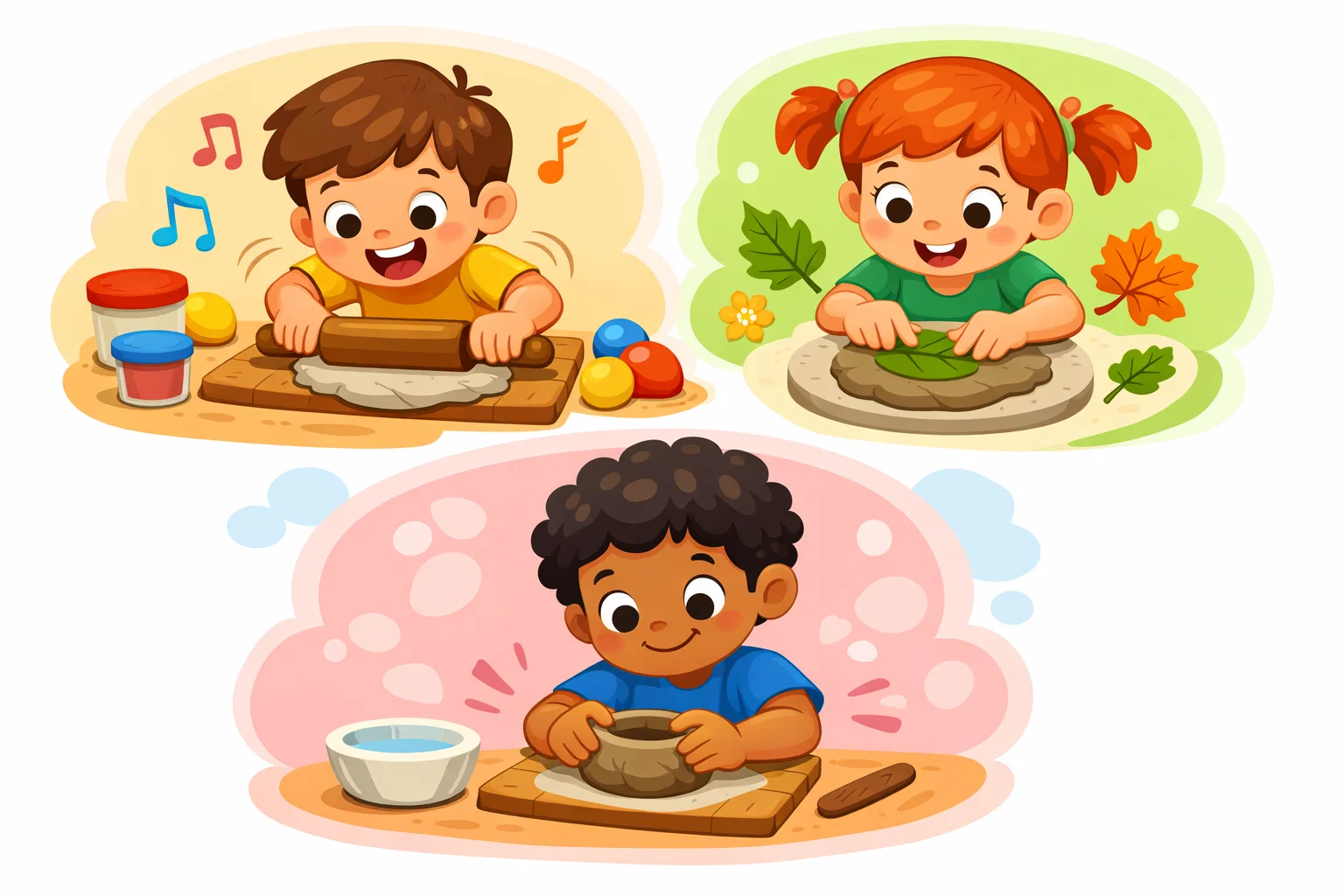
The beauty of working with the medium lies in its adaptability. Depending on the child’s age and interest, these activities can range from purely process-based sensory play to intricate crafts that become long-lasting keepsakes.
When looking for creative ideas, consider these four main categories:
- Sculptural Art: Creating 3D figures like animals, monsters, or people.
- Functional Items: Making a pot, bowl, or trinket dish that can actually be used.
- Nature & Impressions: Using textures to capture the world around them, such as leaf prints or fossils.
- Decorative Ornaments: Crafting beads, magnets, or Christmas tree ornaments.
Easy clay activities for beginners
For the youngest creators – toddlers and preschoolers – the goal is exploration. At this stage, super simple tasks are best. Start by teaching them how to roll the material into “snakes” or “eggs.” Beginner projects should focus on the pinch technique. Have them make a small ball of modeling dough and use their thumb to press a hole in the center. This super-easy-to-make “thumb pot” is the foundation of ceramic art and gives immediate satisfaction.
Clay activities for home play
To keep projects stress-free at home, preparation is key. Use a silicone mat or a piece of parchment paper to protect your dining table. Make this a dedicated “messy zone” activity. If you are using Crayola supplies, it is relatively low-mess, but having a damp cloth nearby for hands is always helpful.
Clay activities for classroom and groups
In a group setting, clay work is effective because it encourages “parallel play” where children observe and learn from each other’s techniques. Teachers often prefer white air drying material because it doesn’t require access to a kiln. To manage time, provide pre-portioned balls and a limited set of sculpting tools to avoid overwhelm.
Fun Clay Projects for Kids
If you are looking to get inspired, here is a curated list of hands-on tasks that strike the perfect balance between challenge and success.
Pinch pot clay projects
The pinch pot is a classic for a reason. Once a child masters the basic bowl, it can be turned into a creature.
- Monster Bowls: Add bulging eyes and teeth to the rim.
- Bird Nests: Place small hand-rolled eggs inside a shallow pinch pot.
- Hedgehogs: Pinch one side of a ball into a snout and use scissors to snip small “quills” into the back.
Coil clay projects
Coil building involves rolling long “snakes” and stacking them. This is especially fun for older kids who want to build height.
- Pencil Holders: Stack coils upward and smooth the inside for stability.
- Coil Hearts: Shape a single long rope into a heart outline for a window hanger.
- Beeswax Candle Holders: Create a thick base that can safely hold a birthday candle.
Texture and imprint clay projects
Textures make the medium feel magical. You can use almost anything to create a pattern.
- Lace Prints: Press old doilies into flat air-dry discs.
- Toy Tracks: Roll toy cars across a flat piece to see the tire treads.
- Shell Fossils: Use seashells to create deep imprints, then fill the marks with acrylic paint once dry.
Nature-inspired clay activities
Take the kids and adults outside to gather materials!
- Leaf Reliefs: Press a vein-heavy leaf (like maple or oak) into the surface.
- Fairy Houses: Use modeling dough to build small structures around sticks and stones found in the garden.
- Sun Catchers: Cut holes in shapes and hang them with twine and dried flowers.
Decorative clay crafts
Handmade items make wonderful gifts. Because many of these projects dry hard, they can be kept for years.
- Beads: Roll small spheres and poke a hole through the center with a toothpick. Once dry, they can be turned into necklaces.
- Alphabet Magnets: Use alphabet stamps or hand-form letters, then glue a magnet to the back.
- Trinket Dish: A shallow bowl decorated with acrylic paint is a perfect keepsake for jewelry.
Easy Clay Crafts for Kids
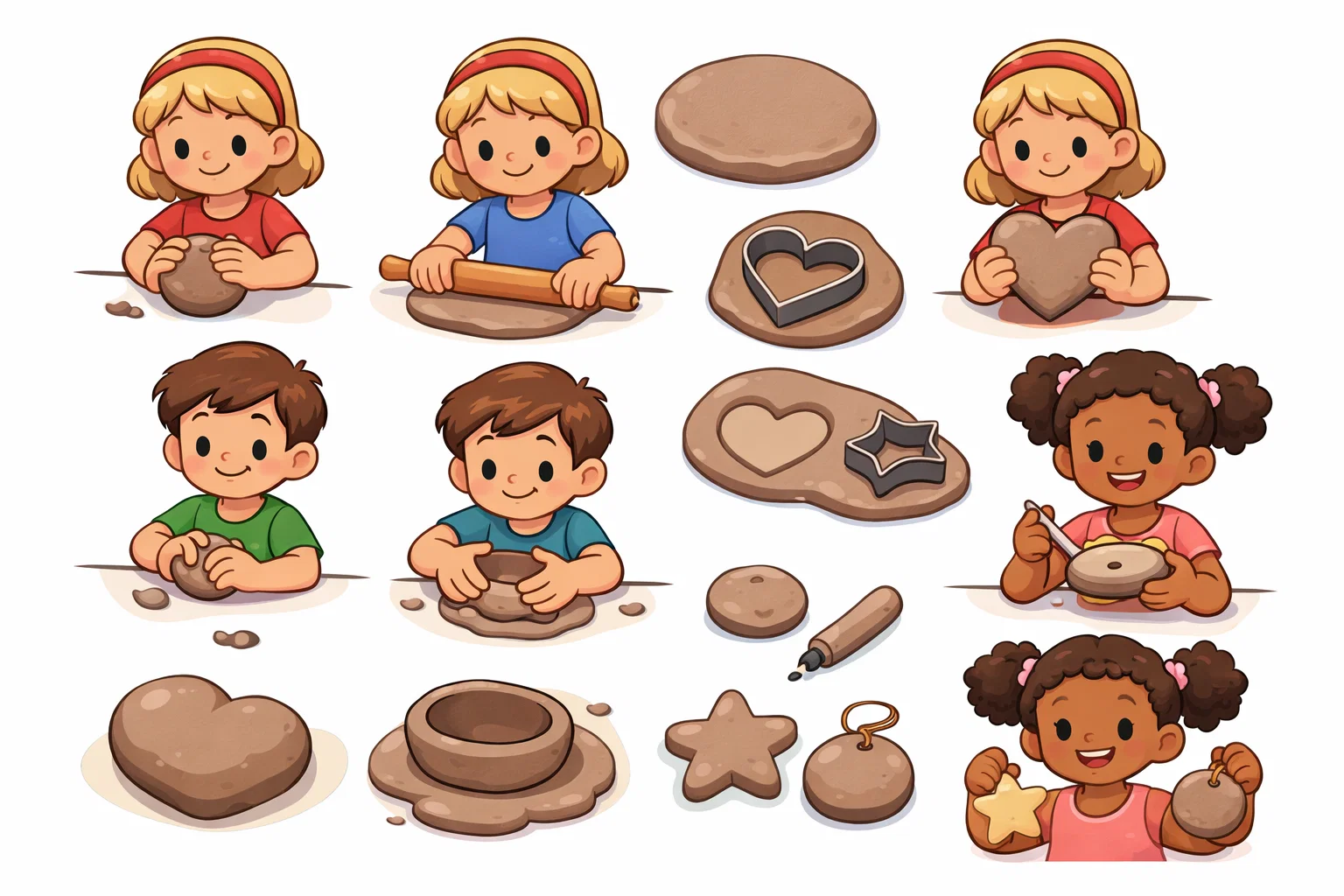
For those days when you need a quick and easy win, these craft ideas are foolproof.
No-bake clay crafts
Use air dry clay for the easiest experience. Unlike polymer, which requires an oven, or traditional variants, which require a kiln, no-bake projects simply need 24 to 48 hours to sit. To avoid cracks, ensure the piece isn’t too thin and avoid using too much water during the shaping phase.
Clay crafts with cookie cutters
This is the ultimate easy hack. Roll the dough flat (about 1/4 inch thick) and use holiday-themed cookie cutters. Kids will love making Christmas tree ornaments or stars. Don’t forget to poke a hole at the top before the piece is dry!
Small clay gifts and keepsakes
A handprint ornament is a classic project to make for grandparents. Learn how to make it by rolling a large circle of white air drying material, pressing the child’s hand firmly into it, and writing the date with a pointed tool.
| Project Type | Age Suitability | Mess Level | Drying Time |
| Pinch Pots | 3+ | Medium | 24-48 Hours |
| Cookie Cutter Shapes | 2+ | Low | 24 Hours |
| Coil Vases | 7+ | Medium | 48 Hours |
| Beads | 5+ | Low | 12-24 Hours |
Clay Materials and Tools for Kids
Choosing the right type of clay depends on your goals.
Best clay types for kids
- Air Dry: Best for crafts you want to keep. It’s soft and pliable and dries hard without heat. Popular brands like Crayola offer reliable results.
- Polymer: Great for older kids. It stays soft until baked in a home oven. Perfect for detailed beads or small figurines.
- Modeling Dough: This never dries out. It’s great for kids who want to build, smash, and rebuild.
Basic clay tools for beginners
You don’t need professional tools to create amazing art. Look in your kitchen:
- Rolling pins (or a smooth glass bottle).
- Plastic knives and forks for adding texture.
- Toothpicks for fine details.
- Straws to punch perfect circles for hanging ornaments.
Paints and finishes
Once the project is fully dry, you can decorate. Acrylic paint provides the best coverage and vibrant color. For a glossy look, you can seal the piece with a water-based varnish or even clear craft glue.
How to Make Clay Activities at Home
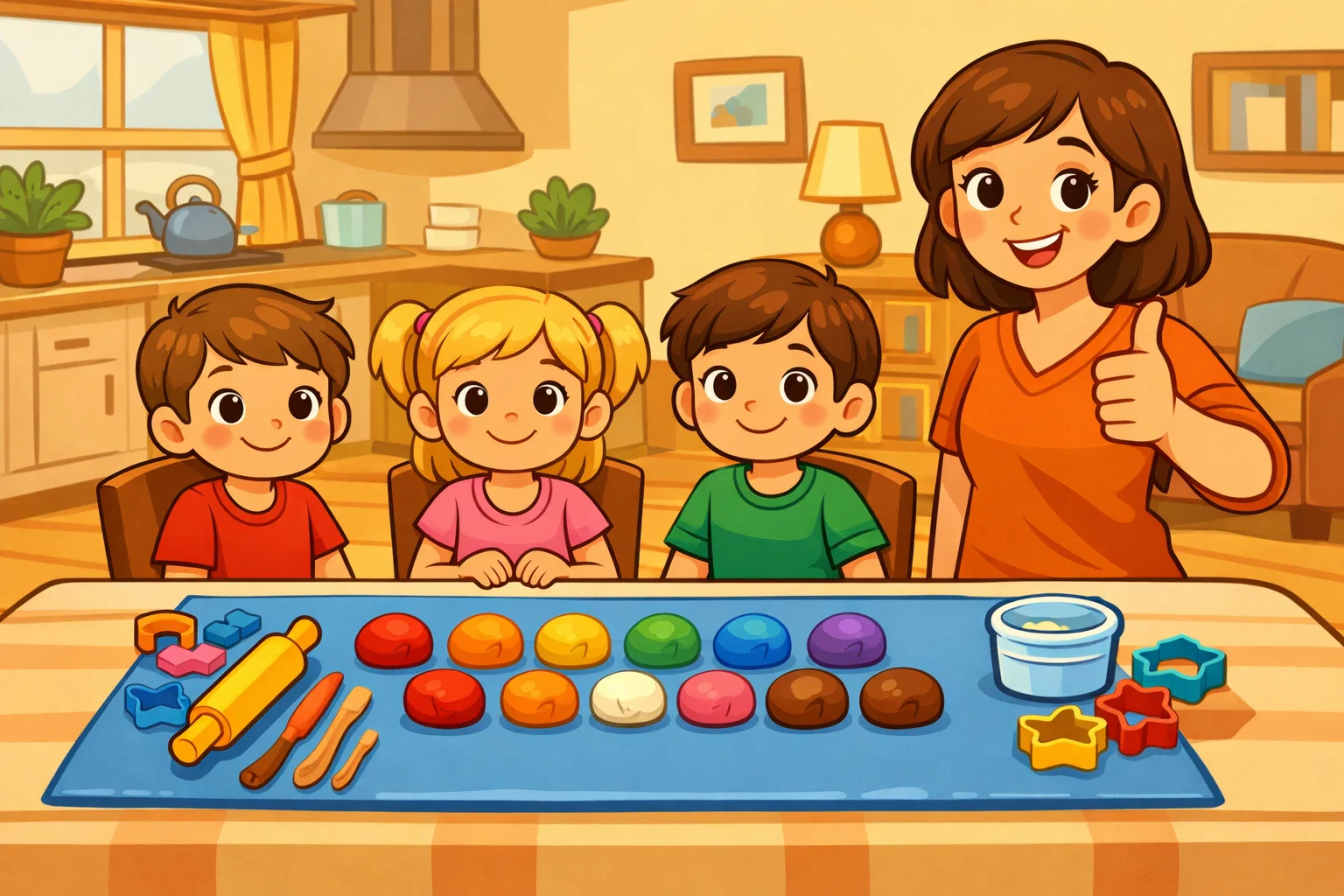
Start making memories by following these simple steps for a successful session.
- Setting up: Cover your surface. Sculpting is enjoyable, but residue can settle into table grooves.
- The Warm-up: Give the child a small piece of soft and pliable material just to “warm up” their hands.
- The Project: Follow a tutorial or let them explore creative ideas freely.
- Drying: Place finished air dry projects on a wire rack or parchment paper. Turn them occasionally so the bottom dries at the same rate as the top.
- Cleanup: Scrape up large bits first. Use a damp sponge for the rest. Pro tip: Don’t wash large amounts of residue down the sink drain!
Creative Clay Play for Kids
Beyond making objects, this medium is a fantastic vehicle for sensory play and storytelling.
- Pretend Play: Encourage kids to make food for dolls or tiny garden creatures.
- Small World Scenes: Use a tray to build a “Dinosaur World” where the kids can make the volcanoes and caves.
- Sensory Focus: For children who need a simple technique to de-stress, the repetitive motion of rolling beads or flattening the material can be very grounding.
Clay Activities Tips for Parents and Teachers
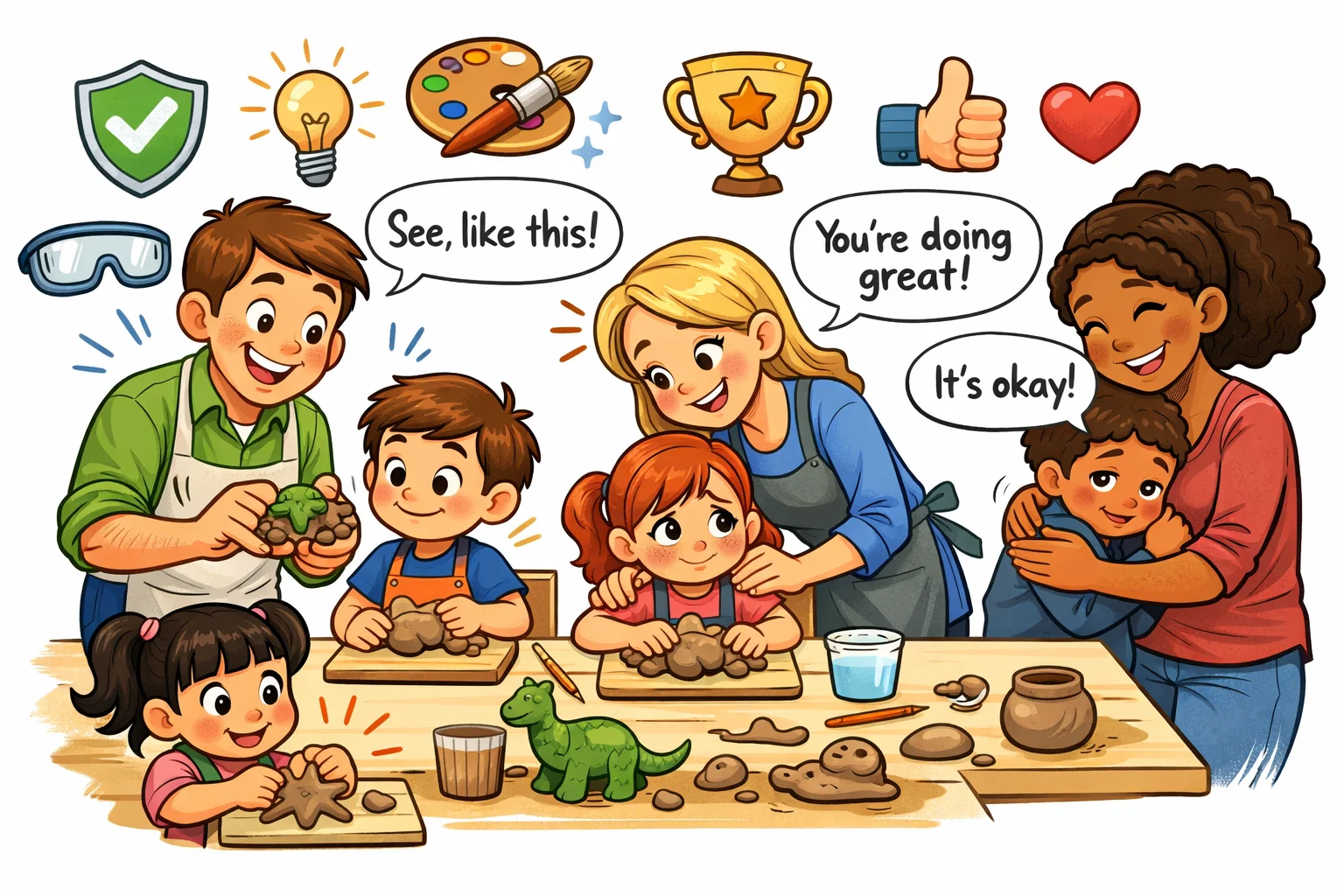
The creative process is often more important than the final product.
- Age Matters: Toddlers should focus on the sensory play aspect. Older children (8+) can handle the complexities of polymer or coil building.
- Safety First: Always use non-toxic materials and supervise younger children to ensure they do not put clay in their mouths.
- Pressure-Free Creativity: If a child’s vase falls over, don’t rush to fix it. Ask them, “How can we make the base stronger?” This builds problem-solving skills.
More Clay Activities for Kids
Looking for more? You can always adapt your projects to the season. Try glow in the dark paint on air dry ghosts for Halloween, or create flowers in the spring. These activities can also be adapted for educational purposes, like forming alphabet letters to practice spelling.
If air-dry clay has become a favorite, your next step could be exploring mixed media – try embedding “jewels” (plastic beads) or sticks into your next session to create a unique piece of art.