

Early childhood development requires environments that support emotional stability, cognitive focus, and healthy sensory processing. In households where digital media is part of the daily routine, selecting low-stimulation shows for toddlers becomes a deliberate parenting decision rather than a casual choice.
Carefully curated programming with slow pacing, soft color palettes, minimal sound effects, and predictable storytelling can contribute to emotional regulation and language development. Instead of overwhelming young viewers with rapid transitions and intense audiovisual input, gentle content provides structured, calming exposure aligned with pediatric media guidelines.
Benefits of Calming and Low-Stimulation Shows for Toddlers
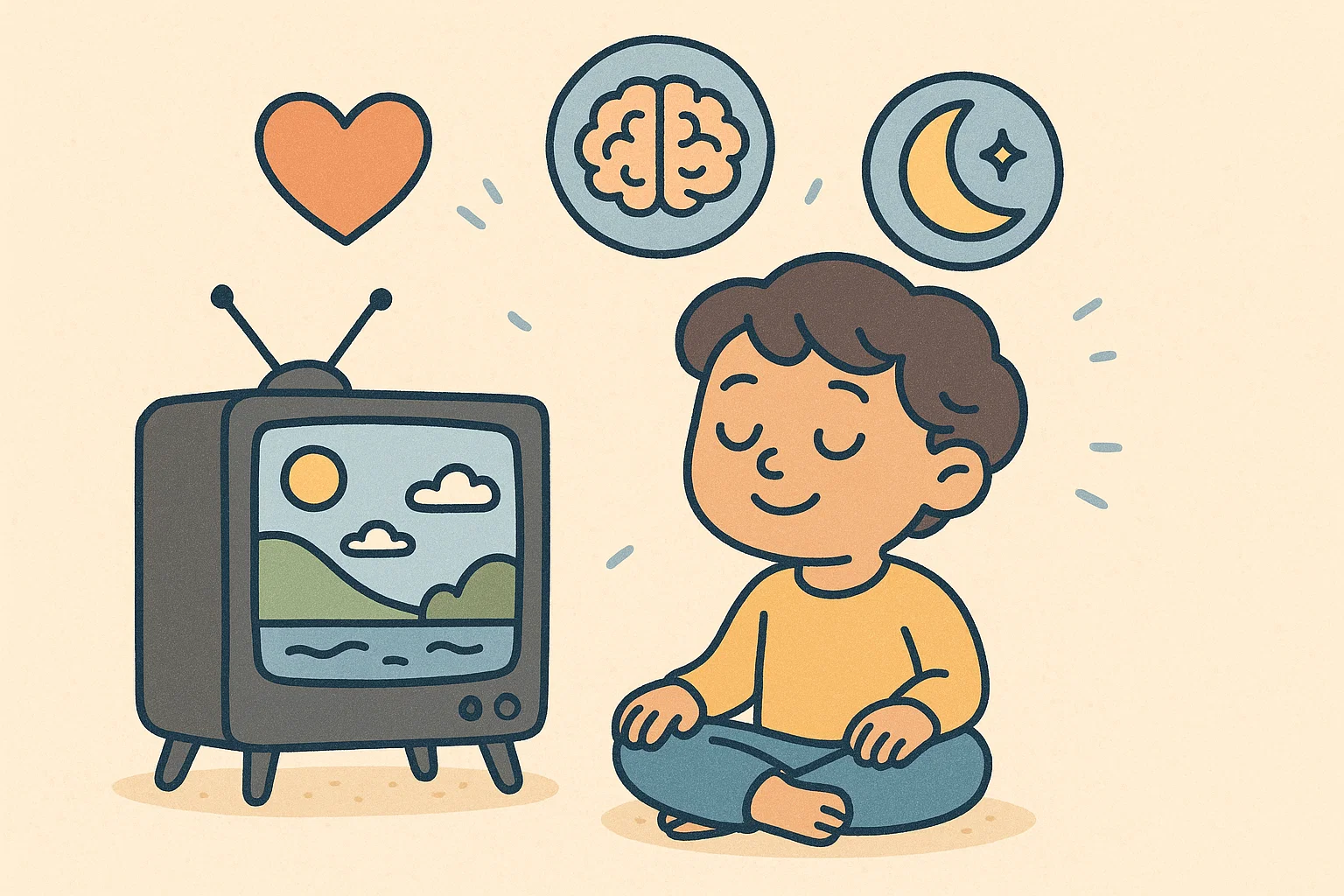
In the past decade, the landscape of kids TV has seen an increase in fast-paced programs with bright neon colors, sudden sound effects, and scene changes as quick as four seconds. While these elements are designed to capture a child’s attention, experts suggest this sensory overload can overstimulate developing brains, potentially affecting children’s attention spans, emotional self-regulation, and sleep quality.
Choosing low-stimulation shows provides a gentle alternative that supports healthy development. These programs help children:
- Support Emotional Regulation: Fast-paced shows can spike dopamine, making it hard for kids to “down-regulate” afterward, which may lead to fussiness or difficulty winding down. Calm shows, like the gentle adventures of Puffin Rock or Little Bear, offer a rhythmic, predictable environment that can help soothe children and support emotional processing.
- Enhance Focus and Attention: By reducing distractions like rapid cuts and loud music, low-stimulation content allows young viewers to focus more deeply on the story and dialogue, strengthening their concentration skills.
- Promote Imaginative Thinking: Simpler plots and soft visuals encourage children to use their own imagination to fill in the gaps, rather than being bombarded with constant action. This aligns with the value seen in classic gentle shows like Mister Rogers’ Neighborhood.
- Improve Sleep Quality: Watching overstimulated content close to bedtime can negatively affect a child’s ability to relax and fall asleep. Using a slow-paced and peaceful program as part of a wind-down routine can make the transition to sleep much easier.
Emotional Regulation and Routine
Calm media helps anchor a predictable daily schedule. For instance, a gentle pacing show can serve as a gentle ‘cool-down’ period after a physically active afternoon or a perfect prelude to a bedtime story. By choosing shows that model positive behavior and emotional intelligence, like Daniel Tiger’s Neighborhood, parents give their little one tools for self-regulation. The rhythmic and predictable nature supports a child’s need for consistency, which is crucial for emotional growth.
Learning Through Gentle Storytelling
In low-stimulation content, educational value isn’t sacrificed for the sake of speed. Instead, teach life lessons through unhurried narratives and wholesome themes. The soft visuals and clear narration help reinforce language development without overwhelming the senses. Simple explorations of the world, like those found in Tumble Leaf or Curious George, promote natural curiosity, empathy, and problem-solving in a digestible format.
Reducing Screen Stress
It’s important to remember that the quality of screen time matters more than the quantity. However, mindful limits are still essential for toddlers and preschoolers.
The American Academy of Pediatrics (AAP) and other major health organizations offer clear guidance:
- Under 18 Months: Limit to video chatting with family; avoid solo screen time.
- 18–24 Months: Introduce high-quality educational programming with a caregiver present to co-view and discuss the content.
- Ages 2–5 Years: Limit non-educational screen use to about one hour per day.
It’s not just about turning the TV on, but about making that time intentional. When you choose programs with a gentle pace, that limited TV time can be highly beneficial for learning and emotional development.
What Makes a TV Show Calming?
Not all animation is created equal. A genuinely low-stimulation program is meticulously designed to support a peaceful viewing experience. The goal is to soothe, not to excite.
Key criteria that define calming shows for kids:
| Feature | Low-Stimulation Content (Calm) | High-Stimulation Content (Excitable) |
| Pacing | Slow-paced, long scene cuts (7+ seconds), gentle transitions. | Fast-paced, rapid scene cuts (1–3 seconds), abrupt transitions. |
| Color Palette | Soft, muted earth tones and natural pastels. | Neon or overly saturated primary colors with jarring contrasts. |
| Audio | Soft narration, melodic or acoustic background music, minimal sound effects. | Loud, repetitive, fast-tempo music, frequent jarring sound cues. |
| Theme/Plot | Simple, predictable, focus on everyday experiences, friendship, and family. | Complex, action-heavy, quick-moving plots, high conflict, or constant urgency. |
| Overall Goal | To encourage focus, emotional regulation, and peaceful learning. | To instantly capture and hold attention through high sensory input. |
Visual and Audio Design
The aesthetics of a calming show are paramount. The use of soft colors and a deliberate slow pace in the animation minimizes sensory overload. For example, the detailed, natural backgrounds and muted colors of Puffin Rock or the classic look of Little Bear offer a visual respite.
In terms of audio, the lack of an overbearing or frantic background music track is crucial. A gentle, often British-accented, narration or soft, reassuring speaking style similar to Mister Rogers’, encourages listening and comprehension without causing sensory overload. These subtle design choices prevent the kind of sensory input that can leave a child wired or agitated after the screen time is over.
Story Themes and Emotional Tone
Calming programs prioritize social-emotional development and important life lessons. The stories are typically simple, focusing on common childhood events and feelings:
- Friendship and Kindness: Learning to navigate relationships, as seen in the heartfelt interactions in Bluey.
- Exploration and Curiosity: Gentle discoveries about the world, often through nature, similar to Tumble Leaf.
- Emotional Literacy: Explicitly teaching children how to name, understand, and manage their feelings, a trademark of Daniel Tiger.
These wholesome themes create a feel-good experience that supports a child’s emotional intelligence and prepares them to explore the world with confidence.
Platform Availability
Fortunately, parents can find high-quality low-stimulation content across all major streaming services. Look for these shows on:
- Netflix: Features original, calm animated series and nature-based animation.
- Disney+: Known for its highly popular and emotionally intelligent Bluey, as well as specialized mindfulness content.
- Amazon Prime: A host of classic series, like Little Bear, and highly regarded originals such as Tumble Leaf.
- PBS Kids: The home of educational classics like Sesame Street and modern successors like Daniel Tiger.
- YouTube Kids: Requires careful curation, but certain trusted channels offer curated, low-stimulation educational content.
Best Calming TV Shows for Kids
This is a handpicked selection of the most highly recommended, low-stimulation shows for toddlers and preschoolers, perfect for mindful screen time. These shows are loved by parents and kids alike for their gentle storytelling and positive impact.
Bluey (Disney+)
Target Age: Preschoolers (3+) | Tone: Witty, warm, and imaginative | Calming Factor: Short, contained episodes (7 minutes), realistic family dynamics, and a strong focus on empathy and emotional play.
This beloved Australian animated series follows a blue heeler puppy, a Blue Heeler puppy, and her family. Bluey is praised by experts for its depiction of healthy family relationships, emotional resilience, and the power of play. Each episode of Bluey is a mini-masterclass in social-emotional learning, demonstrating how parents can engage deeply with their little one to solve everyday social and emotional challenges.
Tumble Leaf (Amazon Prime)
Target Age: Toddlers and Preschoolers (2+) | Tone: Whimsical, creative, and gentle | Calming Factor: Slow pace in the stop-motion animation style, soft acoustic music, and a focus on nature-based exploration.
Tumble Leaf follows Fig the fox and his friend Stick, who live in a whimsical world. The animation style is distinct and soft, with a soothing soundtrack. Each segment sees Fig discovering a new object in the “Finding Place,” leading to playful learning about simple physics, science, and the concept of exploring the world, all delivered with gentle storytelling.
Daniel Tiger’s Neighborhood (PBS Kids)
Target Age: Toddlers and Preschoolers (2+) | Tone: Educational, musical, and emotionally direct | Calming Factor: Repetitive, simple musical strategies for emotional skills (the “trolley song”), and the spiritual successor to Mister Rogers’ Neighborhood.
This animated series is a foundation of preschool social-emotional learning. Daniel Tiger directly addresses common emotional struggles – like jealousy, frustration, and trying new things – using memorable, rhythmic jingles. The soft speaking style, clear educational content, and consistent format make it an excellent choice for regulating emotions and teaching kids life lessons.
Curious George (YouTube / PBS Kids)
Target Age: Preschoolers (3+) | Tone: Inquisitive, friendly, and classic | Calming Factor: Simple animation, clear and steady narration by the Man with the Yellow Hat, and a focus on gentle exploration and science concepts.
Based on the classic book series, Curious George follows the mischievous but friendly monkey. The show’s gentle structure and focus on a single question or experiment per episode help the little one learn without sensory overload. The calm narration ensures the plot remains easy to follow and the overall experience is a classic, wholesome one.
Trash Truck (Netflix)
Target Age: Toddlers and Preschoolers (2+) | Tone: Sweet, imaginative, and unhurried | Calming Factor: Slow rhythm, natural backgrounds, muted colors, and themes centered on friendship and everyday wonder.
This sweet show follows six-year-old Hank and his best friend, a giant, living garbage truck. Trash Truck uses beautiful, yet simple, 3D animation to tell stories that are focused on gentle adventures and social-emotional learning. The pacing is exceptionally calm, making it a surprisingly effective way to soothe a restless child.
Little Bear (Prime Video / YouTube)
Target Age: Toddlers and Preschoolers (2+) | Tone: Cozy, quiet, and nostalgic | Calming Factor: Very slow pace, watercolor-style visuals, minimalist animation, and a focuses on family life and the quiet joys of childhood.
Based on the children’s book series by Else Holmelund Minarik and illustrated by Maurice Sendak, Little Bear is perhaps the quintessential low-stimulation program. The episodes focus on everyday experiences in the life of a little bear and his forest friends. Its extremely gentle storytelling and soft, muted color palette make it an ideal choice for a quiet wind-down.
Puffin Rock (Netflix)
Target Age: Toddlers and Preschoolers (2+) | Tone: Educational, nature-focused, and tender | Calming Factor: Soothing Irish narration by Chris O’Dowd, beautiful nature imagery, and a very gentle, slow pace.
This exquisite animation show follows the gentle adventures of Oona the puffin and her baby brother, Baba on a small Irish island. Puffin Rock teaches children about nature, family, and the world around them. The animation style is minimalist, the backgrounds are soft, and the voice of the narrator is incredibly soothing, making it a clear choice for a calm viewing experience.
Sarah and Duck (CBeebies)
Target Age: Toddlers and Preschoolers (2+) | Tone: Whimsical, imaginative, and warm | Calming Factor: Distinctive soft colors, very slow plot progression, and a soothing British narrator.
Sarah and Duck focuses on the imaginative, quiet world of seven-year-old Sarah and her best friend, Duck. The stories are simple, focusing on small, delightful observations about daily life. Its dreamy pace and soft colors are designed to be calming and are perfect for young viewers who need a little break from the sensory chaos of the outside world.
| Comparison of Calming Shows | Pacing/Visuals | Key Life Lessons | Platform |
| Bluey | Fast-ish dialogue, but slow pace in emotional content; bright colors, but contained scenes. | Empathy, family, imaginative play, emotional intelligence. | Disney+ |
| Tumble Leaf | Very slow pace, stop-motion animation, muted tones. | Problem-solving, creativity, science, and gentle exploration. | Amazon Prime |
| Daniel Tiger | Slow, deliberate scene changes; soft colors. | Emotional regulation, kindness, and routine (via memorable songs). | PBS Kids |
| Puffin Rock | Very slow pace, minimalist nature animation, muted colors. | Nature, family, friendship, and exploration of the world. | Netflix |
Platforms and Streaming Options
Finding these high-quality, low-stimulation shows is simple on today’s streaming services, most of which have robust parental controls to help limit screen time and curate content.
Netflix Kids Profiles
Netflix provides dedicated Kids Profiles designed to filter content by age appropriateness. For low-stimulation content, select the youngest available age rating and manually add titles like Trash Truck and Puffin Rock to your child’s “My List.” This helps avoid the autoplay feature from moving to a more fast-paced or inappropriate show.
Disney+ Parental Controls
Disney+ is the exclusive home of Bluey and is generally very safe and ad-free. Their kids’ section is highly curated. You can use their Content Rating settings to restrict viewing to a specific age range (e.g., TV-Y), which naturally filters out much of the high-action, fast-paced content. Disney+ also offers Zenimation, a collection of relaxing video shorts set to ambient sounds from classic Disney shows and movies, making it a true mindfulness resource.
Amazon Prime Kids and PBS Kids
Amazon Prime hosts gems like Little Bear and Tumble Leaf. The Amazon FreeTime (or Kids+) service offers a subscription that curates content based on your child’s age, allowing you to select shows for kids with a strong educational focus. For classic, proven calming shows, PBS Kids offers a dedicated app and streaming channels, home to Daniel Tiger and Curious George, emphasizing educational content and gentle pacing.
YouTube Kids Playlists
YouTube Kids can be a treasure trove but requires the most parental vigilance. While you can find wonderful vintage content like original Mister Rogers’ Neighborhood episodes, auto-play can easily lead to overstimulating or low-quality content. The best practice is to:
- Use Approved Content Only: Manually select every show, avoiding the search function.
- Create Custom Playlists: Build a playlist of specific, trusted, slow pace videos (like Mister Rogers segments or curated short animation pieces) to prevent the auto-play loop from taking over.
Tips for Creating a Calm Viewing Routine
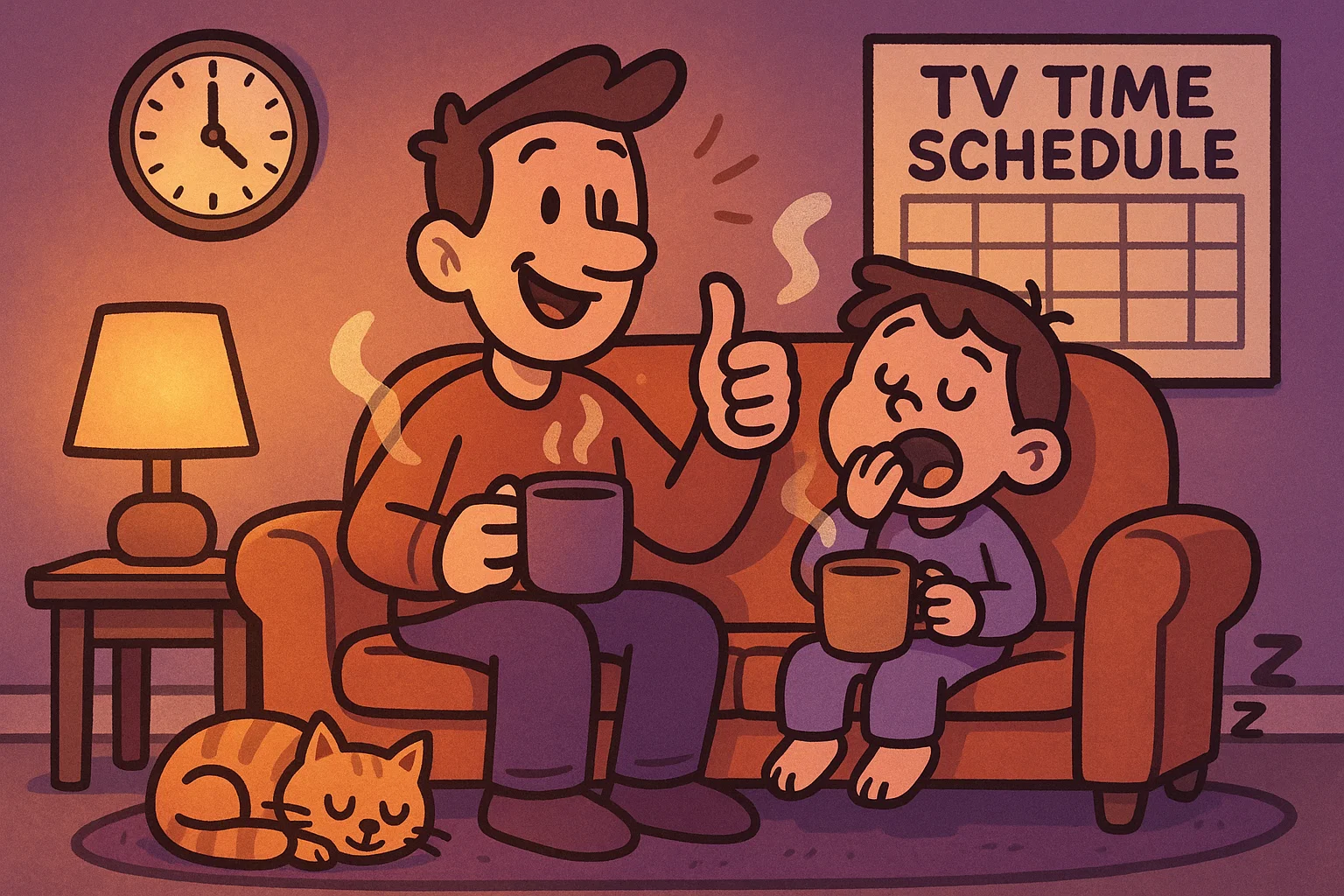
Integrating screen time mindfully into your daily life is the final, crucial step. It’s about using these low-stimulation shows as a bridge to other calm activities, not as a replacement for interaction.
Ideal Screen Time by Age
While every family is different, following pediatric guidelines provides a healthy framework for limiting screen time:
- Under 2 Years: Minimal, primarily video chatting with family. Focus on hands-on play and social interaction.
- 2–5 Years: Up to one hour per day of high-quality, educational content with an adult, focusing on shows with gentle pacing and positive messages.
- 5+ Years: Increased flexibility, but prioritize quality content and ensure screen time does not displace physical activity, sleep, or real-world interaction.
The goal is to provide a balanced “media diet” where time spent on screens is intentional and enriching.
Pairing with Quiet Activities
To enhance the calming effect, try pairing the viewing session with a quiet, parallel activity. For instance:
- Snack Time: Watch a peaceful episode of Little Bear while having a quiet, non-messy snack.
- Quiet Play: Encourage your little one to color, draw, or quietly build with blocks while the show plays. This creates a multi-sensory experience that is still calming but not passive.
- Discussion: During natural breaks, or after an episode of Daniel Tiger or Bluey, pause to ask a simple question like, “How did Bluey feel when she lost the game?” This turns viewing into an active social-emotional learning moment.
Building a Relaxing Evening Ritual
A low-stimulation show can be the perfect transition into a predictable evening ritual, aiding in emotional regulation before bed.
- The Wind-Down Begins: Start the evening routine (bath, brushing teeth).
- Quiet Time Viewing: Watch one short (7-15 minute) episode of a very slow-paced and peaceful show, like Puffin Rock or a Zenimation short, at least 30 minutes before lights out.
- Screen Off: Turn the screen off and immediately transition to a completely screen-free activity, like reading a children’s book together (The Book of Pooh is a gentle choice), or singing lullabies.
- Snuggle and Sleep: The calm viewing session helps the child’s body and mind relax, making the final steps of snuggling and falling asleep significantly smoother.
Alternatives to Screen Relaxation
While low-stimulation shows are helpful, they are best used in moderation alongside other, screen-free ways to soothe your child. These alternatives further support calm and emotional growth.
Breathing Exercises for Kids
Teaching a child simple mindful breathing techniques provides an internal tool for self-regulation that they can use anytime.
- “Flower Breath”: Have your little one pretend to smell a beautiful flower (deep inhale through the nose) and then gently blow out a candle (slow exhale through the mouth).
- “Little Bear Belly Breathing”: Lie down together and place a favorite soft toy, like a little bear, on their tummy. Have them watch the toy rise and fall as they take slow, deep breaths. This is a powerful, non-verbal way to achieve emotional regulation.
Gentle Music and Audiobooks
Ambient sound, soft music, or audiobooks can be highly effective in reducing stimulation without the visual input of a screen.
- Lullaby Playlists: Look for instrumental or classical music designed for sleep or focus.
- Nature Sounds: Gentle sounds of rain, waves, or forest ambiance can be very calming.
- Audio Story Time: Introduce an age-appropriate children’s book on a gentle, professionally narrated audiobook. This keeps narrative learning active without the visual demands.
Family Story Time
Nothing replaces the emotional connection and calm that comes from a parent reading to a child. Bedtime reading is perhaps the most essential part of emotional regulation and language development. Snuggling up with a classic book series or a favorite new picture book provides an unparalleled opportunity for connection, language exposure, and a peaceful transition into sleep. Sharing stories about friendship, life lessons, or just gentle adventures reinforces the positive messages about friendship and kindness found in the best shows and movies but with the benefit of direct parental interaction.
Choosing high-quality, low-stimulation shows is a mindful parenting decision that supports your child’s emotional health and attention span. By curating their tv shows and movies and balancing time watching with screen-free moments, you can cultivate a home environment that encourages calm, curiosity, and wholesome growth for your beloved little one.