

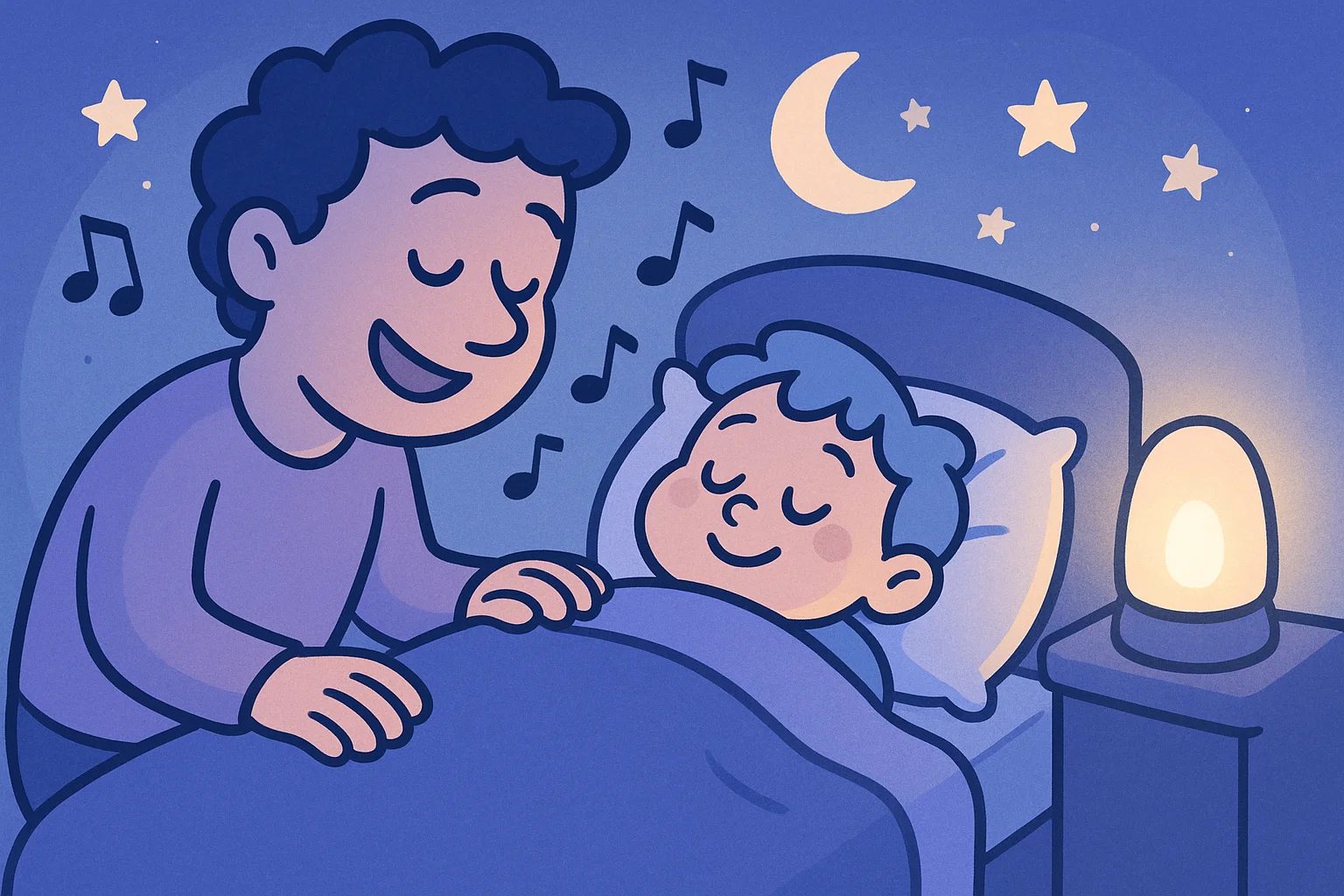
As a parent, you know the struggle: the energetic highs of the day often crash into a challenging bedtime, or a small upset can lead to a big emotional moment. This is where the power of music truly shines. Incorporating relaxing songs into your child’s daily routine is much more than a pleasant distraction; it’s a powerful tool for emotional regulation and tranquility.
From toddlers needing a moment of quiet to school-aged children coping with stress or anxiety, soothing songs and gentle melodies can act as an immediate anchor. When chosen intentionally, the right music can help children unwind, transition smoothly into sleep, and foster meaningful moments of connection between parent and child. This guide will walk you through the science, selection, and application of the best calming songs.
Benefits of Calming Songs for Children

The impact of gentle music on a young child’s developing brain is well-documented. It provides a non-verbal, comforting structure that the brain can easily process, leading to a host of cognitive and emotional benefits.
Effects on child’s mood and emotions
When your kid hears a slow, gentle rhythm, their body responds physiologically. Studies consistently suggest that listening to peaceful melodies can lower cortisol levels, the primary stress hormone. This reduction in physiological tension helps to stabilize your child’s mood, making them less prone to emotional outbursts and fostering a sense of emotional security. A comforting lullaby sung by a parent or played softly during quiet time provides a predictable structure, which is crucial for emotional growth.
Support for focus and learning
It may sound counter-intuitive, but background music can enhance concentration. Specifically, instrumental classical pieces or ambient soundscapes – often featuring the soft timbre of a piano – can improve focus. The predictable nature of a stable tempo and composition helps to “tune out” other distracting stimuli. Educators and parents often find that incorporating instrumental calming songs during homework or focused play can support cognitive development and attention span.
Helping kids with sleep and relaxation
The most common use of calming songs is, of course, for bedtime. A consistent bedtime routine that includes a few familiar lullabies or a slow, gentle piece serves as a powerful sleep cue. When the child’s brain registers the familiar sound, it triggers the relaxation response. This predictability not only helps your child fall asleep faster but also improves the quality of their sleep, a cornerstone of healthy development.
How to Choose Calming Songs for Kids
Not all music is created equal when it comes to relaxation. As a parent, knowing what elements make a song truly “calming” is the key to curating the perfect playlist.
Tempo, rhythm, and melody
The ideal tempo for relaxation is between 60 and 80 beats per minute (BPM), as this mirrors the average resting heart rate. Look for gentle rhythms and simple, flowing melodies. Instruments like the harp, acoustic guitar, or piano are generally more soothing than brass or percussion. Avoid music with sudden changes in volume or quick tempo shifts, which can be overstimulating.
Lyrics and message
While instrumental music is often best for sleep, lyrical songs can create strong emotional comfort and foster a bond. Choose songs with positive, comforting, and repetitive lyrics. A simple folk song or classic tune can feel like a warm hug, providing a feeling of safety and familiarity that helps to reduce stress.
Age-appropriate choices
| Age Group | Best Music Style | Example Songs (Themes) |
| Babies (0-1 yr) | Simple lullaby melodies, mother’s voice, white noise. | “Hush Little Baby,” “Twinkle, Twinkle, Little Star” |
| Toddlers (1-3 yrs) | Familiar songs, simple actions, gentle folk song versions. | “You Are My Sunshine,” slow nursery rhymes. |
| Preschoolers (3-5 yrs) | Classic Disney songs, simple instrumentals, positive themes. | “Somewhere Over the Rainbow,” gentle instrumental piano pieces. |
| School-Aged (6+ yrs) | Light classical music, ambient soundscapes, soft movie scores. | Massenet’s “Méditation,” The Beatles’ gentle tracks. |
Best Calming Songs for Kids Playlist

This list features 10 relaxing songs that are frequently recommended by child development specialists and music therapists for their soothing properties. They are the perfect starting point for your child’s bedtime routine or quiet time.
1. “Twinkle, Twinkle, Little Star” – classic soothing lullaby
This song’s simple, five-note range makes it easy to sing and listen to. Its universal appeal and quiet melody provide a fundamental feeling of security, making it a cornerstone lullaby.
2. “Somewhere Over the Rainbow” – Israel Kamakawiwo’ole version
Hawaiian musical arrangements are known for their tranquility. “Iz’s” gentle ukulele and soft vocals create a nostalgic, extremely calm sound, perfect for a beautiful, reflective moment before bed.
3. “Canon in D” – Johann Pachelbel
This famous classical piece from the Baroque period is highly effective for promoting calm focus. Its repetitive, layered structure is predictable and pleasing to the ear, allowing the mind to gently settle.
4. “What a Wonderful World” – Louis Armstrong
This popular song radiates optimism and warmth. Armstrong’s familiar, gravelly voice provides a comforting, grandfatherly presence, emphasizing the beautiful and positive aspects of life.
5. “Weightless” – Marconi Union
This composition was specifically created with the help of sound therapists and has been cited in studies as one of the most effective songs for reducing stress and anxiety, with some research suggesting it can lower anxiety levels by up to 65%.
6. “Brahms’ Lullaby (Lullaby and Good Night)”
This classic was written by Johannes Brahms and published in 1868. It is perhaps the most famous lullaby in history, and its gentle, slow rhythm is universally recognized as a signal for sleep and comfort.
7. “Clair de Lune” – Claude Debussy
A cornerstone of French classical music, this piece is a masterpiece of the Impressionist era. Its gentle piano work and floating melody create emotional balance, perfect for quiet contemplation.
8. “You Are My Sunshine” – gentle acoustic version
Choosing a stripped-down, acoustic version of this folk song emphasizes the emotional bond and comforting message of the lyrics, making it a favorite for parents to sing and connect with their young children.
9. “The Honey Tree” – Mostar Diving Club
This lesser-known track features very soft vocals and a cinematic, ambient sound that is both engaging and non-distracting. It’s a great choice for parents seeking an alternative to the usual lullaby album.
10. “A Million Dreams” – from The Greatest Showman
Selecting a slow, instrumental, or gentle version of this song highlights the inspirational melody. It offers a motivational message about dreaming big, which can boost a child’s confidence as they prepare for sleep.
Calming Songs for Special Needs and Sensitive Children

Sensitive children or those with neurodiversity (like Autism or ADHD) can be highly reactive to sound. For these children, the right musical composition is even more important for emotional regulation.
Soothing soundscapes for hypersensitive children
For children who are easily overstimulated, consider low-frequency, ambient sounds or nature recordings (like gentle rain or distant ocean waves). Minimalist classical music or drone pieces with minimal lyrical content and a constant, stable sound can prevent sensory overload and help them remain calm.
Using music for emotional regulation
The right song can become a powerful tool for emotional regulation. For example, during a meltdown or transition (like leaving the park), playing a specific, pre-agreed-upon calm piece can signal a shift. Over time, the child learns to associate that particular melody with the need to de-escalate and reduce stress.
Music therapy ideas from professionals
Certified music therapists often use tailored playlists to address specific emotional needs. A key takeaway is the concept of “isomorphism,” where the music initially matches the child’s agitated state (fast tempo) and then gradually slows down, guiding them toward a calmer emotional state. Parents can adapt this at home by starting with a slightly faster song and moving to a slow lullaby.
Tips for Creating a Relaxing Music Routine
Consistency is paramount when leveraging music to help your child relax and sleep well.
Setting the right environment
The music should be a signal for quiet. Use dim lighting, remove distracting toys, and ensure comfortable seating. The music should be played at a low volume – soft enough to be felt rather than heard forcefully. This sets the stage for a truly peaceful moment.
Mixing live and recorded music
While curated playlists are convenient, never underestimate the power of your own voice. Encourage soft singing, even if it’s just a simple folk tune or a classic lullaby. The vibration of a parent’s voice is profoundly comforting and strengthens the emotional bond.
Combining music with mindfulness
Pairing a calm song with a simple mindful activity enhances its relaxing effect. Suggest gentle stretching, deep “balloon breathing” (slowly in and out), or simply closing the eyes while listening. This helps the child connect the beautiful sound to an internal feeling of calm.
Free Calming Music Resources for Parents
Spotify and YouTube playlists for kids
Search for Spotify and YouTube playlists using terms like “relaxing songs for kids,” “bedtime classical music,” or “gentle instrumental lullaby.” Many trusted creators and organizations offer curated, ad-free playlists suitable for family listening.
Educational apps with soothing music
Apps designed for kids’ sleep and mindfulness, such as Calm, Headspace for Kids, or Moshi, often include exclusive soothing soundscapes and stories paired with calm melodies.
Downloadable lullabies and activity sheets
Many libraries and non-profit organizations offer free, downloadable folk song lyrics or parent guides that explain the history and key benefits of certain classic lullabies, encouraging you to sing along.