

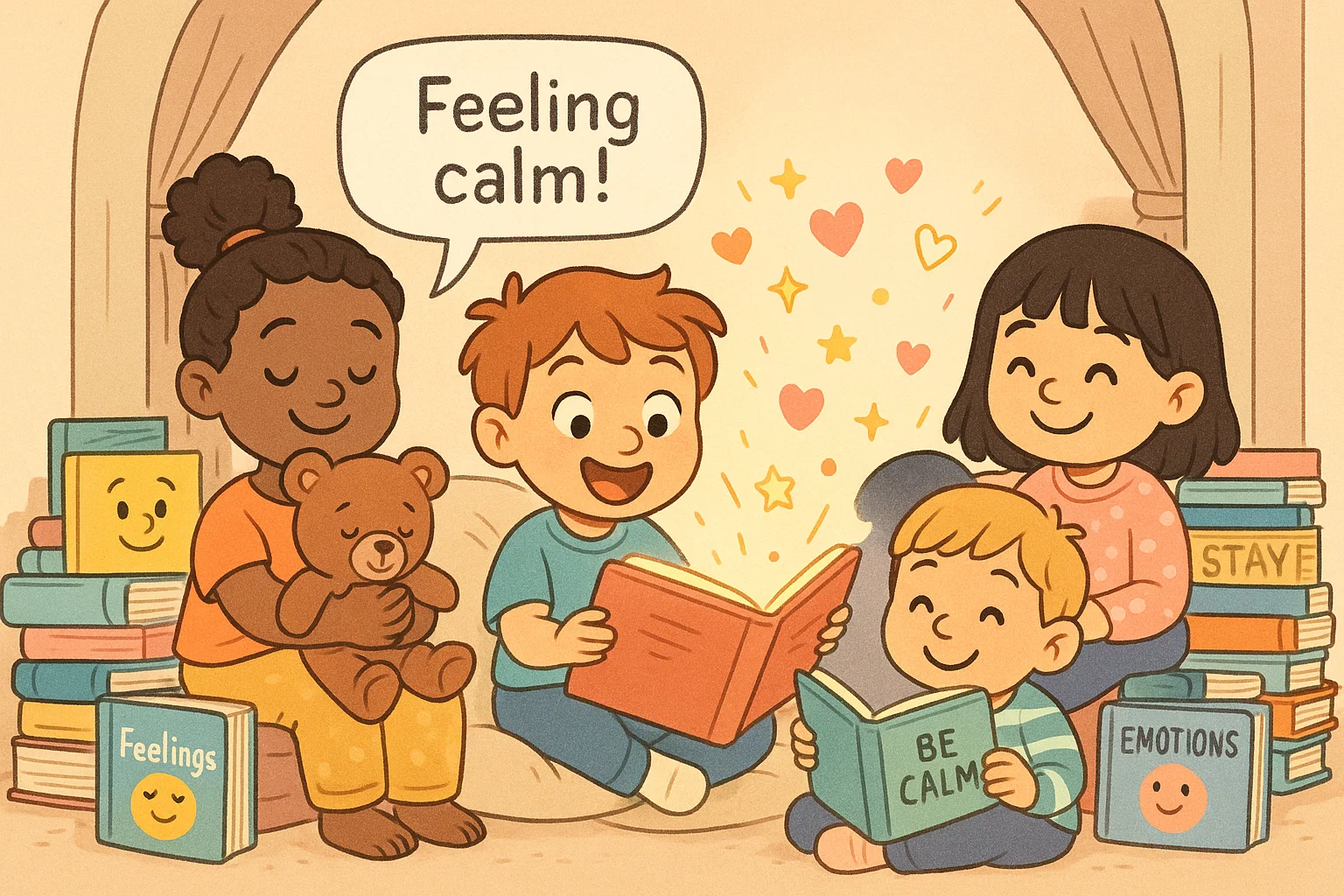
Every parent knows the challenge: the unexpected tantrum in the grocery aisle, the boundless high-energy that refuses to wind down at bedtime, or the quiet anxiety that clouds a seemingly normal day. These big emotions are a natural part of growing up, but they require a compassionate guide. This is where the power of the picture book comes into play.
Calming books for kids are more than just delightful stories – they’re powerful tools for nurturing emotional intelligence. By introducing concepts like mindfulness, deep breathing, and emotional self-awareness through beautifully illustrated narratives, these books give young readers the language and strategies to navigate their inner world. This comprehensive guide will help you find the best picture books and board books to foster a calmer, more resilient child, from toddlerhood through the school years. You’ll find expert recommendations, age-based lists, and practical tips for turning storytime into a powerful calming ritual.
Why Calming Books Matter for Kids
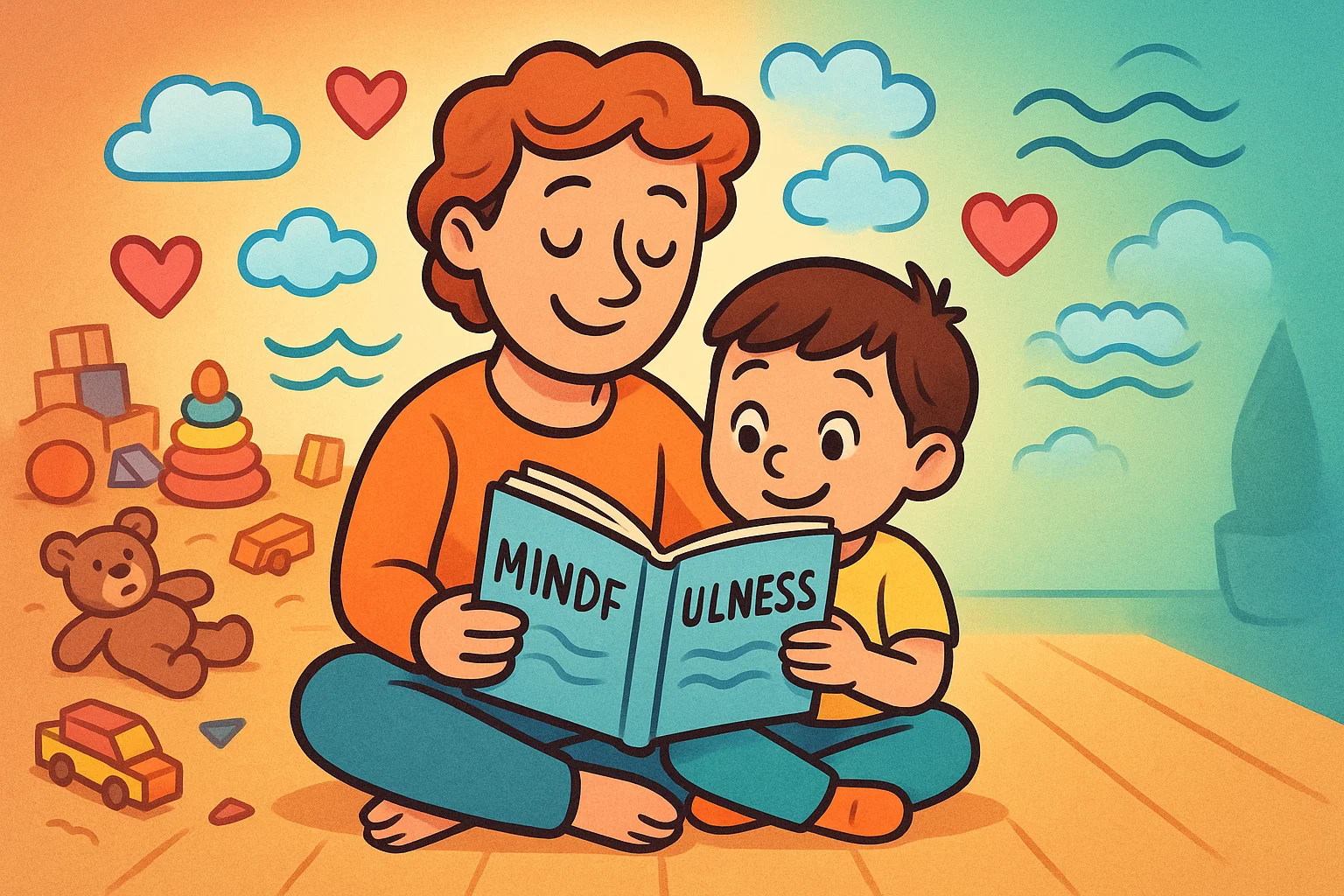
The early years are a critical window for developing self-regulation. Children, especially toddlers and preschoolers, don’t come with an instruction manual for managing frustration, fear, or anger. Calming books provide a structured, safe, and engaging way to teach these essential life skills.
Benefits of Reading Calming Books
Integrating mindful reading into your child’s routine offers a cascade of developmental benefits:
- Emotional Growth: Stories help children recognize their own emotions and those of others, laying the groundwork for empathy and emotional literacy. They learn that all feelings are okay, but not all behaviors are.
- Improved Sleep: A soothing bedtime story acts as a gentle transition. Rhythmic text and peaceful illustrations help calm the child’s nervous system, making it easier to fall asleep.
- Reduced Anxiety and Stress: Simple techniques like mindful breathing, often presented as playful, kid-friendly exercises, become go-to coping skills when children face overwhelming situations or feelings of anxiety. Studies, such as those conducted by researchers at Stanford, have shown that mindfulness training can lead to significant decreases in anxiety in elementary-aged students.
- Enhanced Focus and Attention: The act of settling down to a book and focusing on the story and the bright illustrations strengthens attention spans, providing a peaceful anchor during a busy day.
- Cultivating Kindness: Many mindfulness books weave in themes of compassion, teaching children kindness towards themselves and their peers.
How Calming Stories Affect the Brain
Neuroscience research on storytelling highlights its profound impact on a child’s brain. When children engage with a narrative, multiple brain regions are activated, including those involved in emotional processing and cognitive organization.
- Amygdala Regulation: The amygdala is the brain’s “alarm system.” When a child is upset or having a tantrum, the amygdala is in overdrive. Reading a calming story, especially one with a gentle, predictable rhyme or rhythm, can help soothe the amygdala. A study involving sixth graders taught mindfulness techniques found that their amygdalas became less reactive to fearful stimuli.
- Prefrontal Cortex Activation: Stories that encourage a character to pause, breathe, and think help activate the prefrontal cortex – the part of the brain responsible for executive functions, decision-making, and emotional regulation. This engagement helps children shift from a reactive state to a more thoughtful and regulated one.
- Affect Labeling: When a character names their strong feelings (e.g., “I feel angry” or “I feel jumpy”), the child begins to connect a label to their own internal experience. This technique, known as affect labeling, has been shown to decrease emotional intensity and support self-regulation.
When to Introduce Mindfulness Books
The best time to introduce these concepts is before a crisis occurs. Mindful practices are preventative, not just reactive.
| Age Range | Goal of the Book | Key Features to Look For |
| Toddlers (Ages 1–3) | Simple emotion recognition & calming actions | Board book format, sensory elements, high-contrast, few words, soothing rhythm. |
| Preschoolers (Ages 3–5) | Emotional vocabulary & simple breathing exercises | Colorful art, narrative plots, easy to understand exercises, themes of kindness. |
| Early Readers (Ages 5+) | Advanced coping strategies & empathy | Relatable scenarios (school stress), discussion questions, longer narratives, independent reading titles. |
Start introducing a simple board book with calming concepts to your toddler around 18 months. Make it a regular part of your bedtime ritual to create a consistent routine.
Best Calming Books for Toddlers (Ages 1–3)
For your little one, you want interactive books with a tactile feel, repetitive text, and concepts that are ultra-simple to grasp. These are often the foundation of a mindful home library.
Little Monkey Calms Down
This is a wonderful introduction to mindfulness for a toddler. The book summarizes the little monkey’s journey through a big emotion – a fit of frustration – and then shows the simple, concrete steps he takes to find his calm again. Its sturdy board book format and repetitive structure make it a favorite book for learning a new skill: calmer behavior.
Calm with The Very Hungry Caterpillar (Inspired by Eric Carle)
While not a traditional mindfulness book, an extension of the work of the great Eric Carle provides a delightful sensory experience. The bright illustrations and rhythmic text create a soothing sense of repetition, perfect for helping a toddler wind down. The simple, cyclical nature of the story helps to subtly slow the pace of a busy day and model a gentle transition toward rest.
Sleepy Little Yoga
Combining a calming read-aloud with gentle movements, this book introduces simplified yoga poses that are accessible even to the youngest children. It’s a wonderful tool to help parents and children connect their bodies and minds before sleep. The movements, paired with a soft rhyme, provide a gentle physical outlet for any remaining jumpy energy, making it an ideal part of the goodnight routine.
Best Calming Books for Preschoolers (Ages 3–5)
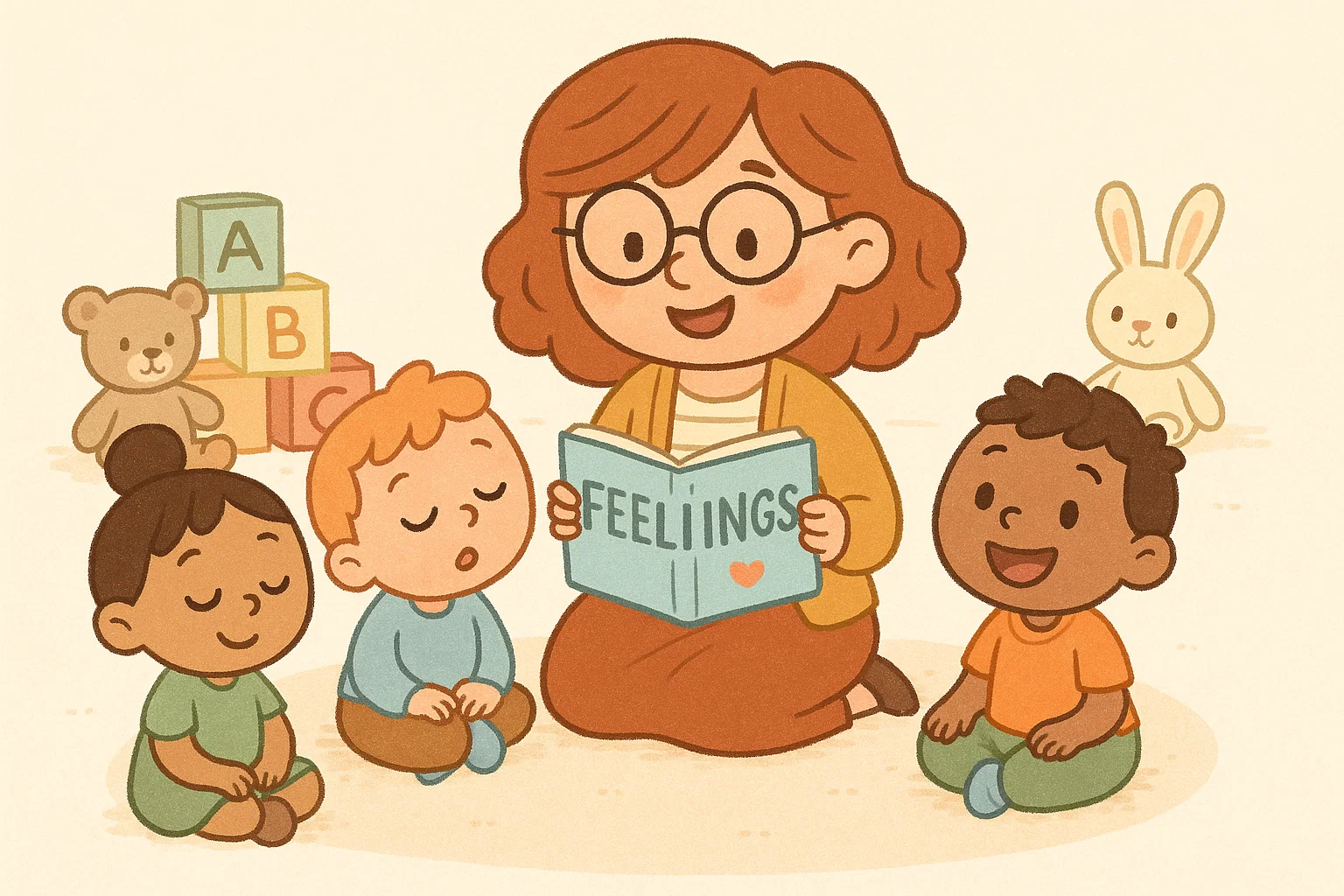
Preschoolers are developing a richer emotional vocabulary. These books help them to match their feelings with names and explore simple, actionable exercises to help them self-regulate.
In My Heart: A Book of Feelings
This beautifully illustrated book uses simple, powerful analogies to describe big emotions – joy is a yellow balloon, sadness is a blue raincloud. Its colorful art and accessible, lyrical text provide an excellent foundation for emotional literacy. It’s an opportunity to talk about what different emotions feel like in the body, helping preschoolers recognize their own feelings.
I Am Peace: A Book of Mindfulness
Written by Susan Verde and illustrated by Peter H. Reynolds, this bestselling book is a lyrical, an easy-to-understand introduction to the concept of mindful living. It highlights the importance of simply noticing the world around you and coming back to your breath. It encourages the child to find a peaceful place within themselves, using simple lines and soft colors in its illustration to reinforce the feeling of calm.
Charlotte and the Quiet Place
This story resonates with any high-energy child. Charlotte is a busy, noisy girl who struggles to find stillness until she discovers a quiet place where she can simply sit, listen, and practice deep breathing. The book is an excellent resource for teaching children that the quiet place can be found both outside and inside themselves. It models an effective coping skill for managing overwhelm.
Calming Books for Early Readers (Ages 5+)
As children mature, the emotional challenges become more complex, often revolving around peer relationships, school, and performance. These titles provide more complex narratives and more explicit instruction on mindful practices.
The Lemonade Hurricane: A Story of Mindfulness and Meditation
This book is a fantastic example of a narrative that simplifies complex concepts. Henry is a calm, focused older brother, and his sister, Emma, is a “lemonade hurricane” of energy. The story, told from Henry’s perspective, demonstrates how he teaches Emma simple mindful breathing and meditation to help her navigate her strong feelings. It’s a great interactive book because it invites older kids to try the exercises alongside the characters.
Stop! Breathe! and Think!
This title focuses on the critical skill of pausing before reacting – a cornerstone of emotional self-regulation. It provides interactive exercises and scenarios that help kids handle frustration or anger. The illustrator has designed clear, sequential steps for recognizing the “stop” signal, taking a breath, and then choosing a thoughtful response. It’s an important tool to help them navigate conflicts.
The Kids’ Guide to Staying Awesome and in Control
This guide offers more than just a story; it’s packed with fun activities that build self-regulation and sensory awareness. It uses bright, accessible language to talk about different “zones” of emotion, from “blue” (sad/tired) to “red” (angry/out of control). It’s an effective book to teach children how to be aware of their body’s signals and use strategies to move back into the “green” (calm/focused) zone.
Mindfulness and Yoga Books for Family Reading

Mindfulness isn’t just a solo activity; it’s a way for the whole family to connect and relieve stress together. Shared reading provides an opportunity to talk about emotions in a safe, shared space.
Meddy Teddy: A Primer for Little Yogis
Meddy Teddy is a stuffed bear who does yoga poses, and this book shows children how to follow along. It creates a playful atmosphere where yoga poses and stories are woven together. The simple, accessible movements help children physically release tension, and the shared activity promotes a beautiful sense of kindness and bonding between parent and child.
ABC Mindful Me: ABCs for a Happy, Healthy Mind & Body
Using the familiar alphabet structure, this book introduces a new, positive affirmation or mindful concept with each letter. It’s a wonderful book for children to learn new vocabulary – both emotional and physical. The reading experience is quick and playful, making it easy to incorporate into daily routines, not just bedtime stories.
Alphabreaths: The ABCs of Mindful Breathing
Another alphabet book, this one masterfully turns mindful breathing techniques into playful games. For example, “F is for Feather Breath” where you imagine blowing a feather gently. Each letter introduces a unique breathing technique, encouraging kids to experiment and find a peaceful place using nothing more than their own breath. It’s an easy-to-understand guide that parents will also find helpful for their own calm moments.
Bedtime Stories to Help Kids Relax
The goal of a bedtime story is to gently guide a child from a state of activity to one of rest. The best books for this have a slow, rhythmic quality that mimics the process of winding down.
Sleep Like a Tiger
This whimsical and lyrical book addresses the common bedtime resistance by following a little girl who insists she is not sleepy. Her parents guide her by describing all the other animals – from bears to tiny mice – who are sleeping soundly. The rhythmic, repetitive text and soft illustration help soothe the child and gently lead them to accept goodnight.
Shhh! This Book is Sleeping
This delightful and utterly unique interactive book models calmness directly through its narrative structure. The reader is asked to be quiet and gentle so as not to wake the sleeping book. This narrative device instantly slows down the child’s body and voice, teaching them to handle the book with care and encouraging a quiet, still energy – the perfect state for falling asleep.
Bear Snores On
Karma Wilson’s bestselling tale is a classic for a reason. Its masterful use of rhyme and meter creates a rhythmic, lyrical reading experience that naturally slows the child’s heart rate. The comforting repetition and gentle sounds of the forest creatures gathering ensure that the child is feeling safe, warm, and secure – all crucial components for reducing stress before sleep.
Reading Emotions Through Stories
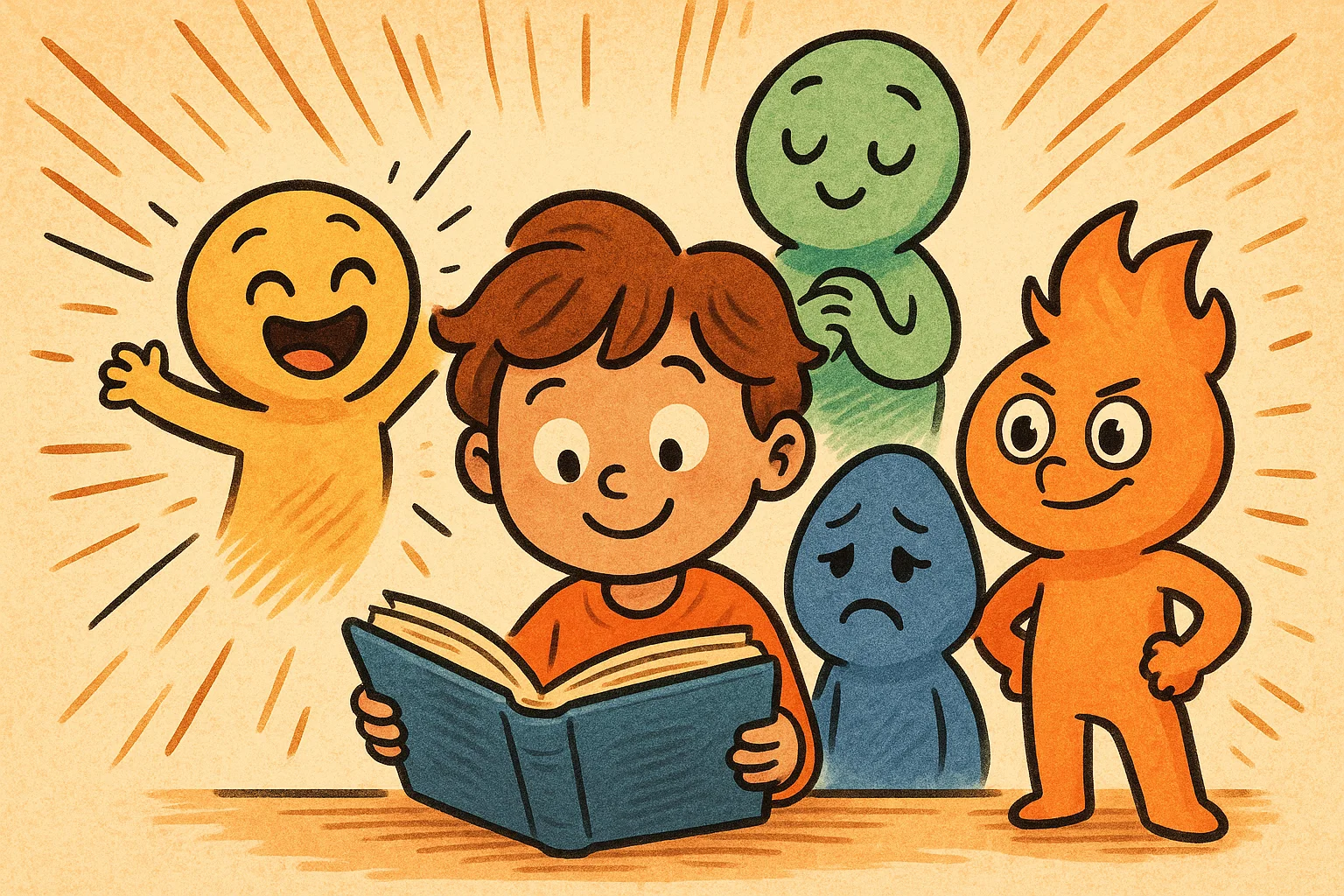
Children’s books are a powerful, non-threatening way to have difficult conversations. The characters act as emotional proxies, allowing a child to explore complex feelings from a safe distance.
Books that Teach Empathy and Kindness
Look for stories where characters have to put themselves in someone else’s shoes. For instance, narratives about sharing, apologizing, or helping a child’s friend navigate a hard day are excellent books that help build social awareness. They teach that kindness is an action, not just a feeling.
- The Rabbit Listened is a powerful story about the value of simply being present and listening when a friend is upset, teaching the essence of compassionate response.
- Stellaluna subtly introduces the idea of accepting differences and feeling comfortable in one’s own skin, fostering empathy for those who are “other.”
Stories About Resilience
Resilience – the ability to bounce back from challenges – is a key skill. Books that showcase perseverance and coping with challenges give children a blueprint for success. Look for stories where the main character faces a setback (losing a game, failing to illustrate something perfectly) but tries again.
How to Discuss Emotions After Reading
Storytime shouldn’t end when the last page is turned. The final step is to connect the story’s emotional lessons back to your child’s real life. Use these discussion questions as a creative way to foster dialogue:
- “How did [Character’s Name] look when they were angry? What do you feel like when you get angry?” (Connect story to self-awareness)
- “If you were [Character’s Name], what would you have done next?” (Encourage problem-solving)
- “What was one thing in the book that made you feel calm?” (Reinforce positive strategies)
- “That character learned a new skill: deep breathing. Let’s try it right now!” (Actionable takeaway)
How to Choose Calming Books for Your Child
Selecting the right book is essential for engagement and impact. Consider your child’s unique needs and personality.
Look for Soothing Illustrations and Rhythm
The visual experience is just as important as the text. Soothing illustrations – often featuring soft colors, rounded shapes, and gentle characters – promote a sense of calm and relaxation. The illustrator’s choices significantly impact the mood. Similarly, repetitive, lyrical text or a simple rhyme can act like a gentle lullaby for the busy mind, helping the child relieve stress. Avoid books with overly jumpy or chaotic visuals for bedtime.
Match Topics to Your Child’s Needs
A book about a tantrum may not be as helpful for an anxious child who needs a book about finding a peaceful place. Tailor your choices:
| Child’s Need | Focus Area | Example Book Focus |
| Frequent Tantrums | Anger/Frustration Self-regulation | Stories about taking a break or counting to ten. |
| Difficulty Fall Asleep | Routine/Relaxation | Rhythmic bedtime stories with slow progression. |
| Anxious Child | Worry/Fear | Mindful breathing and visualization techniques. |
| High-Energy | Focus/Stillness | Simple yoga poses or body-scan meditations. |
Create a Calming Reading Ritual
The act of reading should be a mindful experience in itself.
- Set the Mood: Dim the lights, use a soft lamp, or light a pretend candle.
- Use a Calming Voice: Lower your voice and slow your pace. This helps the child’s body language relax and mimics a gentle rhythm that helps them soothe.
- No Rushing: Allow time for your child to touch the pages and look at the bright illustrations without pressure. This time together is a cherished opportunity to talk about more than just the story.
Where to Buy or Listen to Calming Books
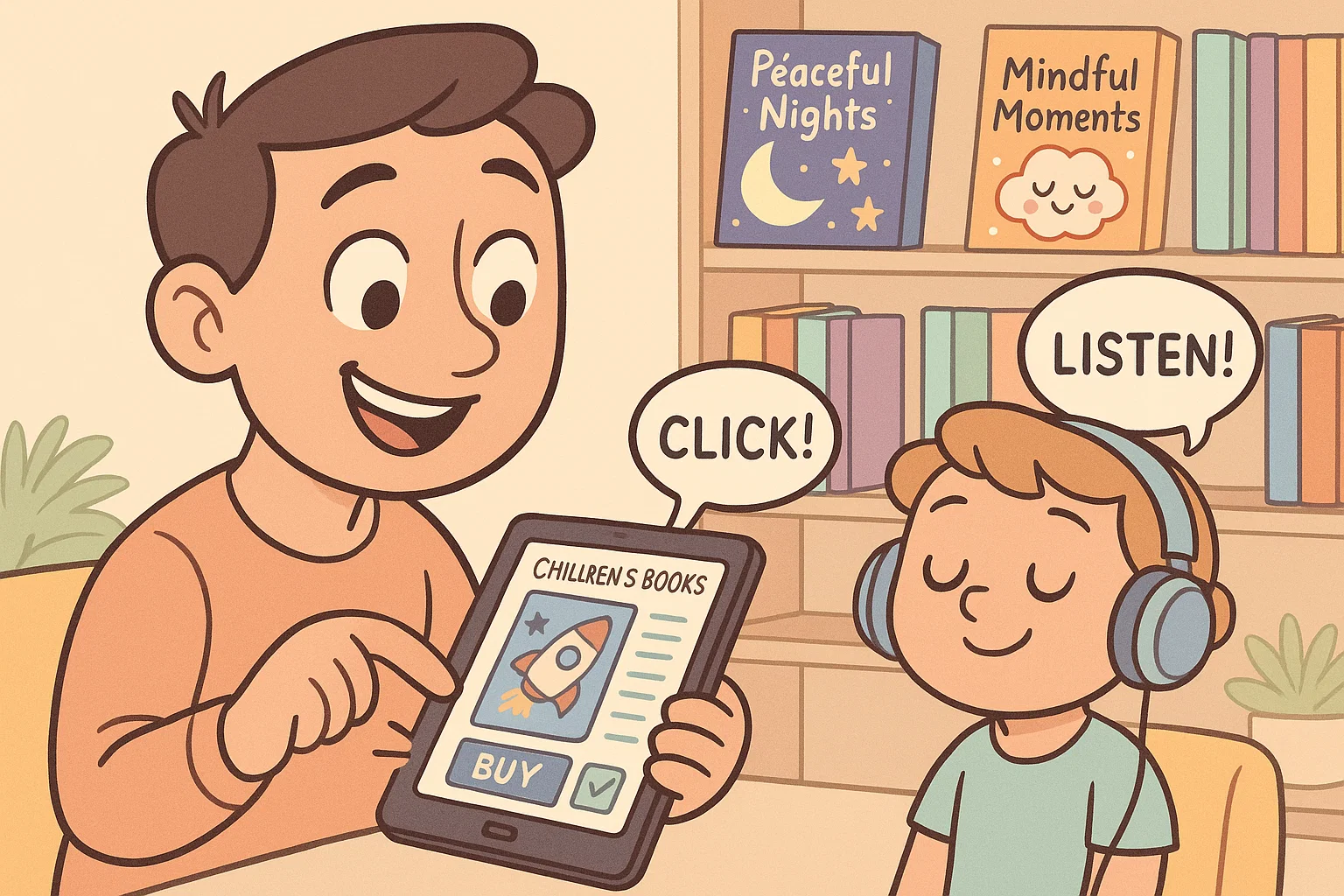
The goal is to build a high-quality, trusted library of resources for your child’s emotional health.
Local Bookstores and Libraries
Supporting your local bookstores and libraries is a mindful act in itself. Librarians are wonderful resources for finding the best picture books for specific emotional needs. Visiting the library also teaches children a valuable lesson about community and resource sharing.
Audiobooks and Read-Aloud Apps
For children who are easily overstimulated by visuals – or for moments when you need a quiet break – a softly narrated audiobook can be a wonderful resource. Look for read-aloud apps that specialize in mindful or sleep-inducing content, often featuring calming music and guided relaxation scripts.
Mindfulness Book Bundles and Sets
Curated mindfulness book bundles are a great way to jumpstart your home library. These sets, often put together by child development specialists, ensure that you have a range of age-appropriate titles that collectively address different emotional challenges, from toddler behavior to older kids’ worries.
Final Thoughts on Calming Books for Kids
The journey of raising a child who is emotionally intelligent, calmer, and compassionate is one of the most important we undertake. Calming books for children are foundational – they are the blueprints we give our kids’ hearts and minds. They offer a simple, shared path toward mindfulness, emotional literacy, and genuine inner peace. By making these mindfulness books a treasured part of your life, you are equipping your child with lifelong coping skills that will help them navigate the inevitable challenges of growing up with grace and resilience.
Building a Mindful Home Library
Remember to mix your calming books with other forms of creative expression. Combine your book of mindfulness with art books, music, and simple movement guides. A truly mindful home library is one that inspires both quiet reflection and joyful, expressive play.
Inspiring Calm Beyond Reading
The lessons learned in the books can – and should – extend beyond the page.
- Meditation: Start with just one minute of quiet sitting.
- Nature Walks: Practice “Mindful Listening” on a walk, focusing on just one sound at a time.
- Gratitude Journals: Encourage older kids to write down one thing they are grateful for before goodnight.
This shared act of reading and reflecting is one of the greatest gifts you can give your child. Tonight, choose one of these stories, slow your pace, and share the gift of calm with your little one.