

Choosing the right media for your children is about more than just filling a rainy afternoon; it is about selecting stories and tools that shape their understanding of the world around them. High-quality educational movies for kids can serve as a bridge between entertainment and meaningful learning. These films help children explore complex scientific concepts, historical milestones, and deep emotional landscapes through the power of visual storytelling and relatable characters.
In this guide, we have curated a selection of educational movies across a range of genres and formats. Whether you are looking for animated movies that explore emotions, documentaries about cultural heritage, or feature films that highlight perseverance in the face of adversity, this list provides strong recommendations for kids of different ages. Our goal is to help you transform family movie night into an opportunity for growth, curiosity, and lasting life lessons.
Why Choose Educational Movies for Kids
Screen time is often a point of contention for modern parents, but not all digital content is created equal. Integrating educational movies into your child’s routine can turn passive viewing into a more active learning experience. These films make abstract or seemingly “boring” subjects—like climate change, history, or emotional regulation—more accessible and engaging. Unlike a traditional classroom lesson, a great movie uses a narrative arc to create a sense of wonder, which can make information easier to remember because it is tied to emotion.
Learning Through Stories
Research in developmental psychology suggests that children often learn well through narratives. When a movie presents a concept through a character’s journey, kids often absorb the information more effectively. For instance, a story about a protagonist overcoming obstacles teaches perseverance far better than a simple lecture on the topic. By witnessing a character’s struggles and triumphs, young viewers can develop a deeper understanding of cause and effect.
Curiosity Beyond Screen Time
The best movies do not end when the credits roll. They can act as a catalyst for questions, leading to trips to the library, backyard science experiments, or thoughtful dinner-table discussions about family values. A film about space might spark a lifelong passion for astronomy, while a tribute to Mexican traditions might encourage a child to explore their own cultural heritage.
Skills Kids Can Build While Watching
Watching educational content can help children build a surprisingly wide range of skills. These may include:
- Critical thinking: analyzing a character’s choices and predicting outcomes.
- Empathy and community awareness: understanding perspectives different from their own.
- Vocabulary Expansion: Exposure to domain-specific language in science or history.
- Emotional intelligence: identifying and labeling complex feelings.
| Skill Category | How Movies Help |
| Social Skills | Demonstrating teamwork and the importance of family. |
| Cognitive Growth | Introducing logic, problem-solving, and historical facts. |
| Emotional Literacy | Helping children navigate the emotions that change, uncertainty, or adolescence can bring. |
Top 10 Essential Educational Movies for Kids
This selection represents some of the strongest educational themes in family cinema. These films have been chosen for their strong storytelling, clear themes, and ability to teach kids meaningful lessons while remaining engaging.
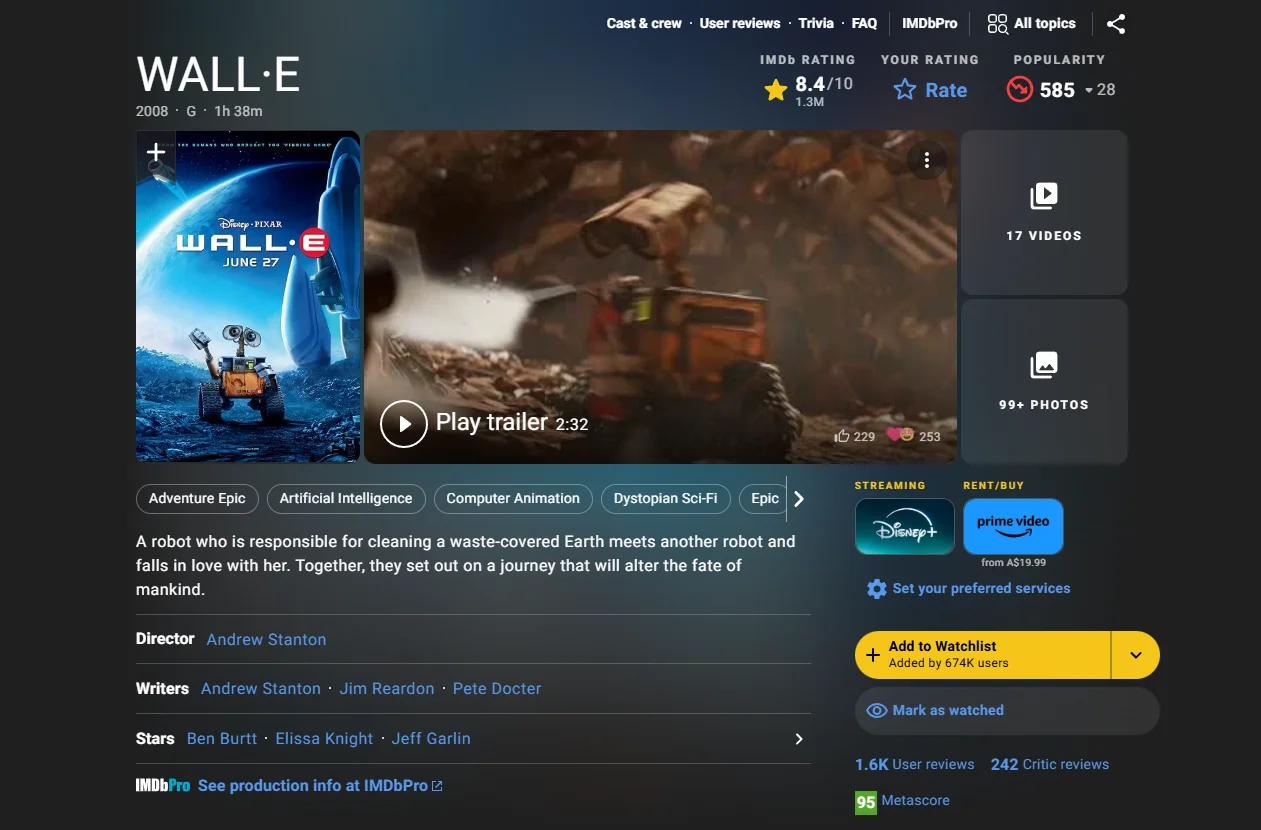
1. Wall-E (2008)
Best for ages: 5+
The story: In a distant, post-apocalyptic future, a small waste-collecting robot named WALL-E is left alone on Earth to clean up the mess humanity has left behind. His life changes when he meets EVE, a sleek probe robot.
What it Teaches: This story is a strong lesson in environmental stewardship and caring for the planet. It subtly critiques consumerism while highlighting the importance of nature and human connection.
Why it’s Great: With very little dialogue in the first half, it encourages kids to practice visual literacy and observation. It is a heartwarming tale that teaches the importance of taking responsibility for our environment.
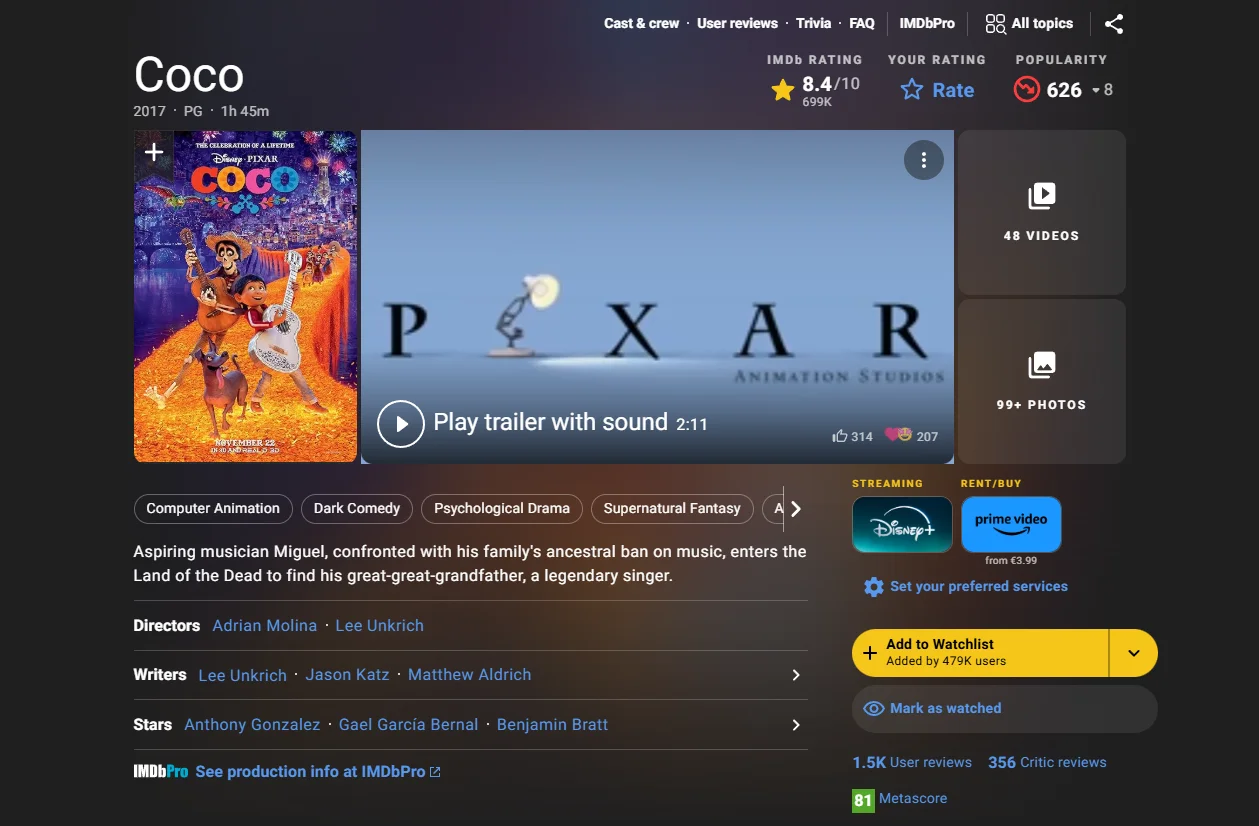
2. Coco (2017)
Best for ages: 7+
The Story: Miguel, a young boy with a forbidden passion for music, finds himself in the stunning Land of the Dead during the Mexican holiday Día de los Muertos.
What it Teaches: It is a vibrant celebration of cultural heritage and a tribute to mexican traditions. The film focuses on the importance of family, honoring ancestors, and following your dreams while respecting your roots.
Why it’s Great: Coco can give children a sense of connection to other cultures and teaches them that memories help keep loved ones present in our lives.
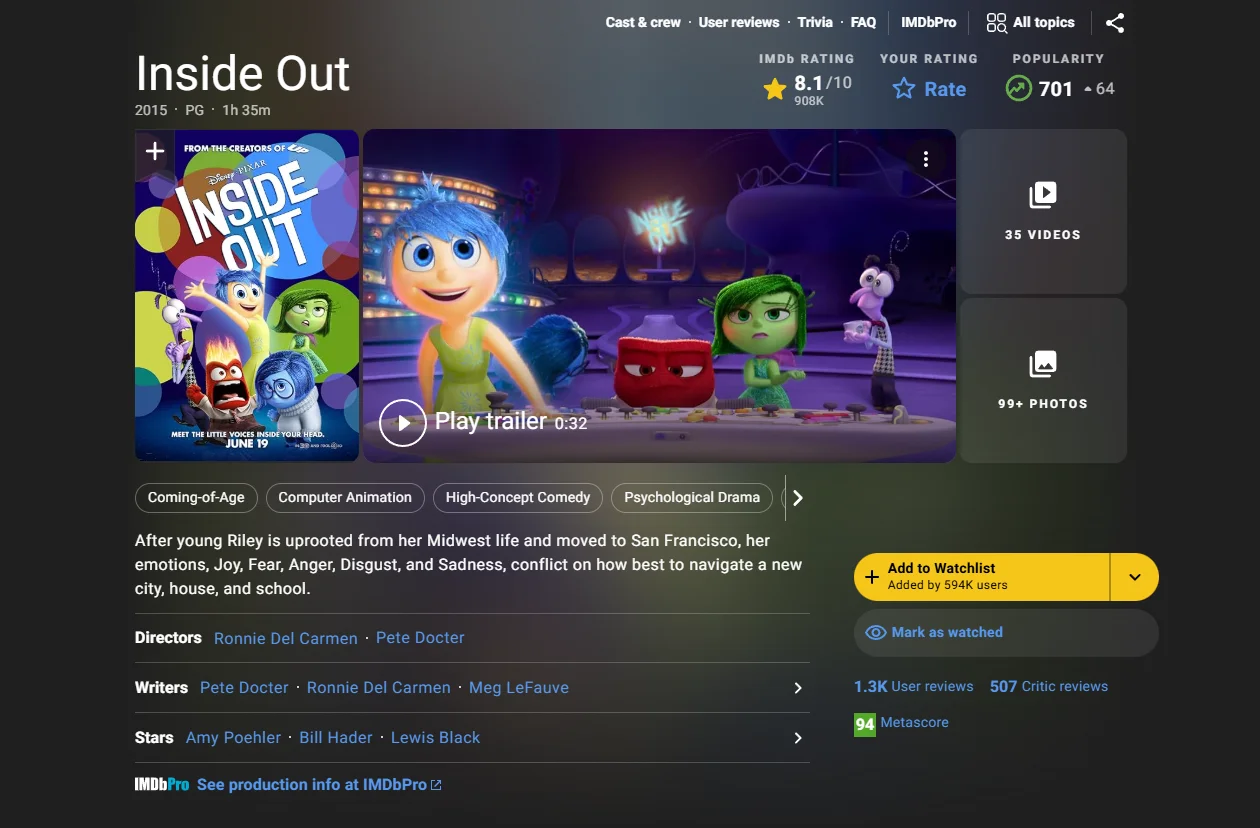
3. Inside Out (2015)
Best for ages: 6+
The Story: The film takes place inside the mind of 11-year-old Riley, where five personified emotions—Joy, Sadness, Anger, Fear, and Disgust—struggle to navigate her move to a new city.
What it Teaches: This is perhaps one of the best animated movies for teaching emotional intelligence. It shows that the different emotions children experience as they grow are all necessary, including sadness.
Why it’s Great: It gives parents and children a shared vocabulary for talking about feelings, change, and growing up.
4. March of the Penguins (2005)
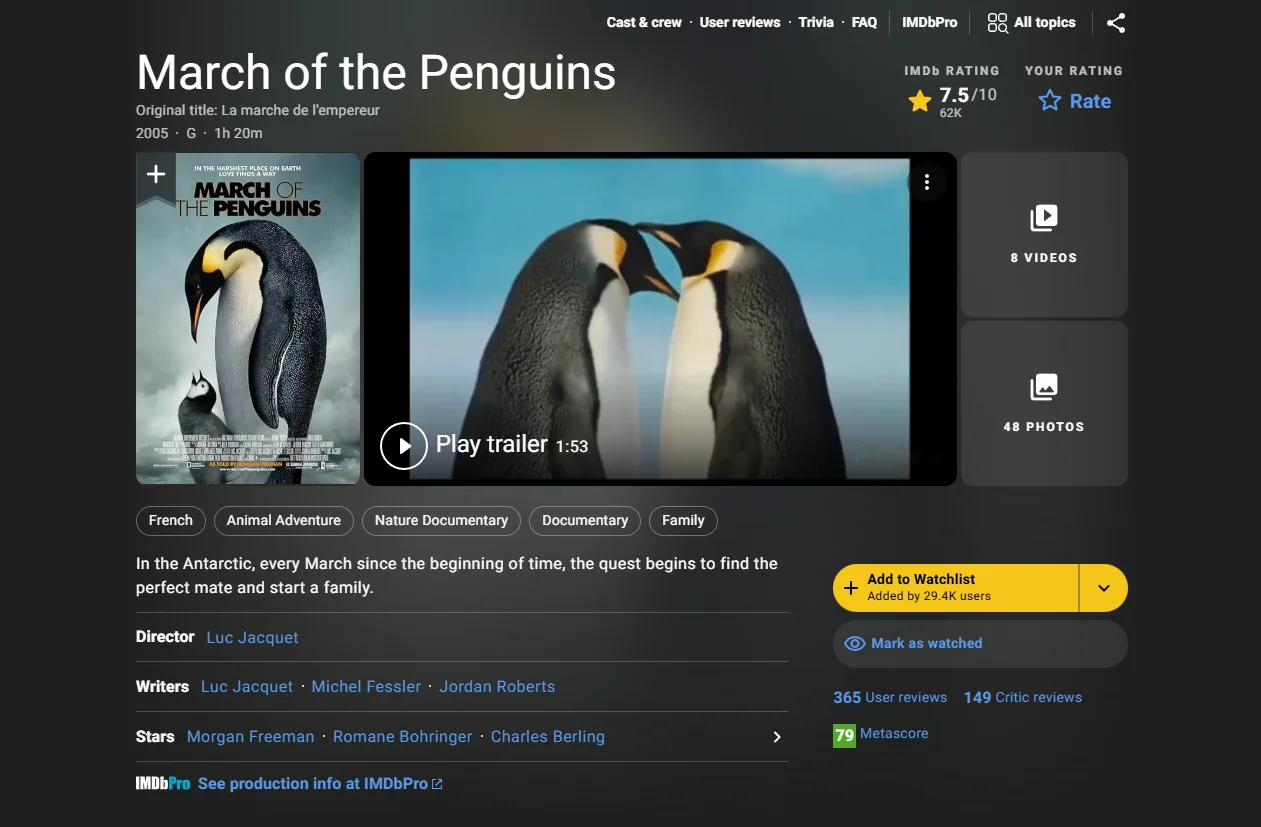
Best for ages: 6+ (with parental guidance for some intense nature scenes)
The story: A stunning documentary that follows the annual journey of emperor penguins in Antarctica as they travel to their traditional breeding grounds.
What it Teaches: This film teaches kids about biology, survival, and the sheer perseverance required in the natural world. It highlights cooperation within the colony and the extraordinary sacrifices parents make for their young.
Why it’s Great: It introduces children to the documentary format through a compelling, high-stakes narrative that rivals any fictional family movie.
5. Akeelah and the Bee (2006)
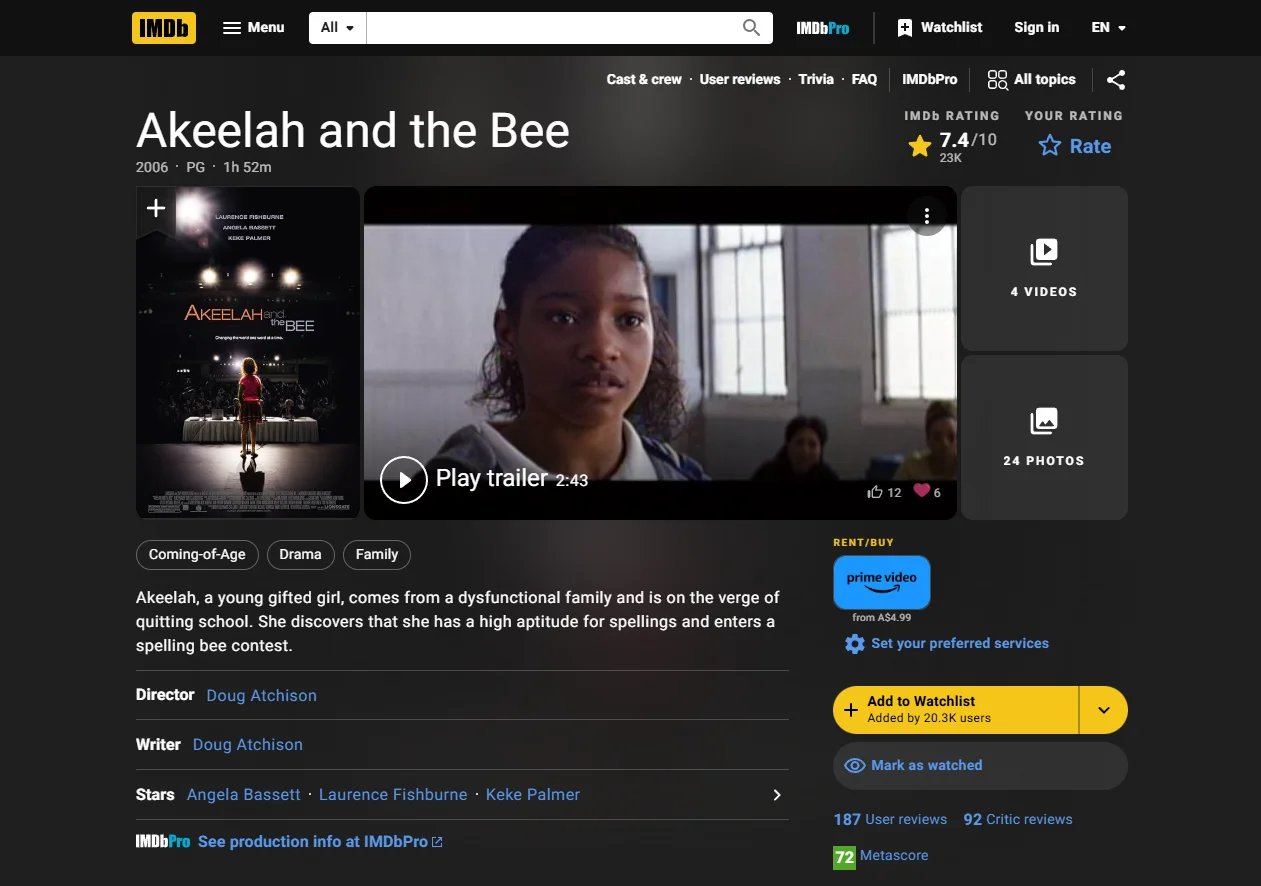
Best for ages: 8+
The Story: Akeelah, an 11-year-old girl from South Los Angeles, discovers she has a talent for spelling and aims for the National Spelling Bee with the help of a mysterious teacher.
What it Teaches: It focuses on academic perseverance, the value of mentorship, and overcoming social adversity. It teaches kids that intelligence is something to be proud of and that community support is vital for success.
Why it’s Great: It is an excellent movie to watch for school-age children who may be struggling with self-confidence or academic motivation.
6. Jane (2017)
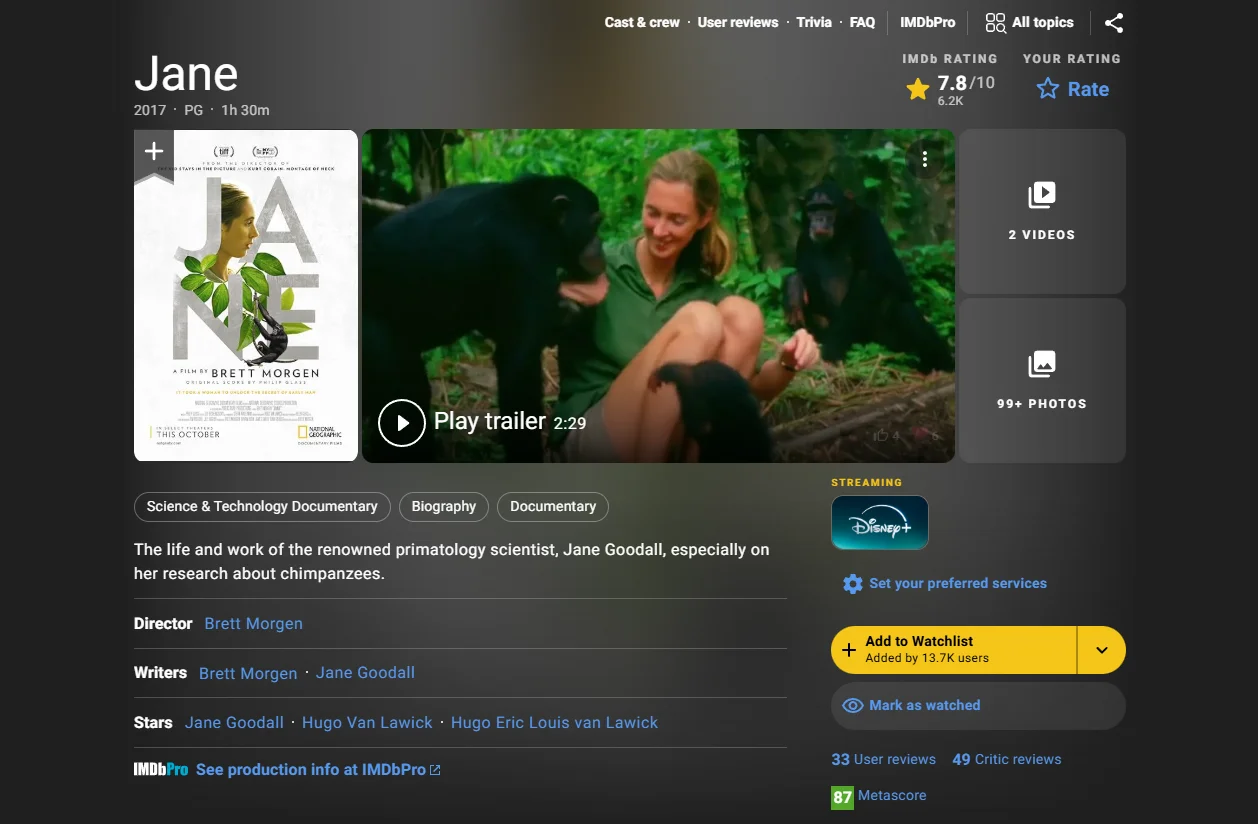
Best for ages: 8+
The Story: Using never-before-seen footage, this documentary tells the story of Jane Goodall’s early explorations in Gombe and her revolutionary work with chimpanzees.
What it Teaches: It is a powerful example of scientific observation, patience, and passion. It teaches children about the importance of protecting wildlife and shows how one person’s curiosity can have a positive impact on the world.
Why it’s Great: Seeing a real-life scientist at work provides a powerful role model for girls and boys interested in STEM.
7. Science Fair (2018)
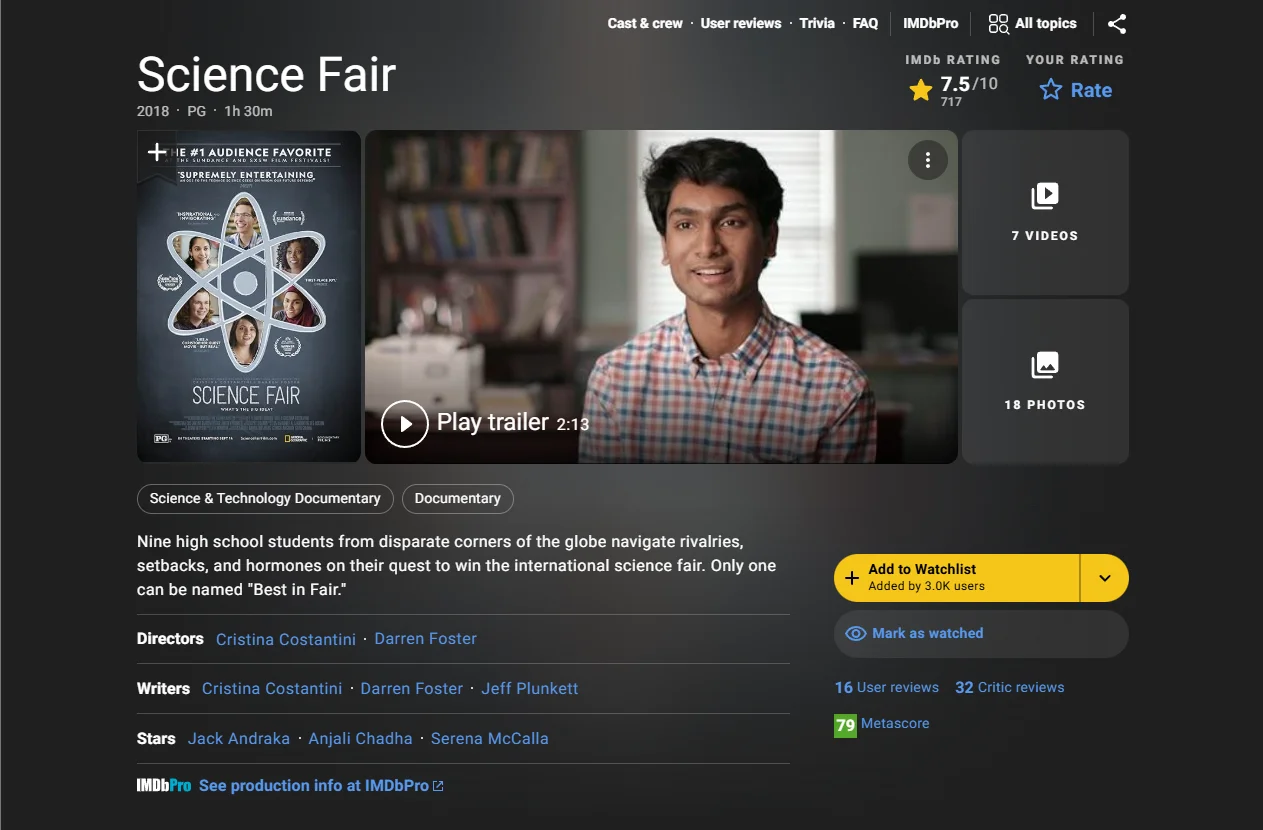
Best for ages: 10+
The Story: This documentary follows nine high school students from around the world as they navigate rivalry, setbacks, and teenage pressure on their way to the International Science and Engineering Fair.
What it Teaches: It demystifies the world of science and highlights perseverance and innovation. It shows that “genius” is often just hard work and curiosity combined.
Why it’s Great: It is incredibly motivating for tweens and teenagers, showing that young people can tackle real-world problems.
8. Fantasia (1940)
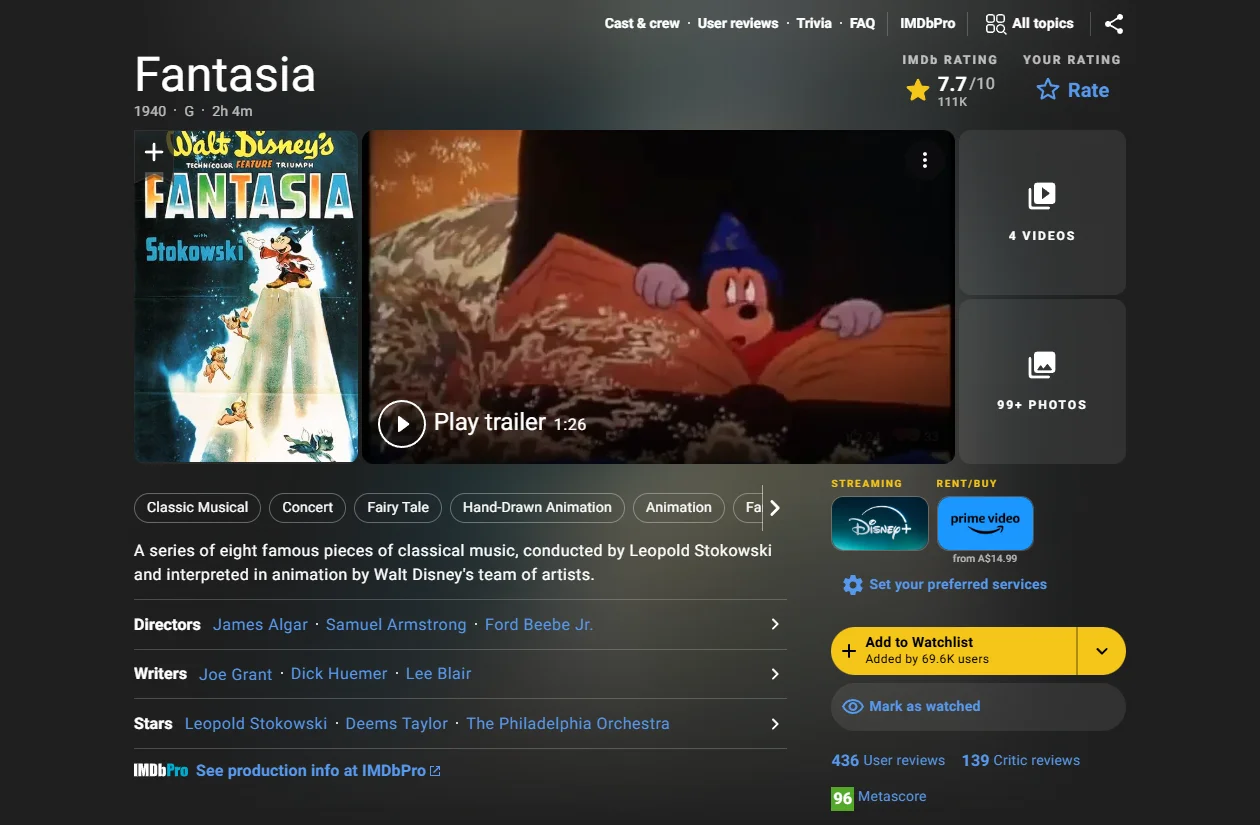
Best for ages: All ages (though younger kids may prefer certain segments)
The story: A collection of animated interpretations of major works of Western classical music.
What it Teaches: It introduces children to storytelling through sound, movement, and abstract imagery. It teaches kids about rhythm, orchestration, and how music can tell a story without words.
Why it’s Great: It is a cornerstone of Disney animation and can foster an early appreciation for the arts and creative thinking.
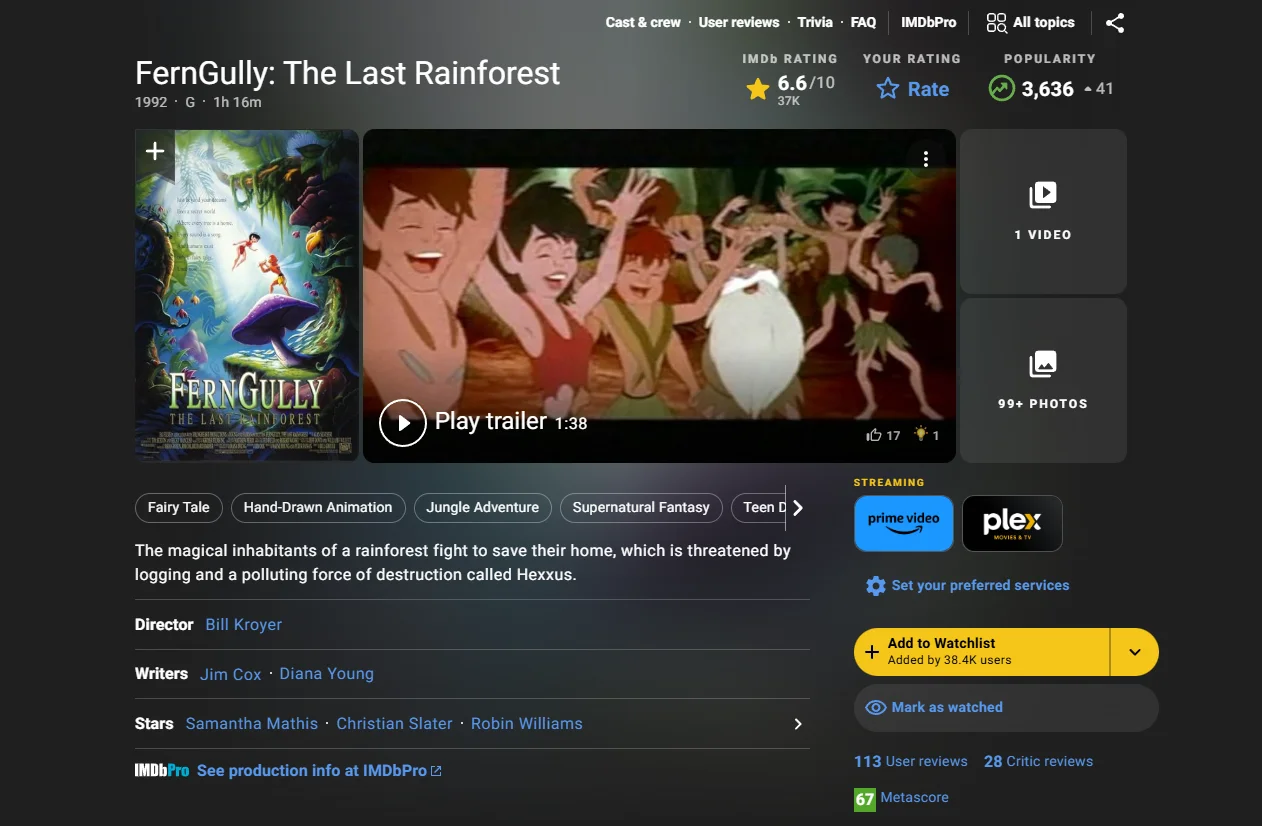
Best for ages: 5+
The Story: The inhabitants of a rainforest struggle to save their home from a logging company and a pollution-based entity named Hexxus.
What it Teaches: Like Wall-E, it focuses on caring for our planet and the impact of human industry on nature. It also teaches children about the interconnectedness of ecosystems.
Why it’s Great: It delivers a positive message about environmentalism through a colorful, high-stakes adventure.
10. Night at the Museum (2006)
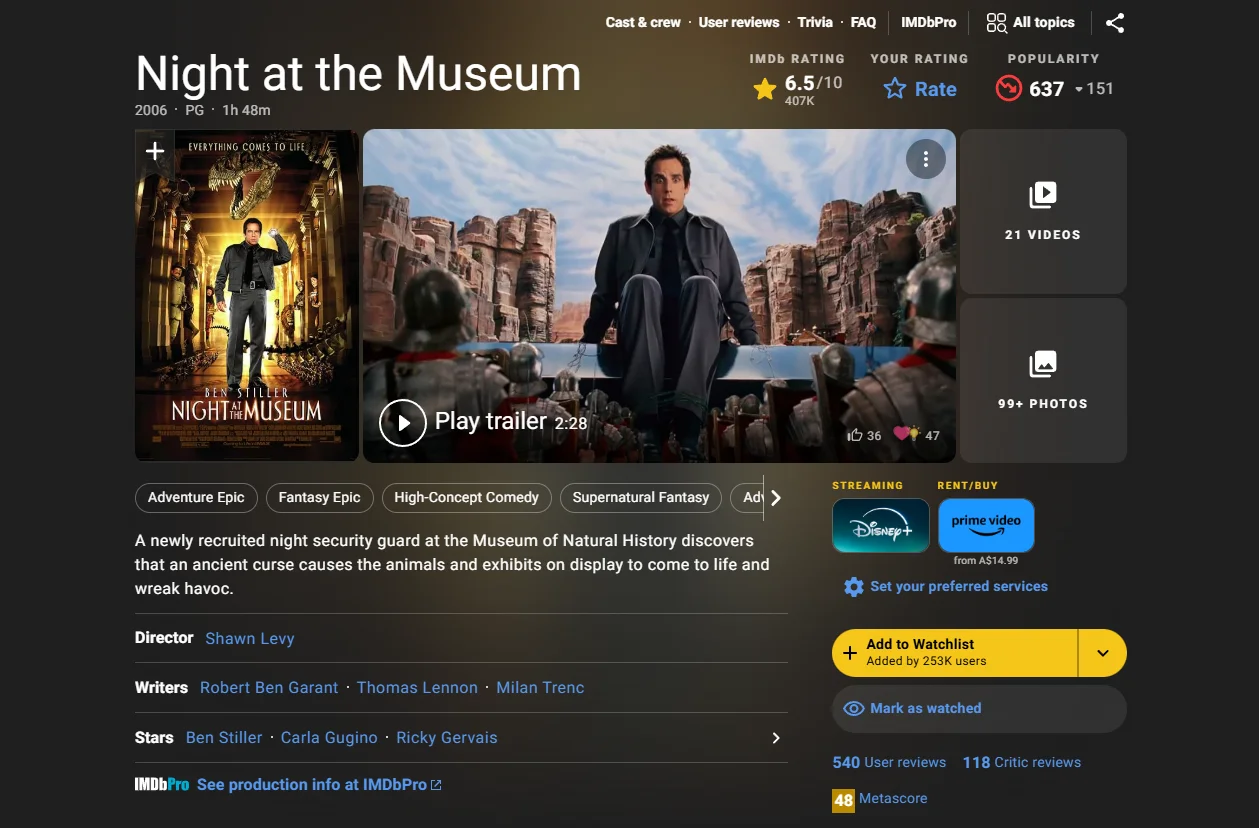
Best for ages: 7+
The Story: A night watchman at the Museum of Natural History discovers that an ancient curse causes the exhibits to come to life at night.
What it Teaches: While the plot is fantastical, it sparks an immense interest in history, from Teddy Roosevelt to Attila the Hun. It encourages children to see museums not as dusty buildings, but as places full of living stories.
Why it’s Great: It is the perfect family movie night pick to precede a trip to a local museum or a history project.
40 More Educational Movies for Kids
If you’ve already seen the top ten, here are additional recommendations categorized by their specific educational themes. These selections ensure that whether your child is interested in robots, history, or music, there is a great movie waiting for them.
Animated Educational Films
- The Lion King: Explores the “Circle of Life” and the importance of family and leadership.
- Spider-Man: Into the Spider-Verse: A coming-of-age story about identity and courage.
- Finding Nemo: Teaches children about independence, trust, and friendship.
- How to Train Your Dragon: A story about overcoming prejudice and building empathy and community.
- The Lorax: Based on Dr. Seuss’s book, this movie delivers a clear environmental message.
Feature Films with Educational Themes
- The Boy Who Harnessed the Wind: A true story of an African boy who builds a wind turbine to save his village from famine.
- Hidden Figures (PG Version): Teaches history and the role of women in NASA.
- The Secret Garden: Focuses on the healing power of nature and emotional growth.
- Wonder: A story of friendship and kindness toward those who look different.
Short Animated Films
- The Dot: Encourages creativity and the idea that anyone can become an artist.
- Hair Love: A heartwarming look at father-daughter relationships and self-love.
- Piper: A Pixar short that teaches kids about overcoming fears and finding new ways to solve problems.
Videos and Documentaries
- A Beautiful Planet: Provides a breathtaking view of Earth from space.
- Born to be Wild: Follows orphaned orangutans and elephants and the people who rescue them.
- The Elephant Whisperers: A heartwarming documentary about the bond between humans and animals.
Science-Centric Films
- Apollo 13: A lesson in physics, engineering, and teamwork in the face of adversity.
- The Mars Generation: Follows teenagers who hope to become part of the future of human space exploration.
- The Invention of Lying: Selected scenes can spark discussions about ethics and social constructs.
Historical Insight Through Film
- The Sound of Music: Introduces the history of WWII through the lens of a musical family.
- Newsies: Teaches children about labor rights and the power of standing up for what is right.
- Hamilton: Although it is a filmed stage production rather than a traditional movie, it can still be a powerful entry point into American history.
Educational Movies on True Stories
- Stand and Deliver: The story of Jaime Escalante, a teacher who successfully taught calculus to struggling students.
- The Miracle Worker: The story of Helen Keller and Annie Sullivan, and a powerful lesson in perseverance.
- Dolphin Tale: A story about animal rescue and prosthetic technology.
Inspirational Films That Motivate Students
- Rudy: A classic story about hard work and not giving up on your dreams.
- The Karate Kid: Focuses on discipline, respect, and self-defense.
- Queen of Katwe: A girl from a slum in Uganda becomes a chess champion.
Creative and Inspiring Family Films
- Matilda: Based on Roald Dahl’s book, it celebrates literacy and standing up to bullies.
- Toy Story 2: Includes themes of loyalty, friendship, and the fear of being forgotten.
- Mary Poppins: Encourages a sense of wonder in everyday tasks.
Creating the Perfect Educational Movie Experience
Simply pressing “play” is a start, but getting the most out of educational movies for preschoolers and older kids requires a bit of parental strategy. You can turn a simple viewing session into a richer learning experience.
Choose Movies by Age and Interest
Not all kids’ movies are suitable for every developmental stage. A documentary like Science Fair might fascinate a ten-year-old but bore a four-year-old. Always check age ratings and reviews (like those from Common Sense Media) to ensure the content aligns with your child’s maturity level.
Watch Together and Talk After
Co-viewing is one of the most effective ways to help children process what they see. When you watch together, you can explain difficult concepts in real time. After the film, try asking open-ended questions:
- “Why do you think the character made that choice?”
- “How would you have solved that problem differently?”
- “What was the most surprising thing you learned?”
Add Simple Follow-Up Activities
To reinforce lessons about family, science, or history, try these quick activities:
- Art: Draw a favorite scene or a new character.
- Research: Look up the real animals or historical figures from the film.
- Role-play: Act out a scene to practice empathy and cooperation.
Keep Balance Between Fun and Learning
Remember that these are still family movies. If a child feels like they are being quizzed, they may lose interest. The goal is to let the message—whether it is about the environment, resilience, or friendship—resonate naturally. If they are laughing and engaged, they are already learning.
Why Educational Movies Benefit Children’s Development
The impact of the best educational movies for kids extends far beyond academic facts. They can help shape both character and worldview.
Supports Emotional Growth
Films like Inside Out or Inside Out 2 help children realize that their feelings are valid. By watching characters navigate adversity, children learn coping mechanisms they can apply in their own lives. They provide a safe way to explore “scary” or “sad” topics from the comfort of home.
Builds Interest in Science, Nature, History, and Arts
A single animated movie can be the hook that leads to a lifelong hobby. Films that highlight cultural heritage or the wonders of the natural world can inspire kids to look up from their screens and engage more deeply with real life. Some educational research suggests that visual media can increase a child’s situational interest, which can be an important first step toward deeper engagement.
Strengthens Family Learning Moments
Sharing a family movie night centered on important life lessons creates a shared history. You aren’t just watching a film; you are discussing family values and building a sense of connection. These moments become part of a child’s mental library of what feels important, memorable, and true.
Final Thoughts on Educational Movies for Kids
The 10 educational movies listed here are just the beginning. Some of the best educational experiences happen when entertainment and learning come together. By choosing films that offer a positive message, teach perseverance, and highlight the importance of family, you give your children a window into the diverse and beautiful world around them.
Best Way to Start
If you are unsure where to begin, start with WALL-E or Inside Out. These are widely acclaimed films that balance high-quality animation with deep but accessible educational themes.
Focus on Child’s Curiosity
Always follow your child’s lead. If they are currently obsessed with space, look for science-centric films. If they are asking questions about their ancestors, a film like Coco is the perfect choice. When a film teaches something a child is already curious about, the learning happens effortlessly.