

Choosing the right language learning apps for kids plays a critical role in how effectively children begin to learn English. Well-designed English learning apps for kids combine structured lessons, interactive activities, and age-appropriate content to support steady language development. This guide reviews the best language learning apps for kids, focusing on educational quality, engagement, and practical value for families.
Modern apps for kids to learn English offer more than convenience. Language learning apps for children use interactive games, guided practice, and adaptive learning paths to help young learners absorb vocabulary, pronunciation, and basic grammar. Compared with traditional methods, English learning apps for kids allow parents to track progress while giving children flexibility to learn at a pace suited to individual needs.
Why Choose Apps for English Learning?
Well-designed learning apps rely on interactive mechanics to keep children focused and motivated. Visual tasks, short lessons, and gradual skill progression help young learners absorb new material without cognitive overload. Built-in progress monitoring also allows adults to follow development over time and adjust usage according to individual needs.
- Interactive gameplay that keeps kids engaged
- Progress tracking to monitor improvement
- Flexible scheduling that fits family routines
- Content-appropriate material for different children ages
Lingokids
Ages: 2-8
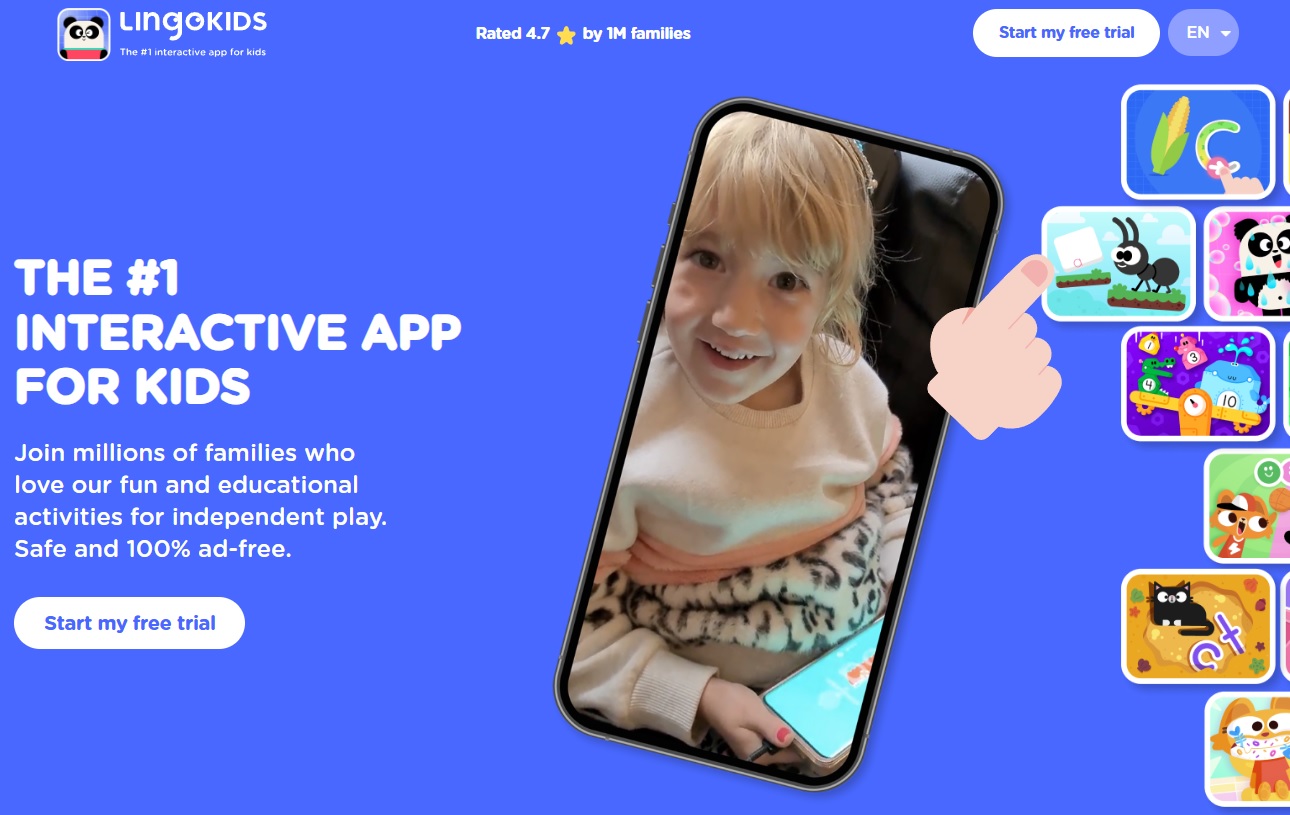
Lingokids is designed for early childhood learners and focuses on building basic language skills through structured play. The platform offers a large collection of activities created with input from education specialists, allowing children to explore vocabulary, listening, and early reading skills in a guided environment. Content progression follows clear learning stages, which helps maintain consistency over time.
Key Features:
- Structured curriculum that adapts to learning pace
- Fun and engaging games, songs, and stories
- Color-coded words for visual learning enhancement
- Detailed progress tracking for parents
- Really good experience with offline accessibility
Studycat
Ages: 3-10
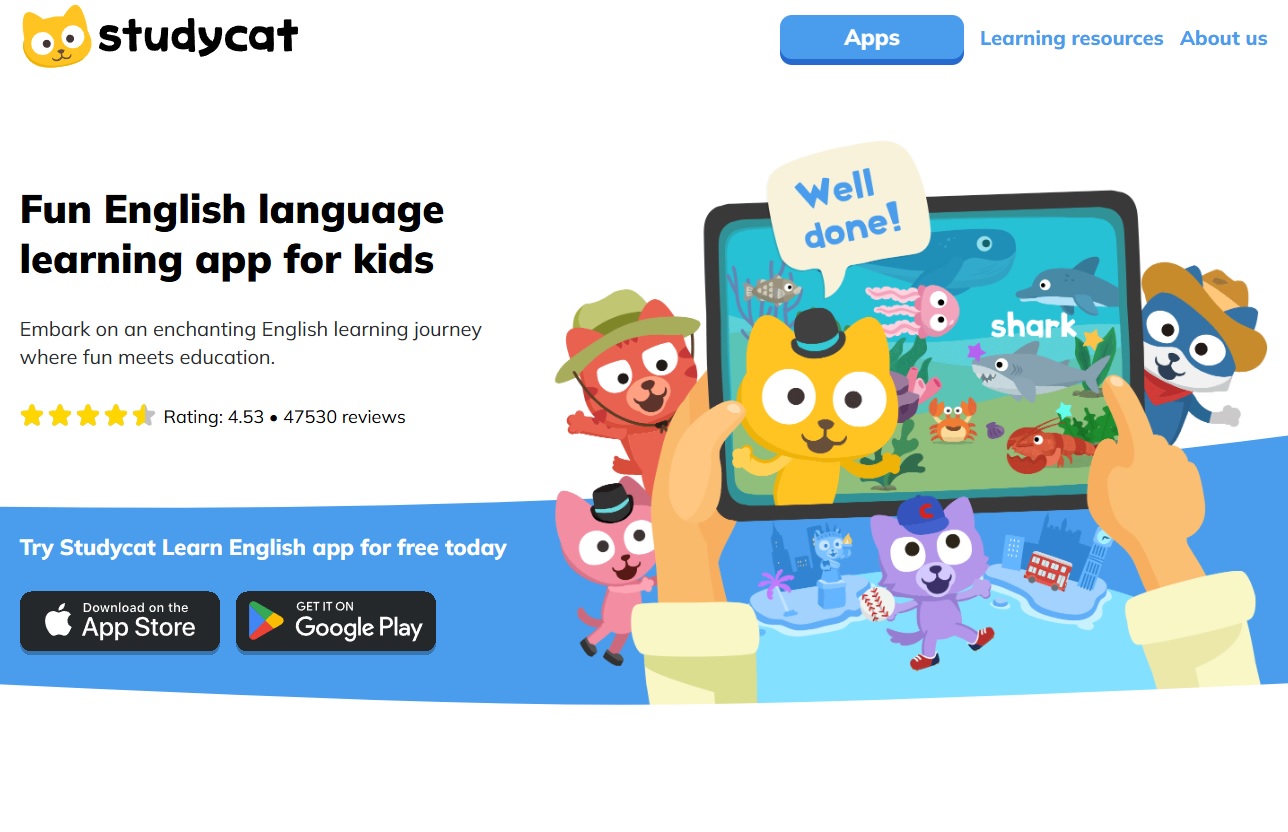
Studycat focuses on helping children develop practical language skills through interactive, game-based lessons. The platform emphasizes natural language exposure, allowing young learners to practice listening, speaking, reading, and early writing within short, engaging sessions. The structure supports gradual skill development and works well for children who benefit from repetition and visual reinforcement.
Key features:
- Game-based lessons designed for short attention spans
- Voice recognition to support pronunciation practice
- Animated characters and interactive exercises
- Coverage of core language skills: listening, speaking, reading, writing
Duolingo ABC
Ages: 3-6
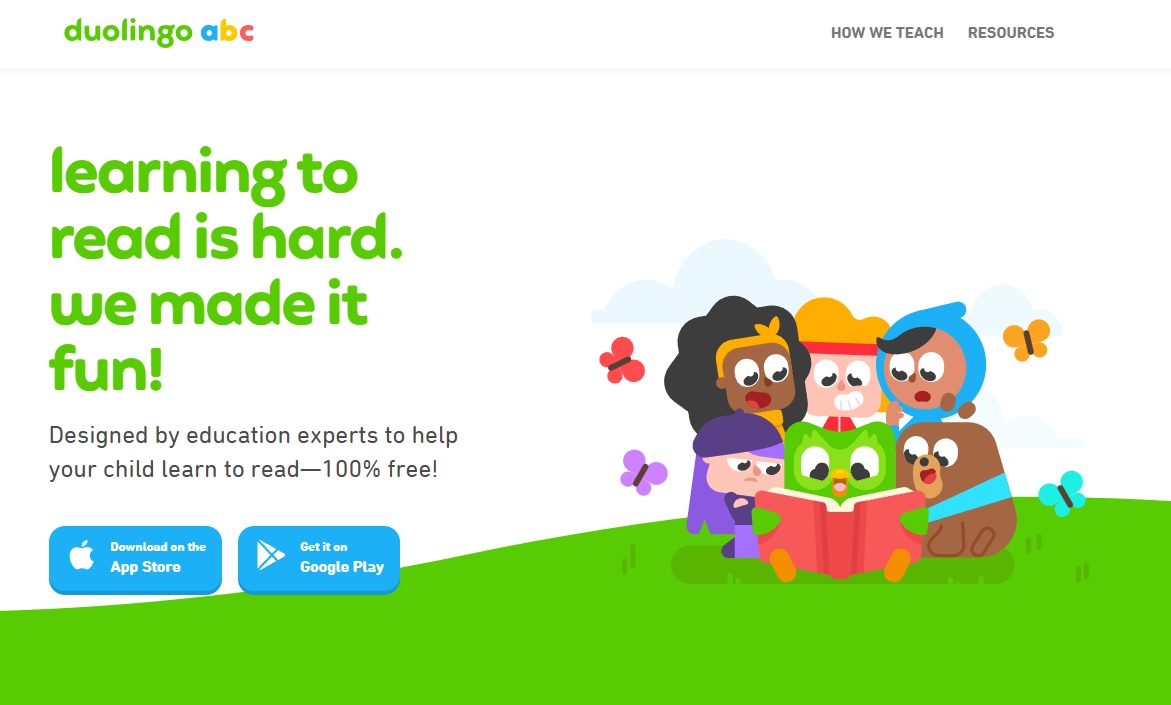
Duolingo ABC is designed for young learners who are beginning to read in English and need a clear, structured introduction to letters, sounds, and simple words. The app focuses on early literacy rather than conversational language, making it suitable for children who are developing phonemic awareness and basic reading skills. Lessons are short and highly guided, which supports consistent practice without cognitive overload.
Key features:
- Step-by-step reading instruction focused on phonics
- Short lessons adapted to early attention spans
- Gamified tasks with simple rewards for motivation
- Progress indicators that show skill development clearly
ABCmouse
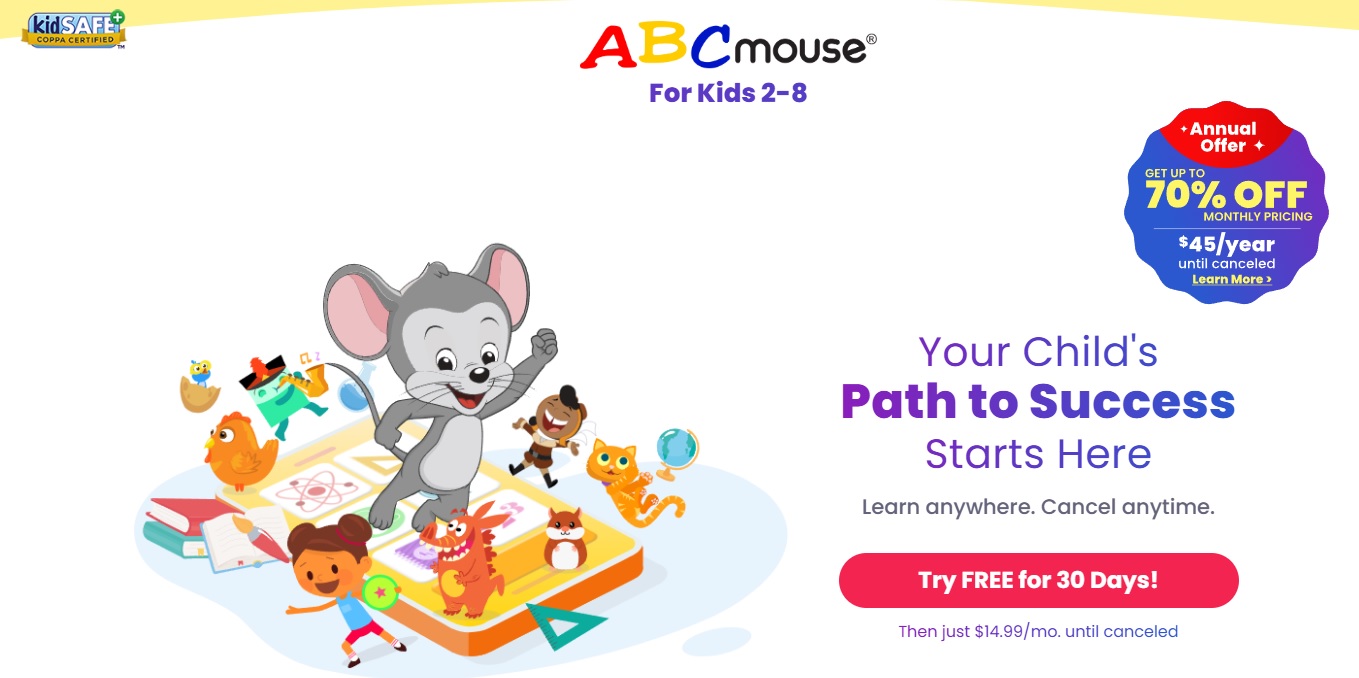
ABCmouse is a comprehensive learning platform designed to support early English development through a broad range of structured activities. The program integrates language instruction with foundational subjects, allowing children to build vocabulary and reading skills alongside general cognitive development. Its sequential lesson design helps younger learners progress steadily while maintaining familiarity and routine.
Key features:
- Large library of interactive lessons and activities
- Gradual vocabulary and reading skill progression
- Animated content designed for early learners
- Simple navigation suited to independent use
Kangi Club
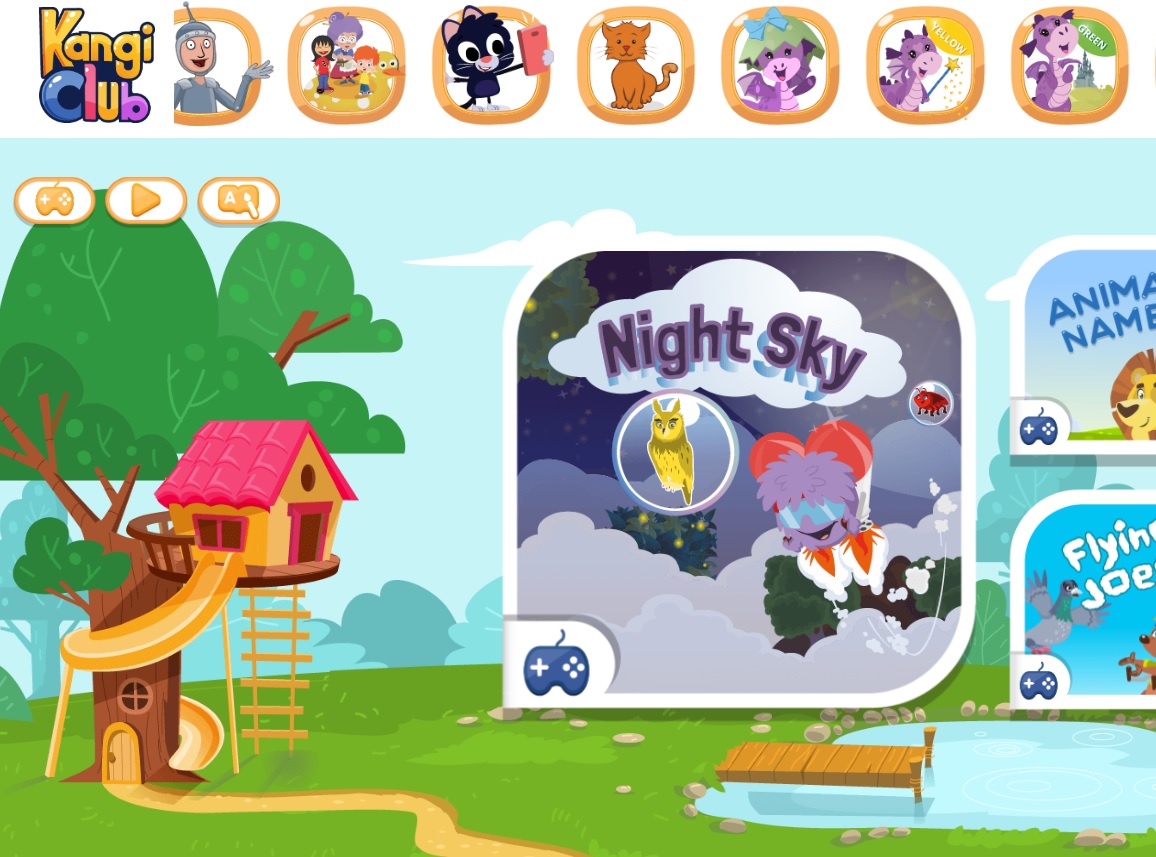
Kangi Club is built around visual storytelling and simple navigation, making it suitable for younger children who respond well to image-based learning. The app introduces new words through short cartoons and contextual scenes, helping learners associate language with familiar situations. The closed, child-focused environment supports independent exploration without unnecessary distractions.
Key features:
- Cartoon-based lessons with contextual vocabulary
- Visual storytelling to support comprehension
- Child-friendly interface with minimal text navigation
- Content designed specifically for early learners
Helen Doron Read
Helen Doron Read focuses on phonics-based instruction combined with guided storytelling, supporting children as they transition from letter recognition to confident reading. The app follows a structured learning path that introduces sounds, words, and sentences progressively, helping learners build accuracy and fluency. Interactive elements reinforce pronunciation and comprehension through repetition and gradual complexity.
Key features:
- Systematic phonics instruction aligned with reading development
- Original stories designed for early and elementary learners
- Interactive pronunciation practice with immediate feedback
- Progressive lesson structure supporting steady skill growth
LearnEnglish Kids: Playtime
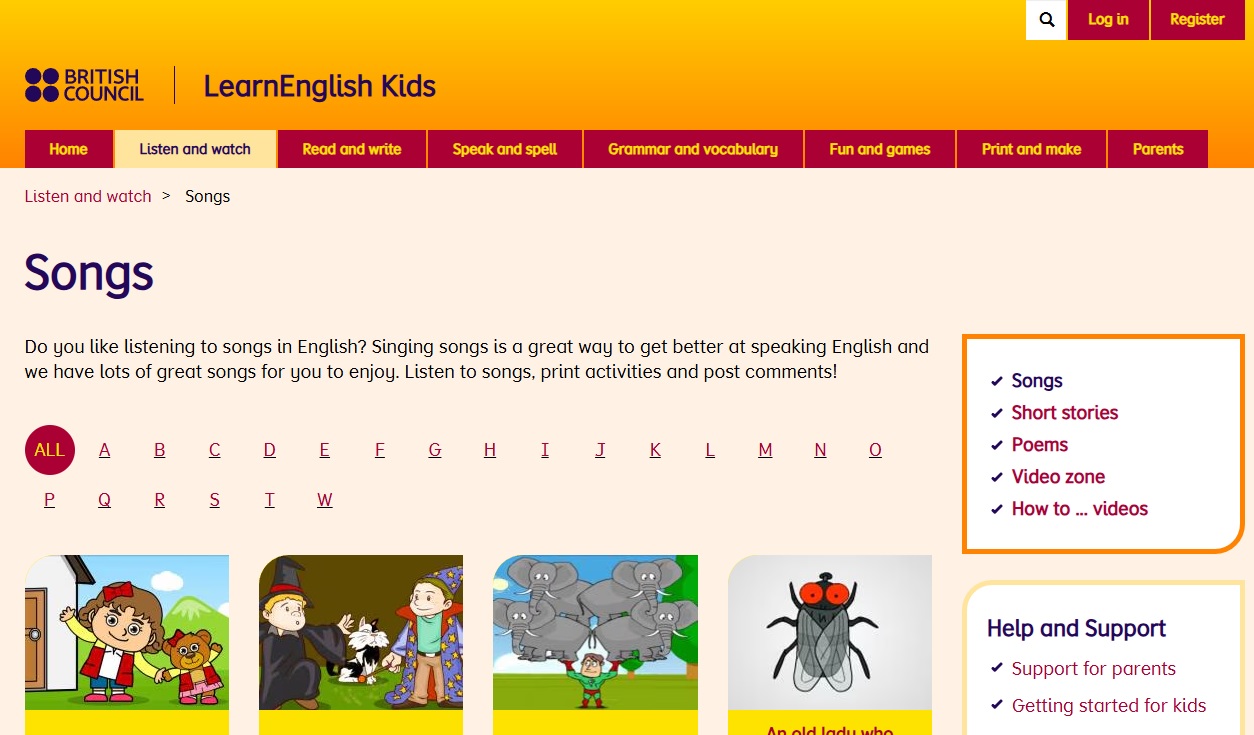
LearnEnglish Kids: Playtime is developed by the British Council and focuses on introducing English through songs, short videos, and simple interactive activities. The app emphasizes listening comprehension and vocabulary exposure in a controlled, child-safe environment. Content quality and educational consistency make it suitable for parents seeking reliable materials aligned with established language-teaching standards.
Key features:
- Short videos and songs with native-speaker models
- Interactive activities supporting listening and vocabulary development
- Downloadable content for offline use
- Strong safety standards and child-appropriate design
LingoPie Kids

LingoPie Kids introduces English through short video clips and age-appropriate shows, allowing children to encounter language in realistic contexts. The platform emphasizes comprehension through exposure, supporting older children who can follow simple narratives and connect spoken language with visual cues. This approach helps learners develop listening skills while gradually expanding vocabulary and contextual understanding.
Key features:
- Short videos featuring natural language use
- Dual subtitles to support comprehension
- Context-based vocabulary exposure
- Content suitable for independent viewing by older children
Alphachat
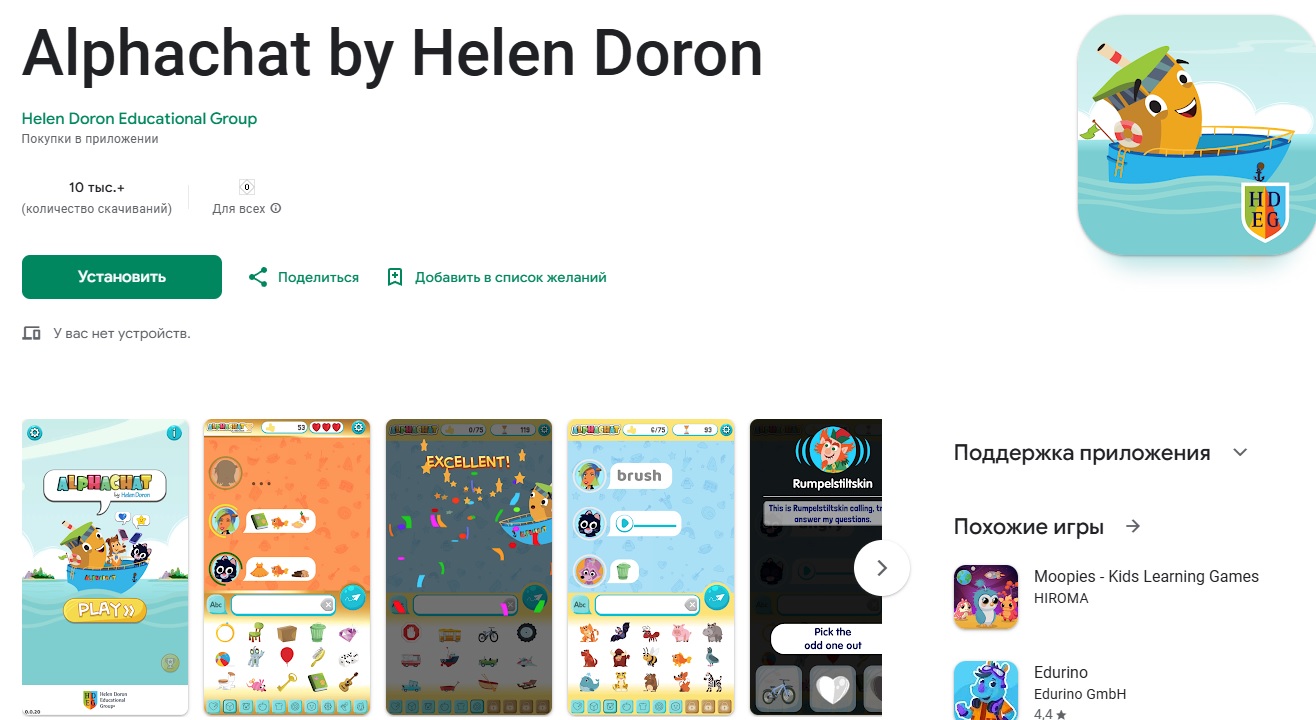
Alphachat is designed to support spoken language development through interactive dialogue and guided responses. The app encourages children to practice forming sentences and responding in English, helping build confidence with everyday communication. Its structured conversation format makes it suitable for learners who are ready to move beyond passive listening toward active language use.
Key features:
- Interactive dialogue-based practice
- Immediate feedback on responses
- Focus on conversational patterns and sentence structure
- Personalized progression based on performance
Helen Doron Song Club
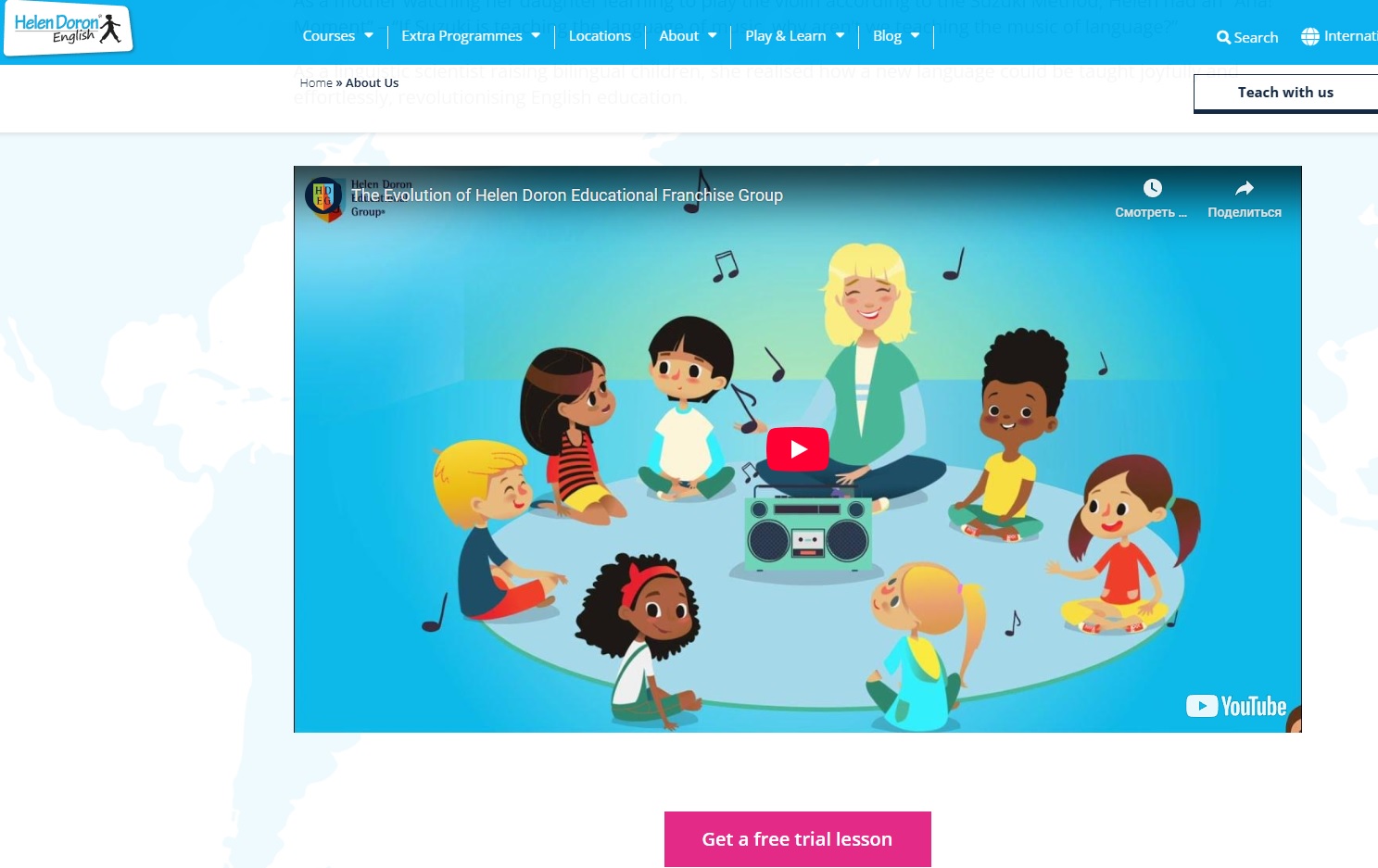
Helen Doron Song Club uses music as the primary tool for language exposure, helping children absorb vocabulary and basic structures through repetition and rhythm. Songs are designed to reinforce common expressions and everyday language patterns, making the learning process intuitive for auditory learners. This format works well as a complementary resource alongside more structured reading or speaking activities.
Key features:
- Educational songs focused on everyday vocabulary
- Repetition-based learning through melody and rhythm
- Video content supporting visual association
- Gradual progression through themed song collections
LearnEnglish Kids: Songs
LearnEnglish Kids: Songs supports language exposure through simple, clearly articulated music designed for young learners. The content emphasizes pronunciation, rhythm, and basic sentence patterns, helping children become familiar with common sounds and structures. This format is especially effective for reinforcing listening skills and supporting early vocabulary retention.
Key features:
- Simple songs with clear pronunciation models
- Repetition to reinforce sounds and common phrases
- Karaoke-style listening and singing activities
- Content developed by language education specialists
Reading Eggs Storylands
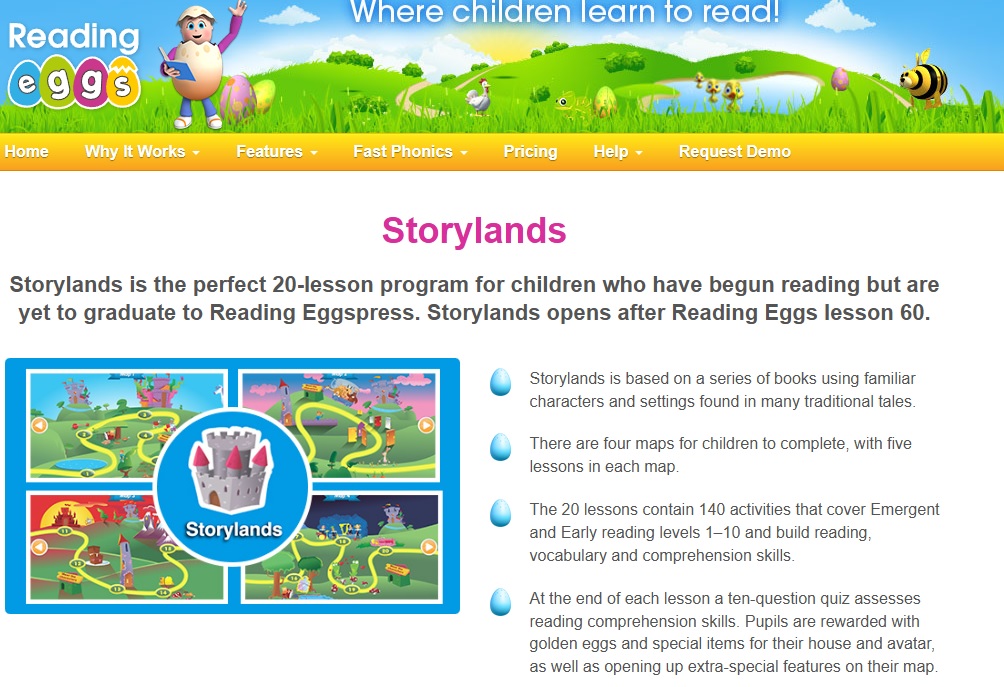
Reading Eggs Storylands focuses on developing reading comprehension through interactive stories supported by professional narration. The platform helps children connect written text with spoken language, reinforcing understanding through short quizzes and guided activities. This approach supports both independent reading and shared learning sessions, making it suitable for a wide age range.
Key features:
- Interactive stories with narrated text
- Reading comprehension questions after each story
- Combined listening and reading practice
- Structured progression across difficulty levels
Bedtime Stories With Grandma
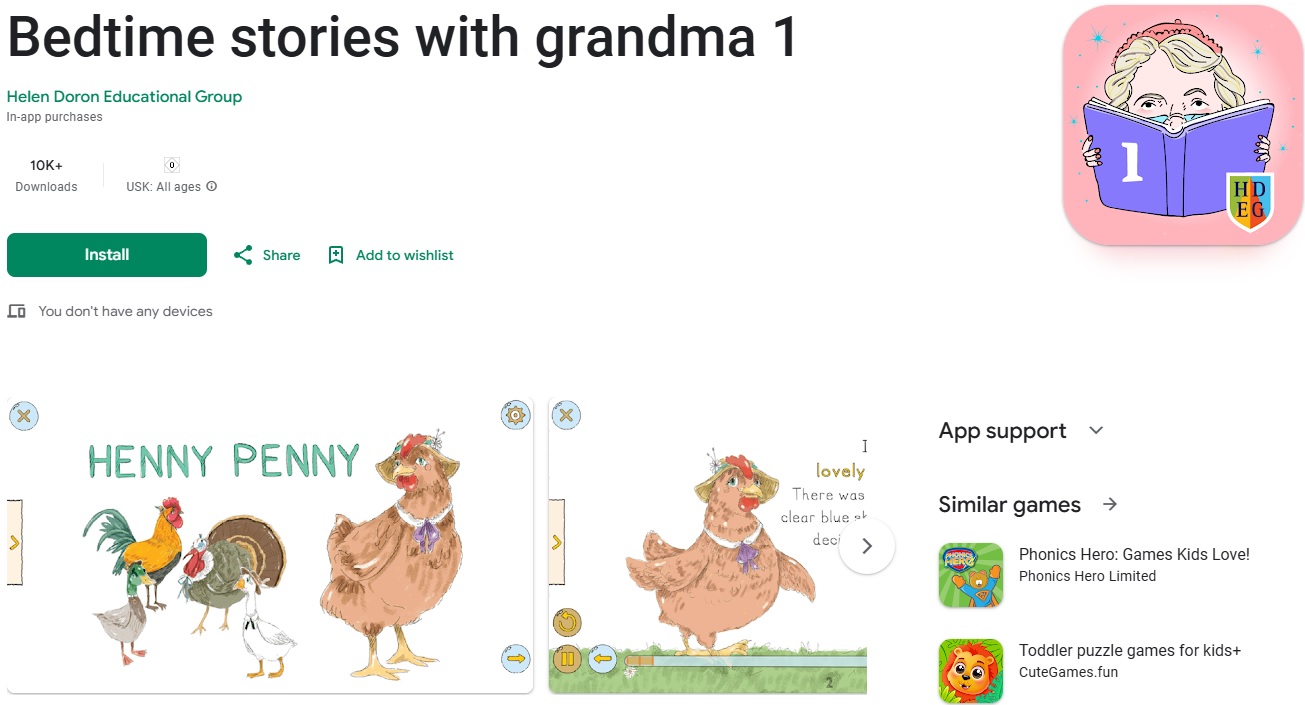
Bedtime Stories With Grandma presents short, narrated stories designed to introduce English in a calm and familiar setting. The app emphasizes comprehension through simple language and clear storytelling, helping children associate new words with meaningful contexts. Its relaxed format supports language exposure without pressure, making it suitable for evening routines.
Key features:
- Narrated stories with simple vocabulary
- Context-based word exposure through storytelling
- Gentle pacing suitable for relaxed listening
- Familiar themes that support comprehension
Free vs Premium Options
English learning platforms generally fall into two categories: free tools with limited scope and premium solutions offering structured programs and extended features. Free apps are useful for early exposure and short practice sessions, while paid options usually provide broader curricula, adaptive progression, and detailed feedback. The choice depends on learning goals, session frequency, and the level of parental involvement required.
Key points to consider:
- Free options often focus on early literacy or basic vocabulary
- Premium platforms provide structured learning paths and continuity
- Paid versions usually include progress tracking and offline access
- Trial periods help evaluate suitability before commitment
App Comparison Table
| App Name | Age Range | Cost | Key Strength | Engagement Factor |
| Lingokids | 2-8 | Premium | Comprehensive curriculum | Color-coded words + progress tracking |
| Studycat | 3-10 | Premium | Voice recognition | Hands-on drills + variety of english exercises |
| Duolingo ABC | 3-6 | Free | Structured reading | Earn points system |
| ABCmouse | 2-8 | Premium | Interactive animations | Kid-friendly content |
| Helen Doron Read | 4-10 | Premium | Phonics method | Cartoons and storylines |
Features That Make Learning Effective
Successful language learning tools combine educational structure with interactive design to maintain long-term engagement. Clear progression, varied activity formats, and age-appropriate pacing help children build skills gradually while staying motivated. Effective platforms also support different learning styles and provide parents with visibility into progress.
Interactive Elements
- Compete with friends functionality
- Touch-based activities for kinesthetic learners
- Voice recognition for pronunciation practice
- Child can direct their learning path
- Earn points systems for motivation
Educational Design
- Modes of transportation and themed vocabulary
- Age-appropriate content progression from age of 6
- Immersion methodology for natural acquisition
- English translations for context understanding
- Memory reinforcement techniques
Safety & Parental Controls
- COPPA compliance across all platforms
- Screen time management tools
- Progress monitoring for parents
- Safe browsing and content filtering
How to choose the right app for you kid
Selecting a suitable learning app requires matching content design with a child’s age, learning style, and attention span. Younger learners benefit from simple navigation and visual reinforcement, while older children respond better to structured lessons and conversational practice. Consistent use and realistic session lengths contribute more to progress than app complexity.
Consider Your Child’s Age
- Kids 6 and younger need simple, visual interfaces
- App for kids aged 6 to 8 can handle more complex navigation
- Age 8 onward learners benefit from conversation-focused apps
- School-aged kids require structured learning approaches
Learning Style Matching
- Visual learners: Applications with color-coded words and animations
- Auditory learners: Music and pronunciation-focused platforms
- Kinesthetic learners: Hands-on drills and interactive games
Screen Time Considerations
- Start with 15-20 minute sessions
- Focus on active engagement over passive consumption
- Balance learning apps for kids usage with real-world practice
Final Recommendations: Choosing Best App
The best language learning apps for kids combine educational excellence with engaging gameplay to help children learn effectively.
Our Top Picks:
- Best Overall: Lingokids (perfect app for kids aged 2-8 with comprehensive curriculum)
- Best Free Option: Duolingo ABC (app only costs nothing with quality content)
- Best for Older Kids: LingoPie Kids (cultural immersion for age 8 onward)
- Best for Music Learning: Helen Doron Song Club (really good experience with songs)
Remember: The most effective great learning tool is one your child enjoys using consistently. Find this app by starting with free options to gauge interest, then invest in premium features that match your child’s learning style and goals.
Quality language learning apps for kids open doors to global communication and academic success, helping children learn skills that benefit them throughout their lives. Whether your child wants to learn new vocabulary or get acquainted with their new language, the right application can provide a really good experience that keeps kids engaged while they learn something new every day.