

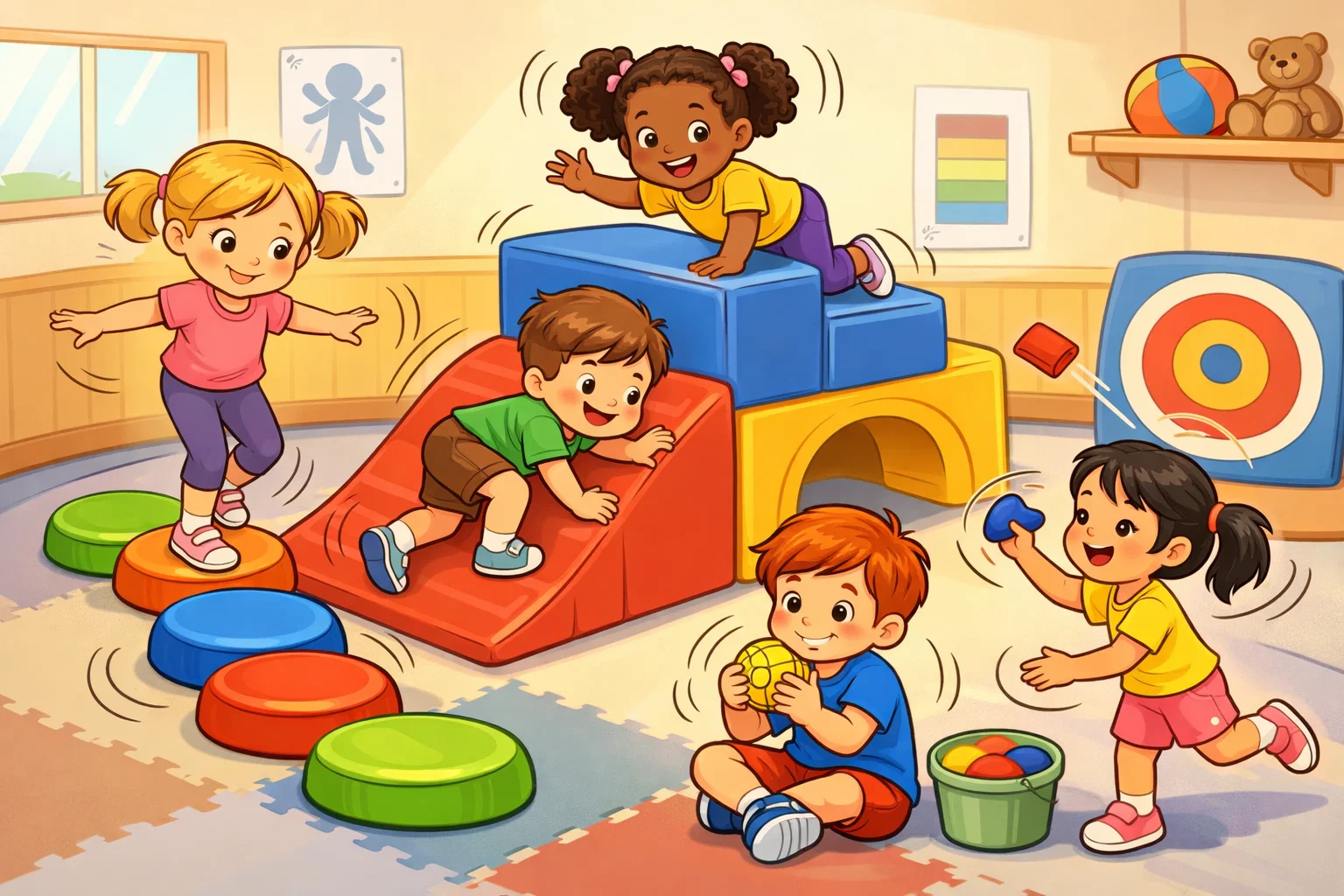
Navigating the world of attention deficit hyperactivity disorder can feel overwhelming for both parents and educators. While many children face challenges with focus and impulse control, it is important to remember that children with ADHD often possess high levels of energy and creativity. The key to unlocking their potential lies in providing structured, engaging ADHD activities that channel their natural vibrancy into meaningful growth. By choosing the right activities, you can help children develop essential life skills while fostering a sense of accomplishment and joy.
This guide explores a wide range of activities for children with ADHD, from high-energy outdoor play to calming sensory experiences. Whether you are looking to support a child at home or seeking strategies for the classroom, these evidence-based approaches are designed to meet the unique needs of the neurodivergent mind. By understanding how ADHD often affects a child’s interaction with the world, we can provide the specific ADHD support they need to thrive.
Best Activity Types for Kids With ADHD
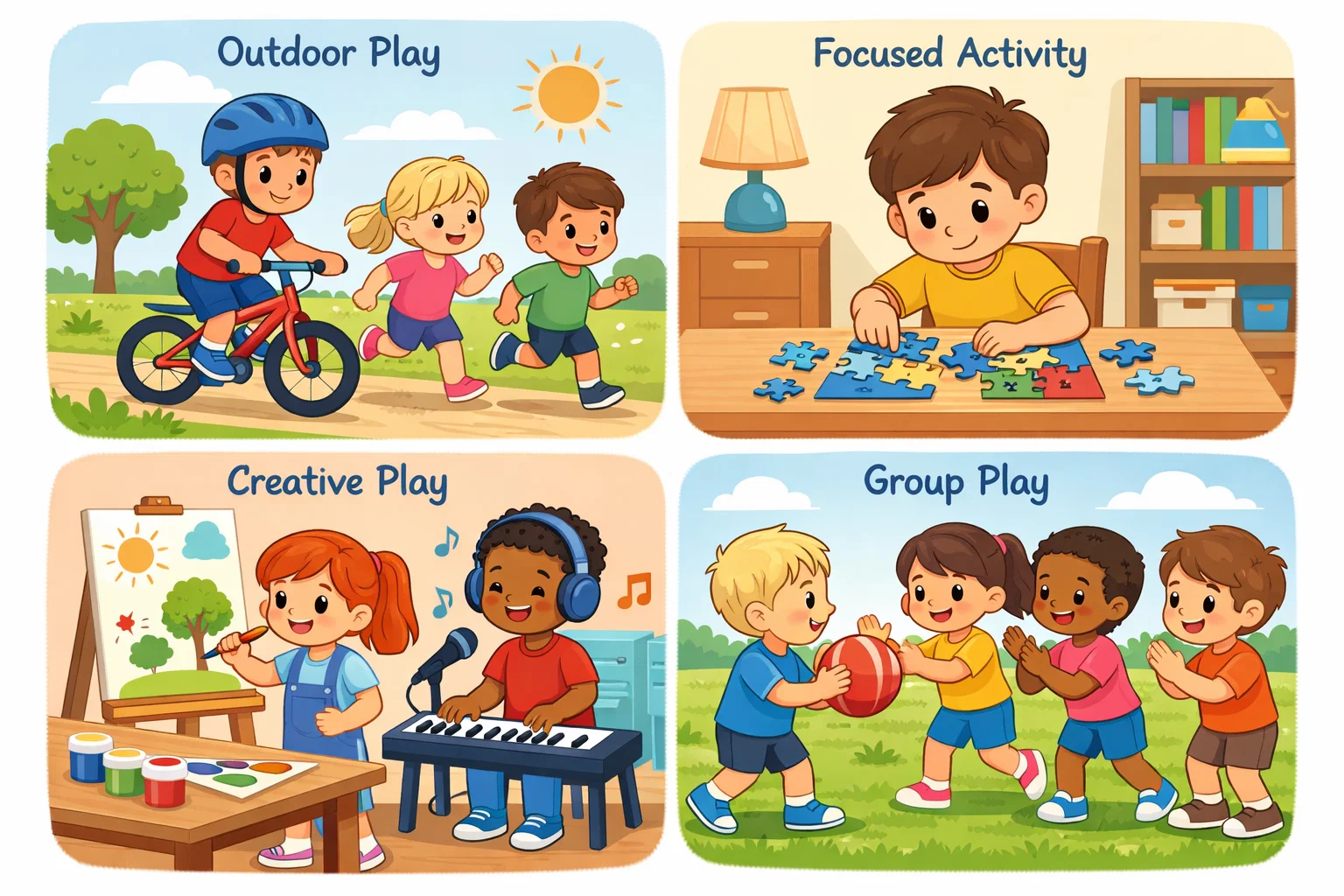
When selecting activities for kids with ADHD, it is helpful to categorize them based on the specific executive function or physical need they address. Children and teenagers with attention deficit hyperactivity disorder benefit most from tasks that provide immediate feedback, clear structure, and an outlet for physical movement. Multiple studies of structured play-based interventions indicate that structured play can support self-regulation — including attention control and emotional regulation — in children.
Outdoor activities for energy release
Many children with ADHD have high energy levels that require a productive outlet. Outdoor activities offer a “green time” effect, which research shows can help reduce symptoms of inattention.
- Nature Walks: These provide sensory input and opportunities to practice observation.
- Biking and Scootering: Excellent for physical exercise and burning off excess energy.
- Scavenger Hunt: A scavenger hunt for your child combines movement with the cognitive challenge of following a list.
- Parks and Playgrounds: These environments allow older children and younger ones alike to engage in unstructured but active play.
Indoor activities for focus practice
When the weather doesn’t permit outdoor play, indoor activities can still engage children and help them manage their focus. The goal here is “quiet focus,” helping a child with ADHD practice staying on task.
- Building Sets: Using LEGO or magnetic tiles encourages persistence.
- Puzzles: These help children with ADHD benefit from visual-spatial reasoning and patience.
- Crafting: Engaging in detailed art projects can help your child develop fine motor skills.
- Cooking Together: Following a recipe is a great way to teach your child about sequencing and following directions.
Collaborative activities for social skills
Parenting a child with ADHD often involves supporting them as they navigate social challenges. Group-based activities are vital for teaching turn-taking and cooperation.
- Board Games: These provide a structured environment to practice winning and losing gracefully.
- Drama and Improv: Helps adolescents with attention issues practice reading social cues.
- Team Projects: Building a fort or creating a mural requires communication and shared goals.
Energy-burning games for hyperactivity
For a hyperactive child, sitting still can be physically uncomfortable. High-intensity “burst” games can help release excess energy, making it easier for children to focus afterward.
- Obstacle Courses: Use pillows and furniture to create a path that requires jumping, crawling, and balancing.
- Dance Parties: A simple way to get them moving and improve mood through rhythm.
- Jumping Games: Using a trampoline or playing hopscotch provides intense physical exercise.
Calming and Regulating ADHD Activities
Emotional regulation is a frequent hurdle for people with ADHD. When a child becomes overwhelmed, they need activities to help them return to a baseline state. Sensory play and mindfulness can be particularly effective for children and adolescents who feel overstimulated.
Sensory activities for emotional regulation
Sensory input can be either stimulating or grounding. For calming, focus on tactile experiences that provide “heavy work” for the muscles or soothing touch.
- Kinetic Sand or Playdough: Squeezing and molding can be very grounding.
- Water Play: A simple bin of water with cups and funnels can captivate a child’s attention for long periods.
- Weighted Blankets or Lap Pads: These provide deep pressure that helps the nervous system feel secure.
Breathing and body awareness games
Teaching a child to recognize their own physical state is a core part of ADHD support.
- “Bubble” Breathing: Have the child imagine they are blowing a giant bubble to encourage slow, deep breaths.
- Yoga for Kids: Simple poses like “tree” or “downward dog” improve balance and body awareness.
- The “Freeze” Game: Playing music and stopping it suddenly helps with impulse control.
Quiet focus activities for downtime
It is essential to give your child moments of low stimulation to prevent burnout.
- Audiobooks: Allows children to enjoy stories without the visual demands of reading, especially if they also struggle with dyslexia.
- Coloring Mandalas: The repetitive motion is inherently calming.
- Listening to Lo-Fi or Nature Sounds: Helps enjoy the quiet while providing just enough auditory input to prevent the mind from wandering.
| Activity Category | Example | Main Benefit |
| Physical | Obstacle Course | Burns energy, improves gross motor skills |
| Cognitive | Scavenger Hunt | Boosts problem-solving and focus |
| Sensory | Sensory Bins | Promotes emotional regulation |
| Social | Board Games | Teaches turn-taking and patience |
Physical Skill and Motor Development Activities
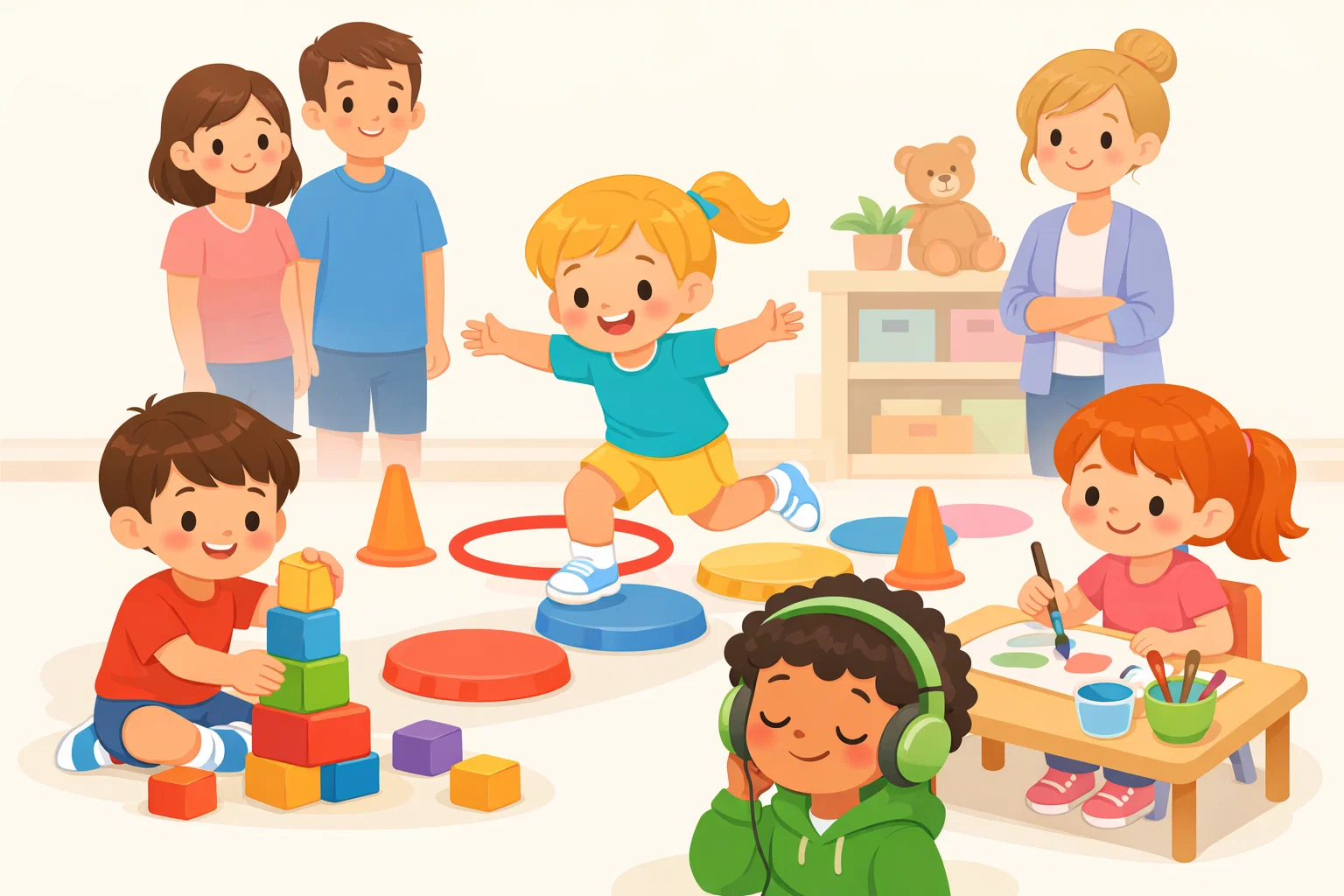
Many children with ADHD also experience challenges with coordination or posture. Integrating activities that kids enjoy while targeting these physical milestones is a win-win for parents and educators.
Shoulder and core strengthening exercises
A strong core supports posture and makes it easier for a child to sit comfortably at a desk.
- Climbing: Whether on a jungle gym or a rock wall, climbing builds immense upper body strength.
- Animal Walks: “Crab walks” or “bear crawls” are fun activities that strengthen the core and shoulders.
- Pushing/Pulling: Activities like gardening or pulling a wagon provide the “heavy work” neurodivergent children often crave.
Hand and wrist coordination activities
Fine motor skills are often overlooked but are essential for writing and self-care.
- Beading: Stringing small beads requires immense concentration and steady hands.
- Using fidgets: A fidget spinner or cube can help a child maintain focus during listening tasks.
- Stress Balls: Making homemade stress balls with balloons and flour is an engaging activity for a child.
Balance and coordination challenges
ADHD usually affects the brain’s ability to sequence movements. Balance exercises help bridge this gap.
- Balance Boards: These can be used while watching TV or talking to improve proprioception.
- Hopping Sequences: Using chalk to draw specific patterns to hop through helps with motor planning.
Creative and Imaginative ADHD Activities
The energy and creativity of children with ADHD are among their greatest strengths. Creative outlets allow for self-expression without the “right or wrong” pressure often felt in academic settings.
Arts and crafts for self-expression
Open-ended art allows a child with adhd to explore without fear of failure.
- Finger Painting: Focuses on the sensory experience rather than the final product.
- Collage Making: Great for older children to express complex emotions using magazine cutouts.
Music and rhythm activities
Music is a powerful tool for emotional regulation and engagement in children with ADHD. It provides a predictable structure (the beat) that helps the brain organize information.
- Drumming: Great for releasing tension and practicing rhythm.
- Songwriting: Encourage your child to write lyrics about their day to process their feelings.
Role-play and storytelling games
Role-play allows children to “practice” social scenarios in a safe environment.
- Puppet Shows: Helps younger children voice thoughts they might find hard to say directly.
- Story Cubes: Using dice with pictures to spark an impromptu story helps with verbal fluency and deficit in narrative focus.
Learning Activities for Focus and Attention
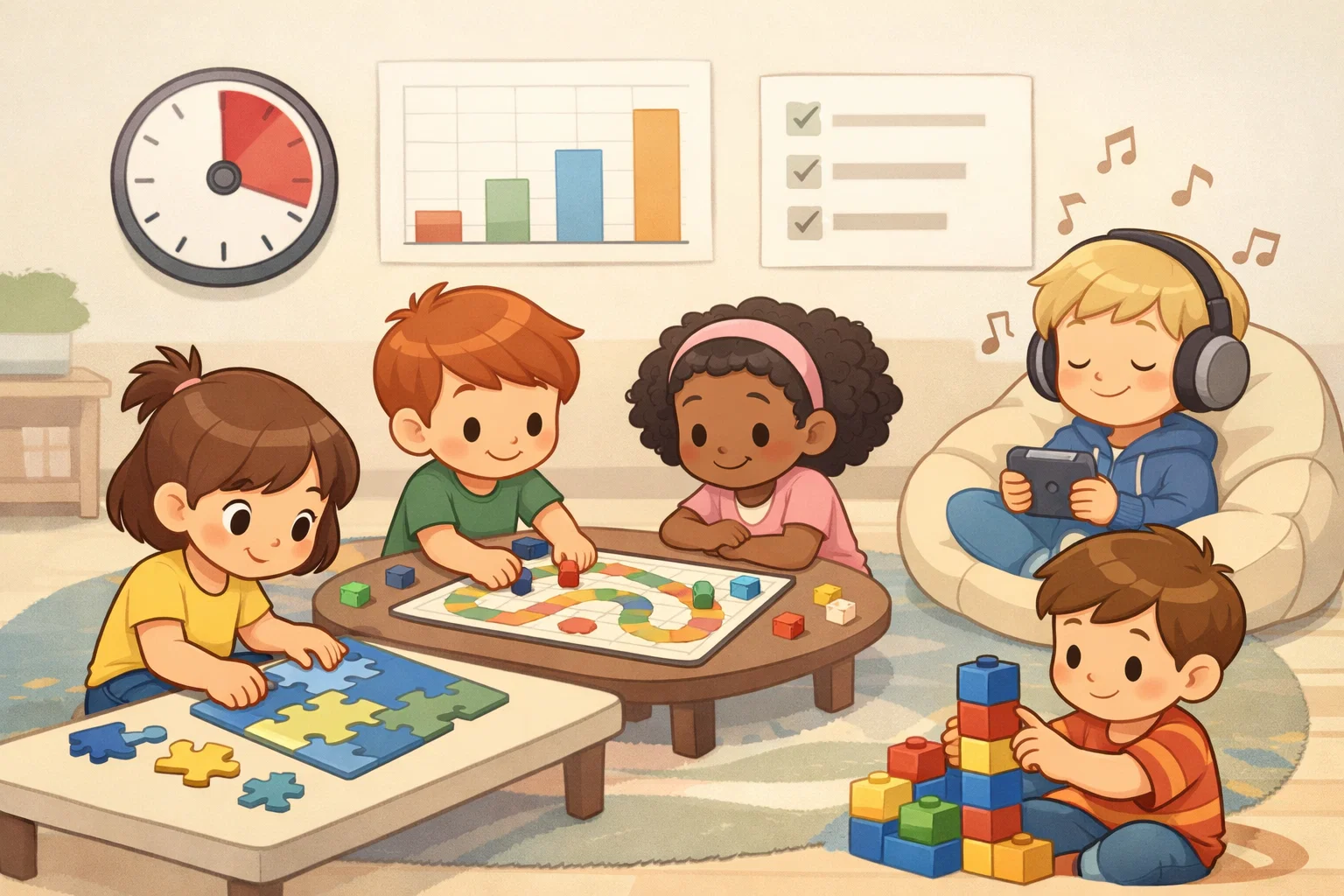
Bridging the gap between play and learning is vital for success at home and at school. The following adhd activities for kids turn educational concepts into “gamified” experiences.
Structured games for attention span
Rule-based play is an effective way to support skills related to impulsivity and self-control.
- Memory Games: Matching cards helps improve short-term visual memory.
- Strategy Games: Games like Chess or Checkers (for older children) require thinking several moves ahead.
STEM and building activities
STEM projects often provide the “high stakes” and immediate results that engage children with ADHD.
- Simple Science Experiments: Volcano or slime-making experiments offer immediate sensory and visual feedback.
- Coding Games: Many apps turn coding into a scavenger-like quest that keeps teenagers with adhd focused.
Reading and listening activities
For a child who is easily distracted, traditional reading can be frustrating.
- Graphic Novels: The visual support helps maintain interest and aids comprehension.
- Shared Reading: You read a page, then ask your child to read a sentence, keeping them involved in the process.
Group and Social Activities for Kids With ADHD
Socializing can be tiring for children with ADHD because they often have to work harder to monitor their behavior. Group activities with clear rules help reduce this social anxiety.
- Team Sports: Sports like soccer or basketball have clear boundaries and constant movement.
- Martial Arts: This is often cited as one of the best activities for adhd because it emphasizes discipline, respect, and routine.
- Scouts or Interest Clubs: These offer a sense of belonging centered around a specific hobby or skill.
Seasonal and Context-Based ADHD Activities
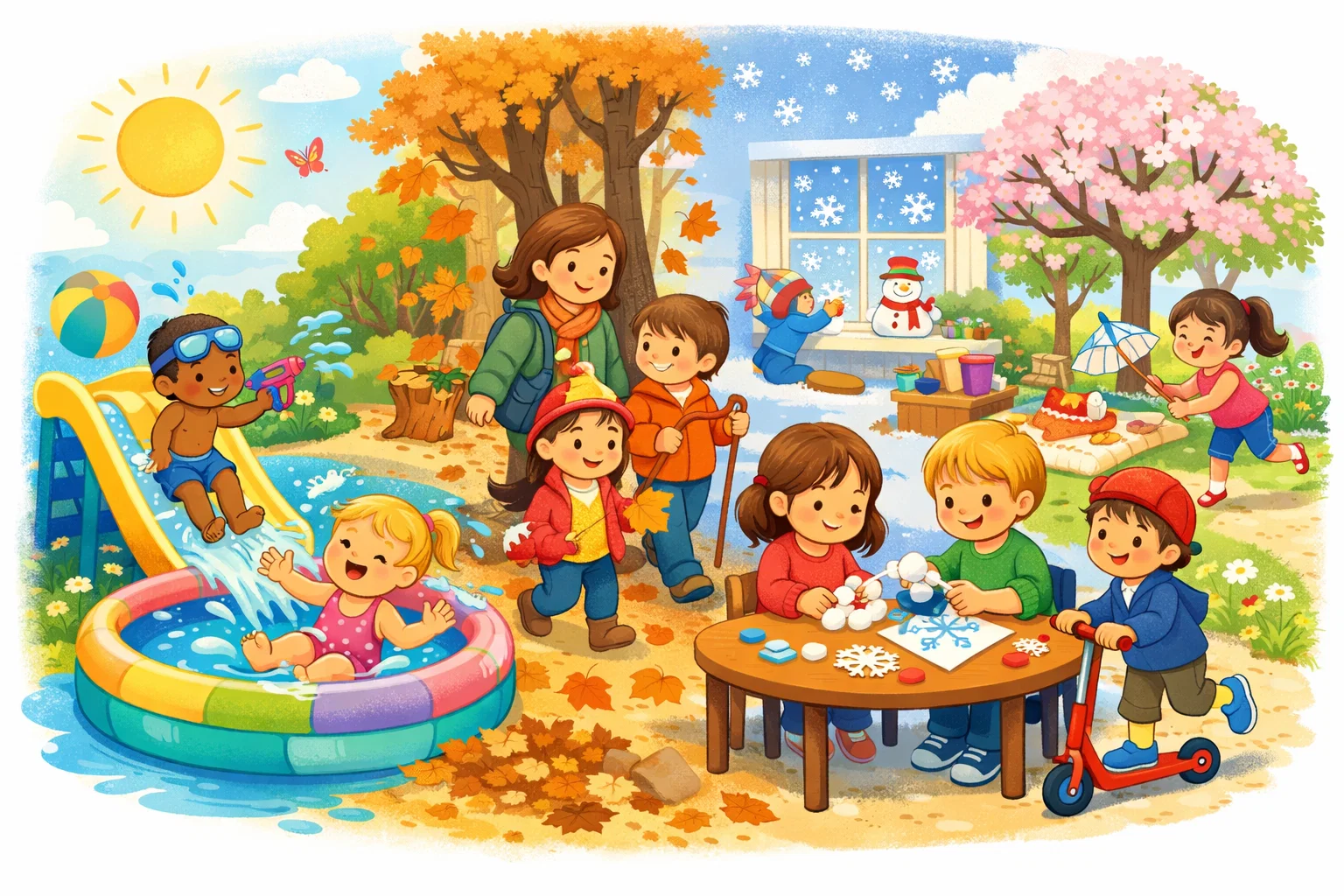
Summer activities for kids with ADHD
During school breaks, the loss of routine can lead to behavioral regressions.
- Day Camps: Look for programs with high counselor-to-child ratios.
- Swimming: An incredible way to burn off energy while providing total-body sensory input.
Classroom and learning environment activities
Teachers can support children by incorporating movement into the curriculum.
- Wobble Stools: Allows for movement without leaving the desk.
- Brain Breaks: Short, 2-minute movement bursts between subjects.
After-school and evening routines
Transitions are often the hardest part of parenting a child with adhd.
- The “Wind-Down” Hour: Gradually reducing lights and noise.
- Checklist for Tomorrow: Helps with time management and reduces morning anxiety.
Tips for Parents and Caregivers
Use visual schedules and timers
A child with adhd often has “time blindness.” Visual timers that show time “disappearing” help them understand how long a task will take.
Balance stimulation and rest
Too much activity can lead to a “crash.” Always follow a high-energy scavenger hunt with a calming activity like coloring to help the nervous system reset.
Encourage choice and autonomy
Give your child a sense of control by offering two acceptable choices: “Do you want to do your scavenger hunt now or after we read a book?”
Safety, Suitability, and Professional Guidance
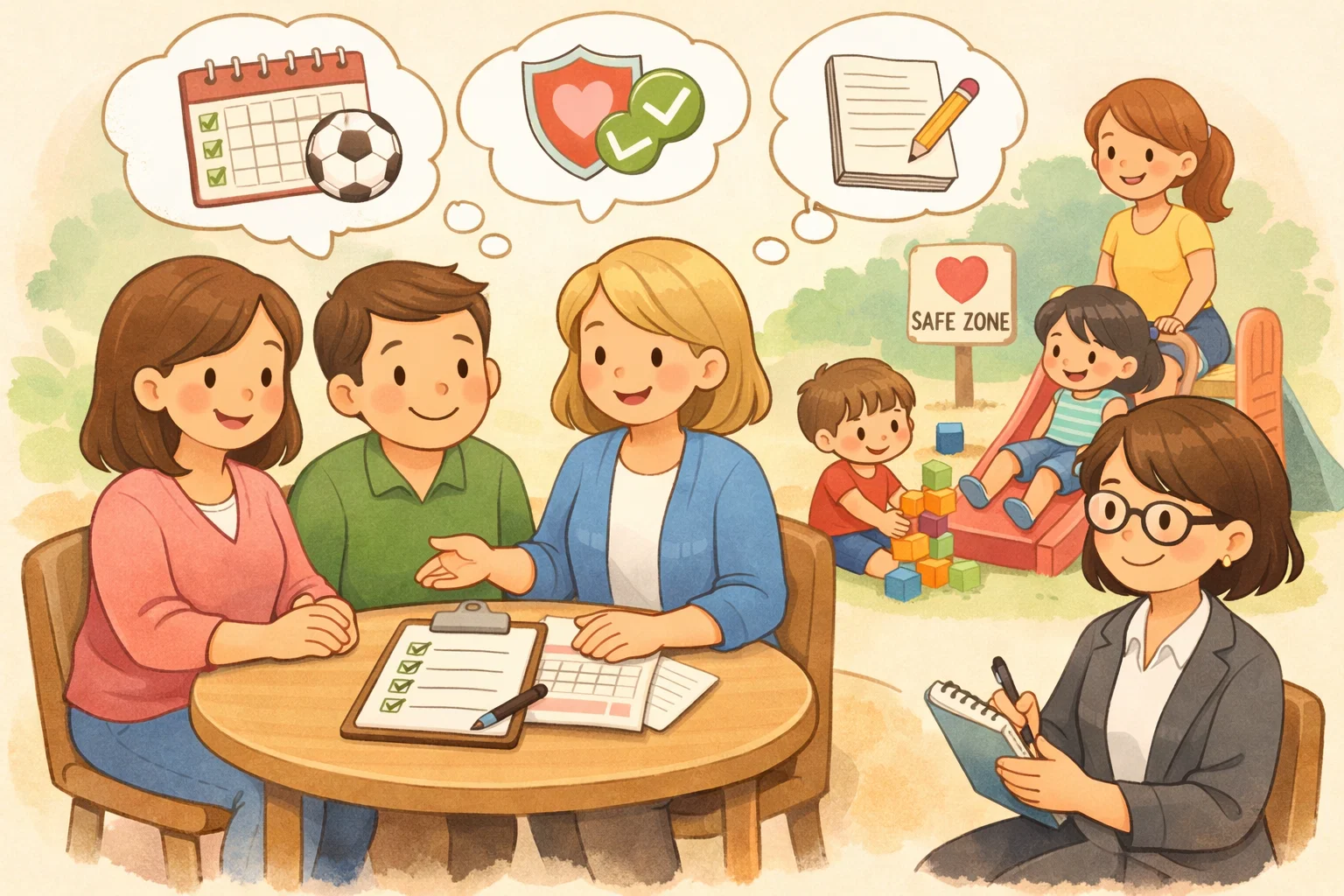
While adhd activities are helpful, they are most effective when tailored to the individual. ADHD in girls, for example, may present more as internal inattention rather than physical hyperactivity, requiring a greater emphasis on focus-based activities rather than high-energy ones.
- Age-Appropriate Selection: Ensure challenges are “just right”—too hard and they give up; too easy and they lose interest.
- Individual Needs: Some children have special educational needs alongside ADHD, such as dyslexia.
- When to Seek Help: If a child’s symptoms are causing significant distress despite these interventions, consult a child and adolescent psychiatrist for a formal adhd treatment plan.