
How to Calm Kids in the Car

 Discover a Free Education Video App for Kids
Pastory uses AI to personalize educational video content based on your child’s interests and personality. Safe, engaging, and built for curious young minds. Sign up now to stay updated and enjoy early access with a free trial
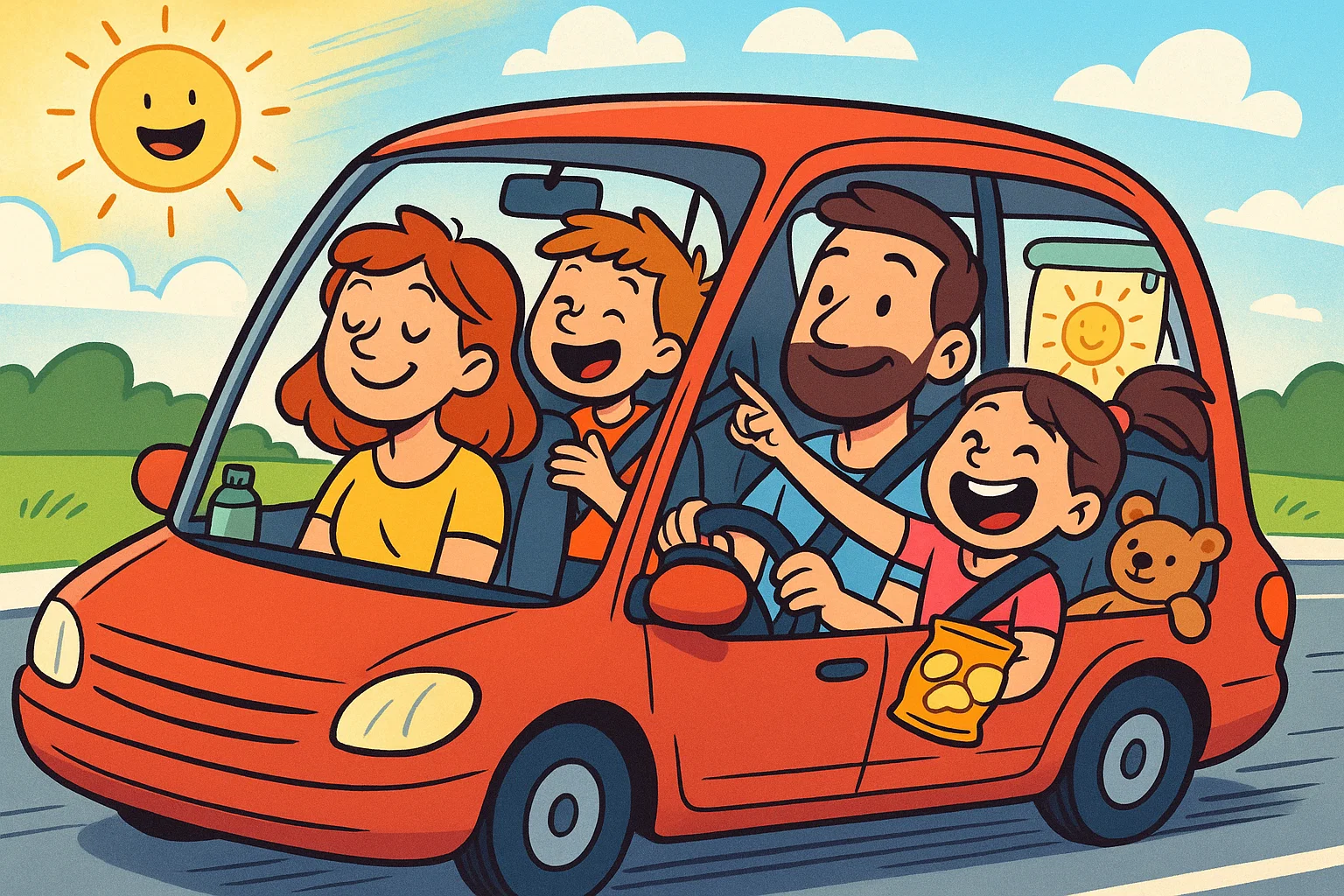
The open road promises adventure, but for many parents, the idea of a long car ride with a little one can feel more like a daunting challenge than an adventure. Whether you have a baby struggling to cope with the car seat, a toddler protesting every minute they have to be strapped in, or older children asking ‘Are we there yet?’ every five minutes, the struggle to keep them occupied and avoid a backseat meltdown is very real.
This expert-driven guide provides practical, psychology-backed, and parent-tested tips and tricks to help you soothe your child and ensure a peaceful journey for everyone. By focusing on preparation, environment, and emotional regulation, you can transform stressful car travel into an enjoyable part of your family adventure. This guide will show you how to set up the perfect atmosphere so your babies and toddlers – and even your older kids – can relax, take a nap, or simply be pleasantly entertained in the car.
Prepare Before the Trip
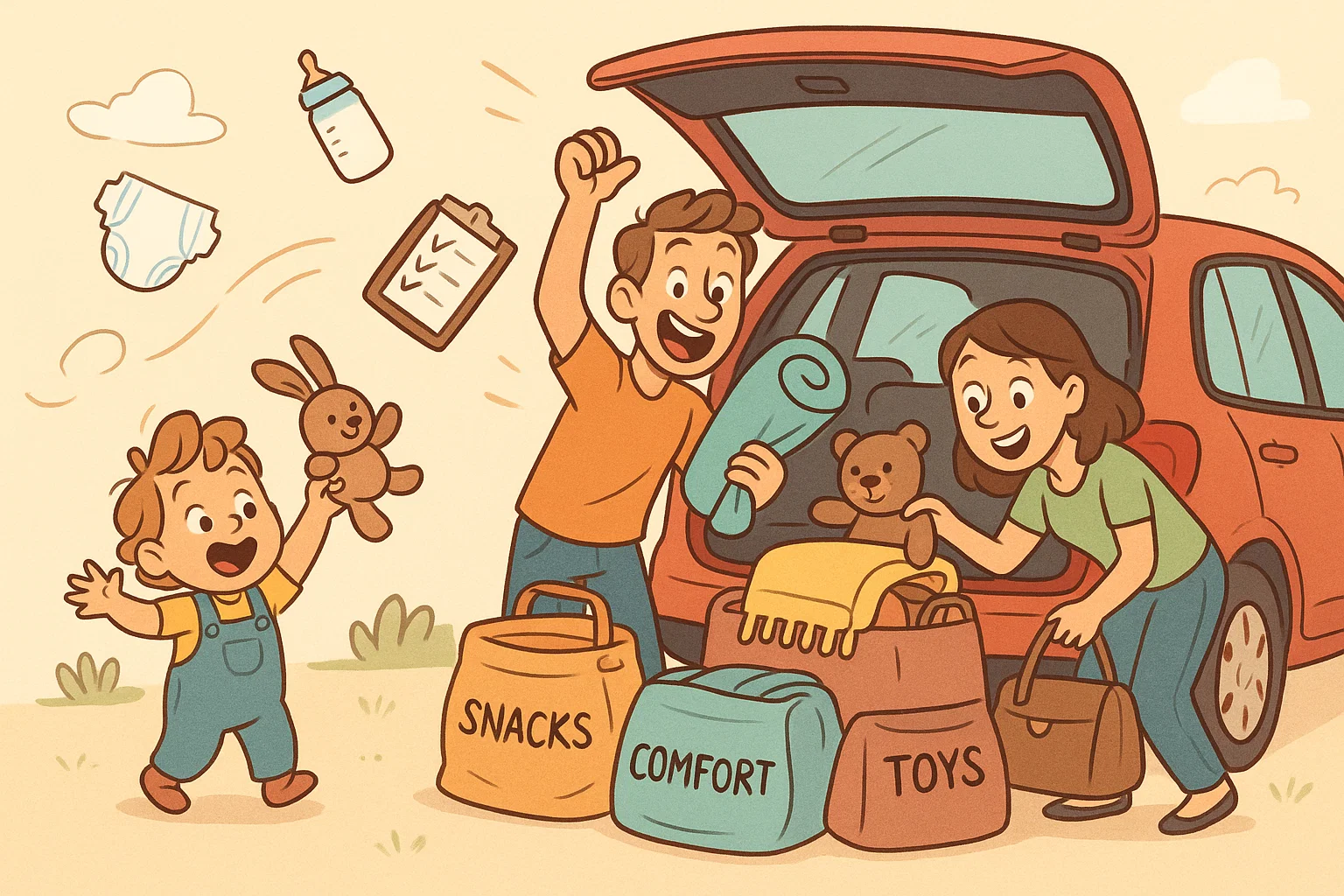
A successful and calm long car journey starts long before you pull out of the driveway. Preparing in advance helps address potential discomforts and sets your child’s mood on the right foot. It’s about minimizing unknowns and maximizing physical comfort to prevent that initial resistance when you tell your little one it’s time to get in the car.
Dress Kids for Comfort
A surprising number of mid-ride meltdowns are caused by physical discomfort. Tight clothing, scratchy labels, or simply being too hot or too cold can make a child’s body feel instantly agitated, especially when confined to a rear-facing car seat.
- Choose Breathable Fabrics: Opt for soft, loose, layered clothing made from cotton or moisture-wicking materials. This helps your child’s body regulate temperature more effectively.
- Check the Car Seat Straps: Ensure the car seat harness and chest clip are snug but not pinching. Remember, bulky jackets compromise the safety and fit of the harness and should be removed before buckling.
- Monitor Temperature: Babies and toddlers often have a hard time regulating their body temperature. Layers are key – you can easily add or remove a light blanket or vest without fully disrupting them.
Finish Feed and Potty Time Before You Leave
Hunger and a full bladder are primary stressors for babies and toddlers and can instantly lead to a screaming child. Addressing these needs proactively is a foundational step in ensuring a calmer ride.
- Babies: Offer a full feed (bottle or breast) immediately before getting the baby into the car seat. This not only satisfies hunger but can also help them fall asleep sooner.
- Toddlers and Older Children: Make a trip to the restroom mandatory. Use positive reinforcement to encourage an empty bladder before the trip begins. A full tummy and an empty bladder mean fewer complaints and less risk of an emergency pullover.
Pack a Backseat Survival Kit
Having essentials readily accessible is critical, as fumbling around for a needed item can instantly escalate a situation. Think of this kit as your anti-tantrum toolkit.
Essentials Checklist:
- Keep snacks (healthy and mess-free).
- Pacifier or teething ring (for babies).
- A special toy or favorite toy (reserved only for car travel).
- Spare clothes (accidents happen, especially on long trips).
- Wipes and a small trash bag.
Keep Everything Within Reach: Store the kit in a bag that an older child can access, or hang a clever organizer over the back of the car’s front seat so items are within reach of the parent or the child.
Create a Comfortable Car Environment
The sensory environment of the car plays a huge role in how quickly a child becomes agitated. The goal is to make the enclosed space feel familiar, safe, and soothing. A calm environment helps your little one feel secure enough to take a nap or simply relax.
Adjust Lighting and Temperature
Sensory overload is a frequent cause of a toddler who hates the car. Harsh light or an uncomfortable temperature can quickly turn a quiet ride into a dramatic one.
- Use Window Shades: Direct sunlight, especially when sunlight constantly shines in their face, can be incredibly irritating. Window shades – either suction-cup or stick-on – block the harsh glare without fully obstructing the view.
- Maintain Proper Air Circulation: Ensure the temperature is comfortable. Not too hot (which can cause discomfort or crankiness) and not too cold (which leads to shivering and whining). Proper airflow can also help prevent motion sickness in some cases.
Bring Comfort from Home
Familiarity is a powerful tool for soothing your child.
- Scent and Texture: A favorite blanket, a stuffed animal, or a small pillow that smells like home provides instant emotional security. This acts as a transitional object, making the unfamiliar feel safe.
- Neck Support: For babies and toddlers who fall asleep in the car, a small, age-appropriate neck pillow can prevent their head from drooping uncomfortably, allowing them to truly take a nap. Ensure any item used near the head is approved for the child’s age and doesn’t interfere with the car seat harness.
Use a Rear-Facing Mirror
A shatterproof, adjustable mirror attached to the headrest allows you to see your rear-facing baby’s or child’s mood with a quick glance in your rearview mirror. More importantly, it allows your little one to see your face. This visual connection is incredibly reassuring for infants who feel isolated in the back.
| Age Group | Common Sensory Irritant | Recommended Solution |
| Infants/Babies | Lack of visual contact, loud noise | Rear-facing mirror, white-noise playlist or soft lullaby |
| Toddlers (1–3 yrs) | Confinement, bright light | Window shades, Comfort item, Favorite music |
| Preschool/Older Children | Boredom, repetitive noise | Audiobooks, Games you can play, Visual progress tracking |
Keep Kids Engaged and Distracted
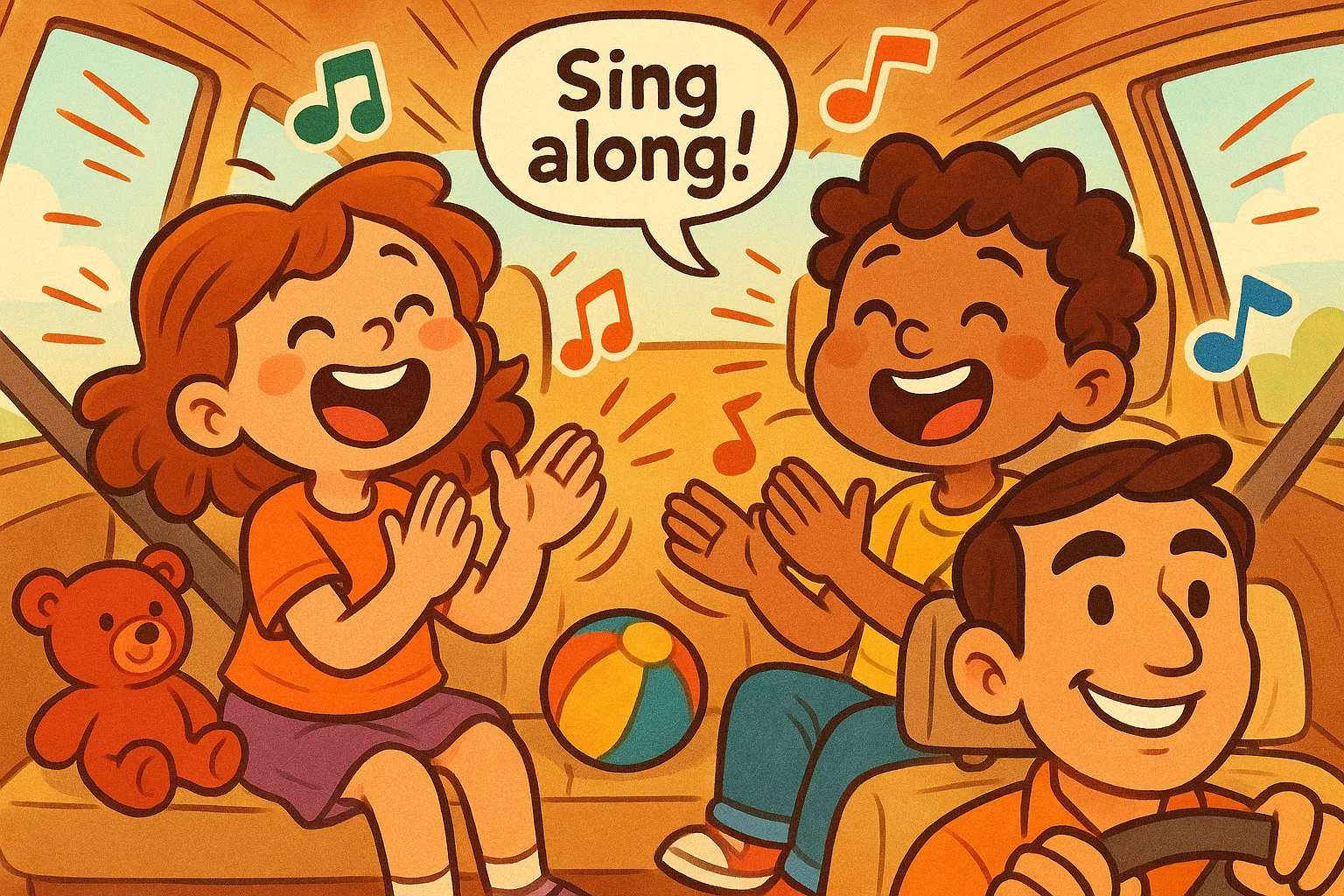
When a child is entertained in the car, they’re less likely to focus on the duration of the journey. The key to successfully keeping kids calm is providing novelty and engagement that doesn’t involve constant parental intervention.
Play Favorite Songs or Audiobooks
Sound is an effective tool for mood regulation. A good playlist can change the atmosphere immediately.
- Music and Mood: Start with upbeat sing-along tunes when energy is high, then switch to favorite music or a calming lullaby for a transition to nap time. Research shows that listening to music can reduce the stress hormone cortisol.
- Story Time: Audiobooks or story podcasts are excellent for older children and even many toddlers. Listening to stories helps them use their imagination, stay focused, and pass the time more easily.
Use Imagination Games and Storytelling
Interactive, screen-free engagement is vital for developing focus and language skills.
- Classic Games: Simple, classic games like ‘I Spy’ (focusing on colors or shapes within reach) or telling stories collaboratively are effective. Start a story, then let the kids add the next sentence.
- Color Hunt: For younger kids, ask them to find cars of a certain color. This simple task keeps your little one actively looking around and engaged.
Rotate Toys Slowly
The “newness factor” is a powerful tool. Instead of giving your child a bag full of toys at once, introduce them gradually.
- Give them one toy or book and let them master or tire of it. After 20–30 minutes, when boredom is about to set in, introduce a new toy (even if it’s an old one they haven’t seen in a while). This prolongs engagement and keeps them pleasantly occupied. Reserve these toys exclusively for car rides to maximize their appeal.
Plan Breaks and Smart Timing
Smart scheduling works with your child’s body clock, rather than against it. Ignoring natural rest cycles is a surefire way to end up with a screaming child.
Travel Around Nap or Sleep Times
For long trips, time your departure to coincide with when your little one usually takes a nap.
- Leaving 30 minutes before the scheduled nap time maximizes the chances they will fall asleep due to the gentle motion of the car. This can turn a significant portion of your drive into a peaceful quiet time.
Take Regular Stops
Children aren’t built to stay still for hours. Rest stop breaks are non-negotiable for keeping kids happy and ensuring safety.
- Movement Breaks: Plan to stop at least every 1.5 to 2 hours. This isn’t just a pit stop for gas; it’s playground time. Let the kids run, jump, stretch, and burn off their energy. Even 15 minutes of vigorous activity can improve their tolerance for the next leg of the journey.
Be Flexible With Your Schedule
While planning is essential, the key to reducing parental stress is accepting that every child is different and needs might change. If your toddler is having a meltdown 45 minutes into the trip, a quick, safe stop is better than trying to push through. Flexibility reduces tension for everyone and models emotional regulation for your children.
Calm Through Snacks and Feeding
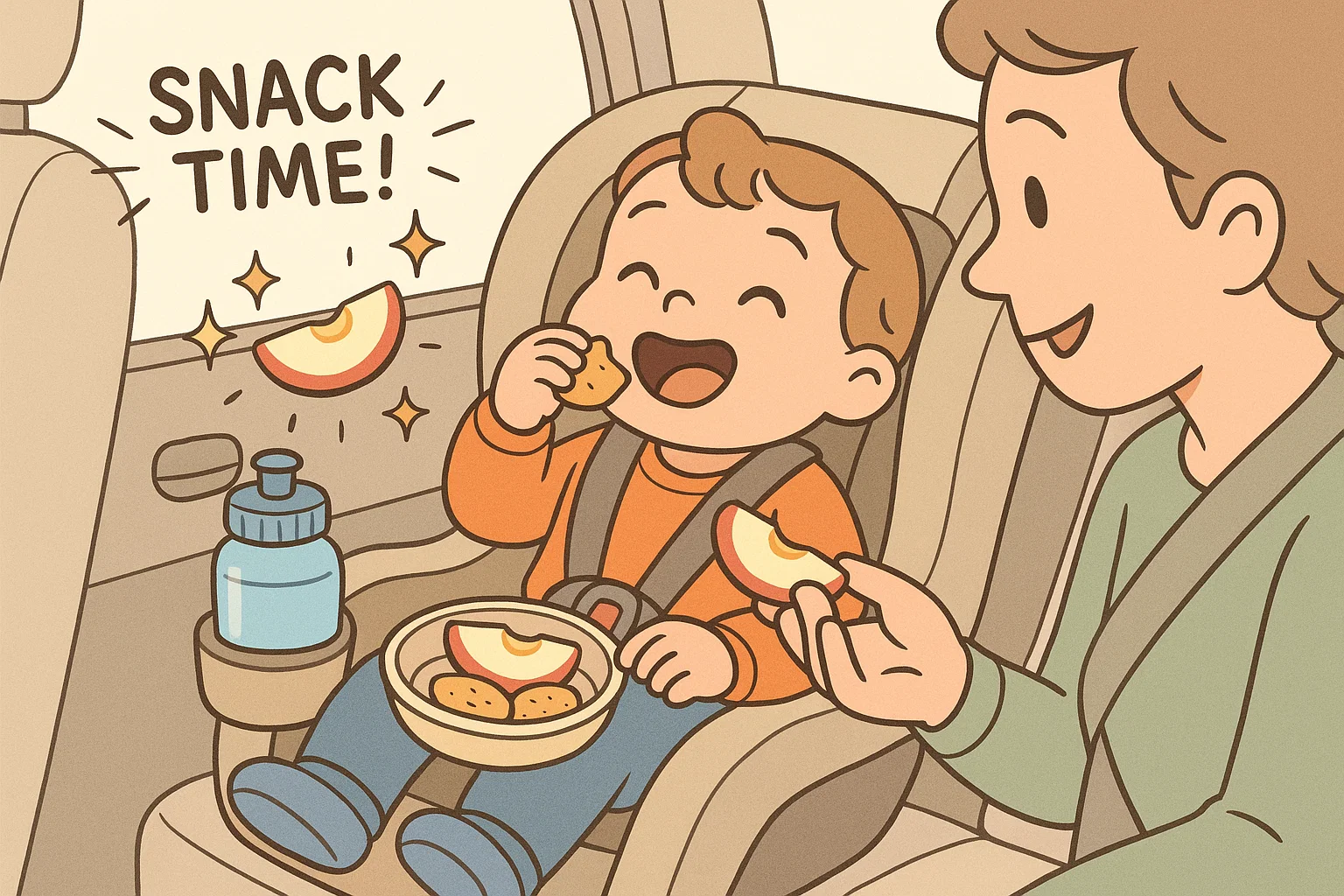
Food is not just fuel; it’s a powerful psychological tool. It can be a source of comfort, a distraction, and a regulator of energy levels.
Keep Healthy Snacks Ready
A sudden drop in blood sugar can turn a content child into a whine machine.
- Mess-Free Options: Choose snacks that are easy to handle and won’t require a full cleanup. Think banana slices, puffs, dry cereal, mini breadsticks, or pre-cut pieces of cheese.
- Avoid Sugar Spikes: Steer clear of excessive sugary treats, as the subsequent crash can lead to increased hyperactivity and irritability, making it harder for them to calm down or fall asleep.
Stay Hydrated
Dehydration can cause headaches and general malaise, making the journey feel worse. Offer water or diluted juice regularly or diluted juice regularly, especially when driving through warmer climates.
Avoid Heavy or Messy Foods
Greasy or strong-smelling foods can easily trigger motion sickness. Sticking to bland, light options is generally best for long car rides.
Use Technology Wisely
Screen time is a valuable tool for keeping kids entertained in the car, especially for long trips, but it should be used judiciously as part of a varied entertainment strategy.
Choose Educational or Calming Videos
Not all screen time is created equal. The content matters.
- Gentle Visuals: Opt for calm nature documentaries, quiet animated stories, or interactive learning games that don’t involve fast cuts or loud, overstimulating music. Some streaming services even offer travel-friendly playlists designed to be gentle on the eyes and ears.
Limit Screen Time Duration
Too much passive screen time can lead to overstimulation, making it harder for a child to switch gears or take a nap when needed.
- Use screen time as an interval activity. For example, 30 minutes of screen time, followed by 30 minutes of playing with a toy or book, then nap time.
Hands-Free Calls With Family
A quick video or voice call to a loving grandparent or family friend can be a fantastic way to distract and comfort a child who is missing home. This simple interaction, conducted safely hands-free through Bluetooth, can be highly effective.
Practice Emotional Connection and Modeling Calmness
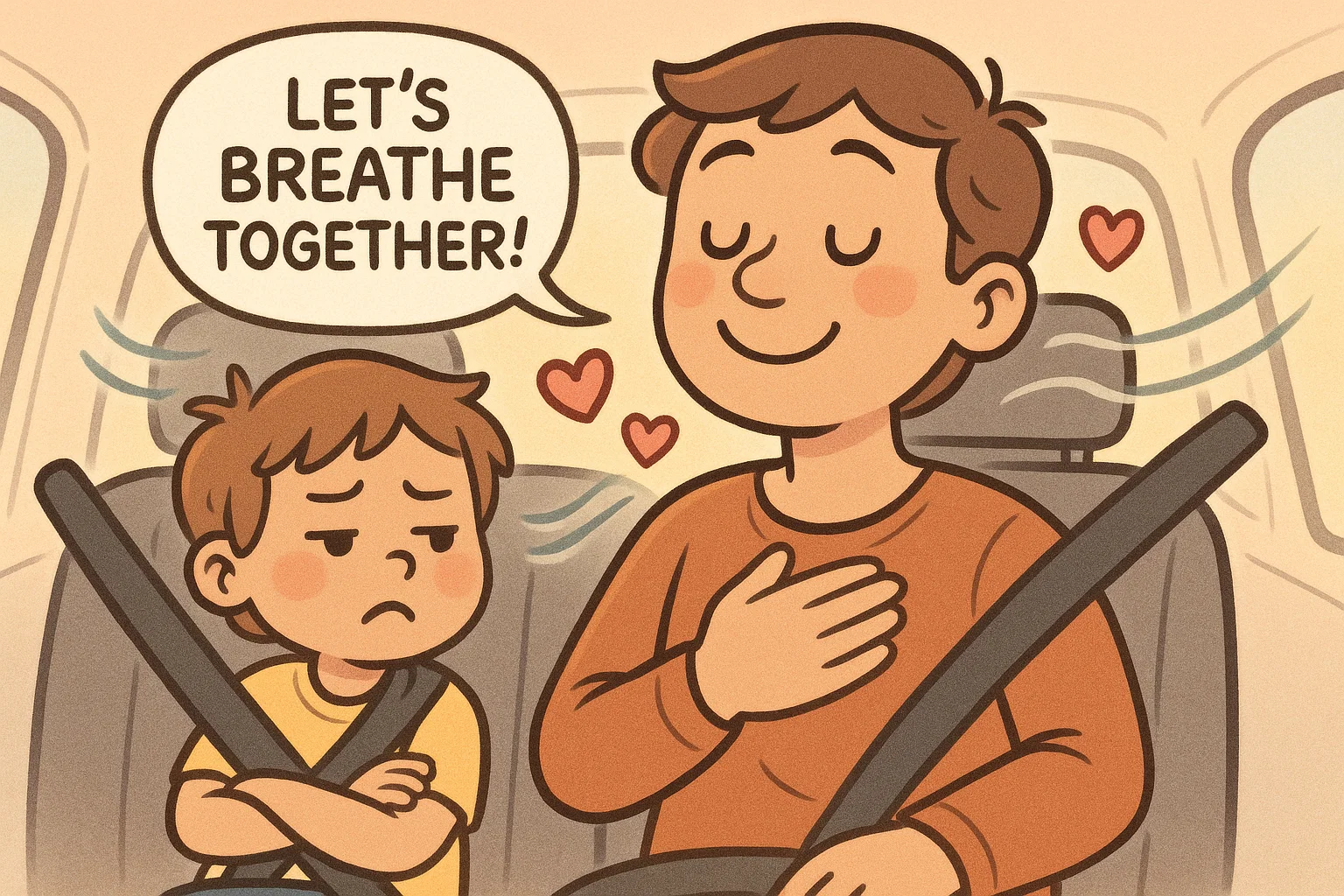
One of the most powerful tools in soothing your child is your own regulated emotional state. Children are emotional sponges.
Stay Calm Yourself
When your toddler begins to whine or your baby starts screaming, the instinct to get frustrated is strong. However, a parent’s panic or anger only amplifies the child’s distress.
A child’s nervous system constantly reads cues from its environment. If the parent’s face is tense and their voice is raised, the child’s brain registers danger, making it physically impossible for them to regulate.
- Self-Regulation Techniques: Before reacting, take three deep breaths. Use simple mental affirmations: “I am calm. I can handle this.” Maintaining a gentle tone is essential.
Reward Calm Behavior
Positive reinforcement is far more effective than focusing on negative behavior.
- Acknowledge and praise any moment of calmer behavior: “I love how quietly you’re looking at your book!” or “Thank you for staying so still while I fixed your seatbelt.” Small rewards, like a sticker or tiny planned treat, work wonders for toddlers and older kids.
Teach Kids Simple Calming Strategies
Give your little one tools for self-soothing, even in the car seat.
- Breathing Games: Teach them to “blow out the candle” or “smell the flower” (deep breaths in and slow breaths out). This gives them agency and a way to actively regulate when they feel overwhelmed.
Handle Crying or Stress in the Moment
Despite all the preparation, there will be times when your little one is a screaming child. Having a plan for these moments can prevent a breakdown for both parent and child.
Identify the Cause Quickly
Avoid guessing – run through this quick checklist of common triggers:
- Is the car seat too tight? (Check strap position.)
- Are they hungry or thirsty? (Keep snacks ready.)
- Are they too hot or cold? (Adjust air/layers.)
- Are they bored or overstimulated? (Change from music to quiet, or vice versa.)
- Motion sickness? (Open a window for fresh air.)
Offer Reassurance Without Yelling
Keep your voice low and gentle, even if you’re stressed. If safe to do so, gently touch their arm or leg to offer reassurance. Remember that a child who is thrashing is not doing it to spite you – they are communicating distress because they haven’t learned to manage big feelings yet.
Stop Safely if Needed
If the crying escalates into outright panic or if you feel your own stress becoming dangerously high, pull over safely to the nearest rest area or shoulder. A five-minute break for everyone to get out, stretch, and reset is invaluable. It’s better to arrive late and calmer than to push through while stressed.
Make Long Trips Enjoyable for Everyone
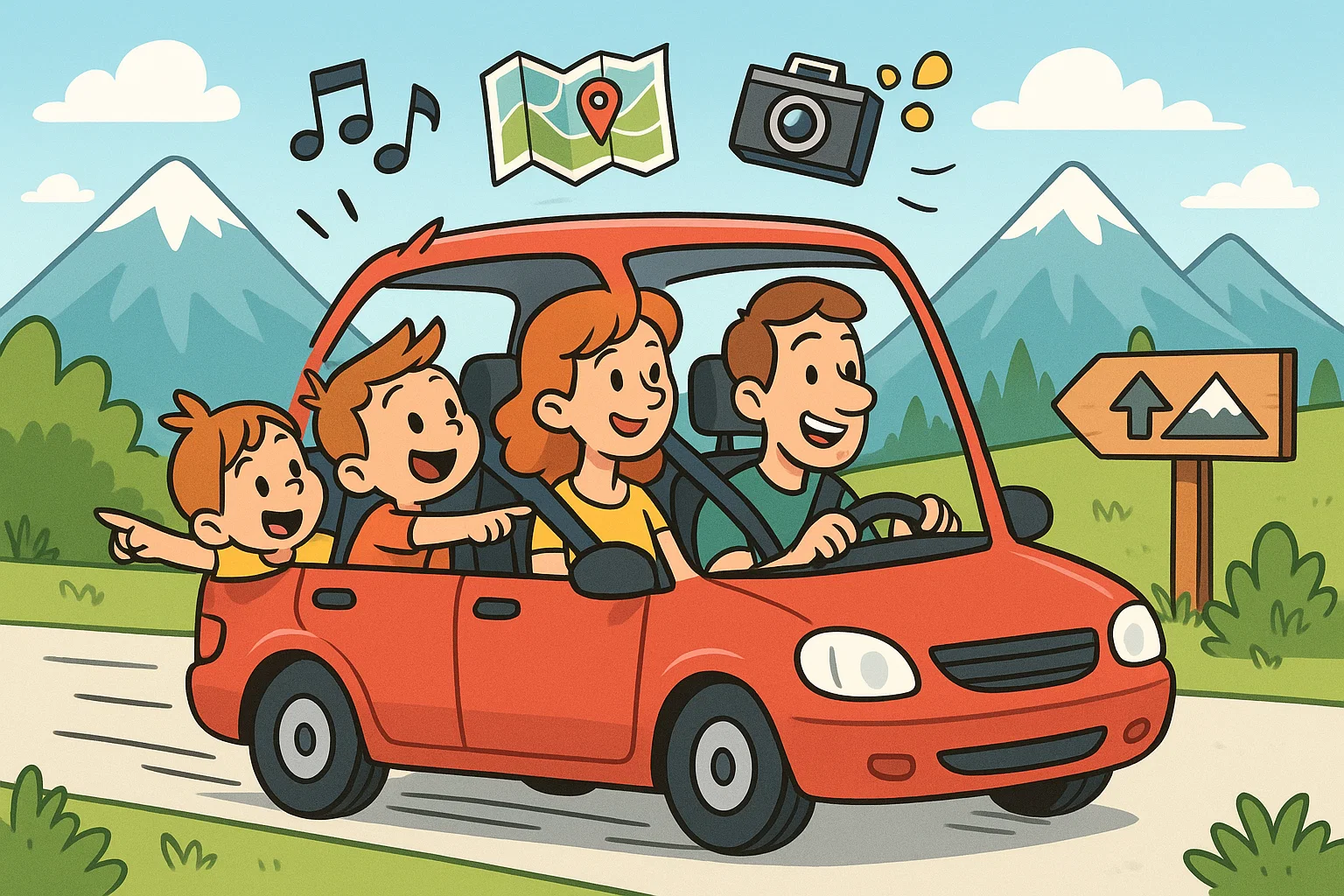
Successfully navigating long trips requires shifting your mindset from simply surviving the drive to enjoying family time.
Involve Kids in Trip Planning
Give children a sense of control and buy-in, especially older children.
- Let them choose the audiobooks, choose snacks from the list, or take charge of handing out the next toy during rotation time.
Visualize the Journey Together
The mystery of “How much longer?” can fuel restlessness.
- Use a simple laminated map where kids can track your progress with a washable marker or stickers. Knowing they are halfway or approaching the next rest stop helps them better pass the time.
Take Turns Watching or Entertaining Kids
If two adults are traveling, take turns sitting next to the rear-facing child or being the designated entertainer. This ensures one adult can rest and stay alert for driving, while the other focuses on keeping your child settled.
Quick Tips Summary
Here are the essential, actionable reminders for a peaceful long car journey:
- Comfort First: Dress your child comfortably and ensure the car seat is properly adjusted.
- Sensory Management: Use window shades and a white noise playlist to create a calmer environment.
- Entertainment Rotation: Have a rotation of a special toy or book ready; don’t give them all at once.
- Fuel Wisely: Keep snacks healthy, and always keep water within reach.
- Time It Right: Plan your travel during natural nap times.
- Break Often: Take regular rest stop breaks every 90-120 minutes for movement.
- Stay Calm: Model calm behavior; your energy is their anchor.
Frequently Asked Questions
How to calm a crying baby in the car seat?
The immediate, safe steps are to: 1) Check Comfort: Ensure the strap isn’t pinching and they aren’t too hot or cold. 2) Sound Soothing: Play white noise, a repetitive lullaby, or a recording of your own voice. 3) Visual Reassurance: Speak gently and use the rear-facing mirror to maintain eye contact. If the crying persists and you cannot safely soothe your child from the front seat, pull over safely and briefly take the baby out (after checking the surroundings for a moment). Sometimes, a short cuddle is all it takes to reset their nervous system before they are safely strapped back in.
Why does my toddler hate car rides?
Many toddlers who seem to hate the car are reacting to one or a combination of three factors: Confinement, Sensory Overload, or Motion Sickness.
- Confinement: A toddler’s developing brain demands movement. Being strapped into a car seat for a long car ride feels like torture.
- Sensory Overload: The constant whizzing visuals, engine hum, and changes in light can be too much for their immature nervous system to process.
- Solution: Tackle this with planned movement breaks, new toy rotations to keep the mind engaged, and using a calmer environment (less light, gentle music) to reduce sensory input.
What are the best car toys for long rides?
The best car toys for long rides are those that are quiet, require one or two hands, and are safely tethered or too big to disappear under the car seat.
- Sensory-Friendly Options: Soft fabric books, sensory bags, fidget toys with simple buttons or zippers, stick-on window gel clings (that don’t pose a choking risk), or a stack of soft cups. Avoid toys that make loud noises or have tiny parts that can roll out of reach and get lost.

Take a short quiz to find out what your everyday choices say about your parenting style
When your child is curious about something new, what’s your instinct?
Take a short quiz to find out what your everyday choices say about your parenting style
“Can I download this app?” What happens next?
Take a short quiz to find out what your everyday choices say about your parenting style
When it comes to rules at home, which sounds most like you?
Take a short quiz to find out what your everyday choices say about your parenting style
If you could give your child one life skill today, what would you pick?
Take a short quiz to find out what your everyday choices say about your parenting style
Your child gets to choose what to watch. What would your ideal setup look like?
Take a short quiz to find out what your everyday choices say about your parenting style
Pick your parenting superpower ✨



