Kindergarten Writing Prompts: 120 Fun Ideas, Draw-and-Write Activities, and Story Starters

 Discover a Free Education Video App for Kids
Pastory uses AI to personalize educational video content based on your child’s interests and personality. Safe, engaging, and built for curious young minds. Sign up now to stay updated and enjoy early access with a free trial
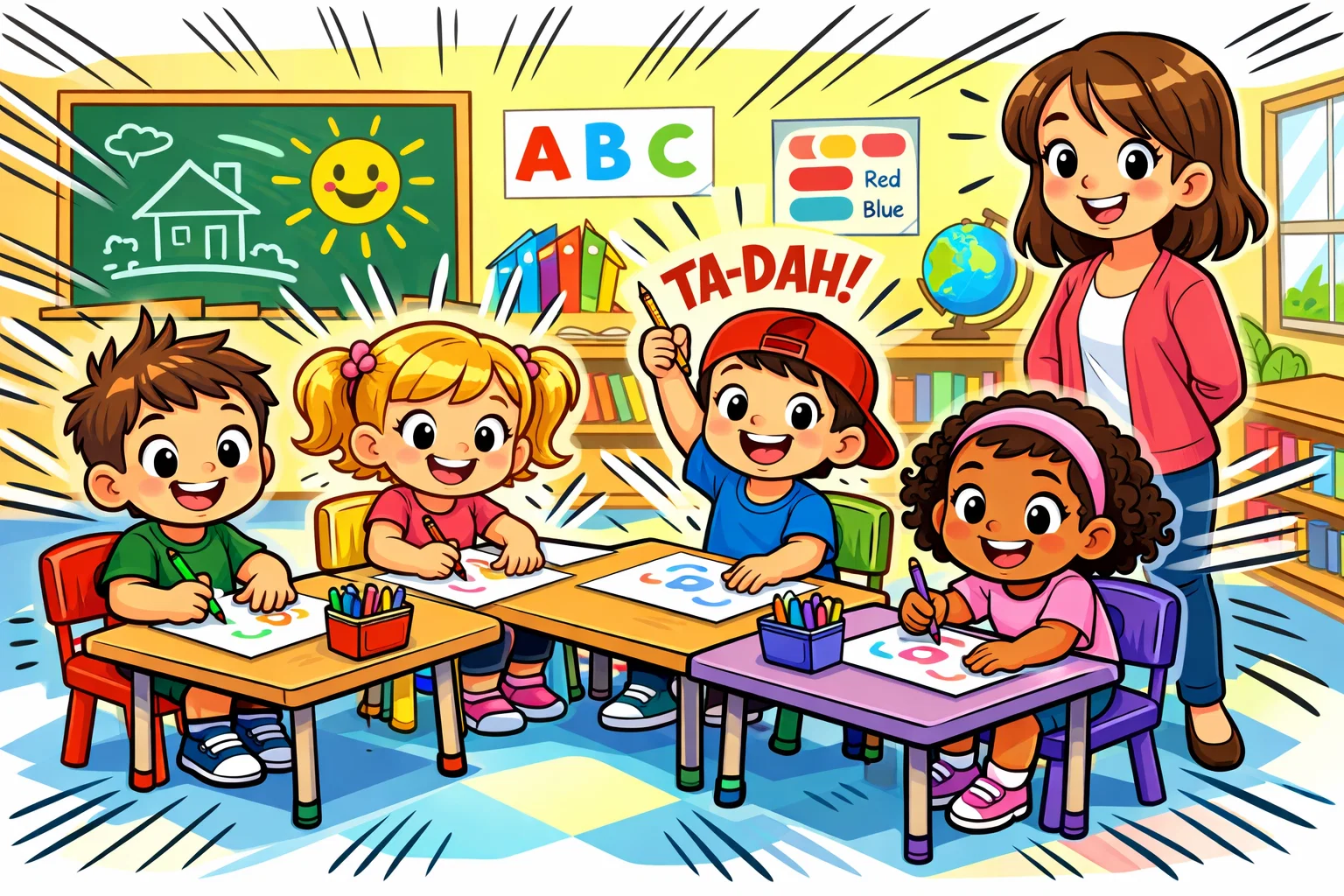
Developing early literacy skills is a cornerstone of the kindergarten experience. For many young learners, a blank page can feel overwhelming, stalling their natural creativity and love for storytelling. Providing a structured yet low-pressure writing prompt is one of the most effective ways to spark an interest in literacy development.
This comprehensive guide offers over 120 kindergarten writing prompts designed to inspire your students at every stage of their journey. Whether your child is currently focusing on letter formation, using sight words, or beginning to construct complete sentences, these engaging prompts provide the perfect foundational support. We cover everything from personal narrative and opinion writing to seasonal activities that make the educational process a highlight of the school day.
What Kindergarten Writing Prompts Are
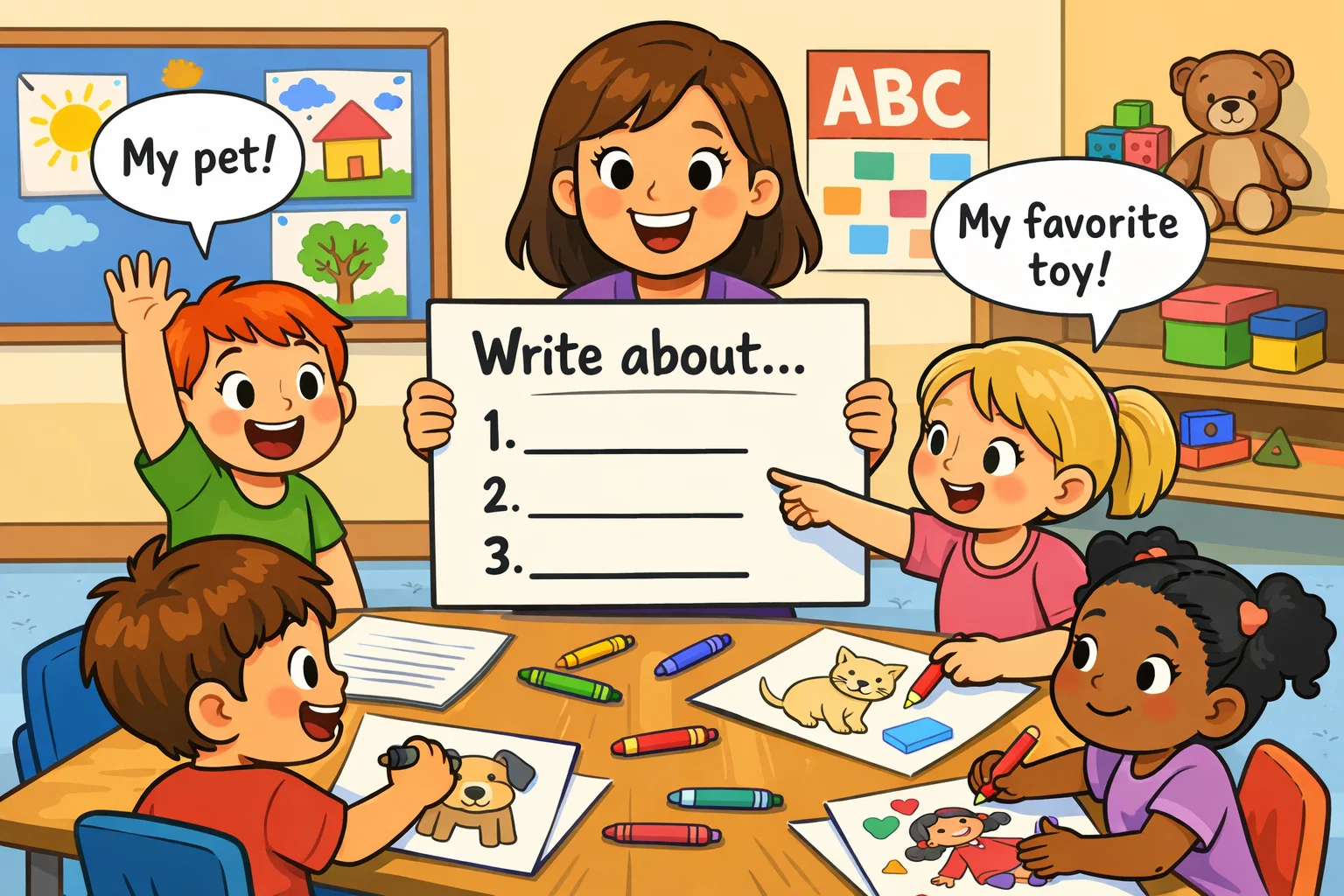
A prompt is a specific topic, question, or sentence starter designed to guide your students toward a focused task. In a kindergarten setting, these tools act as a bridge, helping young learners move from internal thoughts to external expression. These resources are not meant to demand complex essays; rather, they serve as a starter for a single word, a label, or a simple illustration.
Prompt Goals for Early Writers
The primary objective of these tools is to foster confidence rather than technical perfection. Kindergarteners should use a combination of drawing, dictating, and composing to create narrative writing, opinion writing, and informative/explanatory texts. Prompts help children organize their thoughts, practice handwriting, and reinforce the understanding that symbols carry specific meanings.
Prompt Types for Kindergarten
Different writing activities target varied cognitive and literacy skills. An effective early childhood curriculum often includes:
- Question Prompts: Simple “What is your favorite…” queries that encourage oral response before penning ideas.
- Draw-and-Write: An illustration box paired with a few lines for text to support visual thinkers.
- Labeling: Identifying parts of a picture to build vocabulary and sound-letter association.
- Sentence Starters: A partial sentence (e.g., “I like to…”) that the student completes independently.
- Story Starters: A narrative opening to trigger storytelling and sequence awareness.
Prompts vs. Worksheets vs. Journals
While these terms are often used interchangeably, they serve distinct roles in the writing center. A prompt is the actual idea or instruction. A worksheet is a versatile resource often used for a one-time routine or specific writing practice. In contrast, writing journals act as a keepsake, allowing students to create a chronological record of their growth throughout the year. For reluctant writers, a low-pressure journal often feels more personal and less intimidating than a formal worksheet.
What Writing Looks Like in Kindergarten
Understanding the developmental stages of young writers is essential for maintaining accuracy in the classroom. Child psychologists and educators note that literacy is a multi-modal process at age five and six. It is rarely a linear progression of perfectly spelled words, but rather a series of experimental steps.
Drawing as Writing
In the early stages of writing, an illustration is not just a decoration; it serves as the primary method of communication. Kindergarteners who draw before picking up a pencil tend to produce more descriptive writing and stay more engaged. The drawing allows the child to brainstorm details and “rehearse” the story before attempting the mechanical task of composition.
Labels, Letter Sequences, and Copied Words
As students progress, they move from drawings to labels. You might see a child place the letter “D” next to a picture of a dog. This is a significant milestone in literacy. Following this, children may produce “letter strings” – long sequences of random letters – or carefully copy words from a classroom word wall. These behaviors demonstrate that the child understands that text represents spoken language.
Dictation, Oral Stories, and First Sentences
Shared writing and dictation are vital “scaffolds” for kindergarten students. When a teacher records a student’s oral story, it models sentence structure and vocabulary usage. Over time, students begin to use a sentence starter to construct their first sentences independently. The National Center for Education Statistics (NCES) indicates that strong oral language skills are one of the most reliable predictors of later academic success.
Growth Across the School Year
The literacy routine in kindergarten follows a predictable progression of maturation:
- Beginning of Year: Mostly drawings, scribbles, and perhaps the first letter of a name.
- Mid-Year: Labels, some sight words, and “invented spelling” (composing words based on sounds).
- End of Year: Complete sentences with phonetic spelling, finger spaces, and basic punctuation.
Why Writing Prompts Work for Kindergarteners
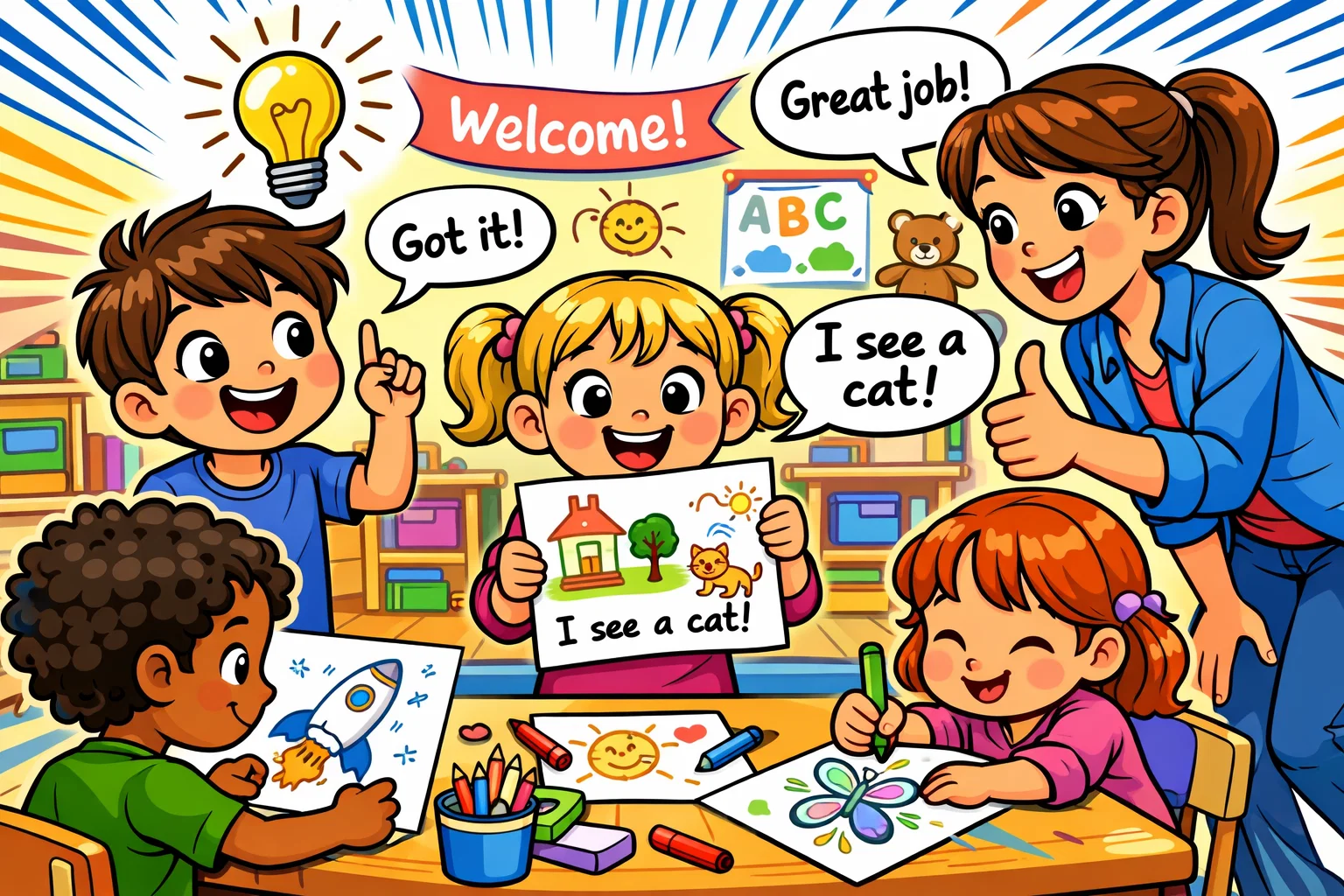
Using engaging prompts significantly reduces the cognitive load on young learners. By providing a “what” to focus on, the child can devote their energy to the “how” – the physical act of writing skills and sound-letter mapping.
Confidence and Low-Pressure Practice
A blank page can be intimidating, but for a five-year-old, it can lead to total disengagement. Prompts offer support. When a student sees a sentence starter like “I see a…”, they feel empowered to finish the thought. This low-pressure environment is where creativity thrives and where students build confidence.
Vocabulary, Oral Language, and Sound Awareness
Kindergarten writing prompts are excellent tools for expanding vocabulary. If a task asks about the fall season, the teacher can introduce words like “crunchy,” “orange,” and “harvest.” This integrates reading and writing goals, helping students practice phonemic awareness as they stretch out the sounds in new words.
Routine, Stamina, and Growth
Implementing these tools as a daily routine helps build “stamina.” Starting with three to five minutes of work and gradually increasing the time helps foster a habit of expression. Furthermore, looking back at prompts from the start of the year provides a clear visual of how foundational literacy skills have improved over time.
120 Kindergarten Writing Prompts
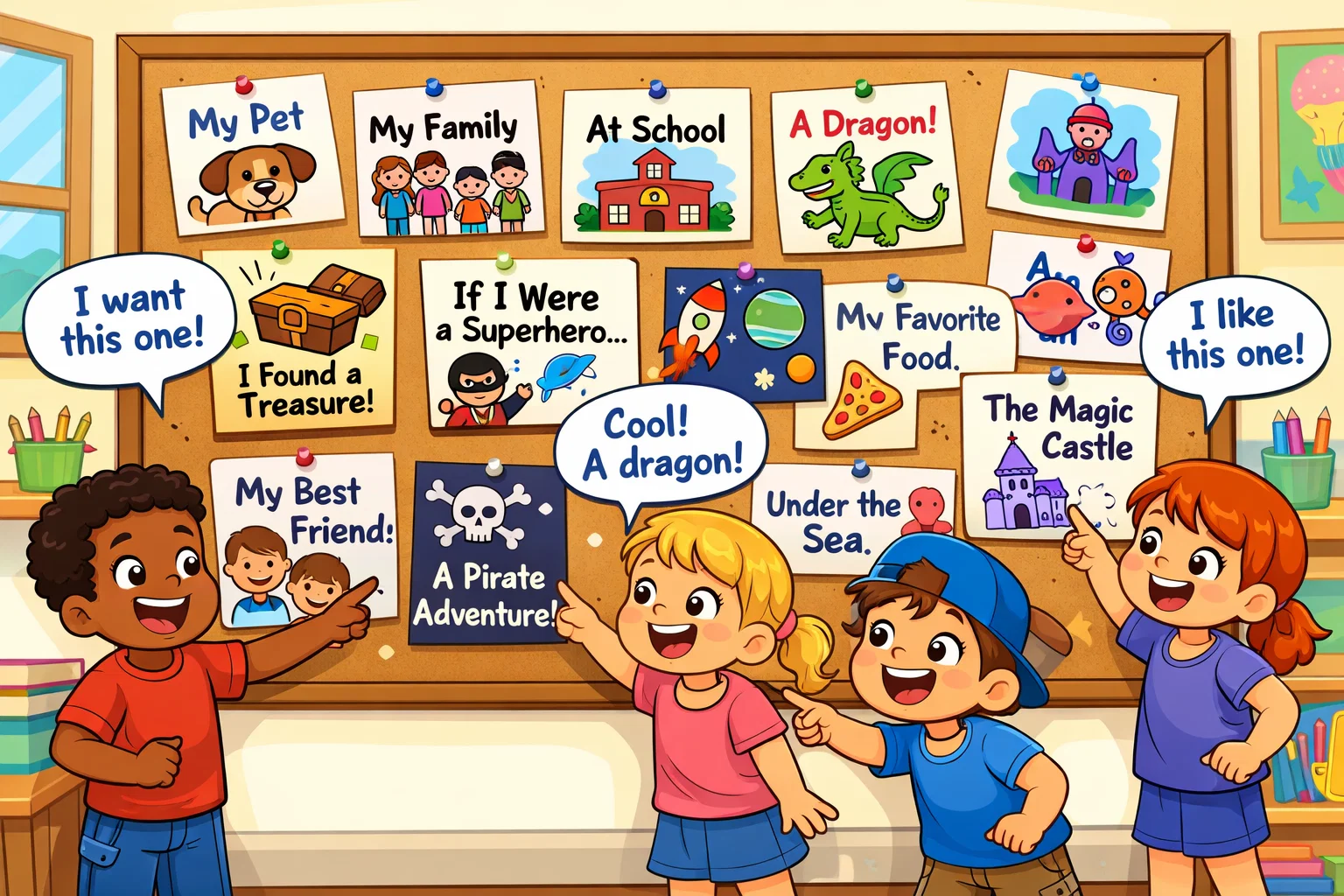
This list is categorized to help you find the right spark for your writing center or morning work. These fun and engaging ideas are designed to let imaginations soar.
Silly and Imaginative Writing Prompts
- If my backpack could talk, it would probably say…
- I found a secret door in my house. Inside was…
- My favorite toy came alive at night! We played…
- If I were as tiny as a bug, I would hide in…
- Imagine a world made of candy. The trees are…
- A dinosaur came to my school today and…
- If I could fly like a bird, I would go to…
- My pet cat started talking. He told me…
- I woke up and had purple hair! I felt…
- The moon is made of green cheese. It tastes like…
Drawing-to-Writing Prompts
- Draw a monster. Give it three eyes. My monster is named…
- Draw your house. I live in a…
- Draw a rocket ship. I am going to…
- Draw a magic hat. What comes out of it?
- Draw a giant ice cream cone. My favorite flavor is…
- Draw a robot. My robot can…
- Draw a garden. I see a…
- Draw a treasure map. The “X” is for…
- Draw a superhero. My power is…
- Draw a funny face. I feel…
Writing Prompts About Me and My World
- My name is special because…
- There are [number] people in my family.
- My favorite food is…
- At school, I like to play…
- My favorite place to go is…
- When I grow up, I want to be a…
- I am really good at…
- My favorite color is [color] because…
- I feel happy when…
- My bedroom has a…
Animal and Nature Writing Prompts
- My favorite animal is a…
- If I had a pet giraffe, I would…
- At the zoo, I saw a…
- When it rains, I like to…
- In the winter, the snow feels…
- A little bug is crawling on the…
- The sun is hot and…
- I saw a bird build a nest in the…
- If I were a fish, I would swim to…
- My favorite flower is…
Personal Narrative Writing Prompts
- On my last birthday, I…
- This weekend, I went to…
- My favorite thing to do with my mom is…
- One time, I lost my…
- At the park, I like to…
- My first day of kindergarten was…
- I felt brave when I…
- Yesterday, for dinner, I ate…
- A fun holiday I remember is…
- I helped my teacher today by…
Opinion Writing Prompts
- Which is better: Pizza or Hot Dogs?
- I like to [read/draw] more because…
- Dogs are better than cats because…
- The best fruit is an apple because…
- Would you rather go to the beach or the mountains?
- My favorite season is [season] because…
- I think [book title] is a great book.
- Is it better to be fast or strong?
- I like [pancakes/waffles] for breakfast.
- The best toy in the world is…
Explanatory Writing Prompts
- How to make a peanut butter sandwich: First…
- To grow a plant, you need…
- How to brush your teeth: First, get your…
- To get ready for school, I…
- How to build a snowman: Start with a…
- To be a good friend, you should…
- How to wash your hands: Use…
- To clean my room, I put away my…
- How to draw a circle: You move the pencil…
- To cross the street safely, you must…
Narrative Prompts
- One day, I found a magic key…
- I went to the forest and saw a…
- My dog ran away to the…
- The giant was very kind and…
- We went on a boat and saw a…
- I found a lost kitten in the…
- The spaceship landed in my…
- Once upon a time, there was a…
- The frog turned into a…
- I went under the sea and met a…
Simple Story Starters
- I see a big…
- My friend has a…
- Look at the red…
- We can go to the…
- The cat is on the…
- I can jump over the…
- She has a pretty…
- The sun is in the…
- He is my…
- I like my…
School, Friends, and Community
- My teacher is nice because…
- A good friend always…
- At recess, I like to…
- My favorite thing in my classroom is…
- I like to help my family by…
- My library has many…
- A doctor helps people by…
- Firefighters are brave because…
- I like my school because…
- My neighbor has a…
Feelings and Mindfulness
- When I am mad, I can…
- Kindness looks like…
- I feel calm when I…
- Something that makes me smile is…
- When I am tired, I like to…
- I am thankful for…
- My favorite quiet activity is…
- I am a helper when I…
- Being brave means…
- I love myself because…
Seasonal and Holiday Prompts
- In the fall season, I see leaves that are…
- For Halloween, I want to be…
- In the winter, I wear my…
- For Thanksgiving, I eat…
- In the spring, I see green…
- On Earth Day, I can help by…
- In the summer, I like to swim in…
- My favorite holiday is…
- On the last day of school, I will…
- Happy New Year! This year I want to…
Using Kindergarten Writing Prompts
To make writing a successful part of your day, it is important to implement prompts in a way that aligns with developmental needs.
Drawing First, Words Next
Always encourage an illustration before the student begins to compose text. For kindergarteners, drawing is the brainstorm phase. It allows them to visualize their ideas, which makes the transition to finding the right word much easier. If a child is stuck, ask them to “tell you about your picture” to bridge the gap between oral and written language.
Sentence Frames, Word Banks, and Visual Supports
Prompts work best when they include “scaffolds.” A sentence frame (e.g., “I like the ___”) provides a structured path. Additionally, providing a visual word bank with pictures of common items (dog, cat, sun, house) helps reluctant writers find the spelling they need without getting frustrated.
Dictation and Shared Writing
In the beginning of the year, shared writing is highly effective. The teacher can guide your students by recording their collective ideas on a large blank chart. For individual work, a teacher might scribe the student’s dictated story at the bottom of their drawing, allowing the student to “trace” or “copy” key words to build confidence.
Daily, Weekly, and Monthly Routines
Consistency is key to foster literacy. Many teachers find success with:
- Morning Work: A quick session to start the day.
- Writing Centers: A dedicated station where students choose a seasonal worksheet.
- Friday Journals: A longer session for personal narrative reflecting on the week.
Using Personal Narrative Prompts
Personal narrative is often the easiest entry point because children are experts on their own lives. Focus on immediate, high-interest events like a birthday, a visit from a grandparent, or a lost tooth. These topics provide an opportunity for the child to use familiar vocabulary.
Helping Kindergarteners Write with Confidence
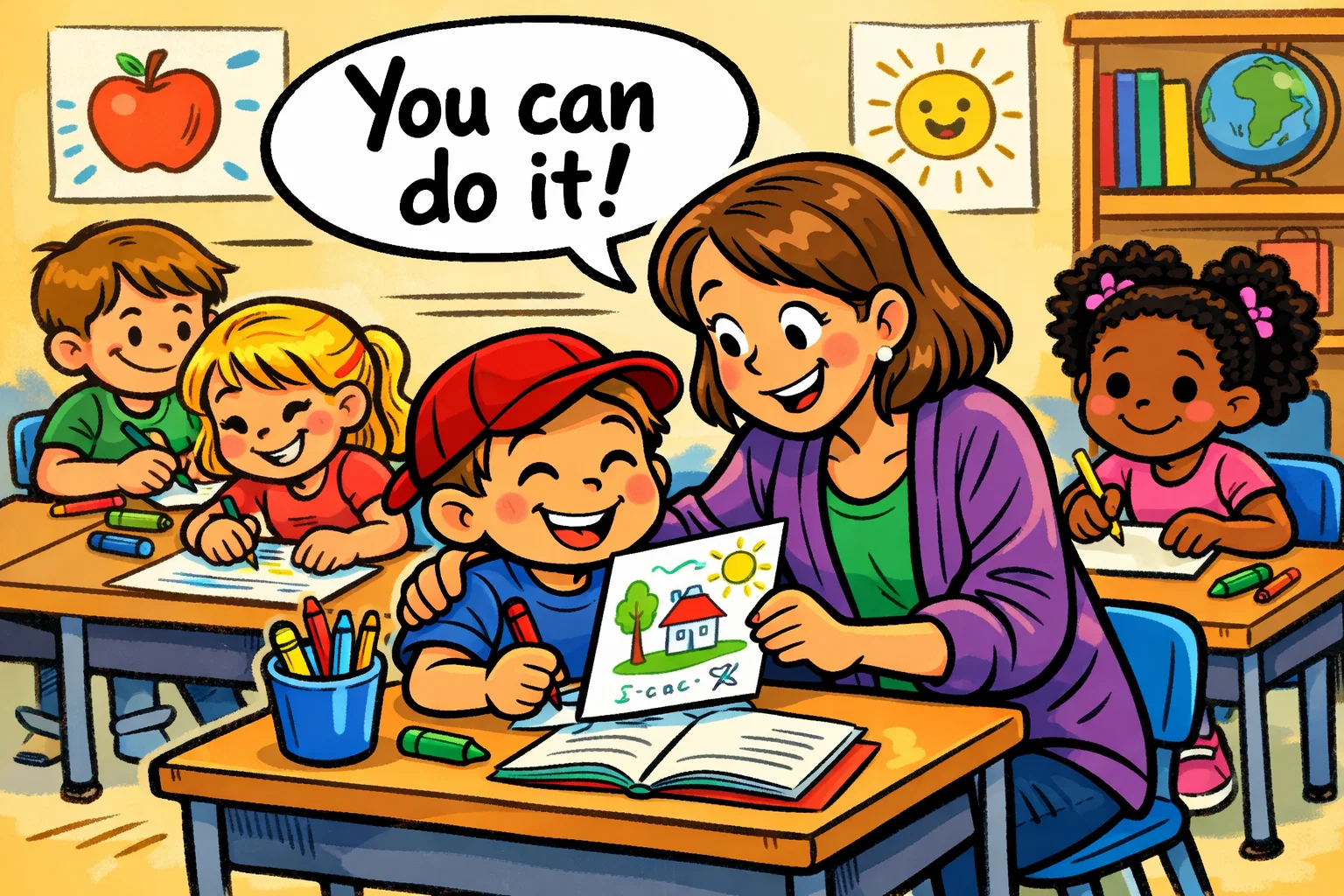
The goal of this developmental stage is communication, not perfection. Over-correcting spelling can discourage a child and stifle their love for storytelling.
Allow Flexible Spelling
Encourage “invented spelling” or “phonetic spelling.” If a child pens “JKL” for “jungle,” praise them for hearing the sounds! The American Academy of Pediatrics (AAP) emphasizes that play-based learning and encouragement are vital for cognitive development in this age group.
Match Task to Skill Level
| Student Level | Recommended Activity |
| Emergent | Drawing and oral dictation to an adult. |
| Transitional | Drawing and labeling parts of the picture. |
| Beginning | Using a sentence starter to complete a thought. |
| Independent | Constructing 1-2 complete sentences phonetically. |
Support Fine Motor Skills
Writing is as much a physical skill as a cognitive one. To help students improve, incorporate hands-on activities like playing with dough, using tweezers, or drawing with small crayons. These activities strengthen the muscles needed for proper pencil grip and letter formation.
Praise Ideas, Details, and Effort in their Writing
When reviewing a student’s work, focus on the substance. Praise the specific details in a drawing or the attempt to spell a challenging word. This positive reinforcement ensures that the child views the writing process as an enjoyable challenge rather than a daunting chore.
What Else to Try
If standard topics aren’t working, try these imaginative alternatives to make literacy a playful part of the day.
Letters to Friends
Composing a letter has a clear purpose. Set up a “class mailbox” where kindergarten students can send notes to their peers. Even if the note is just a drawing with the recipient’s name, it teaches the narrative skills of audience and communication.
Thank-You Notes and Cards
Seasonal holidays are a perfect opportunity to create cards. Creating “I love you” or “Thank you” notes provides meaningful writing practice that children feel proud to share with their families.
Shopping Lists, Signs, and Labels
Introduce functional literacy. Have students create a grocery list for the play kitchen or make ‘Keep Out’ or ‘Welcome’ signs for their desks. This shows them that the word has power in the real world.
Sticker Sentences and Picture Prompts
Give a student a sticker and ask them to construct one sentence about it. This versatile resource is often more engaging than a blank piece of paper and can be used as a quick writing center activity.
Book Response Prompts
After reading a story together, ask students to draw their favorite part. Providing a sentence starter like “My favorite part was…” helps them begin to articulate their thoughts on a text, which is a key part of the reading and writing connection.
More Ideas
Expanding your writing resources ensures that the classroom environment remains fresh and inspiring.
Monthly Prompt Themes
Align your activities with the calendar. Use fall season themes in October and “growing” themes in May. This helps students make connections between their work and the world around them.
Weekend and Special Event Prompts
Every Monday, have students write or draw about one thing they did over the weekend. This creates a wonderful keepsake for parents at the end of the year and provides a consistent routine for the start of the week.
Self-Portraits and Keepsake Pages
Combine a monthly self-portrait with a “How I have grown” task. This is a powerful way to reinforce their sense of identity and allow imaginations to soar as they think about their future.
Prompt Rotation for Centers and Homework
To prevent burnout, rotate the types of tasks you provide. One week might focus on opinion writing, while the next features imaginative story starters. This variety keeps kindergarteners excited to see what is next.
More Kindergarten Writing Resources
To support your young writers, consider using a variety of printable and digital tools.
Printable Writing Prompt Pages
Look for free kindergarten resources that offer different line widths. Some children need “primary lines” with a dotted middle, while others do better with blank space. Journal slides projected on a screen can also serve as a great visual prompt for the whole class.
Journal Slides and Draw-and-Write Templates
Digital resources are excellent for modeling. A teacher can use a digital slide to demonstrate the writing process, showing how to use finger spaces and how to sound out a word in front of the group.
Personal Narrative Worksheets
Specific prompt worksheets for personal events help students feel successful. These often include visual cues that help students remember the sequence of events (First, Next, Last).
Writing Checklists and Anchor Charts
Create a simple “Star Writer” checklist for the wall:
- I used a capital letter to start.
- I used finger spaces.
- I used a period at the end.
- I drew a picture with details.
FAQ About Kindergarten Writing Prompts
What are kindergarten writing prompts?
They are simple questions, ideas, or sentence starters like “My favorite toy is…” that help young learners begin the composition process without the stress of the blank page.
What does writing development look like in kindergarten?
It ranges from detailed drawings and labels to “invented spelling” and eventually complete sentences. It is a developmental process of moving from oral stories to written symbols.
Can kindergarteners write sentences?
Yes, but they usually start with “sentence frames” provided by a teacher. By the end of the year, many kindergarten students can construct 1–2 independent sentences phonetically.
Should kids draw before writing?
Absolutely. Drawing is a critical part of the writing process for early writers. It helps them brainstorm and organize their thoughts before they focus on the mechanics of handwriting.
How do I use writing prompts without pressure?
Keep sessions short (5–15 minutes), focus on effort rather than accuracy, and allow for dictation if a child is struggling. The goal is to foster confidence and a love for storytelling.
What if my child cannot spell yet?
This is perfectly normal. Encourage them to write the “first sounds” they hear, copy key words from a word wall, or dictate their answer to you while they focus on the illustration.
Are journals or worksheets better?
Both have benefits. Journals are great for tracking growth over time, while worksheet formats are excellent for specific, focused writing practice on a new topic.
How often should kindergarteners practice writing?
Short, regular sessions are best. Aim for 10–15 minutes several times a week. This builds stamina without causing frustration for the young writers.
Take a short quiz to find out what your everyday choices say about your parenting style
When your child is curious about something new, what’s your instinct?
Take a short quiz to find out what your everyday choices say about your parenting style
“Can I download this app?” What happens next?
Take a short quiz to find out what your everyday choices say about your parenting style
When it comes to rules at home, which sounds most like you?
Take a short quiz to find out what your everyday choices say about your parenting style
If you could give your child one life skill today, what would you pick?
Take a short quiz to find out what your everyday choices say about your parenting style
Your child gets to choose what to watch. What would your ideal setup look like?
Take a short quiz to find out what your everyday choices say about your parenting style
Pick your parenting superpower ✨