
25 Essential Classroom Management Strategies and Rules for Teachers

 Discover a Free Education Video App for Kids
Pastory uses AI to personalize educational video content based on your child’s interests and personality. Safe, engaging, and built for curious young minds. Sign up now to stay updated and enjoy early access with a free trial
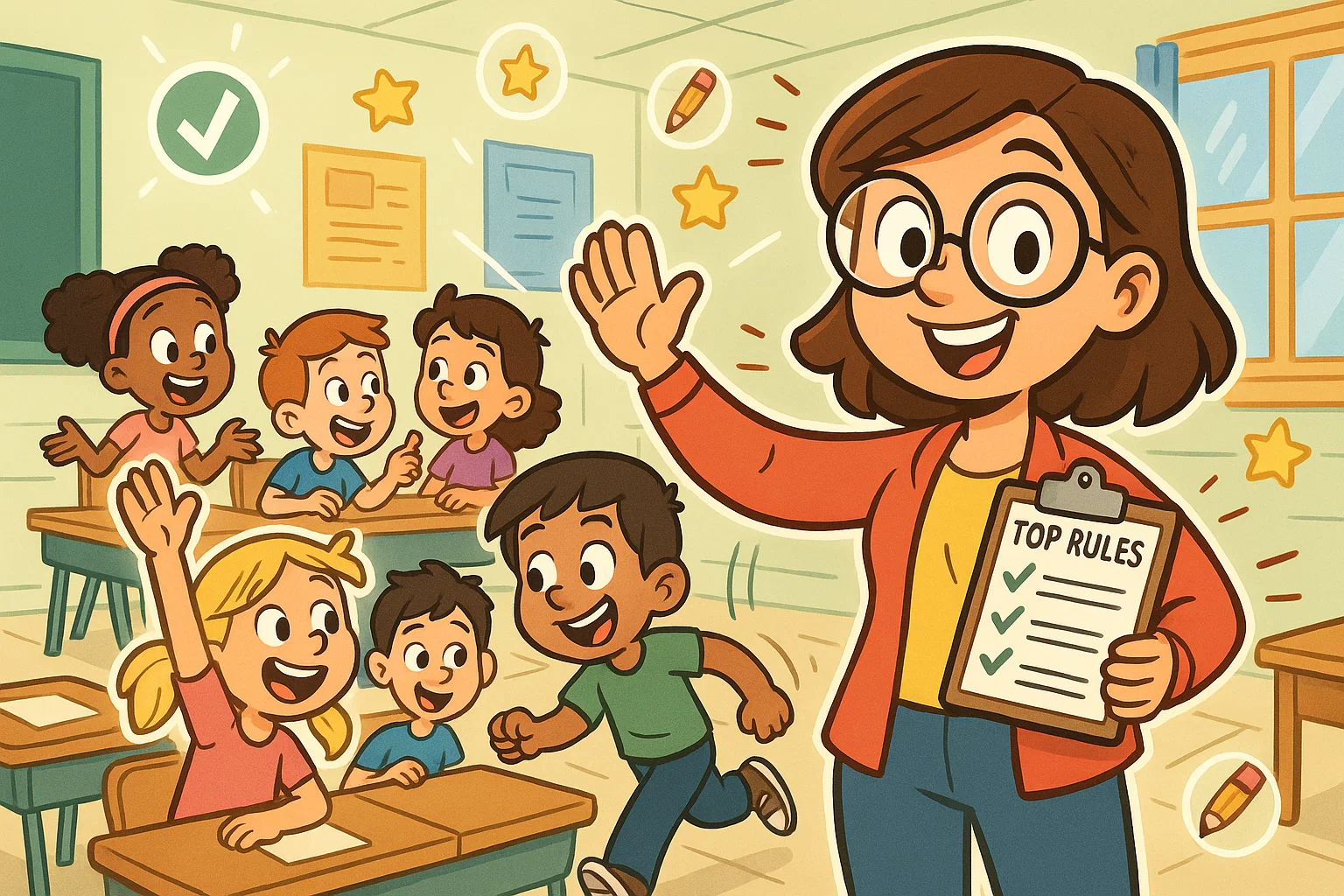
Managing a modern classroom requires a careful balance of instructional design, behavior support, and relationship building. Creating a productive learning environment where learners feel safe, engaged, and ready to learn is one of the most significant challenges teachers face. Strong classroom management combines clear expectations, consistent routines, positive relationships, and proactive lesson planning to minimize disruptions and support academic growth.
This guide provides practical, teacher-ready rules designed to encourage better behavior, create smoother daily routines, strengthen teacher-student relationships, and reduce work-related stress. Implementing these strategies equips teachers with the classroom management skills needed to support diverse learning needs and prevent disruptive behavior before it escalates. By shifting from a reactive discipline model to a proactive management style, teachers can establish an orderly, supportive learning environment that allows every learner to thrive.
Key Takeaways
- Clear Rules Reduce Disruption: Explicit classroom rules and expectations reduce ambiguity and can significantly decrease behavioral incidents in structured settings.
- Relationships Improve Cooperation: Fostering positive relationships with students can improve academic engagement and reduce defiant or avoidant behavior.
- Routines Save Time: Predictable classroom activities and transitions improve instructional flow and help teachers protect valuable learning time.
- Calm Communication Prevents Escalation: Using nonverbal cues and a measured tone of voice can de-escalate potential conflicts without interrupting the lesson plan.
- Proactive Planning Supports Everyone: Thorough lesson preparation that accommodates diverse learning needs helps minimize off-task behavior.
Classroom Management Snapshot
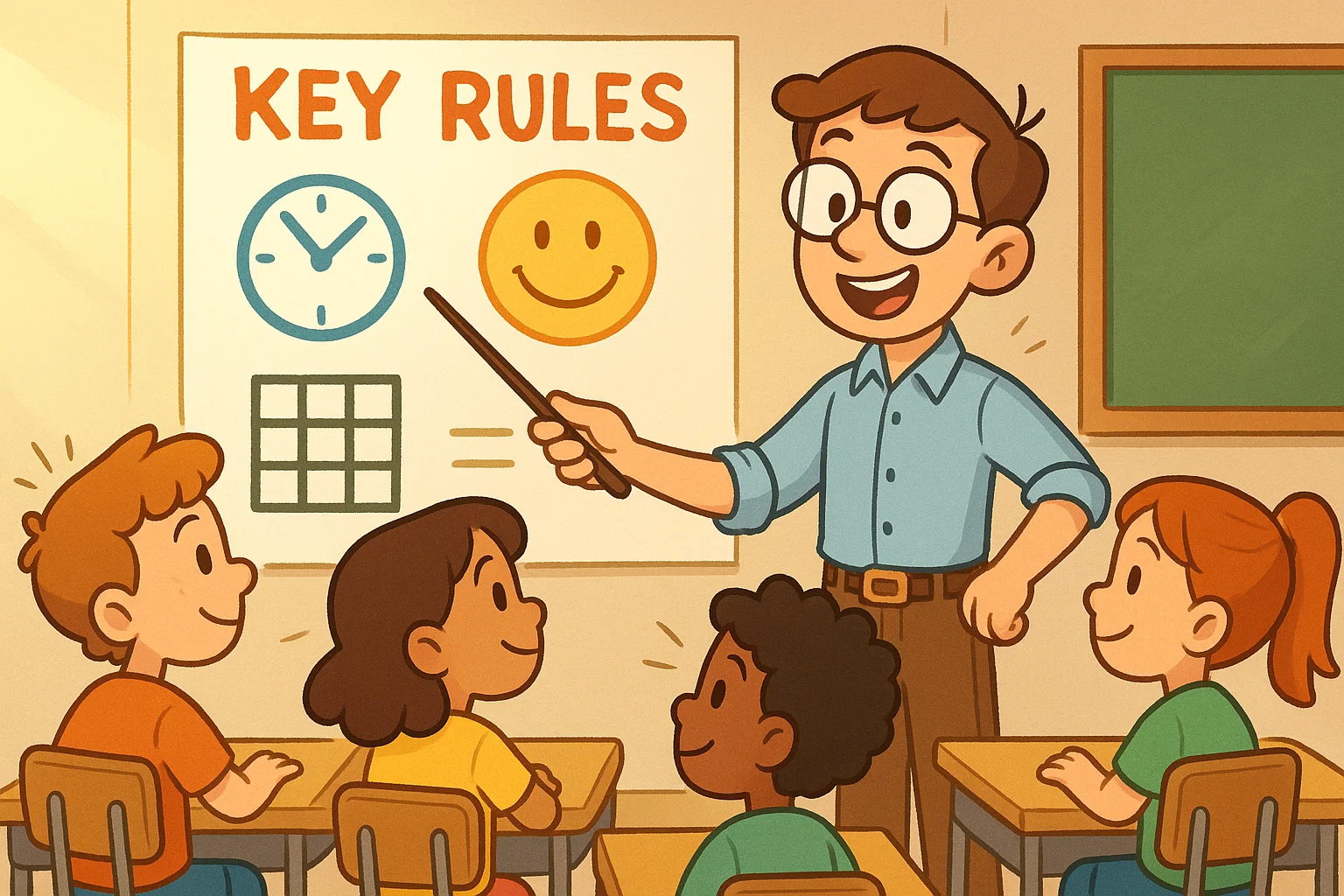
Effective classroom management strategies for teachers can be organized into six practical categories. To make expectations clear, teachers should address each category with specific management techniques.
| Category | Primary Focus | Measurable Outcome |
| Behavior Expectations | Core classroom rules and ethical standards | Reduced classroom disruptions and a stronger baseline of respect |
| Routines & Procedures | Daily transitions, materials handling, and entry/exit | Increased time on task and smoother classroom flow |
| Communication | Nonverbal cues, teacher tone, and peer interaction | De-escalated conflicts and psychological safety |
| Individual Support | Accommodations for diverse learning needs | Equitable access to learning and reduced frustration |
| Lesson Flow | Instructional pacing, engagement hooks, and backups | High student engagement and minimal downtime |
| Teacher Well-Being | Professional development and boundary setting | Lower stress, reduced burnout, and career longevity |
Fast Wins for Teachers
Teachers can make immediate improvements in behavior management by implementing five low-effort, high-impact actions.
- Greet Students at the Door: Establishing visual and verbal contact with each student sets a positive tone and helps teachers gauge the class’s mood before the lesson begins.
- Use a Calm, Lowered Voice: Lowering vocal volume encourages the class to quiet down so they can hear instructions, which can reduce the overall noise level.
- Document and Display Rules Prominently: Visual anchors serve as a constant reminder of shared agreements and reduce arguments over expectations.
- Model Expected Behavior: Demonstrating active listening and self-regulation teaches the class exactly how to navigate frustrating academic moments.
- Correct Off-Task Behavior Early: Addressing minor off-task behavior early through proximity or private cues can prevent small distractions from turning into larger disruptions.
Common Mistakes to Avoid
- Vague Rules: Phrases such as “be good” lack actionable clarity; learners need explicit directions, such as “keep your hands, feet, and objects to yourself.”
- Inconsistent Consequences: Enforcing a rule on Tuesday but ignoring it on Thursday confuses learners and erodes teacher authority.
- Whole-Class Punishment: Penalizing an entire group for the disruptive behavior of a few individuals damages trust and alienates cooperative classmates.
- Public Power Struggles: Confronting a defiant learner in front of their peers can trigger a defensive reaction and escalate the conflict unnecessarily.
- Ignoring Teacher Stress: Neglecting personal emotional regulation can compromise a teacher’s ability to respond to classroom misbehavior with patience and clarity.
What Is Classroom Management?
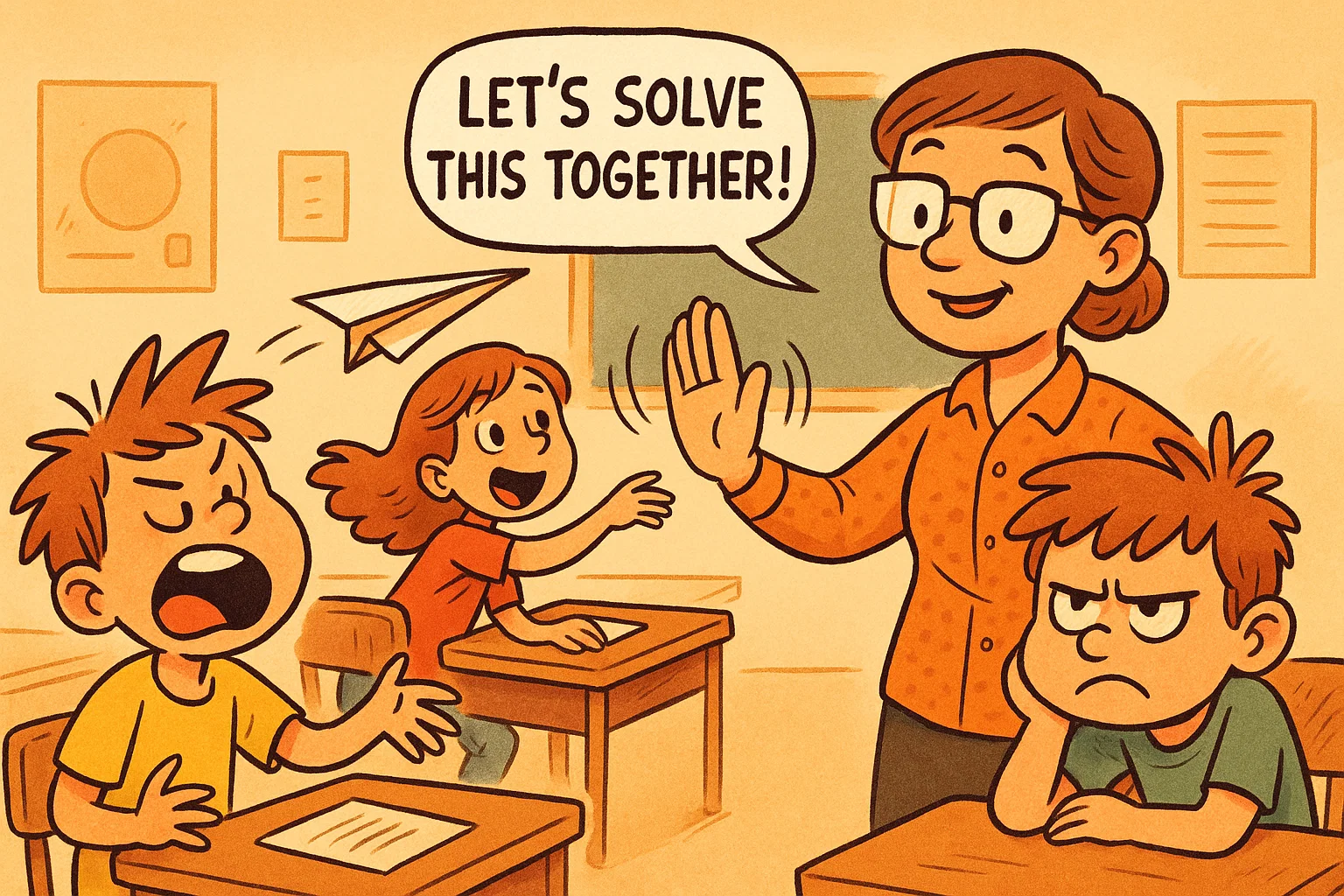
Classroom management is a comprehensive system of routines, rules, relationships, and instructional choices designed to help learners stay focused, respectful, and ready to learn. Research on classroom management suggests that strong teacher-student relationships, clear expectations, and consistent routines are associated with fewer discipline problems over the course of an academic year. Classroom management functions not as a rigid disciplinary mechanism but as an ongoing process that structures the physical and emotional space to support learning.
Classroom Management Purpose
The fundamental purpose of effective classroom management extends far beyond basic compliance or silent rooms. Implementing these strategies helps protect instructional time, establish a predictable emotional climate, and support student safety. When a teacher manages a classroom successfully, they create a supportive learning environment where learners feel secure enough to take academic risks. Furthermore, structured environments can improve teacher confidence and reduce some of the stress associated with chronic classroom misbehavior.
Rules, Routines, and Procedures: What’s the Difference?
An organized classroom environment relies on three structural pillars that guide daily operations: rules, routines, and procedures.
- Classroom Rules: Broad, permanent guidelines that define fundamental behavior expectations, such as “Treat everyone with respect.” These should be limited to three to five items and displayed prominently.
- Classroom Routines: Predictable daily habits that create an automatic behavioral flow, such as checking the board for a “bell-ringer” task upon entering the room.
- Classroom Procedures: Step-by-step instructions that guide specific, repeated actions during classroom activities, such as how to pass back lab materials safely or transition into small groups.
Teaching Quality and Behavior Connection
An explicit, direct link exists between instructional design and student behavior. Research on effective instruction consistently links structured, well-paced lessons with lower levels of off-task behavior. When an effective teacher delivers highly engaging, scaffolded tasks, learners know exactly what to do and why the material matters. Consequently, high-quality instruction can reduce the boredom and confusion that often contribute to disruptive behavior.
Why Classroom Management Matters
Good classroom management serves as a structural foundation for behavioral and academic growth within an educational institution. Without consistent management techniques, even the most innovative lesson plan may fail to reach learners effectively. Establishing an orderly, positive learning environment benefits both teachers and students and can shift classroom culture from chaotic to collaborative.
Fewer Behavioral Disruptions
A systematic approach to classroom management can reduce the frequency and intensity of behavioral disruptions. When learners understand the explicit boundaries and predictable consequences of their actions, they are less likely to test those limits. Proactive strategies allow teachers to redirect minor infractions smoothly, preventing individual actions from derailing the collective learning process.
Positive Learning Environment
An effective classroom management style fosters a positive learning environment where students feel safe, seen, and prepared to participate. Positive teacher-student relationships can have important academic and social benefits for students. Predictability reduces uncertainty and can help students from marginalized backgrounds or students with trauma histories focus more fully on learning tasks.
Strong Learning Culture
Consistent classroom systems help students value effort, focus, cooperation, and personal responsibility. When classroom expectations emphasize effort, reflection, and growth over perfection, a stronger classroom culture can develop. In this environment, peers are more likely to encourage one another to stay on task, and a shared focus on growth can reduce the fear of public failure.
Lower Teacher Stress and Anxiety
Chronic classroom disruption is a major contributor to educator stress and burnout, and it can play a role in teachers’ decisions to leave the profession. Effective behavior management strategies mitigate this pressure by automating daily routines and reducing face-to-face conflicts. This predictability can lower daily workload pressure and make teaching feel more sustainable over time.
Inclusion and Student Safety
Fair routines and flexible, tiered supports help students with diverse learning and behavioral needs participate without facing social stigma. A structured environment provides clear visual schedules and explicit modeling that benefit neurodivergent learners, such as students with ADHD or autism spectrum disorder. This equitable framework supports physical and psychological safety for every individual in the classroom.
Universal Classroom Management Rules for Teachers
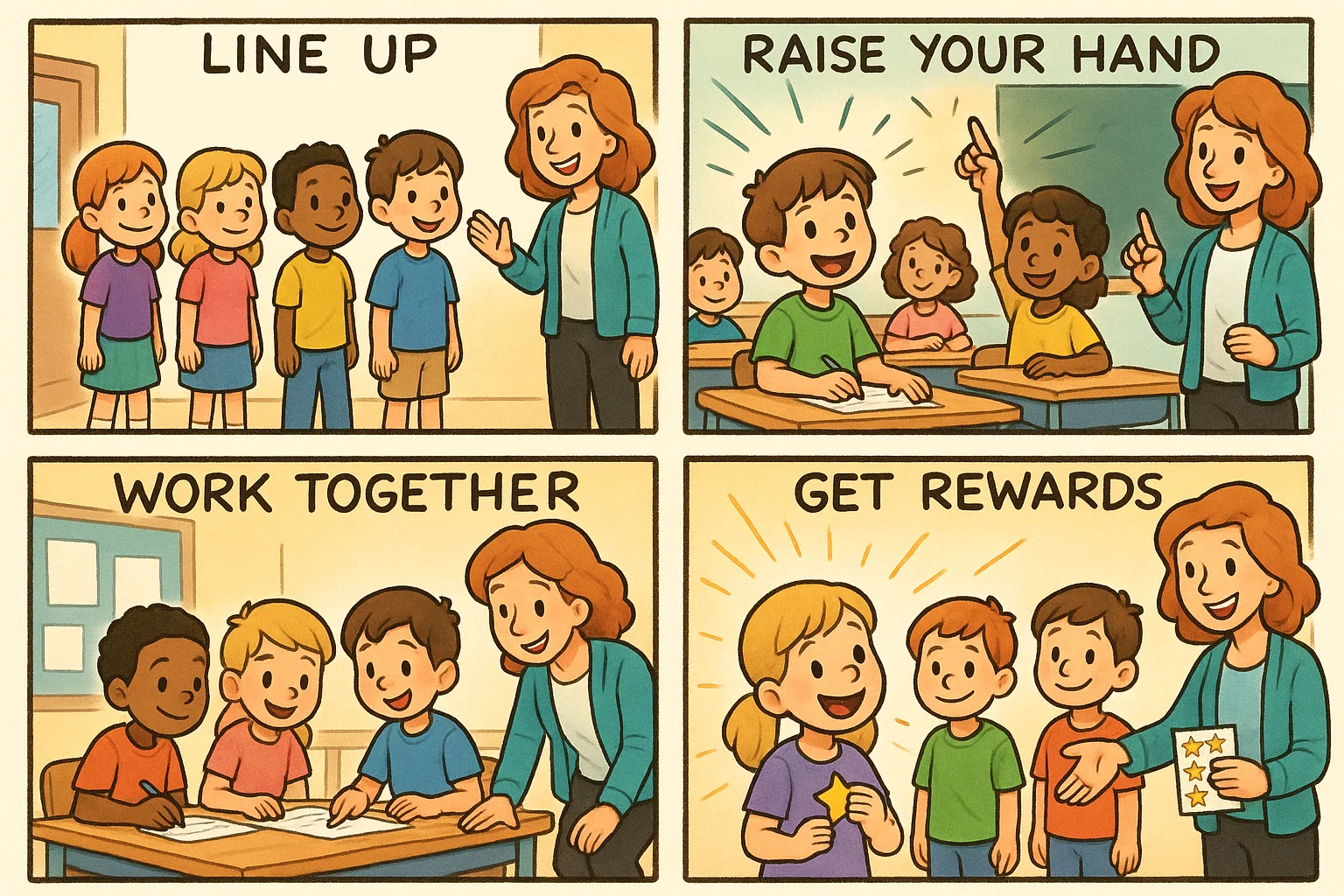
The following core rules represent classroom management strategies that can be adapted across grade levels, student populations, and subject areas.
1. Model Ideal Behavior
Teachers must consistently demonstrate the exact behaviors they expect from their students. If an educator expects respect but uses sarcasm, or expects punctuality but regularly arrives late, students quickly notice the inconsistency. Maintaining a calm tone, using respectful language, practicing active listening, and showing emotional self-control under pressure set a behavioral blueprint for the classroom.
2. Create Guidelines With Students
Inviting students to participate directly in the rule-setting process at the start of the school year fosters an immediate sense of ownership. When learners discuss why certain boundaries are necessary, they connect classroom rules to their personal academic goals.
Co-Creation Framework: Ask students, “What do you need from me, and what do you need from each other to feel successful this year?” Group their answers into three to five overarching agreements.
This collaborative approach turns rules from arbitrary restrictions into a shared social contract, promoting long-term respect and cooperation.
3. Document Rules Clearly
Once classroom expectations are established, teachers should document them in a clear visual format. Rules should be stated positively, focusing on what students should do rather than what they should avoid doing, such as “Walk safely” instead of “Don’t run.”
Displaying these expectations prominently in the classroom helps students understand what is expected and reduces misunderstandings or inconsistent interpretations.
4. Stay Consistent With Expectations
Students benefit from consistent predictability because it helps them feel secure and understand classroom authority. If a teacher enforces a phone ban strictly on Monday but ignores it on Friday, the boundary becomes meaningless. Consistency means responding to breached expectations with the same routines, reminders, and neutral consequences as fairly as possible, regardless of the student involved.
5. Avoid Whole-Class Punishment
Collective punishment is an ineffective management technique that erodes trust and damages the teacher-student relationship. Penalizing an entire class because a few students are causing a disruption can alienate the cooperative majority and create resentment. Teachers should target interventions strictly to the disruptive individual, maintaining a positive classroom climate for the rest of the learners.
6. Encourage Student Initiative
Promoting autonomy involves allowing students to take ownership of their learning and environment. Teachers can assign meaningful classroom roles, offer structured choices in assignments, and give students opportunities to solve interpersonal problems independently.
- Classroom Jobs: Rotate responsibilities like tech coordinator, materials manager, or timekeeper among students.
- Assignment Paths: Allow students to choose between writing an essay, creating a diagram, or delivering a short presentation to demonstrate mastery.
Building this sense of agency encourages students to become active participants rather than passive observers.
7. Offer Specific Praise
Generic praise such as “good job” has limited instructional value and can lose its impact quickly. Instead, teachers should praise students by naming the exact positive behavior observed. For example, saying, “I appreciate how quickly the students at this table opened their notebooks and began the prompt,” clearly identifies the target behavior. This form of positive reinforcement signals to the entire classroom precisely what success looks like.
8. Use Nonverbal Communication
Verbal corrections can interrupt the instructional flow and inadvertently draw attention to negative behavior. Experienced educators often rely on strategic nonverbal cues to redirect off-task students.
These cues may include physical proximity, silent hand signals, direct eye contact, a calm facial expression, or a brief pause. Such subtle adjustments allow teachers to keep students focused on classroom activities without stopping the lesson plan or embarrassing the learner.
Small Classroom Management Shifts With Big Impact
Small adjustments in daily classroom habits can improve overall classroom dynamics without requiring extensive preparation time.
9. Use the Teacher Look Signal
The “teacher look” is an efficient nonverbal redirection technique that uses a calm facial expression, a brief pause, and sustained eye contact. When a teacher notices a minor disruption, pausing mid-sentence and looking calmly at the student communicates awareness without escalating the situation. This approach often redirects the behavior before a verbal correction becomes necessary.
10. Adjust Tone of Voice
A teacher’s vocal delivery can shape the emotional tone of the room. Speaking in a calm, firm, and warm manner can prevent defensive reactions. When classroom noise rises, raising the teacher’s voice to match it often increases tension. Lowering the teacher’s pitch and volume can encourage students to quiet down because students often mirror the emotional cues of adults.
11. Get Clarity Before Giving Directions
Before assuming that students are intentionally ignoring instructions, teachers must evaluate the clarity of their delivery. Directions should be brief, visually posted, and presented in a clear sequence. One useful strategy is checking for understanding.
- Deliver a multi-step instruction clearly.
- Ask a student to repeat the expectation back to the class.
- Verify that the steps are visible on the board before releasing the class to work.
12. Greet Students at the Door
Greeting each student individually as they cross the threshold serves multiple purposes. It builds an immediate personal connection, signals the transition into a focused learning space, and allows the teacher to assess students’ emotional states. Noticing a student who appears upset or agitated before class begins allows the teacher to offer proactive support and prevent escalation later.
13. Keep Distractions in Check
Managing digital devices, side conversations, and disorganized materials requires clear, proactive boundaries rather than constant arguments. Rather than engaging in a power struggle every time a phone appears, establish a predictable, neutral routine. For instance, use a phone storage station or an “out of sight” policy supported by calm, consistent consequences.
14. Warm Up Cold Calls
Cold-calling students to answer questions can cause performance anxiety, which may sometimes appear as defiant or disruptive behavior. To prevent this, give students time to think, encourage partner discussions, or offer written sentence starters before asking them to respond. This scaffolding helps students feel safe and prepared to share their thinking publicly.
15. Use Break Time Strategically
Extended instructional blocks without physical movement reduce cognitive stamina and increase restlessness, especially in younger learners. Integrating short, scheduled movement breaks, stretching, or quiet breathing exercises can reset student focus. Research suggests that short physical breaks during longer instructional blocks can help students reset their attention and return to tasks more effectively.
16. Let Small Stuff Go
Effective behavior management requires choosing battles wisely. If a student sighs heavily but completes the work, or drops a pencil repeatedly due to minor restlessness, ignoring the behavior may be the best choice. Overreacting to minor, non-disruptive actions wastes energy and escalates neutral situations into unnecessary, public confrontations.
Classroom Rules for Strong Teacher-Student Relationships
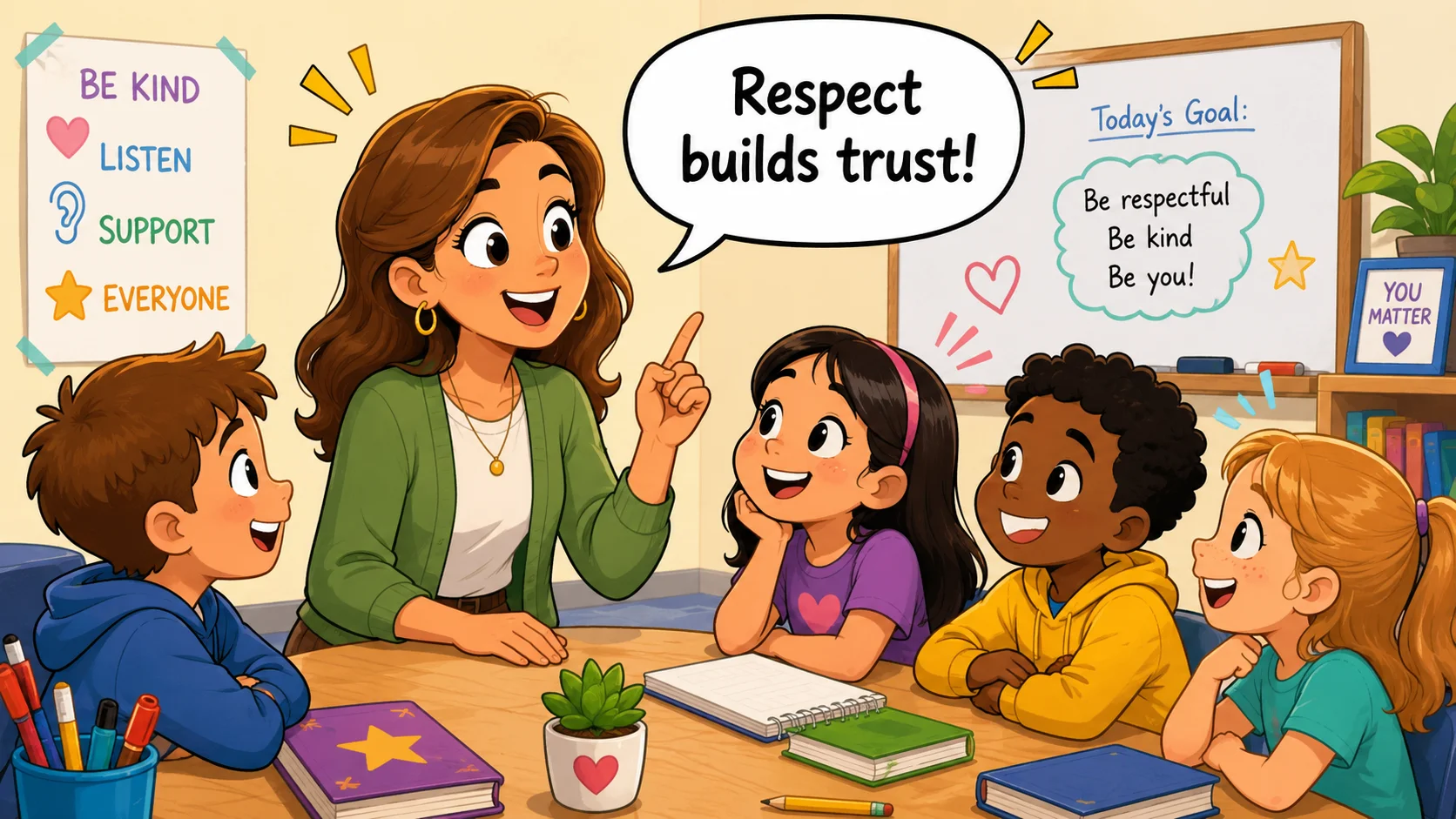
Humanizing classroom management means shifting away from an authoritarian posture and toward an authoritative model built on mutual trust, safety, and a deep understanding of students.
17. See, Hear, Value, and Accept Each Student
Cultivating a true sense of belonging requires teachers to intentionally learn students’ names, backgrounds, interests, strengths, and preferred communication styles. When students feel that an adult truly recognizes their individuality, their willingness to cooperate can increase. This individualized approach is particularly effective when working with students with diverse learning profiles.
18. Interview Students Early
Using short surveys or holding brief introductory conferences within the first two weeks of a term provides valuable insight. These interactions reveal what motivates students, what academic challenges they perceive, how they prefer to learn, and what personal goals they have.
Gathering this information helps teachers frame instruction and structure individual support plans throughout the year.
19. Build Strong Teacher-Student Relationships
Research on teacher-student relationships suggests that strong, supportive relationships are linked to better engagement, cooperation, and classroom behavior. When an educator builds genuine rapport, students are more likely to perceive corrections as helpful guidance rather than personal criticism. This relationship capital makes it easier to address behavioral concerns later on.
20. Make Positive Calls and Messages
In many schools, communication with families happens only after a behavioral concern has escalated, which can put caregivers on the defensive. Proactive teachers break this cycle by making positive phone calls or sending brief notes home when a student reaches a milestone or shows improvement. Building positive relationships with families early creates a stronger support network when behavioral challenges need to be addressed later.
21. Invite Diversity and Inclusion
Culturally responsive pedagogy is essential for creating a positive, safe classroom climate. Teachers should feature diverse role models in examples, use fair participation routines that reduce favoritism, and make materials as accessible as possible. Respecting and validating different cultural backgrounds helps create a supportive learning environment where all students feel valued.
Classroom Rules for Lesson Structure and Learning Flow
Classroom management is closely connected to effective instructional design. A well-constructed, well-paced lesson plan is one of the best tools for preventing classroom disruptions.
22. Have a Solid Lesson Plan
A thorough lesson plan should include clear learning objectives, ready-to-use materials, precise transition timing, regular checks for understanding, and enrichment tasks for early finishers.
When an instructional sequence minimizes gaps and dead time, students are more likely to stay engaged with academic tasks, leaving less room for off-task behavior.
23. Build Excitement for Content
Capturing attention from the opening minute requires engaging instructional hooks, real-world applications, collaborative games, stories, or structured student choices. When students are genuinely curious about the topic, their intrinsic motivation drives their focus. High engagement can reduce the boredom that often leads to disruptive behavior.
24. Structure Class for Learning
A balanced lesson structure supports students’ attention and cognitive stamina by varying classroom activities.
- Direct Instruction — 10–15 minutes: Focused delivery of new content.
- Guided Practice — 15–20 minutes: Collaborative application with immediate teacher feedback.
- Independent Application — 15–20 minutes: Individual practice, mastery checks, and synthesis.
This regular change of pace can reduce cognitive fatigue and help students stay focused throughout the class period.
25. Plan Proactively for Lessons That Go Off Track
Even the most seasoned teachers encounter unexpected challenges, such as technology failures, low student engagement, widespread confusion, or sudden increases in disruptive behavior. Keeping a collection of low-tech backup activities, alternative explanations, and brief movement resets can prevent an unexpected challenge from disrupting the entire lesson.
Final Thoughts
Improving classroom management is an ongoing process that requires patience, deliberate reflection, and consistency. Classroom management is essential because it bridges the gap between a teacher’s instructional goals and students’ ability to engage with and retain new learning.
By prioritizing proactive strategies – such as co-creating rules, automating routines, using nonverbal cues, and anchoring decisions in strong teacher-student relationships – teachers create an environment where respect and cooperation can flourish. Implementing these small shifts can help teachers build a more sustainable practice and create a positive classroom environment where every student has a better chance of success.
Classroom Management Strategy FAQs
What Is the Most Effective Classroom Management Style?
The authoritative style is widely considered one of the most effective classroom management styles because it balances high behavioral expectations with warmth, support, and responsiveness. This style avoids both the rigid, compliance-only focus of an authoritarian approach and the lack of boundaries often found in permissive styles. Authoritative teachers establish clear, consistent structures while remaining flexible enough to support individual student needs.
What Are the Four Components of Classroom Management?
The four foundational components of effective classroom management include:
- Expectations: Establishing clear classroom rules and standards for behavior.
- Routines: Creating predictable, automated procedures for daily transitions and tasks.
- Relationships: Developing mutual trust and rapport between teachers and students.
- Instruction: Designing engaging, well-paced lessons that naturally minimize off-task behavior.
Why Is Classroom Management Important?
Classroom management is crucial because it can influence both student learning outcomes and teacher retention. Effective management protects instructional time by minimizing disruptions, lowers teacher stress, and helps build a supportive learning environment where students feel secure. Ultimately, it helps turn a chaotic space into a more productive learning environment.
How Can Teachers Manage a Classroom Without Yelling?
Teachers can successfully manage a classroom without yelling by relying on nonverbal cues, strategic proximity, visual signals, and a calm tone of voice. When a teacher uses a lowered voice, it can lower the room’s overall volume and de-escalate tension. Addressing individual misbehavior through private corrections rather than public callouts also helps maintain order without creating unnecessary conflict.
How Should New Teachers Start Classroom Rules?
New teachers should begin the school year by introducing three to five broad, positively phrased rules. Involving students in co-creating these guidelines can help build a sense of ownership. New teachers should dedicate the first two weeks to explicitly teaching, modeling, and practicing daily routines and procedures, then reteach them regularly until they become automatic.

Take a short quiz to find out what your everyday choices say about your parenting style
When your child is curious about something new, what’s your instinct?
Take a short quiz to find out what your everyday choices say about your parenting style
“Can I download this app?” What happens next?
Take a short quiz to find out what your everyday choices say about your parenting style
When it comes to rules at home, which sounds most like you?
Take a short quiz to find out what your everyday choices say about your parenting style
If you could give your child one life skill today, what would you pick?
Take a short quiz to find out what your everyday choices say about your parenting style
Your child gets to choose what to watch. What would your ideal setup look like?
Take a short quiz to find out what your everyday choices say about your parenting style
Pick your parenting superpower ✨



