Easy Drawing Ideas for Kids

 Discover a Free Education Video App for Kids
Pastory uses AI to personalize educational video content based on your child’s interests and personality. Safe, engaging, and built for curious young minds. Sign up now to stay updated and enjoy early access with a free trial
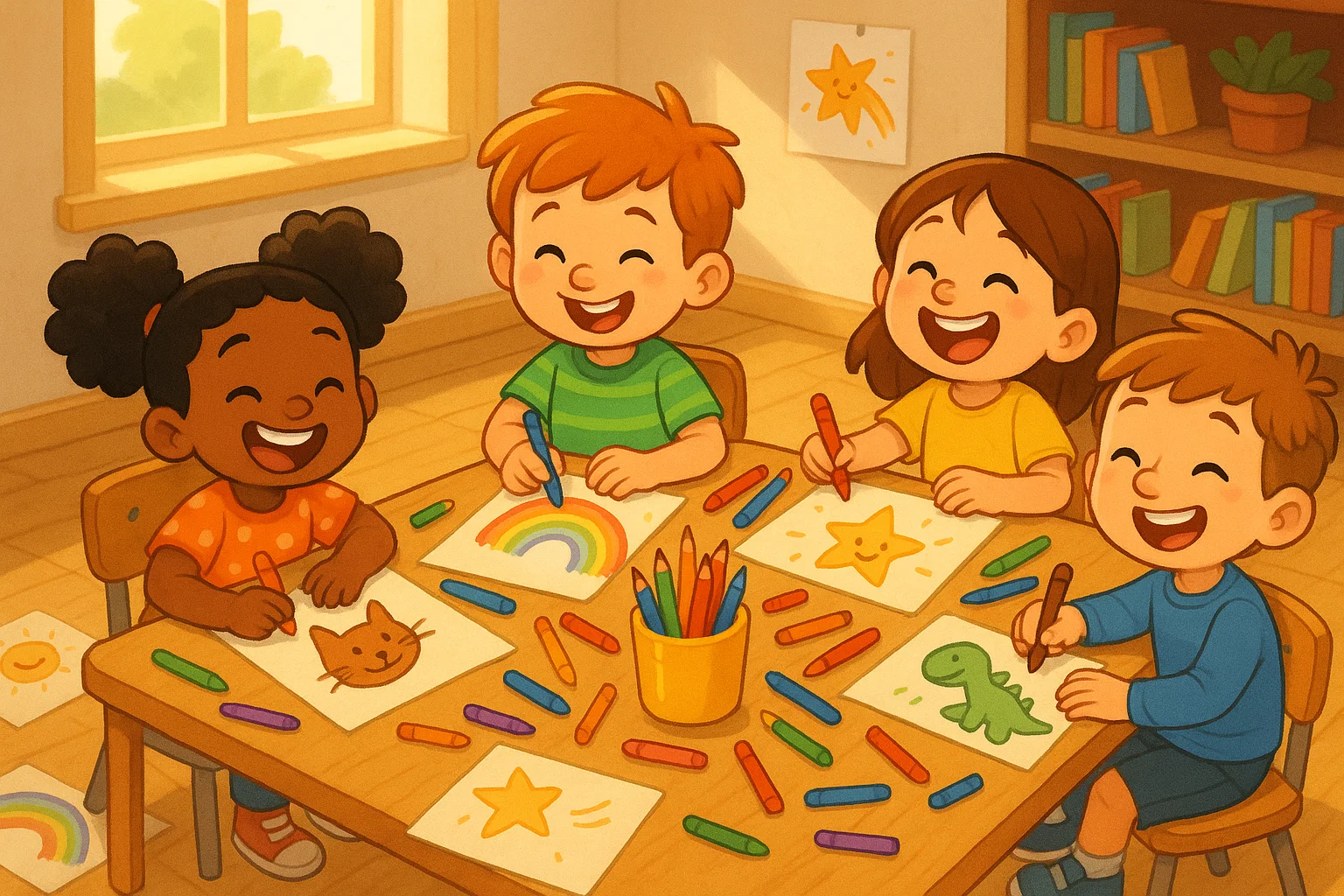
Welcome to a world of colorful creativity! Drawing is one of the most natural and beneficial activities for children of all ages. It’s an easy, low-cost activity that sparks joy and provides a fantastic foundation for lifelong learning. These easy drawing ideas for kids are designed to spark imagination, improve focus, and strengthen fine motor skills. Art is a wonderful way for children to express themselves and interpret the world around them, often before they even have the vocabulary to do so verbally.
If you’re a parent, teacher, or caregiver looking for ways to engage your little ones, you’ve come to the right place. Dive in and explore these fun drawing ideas and simple sketching prompts. Let’s start drawing and turn simple pencil lines and crayons into masterpieces together!
Simple Drawing Ideas for Beginners
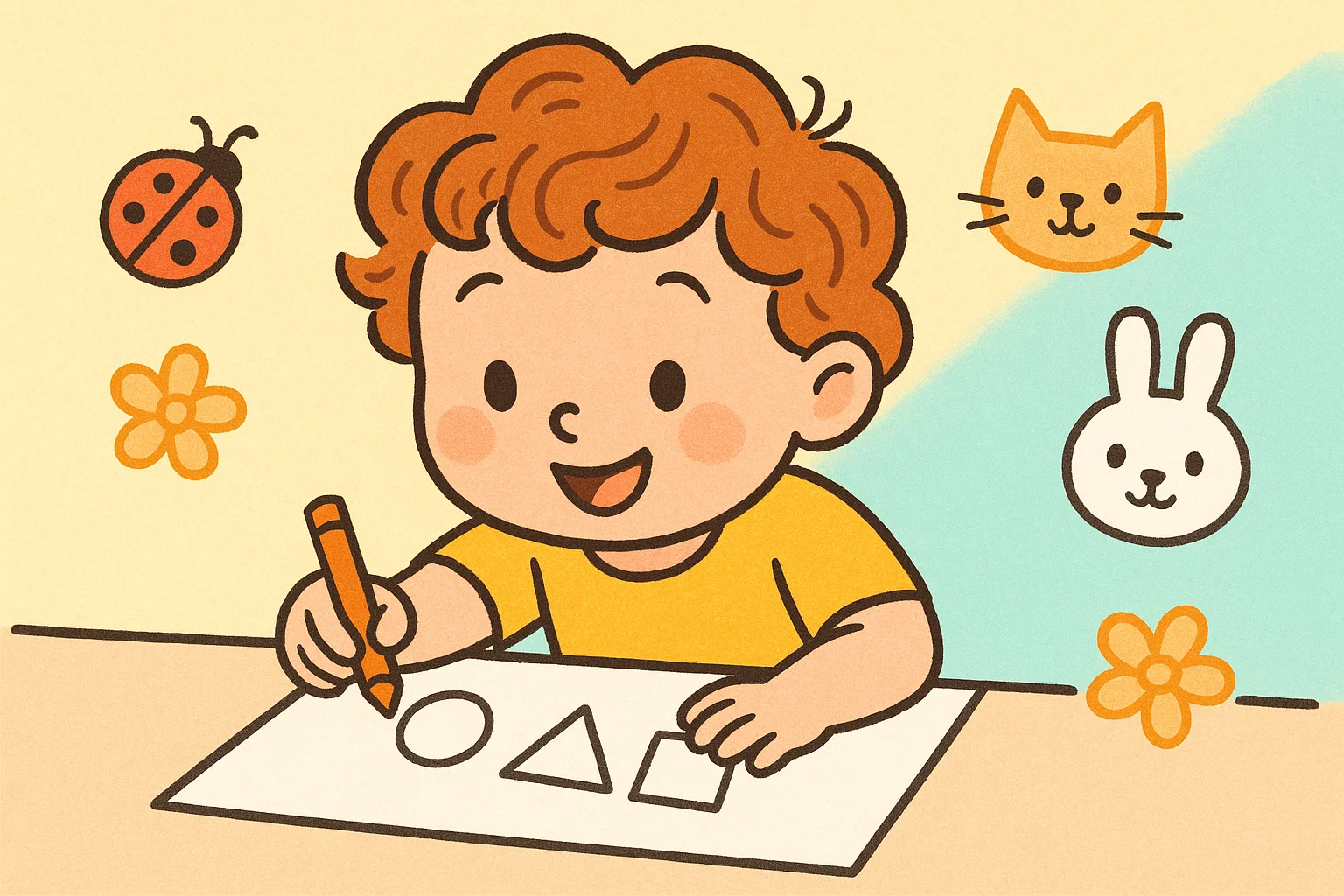
Starting a new activity can sometimes feel overwhelming, especially if a child feels they “don’t know what to draw.” The key to building confidence in young artists is to start small. These simple concepts are perfect for preschoolers and children who are just learning how to hold a pencil or crayon. We focus on building a positive foundation where anyone can draw something wonderful using basic geometric shapes.
Shapes and Patterns
The entire world of art can be broken down into simple shapes. Learning to combine basic forms like rectangles, squares, triangles, and circles is the first step toward mastering more complex drawings. This approach makes drawing less intimidating and more like a puzzle.
- Circle to Sun: Start by drawing a big circle. Add simple, straight lines radiating outwards. This is one of the easiest ways for kids to create a cheerful picture.
- Triangle to Mountain: Two simple triangles side-by-side become a majestic mountain range. Add snow at the top and maybe a little tree for a scene.
- Square to House: A square or rectangle forms the walls, and a triangle is the roof. Add a small door and windows – you’ve just drawn a cozy little house.
- Oval to Balloon: A large oval shape with a string is an instant, happy balloon. Encourage kids to make them colorful!
Lines and Doodles
Doodle art is a magnificent, low-pressure way to build hand-eye coordination and improve muscle memory. It doesn’t require perfection, just movement and flow.
| Doodle Type | Description & Skill Development |
| Zigzags | Practicing sharp, precise changes of direction. Great for drawing things like lightning or saw teeth. |
| Spirals | Developing the ability to draw a continuous, curved line. Useful for snail shells or curly hair. |
| Waves | Focusing on smooth, repeated curves. Perfect for water, clouds, or wavy hair. |
| Random Squiggles | Simply letting the hand move freely across the paper. The child can then look at the squiggles and try to turn them into an object (e.g., turning a random loop into a cloud or a sheep). |
Everyday Objects
Encouraging kids to draw the items around them is a superb way to boost their observation skills. This helps them transition from drawing abstract concepts to representing real-world forms. Simple drawings of familiar items are easily achievable.
- A Pencil: Draw a simple rectangle with a small triangle on one end.
- A Cup: Start by drawing a small oval for the top, followed by a rectangle for the body, and a curved line for the handle.
- A Piece of Fruit: Start with a simple large oval or circle for an apple or orange.
Cute Animal Drawing Ideas
Animals are universally adored and offer some of the best drawing ideas for kids. They are often simplified in cartoons, making them fantastic subjects for fun and easy drawing using minimal, easy-to-draw shapes. Teaching kids how to draw animals helps them understand different forms and features.
Cat and Dog
Learning to draw a cat or a dog is a childhood rite of passage.
- Dog: Start by drawing a circle for the head. Add two simple, hanging shapes for the ears. For the body, draw a large oval. Use smaller circles for the eyes and a triangle for the nose. Each drawing can be customized with spots or fur textures.
- Cat: Similar to the dog, but make the ears pointy triangle shapes. Use a very simple, slightly curved line for the mouth to give a friendly expression.
Bunny and Bear
These rounded animals are great for practicing drawing simple shapes.
- Bunny: Two large oval shapes – one for the head and one for the body. Add two tall, narrow ovals for the ears. Perfect for seasonal drawings like an Easter bunny.
- Bear: Use a big circle for the head and a slightly larger oval for the body. The snout is a small oval, and the ears are small circles placed on top.
Fox, Panda, and Koala
These animals introduce kids to different facial features and color patterns.
- Panda: Start with a big circle. Draw two large ovals around the eyes and two half-circles for the ears – all colored black. The rest is white. It’s an excellent way to practice symmetry and contrast.
- Fox: Introduce the idea of pointed snouts and bushy tails, using simple triangles for these features. Show how changing the color (for example, orange) instantly identifies the animal.
Nature Drawing Prompts
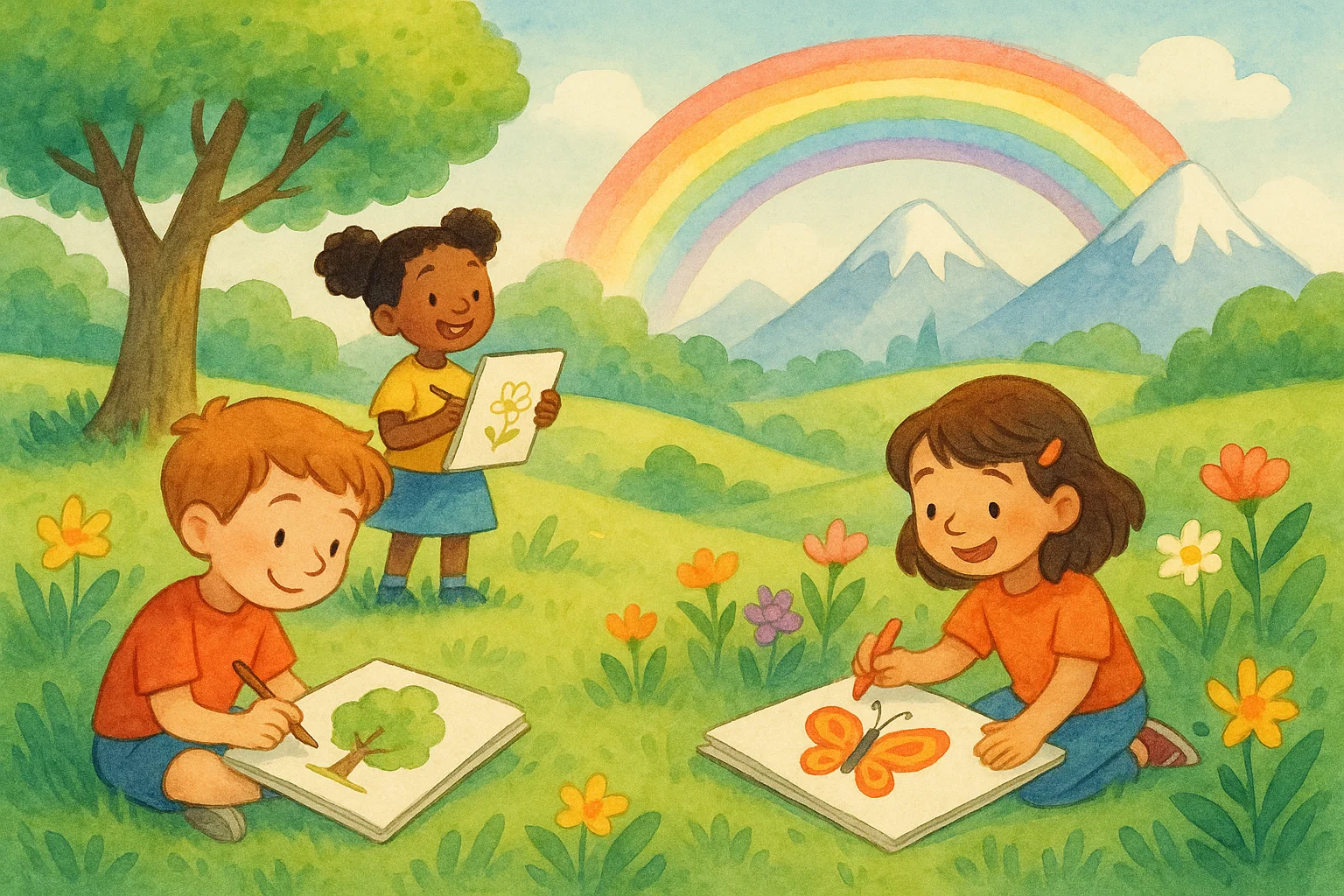
Nature is a constant source of inspiration and offers incredible opportunities for colourful artwork. Encouraging kids to sketch scenes from nature helps them connect with the environment and practice different textures. These are great simple drawing ideas for kids.
Tree and Leaf
A tree is one of the easiest things to draw and can be modified to represent any season.
- Summer Tree: Draw a simple tree by starting with a rectangle for the trunk and a large, fluffy cloud-like shape for the leaves.
- Winter Tree: Focus on the branches, using simple lines that branch out from the trunk, looking like lightning strikes.
Flower and Sunflower
Flowers are ideal for learning how to combine repetitive shapes like petals.
- Simple Flower: Start by drawing a circle for the center. Then, draw small ovals or tear-drop shapes all around it for the petals. Draw a simple stem with a few leaves.
- Sunflower: Use a big circle for the center and large, pointed petals around it. This is a great exercise for using bright yellow and brown colour combinations.
Rainbow and Sun
Adding a bright rainbow and a smiling sun is the perfect finishing touch to almost any nature drawing, emphasizing the use of color.
- Rainbow: Draw a series of large, concentric curved line arches. Teach the color sequence (red, orange, yellow, green, blue, indigo, violet) for an extra bit of fun learning.
Fun Fantasy Drawings
Fantasy drawing is where a child’s imagination truly takes flight. Mythical creatures and space themes are fun learning how to draw subjects because they have no rules – they can be any color or shape the child desires.
Unicorn and Dragon
Unicorns are extremely popular and surprisingly easy to draw.
- Unicorn: Start by drawing a small oval for the head and a simple curved body shape. The magical element is the spiral horn (a simple upside-down ice cream cone shape) and flowing mane and tail, where kids can use lots of bright, fun colors.
- Dragon: Use a large oval for the body and introduce simple triangle shapes for the wings, spikes along the back, and the snout.
Mermaid and Fairy
These subjects allow for practice with flowing lines and imaginative color blending.
- Mermaid: Focus on the flowing lines of the hair and the tail, which is a simple curved shape ending in a ‘V’ or ‘M’ fin. Encourage them to add lots of scales and other texture details.
Robot and Alien
Building a robot is like playing with blocks on paper, using only squares, rectangles, and circles.
- Robot: The body is a series of stacked rectangles. The arms and legs can be straight lines with circles for the joints.
- Alien: Start with a large, non-human-like head (perhaps a big oval or triangle) and huge eyes. Adding a little antenna is a simple detail that gives it character.
Cute Food and Object Ideas
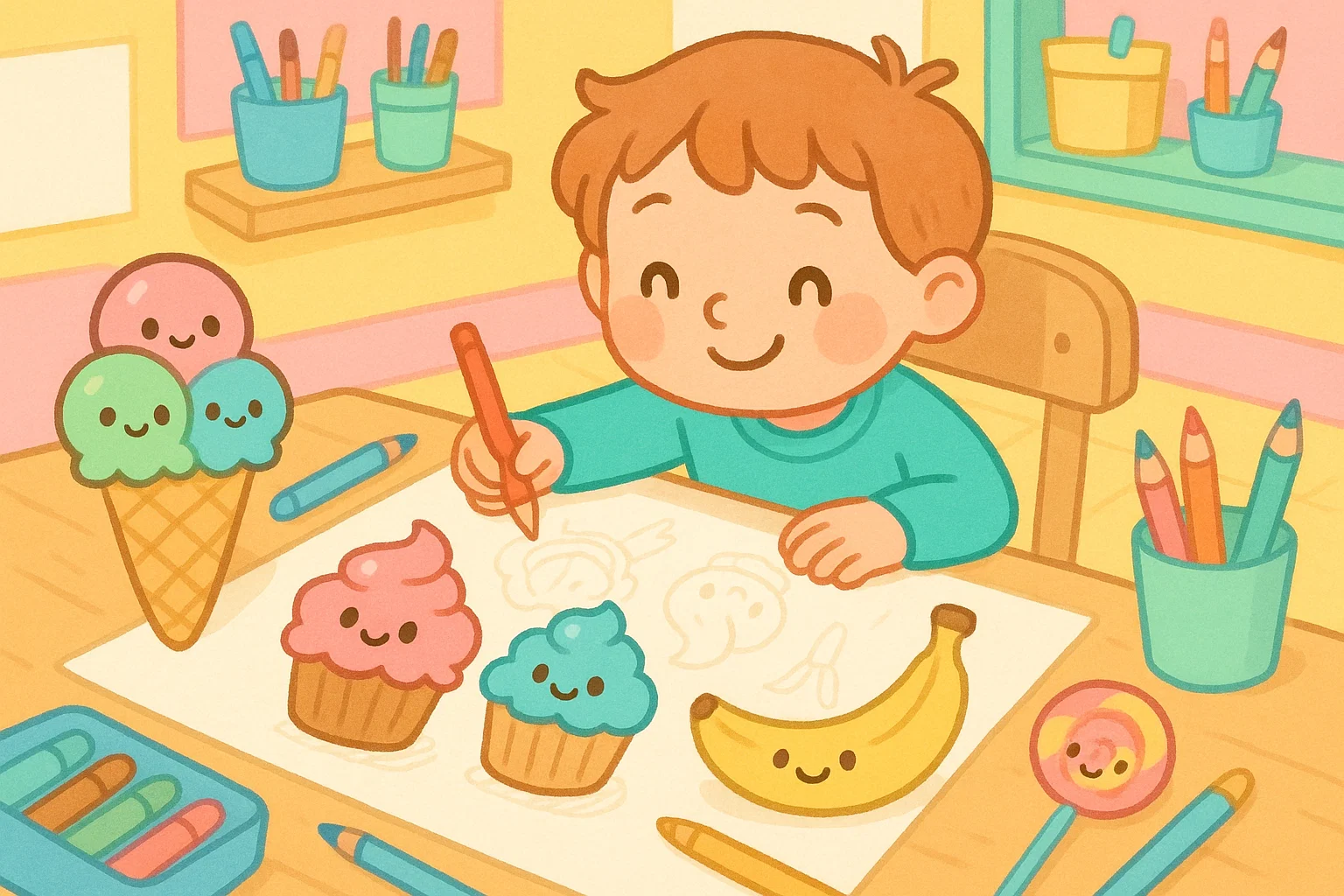
Simple objects from daily life, especially food, can be transformed into adorable, personality-filled drawings. This is a brilliant drawing idea for little ones to practice personifying objects.
Ice Cream and Lollipop
These are perfect for practicing cheerful color combinations.
- Ice Cream Cone: An upside-down triangle (the cone) topped with a series of stacked circles (the scoops). Adding a tiny face turns it into a character.
- Lollipop: A simple circle with a line for the stick. Use bright, swirling colors.
Fruit and Veggies
Give fruits and vegetables some character to make them more engaging.
- Banana: A long, curved line shape. Adding small cartoon eyes and a smile makes it funny and memorable.
- Apple: A simple, slightly uneven big circle with a small stem.
Character and People Drawings
Drawing people can be daunting, but simplifying the human form into easy-to-manage shapes makes it accessible. This leads to personal expression and storytelling.
Chibi Boy and Girl
Chibi, a Japanese cartoon style, uses simplified, oversized heads and small bodies, making it a great way for kids to draw people.
- Proportions: The head is often as large as the body! This reduces the complexity of body structure and focuses on big, expressive eyes.
Self-Portrait
A self-portrait is one of the best activities for helping kids develop self-awareness.
- Step-by-Step Guide: Start by drawing a circle or oval for the head. Add two small circles for eyes, a little triangle for the nose, and a curved line for the mouth. Focus on the hair, a feature that easily adds personality. Encourage them to draw the emotions they’re feeling that day.
Step-by-Step Drawing Activities
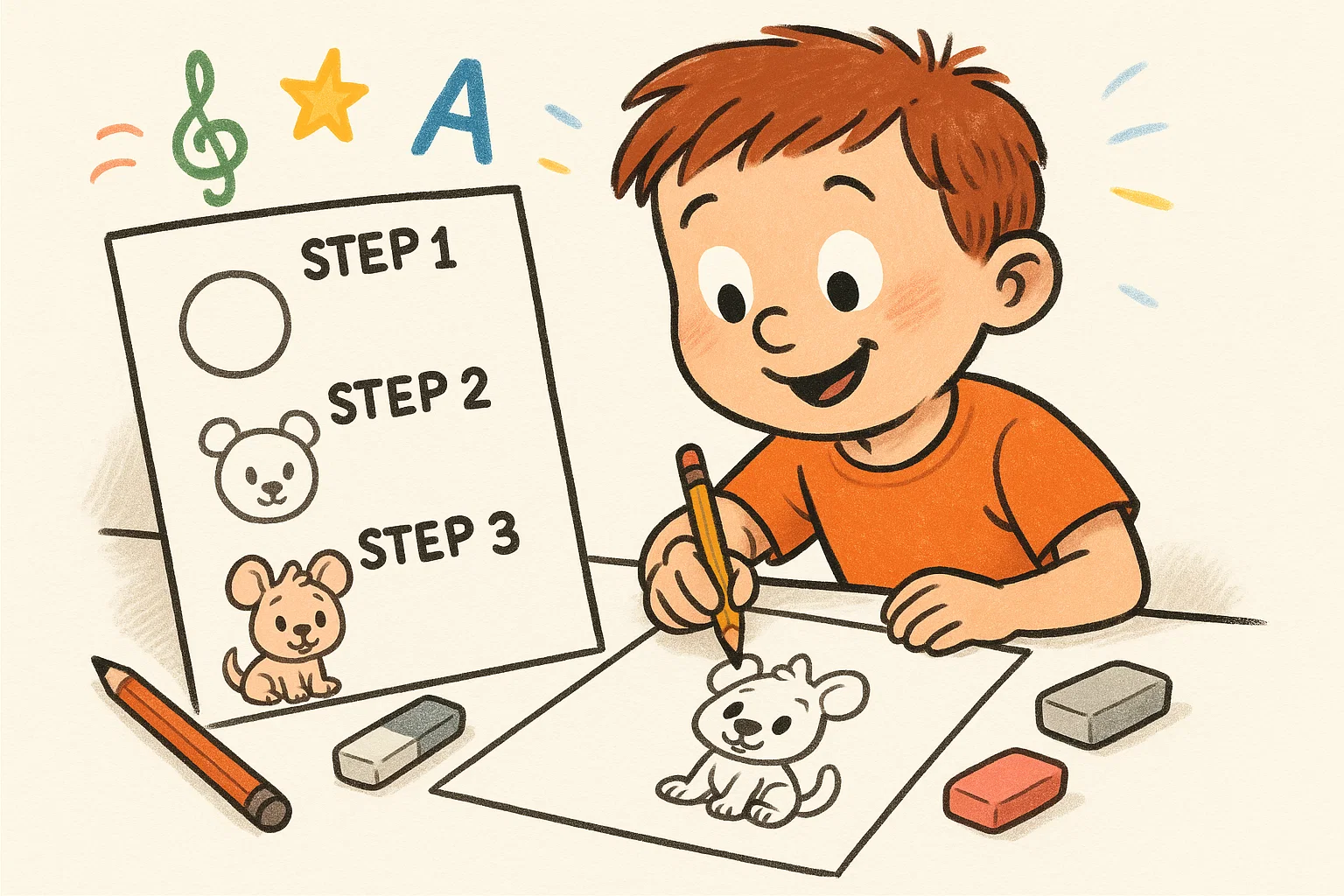
Guided drawing is an excellent way to introduce structure and routine, helping children develop drawing skills by following sequential instructions. These activities are a fantastic way to start drawing for beginners.
Circle-to-Character Challenge
- The Challenge: Start by drawing a circle (or have the child draw five random circles of different sizes on the paper).
- The Goal: The child must turn each circle into a unique character (e.g., one becomes a clock, one an animal, one a funny face, one a planet, and one a fruit). This encourages divergent thinking and problem-solving.
Hand-Tracing Art
- Trace: The child traces their own hand with a pencil.
- Transform: They can then turn the hand outline into an animal like a turkey, a rooster, or a flower. This is a very personal and creative drawing activity.
Mandala and Pattern Art
Mandala drawing involves creating patterns within a circle, often around a center point. It’s a wonderful, calming, and meditative drawing activity. It teaches symmetry and patience and is a beautiful way for kids to relax.
Benefits of Drawing for Kids
Drawing is much more than just a pastime; it’s a critical tool for development. Experts agree that encouraging regular drawing practice can have profound benefits that encouraging a consistent drawing idea habit can have profound positive effects.
| Developmental Area | Benefit of Drawing | Citation/Evidence |
| Fine Motor Skills | Holding the pencil or crayon, controlling line direction, and staying within lines sharpens dexterity, which is essential for writing later on. | Developmental Pediatric Studies on Pre-Writing Skills |
| Cognitive Skills | Planning a picture, deciding on colors, and visualizing the final result all engage critical thinking and spatial awareness. | Studies on Early Childhood Cognitive Development and Art |
| Emotional Expression | Art provides a non-verbal outlet for complex feelings. A child may draw a scary monster when feeling anxious or a vibrant rainbow when happy. | Child Psychology and Art Therapy Case Studies |
Boosting Creativity
Open-ended art, where there is no right or wrong answer, builds imagination. When a child decides to give their cat drawing three eyes or make their unicorn green, they are practicing creative problem-solving and expressing individuality. This type of freedom fosters the unique thinking that is invaluable in adulthood.
Improving Focus and Coordination
Following the step-by-step instructions to draw a simple tree or a house requires sustained concentration. This structured focus trains the brain to ignore distractions, a key skill for success in school.
Drawing Tips for Parents and Teachers
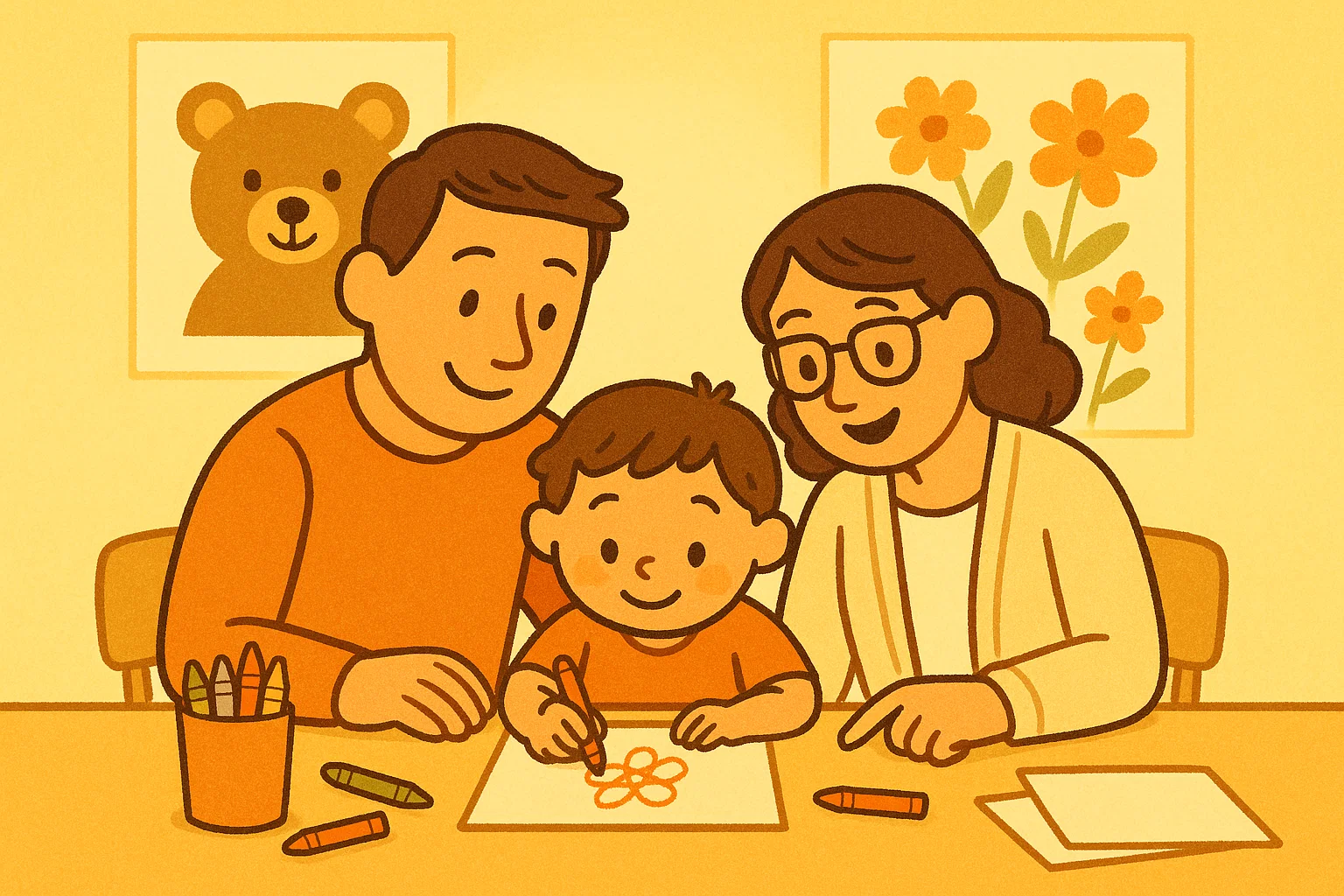
Supporting a young artist should be a joyful, encouraging experience. Here are some simple ways adults can facilitate the best drawing ideas for kids.
Set Up Drawing Space
Dedicate a calm, bright area where supplies are easily accessible. Keep it stocked with various materials: plain paper, colored paper, different kinds of pencils, crayons, markers, and even charcoal. An organized space signals that art is an important, valued activity.
Encourage Without Pressure
The words you use matter. Avoid judgment or trying to “fix” their work. Instead, use open-ended, celebratory language.
Instead of saying: “That doesn’t look like a cat,” try asking “Tell me about this creature! What is it thinking?” or “I love the colour you chose for the nose.”
Focus on the effort, not the product. Celebrate their progress in drawing skills, no matter how small.
Try Different Tools
Variety keeps things fresh and exercises different muscle groups and coordination skills.
- Crayons: Great for little hands and practicing pressure.
- Washable Markers: Excellent for bright, vibrant colourful results.
- Paints: Introduce texture and blending.
- Digital Apps: Excellent for exploring layers and endless colors without the mess.
Frequently Asked Questions
What can a 5-year-old draw easily?
A 5-year-old is typically ready for combining simple shapes into recognizable objects.
- Easy examples include: a house, a simple flower, stick figures, a basic car, an ice cream cone, a cat drawing using circles, and the sun and rainbow. They thrive on simple drawing ideas they can complete quickly.
How to teach drawing at home?
The best way to teach kids how to draw is through demonstration and positive reinforcement, rather than strict instruction.
- Start with Easy: Begin by teaching them to master drawing simple shapes like circles and rectangles.
- Guided Sessions: Do a step-by-step drawing session together where you both draw the same thing, like a unicorn drawing or a simple face.
- Observation: Encourage them to look closely at an object before they start drawing.
Why is drawing important for early development?
Drawing is one of the foundational activities for kids because it links motor control with cognitive and emotional processes. It’s a key pre-writing skill, a visual form of communication, and a healthy way to express emotions. It is one of the easiest, most accessible ways for a child to express complex thought.
Take a short quiz to find out what your everyday choices say about your parenting style
When your child is curious about something new, what’s your instinct?
Take a short quiz to find out what your everyday choices say about your parenting style
“Can I download this app?” What happens next?
Take a short quiz to find out what your everyday choices say about your parenting style
When it comes to rules at home, which sounds most like you?
Take a short quiz to find out what your everyday choices say about your parenting style
If you could give your child one life skill today, what would you pick?
Take a short quiz to find out what your everyday choices say about your parenting style
Your child gets to choose what to watch. What would your ideal setup look like?
Take a short quiz to find out what your everyday choices say about your parenting style
Pick your parenting superpower ✨