How to Calm Kids Before Bed: Routines, Techniques, and Tips

 Discover a Free Education Video App for Kids
Pastory uses AI to personalize educational video content based on your child’s interests and personality. Safe, engaging, and built for curious young minds. Sign up now to stay updated and enjoy early access with a free trial
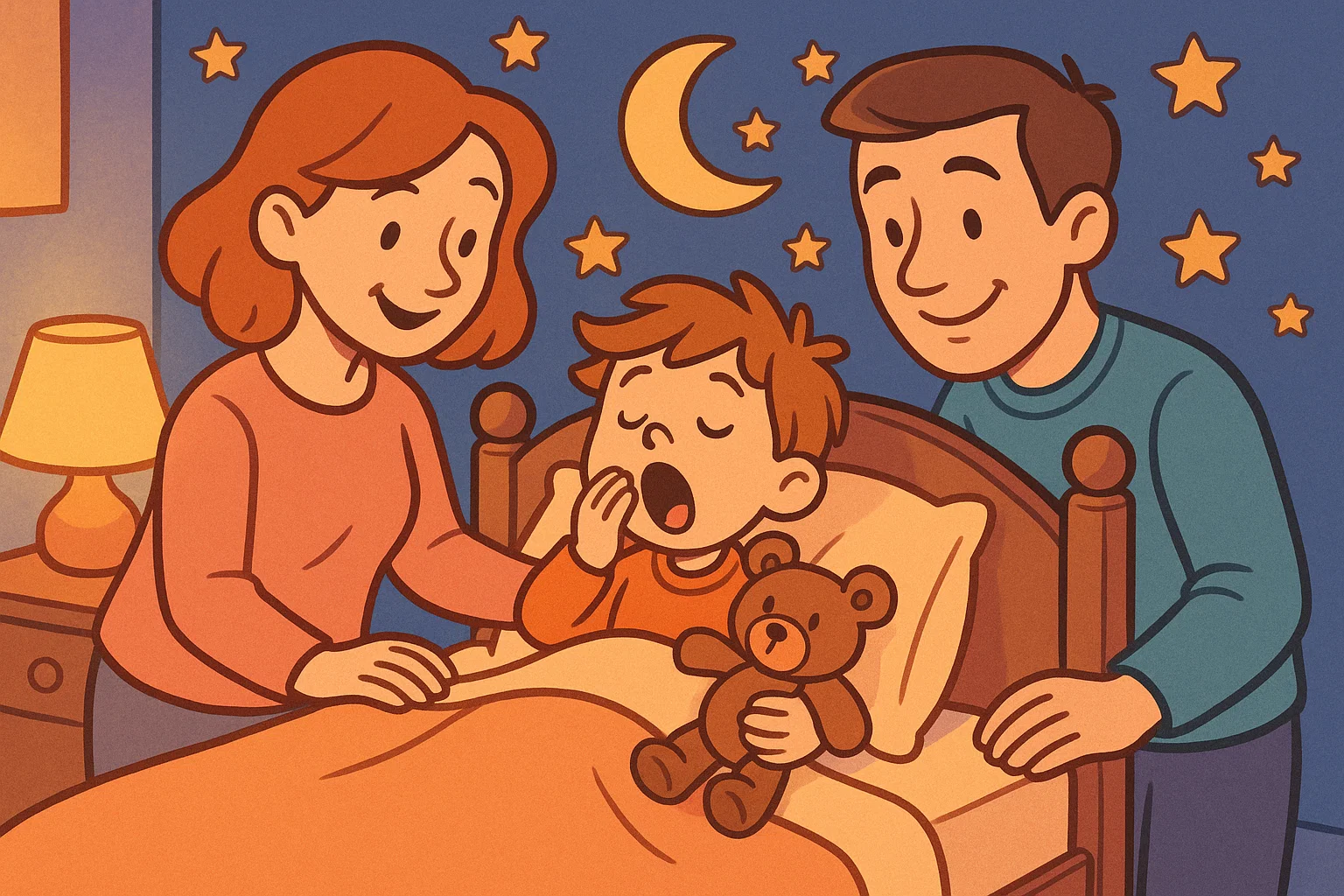
Learning how to calm kids before bed is something most parents work through at some point. After a busy day, children often find it hard to switch off — leading to stalling, meltdowns, or drawn-out bedtime battles. A consistent, well-structured routine sends clear signals to the brain and body that sleep is coming, and it genuinely helps.
This guide covers why kids struggle to settle at night, how to build a soothing bedtime routine by age group, calming activities and relaxation techniques, common mistakes to avoid, and when to seek extra support.
Key Takeaways
- A consistent bedtime routine is one of the most effective ways to help children calm down before sleep.
- The article covers three core areas: sample routines by age group, calming pre-sleep activities, and common mistakes that disrupt bedtime calm.
- Relaxation techniques such as deep breathing, visualization, and gentle stretching can help children wind down more easily.
- Bedroom environment — including light, temperature, and noise — plays a significant role in how quickly children settle.
- If bedtime struggles are persistent or severe, the article outlines signs that professional support may be helpful.
Why Kids Struggle to Calm Down Before Bed

It’s natural to feel frustrated when your toddler or school-age child resists going to bed, but understanding the root cause can shift your perspective from frustration to empathy. When a child struggles to fall asleep, it’s rarely about wanting to stay up late; it’s often a complex interplay of physical and emotional factors that interfere with their body’s natural ability to relax and get to sleep.
These common physical and emotional reasons often manifest as resistance, delaying tactics, or anxiety that make it harder for your child to relax and prepare their body to produce melatonin, the essential sleep hormone.
Emotional and Behavioral Factors
A significant portion of bedtime struggles stems from the emotional landscape of your child at bedtime.
- Bedtime Resistance & FOMO (Fear of Missing Out): For many children, especially toddlers and preschoolers, bedtime comes with a fear of separation and missing out on family time or activities. They may try to get out of bed repeatedly or engage in lengthy negotiations.
- Separation Anxiety: While typically associated with younger children, separation anxiety can peak around bedtime across various ages, making it difficult for the child to relax when a parent leaves the room.
- Anxiety and Stress: Worries about school, friends, or changes in the family can be amplified in the quiet darkness. Children often use bedtime as the last chance to voice these concerns, leading to delays.
Overstimulation and Screen Exposure
What happens in the hour before bed is crucial. High-energy play or, most commonly, exposure to screens can completely derail the transition to calm.
- Stimulating Activities: Roughhousing or high-intensity games too close to time for sleep revs up the central nervous system, making it nearly impossible for the child to relax.
- Blue Light from Screens: Light from tablets, phones, and TVs suppresses the body’s natural melatonin production.
Family and Environmental Triggers
The immediate environment and family dynamics around bedtime profoundly affect sleep.
| Trigger | Impact on Child’s Sleep | Expert Solution |
| Inconsistent Routines | The body lacks predictable cues to start the wind-down process. | Establish a consistent bedtime routine that varies by no more than 15-20 minutes daily. |
| Noisy Household | Interrupts the necessary quiet for the child’s mind to settle. | Create a “quiet zone” or use a white noise machine during the hour before bedtime. |
| Room Environment | Too hot, too cold, or too bright. | Ensure the room is cool (around 68°F / 20°C) and dark. |
Building a Soothing Bedtime Routine
A structured, predictable, and calming bedtime routine is the most powerful tool you have to help your child wind down and develop healthy sleep habits. The goal is to create a chain of events that reliably and pleasantly leads to the moment their head hits the pillow. This sequence should be followed in the same order, every night.
Setting a Consistent Bedtime
Consistency is the cornerstone of healthy sleep. A fixed bedtime and sleep schedule, including a fixed wake-up time, helps to regulate your child’s circadian rhythm—their internal body clock. This regulation helps their body produce melatonin at the optimal time. Discussing how much sleep your child needs with your paediatrician can help determine the ideal bedtime.
Creating a Calm Transition Period
The transition from active day to quiet night should start 30–60 minutes before bedtime. This wind-down time must be deliberately non-stimulating.
- Start by announcing the transition with a non-negotiable cue, like “In 10 minutes, we start our bedtime routine.”
- Switch off bright overhead lights and use soft, warm lamplight to encourage relaxation.
- Move from vigorous play to quiet activities like drawing, listening to soft music, or talking softly.
Involving Kids in the Routine
Giving your child a sense of control over a few minor aspects of the routine can significantly reduce resistance. When children feel agency, they are more cooperative.
Expert Tip: “When children choose between two options—‘Would you like the blue pyjamas or the green ones?’—they are far less likely to resist bedtime because they feel respected and heard, making them more ready for bed emotionally.”
| Child’s Choice | Example of Empowerment | Benefit |
| Pajamas | Choosing the outfit | Sense of self-control |
| Book | Picking the story | Promotes cooperation |
| Toothbrush/Paste | Selecting the flavor | Supports independence |
Relaxation Techniques for Calming Kids at Night
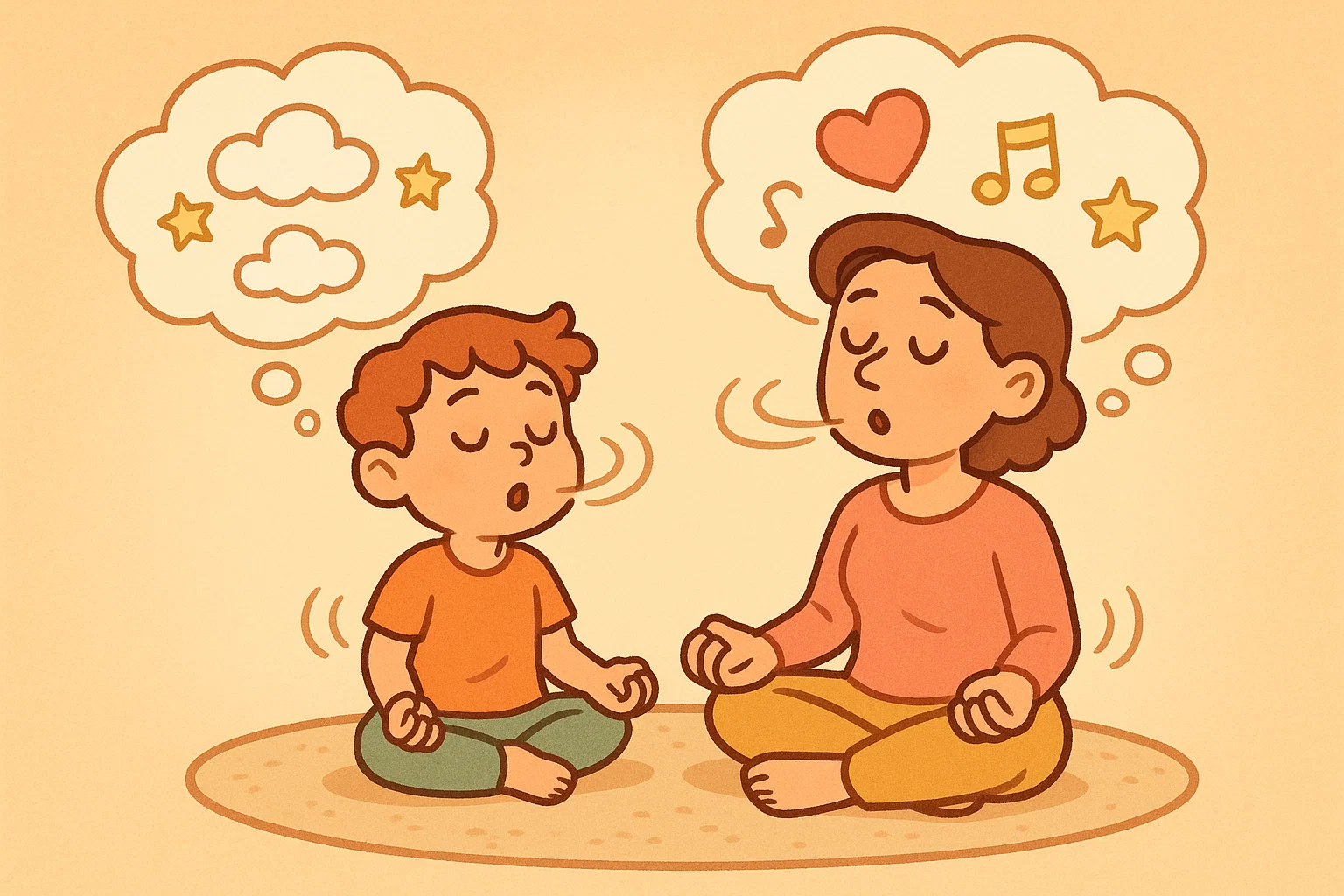
Teaching your child self-soothing skills is a lifelong gift. These simple techniques can interrupt the cycle of anxiety or overstimulation, helping children manage the transition and get to sleep.
Deep Breathing and “Birthday Candle” Breaths
Mindful breathing is an excellent tool to lower heart rate and reduce physical tension.
- The Flower and Candle: Have your child “smell a flower” (slow inhale through the nose) and then “blow out a birthday candle” (slow exhale through the mouth). Repeat this 3-5 times while lying down.
Gentle Stretching or Child Yoga
A quick 5-minute routine can help release pent-up physical energy. Avoid inversions or highly stimulating poses. Focus on simple, restful stretches like:
- Child’s Pose: Knees apart, chest resting on the floor.
- Legs up the Wall: Helps relieve heavy legs from a busy day.
Visualization and Storytelling
Guided imagery shifts a child’s focus from anxious thoughts to calm, internal scenes. You can create a story where the child is the hero on a relaxing journey.
- Example: “Imagine you are floating gently on a soft, white cloud… it’s quiet and warm… the cloud is taking you slowly to your cozy bed.”
The “Sleep Mantra” or Bedtime Affirmation
Repeating a short, positive phrase can combat separation anxiety or fear of the dark.
- Examples: “I am safe. I am loved. My body is tired and ready for rest.” or “I can go back to sleep.”
Comfort Objects
A favorite stuffed animal or blanket provides a tangible source of emotional security, especially when bedtime approaches and separation anxiety flares. This can help them feel safe when the parent leaves.
Creating the Right Bedroom Environment
The physical space of the bedroom should be a sanctuary for rest. Optimizing the environment is a simple, yet highly effective way to help children achieve quality sleep.
Light and Temperature Control
- Light: Dim the lights in the main areas of the house during the hour before bed. In the bedroom, use a small, warm-toned night light if necessary, but aim for the darkest possible environment to help the body produce melatonin. Blackout curtains are an excellent investment.
- Temperature: A slightly cool room promotes sleep. The ideal temperature range is generally between 65°F and 70°F (18°C and 21°C).
Reducing Noise and Distractions
While the house can’t always be silent, managing auditory input is important.
- White Noise: A white or pink noise machine set to a low, consistent volume can effectively mask sudden household noises and create a consistent, calming sonic environment that helps children fall asleep.
- Device-Free Zone: Ensure all phones, tablets, and even glowing toys are removed from the bedroom.
Bedtime Scents and Textures
Certain gentle, natural scents can be powerful relaxants, signalling the body to wind down.
- Scent: A few drops of pure lavender essential oil diffused in the room or misted lightly on the bedding can enhance the calming bedtime experience.
- Textures: Make sure your child’s bedding is comfortable and breathable, and their pajamas aren’t too tight or scratchy. Softness subconsciously signals relaxation.
The Power of Tidy Space
While not every parent has time for a nightly deep clean, a basic tidying ritual can be beneficial. A tidy, organised bedroom helps the mind feel calm. A messy room can subtly signal unfinished business or chaos, making it harder for your child to fully relax.
Sample Bedtime Routine by Age Group
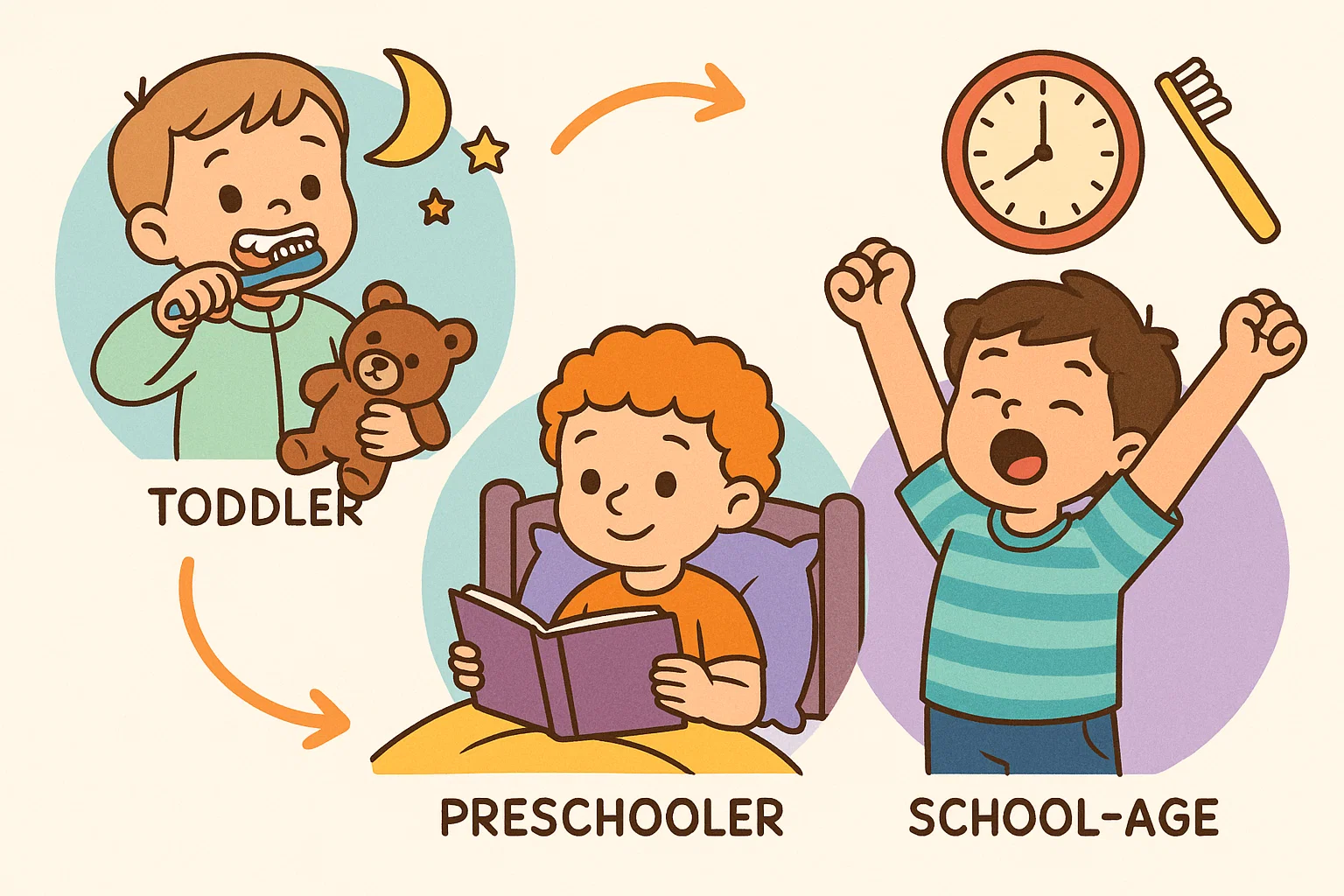
A good bedtime routine should reflect the child’s developmental stage and how much sleep they need. The structure stays the same, but the content evolves as the child grows.
| Age Group | Duration | Focus | Sample Routine |
| Toddlers (1–3 yrs) | 20–30 minutes | Repetition, Comfort, Security | Warm bath → PJs/Diaper → Brushing teeth → Cuddle & Reading a book → Soft song → Bed. |
| Preschoolers (3–5 yrs) | 30–40 minutes | Independence, Imagination, Predictability | Warm bath → PJs (child chooses) → Brushing teeth → Longer storytime (let your child turn pages) → Quiet chat → Bed. |
| School-Age Kids (6–12 yrs) | 30–45 minutes | Relaxation, Connection, Processing Day | Hygiene routine → Snack (if needed) → Quiet independent reading/journaling → Calming bedtime conversation → Relaxation technique → Bed. |
This routine might include a quick chat, a book, and hygiene, but the total time should be respected to avoid late bedtimes.
How to Handle Bedtime Resistance
It is crucial to understand that all children get to sleep in their own time, and resistance is a normal part of development. Experts recommend using positive and consistent strategies, often called sleep coaching or sleep training for younger kids, to manage these bedtime struggles.
Stay Calm and Patient
The key to dealing with a child who may be crying, tantruming, or attempting to negotiate to get out of bed is modeling the calm you wish them to have. When you raise your voice or become visibly stressed, you inadvertently increase their tension, making it harder for your child to relax. Take a deep breath and remind yourself that this is a temporary stage.
Use Clear and Consistent Boundaries
Once your bedtime routine is established, stick to it. If your toddler demands “just one more cup of water” after the fifth request, your consistent response should be brief, calm, and firm: “It’s time for sleep now, darling. You can have water in the morning.” This consistency prevents the development of power struggles.
Address Fears and Separation Anxiety
For children struggling with fear of the dark or separation anxiety, validate their feelings and provide brief, reassuring contact.
- The Quick Check-in: Instead of staying until they fall asleep, tell your child, “I will be back in five minutes to check on you.” Crucially, always follow through. This teaches them that you will return and that they are safe in between.
- The Gentle Glow: Use an approved, low-wattage, warm-colored night light.
Adjust the Routine When Needed
While consistency is vital, life happens. If a major event like travel, illness, or a new sibling disrupts the rhythm, be flexible — then return quickly to the established routine to show your child that their normal rhythm is back. Every child is different, and some may need longer to settle after a change.
Calming Activities Before Sleep
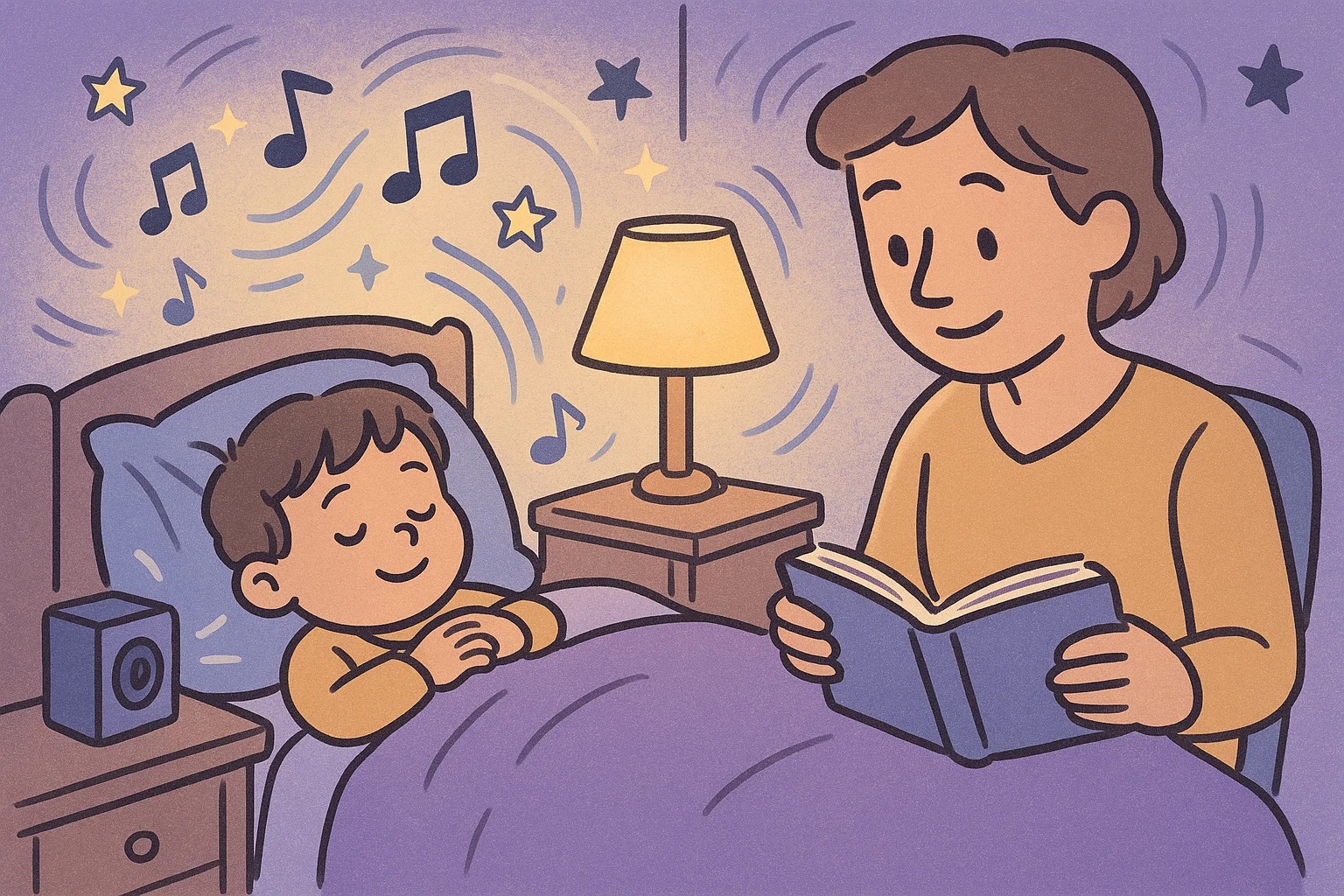
The activities in the hour before bedtime should focus on connection and quiet. These rituals help both younger and older children transition from the day’s excitement to rest.
Reading Together
Reading a book aloud is perhaps the single most recommended activity. It achieves multiple goals:
- Strengthens Connection: Cuddling during reading promotes attachment and releases feel-good hormones.
- Mental Wind-Down: It engages the imagination without physical movement.
- Language Development: A bonus for little ones!
Listening to Calm Music or Audio Stories
Soft music or quiet, non-scary audio stories can be a wonderful alternative. Look for instrumental tracks or nature sounds. This can be particularly helpful for school-age children who still need to quiet their minds.
Gentle Talk About the Day
Before final goodnights, engage in calming bedtime conversation. Avoid heavy topics or questions that require long, detailed answers.
The “Rose, Bud, Thorn” activity: Encourage them to share:
- Rose: One good thing that happened.
- Bud: One thing they are looking forward to tomorrow.
- Thorn: One thing that made them sad or worried.
This allows them to release worries without dwelling on them.
Warm Bath and Hygiene Routine
The slight drop in body temperature after a warm bath signals the body to release melatonin and encourages drowsiness. Brushing teeth should be a non-negotiable part of this process. This routine helps your child and family develop healthy sleep habits around cleanliness and transition.
Common Mistakes That Disrupt Bedtime Calm
Many parents, with the best of intentions, accidentally introduce elements into the bedtime environment that actively sabotage their efforts to help your child get to sleep. Knowing these pitfalls can keep your child’s routine on track.
Allowing Screens Too Close to Bedtime
This is the number one sleep disruptor. As the pediatrician and sleep community universally affirm: blue light must be avoided for at least an hour before bed. It directly suppresses melatonin, making it harder to fall asleep and contributing to sleep problems.
Overstimulating Games or Rough Play
Any activity that raises the heart rate or generates excitement (energy drinks or sugar also fall into this category, and should generally be avoided) should be moved to earlier in the evening. You must prepare your child for rest, not excitement.
Using Food or Sweets as Bedtime Rewards
Offering sugar or heavy snacks close to going to bed can disrupt digestion, cause energy spikes, and interfere with restful sleep. If a child needs a snack, opt for a small portion of a sleep-friendly food like a banana or warm milk.
Inconsistent Bedtime Rules
Mixed signals—sometimes letting the child stay up late and other times insisting on an early bedtime—confuse the body and the mind. It makes it harder for your child to understand the expectation and leads to behavioral issues. Keep bedtime consistent every night.
When to Seek Extra Help
While bedtime struggles are normal, there are times when persistent sleep problems or severe anxiety might signal an underlying issue that requires professional support. You should never feel like a failure for seeking assistance.
Signs Your Child’s Sleep Problems Need Expert Support
Trust your intuition, but look for these persistent red flags:
- Frequent nightmares or night terrors causing severe distress or preventing your child from settling back to sleep.
- Insomnia: Taking more than 30–45 minutes to fall asleep most nights.
- Daytime Fatigue: Child is overly irritable, struggles with focus at school, or relies heavily on naps when they shouldn’t.
- Severe Anxiety: Your child is consistently anxious or having panic attacks around bedtime.
Who Can Help
- Pediatrician: Always the first stop. They can rule out medical conditions (like sleep apnea) and provide initial guidance.
- Certified Pediatric Sleep Consultant: Specialized in behavioral sleep training and routines for children.
- Child Psychologist or Therapist: Can help address underlying anxiety, fear of the dark, or emotional regulation issues that affect sleep.
Useful Resources and Local Services
Look for resources from accredited institutions, such as the American Academy of Pediatrics or reputable local child sleep medicine clinics. These organizations often provide evidence-based, pediatric sleep guides and helplines.
FAQs About Calming Kids for Bedtime
How long should a bedtime routine last?
A bedtime routine should typically last between 20 and 45 minutes, depending on the child’s age. The total duration should be long enough to allow for a gentle wind-down but not so long that the child gets a “second wind.” For toddlers, 20-30 minutes is often plenty; for older school-age children, 40-45 minutes allows for hygiene and relaxation techniques.
What to do if my child wakes up at night?
The response depends on the cause. For a simple awakening, go in quickly, provide a brief, reassuring touch or quiet word (“Shh, you are safe, time for sleep”), and leave. Avoid turning on bright lights or taking them out of the room, as this teaches them that waking up leads to social time. Teach your child to fall back asleep independently.
Are naps affecting bedtime sleep?
Yes, daytime sleep can absolutely affect sleep at night. If your toddler or preschooler resists bedtime, their nap may be too long or too late. Ensure naps end well before the hour before bed—ideally by 2:00 PM for preschoolers. This creates sufficient “sleep pressure” to help them sleep better at night.
How can I make bedtime fun instead of stressful?
Focus on connection and playful rituals, not negotiation. Praise and reward your child for cooperation. Turn brushing teeth into a silly song. Say your goodnights with a “sleep handshake” or a secret family phrase. When you let your child know that this time is about cozy connection, not compliance, it helps them feel secure and promotes a positive bedtime experience for the whole family.

Take a short quiz to find out what your everyday choices say about your parenting style
When your child is curious about something new, what’s your instinct?
Take a short quiz to find out what your everyday choices say about your parenting style
“Can I download this app?” What happens next?
Take a short quiz to find out what your everyday choices say about your parenting style
When it comes to rules at home, which sounds most like you?
Take a short quiz to find out what your everyday choices say about your parenting style
If you could give your child one life skill today, what would you pick?
Take a short quiz to find out what your everyday choices say about your parenting style
Your child gets to choose what to watch. What would your ideal setup look like?
Take a short quiz to find out what your everyday choices say about your parenting style
Pick your parenting superpower ✨