
20 Best Social Skills Activities for Teens

 Discover a Free Education Video App for Kids
Pastory uses AI to personalize educational video content based on your child’s interests and personality. Safe, engaging, and built for curious young minds. Sign up now to stay updated and enjoy early access with a free trial
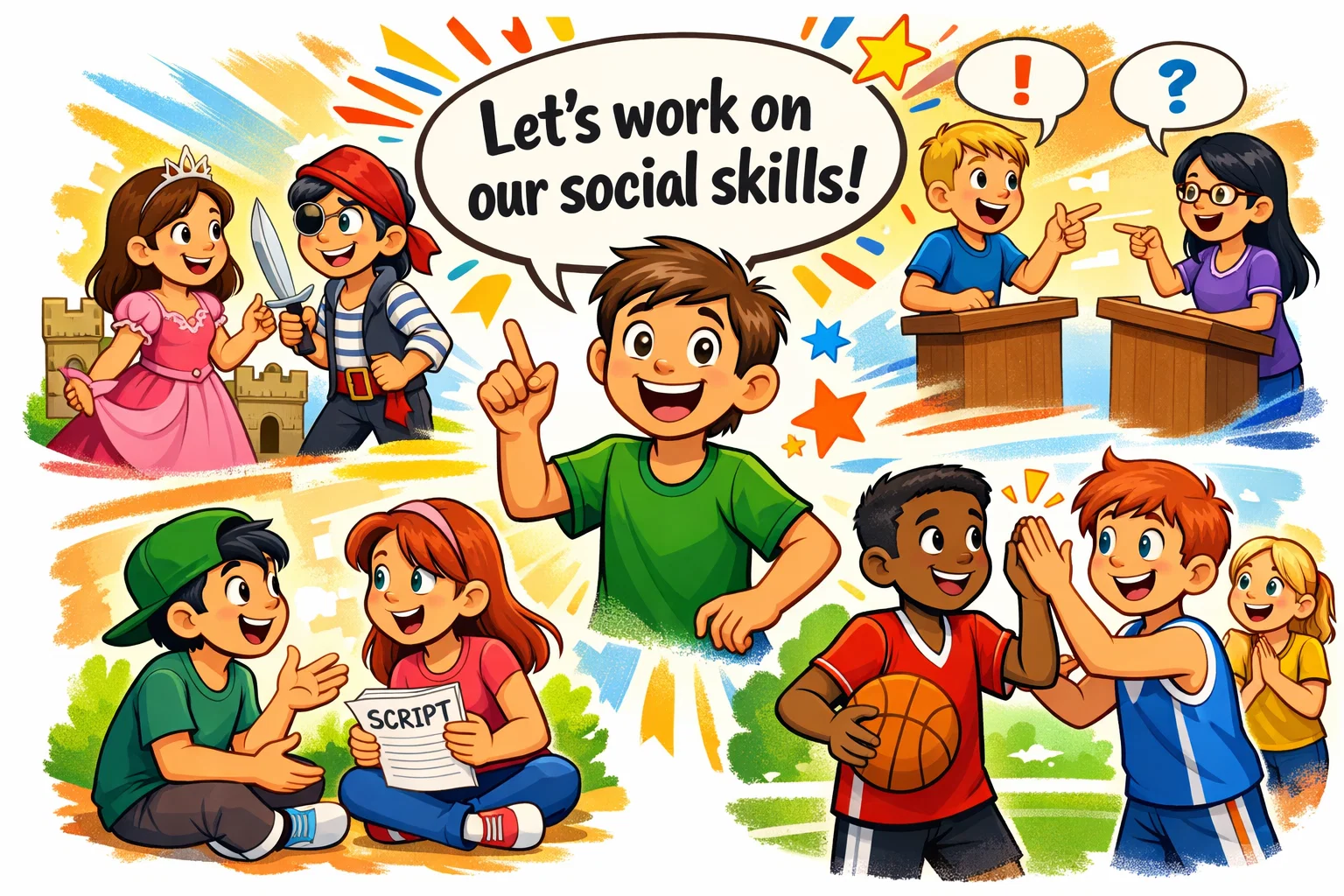
Adolescence is a transformative period during which biological changes coincide with an expanding peer network. Developing strong interpersonal skills is a critical milestone during this transition from childhood to adulthood. As teenagers navigate more complex human interactions, the ability to communicate effectively and manage internal emotions becomes a foundational pillar for their future success in both academic and professional spheres.
What Are Social Skills?
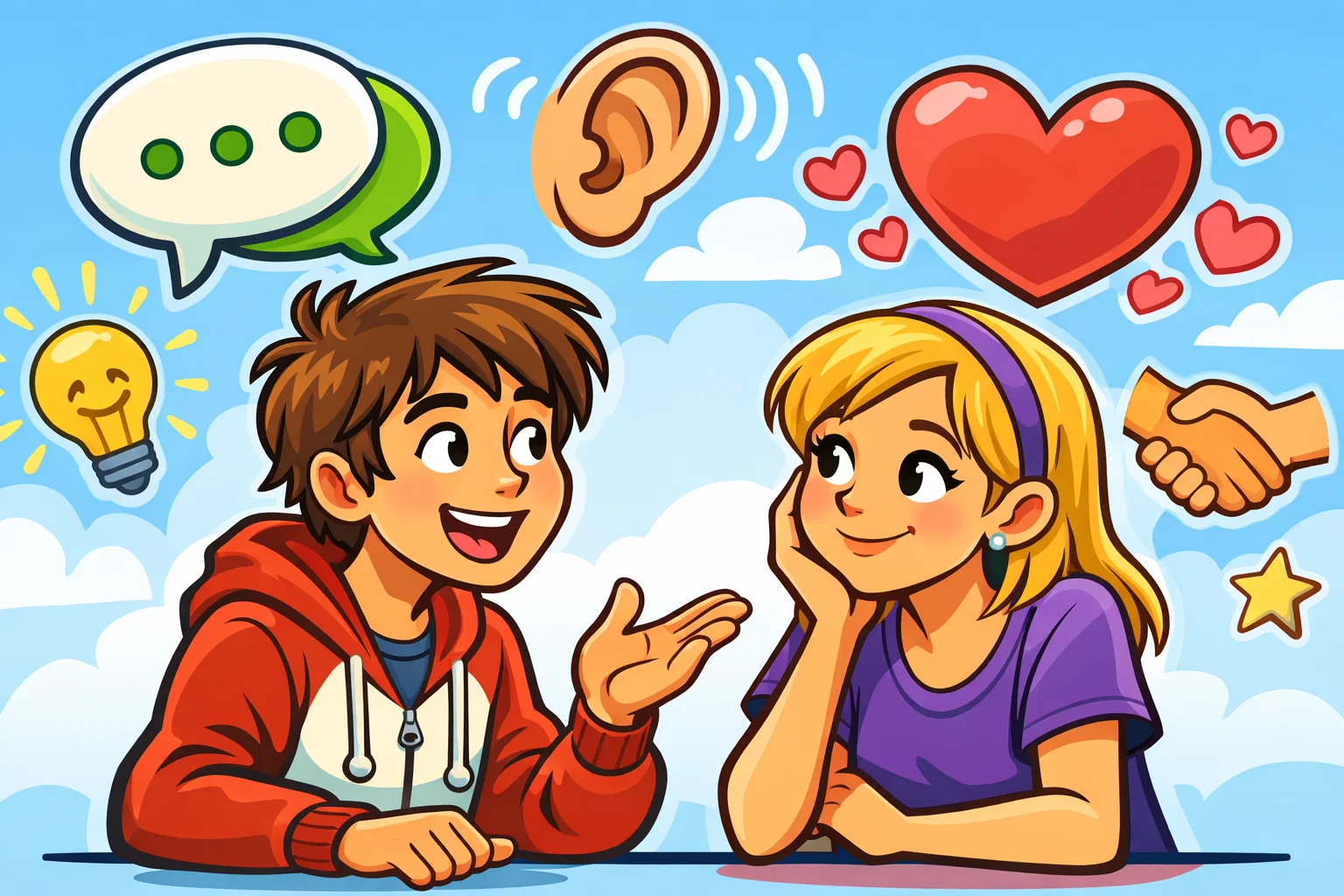
Interpersonal competencies are the verbal and nonverbal tools individuals use to communicate and interact with others. In the context of teenagers, these behaviors encompass more than just polite conversation; they include active listening, empathy, conflict resolution, and the ability to interpret subtle body language.
These proficiencies allow adolescents to read facial expressions, understand gestures, and respond appropriately to various social situations. By developing these strengths, young people gain the social competence required to build healthy relationships and navigate the nuances of high school life and beyond. It’s not just about ‘fitting in,’ but about developing the soft skills necessary to express one’s needs while respecting others’ boundaries.
Why These Skills Matter for Teenagers
Adolescence is a sensitive period of brain development where social development is at its peak. The adolescent brain is particularly malleable, providing a unique opportunity to strengthen emotional intelligence, which plays a key role in shaping a person’s life trajectory.
- Mental Health: Strong relational abilities are linked to higher life satisfaction. Teens with high social competence often experience lower levels of emotional distress and social anxiety.
- Academic and Career Success: Soft skills like teamwork and leadership skills are increasingly prioritized by modern employers. Many young people believe that schools and mentors should play an active role in fostering interpersonal strengths.
- Resilience: Developing the ability to solve social problems helps teens recover from peer rejection or academic stress.
- Self-Esteem: When a teen feels capable of holding a conversation or navigating a group project, their internal sense of competence grows, reducing the likelihood of depressive symptoms.
Key Social Skills for Teens to Develop
Before diving into the activities, it helps to know which core skills teens are actually building. Strong social development during adolescence typically involves mastering several interconnected abilities:
- Active Listening: Giving full attention to a speaker, asking follow-up questions, and avoiding interruptions.
- Empathy: Understanding and sharing the feelings of others, including reading emotional cues accurately.
- Conflict Resolution: Navigating disagreements calmly and finding mutually acceptable solutions.
- Reading Social Cues: Interpreting body language, facial expressions, tone of voice, and situational context.
- Assertiveness: Expressing one’s own needs and opinions clearly and respectfully without aggression or passivity.
- Conversation Skills: Initiating, maintaining, and gracefully ending conversations across different social settings.
- Cooperation and Teamwork: Working toward shared goals while respecting others’ contributions and boundaries.
The activities below are designed to practice these specific interpersonal skills in ways that feel natural and engaging for teenagers.
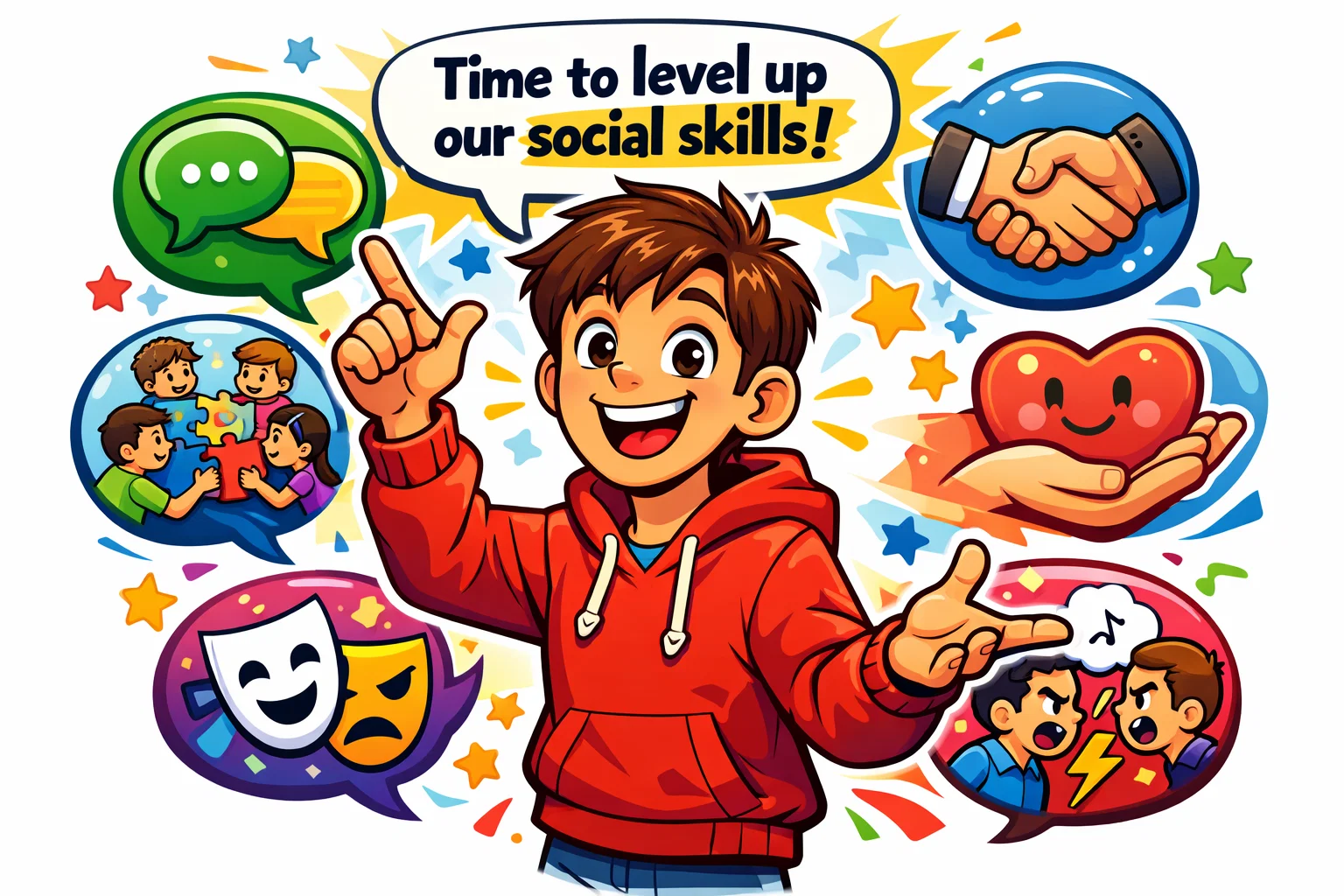
The following games and activities are designed to be engaging social skills tools that help teens build confidence in social situations. These evidence-based social skills activities focus on real-world application rather than just theory.
1. Getting to Know You Bingo
This icebreaker encourages social interactions by requiring teens to talk to multiple peers to find people who match specific criteria (e.g., “Has traveled to another country”).
- Entity: Human Interaction Bingo.
- Attribute: Interpersonal discovery.
- Value: Increases the number of unique conversations by 100% compared to sitting in a circle.
- Goal: To break the ice and find common ground quickly.
2. Emotion Charades
In Emotion Charades, teens act out emotions without speaking, which helps them focus on nonverbal communication skills like facial expressions and body movements.
- Entity: Nonverbal acting game.
- Attribute: Emotional recognition.
- Value: Improves accuracy in identifying subtle nonverbal cues by up to 40%.
- Practice: Identifying the difference between “frustration” and “anger” through visual data.
3. Debating Workshop
Structured debates teach teens how to voice other’s ideas and argue their own points respectfully. This fosters critical thinking and active listening.
- Entity: Formal Debate Sessions.
- Attribute: Articulation and perspective-taking.
- Value: 75% of participants report higher confidence in public speaking after three sessions.
- Educational Focus: Teaches how to disagree without being disagreeable.
4. Role Playing
Role-playing different social situations allows teens to practice social skills in a safe environment. Scenarios might include asking a teacher for help or navigating a disagreement with a friend.
- Entity: Behavioral Rehearsal.
- Attribute: Practical application.
- Value: Reduces cortisol (stress) levels during actual real-life encounters.
- Context: Useful for high school students preparing for job interviews or college applications.
5. Speed Dating Using Conversation Cards
Using a conversation starter card, teens have 2 minutes to talk to a peer before moving on. This helps high school students practice “small talk” and quick thinking.
- Entity: Rapid-fire dialogue.
- Attribute: Conversational fluency.
- Value: Increases the variety of topics a teen can comfortably discuss.
6. Kindness Tower Using Jenga
Before pulling a block, the teen must give a compliment to a peer. This emphasizes the importance of positive social behavior and peer support.
- Entity: Modified Jenga.
- Attribute: Positive reinforcement.
- Value: Enhances group cohesion and reduces instances of “negative peer talk.”
7. Emotions Game Using Uno Cards
Each color in the Uno deck represents a different feeling (e.g., Red = Anger, Blue = Sadness). When a card is played, the teen shares a time they felt that way.
- Entity: Emotional Uno.
- Attribute: Emotional vocabulary.
- Value: Helps teens learn to label complex feelings accurately, which is crucial for empathy.
8. Mind Mapping
Teens work in groups to map out solutions to a specific social problem, such as “how to include someone new at lunch.”
- Entity: Visual problem-solving.
- Attribute: Collaborative planning.
- Value: Encourages teamwork and the integration of multiple viewpoints.
9. Acting Workshop
Improvisation games in an acting workshop require teens to respond instantly to a partner’s cues, fostering deep social communication.
- Entity: Improvisational theater.
- Attribute: Spontaneous interaction.
- Value: Teens learn to “read the room” and adapt their energy to others.
10. Volunteer Work
Volunteering puts teens in real-life social settings where they must communicate with diverse groups of people.
- Entity: Community service.
- Attribute: Empathy and responsibility.
- Value: Teens who volunteer often show higher levels of empathy and experience less isolation.
11. Pass the Ball
A group stands in a circle; the person with the ball must make eye contact with another before passing it. This reinforces nonverbal communication fundamentals and helps participants take turns.
- Entity: Visual focus game.
- Attribute: Intentional engagement.
- Value: Trains the brain to seek physical cues before initiating an interaction.
12. Gratitude Exercises
Writing “shout-out” cards to peers helps teens build confidence and fosters a positive group climate.
- Entity: Peer-to-peer appreciation.
- Attribute: Gratitude habit.
- Value: Boosts dopamine levels and improves overall group sentiment.
13. Pass the Message
Similar to “Telephone,” but with a focus on how details get lost. This highlights the need for active listening and clear communication skills.
- Entity: Information transmission game.
- Attribute: Accuracy in listening.
- Value: Demonstrates the difference between ‘hearing’ and ‘listening.’
14. Collaborative Story Writing
One teen writes a sentence, and the next must build on it while respecting the previous author’s direction.
- Entity: Shared creative writing.
- Attribute: Compromise and flexibility.
- Value: Practices the “Yes, and…” principle of cooperation.
15. Scavenger Hunts
Teens must work in teams to solve clues, which builds problem-solving skills and necessitates teamwork.
- Entity: Team-based quest.
- Attribute: Strategic cooperation.
- Value: Forces leaders to delegate and quieter members to contribute.
16. Team Sports
Engaging in team sports provides a structured way to practice conflict-resolution skills and social behavior under pressure.
- Entity: Organized athletics.
- Attribute: Resilience and cooperation.
- Value: Teaches teens how to handle “losing” and “winning” with grace.
17. Bonfire Nights
Informal gatherings like a bonfire provide a low-pressure environment for teens to practice relaxed conversation and bonding.
- Entity: Informal event.
- Attribute: Peer bonding and trust.
- Value: Reduces the “performance pressure” often felt in school-based settings.
18. Theater Viewing
Watching a play allows teens to analyze facial expressions and the body language of actors, which they can then discuss.
- Entity: Cultural observation.
- Attribute: Social analysis.
- Value: Provides a third-party perspective on complex human emotions.
19. Art Classes
Collaborative murals or shared art projects require teens to negotiate space, share resources, and respect other’s ideas.
- Entity: Visual arts group.
- Attribute: Creative negotiation.
- Value: Builds social competence through non-verbal shared goals.
20. Educational Tours
Group trips to museums foster social interactions centered on shared learning and discussion.
- Entity: Field learning.
- Attribute: Contextual conversation.
- Value: Stimulates curiosity and provides “built-in” topics for high school aged youth.
Social Skills Scenarios and Role-Play Situations for Teens
Role-play is most effective when teens practice realistic situations they are likely to encounter. The following social scenarios give teenagers a safe space to rehearse responses, build confidence, and develop better judgment before facing these moments in real life.
Scenario 1: Joining a New Group
Situation: It is the first week at a new school and the teen wants to sit with a group at lunch but does not know anyone.
Skills practiced: Initiating conversation, reading social cues, managing anxiety.
How to run it: One teen plays the newcomer while two or three others play the existing group. Debrief by discussing what verbal and nonverbal signals indicated whether the group was open to a new person.
Scenario 2: Handling Peer Pressure
Situation: A friend group is pressuring a teen to skip class or participate in something they are uncomfortable with.
Skills practiced: Assertiveness, saying no respectfully, maintaining friendships under pressure.
How to run it: Practice multiple responses ranging from a firm refusal to a deflection strategy. Discuss which approaches felt most natural and why.
Scenario 3: Navigating a Conflict with a Friend
Situation: Two friends have a misunderstanding over a social media post and one feels hurt or disrespected.
Skills practiced: Conflict resolution, active listening, empathy, using “I” statements.
How to run it: Each teen takes a side and must resolve the conflict without name-calling or shutting down. A facilitator can pause the scene to coach better phrasing in real time.
Scenario 4: Asking for Help from an Adult
Situation: A teen is struggling in a class and needs to approach a teacher or counselor for support.
Skills practiced: Self-advocacy, respectful communication, overcoming social anxiety in authority-figure interactions.
How to run it: One teen plays the student and another plays the teacher. Rotate roles so each participant experiences both perspectives.
Scenario 5: Being Left Out of a Group
Situation: A teen discovers their friend group made plans without them and they feel excluded.
Skills practiced: Emotional regulation, expressing feelings constructively, distinguishing between intentional exclusion and oversight.
How to run it: Role-play the conversation the teen might have with a friend. Focus on using calm language and listening to the other person’s explanation before reacting.
Scenario 6: Disagreeing Respectfully in a Group Discussion
Situation: During a class project, a teen disagrees with the direction the group is taking but does not want to cause conflict.
Skills practiced: Assertiveness, perspective-taking, constructive disagreement.
How to run it: Set up a mock group meeting where one participant must voice a dissenting opinion politely. Debrief on how the group responded and what language worked best.
Social Skills Games for Teens (Quick-Reference Table)
Several of the activities above are specifically game-based, making them easy to run in a classroom, group therapy session, or at home. Here is a quick-reference overview of the best social skills games for teenagers, what they target, and how many players they work best with.
| Game | Core Skill Targeted | Best Group Size | Setting |
|---|---|---|---|
| Emotion Charades | Nonverbal communication, emotional recognition | 4–12 | Classroom, therapy group |
| Kindness Jenga | Positive social behavior, peer support | 2–6 | Small group, home |
| Emotional Uno | Emotional vocabulary, empathy | 2–8 | Classroom, therapy group, home |
| Getting to Know You Bingo | Conversation initiation, finding common ground | 10–30 | Classroom, youth group |
| Pass the Ball | Eye contact, nonverbal cues, turn-taking | 6–20 | Gym, open space |
| Pass the Message | Active listening, clear communication | 6–20 | Classroom, youth group |
| Speed Dating with Conversation Cards | Conversational fluency, quick thinking | 10–30 | Classroom, social skills group |
| Collaborative Story Writing | Cooperation, flexibility, compromise | 3–10 | Classroom, small group |
These games work well as standalone activities or as warm-ups before deeper social skills exercises. Many can be adapted for middle school through high school age groups with minimal preparation.
Detailed breakdown of Social Skills Development
To truly understand how these games and activities impact a child’s life, we must look at the psychological mechanics behind them. Social skills are necessary for human survival because we are a collaborative species. When we help children learn these behaviors, we are essentially giving them a “survival kit” for the modern world.
The Role of Emotional Regulation
Many social problems stem from an inability to manage intense feelings. Coping skills are the internal mechanisms that allow a teen to stay calm when a friend cancels plans or when they receive criticism. Activities like “Emotional Uno” or “Role Playing” give teens the language to describe their internal state, which is the first step in regulation.
Developing Social Competence via Peer Interaction
Social competence is the ability to achieve personal goals in interactions while maintaining positive relationships. This is not a static trait. Found that kids who engage in group activities regularly are more likely to display positive social behaviors in unsupervised settings. By practicing these skills in a structured environment, the brain creates neural pathways that make these responses automatic over time.
The Bottom Line
Incorporating social skills activities for children and teens into daily life is not just about making them “polite.” It is about equipping them with the essential social skills needed to thrive in a world that increasingly values social communication and emotional intelligence.
Benefits of Social Skills for Teens
Teens with strong interpersonal skills experience:
- A 66% reduction in risk-taking behaviors (Source: National Longitudinal Study of Adolescent Health).
- Higher levels of “connectedness,” which buffers against social anxiety.
- Improved ability to help them regulate their emotions during stressful life transitions.
- Greater confidence in social situations, leading to higher rates of extracurricular participation.
How to Encourage Teens to Participate in Social Skills Activities
Motivation is key when dealing with high school students. To engage teens, consider the following strategies:
- Gamification: Use engaging social skills games that offer rewards or healthy competition.
- Autonomy: Give teens a choice in which activities help them feel most comfortable.
- Real-World Relevance: Explain how these skills like negotiation and leadership skills will help them get a job or get into a preferred college.
- Modeling: Adults must demonstrate active listening and proper eye contact themselves.
When to Seek Professional Help for Social Skills Development
While some awkwardness is a normal part of the social development of a teen, parents should look for “red flags” that persist for more than 2-4 weeks:
- Total withdrawal from family and friends.
- Paralyzing social anxiety that leads to school refusal.
- Aggressive outbursts during different social encounters.
- Inability to understand basic nonverbal communication skills (e.g., not realizing when someone is upset).
Programs like PEERS® provide evidence-based social skills activities specifically for those with Autism Spectrum Disorder or ADHD, helping them close the social competence gap through specialized social skills training.
For teens who need more structured support, social skills therapy activities delivered by a licensed therapist or counselor can make a significant difference. In a therapy setting, activities often mirror those described in this article — role-play, emotion identification exercises, and group problem-solving — but are tailored to the individual teen’s specific challenges and paced according to their progress. Group-based social skills programs, such as PEERS®, combine structured lessons with guided practice sessions, giving teens repeated opportunities to rehearse skills in a supportive environment before applying them in everyday social situations.
Frequently Asked Questions (FAQ)
What age should teens start developing social skills?
Relational skills should begin developing in early childhood, but they undergo a massive evolution during the teenage years. While a toddler learns to share toys, a teen must learn to share complex ideas and navigate the social interactions of dating and group hierarchy. Experts suggest that high school aged youth are at the perfect stage for more advanced social skills games for teens that involve logic and empathy.
What are some signs a teen needs help with these skills?
If a teen seems unusually distant, expresses that “no one understands them,” or shows a sudden drop in academic performance due to peer issues, they may need targeted social skills activities to help them reintegrate. Difficulty making eye contact or failing to pick up on obvious facial expressions can also indicate a need for more focused practice social skills work.
Are there online resources for practicing social skills?
Yes, the American Academy of Pediatrics (AAP) and various educational frameworks recommend websites, apps, and even certain cooperative video games that help teens practice coordination and teamwork. Moderated platforms often provide a conversation starter to help those with social anxiety feel more comfortable.

Take a short quiz to find out what your everyday choices say about your parenting style
When your child is curious about something new, what’s your instinct?
Take a short quiz to find out what your everyday choices say about your parenting style
“Can I download this app?” What happens next?
Take a short quiz to find out what your everyday choices say about your parenting style
When it comes to rules at home, which sounds most like you?
Take a short quiz to find out what your everyday choices say about your parenting style
If you could give your child one life skill today, what would you pick?
Take a short quiz to find out what your everyday choices say about your parenting style
Your child gets to choose what to watch. What would your ideal setup look like?
Take a short quiz to find out what your everyday choices say about your parenting style
Pick your parenting superpower ✨



