Millennial’s Guide to Gen Alpha Slang Words: The Ultimate Glossary

 Discover a Free Education Video App for Kids
Pastory uses AI to personalize educational video content based on your child’s interests and personality. Safe, engaging, and built for curious young minds. Sign up now to stay updated and enjoy early access with a free trial
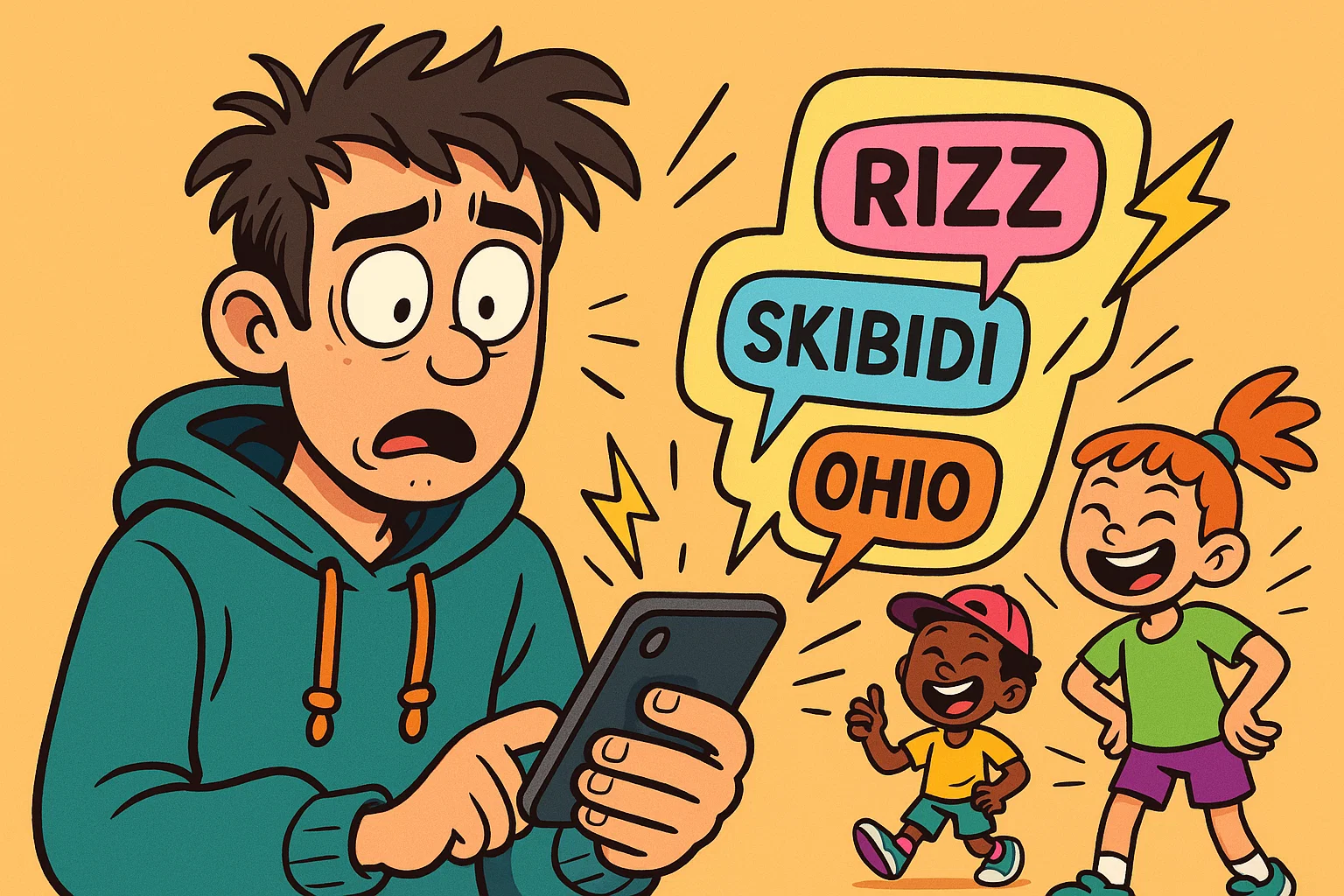
If you’ve ever felt lost listening to your kids, students, or younger colleagues throw around terms like “rizz,” “skibidi,” and “Ohio,” you’re not alone. Generation Alpha has developed their own unique digital language that can leave even tech-savvy millennials scratching their heads. This comprehensive guide will help you decode the latest slang and understand the cultural forces shaping how Gen Alpha communicates.
What is Gen Alpha Lingo?
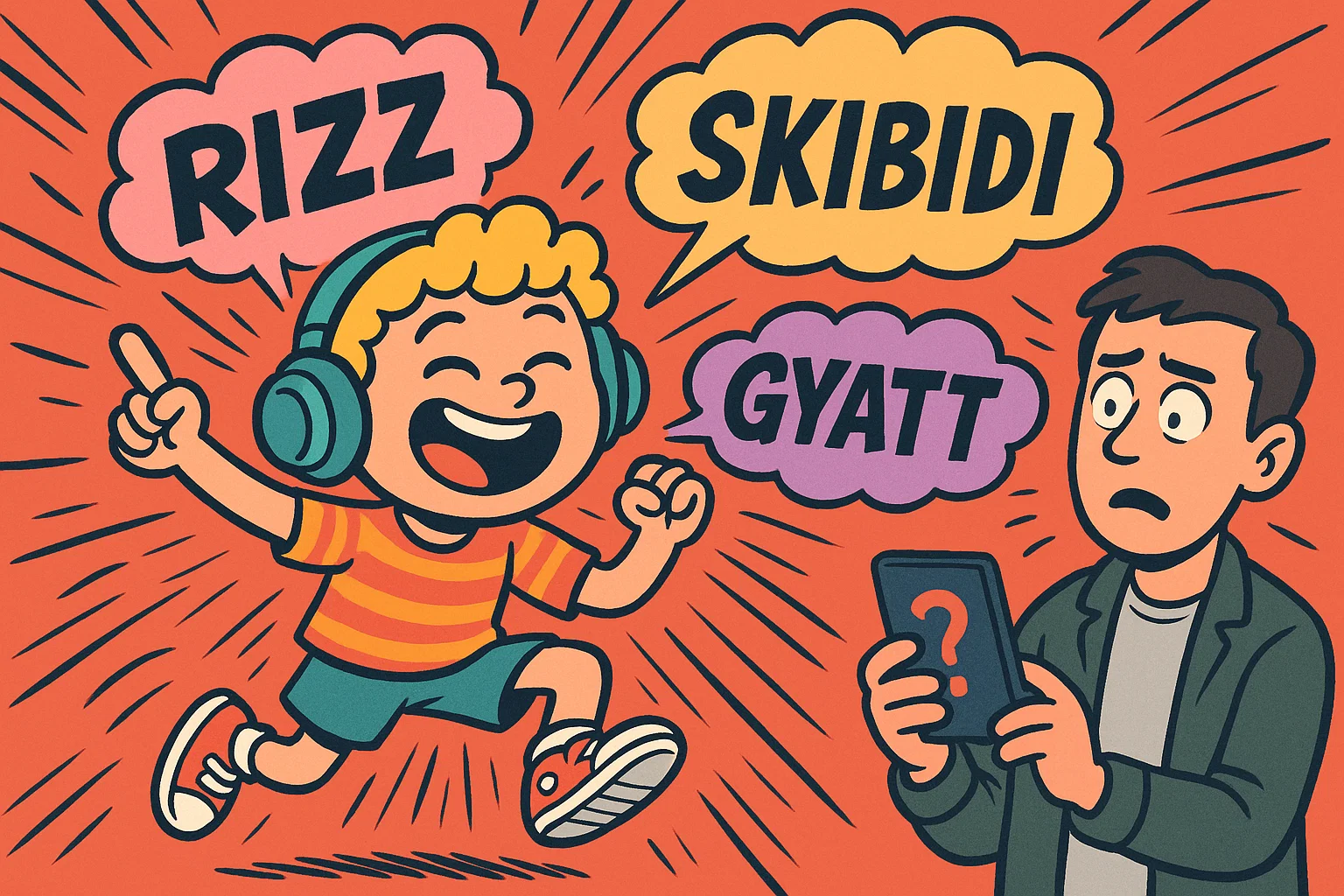
Gen Alpha lingo represents the evolving language of children born between 2010 and 2025. Unlike previous generations who developed slang through face-to-face interactions or traditional media, Gen Alpha’s vocabulary emerges primarily from digital platforms like TikTok, YouTube, and gaming communities. This generation’s way of communicating reflects their immersive digital upbringing and constant exposure to internet culture.
The term “lingo” itself encompasses more than just new words—it includes the context, timing, and cultural understanding needed to use these expressions authentically. Gen Alpha uses slang not just to communicate but to signal membership in their digital-native community.
Gen Z vs. Gen Alpha Slang
While Gen Z pioneered many internet-based expressions, Gen Alpha has taken digital communication to new heights. Gen Z slang often originated from platforms like Vine and early TikTok, focusing on relatable experiences and social commentary. Terms like “salty,” “periodt,” and “stan” became mainstream through influence.
Generation Alpha, however, creates slang that’s more abstract and meme-driven. Their expressions often reference specific content creators, viral videos, or gaming culture. Where Gen Z might say something is “fire,” Gen Alpha might describe it as “bussin’” or say it has “aura points.”
| Generation | Platform Origins | Slang Characteristics | Examples |
| Gen Z | Vine, early TikTok, Twitter | Relatable, social commentary | Salty, periodt, stan |
| Gen Alpha | TikTok, YouTube, gaming | Meme-driven, abstract, content-specific | Rizz, skibidi, Ohio |
Who is Gen Alpha?
Generation Alpha includes anyone born from 2010 to 2025, making the oldest members currently around 14-15 years old. This cohort represents the first generation to grow up entirely in the smartphone era, with constant access to social media, streaming content, and interactive gaming experiences.
Unlike millennials who remember life before the internet, or Gen Z who witnessed the transition to digital dominance, Gen Alpha has never known a world without instant connectivity. This fundamental difference shapes not just their slang, but their entire approach to communication and social interaction.
Why You Need to Know Gen Alpha Slang
Understanding Alpha’s language isn’t just about staying current—it’s about maintaining meaningful connections and effective communication across generational lines. Whether you’re a parent, educator, or professional working with younger audiences, this knowledge serves practical purposes.
Slang for Parents
Parents who understand their children’s slang can build stronger relationships and maintain open communication channels. When your child says something “slaps” or describes a friend as having “rizz,” knowing these terms helps you engage authentically in their world.
Research from the Pew Research Center suggests that parents who show interest in their children’s digital culture report better family communication and trust levels. However, the key lies in understanding without appropriating—appreciate the slang without trying to use it yourself.
Many Alpha kids use slang as a way to process their emotions and social experiences. When they describe something as “cringe” or say someone is being “sus,” they’re often working through complex social dynamics in age-appropriate language.
Slang for Educators
Teachers and educational professionals can leverage slang understanding to create more engaging learning environments. Recognizing when students use terms like “brain rot” to describe mindless content consumption opens opportunities for media literacy discussions.
Educational experts note that acknowledging students’ language validates their cultural identity while maintaining academic standards. You don’t need to speak their language, but understanding it helps you connect curriculum to their lived experiences.
Consider how a history teacher might reference “main character energy” when discussing historical figures, or how a science teacher could use “it’s giving” to help students describe chemical reactions in relatable terms.
Slang for Marketers
Brands targeting younger demographics must navigate Gen Alpha slang carefully. Understanding these terms helps marketers avoid tone-deaf campaigns while identifying authentic ways to connect with this emerging consumer base.
However, marketing professionals should approach this knowledge with caution. Gen Alpha can quickly detect when brands misuse their language, often responding with accusations of being “cringe” or trying too hard. The goal is cultural competency, not cultural appropriation.
Successful youth marketing in the Alpha era focuses on understanding the values and experiences behind the slang rather than simply incorporating trendy terms into campaigns.
Rizz
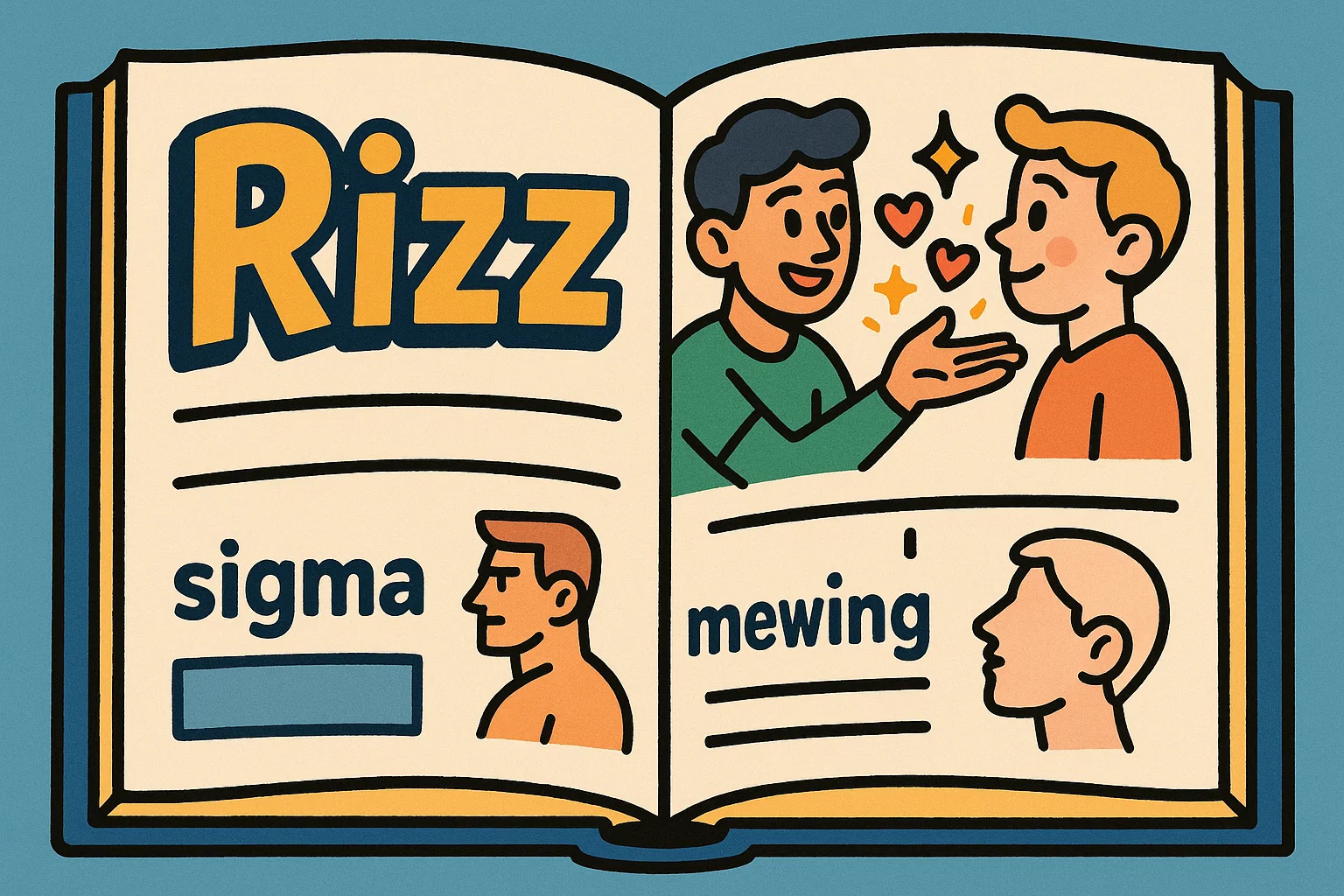
“Rizz” stands as perhaps the most recognized Gen Alpha term, derived from “charisma.” This slang word describes someone’s ability to charm or attract others, particularly in romantic contexts. When Alpha says someone has “rizz,” they mean that person possesses natural charisma and confidence.
The term gained popularity through content creators and streamers who used it to describe smooth social interactions. Unlike older generations who might say someone is “smooth” or has “game,” Gen Alpha prefers this more specific descriptor.
Usage examples:
- “He’s got rizz” (He’s charming/attractive)
- “That was rizz” (That was a smooth move)
- “Rizz level: maximum” (Extremely charismatic)
Sigma
The term “sigma” refers to someone who operates independently, often used to describe individuals who don’t follow conventional social hierarchies. This concept emerged from internet culture’s reinterpretation of social dynamics, particularly within gaming communities.
Gen Alpha uses “sigma” to describe someone with “main character energy”—a person who confidently pursues their own path without seeking validation from others. The term carries positive connotations of self-reliance and authenticity.
Usage examples:
- “That’s sigma behavior” (Acting independently/confidently)
- “He’s sigma” (He’s self-reliant and cool)
Skibidi Toilet
“Skibidi Toilet” originated from a popular YouTube series featuring singing toilets and camera-headed characters. While the content might seem nonsensical to adults, it has become a cultural phenomenon among Gen Alpha kids, spawning countless memes and references.
The term now extends beyond the original videos, often used as an exclamation or reference point for absurd or entertaining content. Many Gen Alpha kids use “skibidi” as a general expression of excitement or randomness.
Cultural impact: The Skibidi Toilet animated series has garnered billions of views, making it one of the most influential pieces of Gen Alpha media.
Slay
While “slay” originated in drag culture and was adopted by millennials, Gen Alpha has given it renewed life. When someone “slays,” they’re performing exceptionally well or looking incredibly stylish. The term expresses admiration and celebration of excellence.
Gen Alpha often uses “slay” as both a verb and an exclamation, adapting it to describe everything from academic achievements to fashion choices.
Usage examples:
- “She slayed that presentation” (She did excellently)
- “Slay!” (Expression of approval and excitement)
Mewing
“Mewing” refers to a jaw exercise technique that some believe can improve facial structure. The term comes from Dr. Mike Mew, an orthodontist who promoted these exercises. Among Gen Alpha, it has become both a genuine practice and a meme.
Students often joke about “mewing” during class photos or when they want to appear more attractive. The practice involves pressing the tongue against the roof of the mouth to supposedly enhance jawline definition.
Ohio
In Gen Alpha slang, “Ohio” has become synonymous with weird, chaotic, or bizarre situations. This usage stems from internet memes portraying Ohio as a place where strange things happen. The phrase “only in Ohio” evolved into using “Ohio” as an adjective for anything unusual.
Usage examples:
- “That’s so Ohio” (That’s weird/bizarre)
- “Ohio energy” (Chaotic or strange vibes)
Fanum Tax
“Fanum tax” refers to taking someone’s food without permission, named after Twitch streamer Fanum who would playfully steal his friends’ meals during streams. This term demonstrates how Gen Alpha creates slang from specific content creator behaviors.
The concept has expanded beyond food to describe taking or “borrowing” anything from friends in a lighthearted way.
Gyat
“Gyat” (sometimes spelled “gyatt”) is an exclamation expressing surprise or admiration, often used when someone sees something impressive. The term originated from gaming and streaming communities before spreading to broader Gen Alpha usage.
Brain Rot
“Brain rot” describes mindless or low-quality content that provides no intellectual value. Gen Alpha uses this term to categorize entertainment that’s purely consumptive, often in a self-aware way about their own media consumption habits.
The term reflects Gen Alpha’s sophisticated understanding of digital media quality, even as they consume various types of content.
Cap / No Cap
“Cap” means lying or exaggerating, while “no cap” indicates truthfulness. These terms originated in hip-hop culture but have been fully adopted by Gen Alpha as standard expressions for calling out falsehoods or emphasizing honesty.
Usage examples:
- “That’s cap” (That’s a lie)
- “No cap, that was amazing” (Truthfully, that was amazing)
Ate
When someone “ate,” they performed exceptionally well, often leaving others impressed or “speechless.” The full expression “ate and left no crumbs” means someone did something so perfectly that there’s nothing left to critique.
Sus
Short for “suspicious,” “sus” describes anything questionable or doubtful. While popularized by the game “Among Us,” Gen Alpha uses it broadly to express skepticism about people, situations, or claims.
Bussin’
“Bussin’” means something is exceptionally good, particularly food. When Gen Alpha says something is “bussin’,” they’re expressing genuine enjoyment and satisfaction.
Drip
“Drip” refers to someone’s style, fashion sense, or overall aesthetic appeal. Having “drip” means possessing excellent taste and confidence in personal presentation.
It’s Giving
“It’s giving” is a way of saying something reminds you of or embodies a particular vibe or energy. This versatile phrase helps Gen Alpha articulate complex feelings or impressions about people, situations, or experiences.
Usage examples:
- “It’s giving main character energy”
- “This outfit is giving vintage vibes”
Cringe
While not new to Gen Alpha, “cringe” remains central to their vocabulary for describing awkward, embarrassing, or try-hard behavior. The term serves as social commentary on authenticity and appropriateness.
Bet
“Bet” functions as agreement, confirmation, or acknowledgment. It’s Gen Alpha’s way of saying “okay,” “sure,” or “I understand.”
Delulu
Short for “delusional,” “delulu” describes someone who has unrealistic expectations or beliefs. Gen Alpha uses it both seriously and playfully to call out unreasonable thinking.
Simp
“Simp” describes someone who goes to excessive lengths to gain someone’s attention or approval, often in romantic contexts. The term carries mild negative connotations about desperation or lack of self-respect.
Ick
“Ick” describes sudden loss of attraction or interest in someone due to their behavior. When something gives you “the ick,” it’s an immediate turn-off that’s difficult to overcome.
Yeet
“Yeet” expresses excitement, triumph, or the act of throwing something with force. This versatile exclamation can function as a verb, interjection, or general expression of energy.
Low Key
“Low key” means somewhat or secretly. Gen Alpha uses it to express moderate feelings or hidden preferences about various topics.
NPC
A label for someone perceived as passive, predictable, or lacking originality, similar to a background character in a game. The term often carries ironic or dismissive undertones.
Mid
A judgment meaning average or unimpressive. Commonly applied to content, style, or opinions without further explanation.
Cooked
An expression indicating that a situation or person is finished, exhausted, or beyond fixing. Meaning depends on tone and surrounding context.
Rizzler
A derivative of rizz used to describe someone known for social confidence and success when attempting to flirt. Often used humorously or with exaggeration.
Aura Points
An imaginary social score representing perceived coolness or confidence. Losing status is often described as lose aura points after awkward behavior.
Negative Aura
A description for an uncomfortable or off-putting vibe. Commonly used when someone disrupts group energy or social flow.
Lone Wolf
A term describing someone who operates independently and avoids group dynamics. Often overlaps with the sigma archetype and self-reliance narratives.
Looksmaxxing
A trend-based concept focused on optimizing appearance through grooming, fitness, or routines. Discussion often includes influencers, comparisons, and visual culture.
Mogging
A comparison term implying dominance in appearance or presence. Usage frequently appears in competitive or ironic commentary.
Ohio Energy
A phrase describing behavior perceived as strange or chaotic, referencing the state of ohio as a meme symbol rather than a literal place.
Skibidi Rizz
A humorous mashup combining skibidi ohio rizz culture into one exaggerated expression. Often used ironically to mock over-the-top internet behavior.
Brainrot Content
A label for low-effort media consumed repeatedly without depth. Usage reflects self-awareness about excessive scrolling and short-form loops.
Cap
A direct way to call out exaggeration or dishonesty. The word functions as a quick truth check in conversations.
New Word
A placeholder expression sometimes used jokingly when kids are saying unfamiliar or absurd terms. Signals rapid language turnover.
New Slang
A general reference to recently emerging expressions spreading across platforms. Often used meta-textually rather than descriptively.
Words and Phrases
A collective reference used when discussing evolving youth language as a system rather than isolated terms.
Slang Phrase
A neutral label applied when explaining informal expressions to adults, especially a millennial audience.
Used by Gen
A framing phrase applied when distinguishing youth-specific language from older internet vocabulary.
LaMelo
A proper-name reference used metaphorically to signal confidence, flashiness, or highlight behavior, inspired by pop sports culture.
Kids Are Saying
An umbrella phrase often used by adults to introduce unfamiliar expressions without full contextual understanding.
Millennial
A generational reference commonly contrasted with Gen Alpha to highlight language and culture gaps.
Gyattcore
An exaggerated or ironic style of reacting to something impressive. Often appears in comment sections as parody of overreaction culture.
Cook Mode
A phrase describing someone performing extremely well or dominating a situation. Frequently used in competitive games or sports discussions.
Hard Launch
A sudden, very visible reveal of something previously hidden, such as a relationship or major change. Opposed to gradual or subtle disclosure.
Soft Launch
A low-key introduction of information without direct confirmation. Often used around relationships, interests, or personal projects.
Main Character
A way to describe someone acting as if life revolves around them. Can be complimentary or critical depending on tone.
Side Quest
An activity that distracts from a main goal. Borrowed from gaming language and applied to everyday situations.
Core Memory
A moment perceived as emotionally significant and likely to be remembered long-term. Often used humorously rather than literally.
Hard Watch
A description for content that feels uncomfortable, awkward, or unpleasant to sit through. Common in reaction videos.
Soft Block
A non-confrontational way to limit interaction online, such as muting or restricting visibility without direct removal.
Loud Quiet
A contradiction phrase describing someone who seeks attention while claiming not to. Used as social commentary.
Dry
A descriptor for boring conversation, low engagement, or lack of emotional response. Often applied to texting behavior.
W
Short for “win,” meaning success or approval. Used alone or combined with context for emphasis.
L
Opposite of W, signaling failure, embarrassment, or poor judgment. Often used bluntly without explanation.
Touch Grass
A directive telling someone to disengage from online spaces and reconnect with reality. Usually dismissive or sarcastic.
That’s Crazy
An expression signaling disbelief or irony rather than genuine shock. Tone often determines sincerity.
Overcooked
A variation of cooked, emphasizing excess effort or going too far. Often used jokingly.
Background Friend
A term for someone present but rarely noticed in a group. Usually self-referential and ironic.
Energy Check
A phrase used to evaluate the vibe of a situation or group. Often appears before social decisions.
Silent Flex
A subtle way of showing off without explicit bragging. Considered socially acceptable compared to overt boasting.
Unhinged
A description for behavior perceived as chaotic or unpredictable. Frequently used with humor rather than concern.
Respectfully
A qualifier added before criticism to soften delivery while still being blunt. Often ironic.
Understanding Gen Alpha Culture
Viral Trends and Slang Words
Gen Alpha’s slang doesn’t exist in isolation—it’s deeply connected to viral trends, memes, and cultural moments that spread rapidly across platforms like TikTok. Understanding these terms requires grasping the broader context of how this generation consumes and creates content.
Many slang terms emerge from specific viral videos, gaming moments, or streamer interactions before evolving into broader usage. The lifecycle of Gen Alpha slang moves much faster than previous generations, with terms gaining and losing popularity within months rather than years.
Content creators serve as inadvertent linguists for this generation, introducing new expressions that either stick or fade based on community adoption. The democratized nature of content creation means anyone can potentially introduce the next major slang term.
What to Know About Gen Alpha’s Lingo
Gen Alpha’s language patterns reveal several key characteristics about their communication style and values. First, their slang often emphasizes authenticity and calling out inauthenticity. Terms like “cap,” “cringe,” and “sus” demonstrate their sophisticated ability to detect and critique false or inappropriate behavior.
Second, their vocabulary reflects a strong emphasis on individual expression and confidence. Words like “slay,” “rizz,” and “main character energy” celebrate personal achievement and self-assurance in ways that previous generations might have considered boastful.
Finally, Gen Alpha’s slang shows remarkable creativity in repurposing existing words and concepts. They take terms from gaming, streaming culture, and even geographical references to create entirely new meanings that serve their communicative needs.
How to Use and Not Use Slang ⚠️
Tips for Gen Z and Millennials
The most important rule for older generations learning Gen Alpha slang is: understand it, don’t use it. Your role isn’t to become fluent in their language but to appreciate and respect their cultural expressions.
When Gen Alpha kids use slang around you, show interest by asking questions rather than attempting to use the terms yourself. Questions like “What does that mean?” or “Where did that come from?” demonstrate respect for their culture while maintaining generational boundaries.
Avoid the temptation to prove your relevance by adopting their expressions. Most Gen Alpha individuals can immediately detect when adults are trying to co-opt their language, often responding with accusations of being “cringe” or inauthentic.
Instead, focus on understanding the emotions and experiences behind their slang usage. When a teenager describes something as having “aura points” or being “Ohio,” they’re communicating feelings about social dynamics, quality, or strangeness that you can acknowledge without using their exact terminology.
Common Mistakes
The biggest mistake adults make with Gen Alpha slang involves timing and context. Using their terms in inappropriate settings—like professional environments or formal conversations—immediately signals inauthenticity and poor judgment.
Another frequent error involves misunderstanding the subtle meanings and connotations of slang terms. For example, calling something “sigma” when you mean “cool” demonstrates incomplete comprehension of the term’s specific cultural significance.
Many adults also make the mistake of treating all Gen Alpha slang as temporary or meaningless. While some terms may fade quickly, others represent genuine linguistic innovation that deserves respect and consideration.
| Do | Don’t |
| Ask questions about meaning | Use slang incorrectly |
| Show interest in their culture | Appropriate their language |
| Respect generational boundaries | Dismiss it as meaningless |
| Understand context and emotion | Force slang into conversations |
Finally, avoid the trap of using slang to connect with Gen Alpha individuals in professional or educational contexts. Teachers, managers, and other authority figures who attempt to speak like their students or younger colleagues often undermine their credibility rather than building rapport.
Understanding Gen Alpha slang offers valuable insights into how the youngest generation processes their world, builds community, and expresses identity. While you don’t need to speak their language, appreciating its complexity and cultural significance helps bridge generational gaps and maintain meaningful connections across age groups.
Remember: the goal isn’t fluency—it’s cultural competency and respectful understanding of how Generation Alpha communicates in their rapidly evolving digital landscape.

Take a short quiz to find out what your everyday choices say about your parenting style
When your child is curious about something new, what’s your instinct?
Take a short quiz to find out what your everyday choices say about your parenting style
“Can I download this app?” What happens next?
Take a short quiz to find out what your everyday choices say about your parenting style
When it comes to rules at home, which sounds most like you?
Take a short quiz to find out what your everyday choices say about your parenting style
If you could give your child one life skill today, what would you pick?
Take a short quiz to find out what your everyday choices say about your parenting style
Your child gets to choose what to watch. What would your ideal setup look like?
Take a short quiz to find out what your everyday choices say about your parenting style
Pick your parenting superpower ✨