40 Best Classroom Rules for a Demo Lesson

 Discover a Free Education Video App for Kids
Pastory uses AI to personalize educational video content based on your child’s interests and personality. Safe, engaging, and built for curious young minds. Sign up now to stay updated and enjoy early access with a free trial
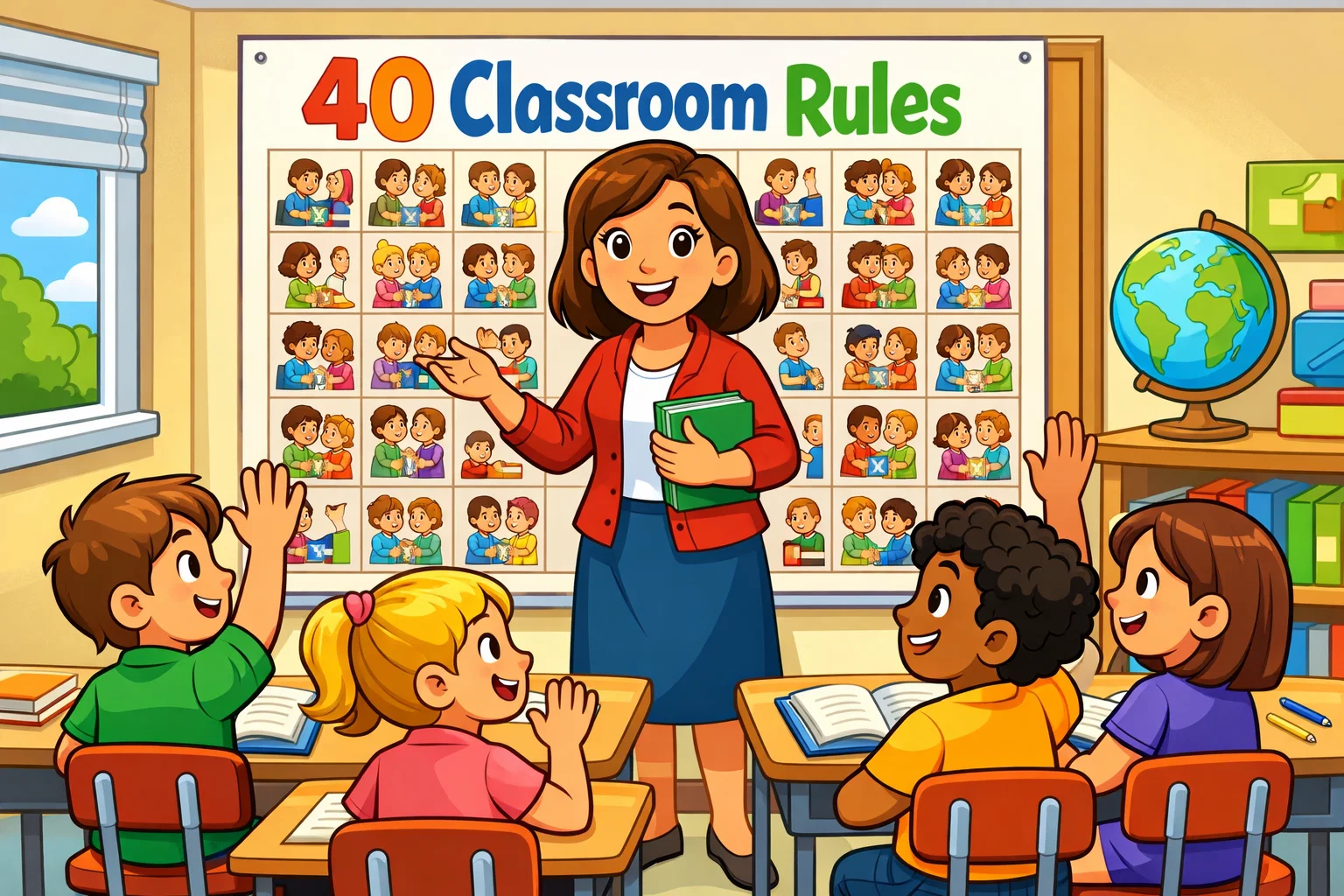
In a high-stakes demo lesson, evaluators look for more than subject knowledge alone. They pay close attention to your classroom-management skills, your ability to establish a positive classroom culture quickly, and how effectively you manage student behavior. Establishing clear rules immediately signals that you are a prepared professional capable of leading a productive classroom.
Implementing effective classroom rules during a 20-minute demonstration is a strategic move. It shows that you prioritize a learning environment where every student feels safe and focused. By explicitly stating your expectations, you reduce the likelihood of disruptions and ensure a smooth lesson flow, which is critical when you have limited time to reach your learning objectives. This guide offers 40 classroom rules to help you succeed in a demo lesson. We will explore how to set your classroom up for success, how to help students understand the “why” behind the “what,” and how to maintain discipline without sacrificing a warm, engaging atmosphere.
Why Classroom Rules Matter in Demo Teaching
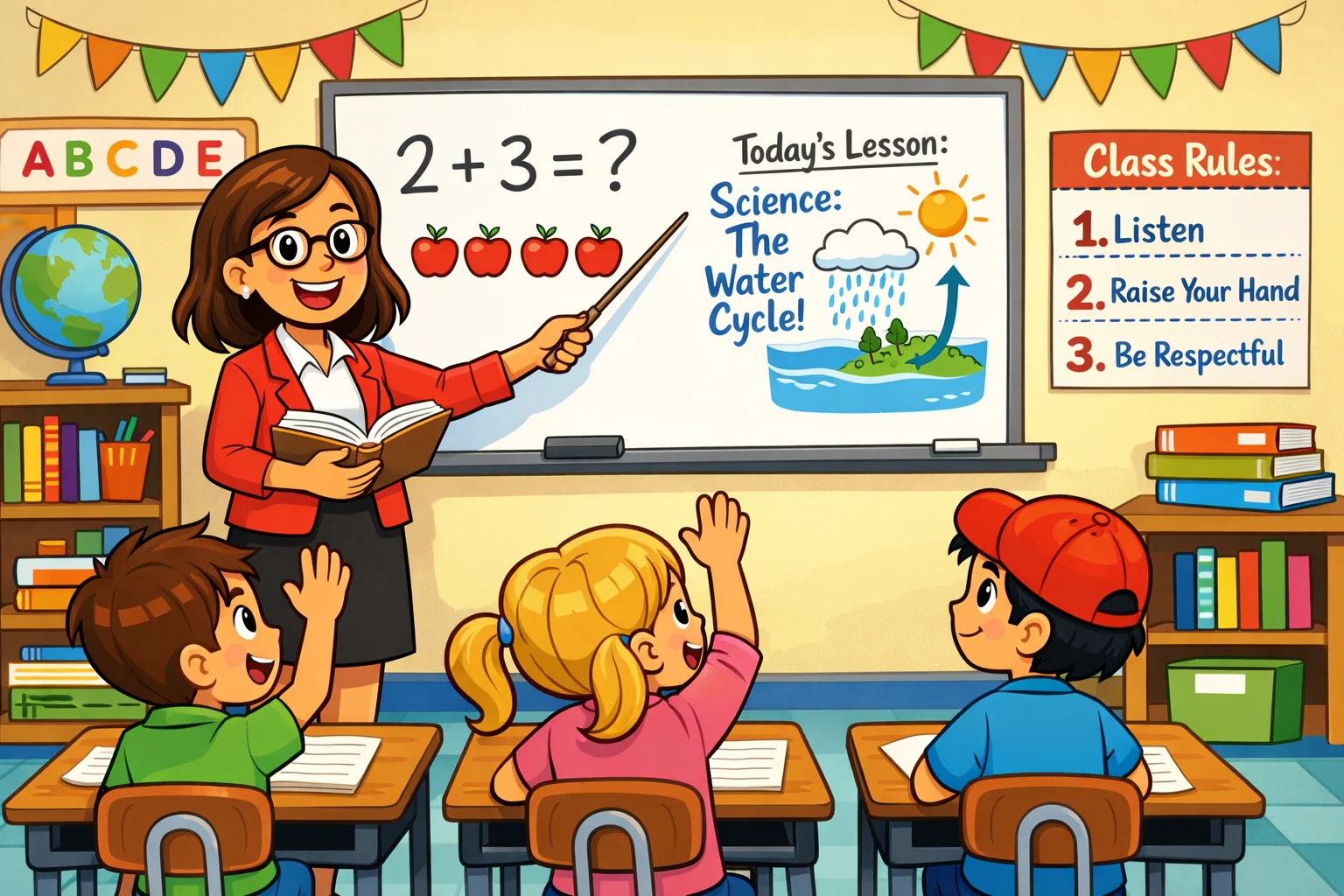
In a demo lesson, these procedures act as your invisible co-teacher. They provide a structural framework that allows you to demonstrate pedagogical strengths without being derailed by logistical chaos. Establishing rules early proves to observers that you can command a room with confidence and clarity.
Clear Expectations and Consequences
When learners know exactly what is expected of them, cognitive load is reduced, allowing them to focus entirely on the lesson content. In a demo teaching scenario, you don’t have the luxury of weeks to build rapport; therefore, clear rules serve as an immediate bridge to mutual understanding. Communicating the rules along with fair consequences when someone deviates from them demonstrates your ability to maintain discipline with transparency and fairness.
Smooth Lesson Flow and Timing
Time management is often a scored criterion in teacher evaluations. Procedures for transitions, passing out materials, or asking questions prevent “dead air” or escalating noise levels. By establishing classroom norms such as “Eyes on me” or “Clean up in 30 seconds,” you keep the lesson moving smoothly and make it easier to complete planned activities within the allotted time.
Stronger Behavior Management
A positive classroom is built on the foundation of proactive management rather than reactive punishment. Using effective classroom rules reduces the frequency of “off-task” behaviors. Research suggests that proactive strategies can significantly reduce disruptive behavior. When students follow a known set of class rules, the instructor can focus on teaching rather than constant redirection.
Higher Engagement and Participation
Clear norms for asking questions and contributing ideas help create a psychologically safe environment. When students understand how to contribute – for example, by raising their hands – they are more likely to participate. Predictability lowers anxiety, which directly correlates with higher levels of engagement.
Positive Classroom Climate
Evaluators often look for a positive classroom culture where every child feels respected and valued. Rules in the classroom should not feel like a list of “don’ts” but rather a shared agreement that encourages students to be their best selves. A positive environment is one where students and teachers collaborate toward a common academic goal.
Stronger First Impression for Evaluators
First impressions are everything in a demo teaching interview. Walking into a room and immediately establishing rules shows leadership. It shows that you have a clear classroom-management plan and can implement it confidently. This professional polish often separates a “good” candidate from an “outstanding” one.
40 Best Classroom Rules for Demo Teaching
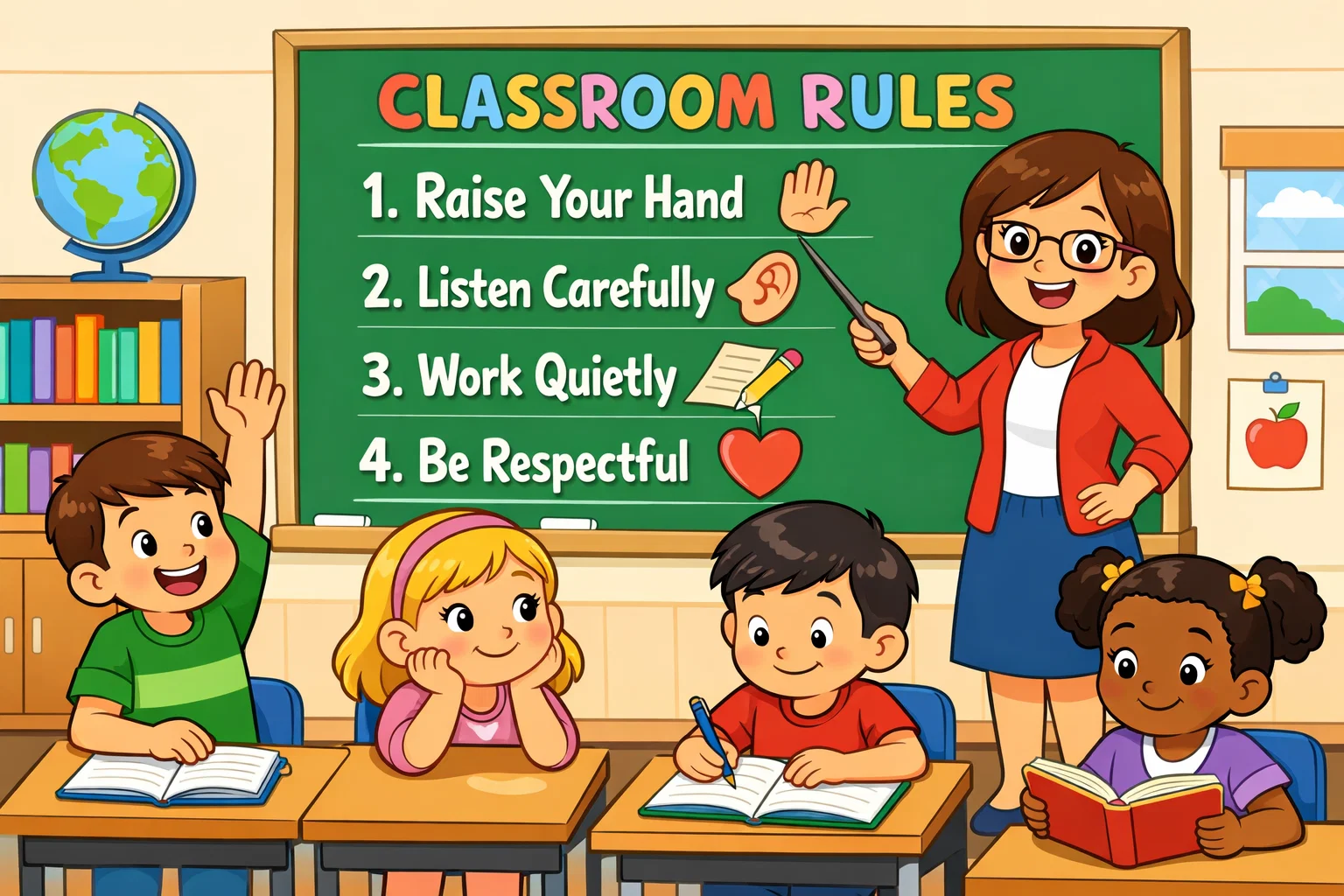
Creating a list of rules for a specific demo lesson requires a balance between your personal teaching style and the needs of the learners you will be meeting for the first time.
| Step | Action | Benefit |
| 1 | Reflect on Values | Choose norms that align with your teaching philosophy. |
| 2 | Limit the Number | Stick to 3–5 core “visible” points to avoid overwhelming the class. |
| 3 | Use Positive Phrasing | Say “Walk” instead of “Don’t Run” to focus on desired behavior. |
| 4 | Define Actions | Ensure every point is “observable” and “measurable.” |
Reflect Teaching Goals and Values
Consider what kind of culture you want to project. If your lesson is a hands-on experiment, focus on safety and procedures for handling equipment. For a seminar, focus on “active listening” and “respectful disagreement.”
Identify Core Behaviors That Support Learning
Ask yourself: “What behaviors are absolutely necessary for this 20-minute lesson to succeed?” For most classrooms, these are:
- Listening when the instructor talks.
- Following directions immediately.
- Respecting peers during group work.
Choose Keywords Carefully
Words like expectations or norms often sound more collaborative than “rules.” Using these terms can signal to evaluators that you view students as partners in the learning environment.
Involve Students in the Process
Even in a demo teaching session, you can ask students: “What is one norm we need today to make sure everyone can learn?” When students help shape the framework, they develop a sense of ownership, which significantly increases the likelihood that they will follow the expectations.
Common Mistakes When Setting Classroom Rules
Avoid these pitfalls to ensure your classroom management strategy remains effective and professional.
- Rules Too Strict for Class Needs: If your expectations are so rigid that everyone is afraid to speak, engagement will plummet.
- Rules Too Flexible to Enforce: If you say “Raise your hand,” but then answer those who shout out, you have a “hidden rule” that shouting is actually okay. This erodes your authority.
- Too Many Rules at Once: A classroom rules poster with 20 items is unreadable. Stick to a small number of rules that are easy to remember.
- Inconsistent Follow-Through: If you ignore a violation for one person but catch another, you lose the trust of the community. Consistency is more important than severity.
How to Teach and Uphold Classroom Rules
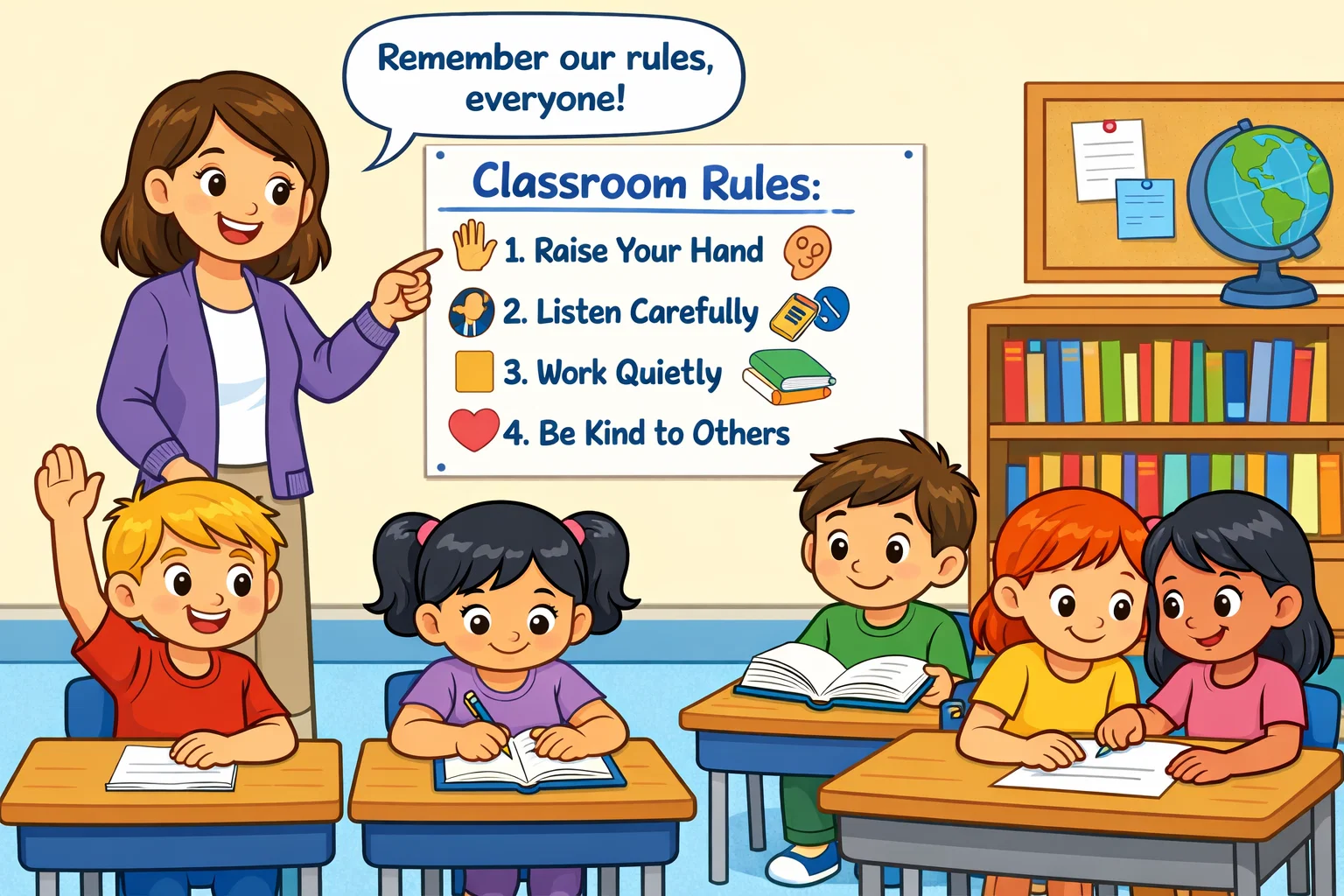
Teaching students the norms is a process, not a one-time announcement. In a demo lesson, you must “model, practice, and reinforce” within the first few minutes.
Model Expected Behavior
If the point is “Use Polite Language,” you must be the most polite person in the room. Your tone and style set the ceiling for the students’ behavior.
Teach Routines Through Practice
Don’t just say “We will work in groups.” Say, “When I say ‘Go,’ you will turn your chairs to face your partner. Let’s try that now.” This practice ensures students understand the transition.
Use Consistent Consequences
If a guideline is broken during your demo teaching, address it calmly and immediately. A simple “Remember our expectation about raising hands, thank you” is often enough to show evaluators you are in control.
Encourage Student Ownership and Voice
When you see students follow the expectations, provide specific praise: “I noticed how this group followed all the group work guidelines and finished early. Great job!” This reinforces a positive culture.
Final Say on Classroom Rules for Demo Teaching
The best classroom rules for students are those that disappear into the background because they have become a natural part of the culture. In a demo teaching session, your goal is to show that you can build this framework rapidly and maintain it with grace.
By establishing classroom expectations that are clear, positive, and consistently enforced, you create an environment where students can focus on what matters most: learning. Remember, evaluators are not looking for a “perfect” class, but for a teacher who can lead a class toward excellence. Use these 40 rules as your toolkit to build a productive space that leaves a lasting, professional impression.
Frequently Asked Questions About Classroom Rules
How many classroom rules should you have?
For a demo lesson, it is best to highlight 3 to 5 core rules. While a full-year class might have more detailed procedures, a short list ensures that students remember them immediately.
What makes classroom rules meaningful?
They are meaningful when students understand why they matter in a specific classroom context. Everyone needs to see that a guideline like “Wait your turn” isn’t just about order, but about making sure everyone’s voice is heard.
What are the 5 Ps classroom rules?
The 5 Ps are a common framework for general classroom expectations: prompt (Arrive on time), prepared (Have materials ready), polite (Respect others), productive (Stay on task), positive (Maintain a growth mindset).
How can I establish discipline during a short demo?
The most effective ways to teach and maintain classroom discipline involve being proactive. You should make sure that your students understand the link between their actions and the consequences when students deviate from the agreed-upon standards. Using rules that work – those that are observable and fair – helps build classroom trust even in a 20-minute window.
Should I create rules alone or with the class?
While you should have a set of rules for your classroom ready, it is beneficial to let students contribute. When you create rules together, it fosters a positive classroom environment. Even in a demo, asking how students think a specific task should be handled ensures students are aware of the expectations because they helped in making the rules.
How do I ensure students follow rules and procedures?
Consistency is key to managing classroom behavior. You must give students clear signals, such as nonverbal cues, to manage how students walk or move around the classroom. Establishing solid classroom rules and procedures from the start ensures that students clearly understand the boundaries, which significantly boosts overall classroom engagement.

Take a short quiz to find out what your everyday choices say about your parenting style
When your child is curious about something new, what’s your instinct?
Take a short quiz to find out what your everyday choices say about your parenting style
“Can I download this app?” What happens next?
Take a short quiz to find out what your everyday choices say about your parenting style
When it comes to rules at home, which sounds most like you?
Take a short quiz to find out what your everyday choices say about your parenting style
If you could give your child one life skill today, what would you pick?
Take a short quiz to find out what your everyday choices say about your parenting style
Your child gets to choose what to watch. What would your ideal setup look like?
Take a short quiz to find out what your everyday choices say about your parenting style
Pick your parenting superpower ✨