Cool Light Refraction Science Experiment Ideas for Kids to Bend Light and Change Direction

 Discover a Free Education Video App for Kids
Pastory uses AI to personalize educational video content based on your child’s interests and personality. Safe, engaging, and built for curious young minds. Sign up now to stay updated and enjoy early access with a free trial
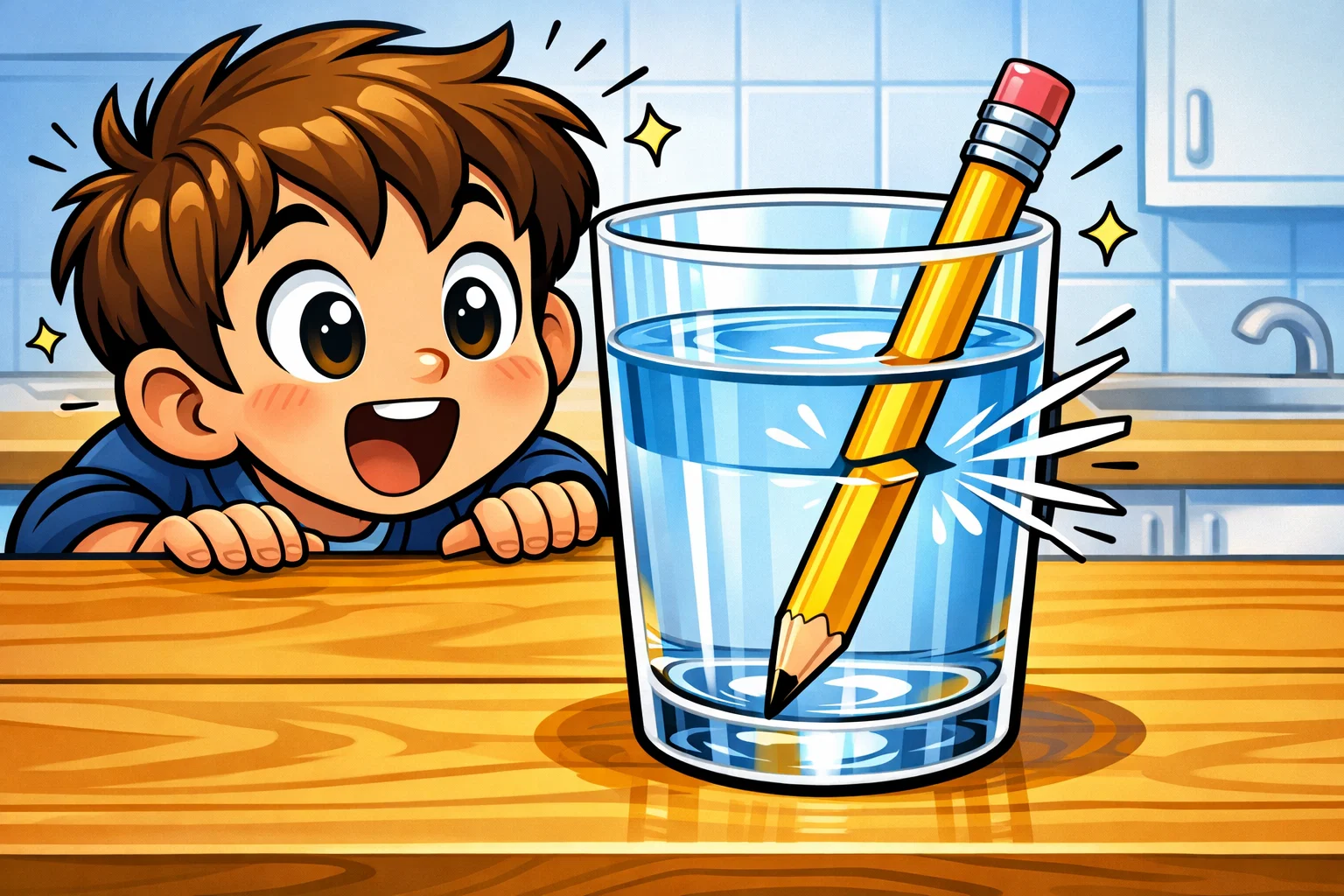
Engaging children in the wonders of the physical world often starts with phenomena that seem like magic but are rooted in fundamental physics. Light refraction is one such topic that captivates young minds by challenging their visual perception. When a child sees a pencil appear to snap in half inside a glass of water or watches an arrow flip direction without anyone touching it, a spark of curiosity is ignited. These moments provide the perfect opportunity to introduce complex scientific principles through play-based learning.
Essential Light Refraction Science Concepts
To explain the bending of illumination to a child, it is helpful to start with the idea of speed. While energy seems instantaneous, it actually changes pace depending on what it is moving through.
Physics of Bending Light
The phenomenon of refraction is fundamentally defined as the redirection of a wave as it passes from one transparent medium to another. This change is necessitated by the variation in the wave’s phase velocity. In the vast vacuum of space, radiation reaches its maximum velocity, roughly 300,000,000 meters per second. However, as soon as that electromagnetic beam enters a denser medium, it slows down:
- Water: Causes significant deceleration compared to air.
- Glass: Induces even more resistance to the wave.
- Acrylic: A common plastic medium used in school labs.
This relationship is quantified by the index of refraction (n), calculated as n = c / v, where c is the speed of radiation in a vacuum and v is the velocity in the medium. Consider these key elements of the formula:
- n: The refractive index of the specific material.
- c: The universal speed of light in a vacuum.
- v: The measured speed of light within the medium.
Think of it like a runner moving from a paved track into a swimming pool; the resistance of the water causes a change in speed and direction. This is exactly what happens when photons leave the air and enter the water in a glass.
Refraction of Light vs Reflection
It is easy to confuse these two concepts, but they are distinct processes. Reflection occurs when illumination hits a surface and bounces off, like a ball hitting a wall. This is what happens when you look into a small mirror or see a glint of sun rays on a shiny metal spoon.
Refraction, however, involves energy passing through a substance. Instead of bouncing back, the rays enter the water or glass and bend. This bending occurs because one side of the wave hits the new medium before the other, causing a pivot. This distinction is vital for kids to grasp as they explore why a picture disappears or appears distorted through different liquids.
Visible Light Spectrum
When we talk about white illumination, such as that from the sun or a powerful flashlight, we are actually looking at a mix of different colors. The visible spectrum consists of red, orange, yellow, green, blue, indigo, and violet. Each of these colors has a different wavelength, which means they each refract at slightly different angles. This scientific core explains why we can split white energy into a colorful picture using a prism or even just water droplets in the air.
Rainbow Science Experiment for Kids
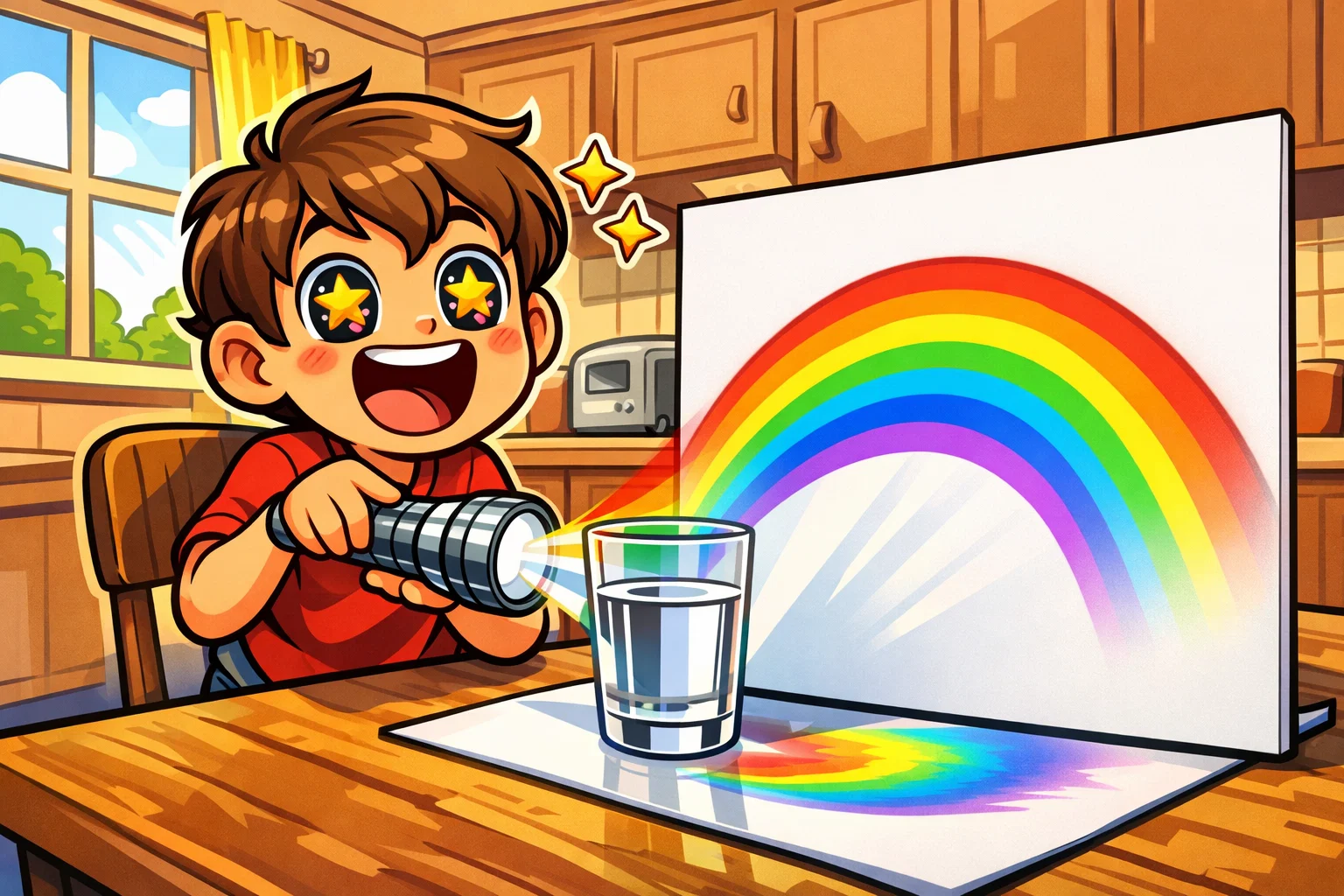
Creating a rainbow is perhaps the most iconic way to demonstrate light refraction science. It combines beauty with deep physical truths.
Rainbow in Glass Activity
To perform this fun experiment, you only need the following items:
- A clear glass of water.
- A bright flashlight.
- A piece of white paper.
Place the glass on the paper and shine the beam through it at an angle. As the energy enters the water and eventually leaves the water, it bends and separates. You will see a small, vibrant rainbow appear on the paper. This happens because the water acts as a primitive prism, slowing down the different colors of rays at varying rates, allowing the full spectrum to reveal itself.
Creating Room Rainbows
For a more immersive experience, follow these steps:
- Fill a large bowl with water.
- Place a small mirror inside the bowl at an angle.
- Point the mirror toward a white wall.
- Shine your beam directly onto the submerged mirror.
When you shine a beam onto the submerged mirror, the illumination passes from one medium to another twice—once entering and once exiting the water after reflecting. The resulting “room rainbow” is a high-impact visual that makes learning fun and demonstrates how energy can be manipulated to project images.
How Rainbows Form in Nature
Every raindrop in the sky acts like a tiny version of your glass of water. When sun rays enter the raindrop, they undergo a first refraction, then reflect off the back of the drop, and finally undergo a second refraction as the beam leaves the raindrop. This sequence of events is what creates the massive arcs of color we see in the sky. It is a perfect example of refraction in action on a global scale.
Rainbow Dancing Experiment
Using a cd or dvd can also show the concept of illumination. While the colors on a disc are technically caused by diffraction (a cousin of refraction), placing water droplets on the surface of the disc and shining a beam on them causes the colors to “dance” and shift as you change the angle. This experiment for kids illustrates how different materials and surface shapes can alter the path of energy in unpredictable and beautiful ways.
Visual Illusion Light Refraction Experiment
The “magic” of science is most evident when our eyes are deceived. These illusions are powerful teaching tools because they demand an explanation for the disparity between what we see and what is actually there.
Magic Disappearing Art
In this activity, children can draw a colorful picture on a small piece of paper. Place the paper inside a plastic bag and submerge it in a glass of water. From certain angles, the picture disappears entirely! This is caused by Total Internal Reflection (TIR). When illumination travels from a denser medium (water) to a rarer one (air inside the bag) at a steep angle, it cannot escape. Instead, the rays reflect back into the water, acting like a mirror and hiding the art behind the glass.
Mysterious Arrow Flipping Illusion
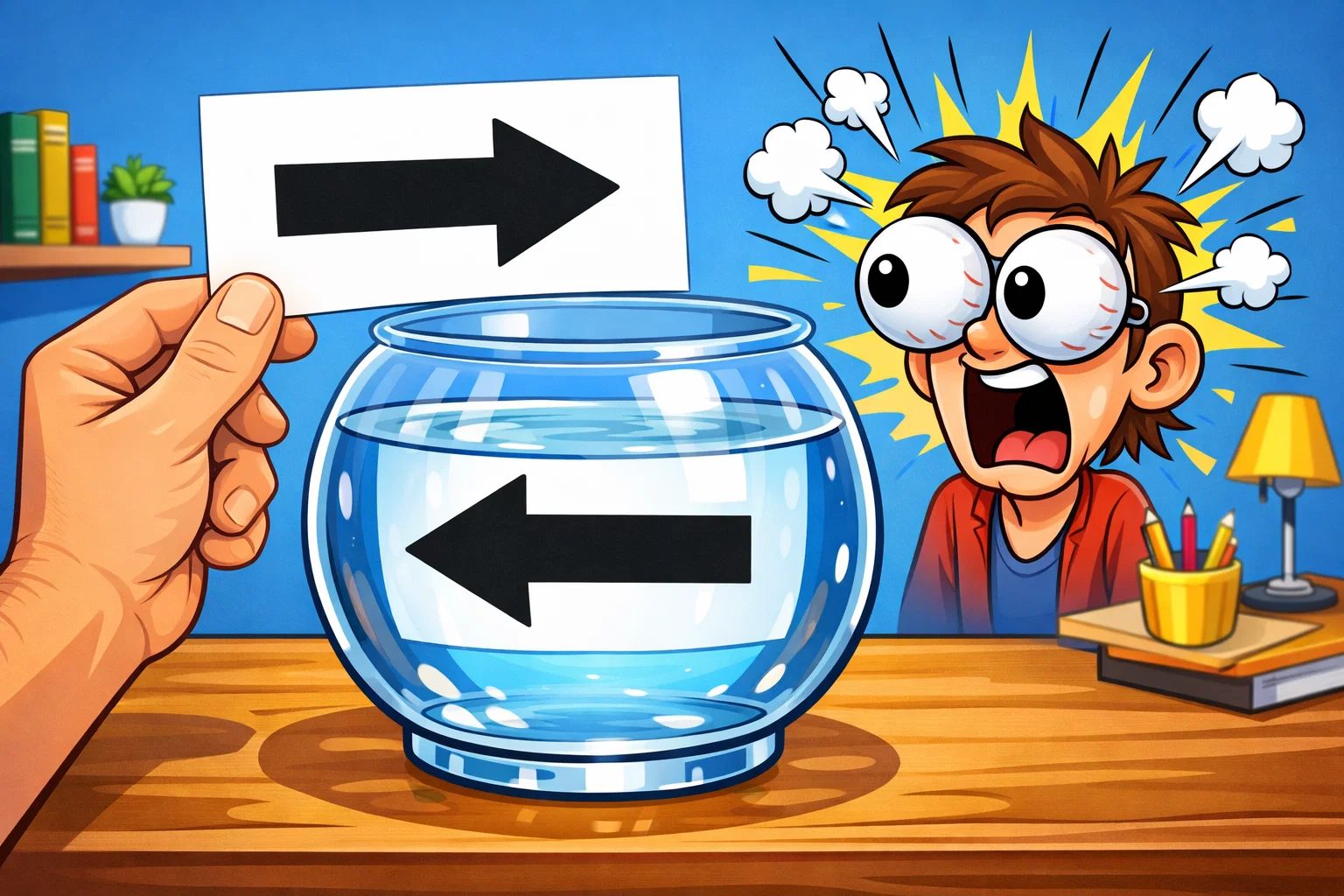
Draw an arrow on a piece of paper and hold it behind a round glass filled with water. As you move the paper further back, the arrow will suddenly flip horizontally and point in the opposite direction. This occurs because the round glass acts as a convex lens. The rays cross at a specific point called the focal point. Once the object moves past this point, the image appears reversed.
Backwards Letter Science Trick
Similar to the arrow flip, writing words or letters and viewing them through a water-filled cylinder provides an easy science lesson. Kids can experiment with which letters look the same (like ‘O’ or ‘X’) and which ones change direction. This observation helps them understand how a magnifying glass or even their own eyes process illumination to form images.
Disappearing Coin Method
Place a coin under a transparent glass and fill the glass with water. From the side, the coin will seem to vanish. This is another classic example of refraction where the rays from the coin are bent so sharply that they never reach the viewer’s eye.
Physical Refraction of Light Experiments
Beyond illusions, we can measure and observe the physical properties of how light interacts with varied substances.
Broken Pencil Observation
When you place a pencil in a half-full glass of water, it appears to be broken at the water level. This is because illumination moves from an optically denser medium (water, with an index of n = 1.33) to a rarer medium (air, n = 1.00). The rays bend away from the “normal”—an imaginary line perpendicular to the surface. Our brains assume energy travels in straight lines, so we perceive the pencil to be in a different spot than it actually is.
Magically Appearing Penny
Place a penny in an empty opaque bowl and step back until you can no longer see the coin over the rim. Have someone slowly pour water into the bowl. Without you moving, the penny will seem to rise into view. The water refracts the beam coming from the penny, bending the illumination over the edge of the bowl and into your eyes.
Refractive Index of Sugar Water
Not all liquids are created equal. By adding sugar to water, you increase its density and its refractive index.
| Layer Color | Sugar Quantity | Calculated Density Effect |
| Red | 0 Tbsp | Base Density (1.00 g/cm³) |
| Yellow | 4 Tbsp | Moderate Concentration |
| Green | 8 Tbsp | High Concentration |
| Purple | 12 Tbsp | Saturated Solution |
By creating a density tower, you can see how illumination bends differently through each layer. Research into educational outcomes suggests that these types of tactile activities are essential. Employment projections from the U.S. Bureau of Labor Statistics show that STEM occupations are expected to grow by 10.4% between 2023 and 2033—nearly three times the growth rate of non‑STEM jobs—while studies of STEM education consistently find that early experiential, hands-on learning is strongly associated with greater persistence and success in STEM pathways.
Back to Back Reflection Study
Using two glasses of water placed one behind the other allows children to see compounded refraction. They can observe how the distortion increases or changes as they add different liquids, like oil or corn syrup, to the second glass.
Supplies for Light Refraction Science Lab
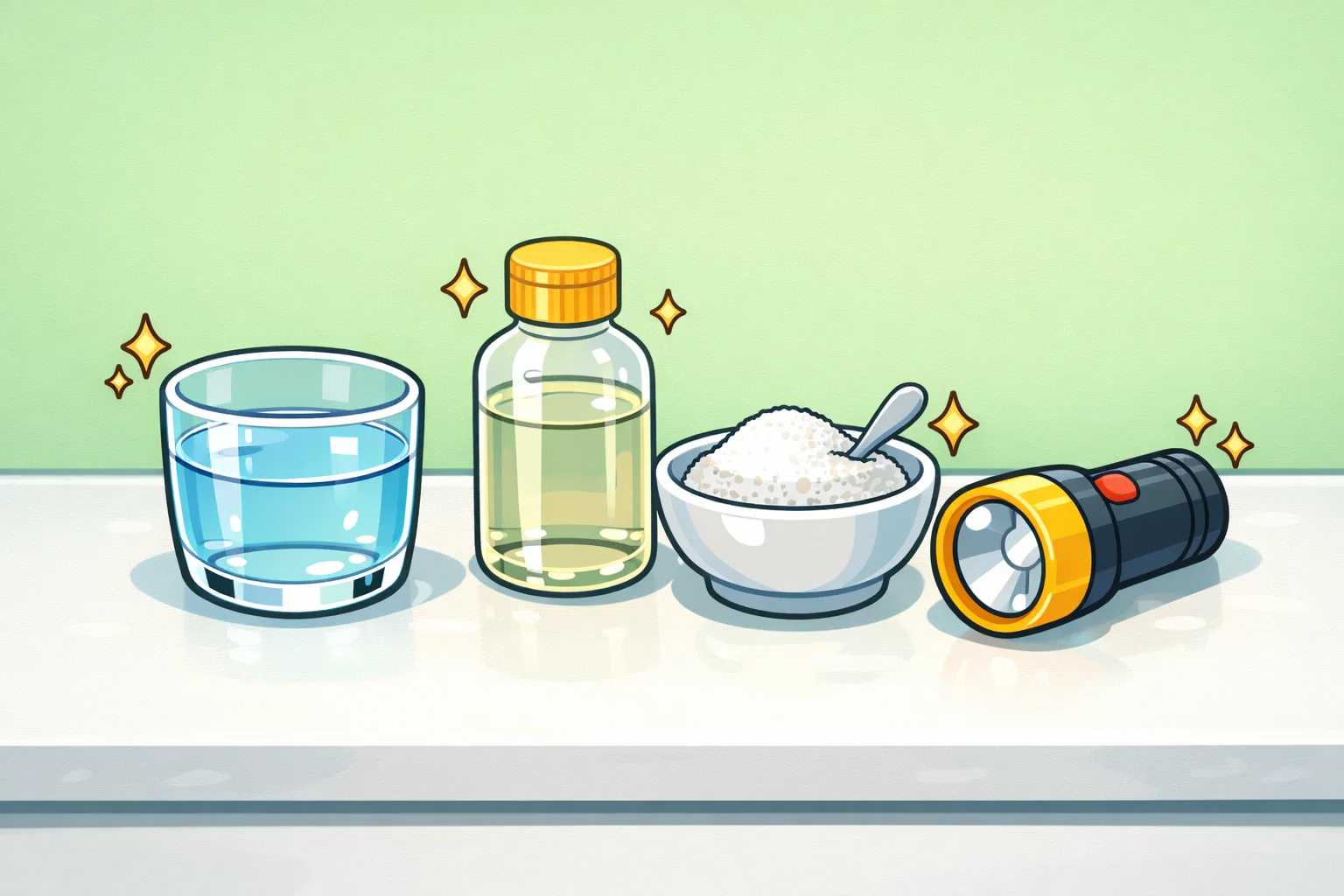
Preparation is key to a successful science experiment session. Luckily, most refraction of light labs require very little investment.
Common Household Materials
- Clear, round glasses and square jars.
- Water, cooking oil, and sugar.
- Flashlights or laser pointers (with supervision).
- White paper, markers, and coins.
- Syringes or pipettes for layering liquids.
Safety Equipment for Young Scientists
Even simple refraction experiments require safety protocols. The National Science Teaching Association (NSTA) recommends that elementary students use clear plastic containers instead of glass when possible to avoid breakage. If glass is used, it must be inspected for chips. Additionally, while laser pointers are excellent for seeing the path energy leaves, they must be Class 1 or Class 2 and should never be pointed at eyes.
Real World Examples of Light Refraction
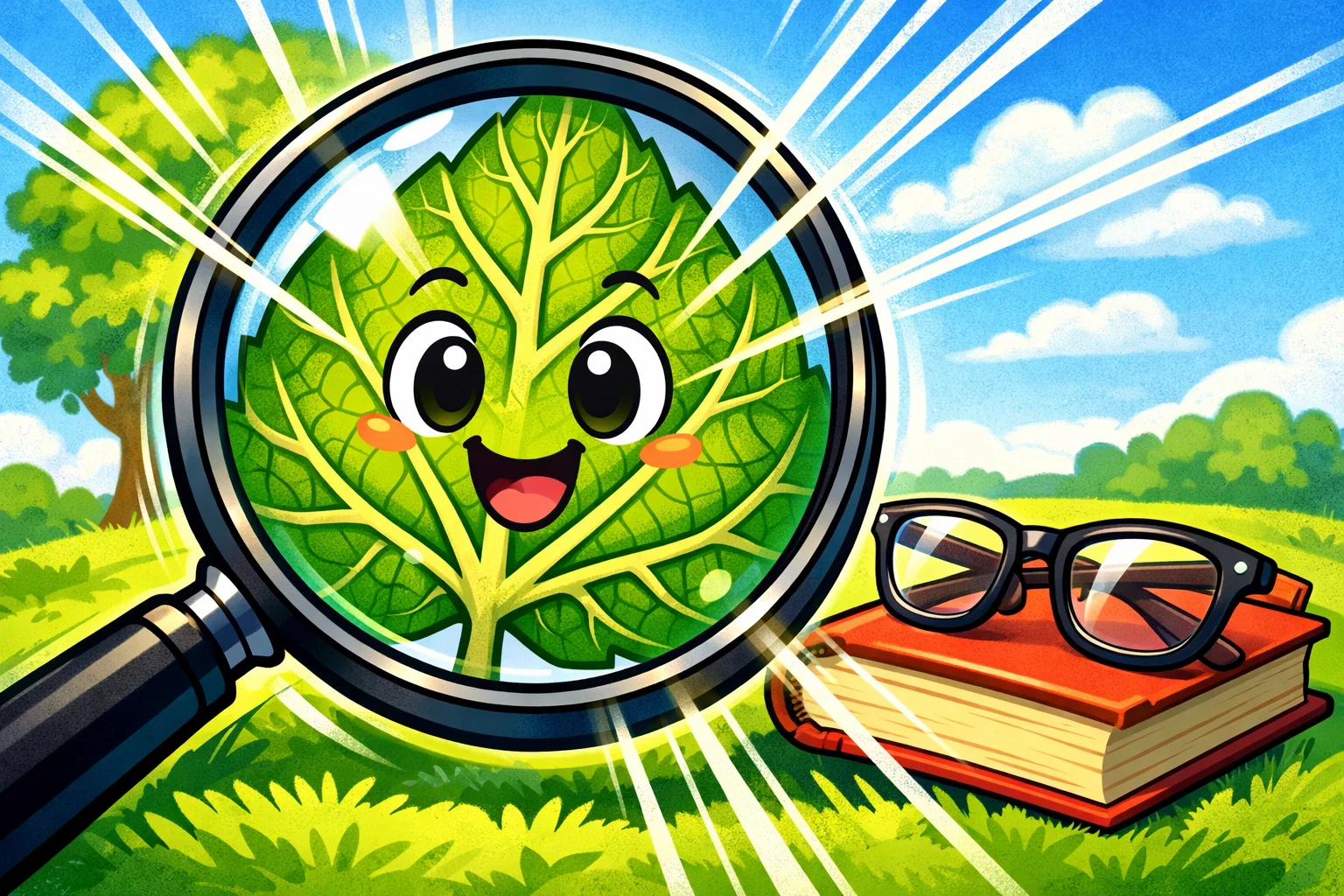
Linking these experiments to daily life helps solidify the concept of light in a child’s mind.
Eye Lens Functionality
The human eye is a biological light refraction machine. Our cornea and lens refract illumination to focus it onto the retina. When a student sees the arrow flip behind the glass, they are seeing a simplified version of how their own eyes work. This process, known as “accommodation,” involves the lens changing shape to ensure energy passes correctly to form a clear image.
Camera Lenses and Binoculars
Cameras use complex sets of lenses to bend rays and capture images on a sensor. By adjusting the distance between lenses, the camera can focus on objects near or far, much like the “Focal Point Analysis” we perform in the reversing arrow experiment.
Magnifying Glass Mechanics
A magnifying glass is a convex lens that bends energy inward. When you hold it at the right distance, it causes the rays to converge, making the object appear much larger than it is. This is the same principle used in microscopes to see tiny bacteria or in telescopes to view distant stars.
Fostering STEM Skills Through Science Experiment Play
Science is more than just facts; it is a way of observing the world. Hands-on labs are uniquely positioned to solve the “engagement gap” found in many schools.
Scientific Method for Preschoolers
Even very young children can use the scientific method. You can guide them through these phases:
- Prediction: Ask for a hypothesis before they put the pencil in the water.
- Inquiry: Ask, “What do you think will happen?”
- Observation: Let them observe and describe what they see.
This simple loop of prediction, observation, and conclusion is the heart of all scientific inquiry.
Critical Thinking Questions
To deepen the learning fun, ask open-ended questions:
- Why do you think the arrow flipped only when we moved the paper back?
- What would happen if we used milk instead of water?
- How does the shape of the glass change what we see?
Recording Observations in Science Journal
Encourage kids to draw what they see. A science journal helps them track their ideas for kids and see their progress. Drawing the “broken” pencil or the colorful rainbow helps reinforce the visual memory of the experiment, making the lesson stick long after the water is poured out.
Frequently Asked Questions
Why does water change the path of light?
Radiation travels slower in water than in air. When the beam hits the water at an angle, one side slows down first, causing the entire wave to pivot or bend. This is the core of what is called refraction.
Can we see refraction without using glass?
Yes! You see it in nature whenever you look at a puddle, a lake, or even through the heat waves rising off a hot road. Rainbows are the most famous example of refraction happening without any glass involved.
What happens when light passes through different liquids?
Every liquid has a different density. Energy will bend at a different angle in oil or honey than it does in water. This is why some objects might disappear in one liquid but remain visible in another.
Why do objects look larger underwater?
When illumination leaves the water and enters the air to reach your eyes, it bends. This bending can create a magnifying effect, making a fish or your own feet look bigger than they really are when viewed from above the surface.
Is the speed of light constant in every material?
No. While the velocity of radiation in a vacuum is a universal constant, energy slows down whenever it enters a medium like air, water, glass, or diamond. The denser the material, the more the beam typically slows down and bends.
Take a short quiz to find out what your everyday choices say about your parenting style
When your child is curious about something new, what’s your instinct?
Take a short quiz to find out what your everyday choices say about your parenting style
“Can I download this app?” What happens next?
Take a short quiz to find out what your everyday choices say about your parenting style
When it comes to rules at home, which sounds most like you?
Take a short quiz to find out what your everyday choices say about your parenting style
If you could give your child one life skill today, what would you pick?
Take a short quiz to find out what your everyday choices say about your parenting style
Your child gets to choose what to watch. What would your ideal setup look like?
Take a short quiz to find out what your everyday choices say about your parenting style
Pick your parenting superpower ✨