Baking Activities for Kids: A Comprehensive Guide to Kitchen Fun

 Discover a Free Education Video App for Kids
Pastory uses AI to personalize educational video content based on your child’s interests and personality. Safe, engaging, and built for curious young minds. Sign up now to stay updated and enjoy early access with a free trial
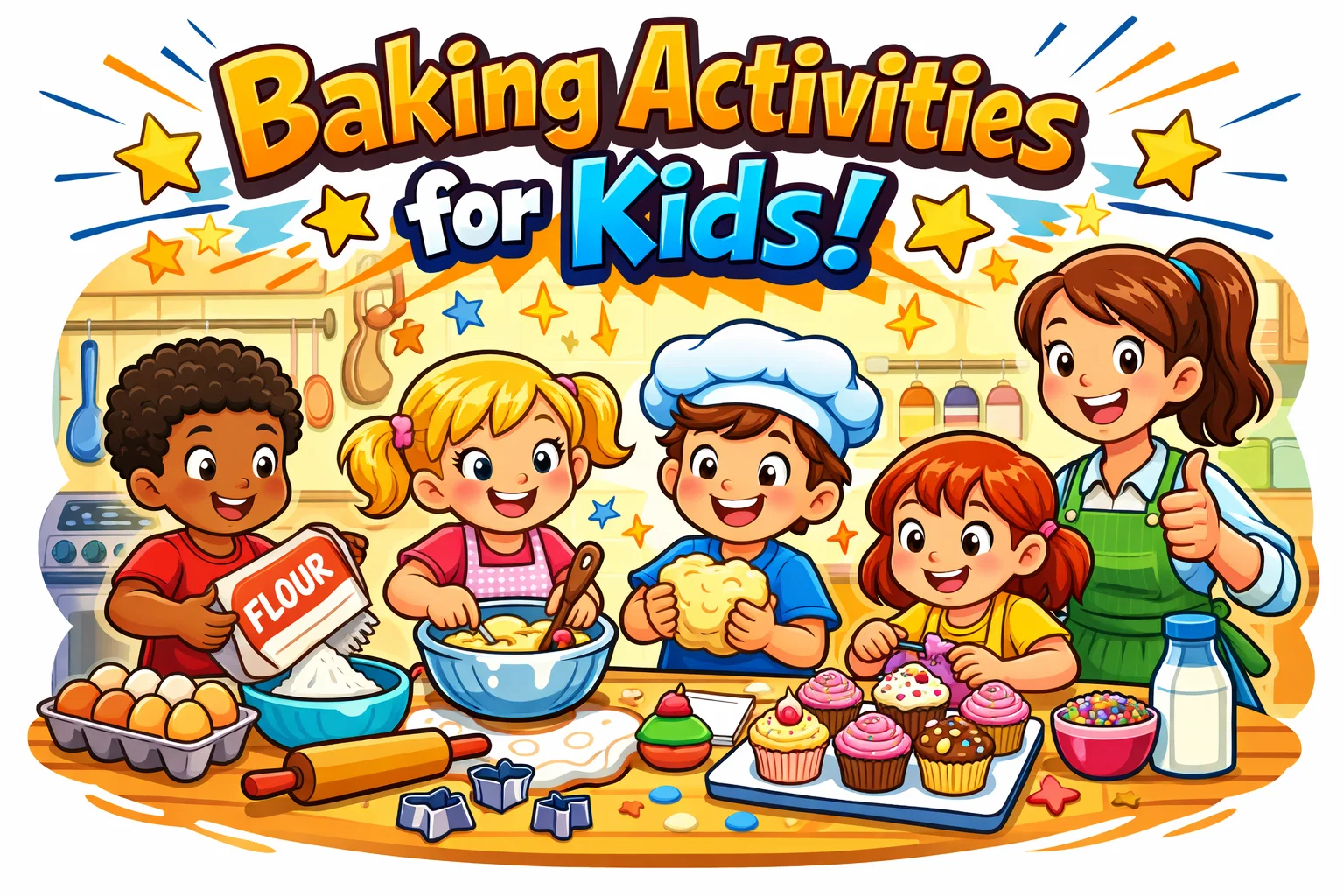
Baking with your children is more than just a way to fill a rainy afternoon; it is a sensory-rich journey that fosters connection, curiosity, and essential life skills. Whether you are whipping up a batch of blueberry muffins for breakfast or decorating a vibrant birthday cake, the kitchen becomes a place where science and creativity come together. For parents and educators, baking together offers a unique opportunity to slow down, talk, and create memories that often outlast the sweet treat itself.
From the tactile sensation of kneading pastry to the mesmerizing sight of seeing dough rise in the oven, the baking process is a feast for the senses. By choosing easy baking recipes for kids, you can turn a potentially chaotic environment into a structured fun project. This guide explores the multifaceted benefits of baking, offers practical tips for baking with kids, and provides a wide range of kid-friendly recipes to make with kids that will help little ones gain confidence in the kitchen.
Benefits of Baking with Kids
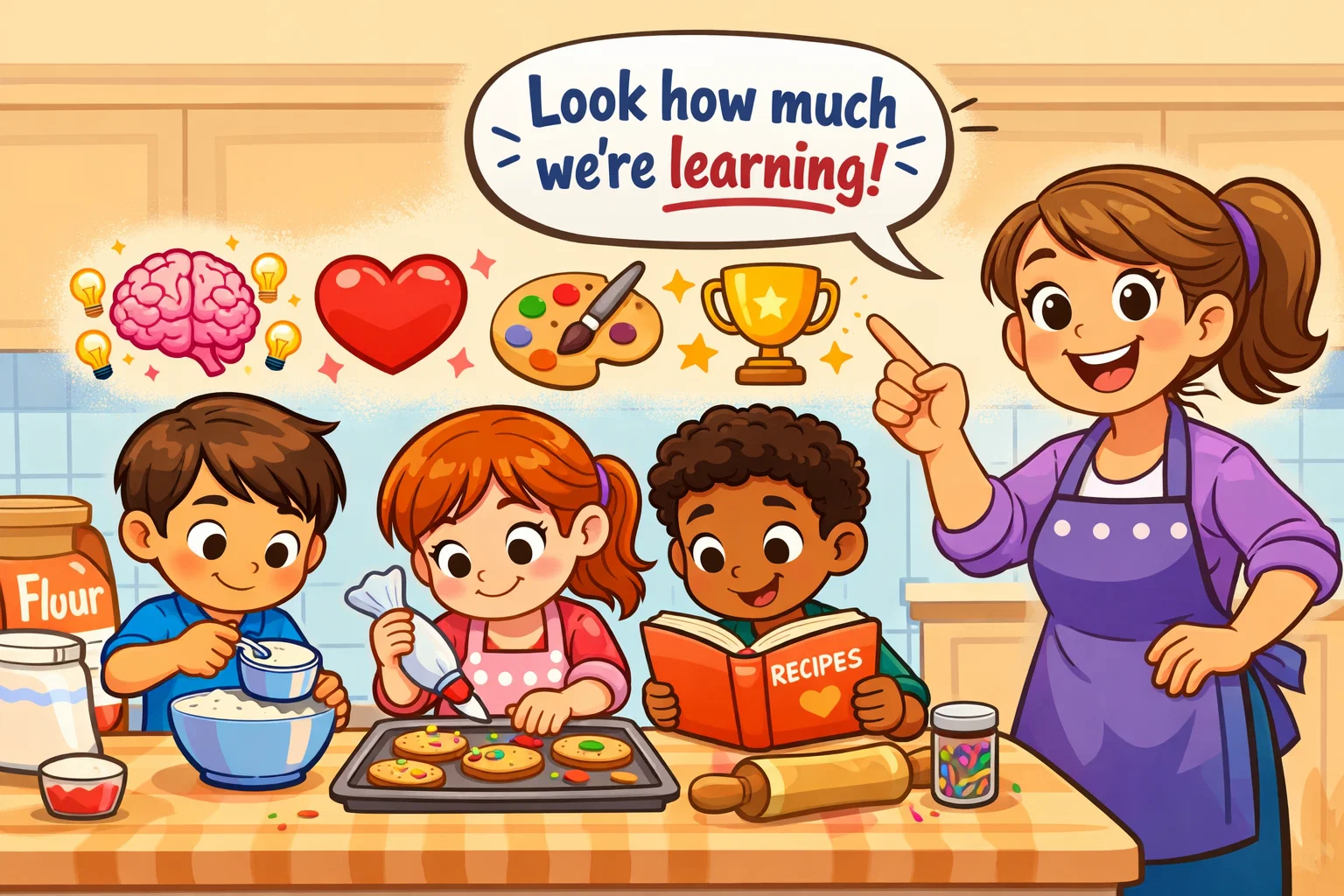
Engaging little hands in the kitchen provides a wealth of developmental advantages. Many educators and parents notice that family baking promotes “active learning,” where children absorb information more effectively because they are physically involved in the task.
Learning and development through baking
Baking is a practical application of STEM (Science, Technology, Engineering, and Math). When a child measures out baking powder or a dash of cinnamon, they are practicing fractions, volume, and weight in a real-world setting. Reading a simple recipe improves literacy and teaches the importance of logical sequencing, which helps children understand sequences and instructions. Furthermore, the act of using a whisk or rolling out cookie dough refines fine motor skills and strengthens the small muscles in the hands, preparing them for better handwriting.
Creativity through decorating and flavors
The kitchen is a canvas where children can express their inner artist without the pressure of a “perfect” result. When children get creative with icing, sprinkles, and various toppings, they are exercising their aesthetic judgment and spatial awareness. Allowing them to experiment with flavours – perhaps adding white chocolate to a traditional biscuit recipe – encourages “creative thinking,” a key component of creative problem-solving that will benefit them in any future career.
Confidence and independence in the kitchen
There is a profound sense of accomplishment when a child sees a muffin they helped mix turn golden brown and delicious. To help build their confidence, start with simple baking recipes where they can see immediate, tangible results of their labor. This autonomy helps kids feel like a valued part of the family, fostering a sense of responsibility and self-worth that carries over into their schoolwork and social lives.
Family bonding through baking sessions
In our fast-paced digital world, baking with kids provides a rare “tech-free” zone where the only “notifications” are the smells coming from the oven. It’s a time for deep conversation, shared laughter, and even the occasional flour fight, which helps everyone relax and enjoy time together. These fun baking recipes for kids create a “scaffolded” environment where generations can connect over a shared goal, strengthening the emotional fabric of the family.
Healthy food habits through baking
When kids love what they make, they are significantly more likely to try it, which is a great strategy for adventurous eating. By using simple ingredients, children learn exactly what goes into their food, demystifying the labels found on store-bought snacks. You can discuss the nutritional role of different components, helping them develop a balanced relationship with “sometimes” treats and daily nutritious staples through hands-on education.
Tips for Baking with Kids
To ensure the experience is a hit with kids rather than a source of stress, preparation and safety must be your top priorities.
Safety rules for kitchen activities
Before you let the kids touch a single tool, establish clear boundaries to prevent accidents.
- Heat Safety: Always emphasize that only adults handle the oven of the process unless working with older kids who have demonstrated consistent safety awareness.
- Sharp Objects: Use nylon “kid-safe” knives for soft fruits or butter to prevent cuts while still teaching proper cutting techniques.
- Hygiene: Start every session with a thorough hand-washing ritual to teach the importance of food safety and cleanliness from the very beginning.
Age-appropriate baking tasks
| Age Group | Tasks to Build Confidence |
| Toddlers (2-3) | Pouring pre-measured ingredients, mashing bananas with a fork, and exploring textures by hand. |
| Preschoolers (4-5) | Whisking thin batter, using cookie cutters, and applying sprinkles or icing to finished treats. |
| School-age children (6-10) | Cracking eggs, greasing muffin tins, and reading the step-by-step instructions aloud to the group. |
| Tweens/Teens (11+) | Using electric mixers, following complex pastry recipes, and managing the timer and oven temperatures. |
Mess-friendly baking setup
Accepting that flour will end up on the floor is the first step to a stress-free baking session. To minimize the impact, use a large plastic tray or a silicone mat to contain the cookie dough mess and keep a damp cloth nearby for sticky little hands. Dressing everyone in aprons or old t-shirts allows the kids to focus on the fun part of the process rather than worrying about keeping their clothes clean.
Ingredient preparation for kids
The “mise en place” technique is a lifesaver when baking together. For younger children, pre-measure if needed so they can focus on the mixing and pouring without getting distracted by the complexity of scales. This prevents the boredom that often sets in while waiting for the dough or searching for that hidden jar of baking powder in the pantry.
Time management during baking
Kids have shorter attention spans than adults, so choosing the right recipe length is vital for engagement. If a recipe requires a long rise in the oven or a multi-hour chill time in the fridge, plan a secondary activity or choose simple recipes that offer a quick turnaround. Chocolate chip cookies or muffins are usually perfect because they provide almost instant gratification.
Fun Baking Activities for Kids

Iced shortbread biscuits
This is arguably the best biscuit recipe for beginners because the dough is sturdy and easy to handle. With just butter, flour, and sugar, it’s super simple to mix, and the fun really starts when it’s time to decorate. Once cooled, let the kids go wild with a simple icing made of powdered sugar and water, adding food coloring to make a rainbow of treats.
Mini pizzas
Making mini pizzas is a fantastic way to introduce savoury baking and dough handling to your routine. Kids can stretch the pastry or dough into fun shapes and choose their own healthy toppings like peppers, sweetcorn, and ham. It’s a great way to turn a baking process into a full, nutritious meal that the whole family will love.
Cheese and ham tarts
Using store-bought puff pastry makes these tarts fun to make and almost foolproof for even the youngest bakers. Kids can help by layering the cheese and ham and folding the edges of the pastry to keep the filling inside. This activity teaches them about different flavour profiles and the concept of savory appetizers.
Brownies
A classic chocolate chip brownie is a universal favorite that never fails to be a hit with kids. Let them help with mixing the thick batter and dropping in extra dark chocolate pieces for a decadent finish. Brownies are also great for teaching kids how to tell when a bake is “done” using the toothpick test.
Puffed rice cakes
These are perfect for school holidays when you want a break from the heat of the stove. This “no-bake” activity involves melting dark chocolate and stirring in puffed rice or cornflakes until everything is coated. It’s a great way for little ones to practice their stirring skills with much less risk of burns.
Cupcake and Muffin Baking Activities
Chocolate chip muffins
Muffins are much more forgiving than delicate cakes, making them ideal for an enthusiastic helper. The batter for chocolate chip muffins is thick and sturdy, which means it doesn’t mind a bit of over-mixing. Plus, the sight of the chocolate chip melting inside is always a delight for the kids.
Easy blueberry muffins
This is a wonderful way to introduce fresh fruit into the baking process. Kids will enjoy helping wash the berries and gently folding them into the mix so they don’t burst before they hit the oven. Filling the muffin tray is also a great exercise in portion control and steady-handedness.
Cupcake recipe
A standard vanilla cupcake is the perfect blank canvas for any young baker’s imagination. Once the cakes have cooled, the real fun project begins with the frosting and sprinkling stage. Teaching kids to pipe buttercream is a fantastic way to develop their hand strength and precision.
Chocolate fairy cakes
Because they are smaller than standard cupcakes, fairy cakes are perfectly sized for little ones. They bake quickly, and their small surface area is easier for tiny hands to decorate with a single chocolate chip or a tiny edible flower.
Butterfly cakes
This nostalgic recipe involves cutting the top off a baked sponge and slicing it in half to resemble wings. Place the “wings” back onto a dollop of cream or buttercream to create a treat that looks like a butterfly. It’s a creative way to play with food and practice delicate cutting skills with older kids.
Cookie Baking Activities for Kids

Sugar cookies
Sugar cookies are the ultimate holiday tradition because they can be cut into any shape imaginable. Explain to the kids that waiting for the dough to chill in the fridge is a necessary step to ensure their stars and hearts don’t melt in the oven. This is the best time to get the kids involved in the artistic side of baking.
Mini M&M cookies
These are a colorful and crunchy twist on the standard chocolate chip cookie. You can turn this into a sorting game where kids group the M&Ms by color before pressing them into the cookie dough. It’s a visual and tasty way to keep them engaged from start to finish.
Snickerdoodles
This simple recipe is famous for its coating of sugar and a dash of cinnamon. Kids love the tactile experience of rolling the dough into small balls and then tossing them in the cinnamon-sugar mix. It’s a messy, joyful activity that smells absolutely heavenly while it’s baking.
Checkerboard biscuits
For older kids looking for a challenge, checkerboard biscuits are a rewarding way to learn about patterns. By layering light and dark (cocoa-flavored) dough, they can create a geometric design that looks incredibly professional. This helps build their confidence in the kitchen and their interest in technical baking.
Watermelon sugar cookies
Use food coloring to dye your cookie dough vibrant pink and green, then use mini dark chocolate chips to act as the seeds. When the cookies are sliced, they look just like tiny watermelons. It’s a high-impact, fun baking project that always impresses at school bake sales.
No-Bake Baking Activities
No-bake flapjacks
Flapjacks made with oats, golden syrup, and butter are a hearty snack that requires zero time using the oven. This makes it an incredibly safe simple baking choice for very young children. They can help press the sticky mixture into the tin and level it off with a spoon.
Chocolate peanut butter no-bake cookies
These rich sweet treats are made on the stovetop and set in the refrigerator. They are perfect for hot summer days when you don’t want to turn the oven on. The combination of peanut butter and dark chocolate is a classic flavor profile that kids love.
Dirt pudding
While not a traditional baked good, “Dirt Pudding” is a sensory delight for children. They can help by crushing chocolate biscuits in a zip-lock bag to create the “dirt” and layering it with creamy pudding. Adding gummy worms on top makes it a playful and hilarious dessert for a themed party.
Cookies and cream puppy chow
This snack mix involves coating cereal in melted white chocolate and powdered sugar. It’s a crunchy, addictive treat that the whole family will love for movie nights. The shaking process (putting the cereal and sugar in a bag and shaking it) is often the highlight for the little ones.
Bread and Dough Baking Activities
Homemade pizza dough
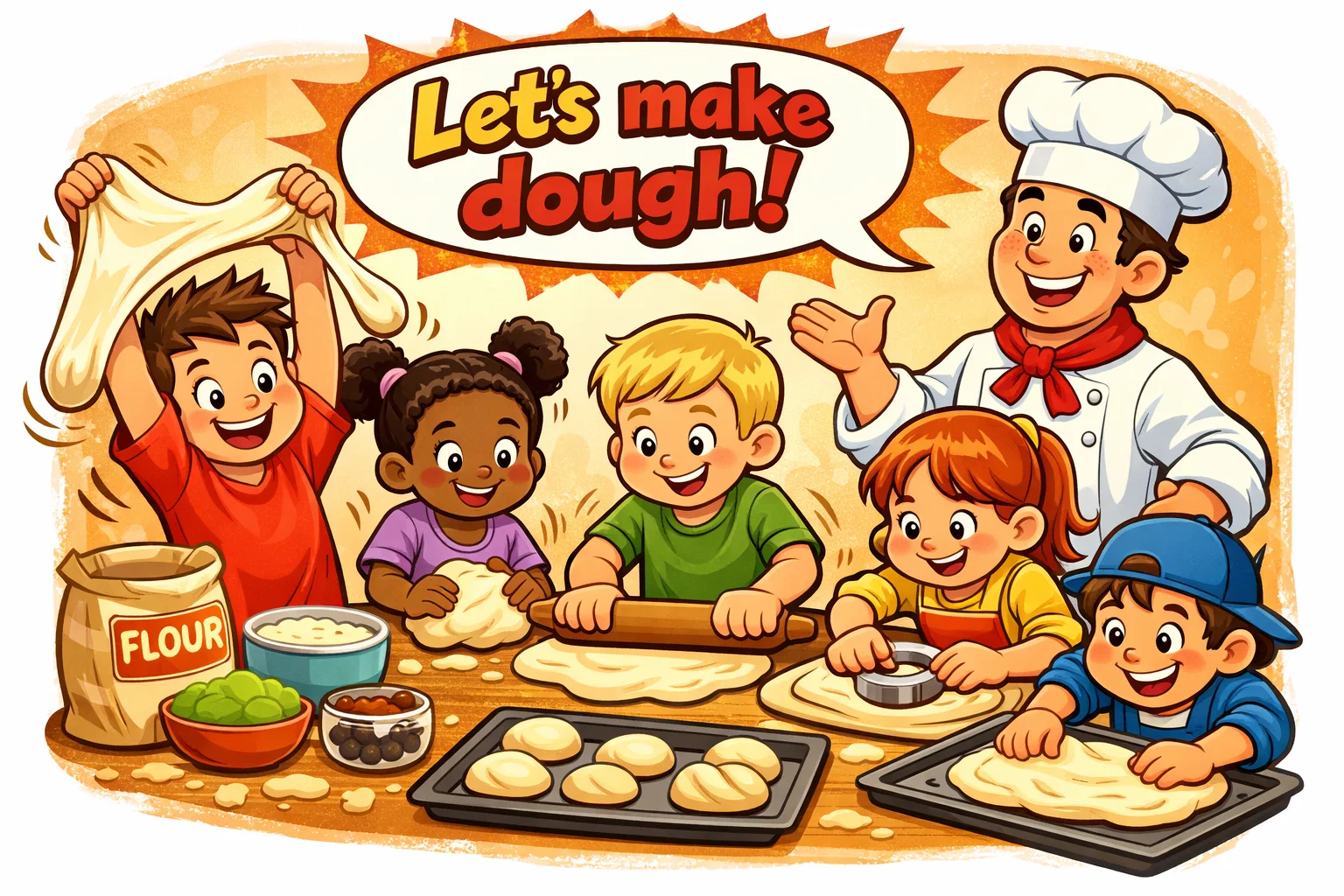
Working with yeast is a fantastic science lesson for kids of all ages. Explain how the yeast “breathes” to create bubbles, which makes the dough rise in the oven. Kneading the dough is also a great way for energetic kids to burn off some steam.
Cinnamon rolls
Rolling out a large sheet of dough and spreading a thick layer of butter and spice is a very satisfying task. Once the dough is rolled up and sliced, kids can see the beautiful spirals they’ve created. This recipe teaches patience, as the dough usually needs two separate rises.
Banana bread muffins
If you have overripe bananas, making banana bread or muffins is a delicious and easy way to avoid food waste. Mashing the bananas is a safe and sensory-rich task that even toddlers can do with a fork or a potato masher. The result is a moist, naturally sweet snack.
Soda bread
Soda bread is a “quick bread” that doesn’t require yeast, relying instead on baking soda. It’s a simple recipe that yields a rustic, crusty loaf in less than an hour. It’s a great introduction to the chemistry of leavening agents without the long wait times of traditional bread.
Birthday and Party Baking Activities
Super-easy birthday cake
Planning a birthday cake together can be just as fun as the party itself. Focus on a simple sponge that is sturdy enough to handle layers of frosting and heavy decoration. Letting the child choose the flavour and the colour makes the celebration feel even more personal.
Funfetti pancakes
While usually a breakfast item, adding a handful of sprinkles to your pancake batter turns a normal morning into a celebration. It’s a simple baking activity that yields colorful results in minutes, making it a great way to start a birthday or holiday morning.
Cake pops
Cake pops are a brilliant way to use up any leftover sponge or a cake that didn’t quite turn out right. Kids can crumble the cake, mix it with buttercream, and roll it into balls. Dipping them in melted white chocolate and adding sprinkles is the ultimate fine-motor challenge.
Malteser cake
A Malteser cake uses malted milk balls as a primary topping to create a dramatic, bumpy texture. It’s a very forgiving decoration style because the more candy you add, the better it looks. It’s a guaranteed hit with kids and a great centerpiece for any party table.
Healthy Baking Activities for Kids

Baked apples
For a nutritious sweet treat, core an apple and let the kids fill the center with a mix of oats, raisins, and a dash of cinnamon. As they bake, the kitchen will smell like a cozy autumn day. This activity teaches them that nature’s candy can be just as satisfying as a cookie.
Whole wheat muffins
You can easily make any muffin recipe healthier by swapping out half the white flour for whole wheat flour. This increases the fiber content and gives the muffins a nutty, rich flavour. Talk to your kids about how whole wheat flour helps with digestion.
Oatmeal cups
Oatmeal cups are basically baked porridge in a muffin tin. They are a great, portion-controlled breakfast that kids can help customize with different seeds, nuts, or dried fruits. They are also easy to grab and go for busy school mornings.
Nut-free recipes
In today’s world, having a few nut-free recipes is essential for school events and playdates. Focus on using seeds like sunflower or pumpkin for crunch, or stick to classic chocolate chip and vanilla profiles to ensure everyone can safely enjoy the treats.
Quick Baking Activities
8 ingredients or fewer
When life gets busy, sticking to recipes with simple ingredients (like flour, sugar, butter, and eggs) ensures you can still find time for baking together. Minimizing the ingredient list also makes it easier for children to remember the steps and follow along.
Quick dessert recipes
Sometimes you need a treat now. Microwave “mug cakes” or quick biscuit recipes that take only 10 minutes to bake are perfect for those moments. These fast-paced activities are great for keeping high-energy kids focused on the task at hand.
Easy baking recipes for kids
The best “easy” recipes are those that use a “one-bowl” method. This means fewer dishes for you and a more straightforward baking process for the child. It allows them to see how all the components come together to form a smooth batter.
Baking Activities at Home and School
Baking activities at home
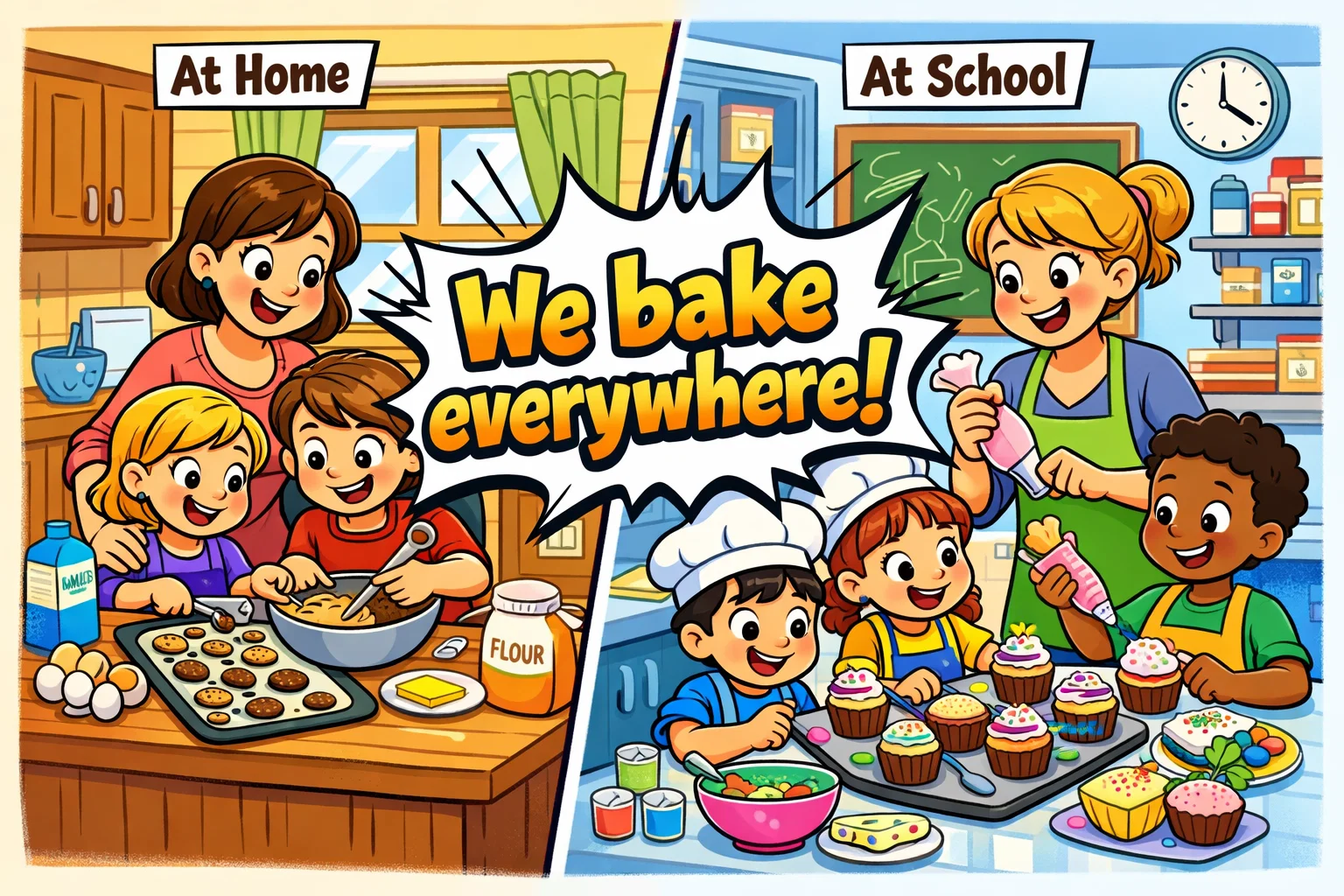
Create a weekly “Baking Sunday” to give your children a consistent routine to look forward to. It’s a great way to prepare snacks for the upcoming school week while spending quality time together. You can even create a “family recipe book” where you paste photos of your creations.
Baking activities at school
In a school setting, baking can be used to teach practical math and teamwork. It’s a hands-on way to explore different cultures through their traditional breads and pastries. Many teachers use baking as a reward activity that also doubles as a valuable life skills lesson.
Group baking projects
When baking in a group, assign specific “jobs” to each child, such as the “Head Stirrer,” the “Egg Cracker,” or the “Timer Keeper.” This structure helps prevent arguments and ensures that every helper feels their contribution is vital to the success of the project.
Inspiration for Baking with Kids
Easy recipes for kids
Start with the basics: a simple 3-ingredient biscuit recipe or a basic vanilla sponge. Once they master these, their confidence in the kitchen will skyrocket, and they will be eager to try more complex challenges.
Cupcake recipes and ideas
Look for inspiration in their favorite books or movies. You can make “Green Eggs and Ham” cupcakes or “Wizarding World” themed treats with gold icing. Theming the bakes makes the activity feel like an extension of their playtime.
Healthy baking ideas
Don’t be afraid to experiment with vegetables! Grated carrots or zucchini can add moisture to a muffin without the kids even realizing they are eating greens. It’s a “stealth health” tactic that works wonders for picky eaters.
Related Baking Projects
Fun home baking projects
Try a “Baking Mystery Box” challenge where you give the kids three random ingredients (like oats, white chocolate, and an orange) and see what they can come up with. It’s a fantastic way to encourage culinary intuition and bravery.
Baking bucket list
Create a poster for the kitchen wall with a “Baking Bucket List.” Include items like “Bake a loaf of bread,” “Make a 3-layer cake,” and “Create a savory pie.” Checking them off one by one provides a great sense of long-term achievement.
Seasonal baking projects
Align your baking with the seasons to keep things fresh.
- Spring: Lemon drizzle cakes and floral icing.
- Summer: Fresh berry galettes and chilled treats.
- Autumn: Apple crumbles and anything with pumpkin spice.
- Winter: Elaborate gingerbread houses and spiced cookies.
Baking Activities for Kids FAQ ❓
Best age for baking activities?
Most children can start helping as early as 2 years old with very simple tasks. By the time they are age 7 or 8, they can often do most of the mixing and measuring themselves under supervision.
Safest baking tools for kids?
Look for silicone tools which are heat-resistant and soft on little hands. Plastic measuring cups and lightweight mixing bowls are also much safer than heavy ceramic or glass versions which can break if dropped.
Time needed for baking with kids?
It often takes longer than the recipe suggests when baking with kids. Baking with children is about the journey, not the destination, so allow plenty of time for questions, tasting, and the inevitable flour spill.

Take a short quiz to find out what your everyday choices say about your parenting style
When your child is curious about something new, what’s your instinct?
Take a short quiz to find out what your everyday choices say about your parenting style
“Can I download this app?” What happens next?
Take a short quiz to find out what your everyday choices say about your parenting style
When it comes to rules at home, which sounds most like you?
Take a short quiz to find out what your everyday choices say about your parenting style
If you could give your child one life skill today, what would you pick?
Take a short quiz to find out what your everyday choices say about your parenting style
Your child gets to choose what to watch. What would your ideal setup look like?
Take a short quiz to find out what your everyday choices say about your parenting style
Pick your parenting superpower ✨