
Group Activities for Kids

 Discover a Free Education Video App for Kids
Pastory uses AI to personalize educational video content based on your child’s interests and personality. Safe, engaging, and built for curious young minds. Sign up now to stay updated and enjoy early access with a free trial
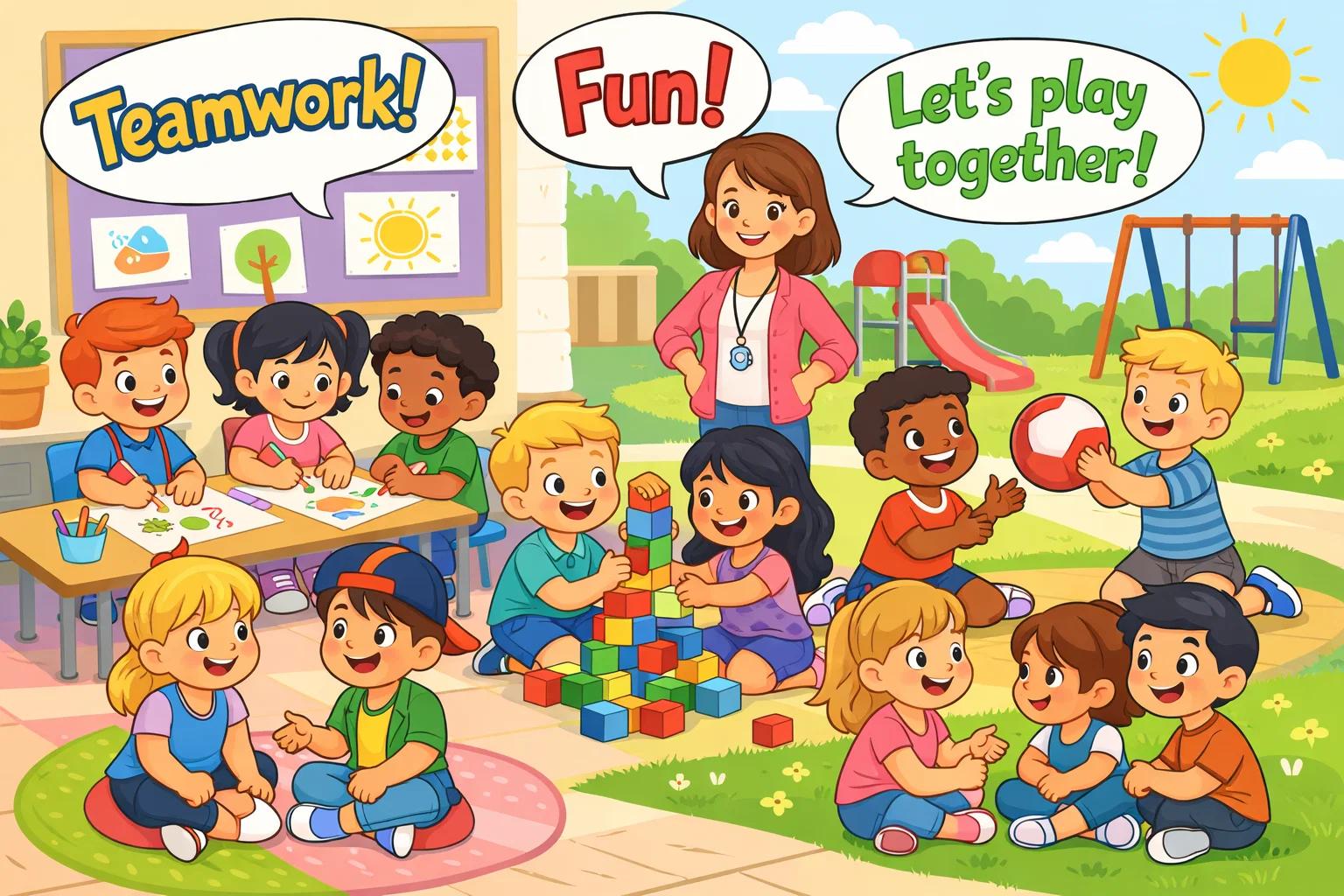
In the landscape of child development, group activities for kids serve as much more than just a way to pass the time. Whether in a bustling classroom, a sunny playground, or a cozy living room, these structured interactions are the main spaces where children begin to shape their identities and learn how to connect with others. From the high-energy demands of outdoor team building to the quiet focus of arts and crafts, group-based play offers a diverse toolkit for parents and educators to support a child’s journey toward maturity.
These team building activities are designed to meet children where they are, spanning various age ranges and environments. By engaging in team building games for kids, children transition from “parallel play” to true collaboration. This article explores how these games – ranging from scavenger hunts to hula hoop challenges – act as the building blocks for essential social skills, helping children from different backgrounds learn to work together toward a shared goal.
Benefits of group activities for kids
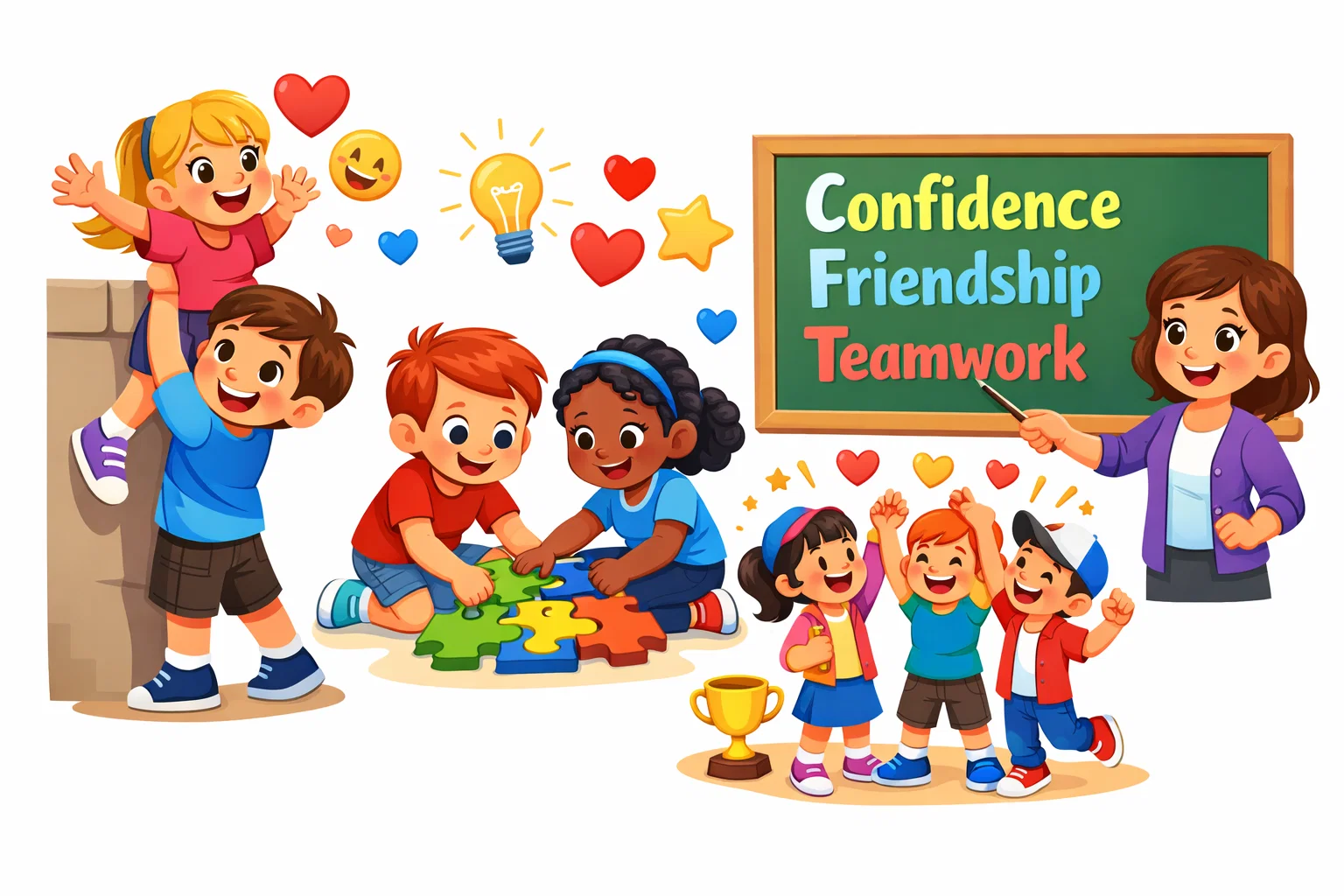
Many educators and parents notice that children who participate regularly in teamwork exercises show higher levels of emotional intelligence and academic persistence.These activities focus on the process of working together, team-building activities aren’t just about winning; they are about the process of engagement. These activities help children build important life skills and provide a low-stakes environment where the “cost” of a mistake is simply a restart, not a failure.
Social connection growth
Group play is the ultimate catalyst for social skills. When kids participate in fun team building activities, they are forced to step outside their own perspective. This environment teaches kids how to read body language, practice verbal communication, and develop empathy. By working in small groups, children learn that their peers have different ideas, and they must find a way to merge those ideas to succeed.
Confidence and participation
For a shy child, a large crowd can be daunting. However, team building activities for kids often break a class into teams, making the environment feel safer. When a child sees their contribution lead to a win – like placing the final marshmallow on a tower – it helps them feel more confident. This participation encourages them to take initiative in future social scenarios.
Problem solving through collaboration
Most team building games for kids are essentially puzzles. Whether it’s figuring out how to untangle a “human knot” or navigating a blindfold maze, children must use problem-solving skills to move forward. These activities for children require negotiation and compromise, teaching them that two heads are often better than one when facing a riddle or a physical challenge.
Emotional awareness in group play
Games like charades or simon says require kids to pay close attention to others. This constant observation helps kids learn to recognize frustration, excitement, or confusion in their teammates. By learning to work together and support someone who is struggling, they build a foundation of emotional maturity that carries over into their adult lives.
Group activities for every setting
The beauty of teamwork skills is that they can be cultivated anywhere. You don’t need a professional gym to build teamwork; you just need a bit of space and a clear objective.
Classroom group activities
Teachers often use icebreaker games to help kids transition into the school day. Structured activities and games in the classroom can support behavioral goals and academic learning. For example, a bingo game focused on the alphabet or math problems can turn a dry lesson into an engaging team building game.
Playground group activities
The playground is the natural habitat for outdoor team building. Here, larger groups can participate in group jump rope or games like tag. These settings allow for high-energy activities for kids that utilize playground equipment, such as using a hoop for a race or a balloon for a coordination challenge.
Home group activities
Parents can foster communication and teamwork through simple home-based building games. Whether it’s activities like a backyard scavenger hunt or a kitchen-table marshmallow tower, these moments help siblings and friends take turns and follow instructions in a relaxed environment.
Virtual group activities
In the digital age, kids can also learn collaboration through video calls. Virtual group activities might include “Show and Tell,” digital scavenger hunts where they find items in their own houses, or collaborative storytelling where each team member adds a sentence to a tale.
Icebreaker group activities
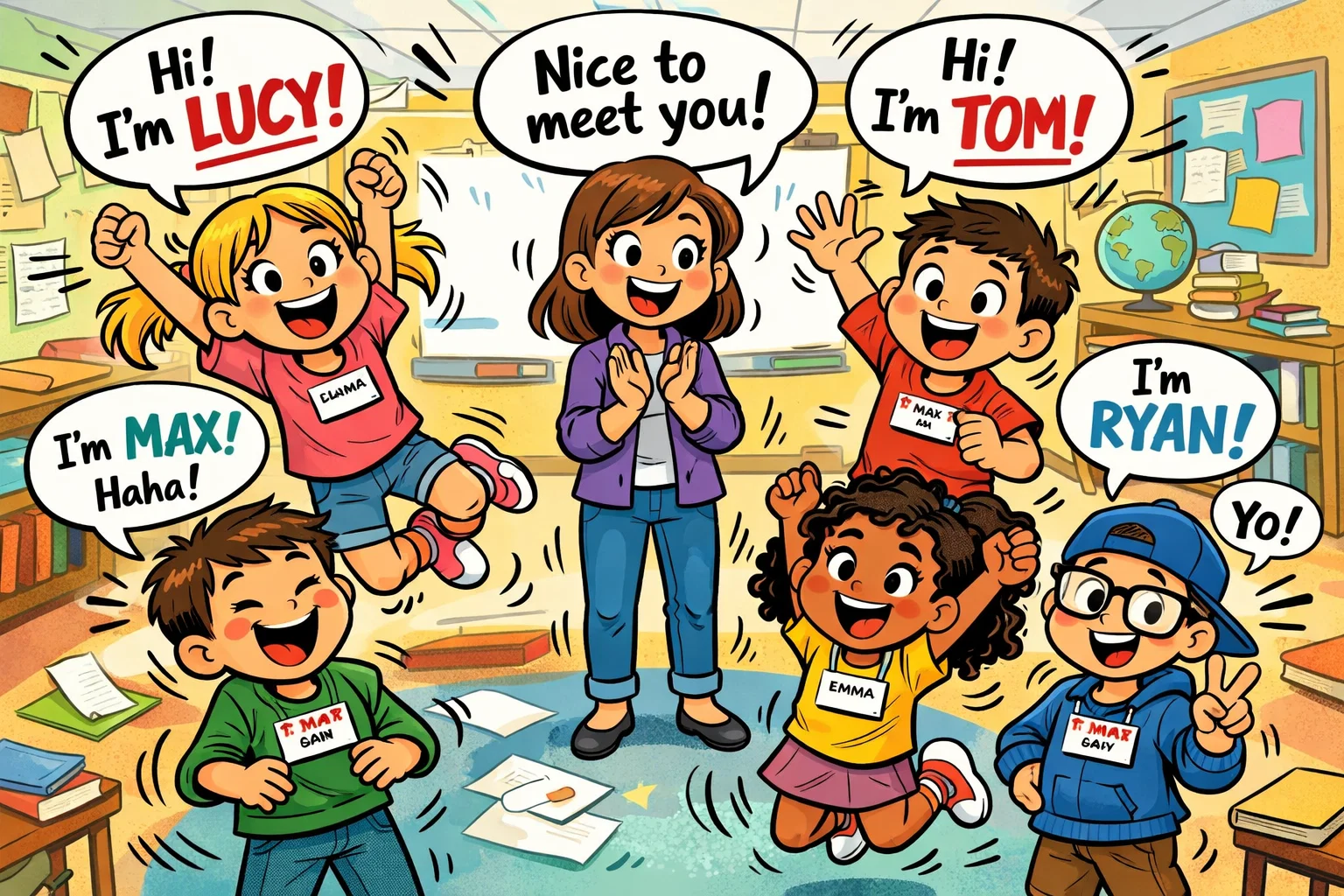
Icebreakers are the “handshake” of group dynamics. They are designed to lower defenses and get kids to improve communication from the very first minute.
Name games
Learning names is the first step toward social skills. A popular icebreaker is “The Alphabet Name Game,” where kids must find a creative adjective that starts with the same letter as their name (e.g., “Awesome Alex”). This helps classmates feel more comfortable with one another.
Quick movement starters
To get the energy flowing, a fun way to get kids moving is essential. Games like “Red Light, Green Light” or a quick round of simon says require kids to follow instructions and stay alert. These are great team building starters because they are inclusive and easy to understand.
Conversation starters
Circle-time prompts are excellent activities for children to practice listening. Ask a riddle or a “would you rather” question to encourage kids to listen to their peers’ unique answers, fostering a sense of community.
Indoor group activities
When the weather doesn’t permit outdoor team building, the focus shifts to creative thinking and communication. Here are some popular types of indoor group activities and what they teach:
| Activity Type | Main Skill Taught | Materials Needed |
| Building Game | Problem-solving | Legos, Blocks, or Straws |
| Story-based Games | Verbal communication | Just imagination! |
| Rhythm Circles | Coordination | Hands/Feet (Clapping) |
| Role-Play | Social skills | Costumes or props |
Story-based group games
Improv-style games, where different kids add one word to a story at a time, are lots of fun. It teaches them to listen to the previous team member and adapt their own ideas to fit the narrative.
Building and construction challenges
Give two teams a stack of newspapers and tape. The goal? Build the tallest tower that can support a balloon. This building game forces children to work together to test structural integrity and collaborate on a design.
Emotion and role-play games
Games for children like “Emotion Charades” show kids how to express feelings without words. This is one of the most effective ways to build teamwork because it heightens sensitivity to non-verbal cues.
Rhythm and movement games
Music-based activities for kids like “Freeze Dance” or synchronized clapping patterns require the group to move as one. This develops a physical sense of teamwork and communication.
Outdoor group activities
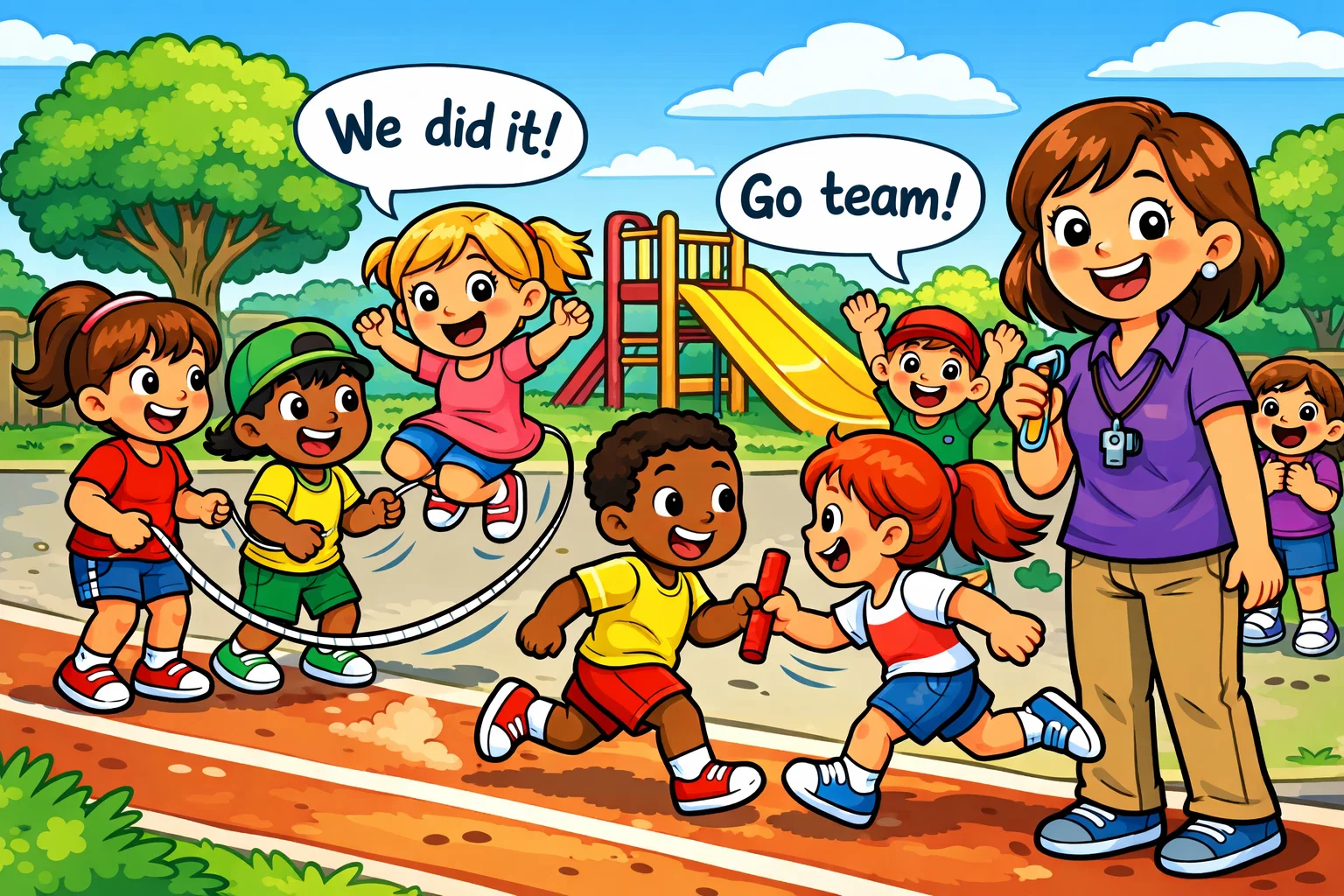
The outdoors provides the canvas for endless fun and physical development. It’s the perfect place for kids to run, jump, and move toward fitness and friendship.
Relay and race activities
Traditional races are great, but team-building activities often add a twist. Try a “Three-Legged Race” or a “Spoon and Egg” relay. In these games, kids take on roles where they must rely on a partner to reach the finish line.
Large-space playground games
Using a hula hoop for a “Human Hoop Pass” – where kids hold hands in a circle and must move the hoop around without breaking the chain – is a classic team building game. It requires kids to improve communication through physical movement.
Nature-based group activities
A nature scavenger hunt is a fantastic outdoor team building exercise. Give small groups a list of items to find (a jagged rock, a yellow leaf, etc.). This encourages problem-solving skills as they navigate the environment together.
Team sports formats
Modified sports, such as “No-Dribble Basketball,” help kids focus on passing and teamwork rather than individual scoring. This ensures every team member is involved in the play.
Strategic group building games
As older kids develop, they need challenges that test their logic and patience.
- Logic and Puzzle Challenges: Escape-room style tasks where the group must solve a riddle to get the next clue.
- Trust-based Activities: One child is blindfolded and must be guided through an obstacle course by the voice of their team member.
- Cooperative Construction: Using limited resources to build a bridge between two chairs.
Creative group activities
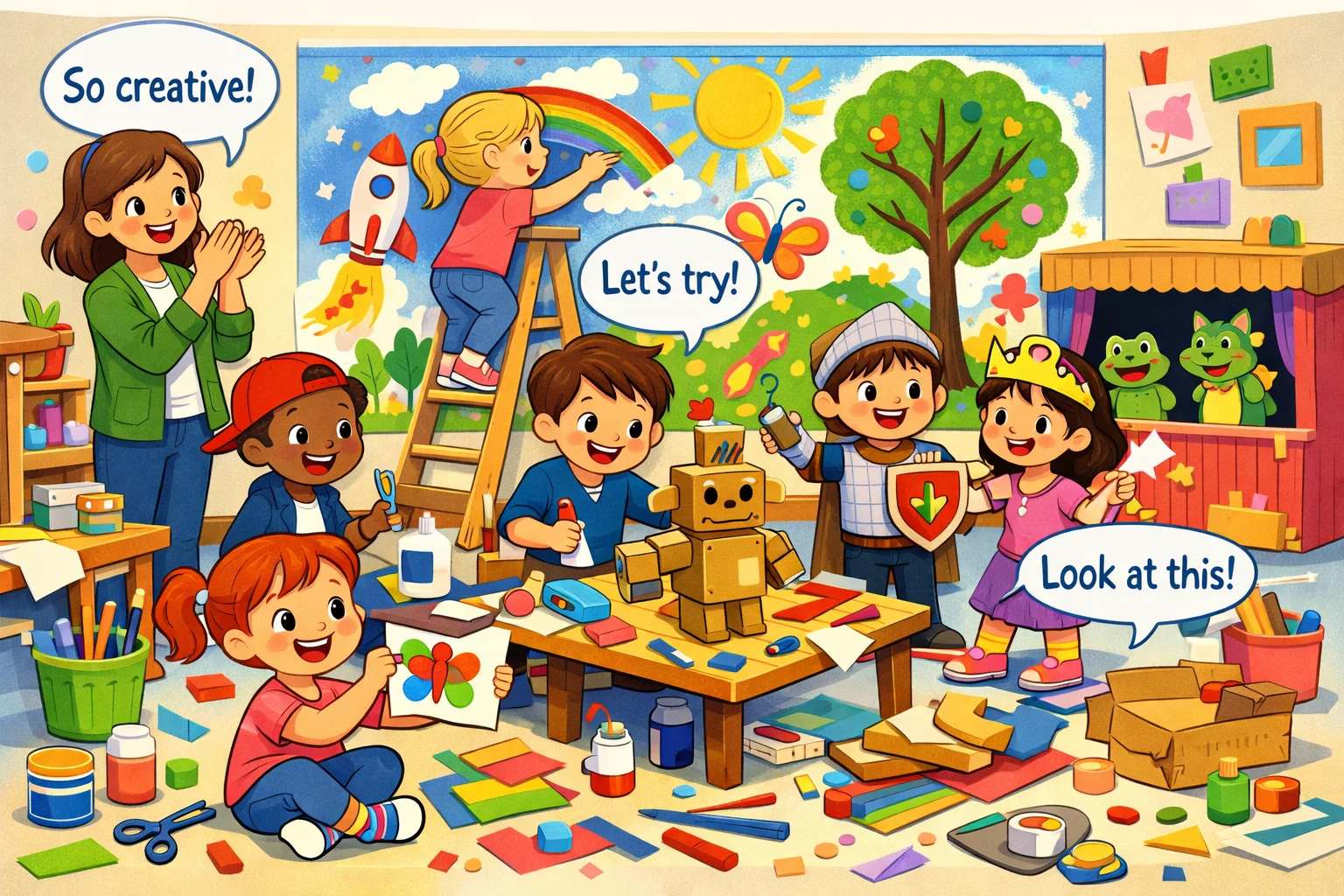
Art and performance are powerful building blocks for expression. Creative thinking allows different kids to shine in non-physical ways.
Group art projects
Creating a giant mural or a collage requires kids to collaborate on a theme. They must decide who paints what, which teaches kids the value of planning and shared space.
Drama and performance games
Putting on a 5-minute play with specific prompts encourages verbal communication and helps kids feel more confident in front of an audience.
Music and rhythm circles
Using drums or even just clapping, kids can create a “rainstorm” sound effect. This requires them to follow instructions and adjust their volume based on the group’s lead.
Social skills group activities
For many, essential social skills don’t come naturally. These targeted activities for children provide a framework for learning.
- Conversation Practice: Use “Talking Sticks” to ensure everyone gets a turn to speak.
- Emotion Recognition: “Mirroring” games where one child mimics the facial expressions of another.
- Decision-making: Have the group vote on which team building activities to do next, teaching them about democracy and compromise.
Team sports and cooperative play
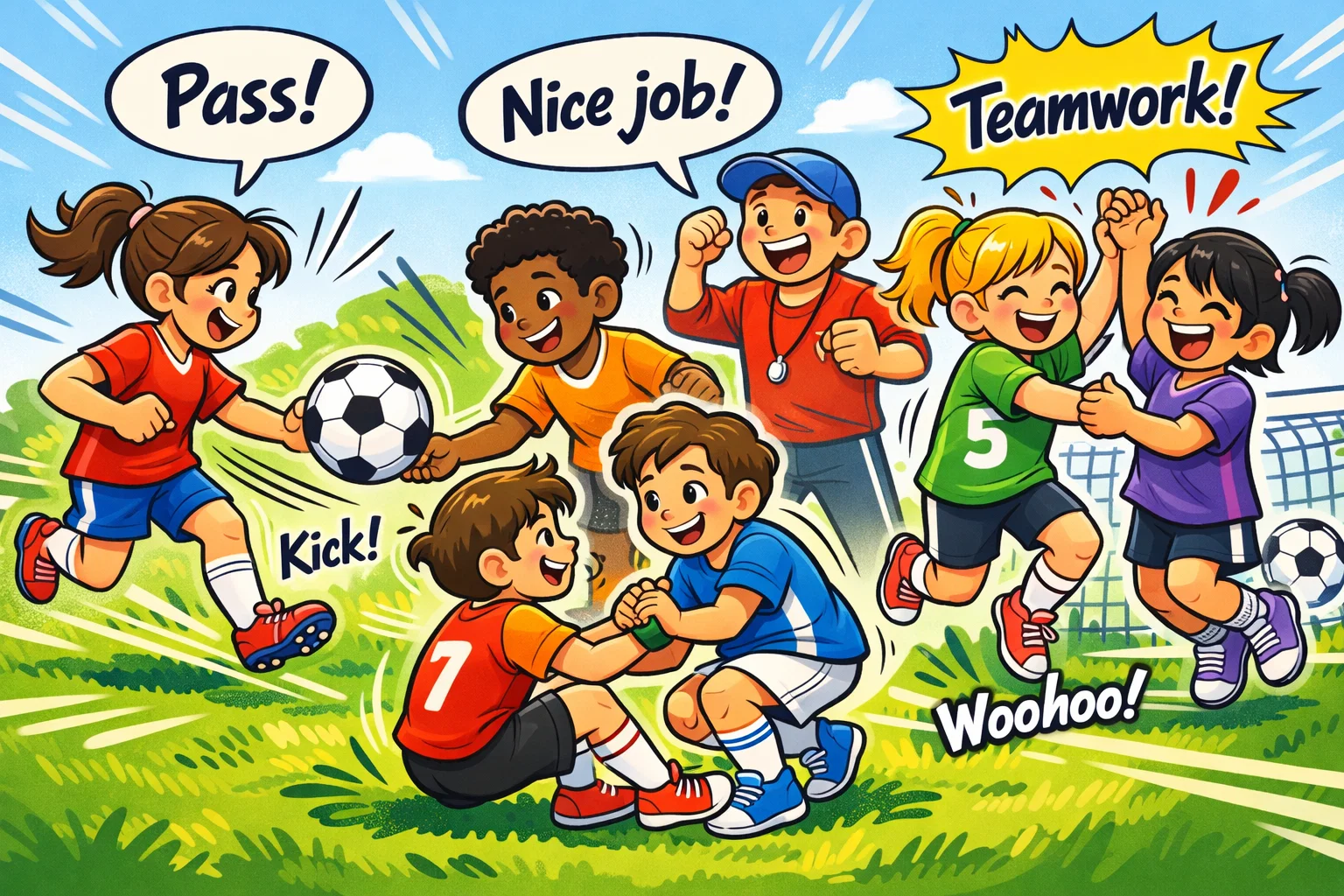
While competition is a part of life, teamwork and communication are often best learned through cooperation.
Modified team sports
In “Circle Soccer,” the goal is to keep the ball moving rather than scoring. This fun team-building approach ensures that even less athletic kids learn to participate without fear of judgment.
Non-competitive team games
Games like “Keepy Uppy” with a balloon require the whole group to work together to keep the balloon off the ground. There are no losers, only a shared effort to beat their previous record.
Physical coordination challenges
Group jump rope is a classic example. It requires the rope turners and the jumpers to be in perfect sync, demonstrating the beauty of teamwork in motion.
Group challenges and adventure games
For a sense of “epic” fun, adventure games are the way to go. Kids often love the chance to become heroes in their own stories.
- Scavenger Hunts: Clue-based hunts that lead to a “treasure.”
- Obstacle Courses: Using cones, hula hoops, and tires to create a path that requires two teams to help each other through.
- Escape-style Challenges: A series of problem-solving tasks that must be completed before a set timer runs out.
Group activities by age
A game that works for a 5-year-old might bore a 12-year-old. Tailoring activities for kids to their developmental stage is key.
Preschool group activities
Focus on sensory play and simple games for kids. Simon says that “Duck, Duck, Goose” are perfect because they have short durations and clear rules.
Elementary group activities
This is the prime age for team building activities for kids. They can handle more complex rules, like scavenger hunts or building games with marshmallows and sticks.
Preteen group activities
Older kids enjoy strategy. Trust-based activities and complex problem-solving tasks (like building a functional raft or a bridge) appeal to their growing need for autonomy and logic.
Ways to promote group participation
As an adult, your role is to facilitate, not dominate.
Teacher and parent roles
Set the stage and then step back. Show kids the goal, explain the rules, and let them struggle a little. The most growth happens when they have to untangle a problem themselves.
Inclusive group design
Ensure that activities and games can be played by everyone. If a child has physical limitations, choose creative thinking or verbal communication games where they can lead.
Positive reinforcement
Celebrate the effort, not just the win. Phrases like “I loved how you helped your team member when they fell” reinforce the social skills you want to see.
What’s next
Building teamwork skills is a marathon, not a sprint. To keep the momentum going, consistency is vital.
Activity planning tips
When choosing fun team building activities, rotate between high-energy outdoor team building and low-energy arts and crafts. This keeps the kids engaged and prevents burnout.
Weekly group schedules
If you are a teacher or camp counselor, try to dedicate Friday afternoons to a team building game. It gives the kids that boost they need to end the week on a high note.
Skill-focused group goals
Each month, focus on one specific skill. Maybe October is for communication skills, and November is for problem-solving. By linking activities for kids to improve specific traits, you create a structured path for their development.

Take a short quiz to find out what your everyday choices say about your parenting style
When your child is curious about something new, what’s your instinct?
Take a short quiz to find out what your everyday choices say about your parenting style
“Can I download this app?” What happens next?
Take a short quiz to find out what your everyday choices say about your parenting style
When it comes to rules at home, which sounds most like you?
Take a short quiz to find out what your everyday choices say about your parenting style
If you could give your child one life skill today, what would you pick?
Take a short quiz to find out what your everyday choices say about your parenting style
Your child gets to choose what to watch. What would your ideal setup look like?
Take a short quiz to find out what your everyday choices say about your parenting style
Pick your parenting superpower ✨



