32 Heavy Work Activities for Kids: Sensory & OT Support

 Discover a Free Education Video App for Kids
Pastory uses AI to personalize educational video content based on your child’s interests and personality. Safe, engaging, and built for curious young minds. Sign up now to stay updated and enjoy early access with a free trial
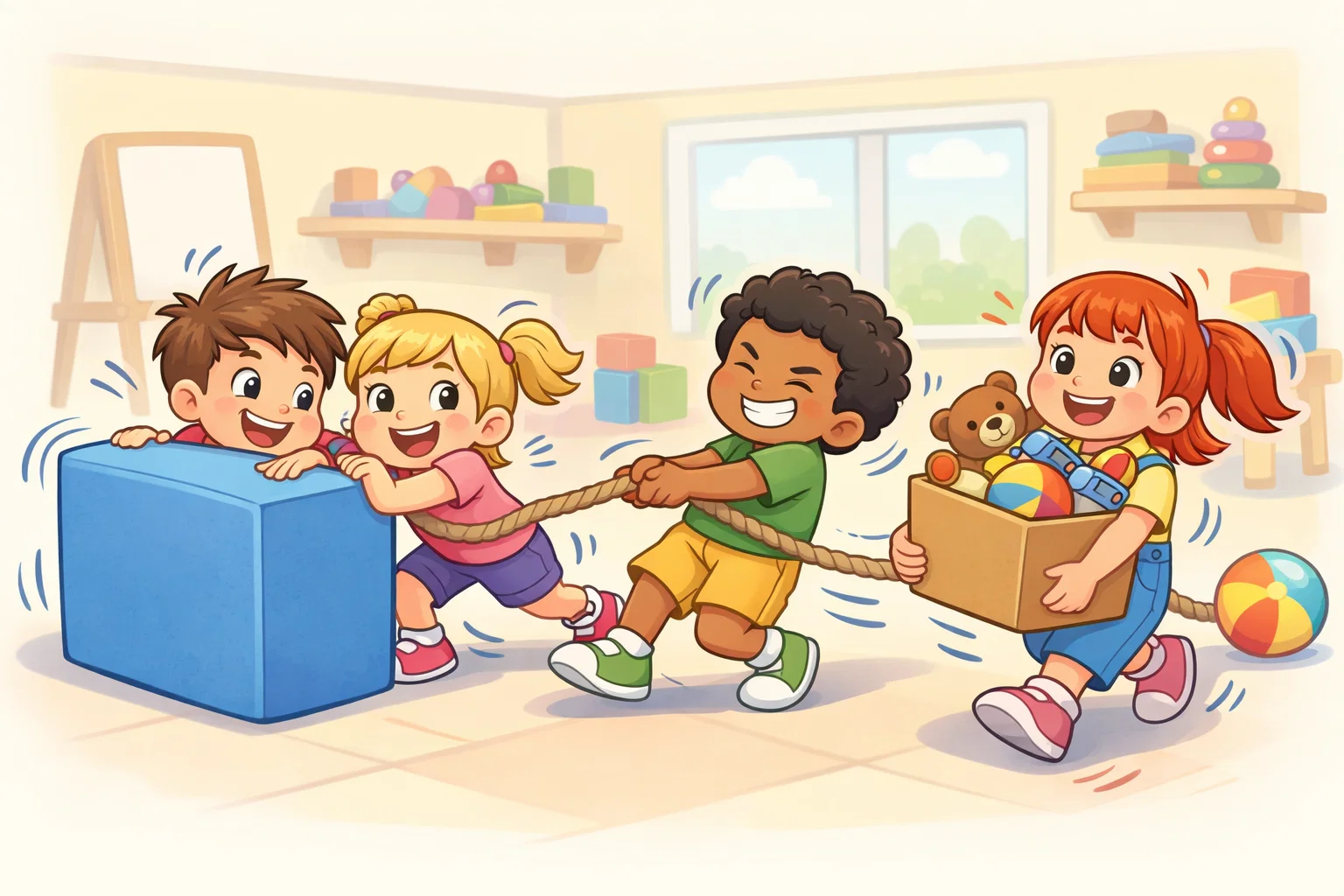
Heavy work activities for kids are movement-based tasks that engage muscles and joints through pushing, pulling, lifting, and resistance — delivering the proprioceptive input children need to feel calm, focused, and regulated. Occupational therapists, parents, and teachers use them to support sensory processing, body awareness, and behavioral focus throughout the day.
This article covers 32 heavy work activities organized for home, school, and sensory support routines, with guidance on when to use heavy work, how to build it into daily schedules, and how to adapt activities safely by age.
Key Takeaways
- Heavy work activities use pushing, pulling, and resistance to provide proprioceptive input that helps kids self-regulate.
- This article covers 32 activities organized for home, school, and occupational therapy routines.
- Heavy work supports focus, body awareness, and behavioral regulation in children of various ages.
- Activities can be adapted by age and safely built into daily schedules before learning tasks or after high-energy moments.
- Oral heavy work, such as chewing and sucking, is also covered as a sensory support strategy.
Heavy Work Activities
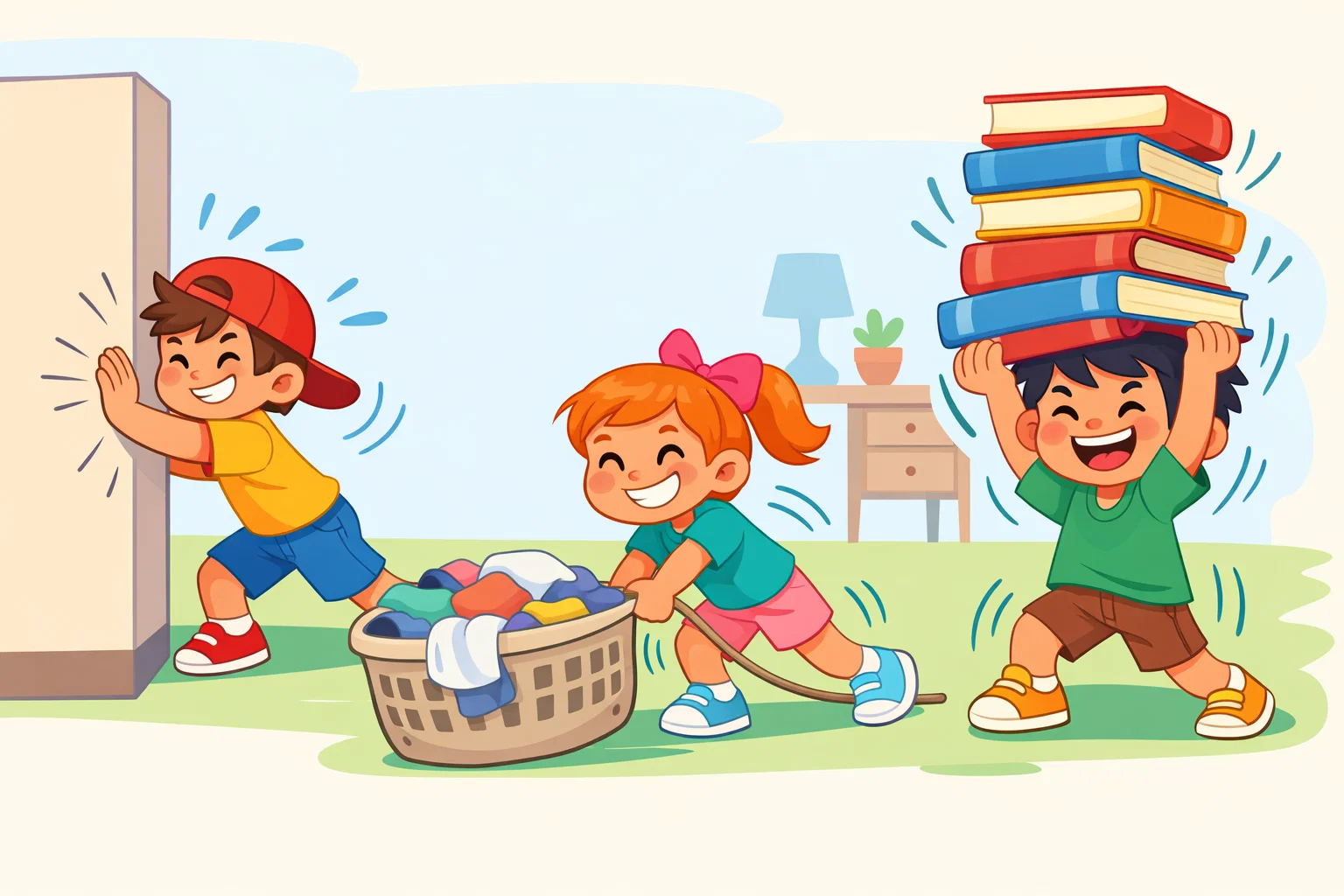
These tasks refer to any movement that involves pushing, pulling, lifting, or jumping—essentially anything that puts “work” on the muscles and joints. These movements are a cornerstone of many sensory diets. These activities are commonly described as “organising” for the brain, these tasks are “organizing” for the brain. Because this type of exercise is a great way to provide intense sensory feedback, it is often one of the first strategies used for kids who struggle to self-regulate.
Heavy work meaning in child activities
In simple terms, this concept refers to any activity that provides resistance to the body. When a child engages in these movements, receptors in their muscles and joints send signals to the brain about where their body is in space. This process is commonly referred to as proprioception. This concept can be observed easily in everyday activities: when a child carries a loaded basket of laundry or tries to climb a jungle gym, they are engaging their proprioceptive system to gain awareness of their physical boundaries.
Heavy work activities examples for kids
- Pushing a weighted laundry basket across the carpet.
- Jumping on a mini trampoline or into a pile of cushions.
- Pulling a wagon filled with rocks or toys in the garden.
- Lifting and carrying a backpack filled with books.
- Crawling through a tunnel or acting like a “human snake.”
Heavy work activities indoor and outdoor
These efforts can happen anywhere! Indoor activities might include push-ups against a wall or using appropriate chew tools for oral input. Outdoor sessions often utilize playground equipment, such as monkey bars for climbing or a sandbox where a child can dig deep into the sand. The garden provides excellent opportunities for raking or lifting watering cans, which helps build upper body strength and stability.
What Heavy Work Is
To truly use heavy work effectively, it is important to understand the mechanics behind it. It is more than just “getting the energy out”; it is about the quality of the sensory input being received by the brain.
Muscle-based movement in heavy work
The core of these activities is resistance. When a child performs a task that requires effort—like a push or pull motion—the muscles and joints are compressed or stretched. This deep pressure helps the brain recognise where the body is in space. This input is inherently calming for children because it provides a sense of safety and physical certainty.
Difference between heavy work and active play
While a game of tag is active, it might not necessarily offer the same resistance. Active play can sometimes be “high arousal,” leading to more excitement and less regulation. These specific tasks, conversely, are usually more deliberate. Heavy work activities can help support a transition from high arousal to a calmer state because the resistance requires motor planning and deliberate effort, which helps the brain “organize” movement.
Heavy work role in daily routines
Special equipment is not required to provide sensory input. These movements are most effective when they are part of a sensory diet integrated into the daily routine. This means having the child or young person help with “jobs” like carrying the groceries, wiping down the table with weight and pressure, or wearing a vest that is slightly weighted during a walk.
When to Do Heavy Work
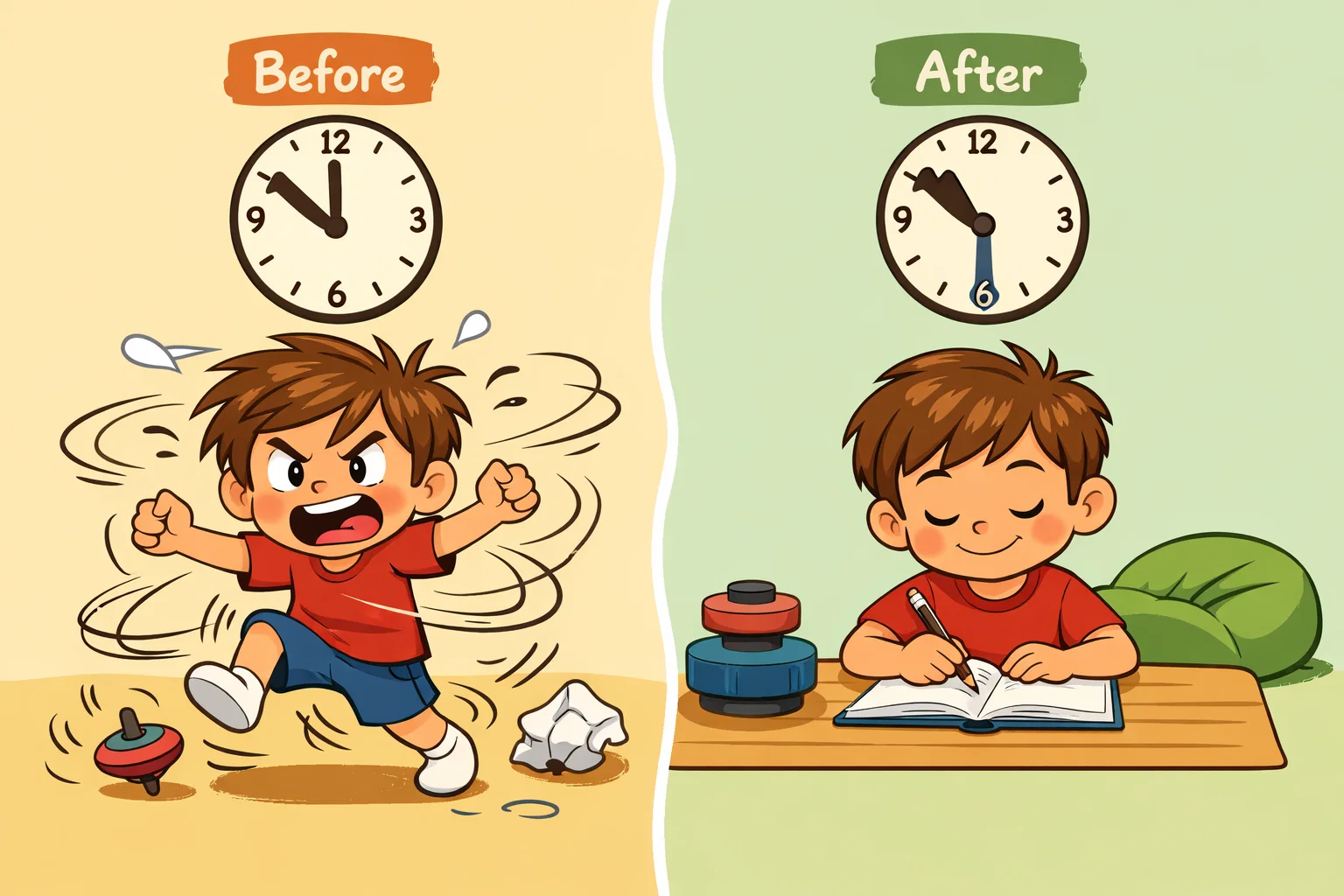
Timing is everything. Adding heavy work at the right moment can prevent a meltdown before it begins.
| Timing | Purpose | Example Activity |
| Before School | To activate the muscles and improve focus. | 10 jump squats or a “wall push.” |
| During Transitions | To ground the child between different environments. | Carrying a weighted backpack to the car. |
| After Overstimulation | To regulate the nervous system after a party or screen time. | Doing yoga poses or a “burrito roll” in a blanket. |
| Before Bedtime | To help the child feel calm and ready for sleep. | Slow animal crawls (like a turtle or bear). |
Heavy work before school or learning tasks
Proprioceptive input is often used to support seated stability and attention during learning tasks. A quick 5-minute exercise routine involving push-ups or jumping can prime the brain for the cognitive demands of the classroom.
Heavy work after high-energy moments
After a birthday party or a long period of loud noise, a child’s sensory system may be “red-lining.” Heavy work activities act as a natural brake. Deep pressure, such as a firm massage or “sandwiching” a child between two large floor cushions, provides the deep pressure needed to support overall sensory regulation and calm.
Why Heavy Work Activities Matter
Physical benefits for kids
Beyond the sensory aspect, these activities build core strength, shoulder stability, and motor skills. Lifting and pulling strengthen the large muscle groups, while tasks like kneading dough or squeezing a stress ball improve hand strength and fine motor skills.
Focus and behavior support
When a child has poor body awareness, they often seek it out by fidgeting or leaning on others. By individualizing a routine, you provide that input proactively. This leads to better focus because the child is no longer distracted by their own sense of being “lost” in space.
How to Use Heavy Work Activities
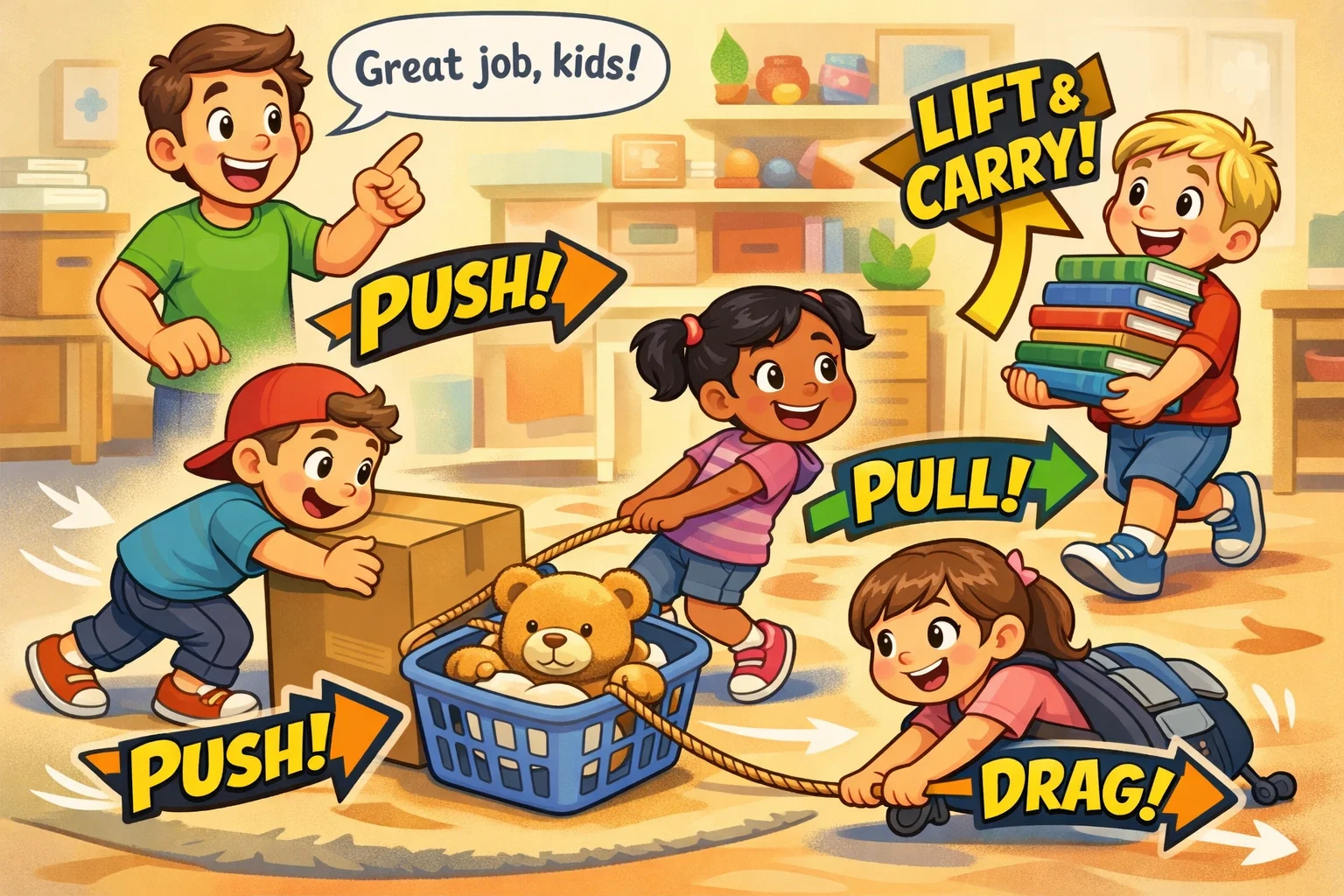
Creating heavy work routines
Consistency is key. Heavy work activity cards can be used—visual reminders of different tasks—to help the child choose an activity when they feel restless. Start with 2-3 activities and rotate them to keep the child or young person engaged.
Adapting heavy work by age
- Toddlers: Pushing a toy stroller, climbing over soft blocks.
- School-age: Helping with the laundry, jumping on a trampoline, or yoga.
- Teens: Yard work (mowing, digging), lifting gym weights, or carrying a weighted backpack.
Safety tips for heavy work play
Adult supervision is recommended during these activities during these tasks. Ensure that any weighted items (like a vest or backpack) do not exceed 10% of the child’s body weight. Always check for proper stability to prevent falls.
Pushing, Pulling, and Jumping: A Quick Reference
Pushing Activities
Pushing against a solid object provides immediate feedback to the shoulders and arms.
- Wall Push-ups: Have the child try to “push the wall over.”
- Furniture Move: (With felt pads) Push a chair or small table across the room.
- Box Push: Fill a cardboard box with books and have the child push it to a “delivery zone.”
Pulling Activities
Pulling involves resistance and upper body strength.
- Tug-of-War: Use a soft rope or a rolled-up towel.
- Laundry Basket Pull: Tie a rope to a basket and have the child pull their toys across the floor.
Jumping Activities
Jumping provides intense proprioceptive input through the ankles, knees, and hips.
- Trampoline: 2-minute intervals of controlled jumping.
- Crash Pad: Jump from a low step into a pile of pillows.
Chewing and Sucking: Oral Heavy Work
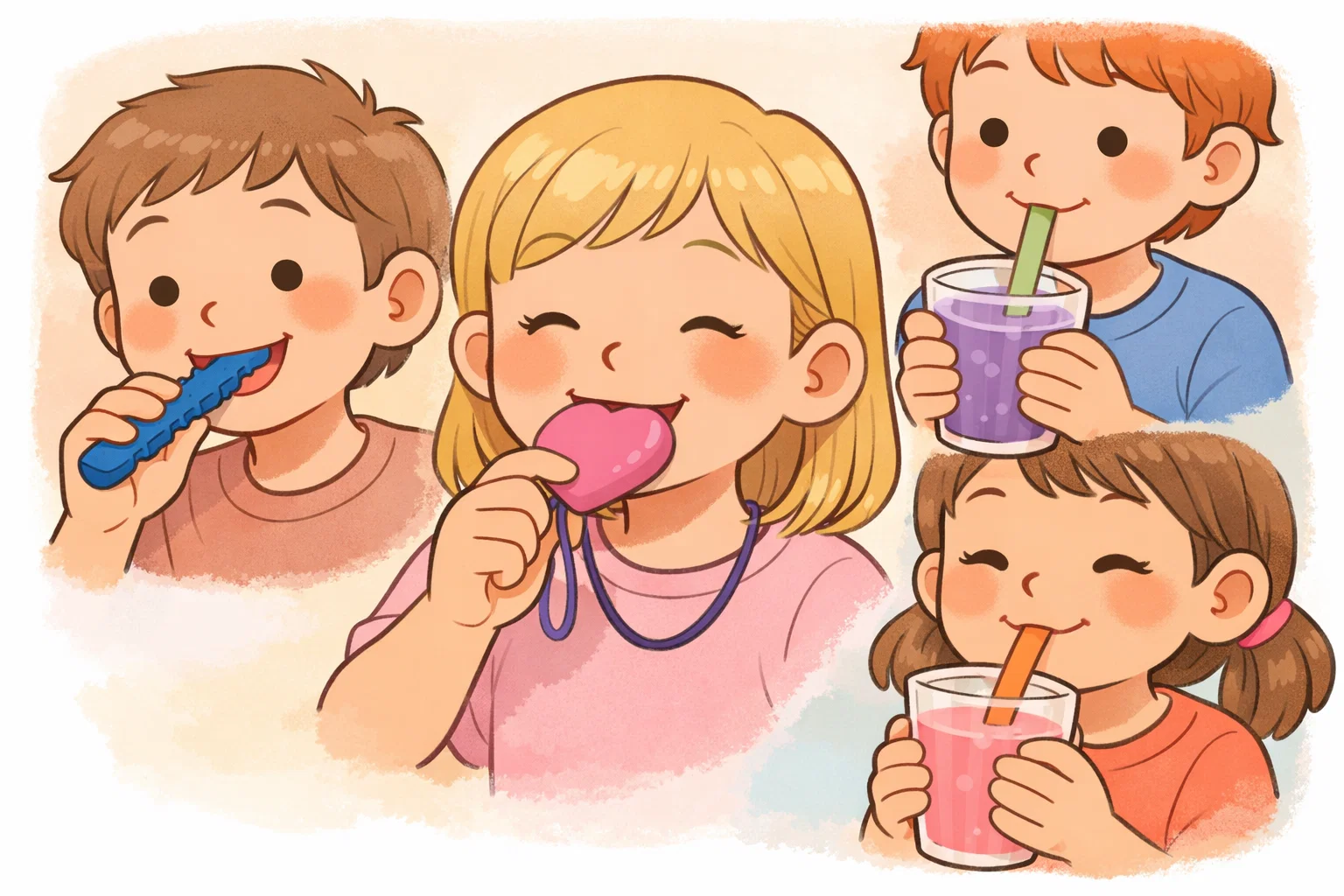
The jaw is one of the strongest muscles in the body. For some kids, proprioceptive input is most effective when delivered through the mouth.
- Chewing: Provide “chewelry” or crunchy snacks like carrots and apples.
- Sucking: Drinking a thick smoothie through a thin straw provides significant resistance.
Heavy Work Activities at Home
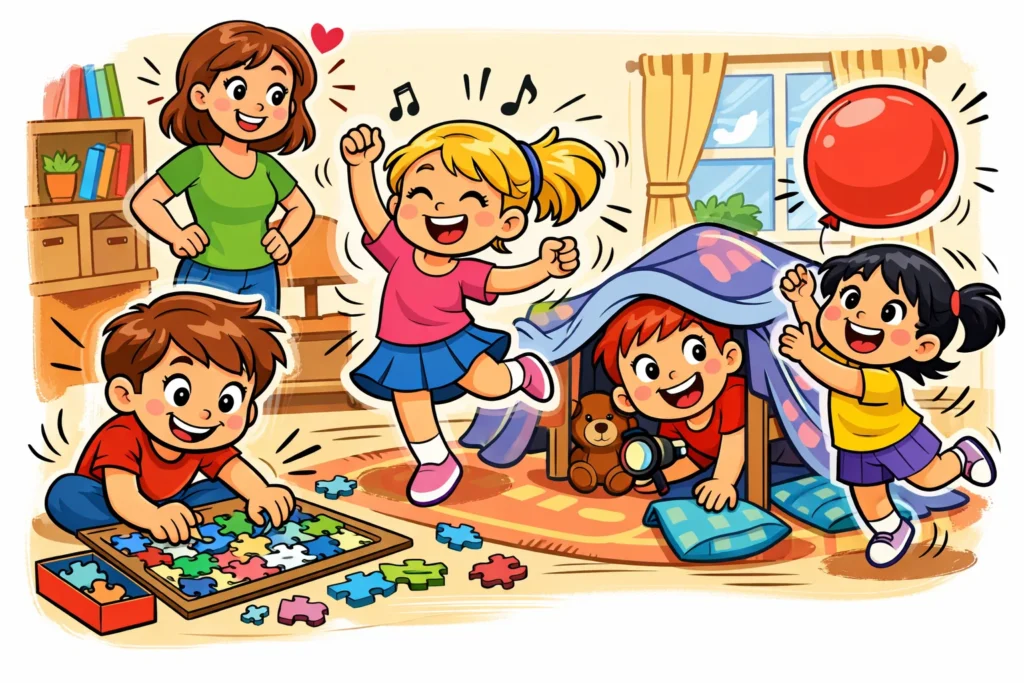
You don’t need a therapist’s office to see results. Use these indoor chore-based ideas:
- Groceries: Let the child carry the “full” (but safe) bags like flour or canned goods.
- Trash: Dragging the bin to the curb.
- Vacuuming: The push or pull of a vacuum is excellent therapeutic work.
- Gardening: Dig holes for new plants or pull weeds.
Heavy Work Activities for Sensory Support
Every child is different. If a child is sensory sensitive, they may need slower, more rhythmic resistance rather than fast jumping. Observing the child’s response helps determine whether the activity is appropriate. If they feel calm and their eyes brighten with awareness, you have found the right task.
Heavy work is a great addition to any home or classroom. By incorporating heavy work into the daily routine, you empower the child or young person to self-regulate and thrive.
Take a short quiz to find out what your everyday choices say about your parenting style
When your child is curious about something new, what’s your instinct?
Take a short quiz to find out what your everyday choices say about your parenting style
“Can I download this app?” What happens next?
Take a short quiz to find out what your everyday choices say about your parenting style
When it comes to rules at home, which sounds most like you?
Take a short quiz to find out what your everyday choices say about your parenting style
If you could give your child one life skill today, what would you pick?
Take a short quiz to find out what your everyday choices say about your parenting style
Your child gets to choose what to watch. What would your ideal setup look like?
Take a short quiz to find out what your everyday choices say about your parenting style
Pick your parenting superpower ✨