50+ Nature Activities for Kids: Outdoor, Indoor, and Seasonal Ideas

 Discover a Free Education Video App for Kids
Pastory uses AI to personalize educational video content based on your child’s interests and personality. Safe, engaging, and built for curious young minds. Sign up now to stay updated and enjoy early access with a free trial
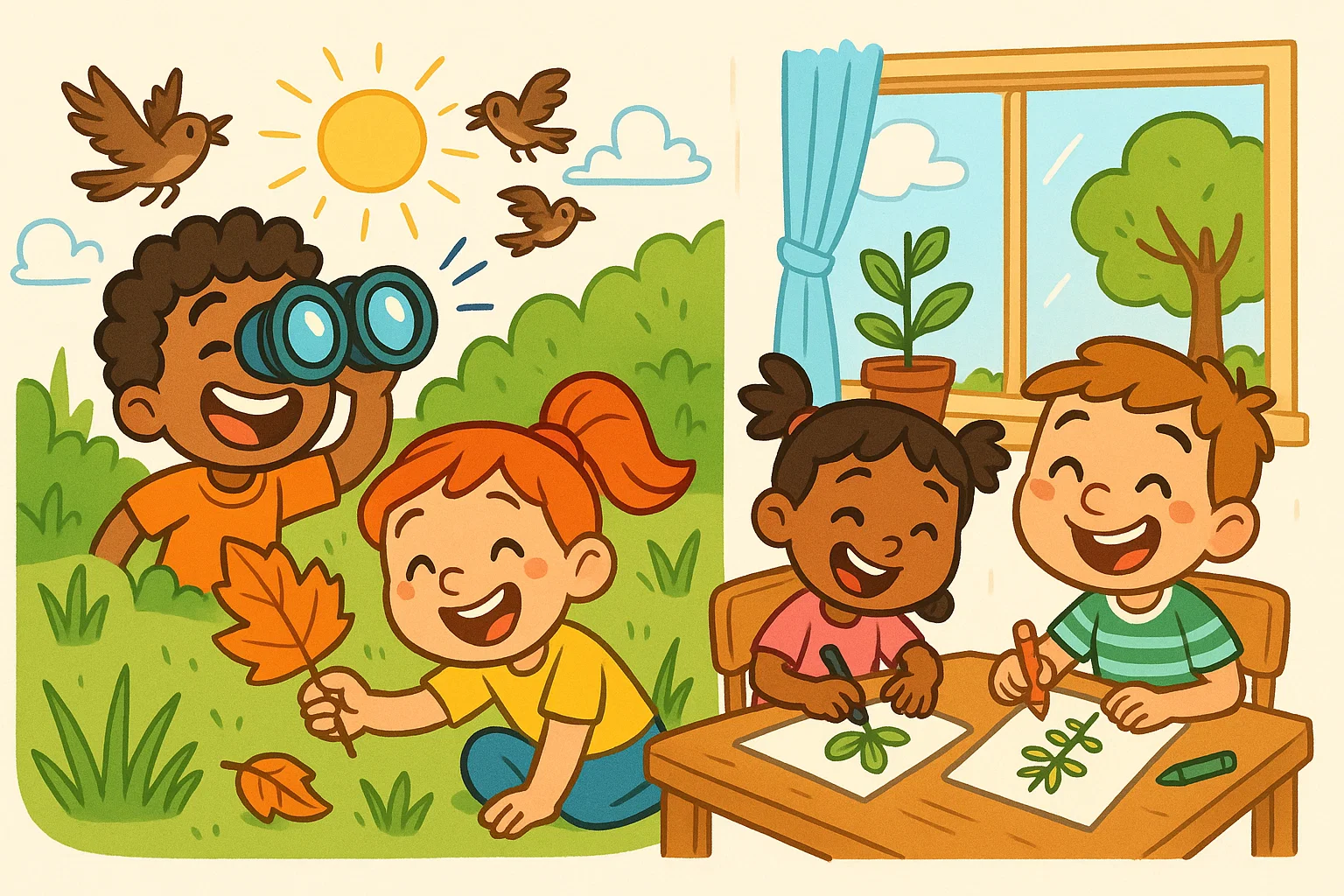
Nature activities for kids give children a hands-on way to explore the world around them, build curiosity, and develop skills that no screen can replicate. This guide brings together 50+ ideas covering outdoor exploration, creative nature play, science experiments, seasonal activities, and indoor options for rainy days.
Whether your family has a backyard, a nearby park, or just a windowsill, there is something here for every age and setting. Activities are organized by theme, with practical safety tips and age-appropriate suggestions to help make nature time a regular part of family life.
Key Takeaways
- This guide covers 50+ nature activities for kids organized across 7 themes, from outdoor exploration to indoor rainy-day ideas.
- Creative activities include nature art, leaf crafts, outdoor painting, and photography challenges for a range of ages.
- Science and learning sections cover simple outdoor experiments, citizen science, and using field guides and explorer kits.
- Seasonal activities span summer, autumn, spring, and winter so families can engage with nature year-round.
- Practical tips on safety, age-appropriate choices, and building nature time into everyday routines are included throughout.
Creative Nature Activities Outdoors
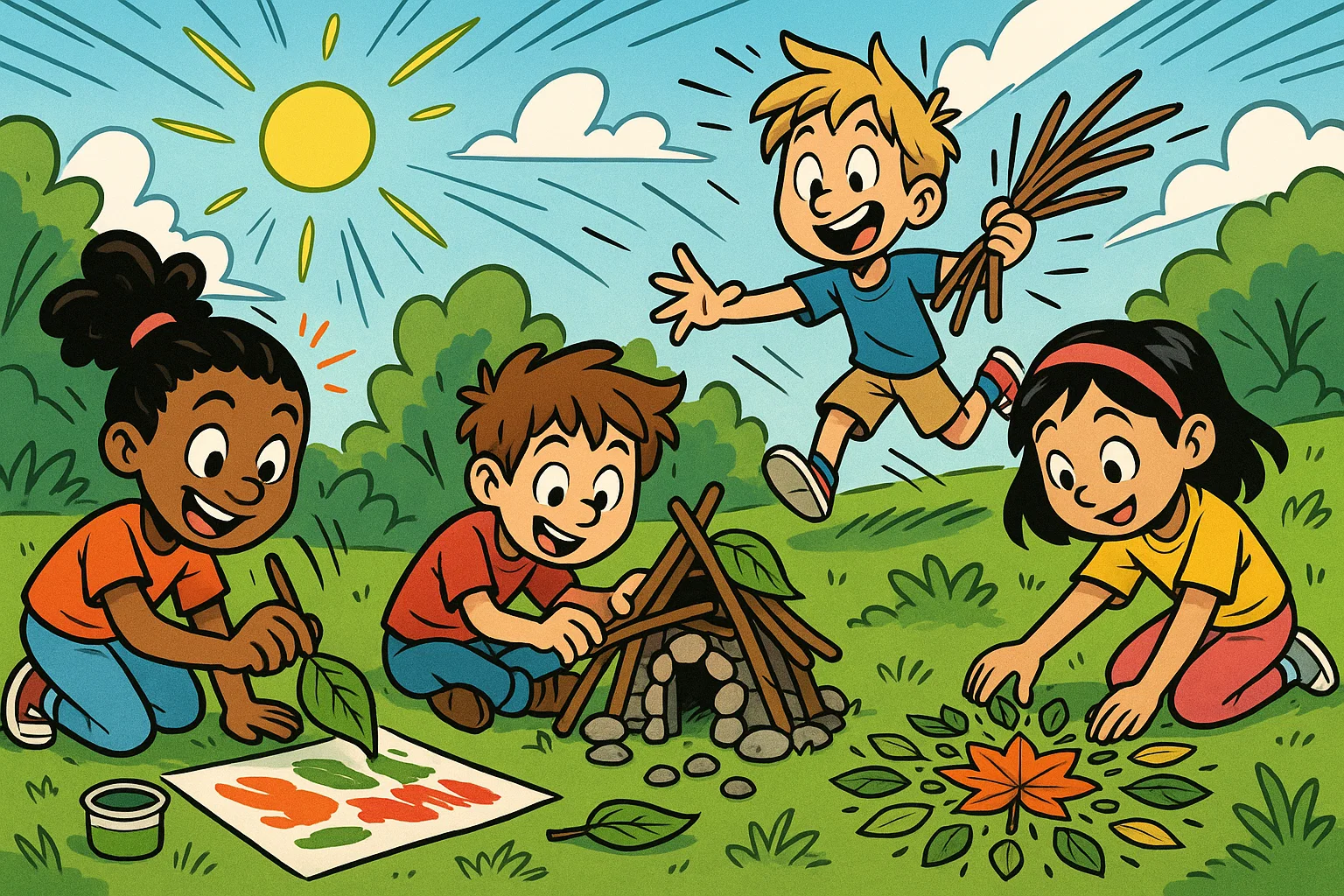
The best art studio is often the one Mother Nature provides. Using natural materials found outdoors encourages children to play and think creatively, turning simple objects like leaves, stones, and twigs into masterpieces. These hands-on activities are key to developing fine motor skills and an appreciation for different textures.
Nature Art Using Leaves, Sticks, and Stones
You don’t need a canvas to create beautiful natural art. The simplest items can inspire amazing projects.
- Natural Mandalas: Collect leaves, pebbles, flowers, and fallen sticks. Arrange them in circular, symmetrical patterns on a patch of earth or a tree stump. This encourages focus and awareness of geometric shapes.
- Stone and Twig Creatures: Use smooth stones for bodies and twig pieces for limbs or antennae. You can even use a permanent marker or a little mud to add facial features.
- Collage on Cardboard: Take a piece of cardboard or contact paper (sticky side up) outside and let the kids collect things like moss, bark, petals, and grass to create a three-dimensional collage.
Nature Crafts Using Recycled and Found Items
Combine found materials with simple household items for engaging nature crafts.
| Craft Idea | Natural Materials Used | Recycled/Household Item | Learning Focus |
| Simple Bird Feeder | Pinecones, peanut butter or vegetable fat | String, toilet paper roll | Animal observation, empathy |
| Fairy Houses | Twigs, moss, acorns, small stones | Cardboard, hot glue (adult help) | Imaginative play, building skills |
| Textured Clay Prints | Leaves, bark, seed pods | Salt dough or air-dry clay | Different textures, botany |
Outdoor Drawing and Painting Ideas
Step beyond traditional paper and paint to explore the artistic possibilities of the outdoors.
- Nature’s Palette: Crush berries or mash flower petals to create natural pigments. Use fallen sticks as makeshift paintbrushes.
- Bark and Leaf Rubbings: Place a piece of thin paper over a section of tree bark or a large leaf. Rub a crayon sideways over the paper to reveal the hidden texture. This is a wonderful way to learn about the surfaces of different species.
- Chalk Art: Bring sidewalk chalk to your driveway or a paved park area. Draw giant scenes inspired by the woodland or their current surroundings.
Garden Wildlife Activities for Kids
Transforming your garden or local park into a haven for wildlife is one of the most rewarding outdoor activities for kids. It teaches them about ecosystems and encourages children to explore the natural world right in their own backyard.
Bird Feeding and Bird Feeder Projects
Making and maintaining a feeder for birds is a classic activity that develops a sense of responsibility.
- Hang simple feeders made from a plastic bottle or a peanut-butter-coated pinecone rolled in birdseed.
- Keep a simple nature journal or chart to record which different species of birds visit. This enhances observation skills.
- Observational research suggests that bird watching can support patience and sustained attention in children.
Bee Hotels and Insect Shelters
Simple shelters can make a big difference for beneficial insects.
- Simple Bee Hotel: Bundle hollow bamboo canes or straw inside a tin can or small wooden box and place it in a sunny spot. Ensure the materials are dry and clean.
- Log Pile Den: Stack a few fallen sticks or logs in a quiet corner of the garden to create a cozy home for beetles and minibeasts.
Wildlife-Friendly Garden Ideas
Getting outside to make small, simple changes can encourage more life in your outdoor space.
- Plant native, pollinator-friendly flowers.
- Create a simple garden pond (even a sunken bucket) for frogs and newts.
- Leave a “wild zone” where grass is uncut to allow native plants to flourish.
Animal and Insect Exploration Activities
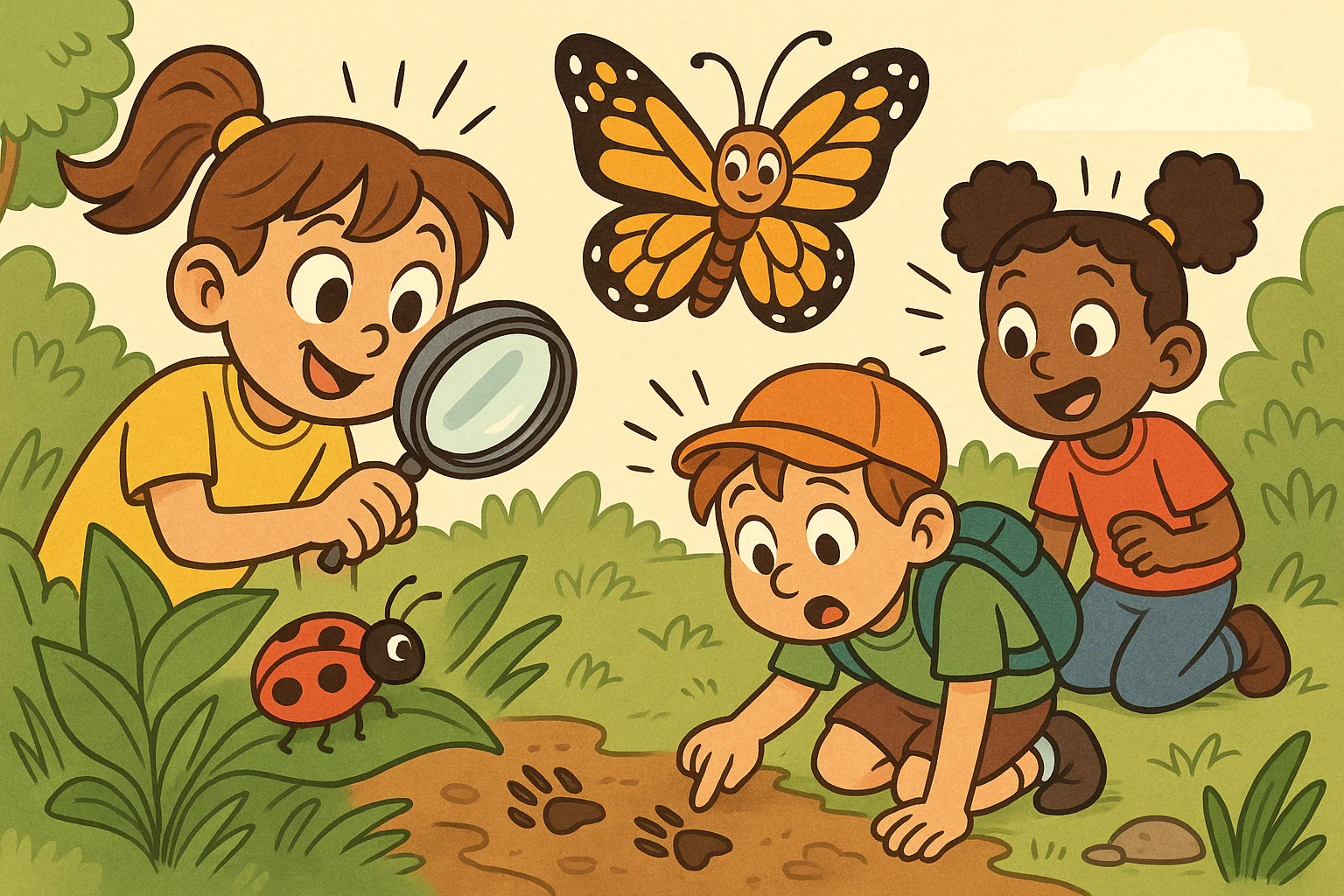
The natural world is filled with tiny, fascinating creatures. Focusing on small-scale exploration is an excellent way to encourage your kids to observe closely.
Insect Spotting and Minibeast Hunts
A minibeast hunt is a fantastic scavenger hunt variation.
- Use a magnifying glass to explore under rocks, logs, and leaves.
- Teach children the ‘catch and release’ rule: all creatures should be observed gently and returned safely to their homes.
- Optional Activity: Create a simple checklist or printable of common minibeasts (like spiders, ants, worms, and ladybugs) for a nature scavenger hunt.
Animal Tracks and Footprint Activities
Become nature detectives by looking for signs of animals.
- Look for tracks in mud or sand after a rainy day. Have the kids try to guess the animal.
- Home Experiment: Use plaster of Paris to cast an interesting track you find, creating a fun keepsake.
Nature Walks and Outdoor Exploration
A simple woodland walk or nature walk can be transformed into an epic adventure with a little planning.
Woodland Walk Activities for Kids
Outdoor play in the forest is excellent for gross motor skills development.
- Build a Den: Gather fallen sticks and branches to construct a simple shelter or fort. This cooperative task is great for family bonding.
- Stick Maze: Use small twigs to create a maze on the ground for a tiny pinecone or pebble to navigate.
Nature Scavenger Hunts
A nature scavenger hunt is one of the most popular fun activities for families. It provides a focus for the walk.
| Scavenger Hunt Theme | Items to Find | Development Skill |
| Sensory Hunt | Something rough, soft, smelly, noisy, smooth | Sensory processing, observation skills |
| Color Hunt | A red leaf, a yellow flower, something brown, something green | Color recognition, attention to detail |
| Texture Hunt | Smooth stone, prickly thistle, furry moss, ridged bark | Vocabulary building, tactile exploration |
Exploring Trees, Plants, and Flowers
Spend time looking closely at the vegetation.
- Feel the texture of tree bark. Is it smooth, rough, or flaky?
- Collect different shapes and sizes of leaves to make a leaf crown or a nature art picture later.
Mindful and Reflective Nature Activities
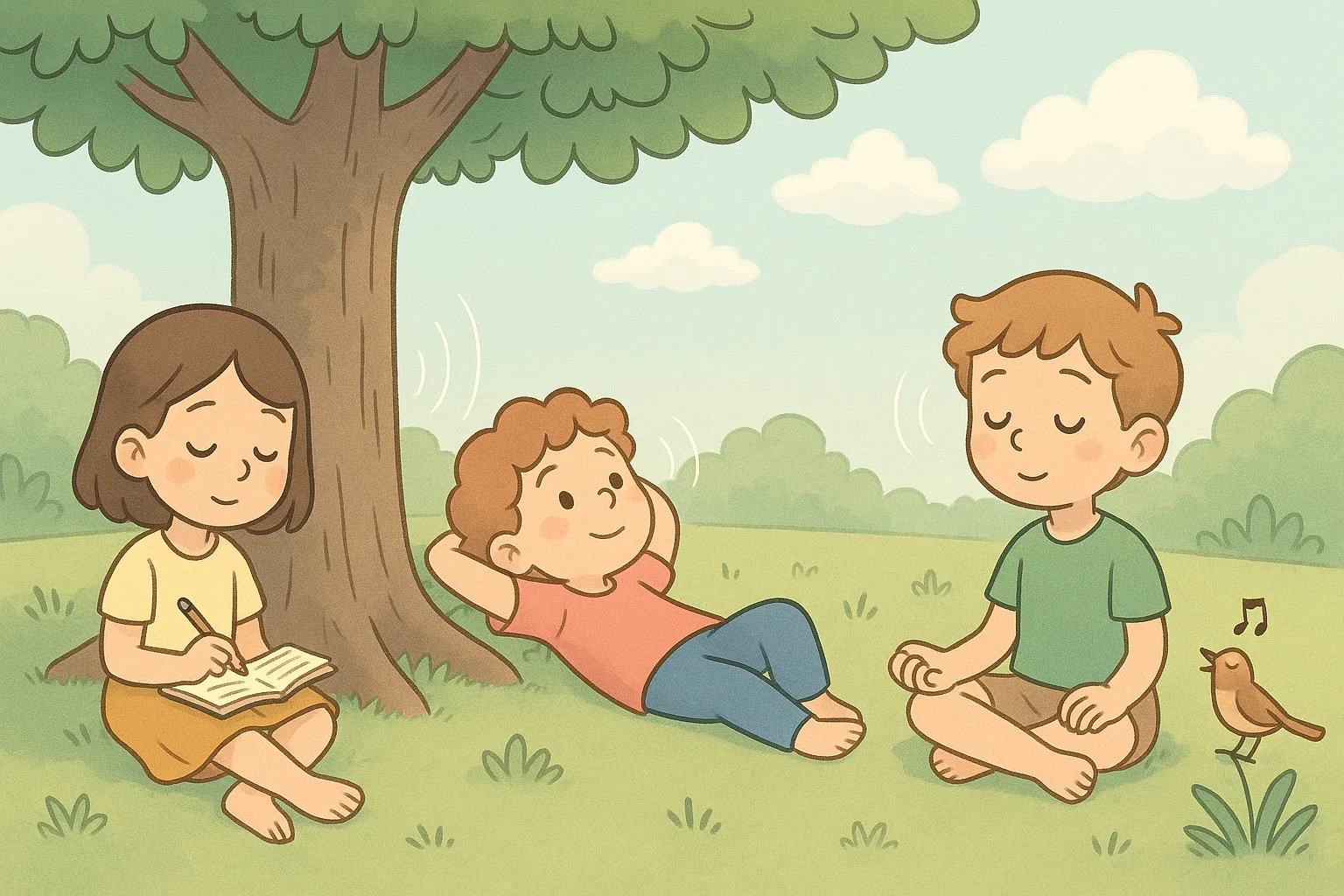
The calming effect of nature is well documented. These quieter outdoor activities promote emotional well-being and confidence.
Nature Watching and Observation
Encourage children to slow down and use all their senses.
- Listen: Close your eyes for one minute and list all the sounds you hear (birds, wind, water, etc.).
- Smell: Gently smell leaves, earth, and flowers. Which scents are strongest?
Nature Journaling and Diaries
A nature diary or nature journal is a beautiful way to encourage reflection and a love for learning.
- Sketch a flower or a fascinating insect. Drawings don’t need to be perfect; the act of observation is the goal.
- Write down one thing they are grateful for in nature on that day.
- Preserve small pressed flowers or leaves inside the journal pages.
Outdoor Relaxation and Sensory Play
Getting outside is an instant mood booster.
- Cloud Gazing: Lie on your backs and look for shapes in the clouds. This is a wonderful exercise in imaginative play.
- Make Mud: Simple mud play—making mud pies or just squishing it—is a classic sensory experience.
Science and Learning Nature Activities
Nature is the ultimate laboratory, and these educational activities for kids make learning about the world irresistible.
Simple Outdoor Science Experiments
These experiments are often done with materials found right in your own garden.
- Shadow Tracing: Trace your shadow or the shadow of a tree at different times of the day to see how the sun’s position changes it.
- Simple “Volcano” Experiment: Combine dirt and a mix of baking soda and vinegar in a small hole for an erupting science lesson.
Citizen Science and Recording Nature
Involve your children in real scientific projects.
- Participate in local bird watching counts or frog surveys. This teaches children about conservation.
- Record the first blooming flowers of spring or the dates different species of butterflies arrive.
Using Field Guides and Explorer Kits
Equipping your child with a simple kit can dramatically enhance their exploration.
- A simple kit could include a magnifying glass, a notebook, a pencil, and a set of crayons.
- Use a basic field guide to identify trees, insects, or birds you encounter.
Photography and Creative Documentation
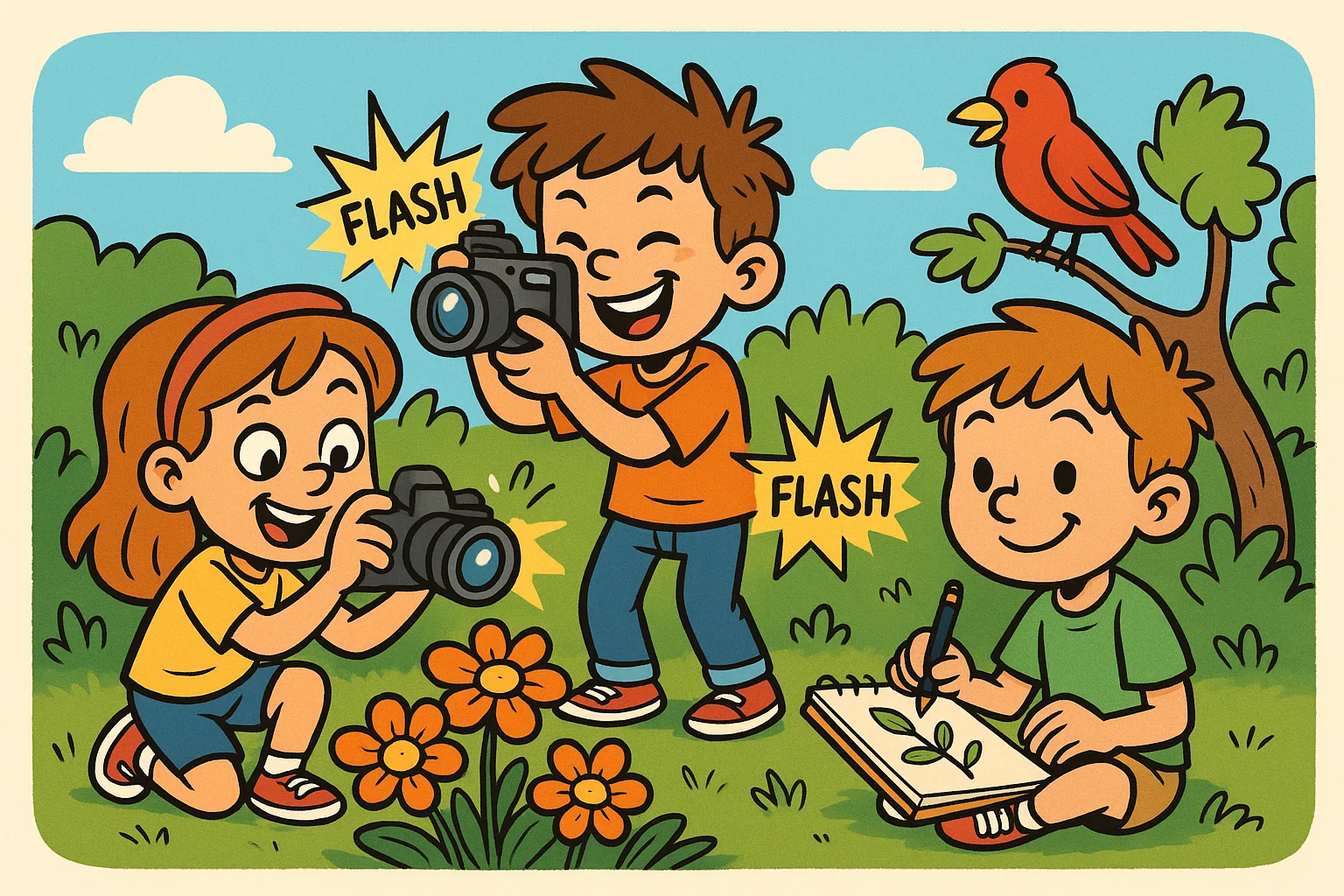
Older kids, in particular, may enjoy documenting nature with a camera or a phone.
Wildlife Photography for Beginners
- Focus on capturing the texture of a piece of bark or the intricate pattern of a leaf.
- Challenge your child to get close-up shots of minibeasts or flowers without touching them.
Nature Photography Challenges
Turn documentation into a game:
- Alphabet Challenge: Find something natural that starts with every letter of the alphabet.
- Color Wheel Challenge: Photograph objects in the order of a rainbow.
Night Sky and Moon Observation
Don’t let the fun stop at sunset.
- Use a simple stargazing app to identify constellations.
- Keep a simple chart of the moon phases over a month.
Indoor Nature Activities for Rainy Days
When you can’t head outdoors, you can still connect with the natural world without leaving home.
Pressed Flowers and Leaf Crafts
Preserving nature’s beauty can lead to lovely keepsake crafts.
- Press flowers between the pages of a heavy book.
- Use the dried flowers to decorate greeting cards or bookmarks.
Nature Games and Memory Activities
Bring the outdoors in with games.
- Nature Bingo: Create bingo cards with pictures of things you might see on a nature walk.
- “I Spy” Nature Jar: Fill a clear jar with items the kids collect and play “I Spy” based on color, shape, or texture.
Seasonal Nature Activities for Kids
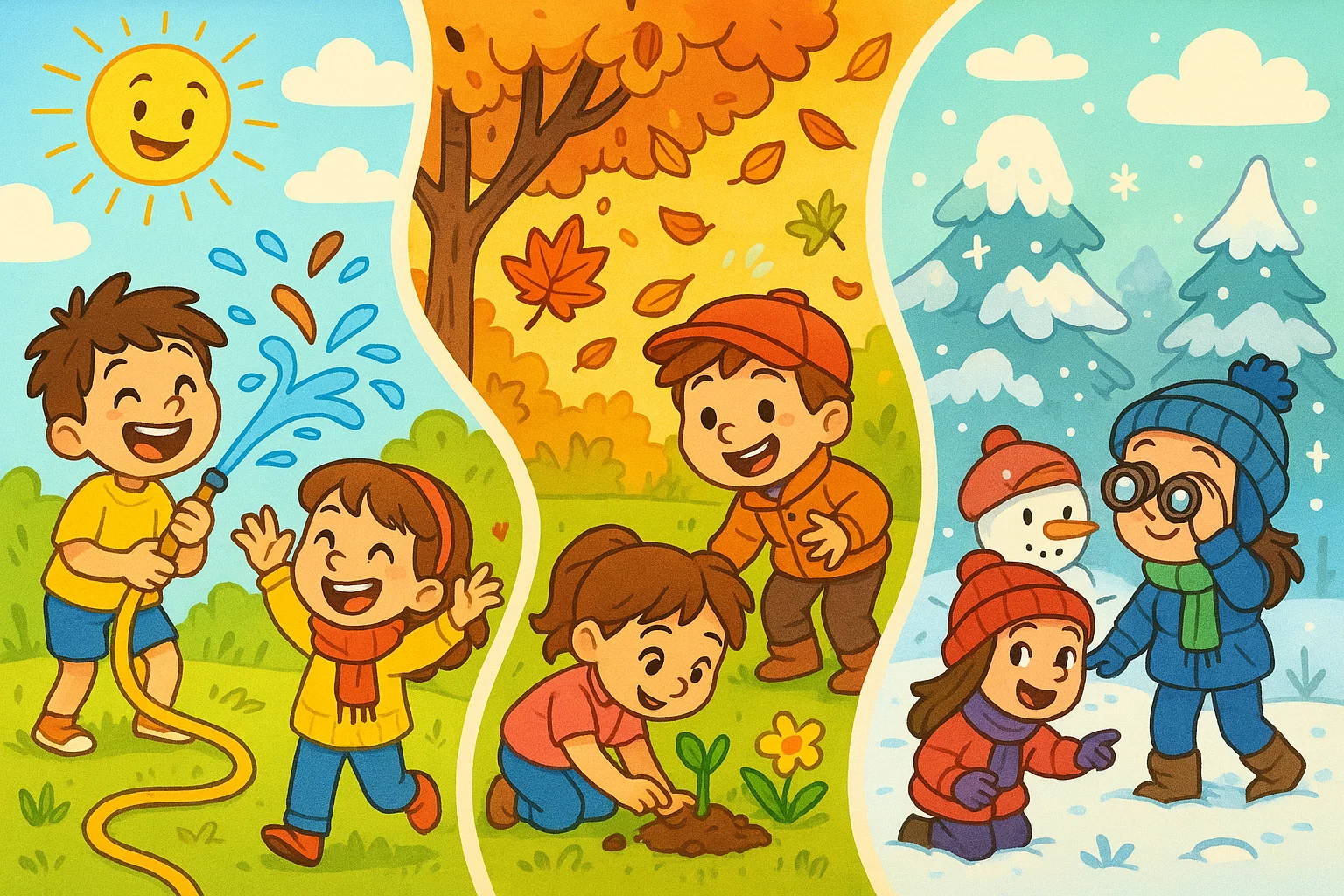
Structuring outdoor activities around the seasons is a fantastic way to learn about nature’s cycles.
Summer Nature Activities
The warmth of summer is perfect for getting outside.
- Water play with simple plastic buckets and collected sticks/stones.
- Planting and tending a simple vegetable or flower patch.
Autumn Nature Activities
Fall offers a riot of colors and textures.
- Collecting different colored leaves for a leaf crown or a collage.
- Gathering acorns, pinecones, and seed pods for indoor activities later.
Spring and Winter Nature Ideas
- Spring: Look for buds on trees and the first spring flowers. Encourage your little ones to explore the growth of new life.
- Winter: Look for animal tracks in the snow or patterns made by frost. Go on a “winter texture” woodland walk.
Benefits of Nature Activities for Kids
The investment in time spent exploring the great outdoors offers significant returns in your child’s development.
Physical Development Through Outdoor Play
Outdoor activities for kids are crucial for physical health. Running, climbing, and building a den enhance:
- Coordination and Motor Skills: Navigating uneven terrain, catching, and throwing.
- Strength and Endurance: Sustained outdoor play burns energy and strengthens muscles.
Creativity and Imagination Development
Open-ended natural environments fuel inventive thought.
- An old log can become a boat, a castle, or a dragon. This imaginative play is vital for problem-solving.
- The ever-changing variety of the natural world stimulates original thinking and creative nature play.
Emotional Well-being and Confidence
Time spent in fresh air and exercise has a powerful positive impact on mental health.
- Reduced Stress: Exposure to natural environments is linked to lower cortisol levels.
- Increased Confidence: Mastering a simple outdoor challenge, like climbing a small hill or identifying a new bird, builds self-esteem.
Tips for Safe and Enjoyable Nature Play
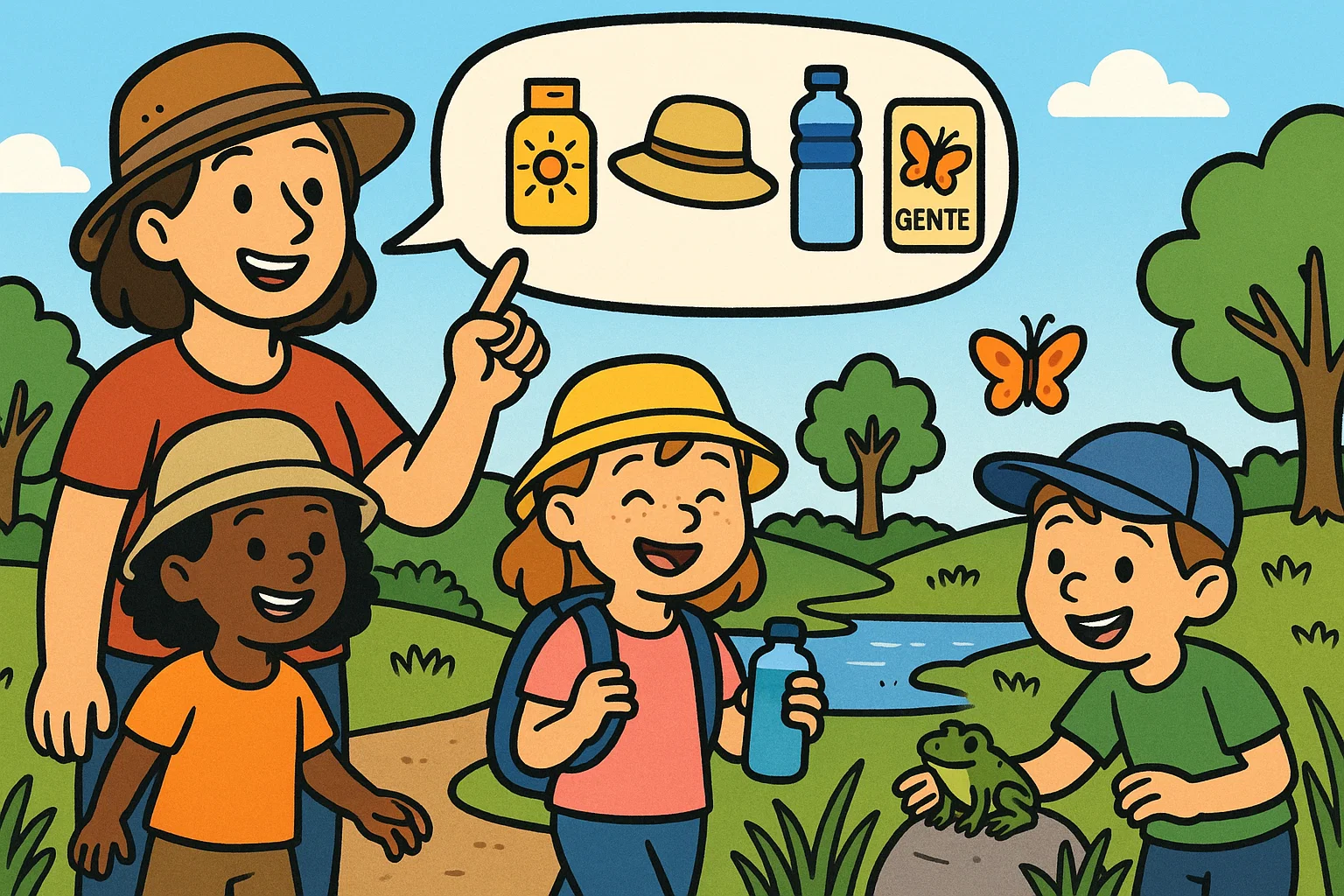
Safety Guidelines Outdoors
Prioritize safety so you can allow children to explore more freely.
- Dress Appropriately: Ensure clothing is suitable for the weather.
- Sun and Bug Protection: Apply sunscreen and insect repellent as needed.
- “Look, Don’t Touch” Rule: Teach children to observe wild animals and plants (especially fungi) without touching.
Age-Appropriate Nature Activities
Adapt the list of things to do with kids to their developmental stage.
- Toddlers: Focus on sensory experiences—touching mud, smelling flowers, a simple color-based nature scavenger hunt.
- Older Kids (7+): Introduce science concepts, nature journaling, and more complex outdoor games.
Encouraging Curiosity and Independence
The best approach is often a hands-off one.
- Follow Their Lead: If your child is fascinated by a particular rock, stay and explore the rock with them.
- Ask Open-Ended Questions: Instead of pointing things out, ask, “What do you notice about this twig?” or “Why do you think that leaf is red?” This encourages independent thinking.
Nature Activity Ideas for Families
Making nature exploration a family tradition strengthens bonds and ensures regularity.
Family Outdoor Games and Challenges
- Nature Photo Album: Dedicate a shared family photo album to their fun nature discoveries.
- Team Build-a-Den: Work together as a team to create the best den in the garden or park.
Nature Activities for Siblings
Choose activities that allow for both cooperation and independent discovery.
- Assign different roles on a nature walk: one is the ‘collector,’ one is the ‘photographer,’ and one is the ‘navigator.’
Making Nature Time Part of Routine
Consistency is key to fostering a lifelong love for learning.
- Establish a “Wild Wednesday” where you dedicate an hour to outdoor play.
- Commit to a monthly family woodland walk or a visit to a new local natural area.
By integrating these diverse nature activities for kids and many more into your family life, you are giving your children the invaluable gift of connecting with the world around them.

Take a short quiz to find out what your everyday choices say about your parenting style
When your child is curious about something new, what’s your instinct?
Take a short quiz to find out what your everyday choices say about your parenting style
“Can I download this app?” What happens next?
Take a short quiz to find out what your everyday choices say about your parenting style
When it comes to rules at home, which sounds most like you?
Take a short quiz to find out what your everyday choices say about your parenting style
If you could give your child one life skill today, what would you pick?
Take a short quiz to find out what your everyday choices say about your parenting style
Your child gets to choose what to watch. What would your ideal setup look like?
Take a short quiz to find out what your everyday choices say about your parenting style
Pick your parenting superpower ✨